
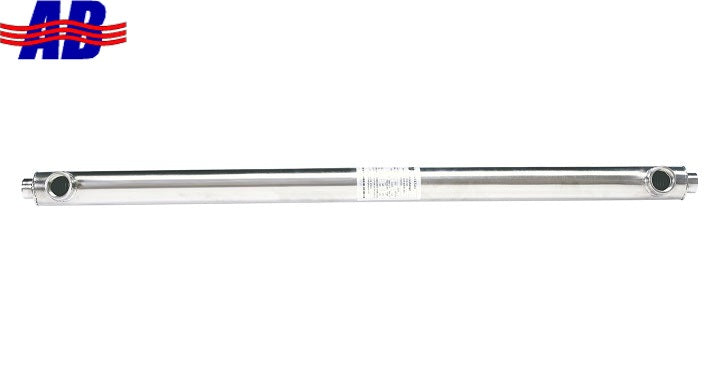
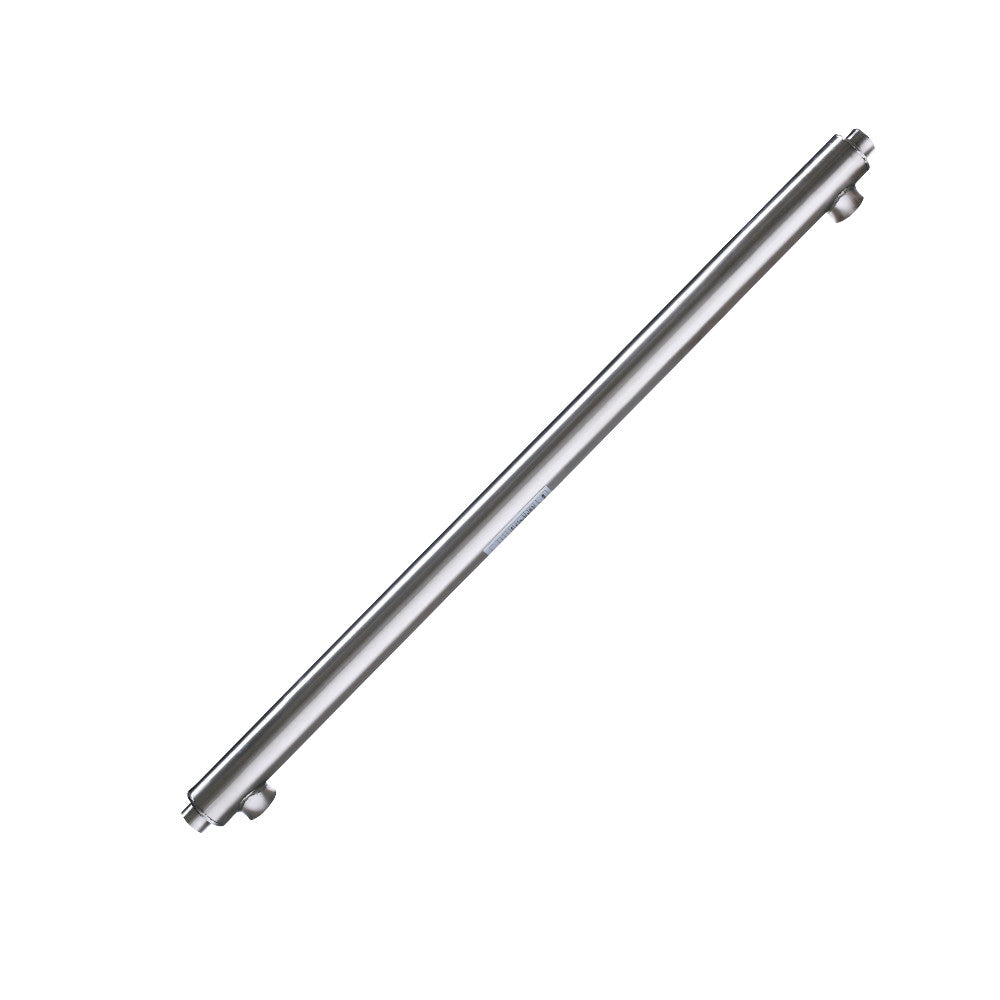
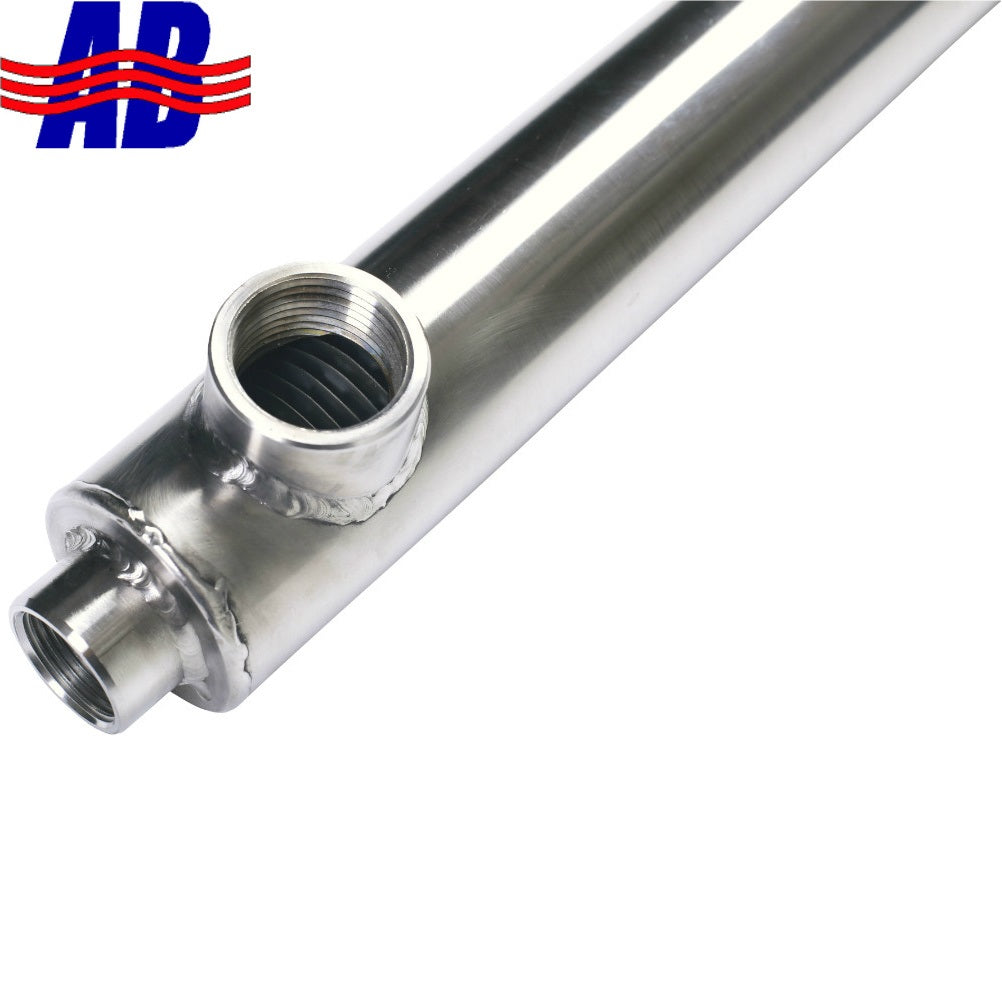
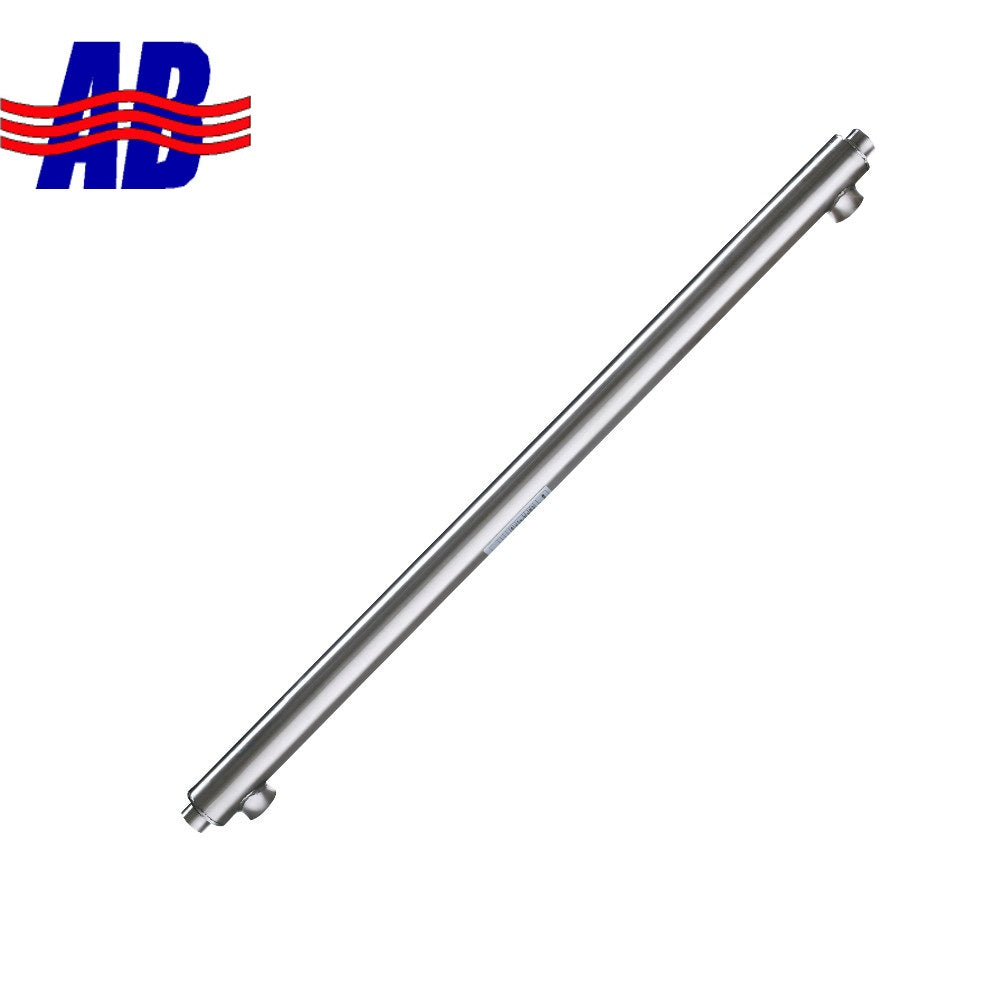
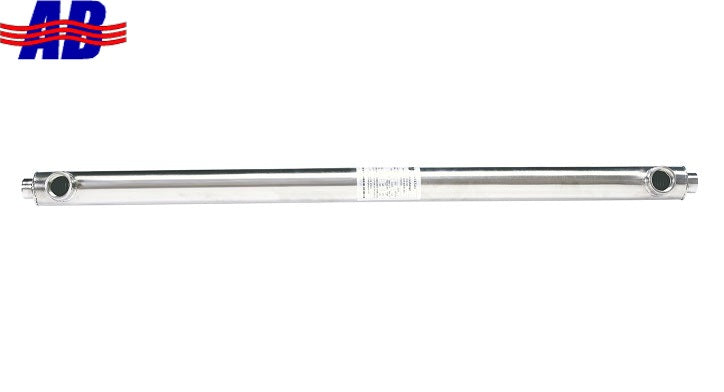
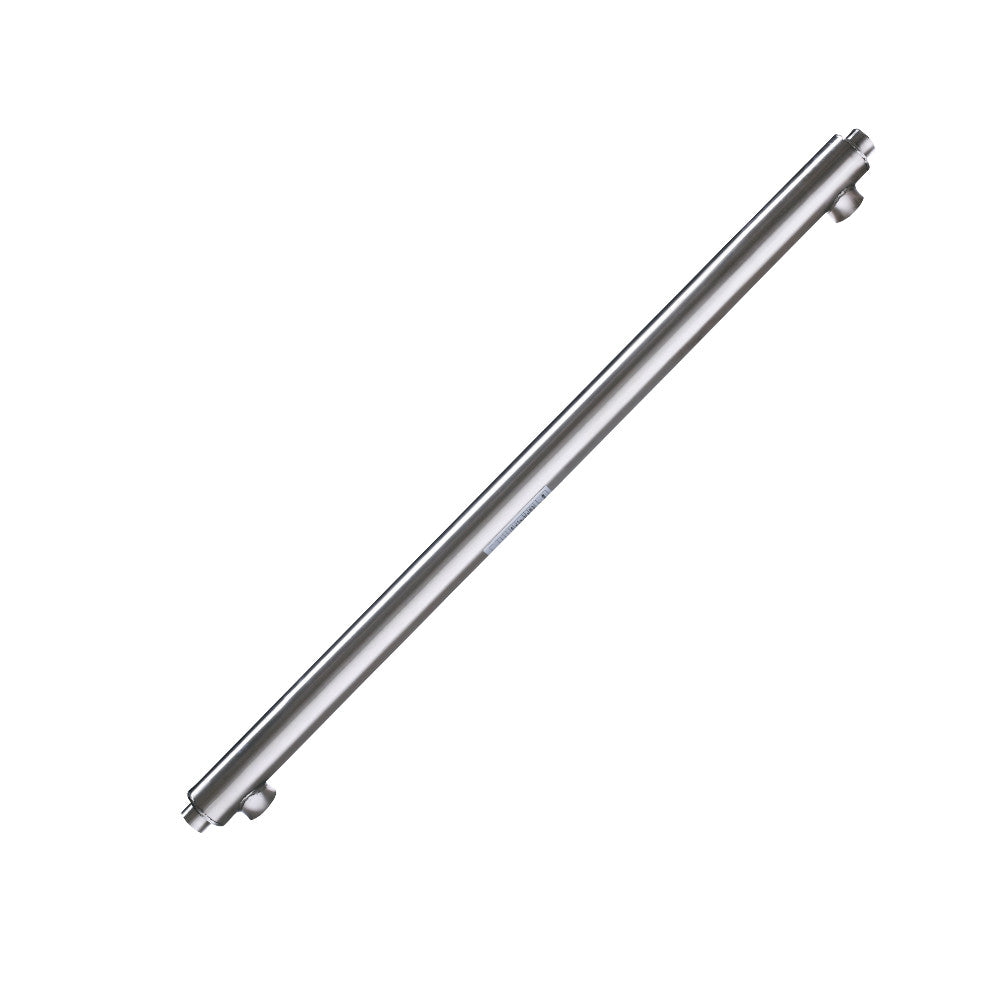
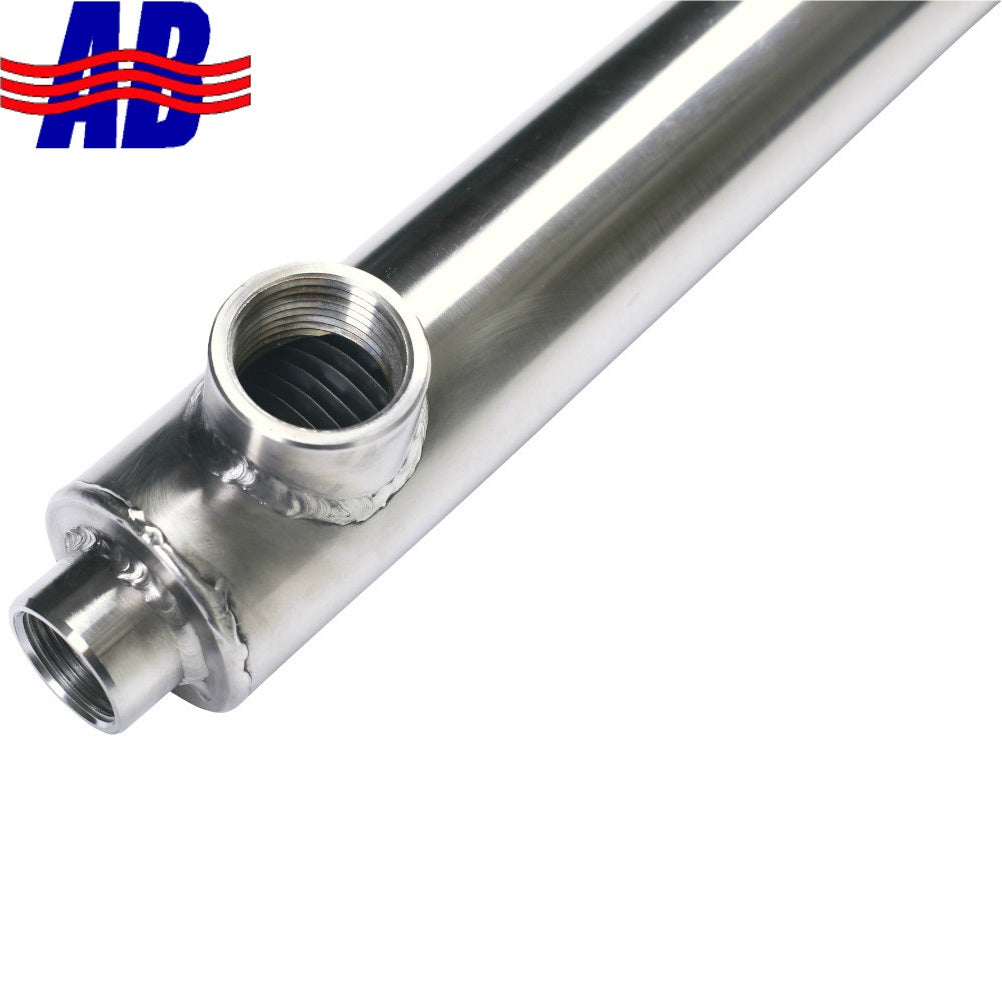
Why Choose Side Arm Heat Exchangers
Side arm heat exchangers are a highly efficient and reliable solution for water heating and hydronic systems, combining stable thermal performance with long-term durability. At Alfa Heating Supply, these heat exchanger solutions are designed to support consistent hot water delivery, improved energy efficiency, and seamless integration into residential and commercial heating installations. Their compact design and efficient heat transfer characteristics make them suitable for domestic hot water systems, thermal storage tanks, and indirect water heating applications.
Key benefits include:
- High Efficiency: Counterflow design maximizes heat transfer, lowering energy consumption and operational costs.
- Durable Materials: Made from stainless steel or copper, they resist corrosion and wear for extended service life.
- Versatility: Suitable for residential, commercial, and industrial applications.
- Easy Integration: Compact design allows installation with minimal system modifications.
- Low Maintenance: Long-lasting reliability reduces upkeep and replacement costs.
Typical Applications
Side arm heat exchanger applications commonly include Domestic Hot Water Systems, hydronic heating systems, thermal storage tanks, and indirect water heating installations where reliable and efficient heat transfer is required.


How Side Arm Heat Exchangers Work
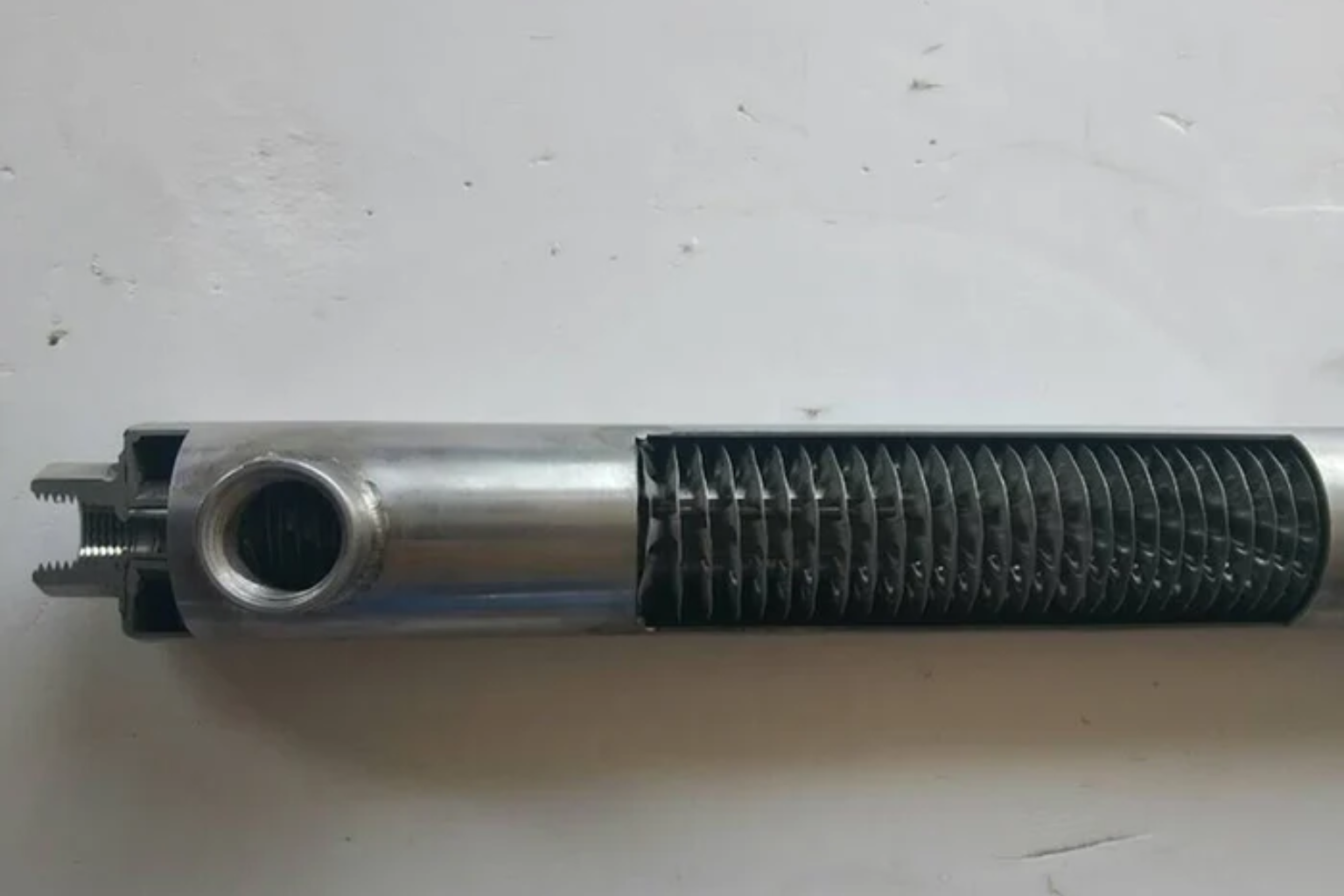
Side arm heat exchangers transfer heat from the primary heating source to the domestic or process water without mixing fluids. Cold water flows through an internally finned tube, absorbing heat from the boiler or hydronic circuit. The fin-enhanced design increases surface area, improving thermal performance. Many models operate passively using thermosiphon circulation, while optional circulators can increase flow rates for faster recovery. Copper models provide superior thermal conductivity for rapid heat transfer, and double-wall variants ensure code compliance where fluid separation is required.
Key Considerations When Selecting a Side Arm Heat Exchanger
- Material – Choose stainless steel for standard durability or copper for enhanced thermal conductivity and corrosion resistance.
- Capacity & Flow Rate – Ensure the exchanger matches system demand and desired water heating speed.
- Compatibility – Verify port sizes and system connections; consider existing tank or tankless heater configuration.
- Installation & Maintenance – Prefer models that are easy to integrate, require minimal plumbing changes, and allow regular inspection to prevent scale buildup.
- Special Requirements – For glycol systems, high-pressure applications, or code-sensitive installations, select double-wall or professionally certified models.
FAQ
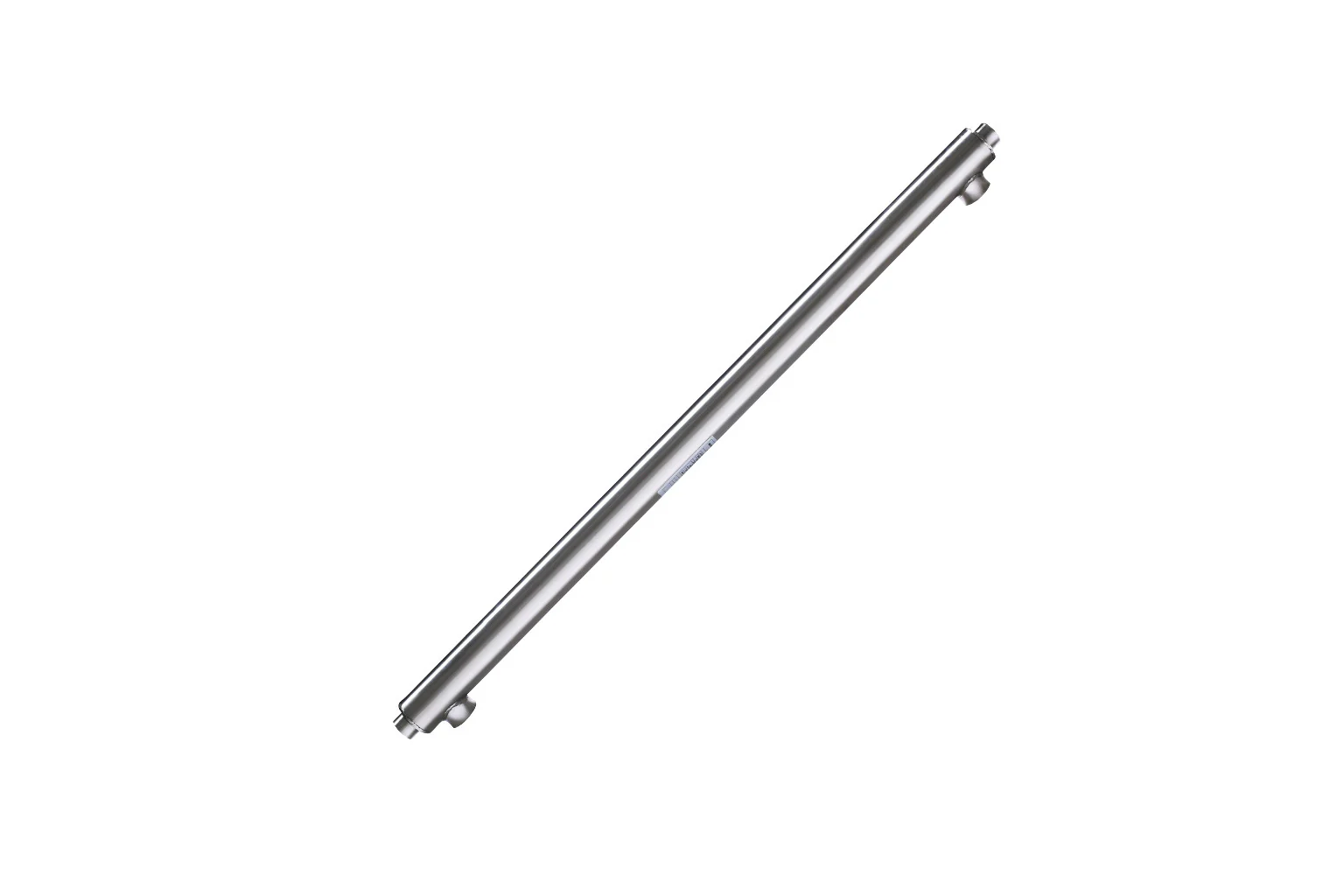
A side arm heat exchanger is a type of water heater heat exchanger designed to transfer heat from a boiler or hydronic heating system to a domestic hot water tank. It typically operates using the natural thermosiphon circulation process, allowing hot water to move without the need for a circulation pump, making it an energy-efficient and low-maintenance solution.
Most side arm heat exchangers feature an internally finned stainless steel tube, which significantly increases the heat transfer surface area. This enhanced surface area improves heat transfer efficiency, resulting in faster and more reliable domestic hot water heating compared to standard smooth-tube designs.
A stainless steel side arm heat exchanger is commonly installed vertically on the side of a water heater tank. Cold water from the tank enters the heat exchanger, absorbs heat from the boiler water loop, and then naturally rises back into the tank. This indirect heating method keeps the system fluids separated while delivering a steady supply of hot water.
These units are widely used with wood boilers, pellet boilers, and other hydronic heating systems to improve overall energy efficiency and reduce operating costs. Many models are also available with double-wall construction, which provides additional protection against cross-contamination and helps meet plumbing code compliance requirements in certain installations.
Installing a side arm heat exchanger depends on your existing water heater and hydronic heating system, but the overall installation concept is consistent across most models. The unit is typically mounted vertically beside the storage tank to support efficient natural convection (thermosiphon) circulation.
The system-side ports connect to the boiler or hydronic loop, while the domestic water-side ports connect directly to the tank using copper, stainless steel, or PEX piping. Proper alignment and secure mounting are essential for safe and reliable operation.
A key advantage of a side arm heat exchanger for domestic hot water is that it can operate using thermosiphon flow. As water heats up, it naturally rises, while cooler water sinks, allowing passive circulation without a dedicated circulator pump in many standard installations. However, a circulation pump can be added to increase flow rate and improve hot water recovery in high-demand systems.
Before installation, always verify the connection size—commonly ¾" or 1" NPT—to ensure compatibility with your plumbing configuration. Installing proper pipe insulation is also recommended to minimize heat loss and improve overall system efficiency.
Best Practices for Side Arm Heat Exchanger Installation
For reliable performance and long service life, follow these installation guidelines:
- Mount the side arm heat exchanger as close as possible to the water heater tank
- Keep piping runs short, straight, and properly supported
- Install the unit vertically to promote effective thermosiphon circulation
- Use high-quality fittings and ensure all threaded connections are securely sealed
- Insulate exposed piping to reduce standby heat loss
- Periodically inspect the stainless steel heat exchanger for scale buildup or sediment
If your system uses glycol, operates at elevated pressure, or serves commercial applications, professional installation is recommended to verify material compatibility and system safety.
Yes, a side arm heat exchanger is specifically designed to heat domestic hot water (DHW) efficiently using energy from a boiler or hydronic heating system. This passive heat transfer solution connects to your existing hot water storage tank and transfers thermal energy from the heating system to the potable water supply.
Once installed, the domestic water heat exchanger operates without direct fluid mixing. Heat moves safely through the exchanger wall from the boiler water loop to the fresh domestic water, ensuring reliable performance and safe operation in residential and light commercial applications.
Fin-enhanced side arm heat exchangers improve thermal efficiency by increasing internal turbulence and surface area. This design allows for faster heat transfer, shorter recovery times, and a more consistent supply of hot water for daily use, including:
- Showers and bathrooms
- Kitchen sinks
- Laundry and dishwashers
- Whole-house domestic hot water systems
For applications where safety and code compliance are critical, double-wall side arm heat exchangers provide an additional level of protection. These models create a physical separation between the potable water and the heating system fluid, making them ideal for installations that must meet strict plumbing or health regulations.
When properly sized and integrated into a boiler-based water heating system, a side arm heat exchanger for domestic hot water can deliver a near-continuous hot water supply while reducing reliance on electric heating elements or gas burners. This improves overall energy efficiency, lowers operating costs, and maximizes the use of heat already generated for space heating.