
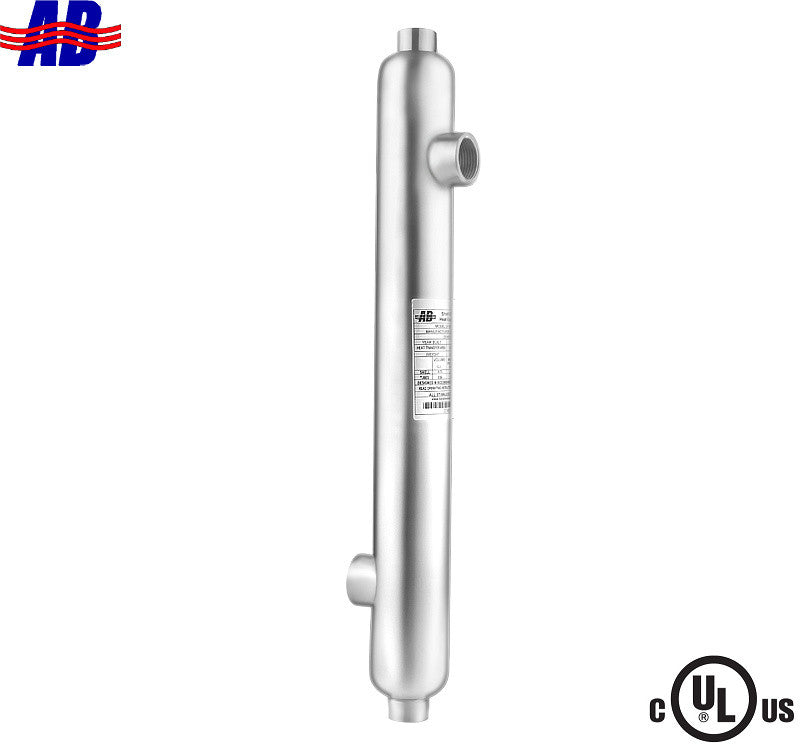
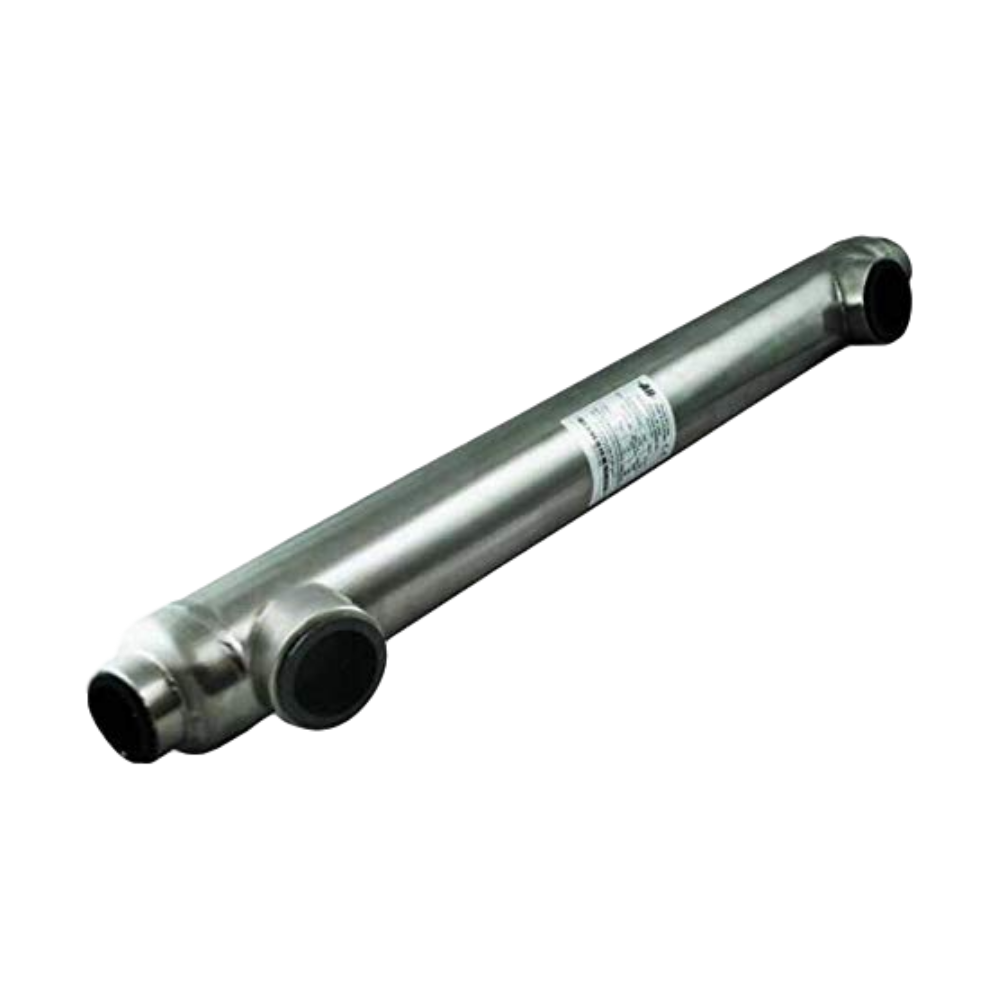
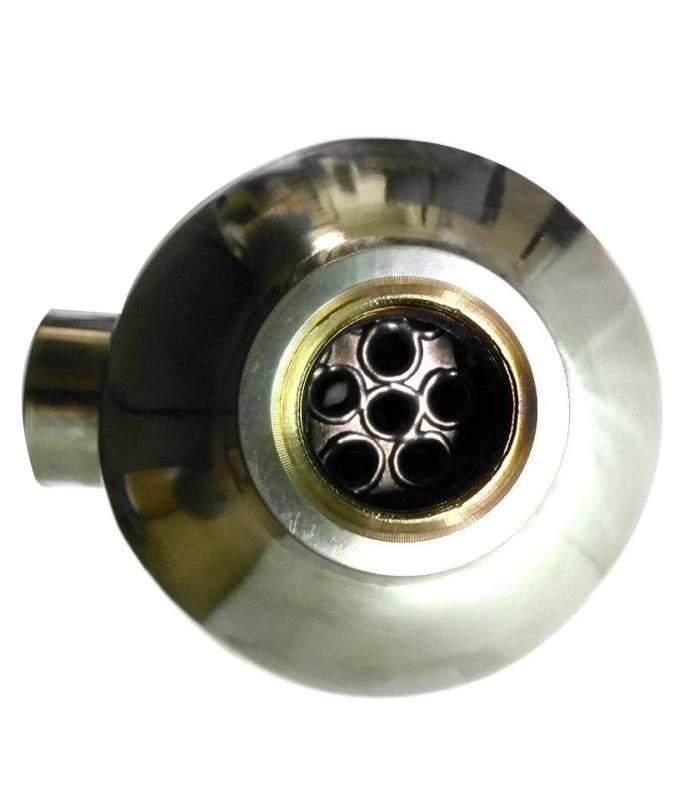
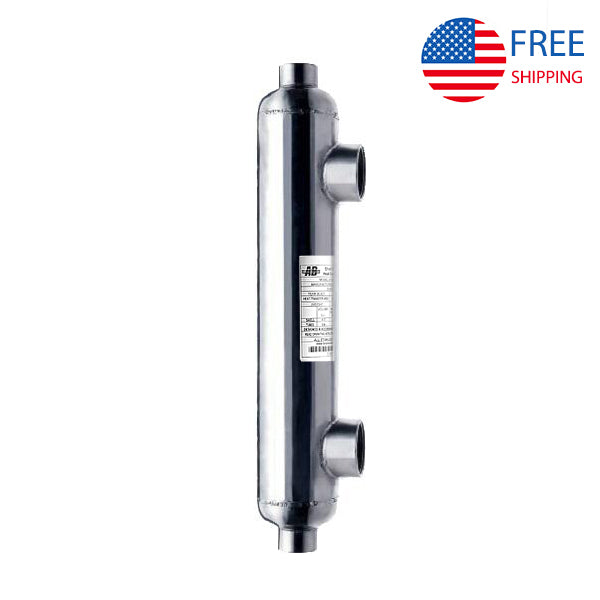
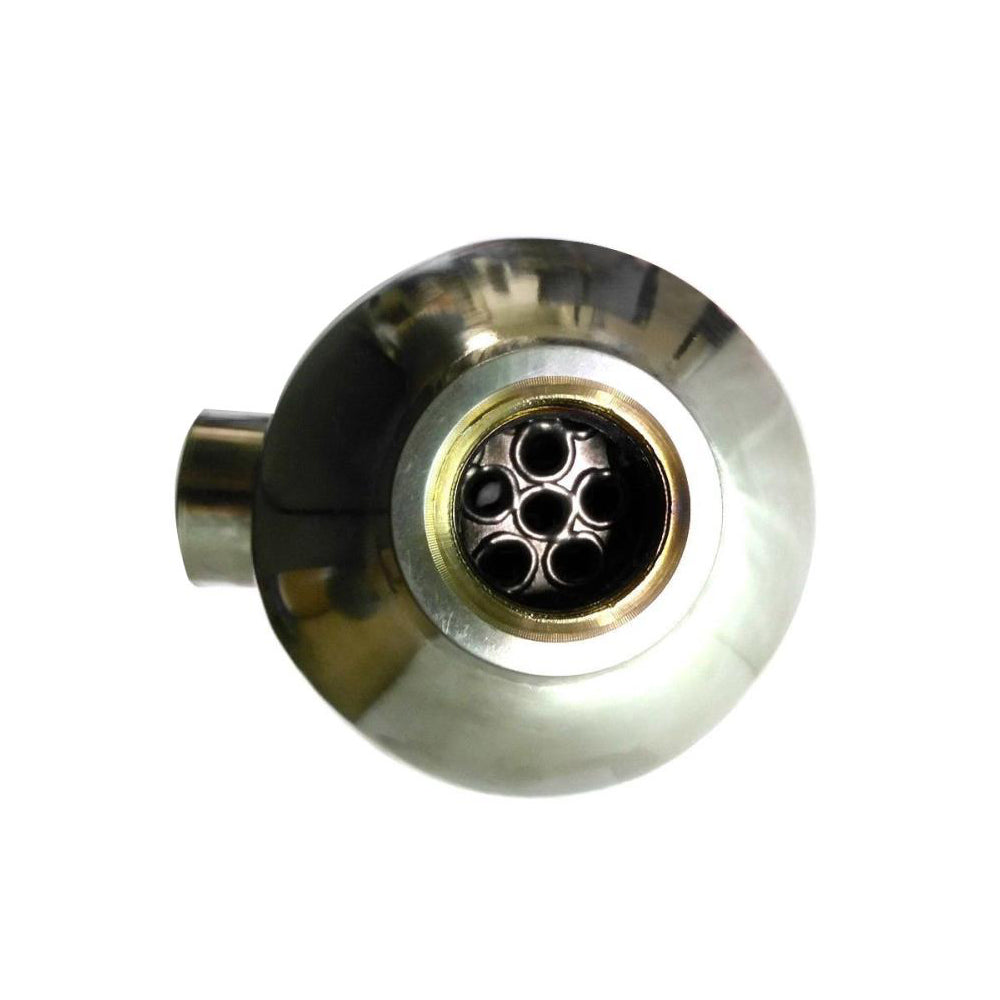
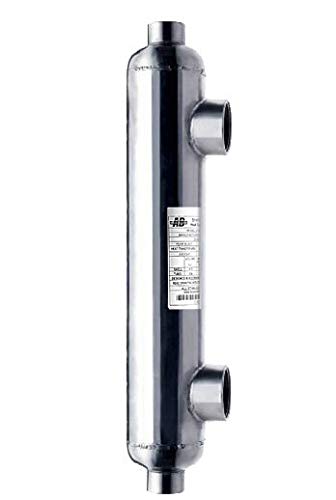
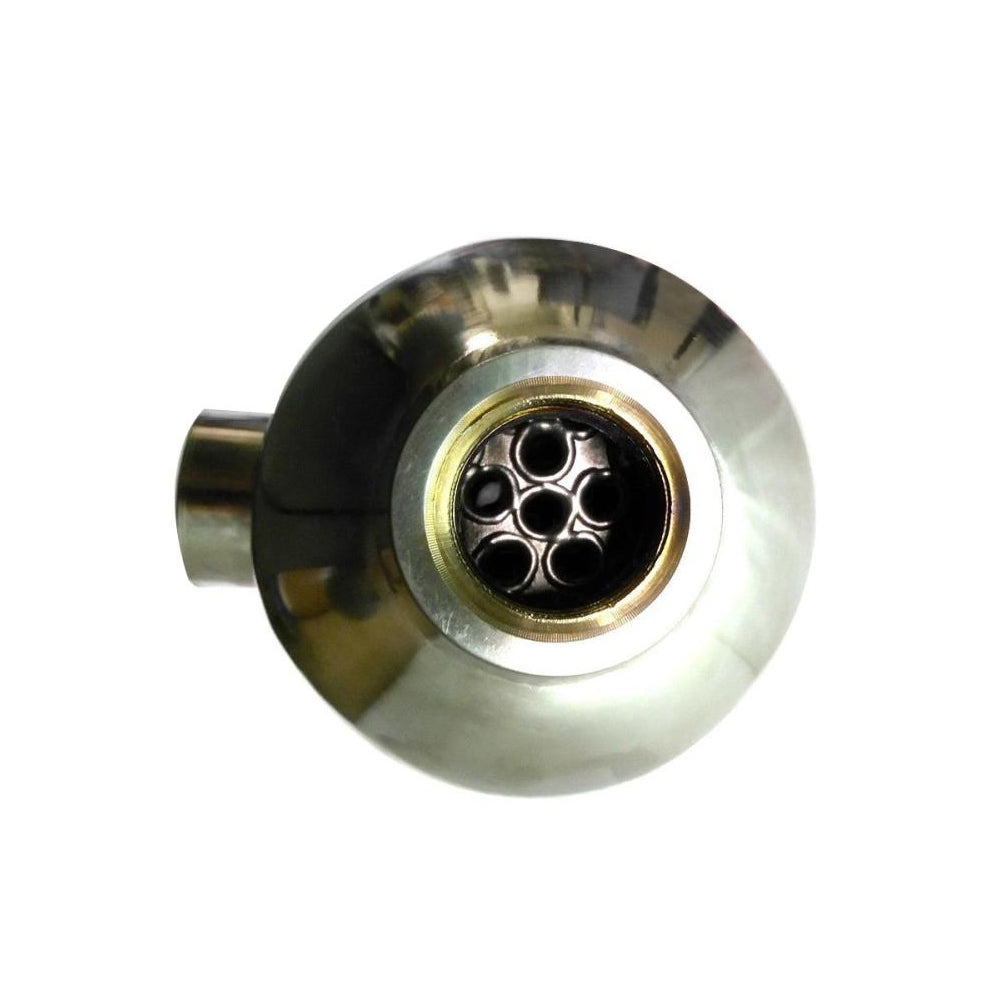
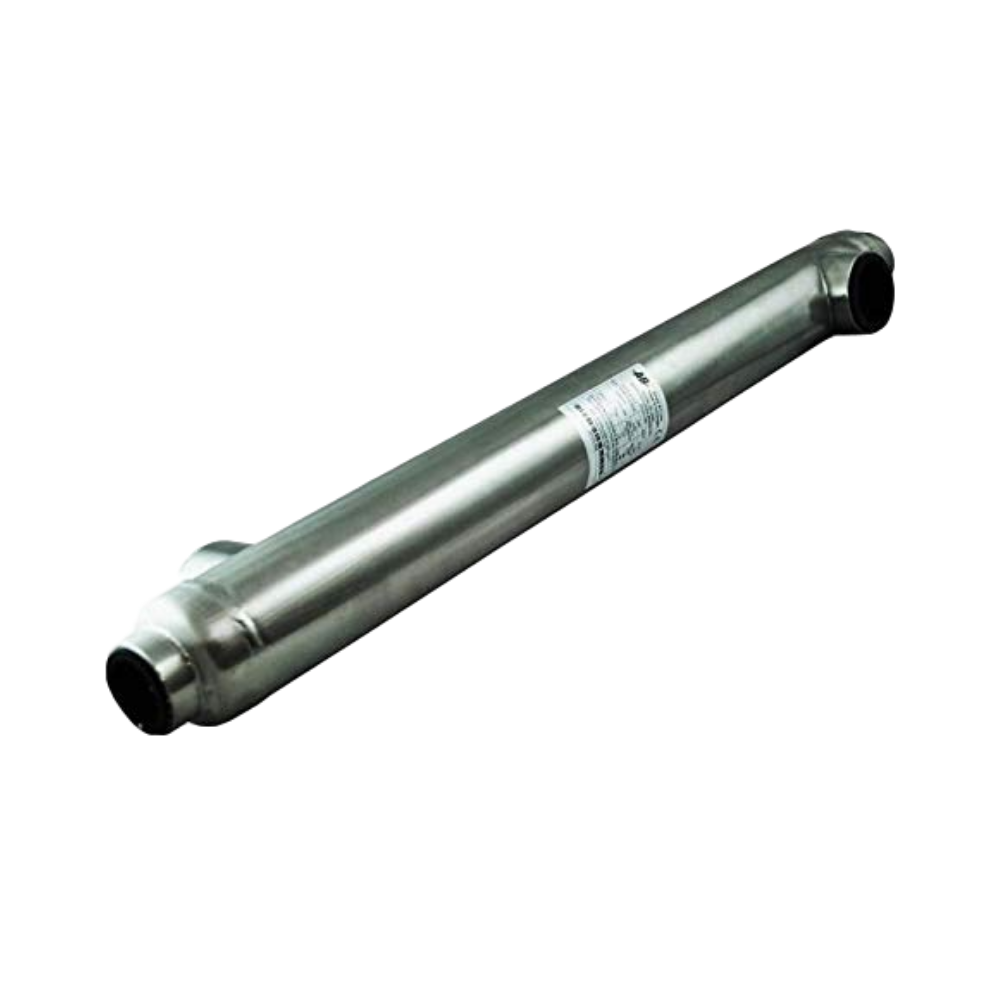
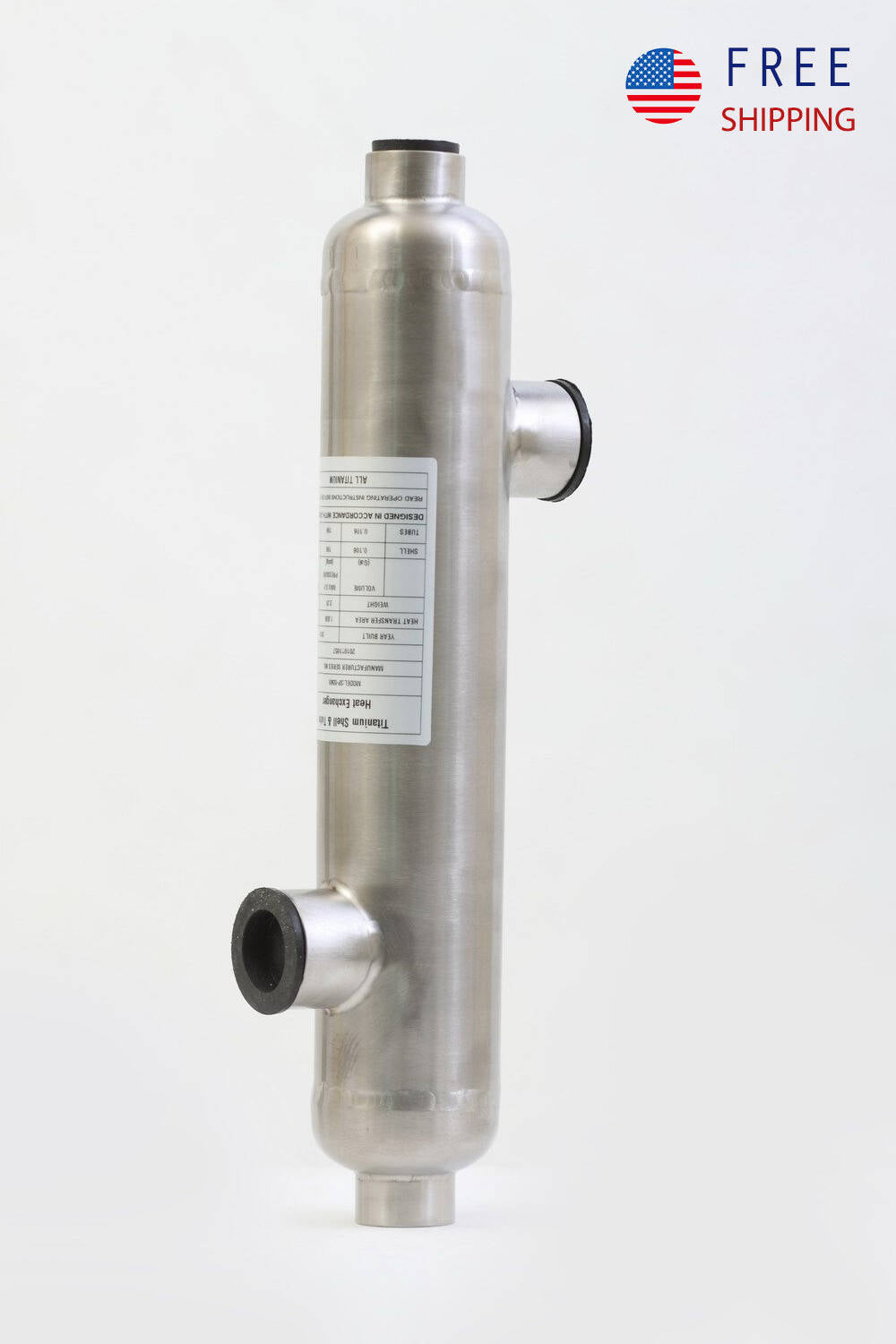
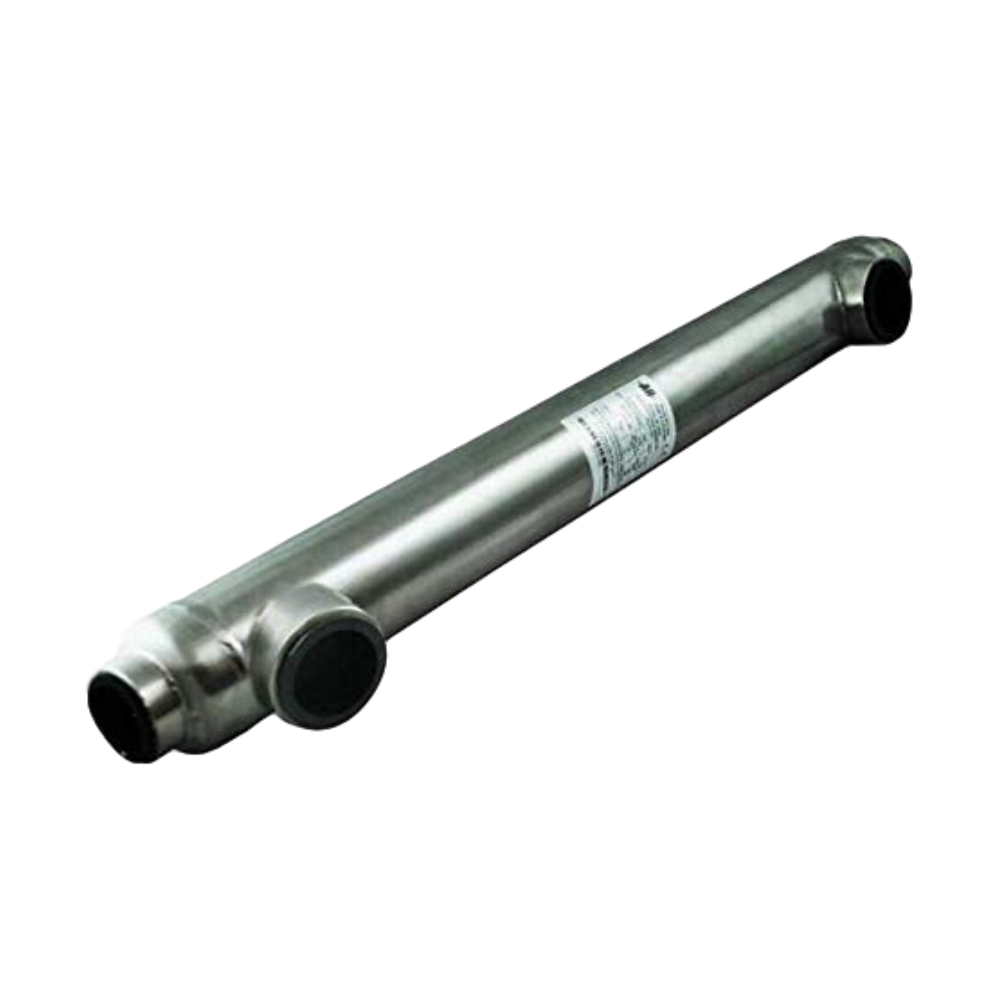
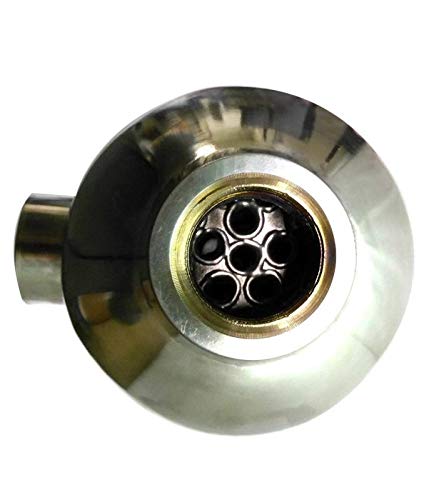
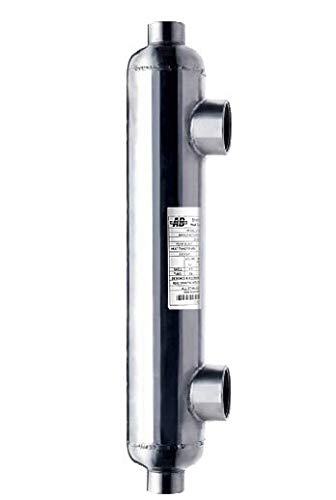
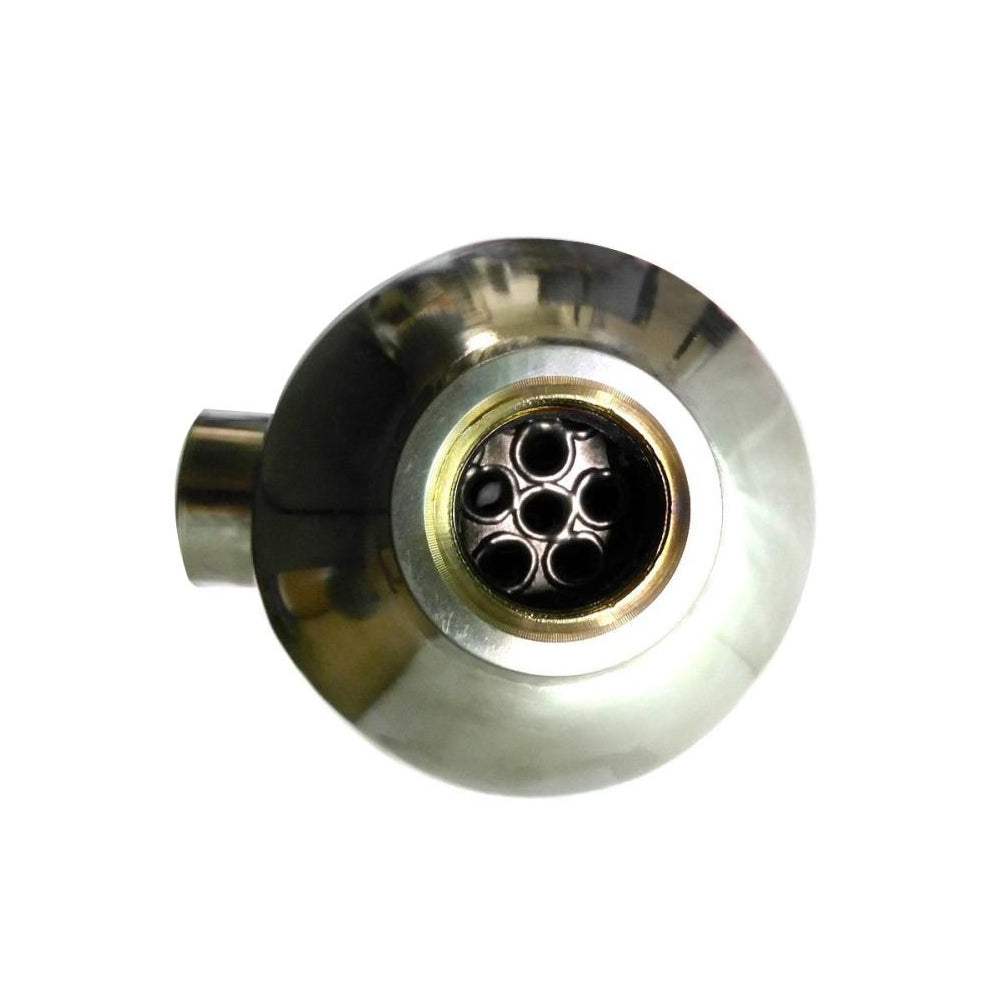
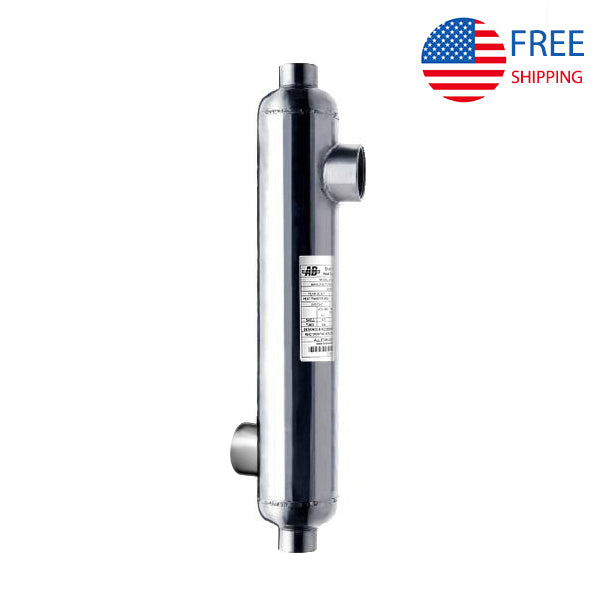
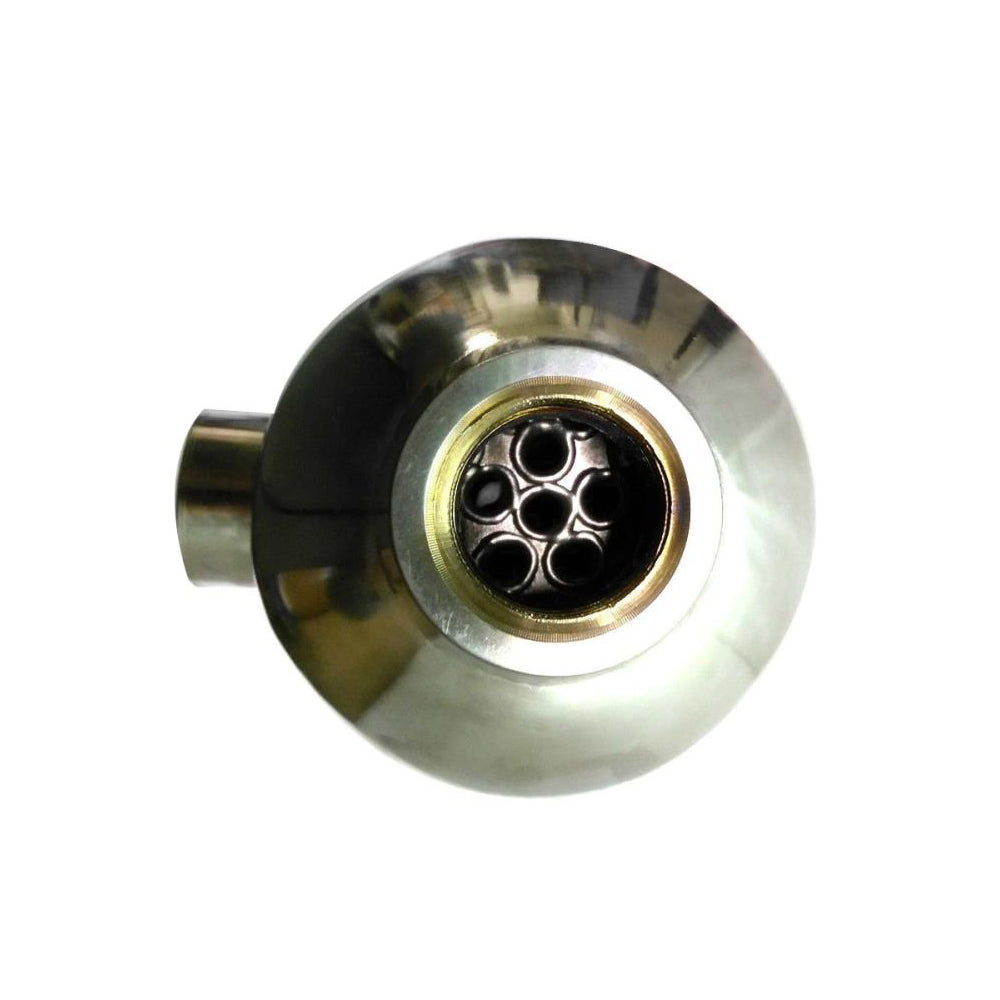
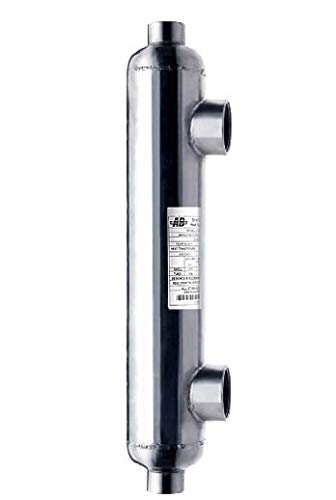
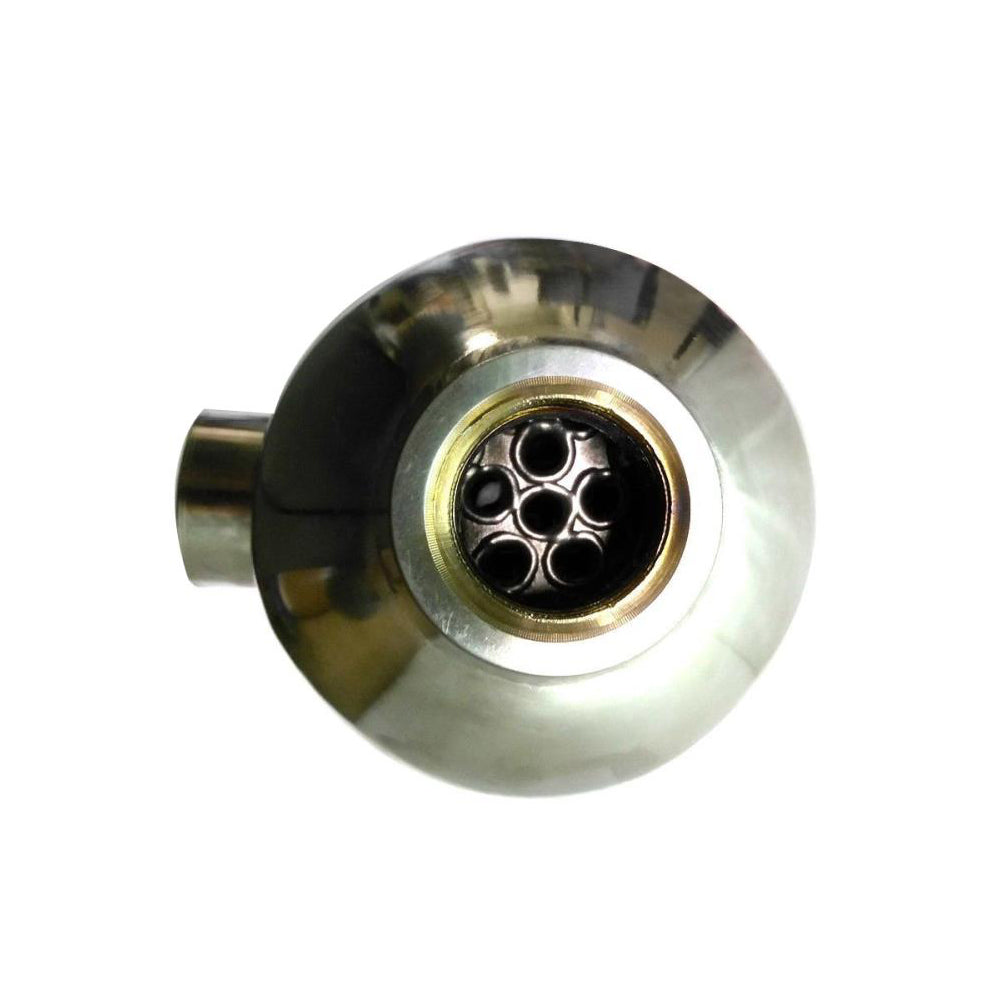
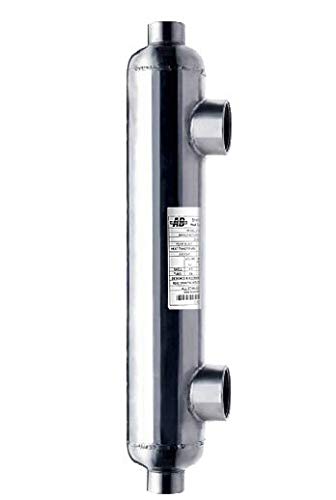
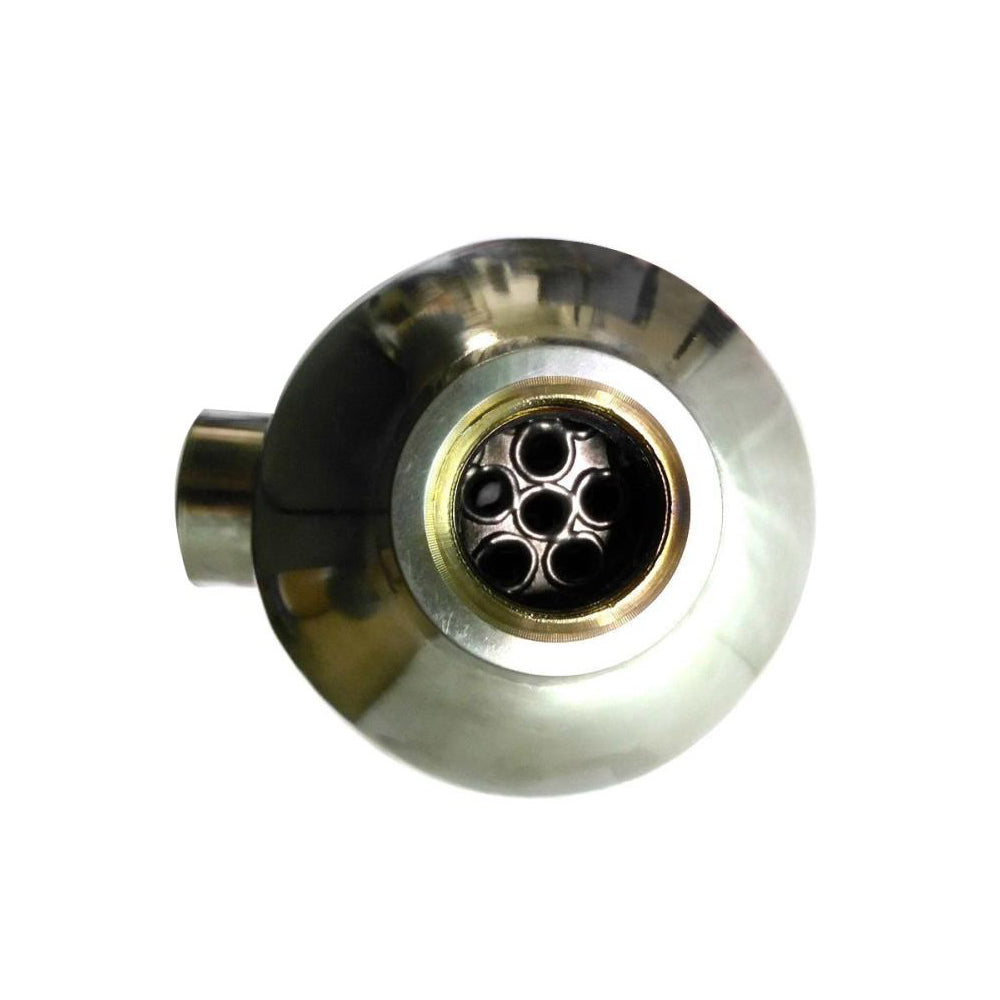
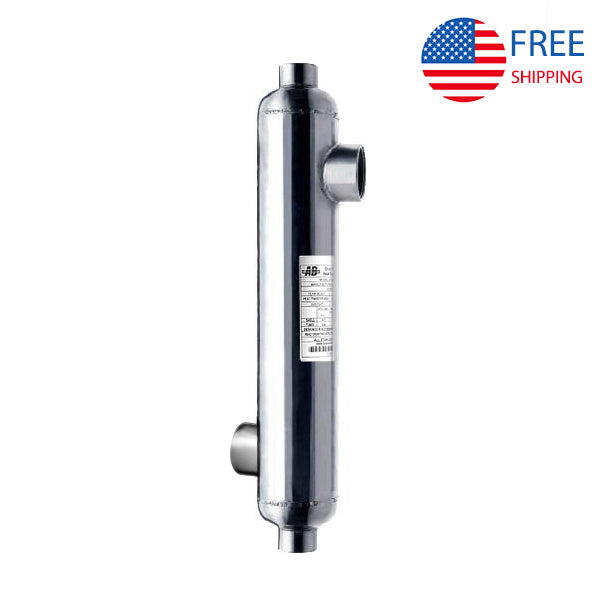
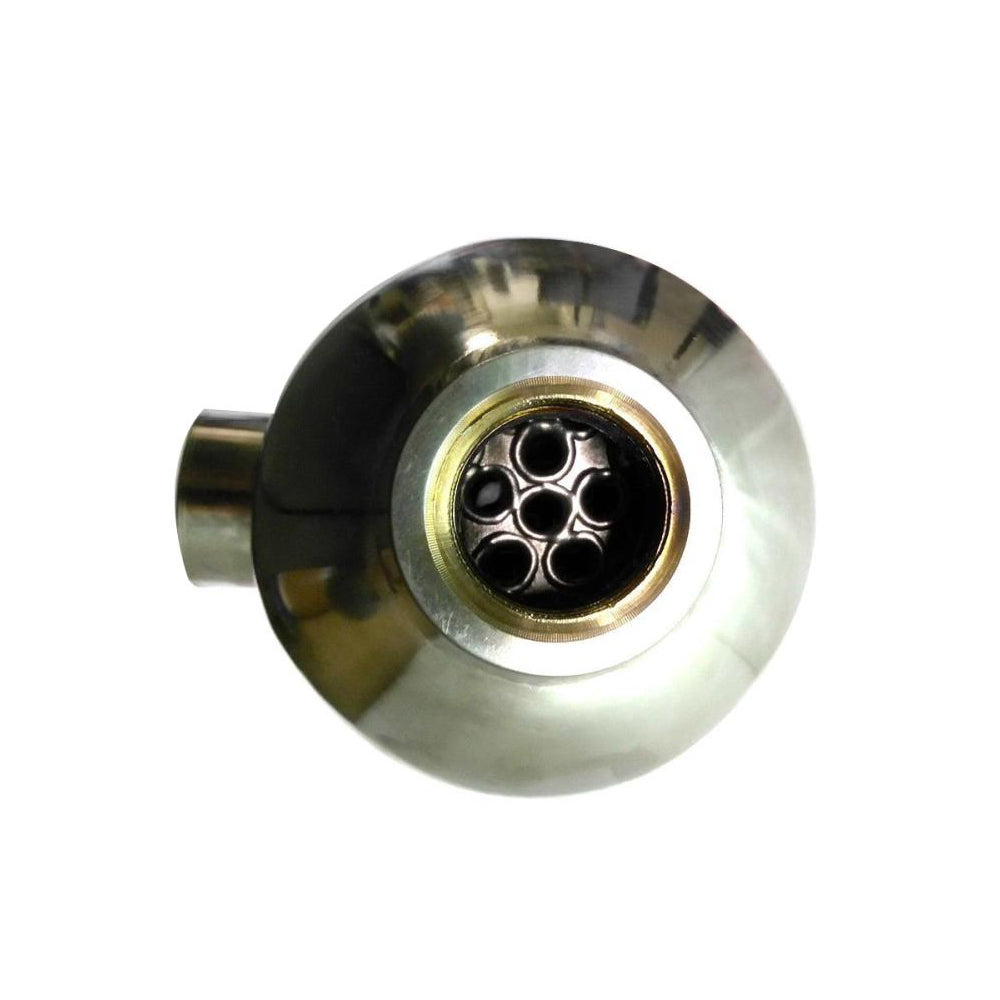
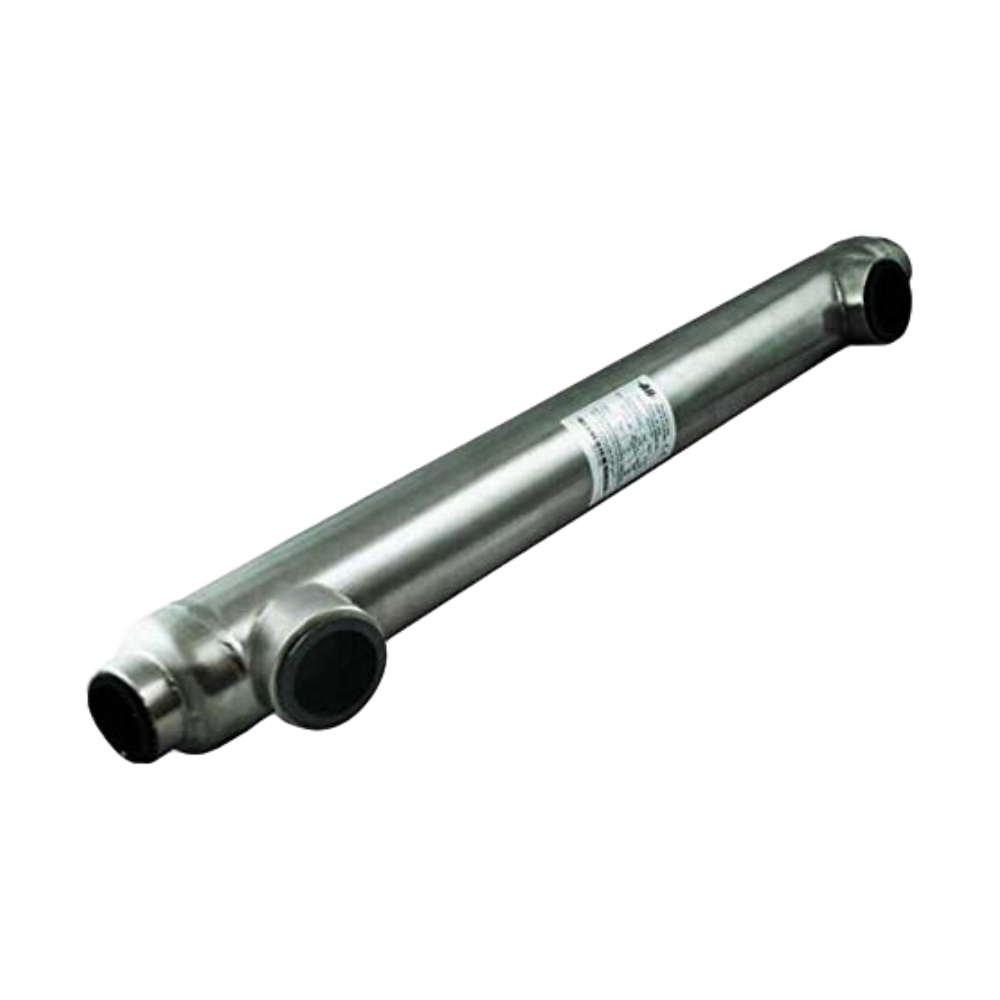
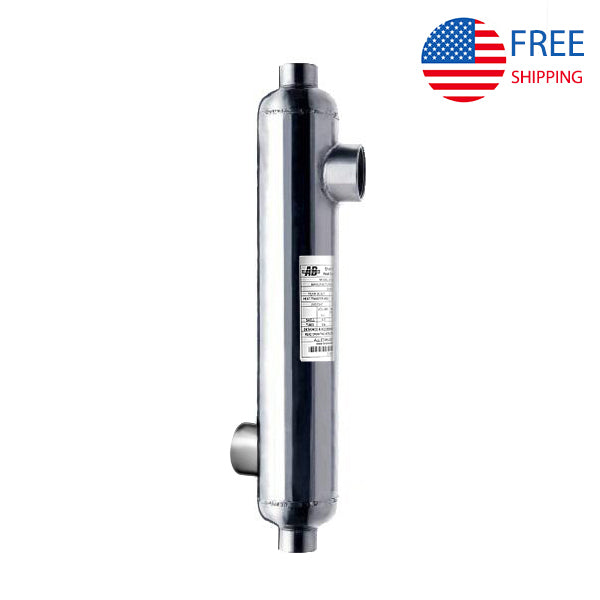
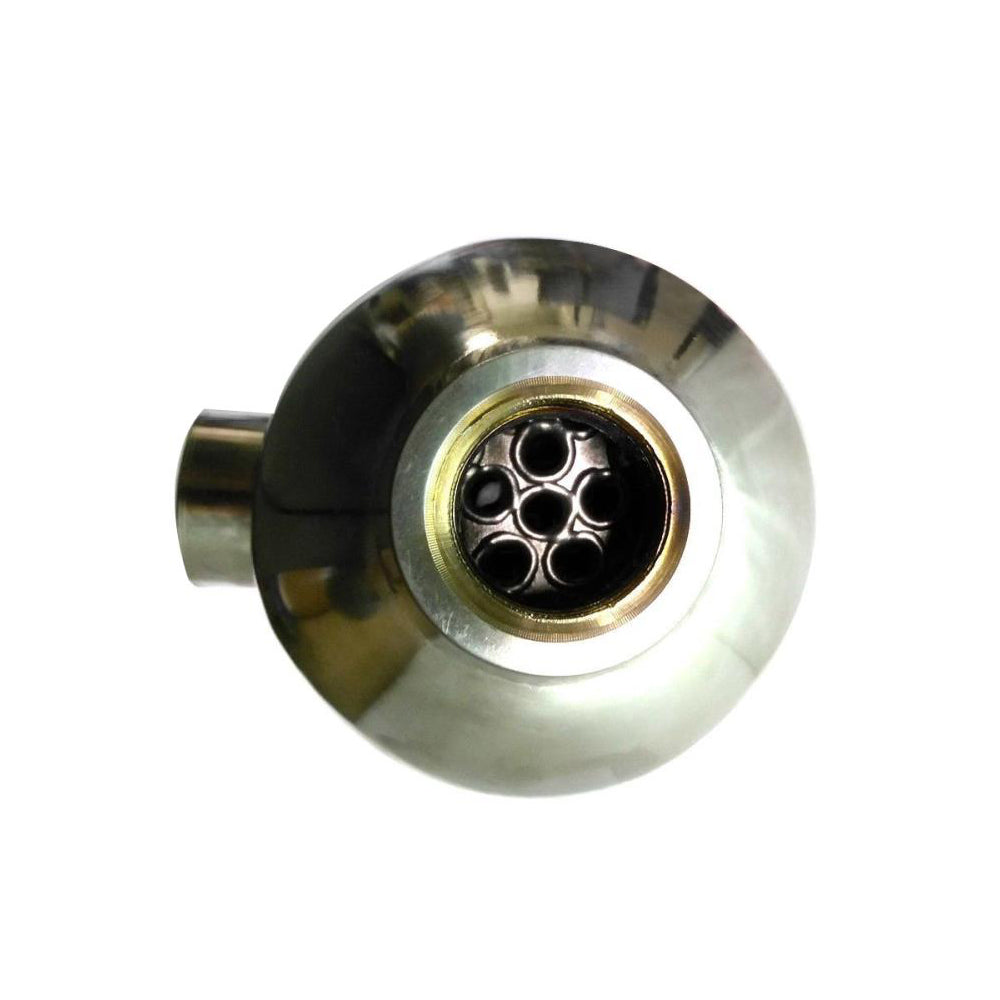
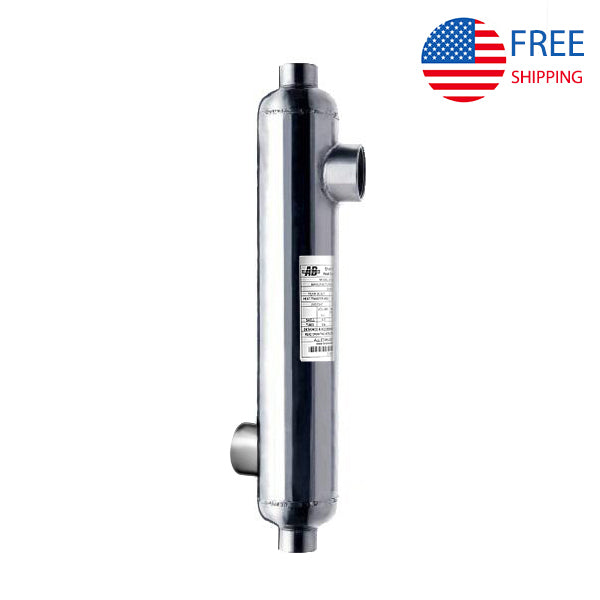
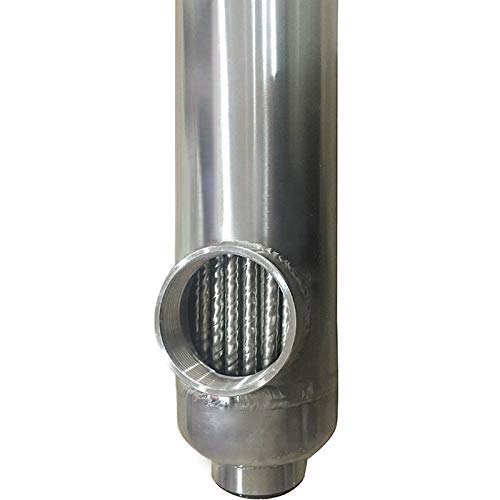
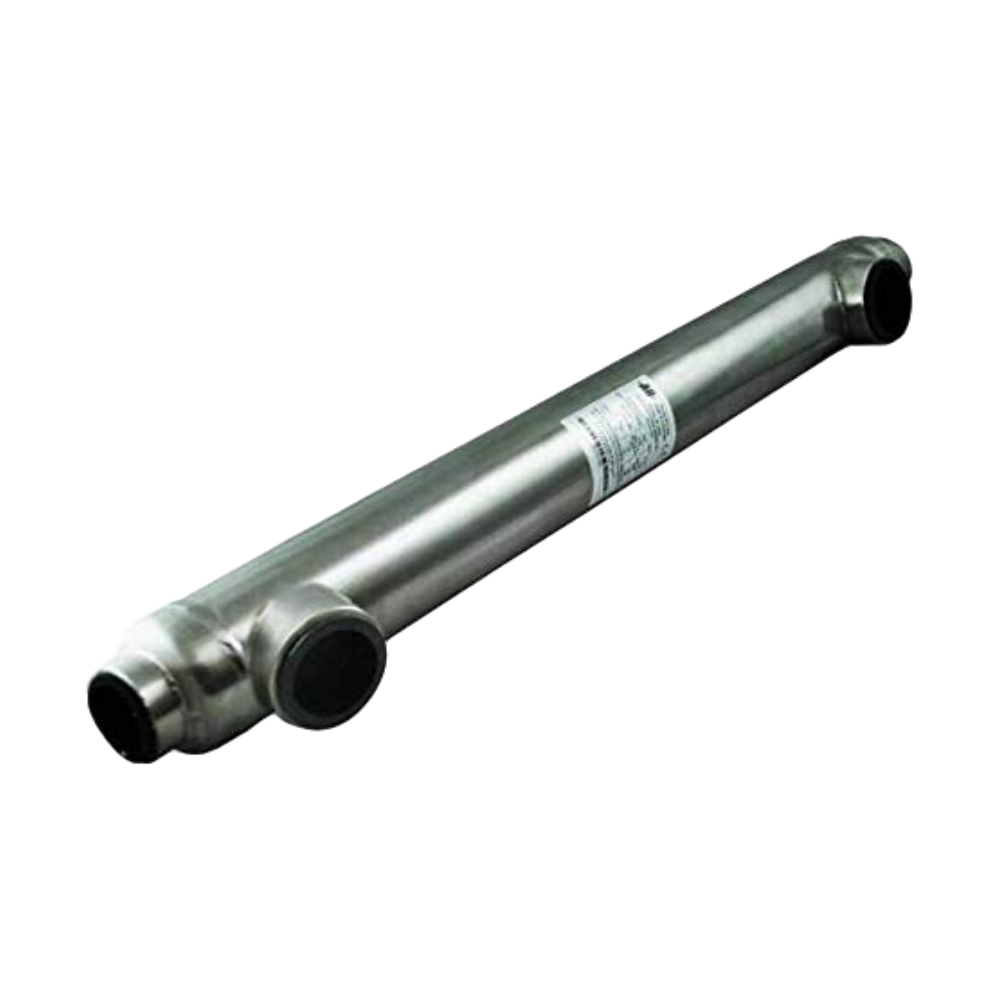
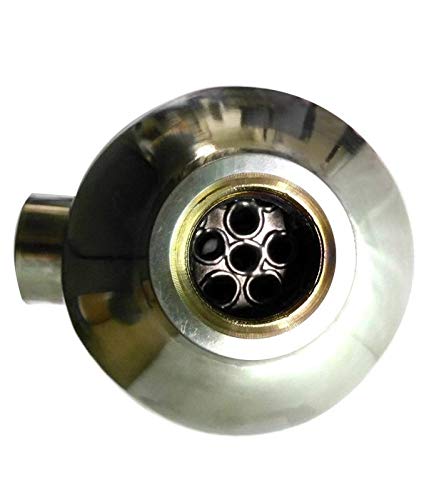
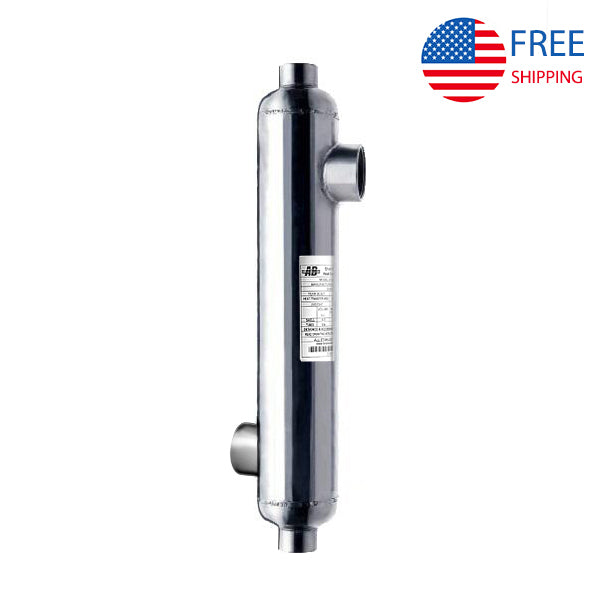
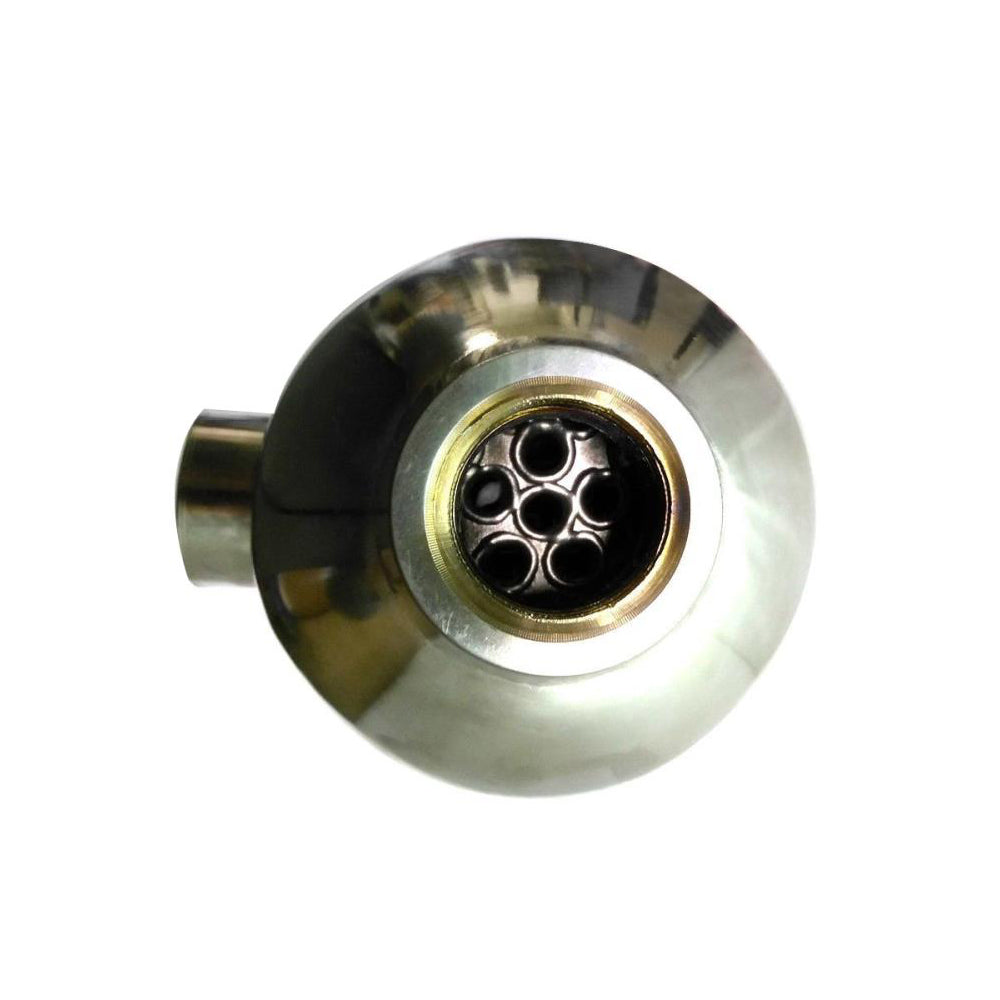
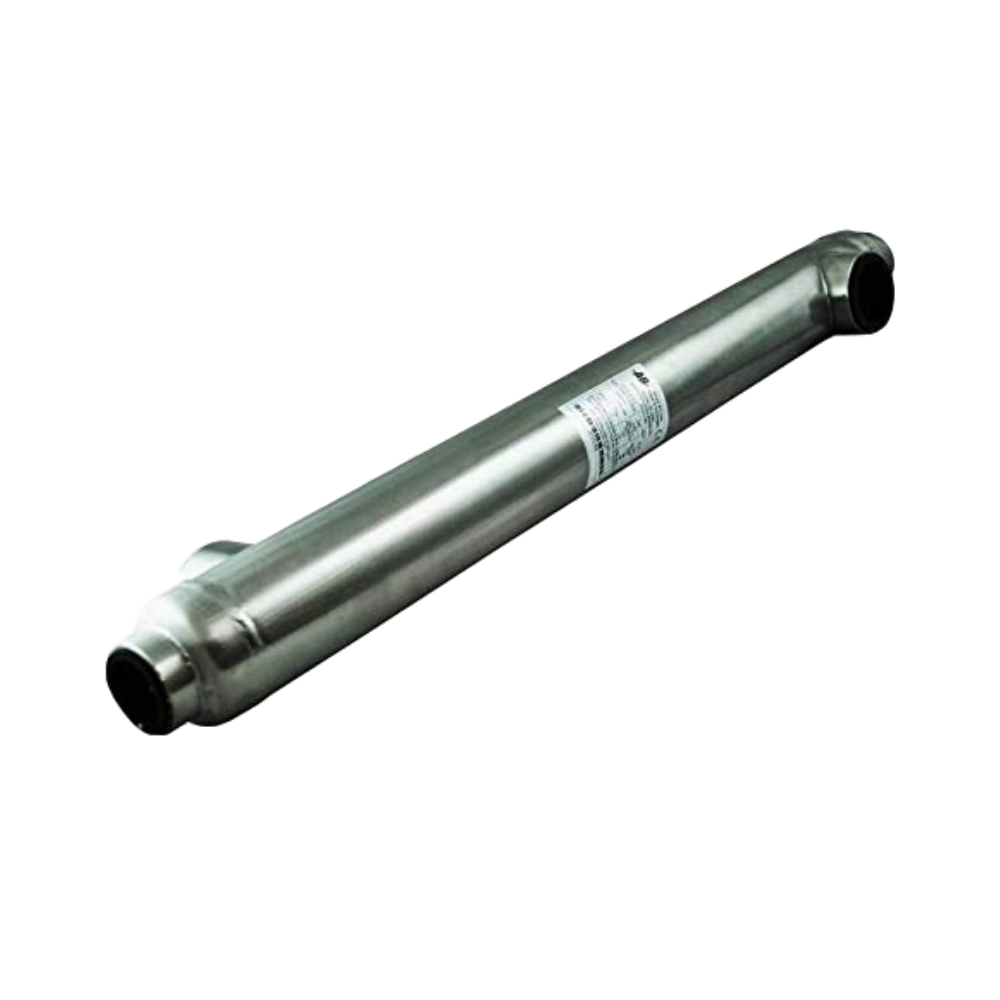
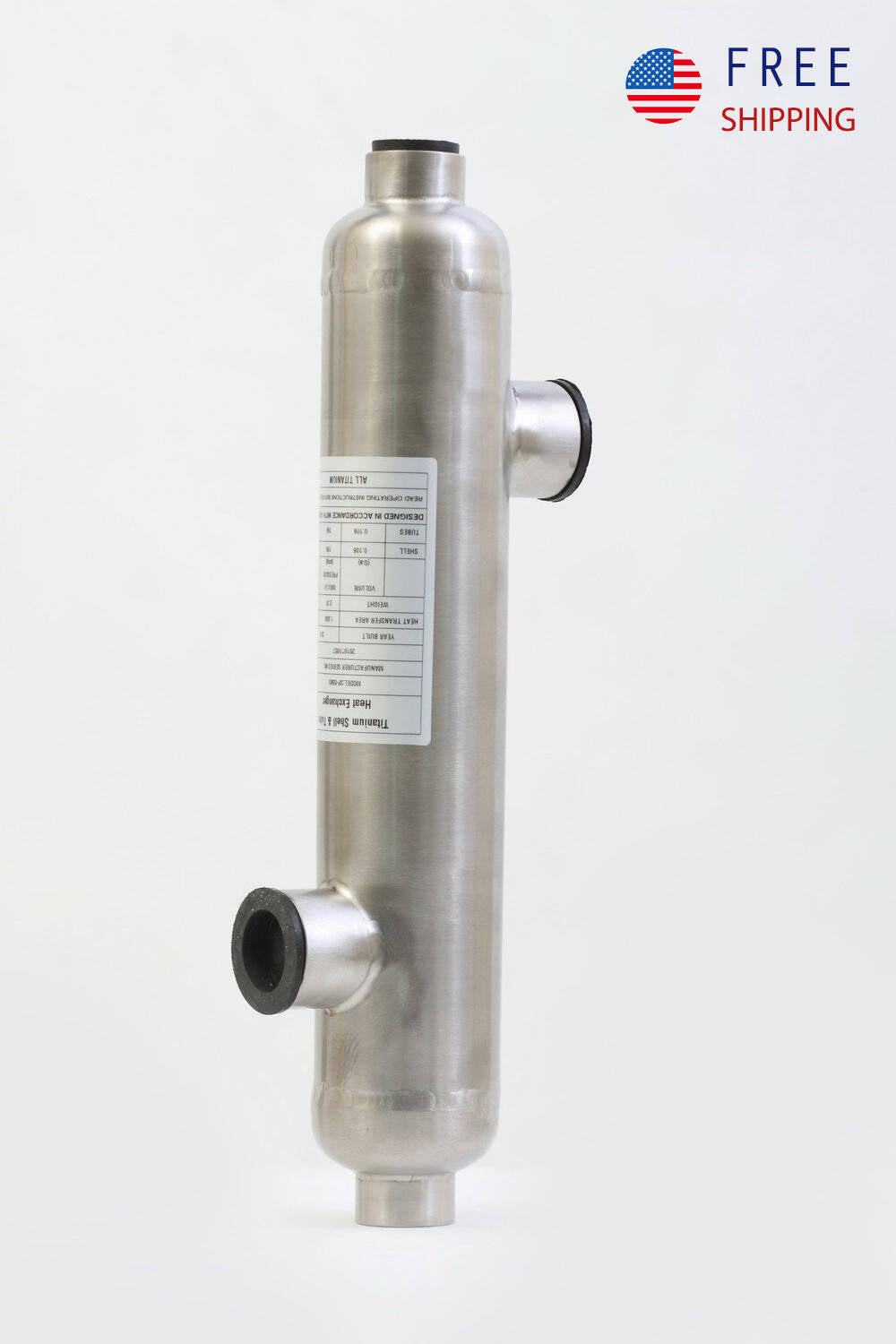
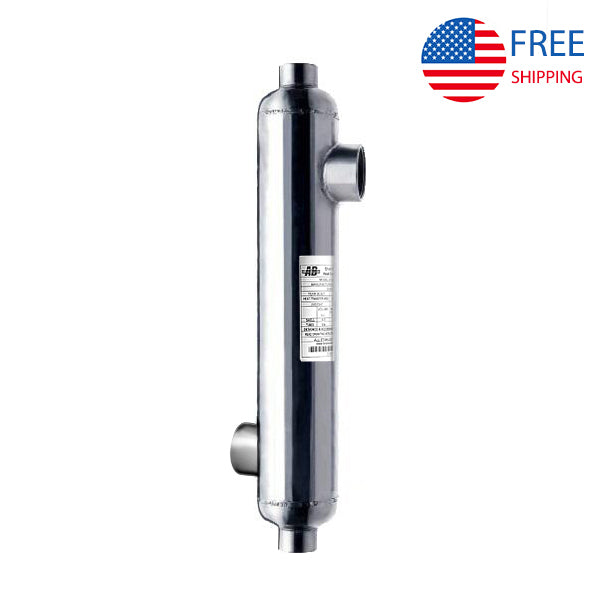
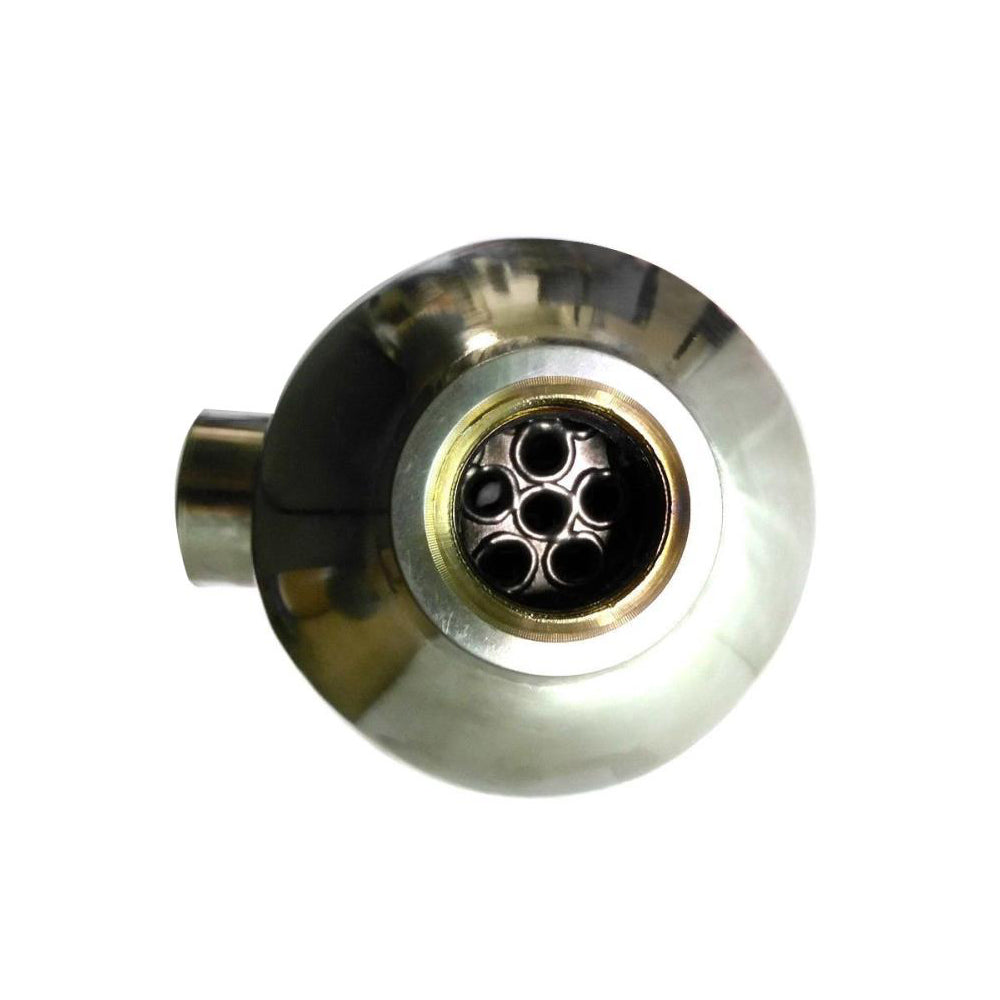
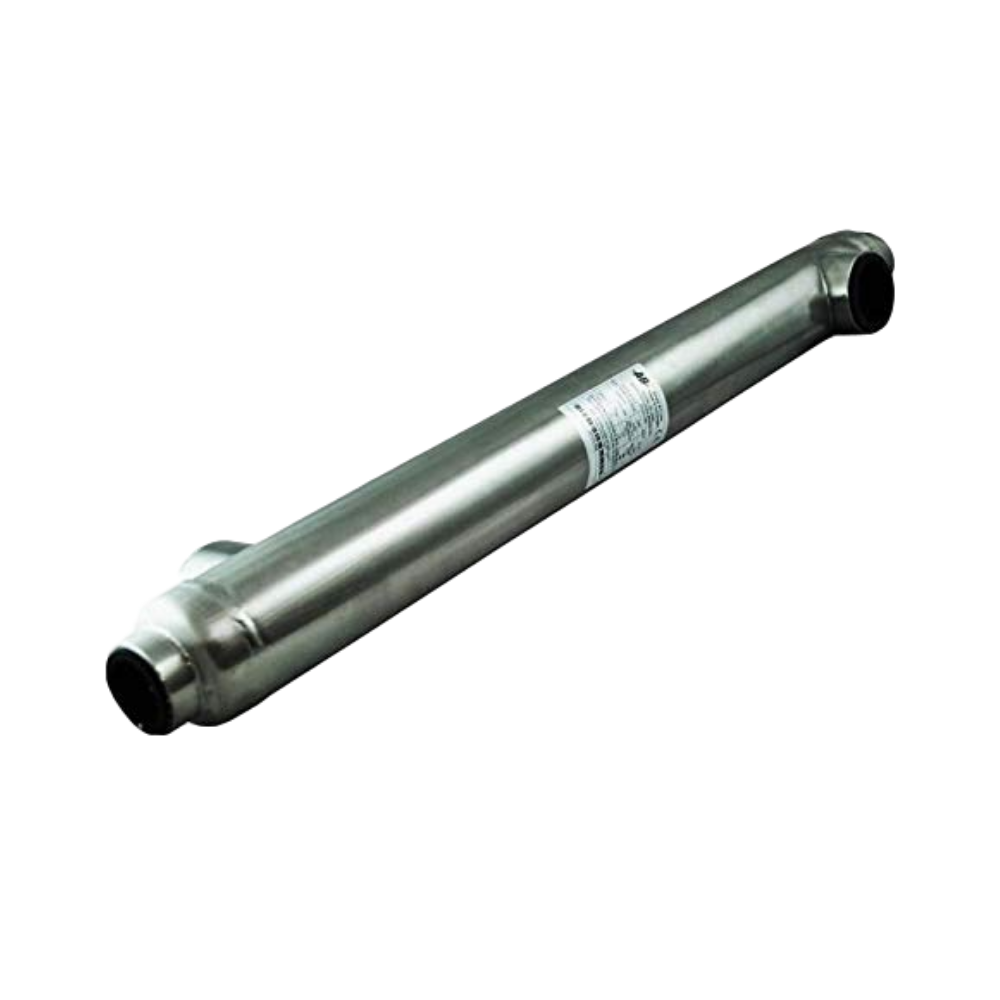
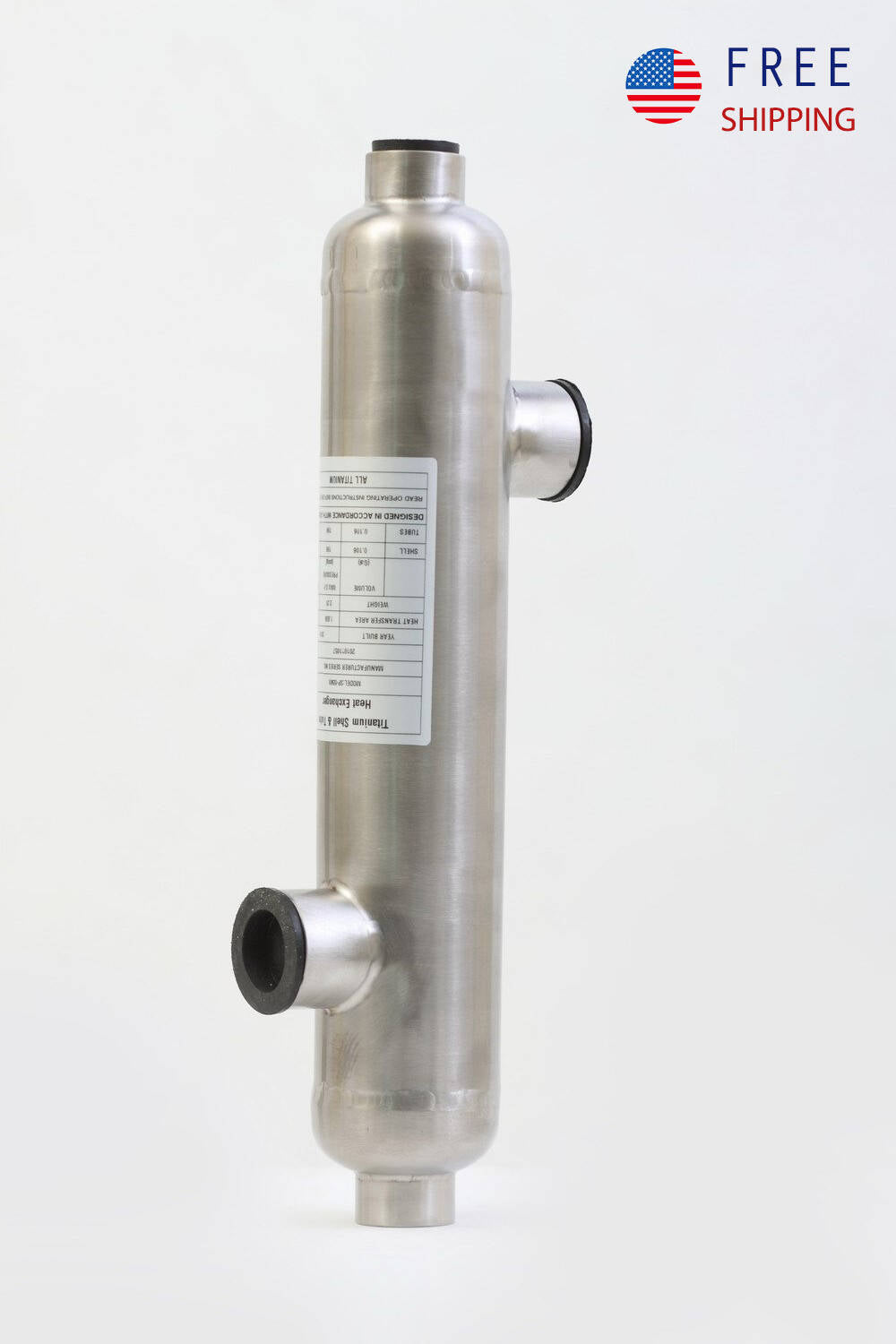
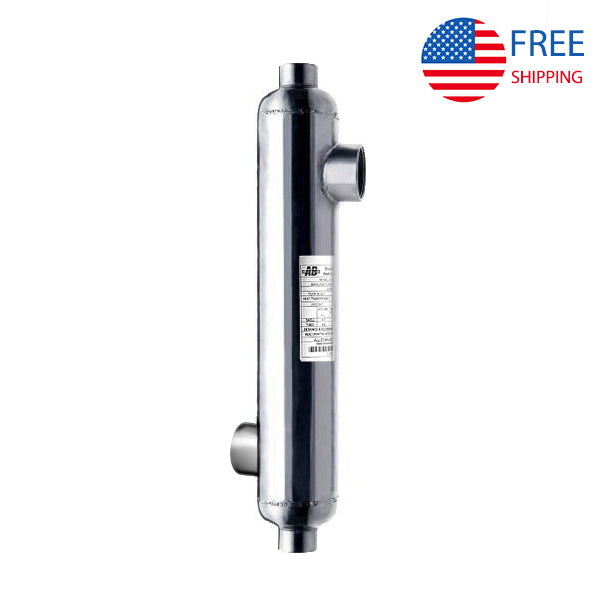
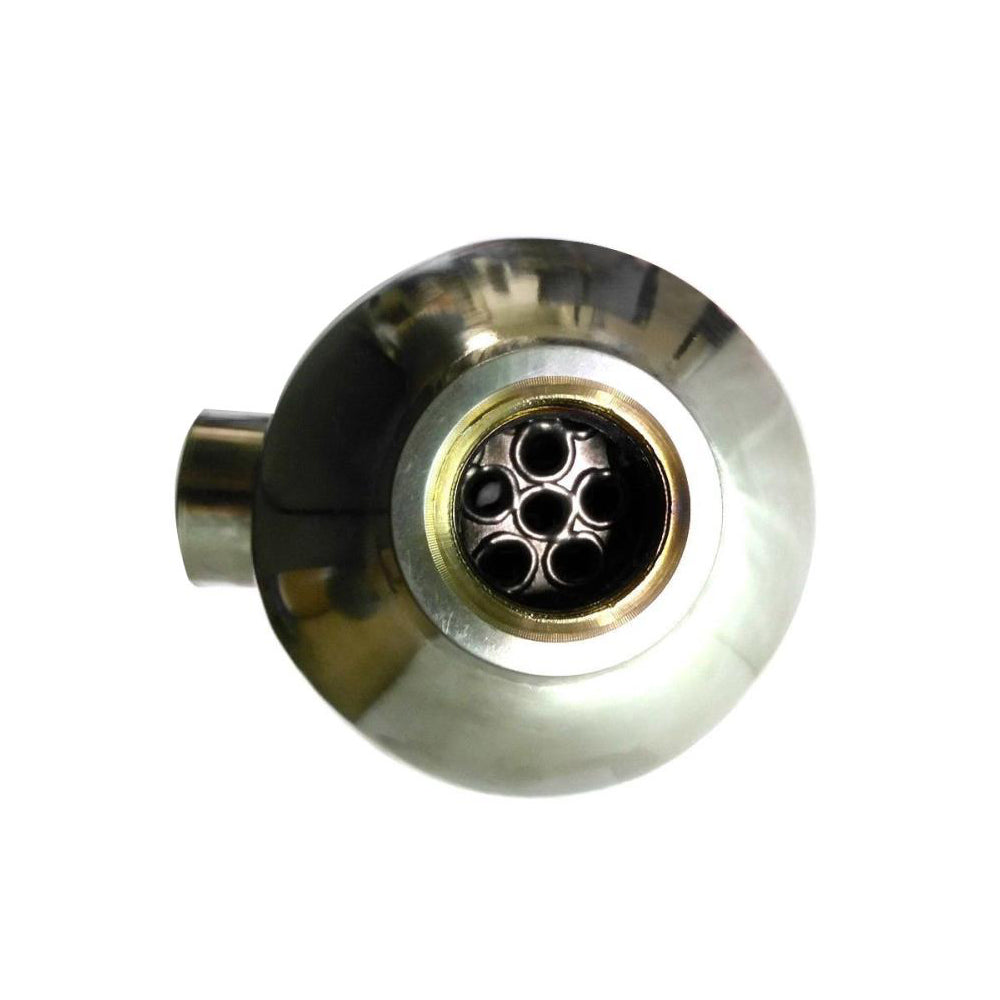
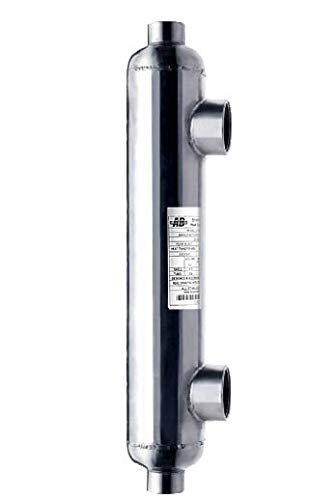
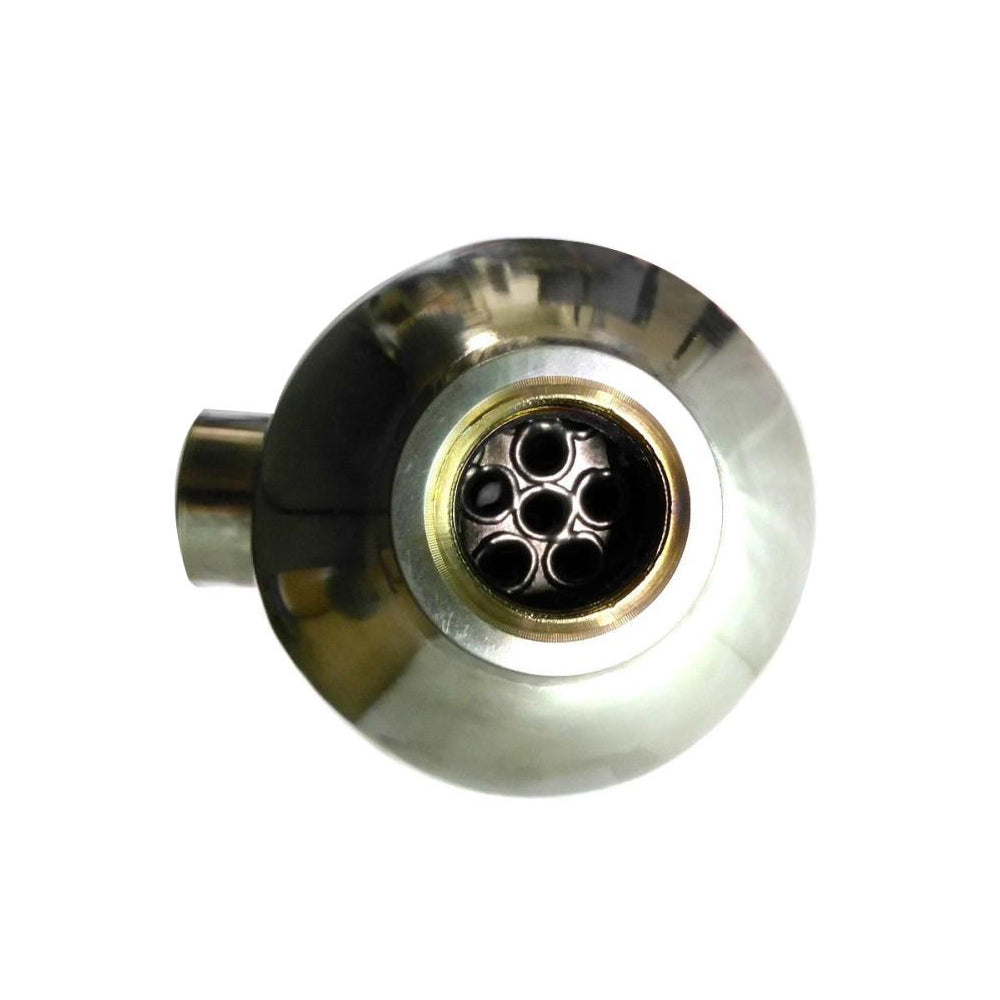
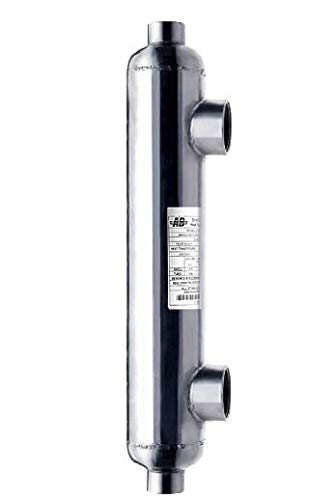
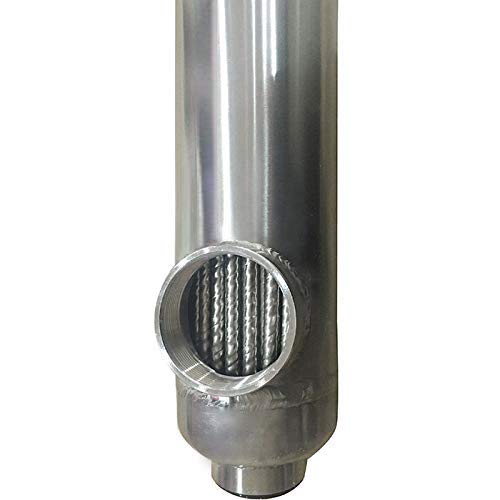
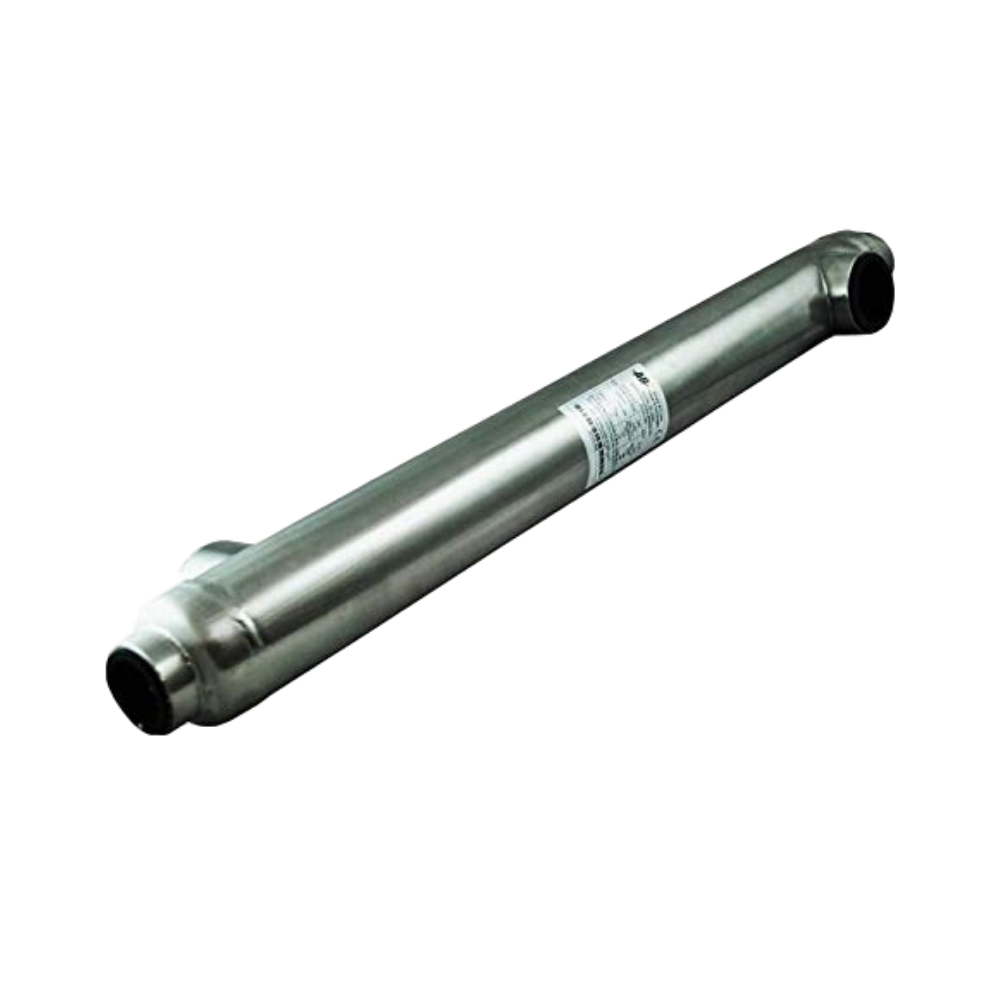
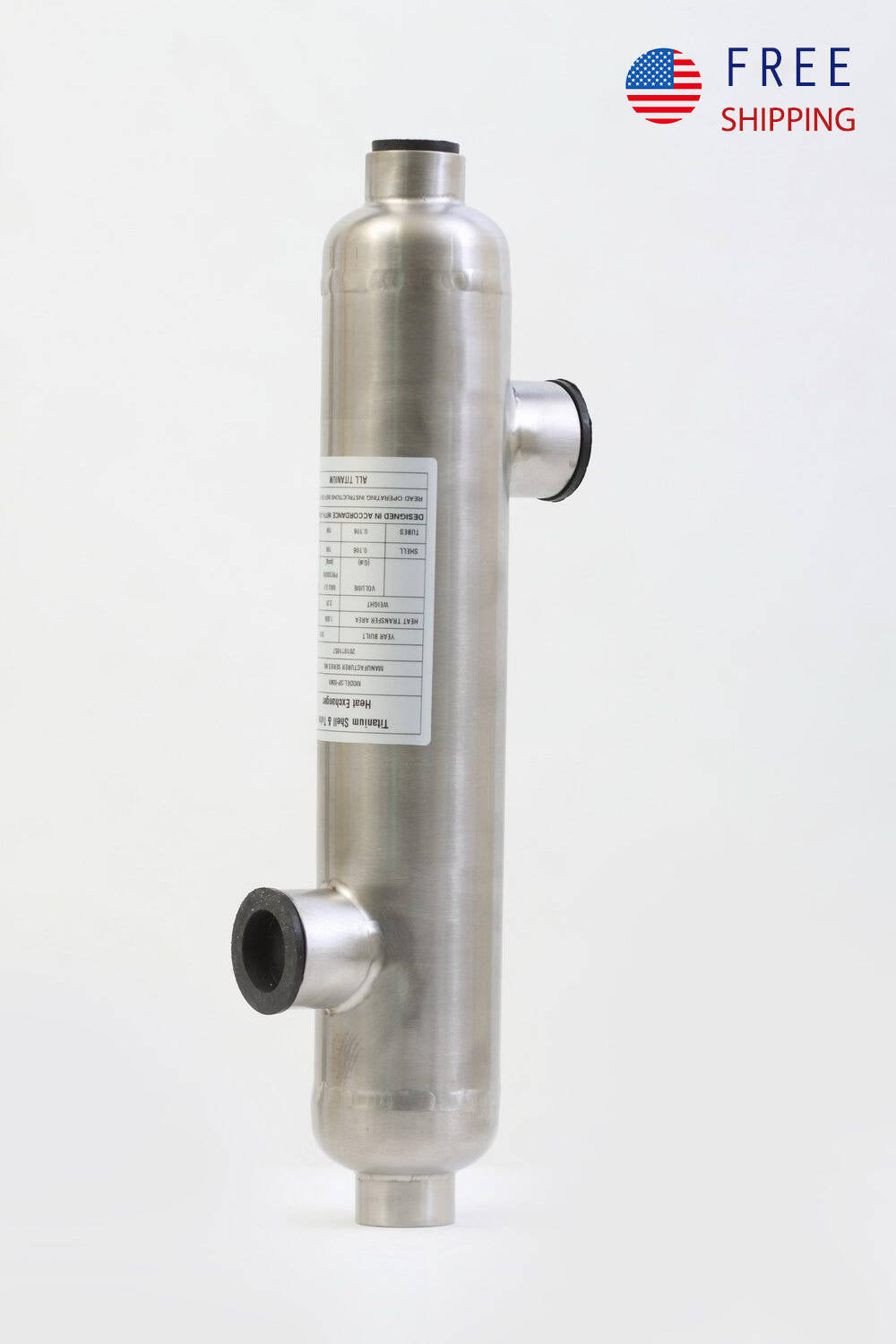
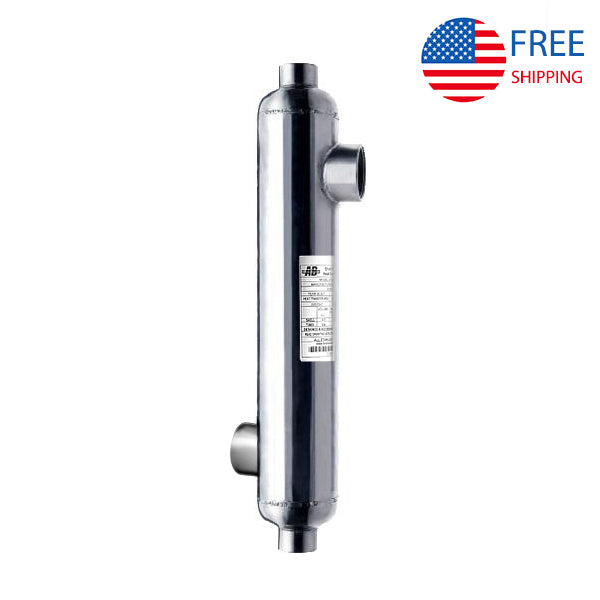
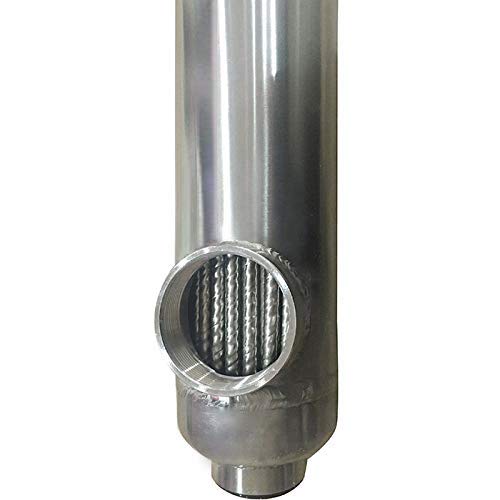
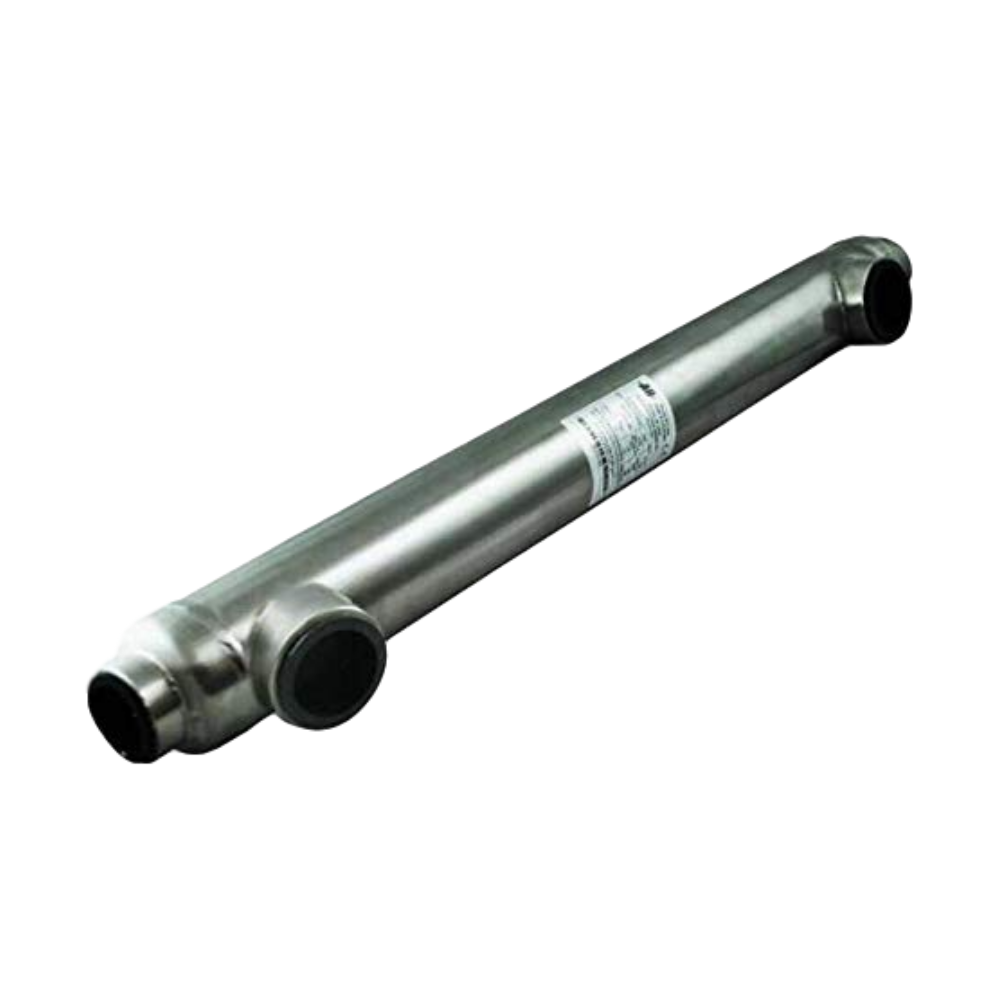
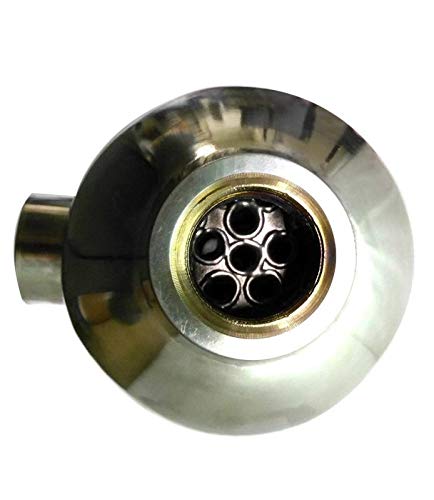
Improve your pool comfort with our reliable swimming pool heat exchangers. Our range offers practical options designed to heat your pool efficiently while helping reduce energy use. Finding the right solution is easy, whether for a private pool or a larger installation. Choose the heat exchanger that fits your needs and enjoy a consistently warm, comfortable swimming experience.
Benefits of using a swimming pool heat exchanger
Installing a pool heating system can significantly enhance your pool experience by providing consistent water temperatures and lowering energy use. A swimming pool heat exchanger is designed to facilitate the transfer of heat from one source to another, allowing you to maintain a comfortable temperature throughout your pool. By integrating a heat exchanger for swimming pool systems, you can enjoy a swim no matter the season, as these devices ensure that your pool water remains warm and inviting.
Unlike traditional heating methods, which can be costly and less efficient, heat exchangers for swimming pools offer a more sustainable solution by utilizing existing heat sources, such as solar heaters or boilers. This not only helps in reducing energy bills but also minimizes the environmental impact. Thanks to modern technology, today’s swimming pool heat exchangers are durable, reliable, and require less maintenance. These heat exchangers keep your pool comfortable year-round while lowering energy use, making every swim more enjoyable.
Comparing titanium and stainless steel swimming pool heat exchangers
When selecting a heat exchanger for swimming pool systems, it's important to consider the materials used, as they greatly impact performance and longevity. Titanium and stainless steel are two popular materials, each offering distinct advantages. Titanium heat exchangers are renowned for their exceptional resistance to corrosion, making them an excellent choice for pools with saltwater systems or those exposed to harsh chemicals. This resilience ensures a long-lasting performance with minimal maintenance, making titanium a top-tier option for pool owners seeking durability and reliability.
On the other hand, a stainless steel swimming pool heat exchanger also provides robust durability and is particularly effective in freshwater environments. While stainless steel is generally more affordable than titanium, it might require additional maintenance in saltwater conditions due to potential corrosion risks. However, with proper care, stainless steel heat exchangers offer significant longevity and efficiency. Ultimately, the choice between titanium and stainless steel depends on your pool's specific conditions and budget. Both materials provide efficient heat transfer, ensuring your pool maintains ideal temperatures throughout the year.
How to choose the right heat exchangers for swimming pools
Selecting the ideal swimming pool heat exchanger involves considering several factors to ensure optimal performance and efficiency. Here are some key considerations to guide you in choosing the right heat exchangers for swimming pools:
- Pool Size: The size of your pool is a primary factor in determining the appropriate capacity of your swimming pool heat exchanger. Larger pools require more powerful heat exchangers to effectively maintain the desired temperature. Therefore, it’s crucial to match the heat exchanger's capacity with your pool’s volume to ensure efficient heating.
- Climate: The local climate plays a significant role in selecting a heat exchanger. In colder regions, a more robust heating solution may be necessary to maintain comfortable swimming conditions year-round. Conversely, in warmer climates, a less powerful heat exchanger might suffice, as the ambient temperature helps in maintaining water warmth.
- Heating Needs: Assess your specific heating requirements, such as how quickly you need the pool to heat or whether you want to extend your swimming season. Consider the energy sources available, such as solar or gas, to pair with your heat exchanger for improved efficiency and cost-effectiveness.
- Material and Durability: Depending on your water system (e.g., saltwater or freshwater), choose a material that offers the best resistance to corrosion and wear. Durability is key to ensuring long-term performance, so evaluate options like titanium or stainless steel based on your pool’s environmental conditions.
- Installation and Maintenance: Consider the complexity of installation and the ease of maintenance. Opt for a swimming pool heat exchanger that integrates well with your existing equipment and requires minimal upkeep, ensuring a hassle-free experience.
By taking these factors into account, you can select a swimming pool heat exchanger that best suits your needs, providing efficient and reliable heating for your pool.
Installation tips for your swimming pool heat exchangers
Installing a new system or upgrading an existing one can be simple if you follow the right steps. Here are some practical tips to guide you. Begin by choosing the best location for your heat exchanger for swimming pool, ideally close to your main heating source, like a boiler or solar heater, to minimize heat loss. Ensure all plumbing connections are secure and leak-free to maintain water pressure and prevent water loss. Position the unit so it’s easy to access for future maintenance and cleaning, keeping your system running efficiently for years to come.
For those retrofitting a heat exchanger into an existing system, check compatibility with current equipment. You may need additional adapters or modifications to integrate the new component seamlessly. Additionally, consider installing bypass valves, which allow you to isolate the heat exchanger during maintenance or if it's not needed, further enhancing system flexibility. Always adhere to manufacturer guidelines and local regulations during installation to ensure safety and compliance. Moreover, consulting with a professional installer can provide insights specific to your system's needs, ensuring a smooth installation process.
Maintenance and care for your stainless steel swimming pool heat exchanger
Proper care of your stainless steel swimming pool heat exchanger is key to keeping it working efficiently and extending its lifespan. Regular maintenance prevents problems and ensures your system performs at its best. Check the exchanger regularly for signs of wear or corrosion, especially in saltwater pools. While stainless steel is durable, early inspections help catch issues before they become serious. Cleaning is also important—mineral buildup and debris can reduce efficiency. Use a mild cleaning solution that is safe for stainless steel to gently remove any deposits, taking care not to scratch or damage the surface.
Keep your stainless steel swimming pool heat exchanger in top condition by maintaining proper pool water chemistry. Balanced pH and chlorine levels help prevent corrosion and protect your system. Regularly backwash the pool filter to maintain good water flow, allowing the exchanger to work efficiently. Always follow the manufacturer’s care instructions and consider scheduling annual professional inspections to catch any potential issues early. By following these simple maintenance steps, your heat exchanger will deliver reliable performance and long-lasting service.
Related Heat Exchangers
- Air to Water Heat Exchangers
- Water to Air Heat Exchangers
- Water to Water Heat Exchangers
- Plate Heat Exchangers
- Plate Heat Exchangers (Copper Brazed)
- Brazed Plate Heat Exchangers
- Brazed Plate Condenser
- Shell and Tube Heat Exchangers
- Side Arm Heat Exchangers
- Pool Heat Exchangers
- Marine Heat Exchanger
- Electrical Heat Exchangers
Recently viewed
Designed with comfort and efficiency in mind, our collections offer reliable solutions for every thermal requirement. Our extensive range combines advanced technology with thoughtful design to create environments that feel warm, balanced, and inviting. Each product reflects a commitment to quality and performance, delivering lasting comfort for both residential and commercial spaces. Discover our collections and experience how Alfa Heating brings precision and reliability to modern thermal solutions.
Explore our diverse range of heat exchangers
At Alfa Heating, we offer a wide and carefully selected range of heat exchangers designed to suit both homes and businesses. Whether you’re looking to improve energy efficiency in a residential space or maintain reliable climate control in a commercial setting, our solutions are built to meet your needs. Each heat exchanger is engineered with precision and made from high-quality materials to deliver long-lasting performance in a variety of conditions. From compact, space-saving models to durable systems designed for demanding industrial use, our range makes it easy to find the right solution for your application.
Shop in our heat exchangers and HVAC equipment online store for a fast, reliable experience. Our platform is easy to navigate, with clear categories and informative product descriptions that help you choose with confidence. We focus on high‑quality equipment designed to improve energy efficiency and deliver comfortable indoor climates, backed by service that puts customer satisfaction first. Heat exchangers in particular are built to move thermal energy efficiently, which is why choosing the right unit matters for both performance and cost.
Top industrial and residential heat transfer products
Alfa Heating is dedicated to delivering superior quality when it comes to our industrial and residential heat transfer products. Our extensive catalog includes a range of cutting-edge solutions designed to efficiently regulate temperatures across various environments. Whether it's a bustling industrial setting requiring robust equipment or a cozy residential space needing dependable thermal control, our products stand out for their exceptional performance and reliability.
Each item in our selection undergoes rigorous testing to ensure it meets the highest standards of durability and efficiency, promising longevity and reduced energy consumption. Our products seamlessly integrate into your systems, maintaining ideal environmental conditions. We understand the critical role that precise temperature management plays in both industrial processes and home comfort, which is why our offerings deliver optimal performance day in and day out. By choosing Alfa Heating, you're investing in advanced technology with proven reliability.
Discover our complete heating and cooling product catalog
Explore the complete heating and cooling product catalog offered by Alfa Heating, where innovation meets variety to cater to diverse temperature control needs. Our catalog is a testament to our commitment to quality and versatility, featuring a broad range of products that serve both residential and commercial applications. From high-performance oil coolers to efficient condensers, durable valves, and precision-engineered fittings, our selection enhances your systems' effectiveness and reliability.
Every product is carefully designed and thoroughly tested to deliver reliable performance you can trust. Whether you’re planning a new installation or upgrading an existing system, our wide selection makes it easy to find a solution that fits your exact needs. From compact residential setups to large-scale industrial applications, our range covers it all. At Alfa Heating, we focus on practical, high-quality solutions that improve thermal efficiency and create comfortable environments you can rely on every day.
Shop to buy heat exchangers and heating supplies
At Alfa Heating, buying heat exchangers and heating supplies is straightforward and efficient. Our platform is designed to make the purchasing process simple, allowing you to find and order the products you need with confidence. We know that time matters when it comes to keeping heating systems running at their best, which is why our online store is clearly structured and easy to navigate. This way, you can quickly locate the right solutions without unnecessary delays.
Detailed product descriptions, specifications, and customer reviews are readily available, enabling informed decisions tailored to your requirements. Our streamlined checkout process enhances the convenience of shopping with Alfa Heating, allowing for swift and secure purchases. With a wide selection of top-quality products available at competitive prices, you can be confident in the value and reliability of your purchases. Whether you're a seasoned professional or a DIY enthusiast, our platform caters to all skill levels.
Best heat exchangers for HVAC and pool systems
Alfa Heating delivers high-performance heat exchangers designed for HVAC and pool systems. Our products are engineered to maximize thermal transfer efficiency, helping systems run reliably and efficiently. Whether you’re enhancing energy performance in a residential installation or selecting durable solutions for demanding commercial applications, Alfa Heating heat exchangers provide dependable results you can trust.
Built with precision and high-quality materials, these units are designed to perform reliably in a wide range of conditions. Many models are easy to integrate into existing systems, making upgrades simple and reducing downtime. With Alfa Heating, you can trust that every product meets industry standards and delivers dependable performance at great value. Choose our heat exchangers to maintain stable temperatures and enjoy a comfortable, well-controlled environment year-round.