
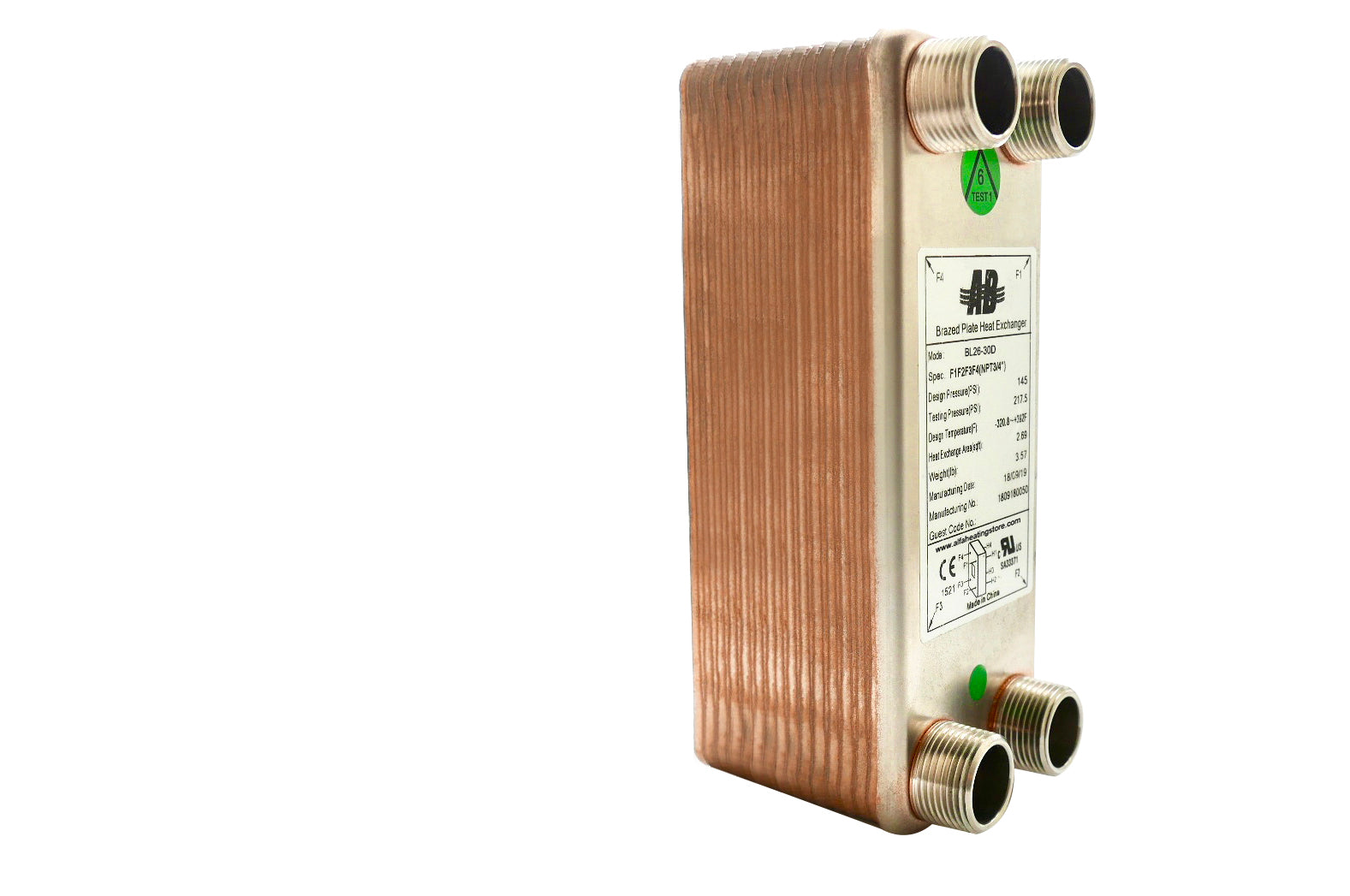
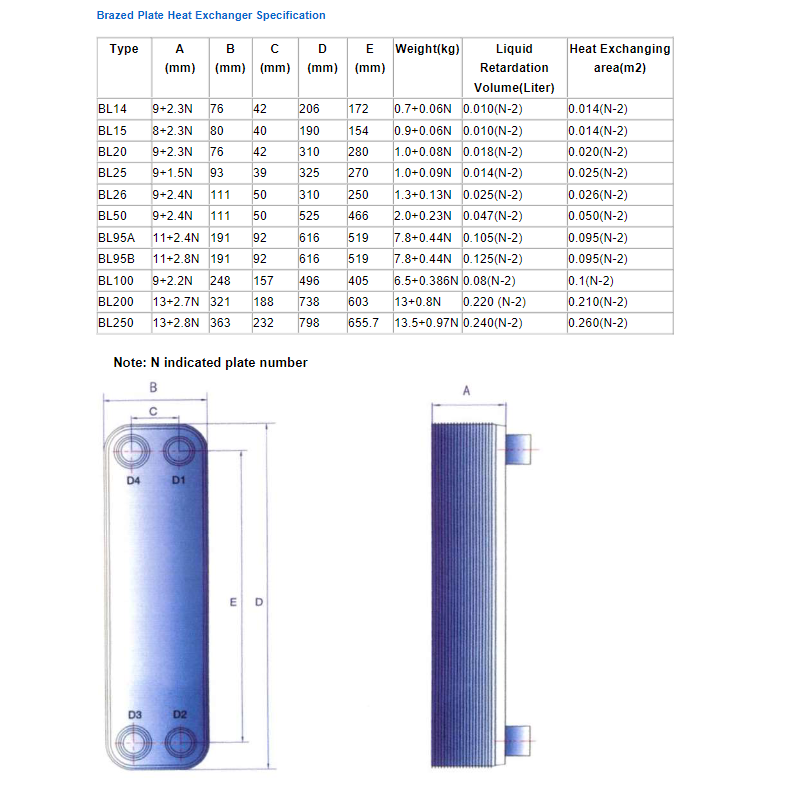
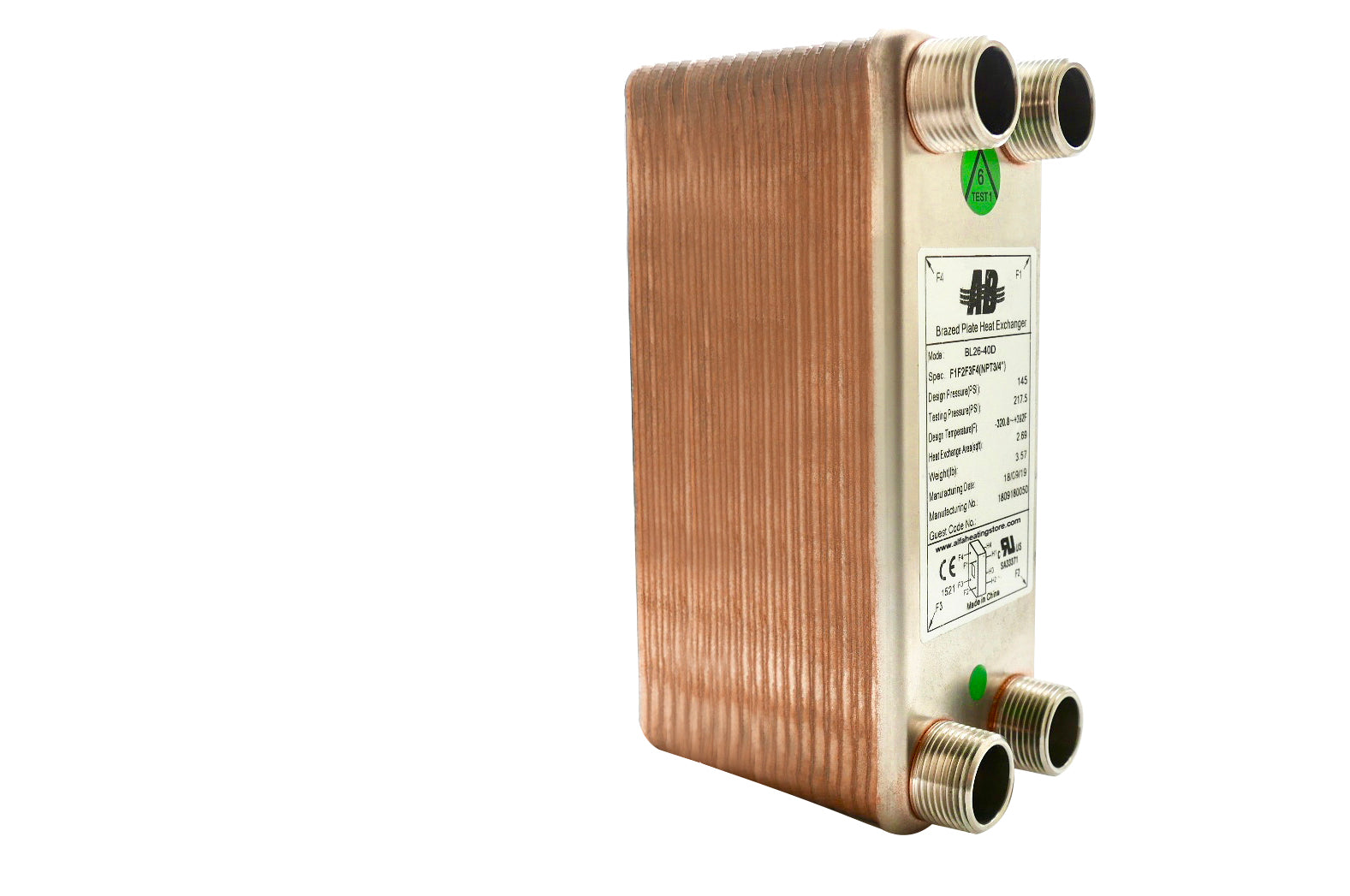
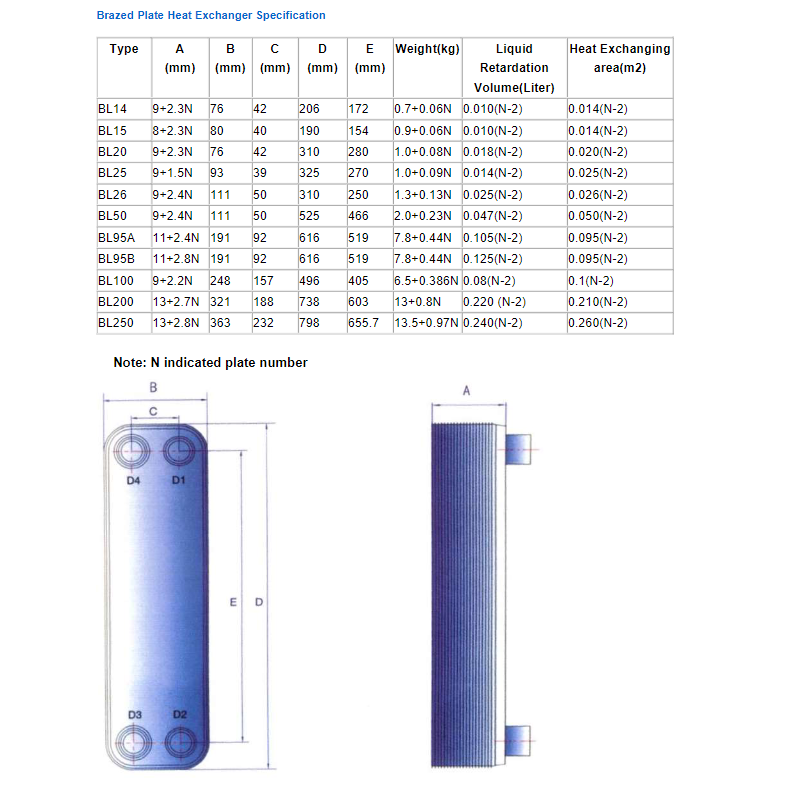
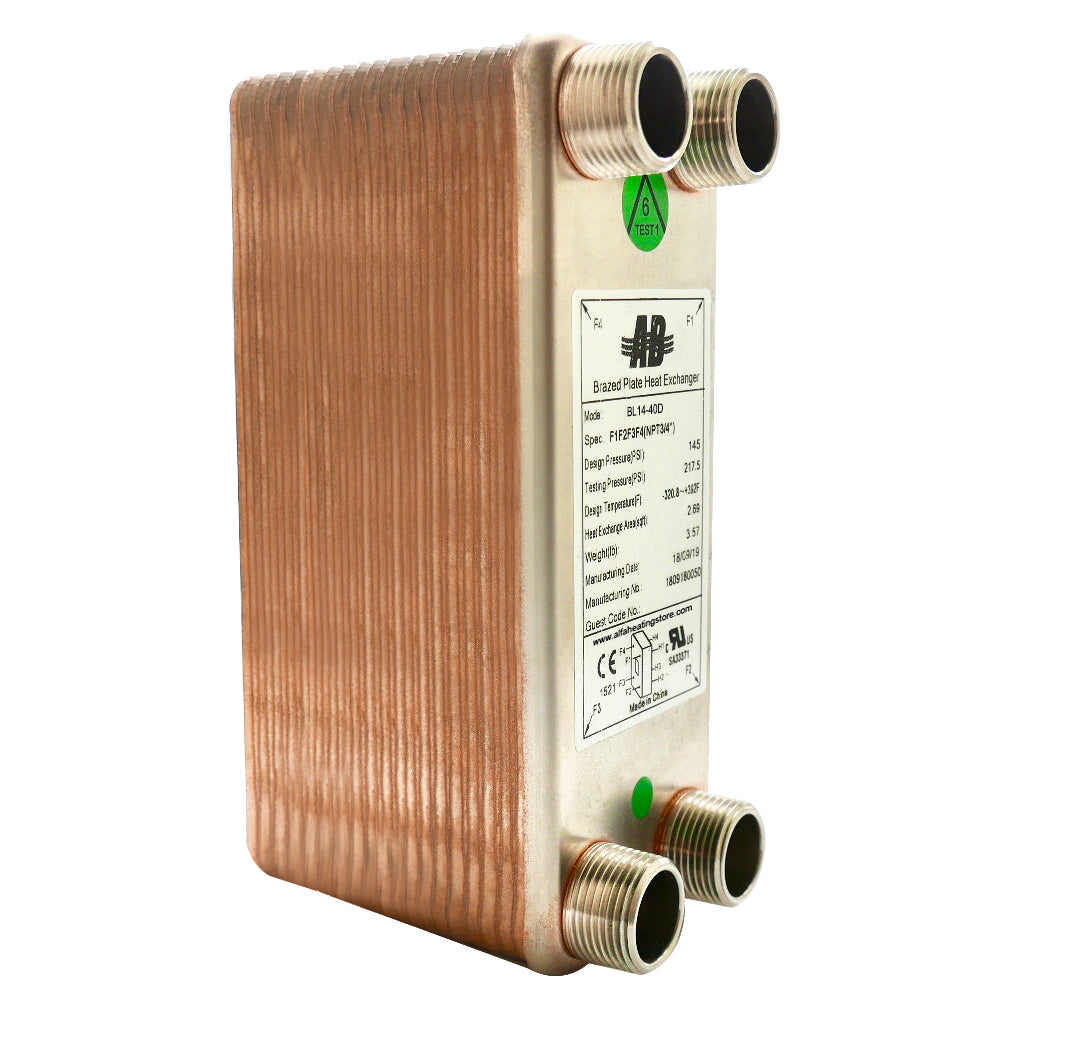
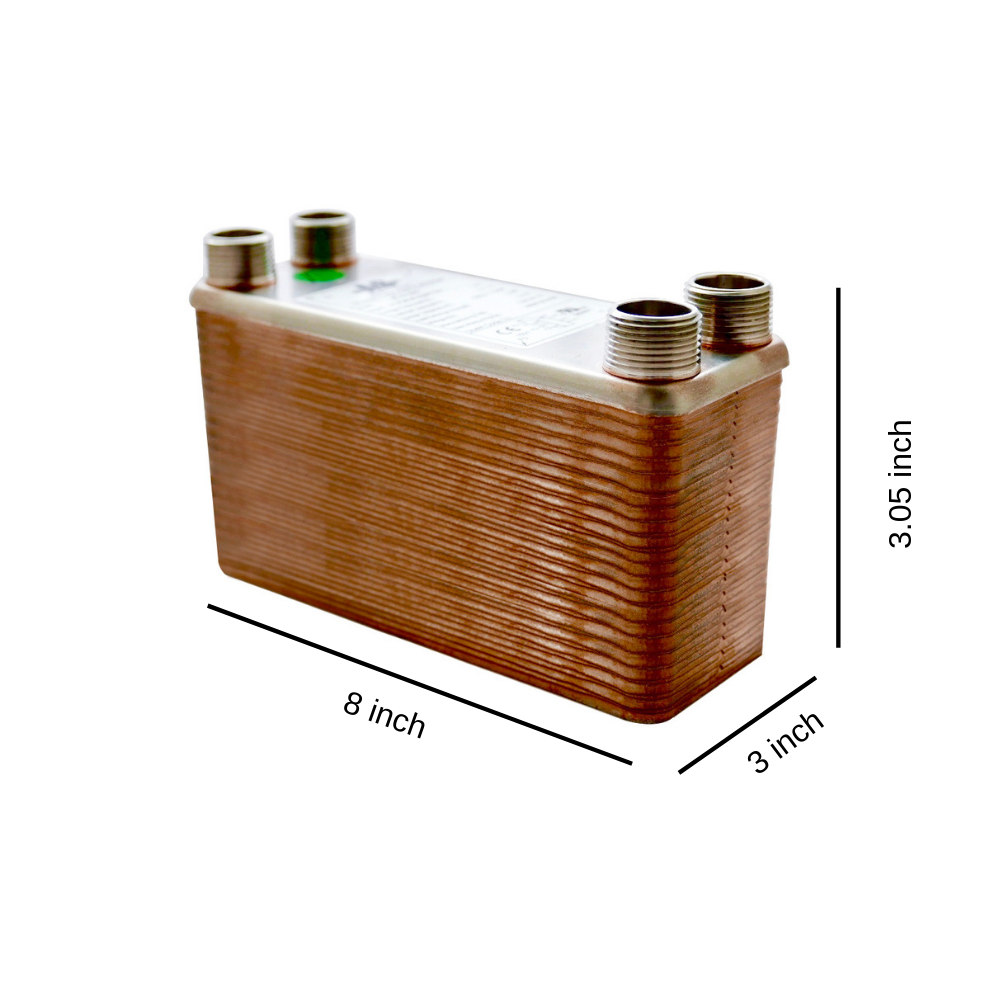
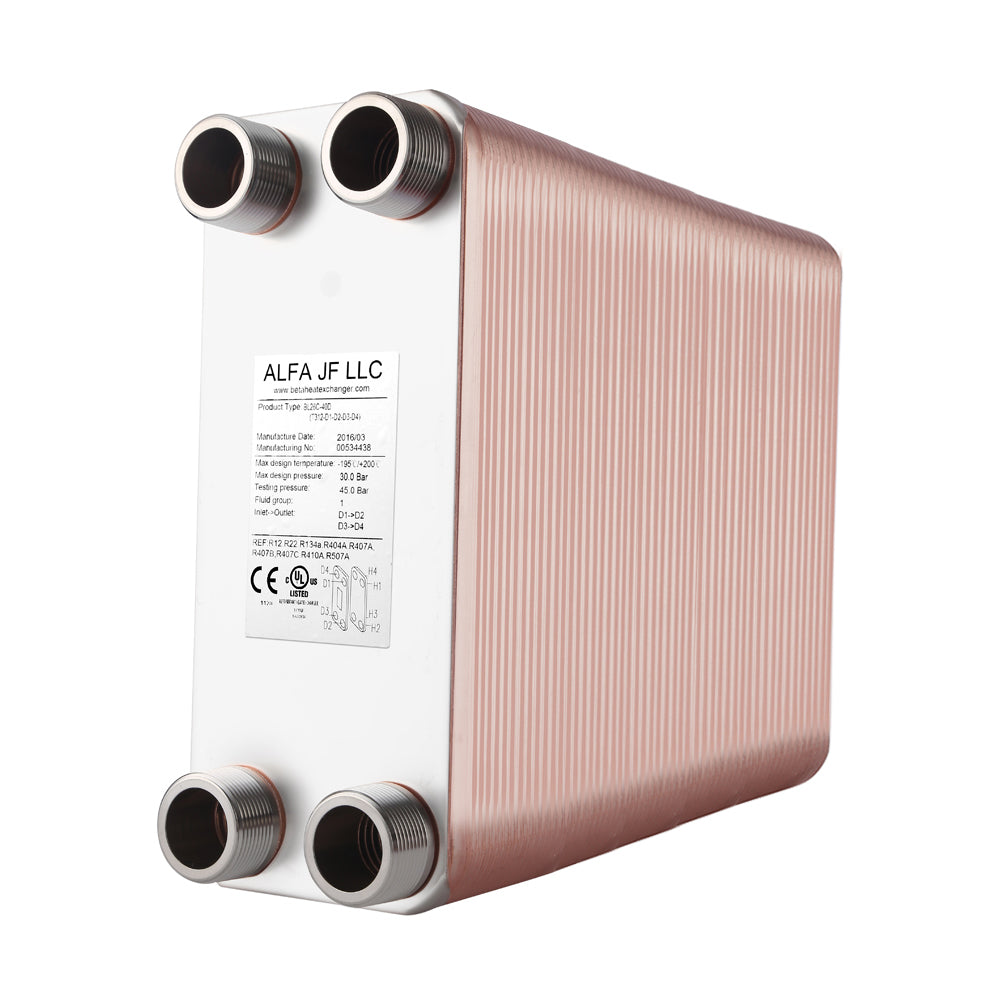
Looking for a reliable solution to manage heating or cooling in your system? We offer quality heat exchangers and radiators for different setups. Choose from many types, sizes, and connection options to match your needs. Easy to install and built to last. Check out our full selection and get the right model for your project today.
Get More Efficiency from Every Heating System
Looking to improve energy use and heating performance in your home or facility? The right heat exchanger can make that difference. Our products are designed for various applications—home heating, hot water distribution, pool heating, and more—while keeping systems compact, efficient, and cost-effective. With models designed to handle various output levels and fluid types, we offer powerful and adaptable solutions.
Our lineup is engineered to suit both residential and commercial needs. These units ensure reliable thermal transfer, helping systems run smoother and more efficiently. You’ll find models built with different materials, such as stainless steel, copper, and titanium, to match your setup and durability requirements.
Higher performance = lower energy bills and fewer system breakdowns. Explore our range to find solutions built to deliver both now and in the long run.
Built to Support Domestic and Commercial Use
We offer systems easily integrated into everything from small home heating setups to larger industrial applications. Many models in our selection provide flexible port options and come in different configurations, like side-arm and shell-and-tube, to suit installation needs.
If you’re heating a floor system, managing a domestic hot water setup, or maintaining optimal temperatures for pools and spas, our designs can meet those challenges. Their compact construction makes them ideal even for tight mechanical rooms. Our thermal exchanger options are built to operate under pressure, handle high-temperature differentials, and offer consistent thermal transfer with minimal maintenance.
Smart engineering = fewer surprises and lower upkeep. Choose a unit that adapts to your demands, not vice versa.
Understand the Benefits of Plate Technology
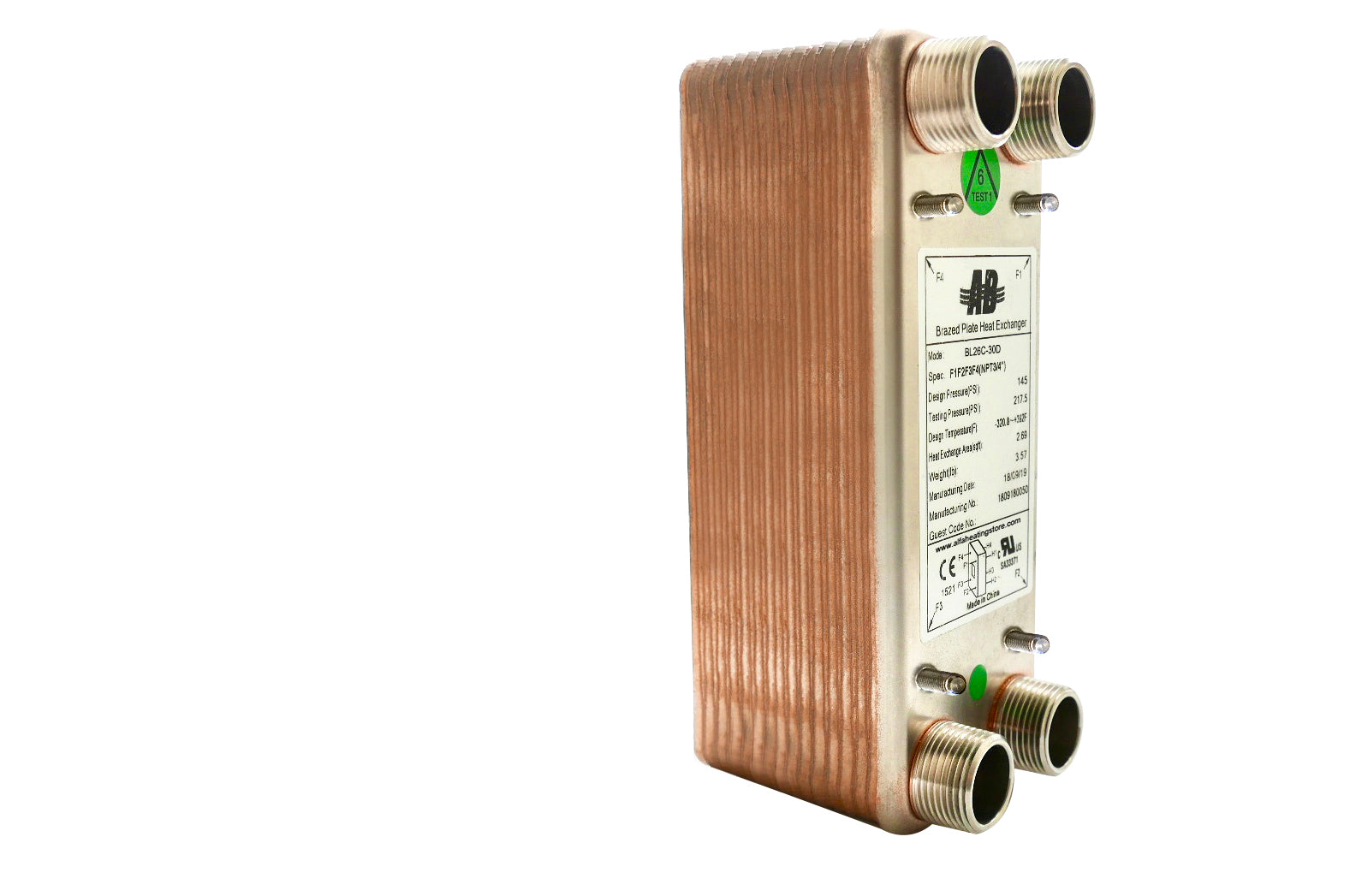
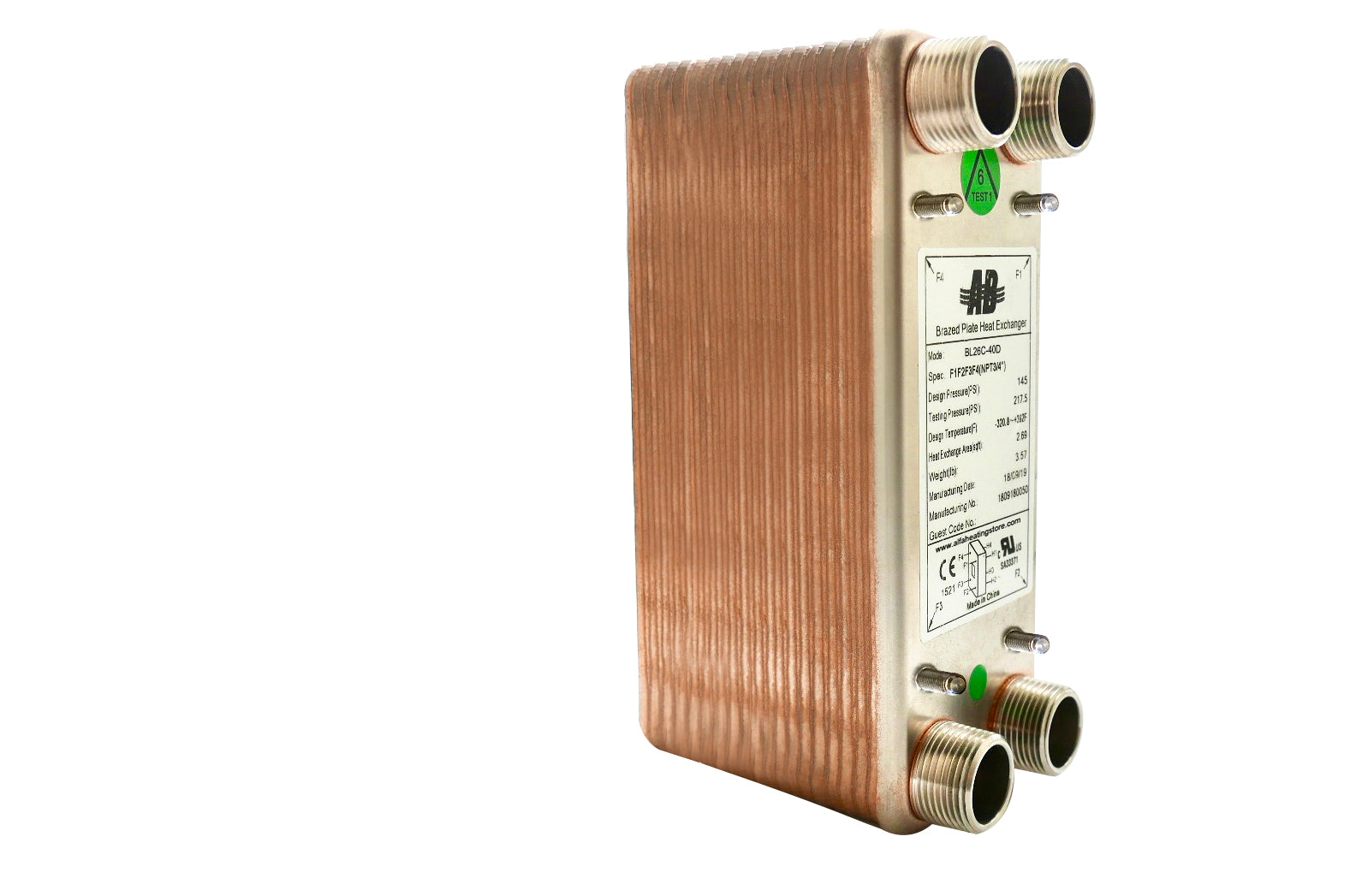
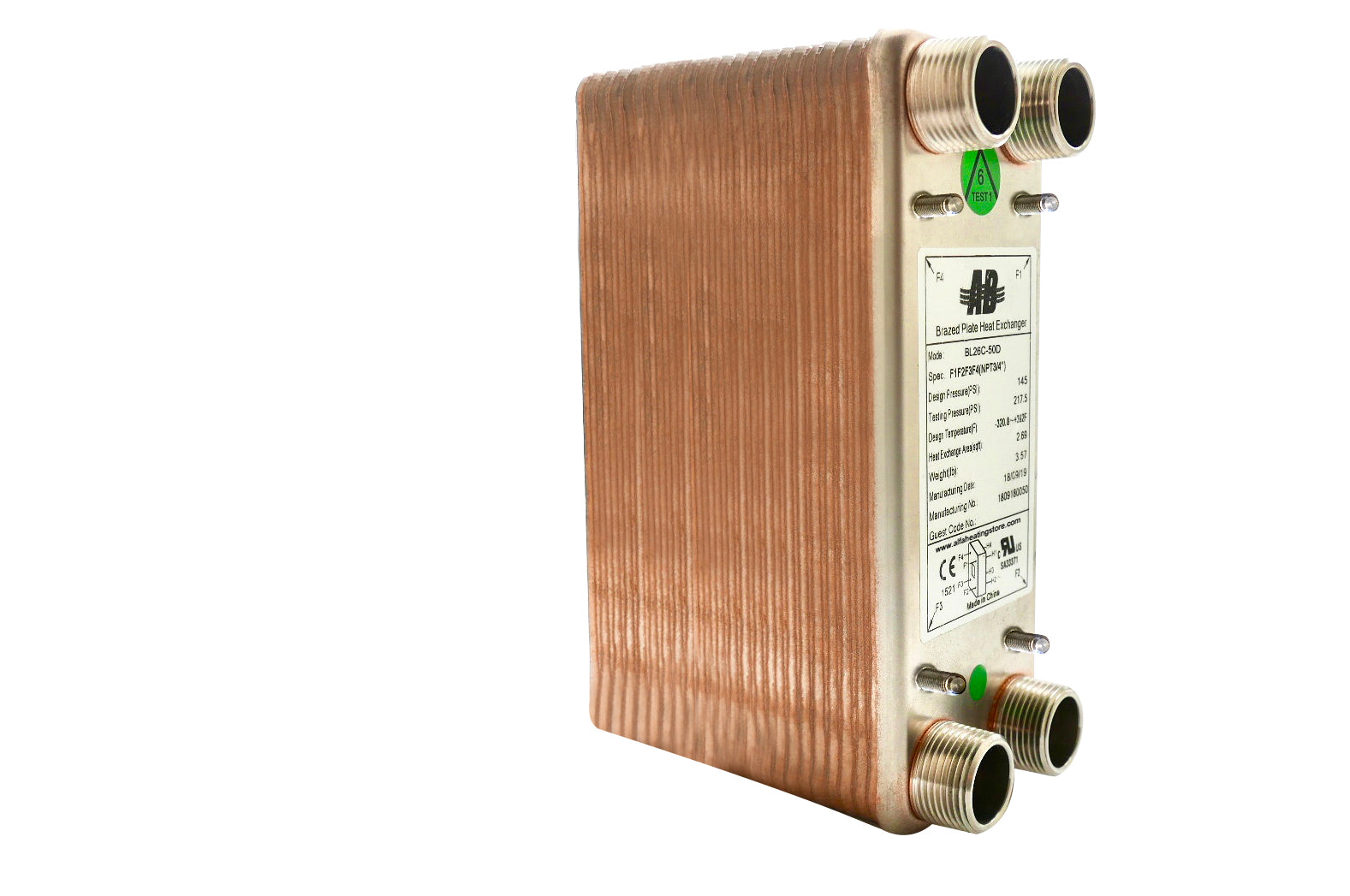
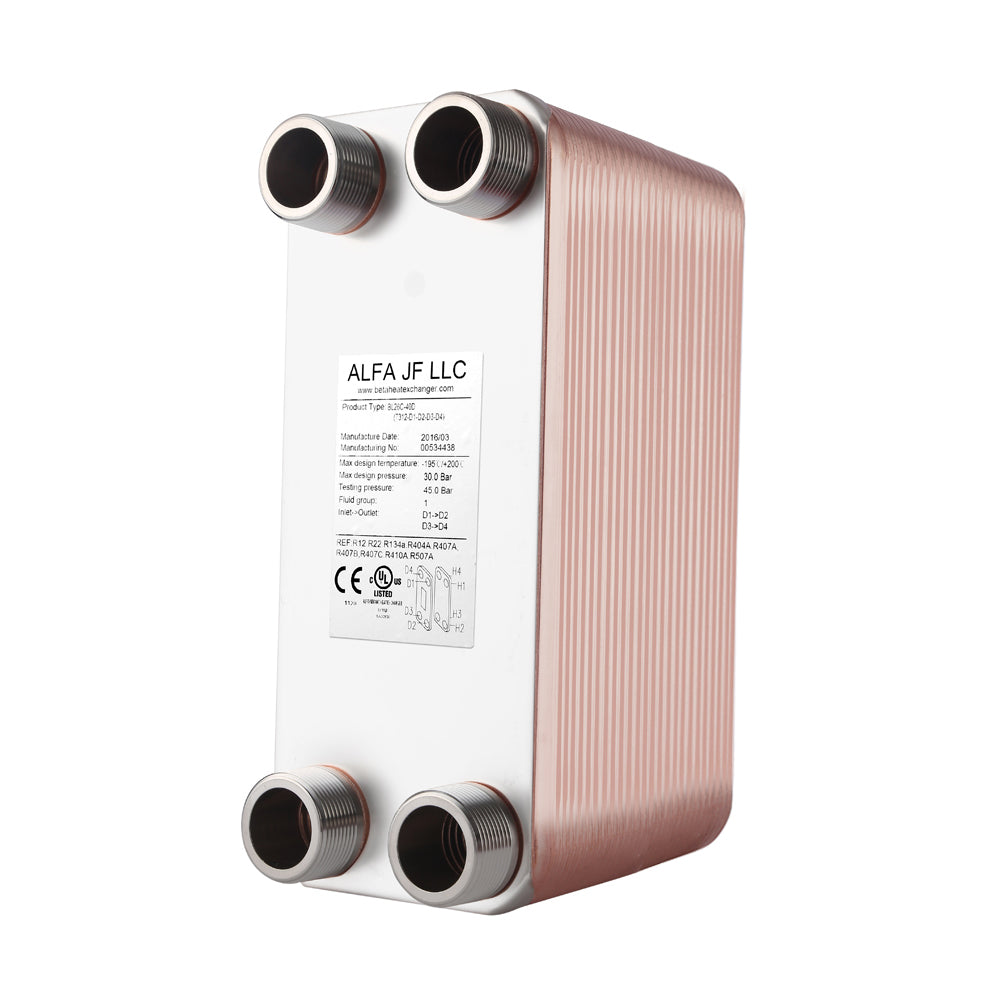
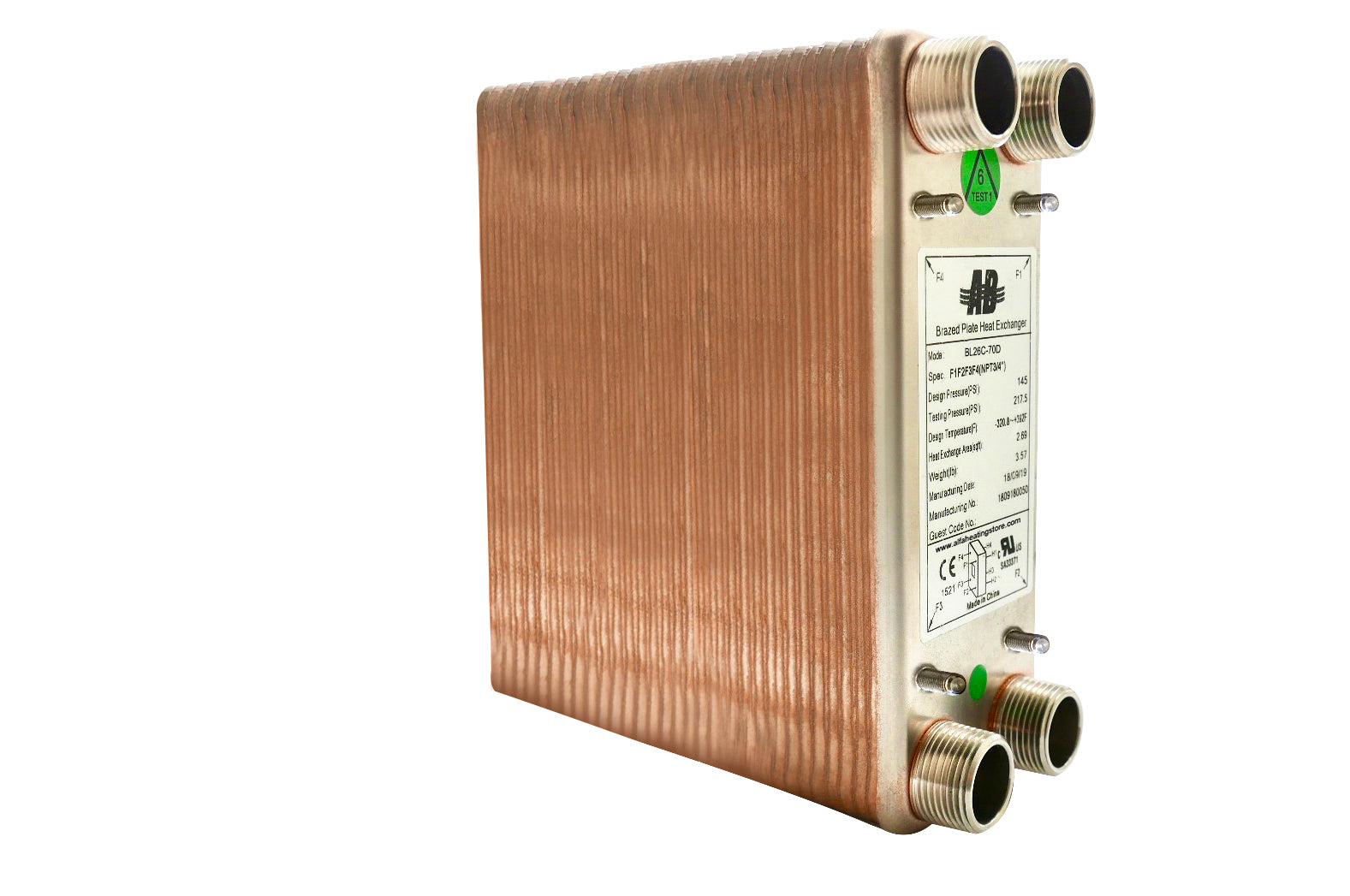
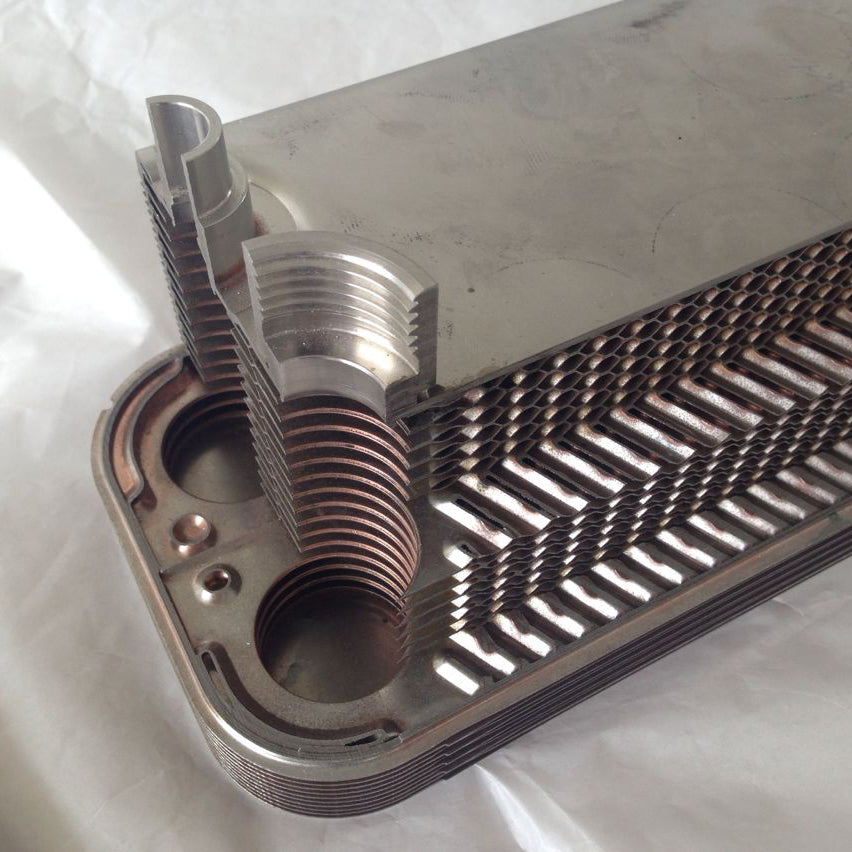
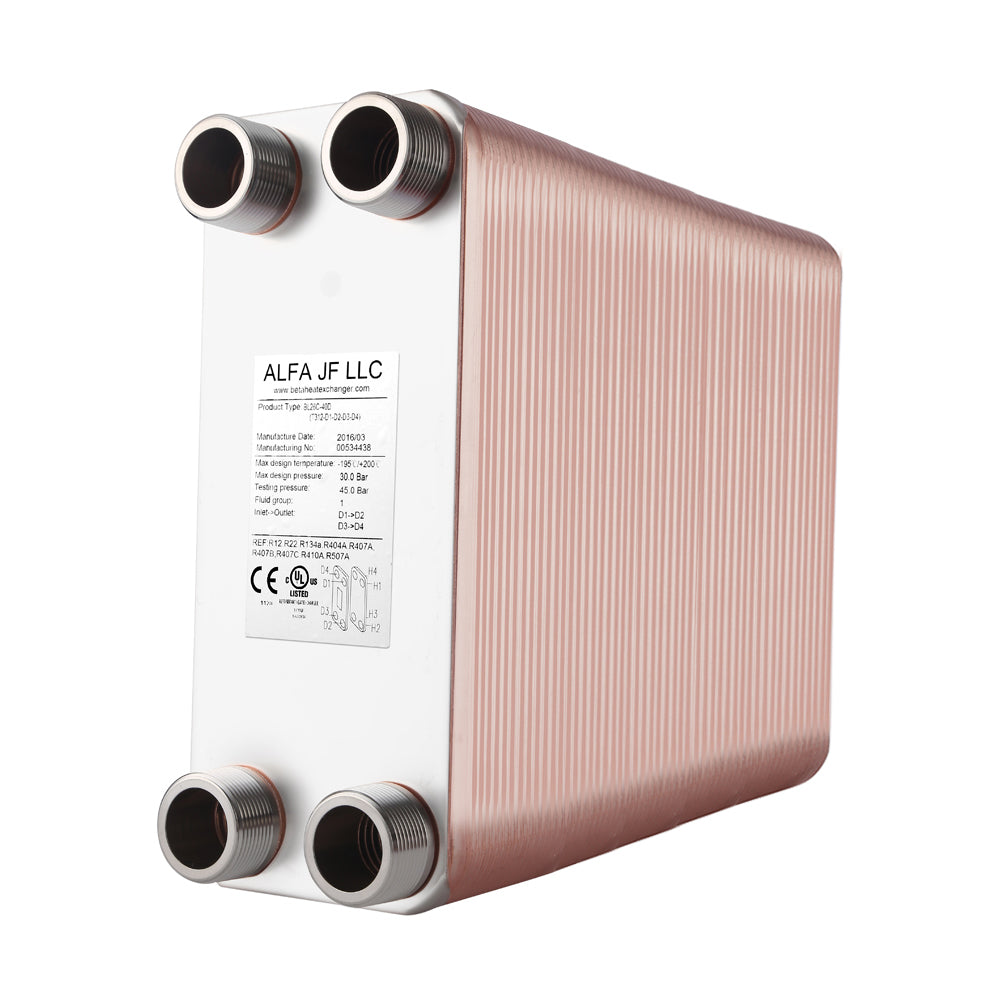
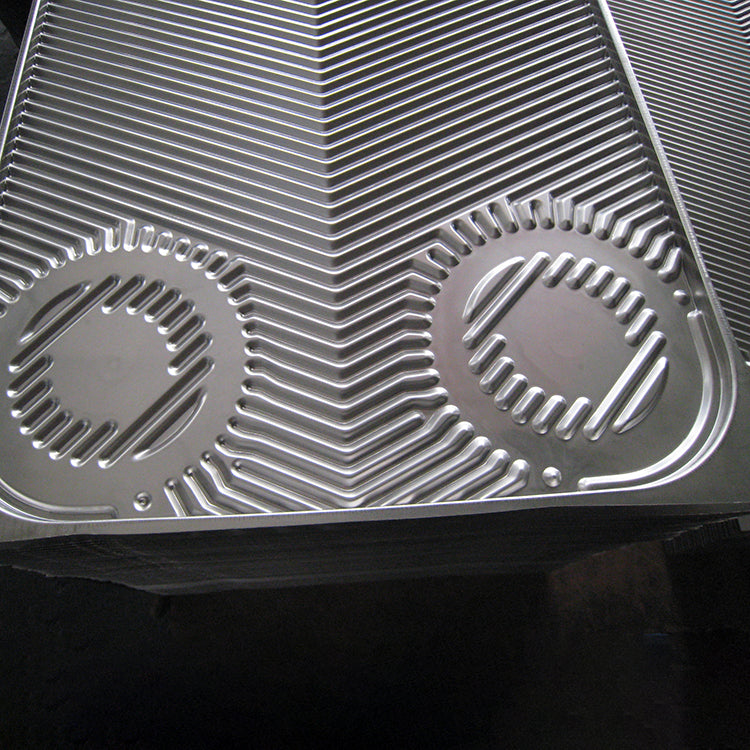
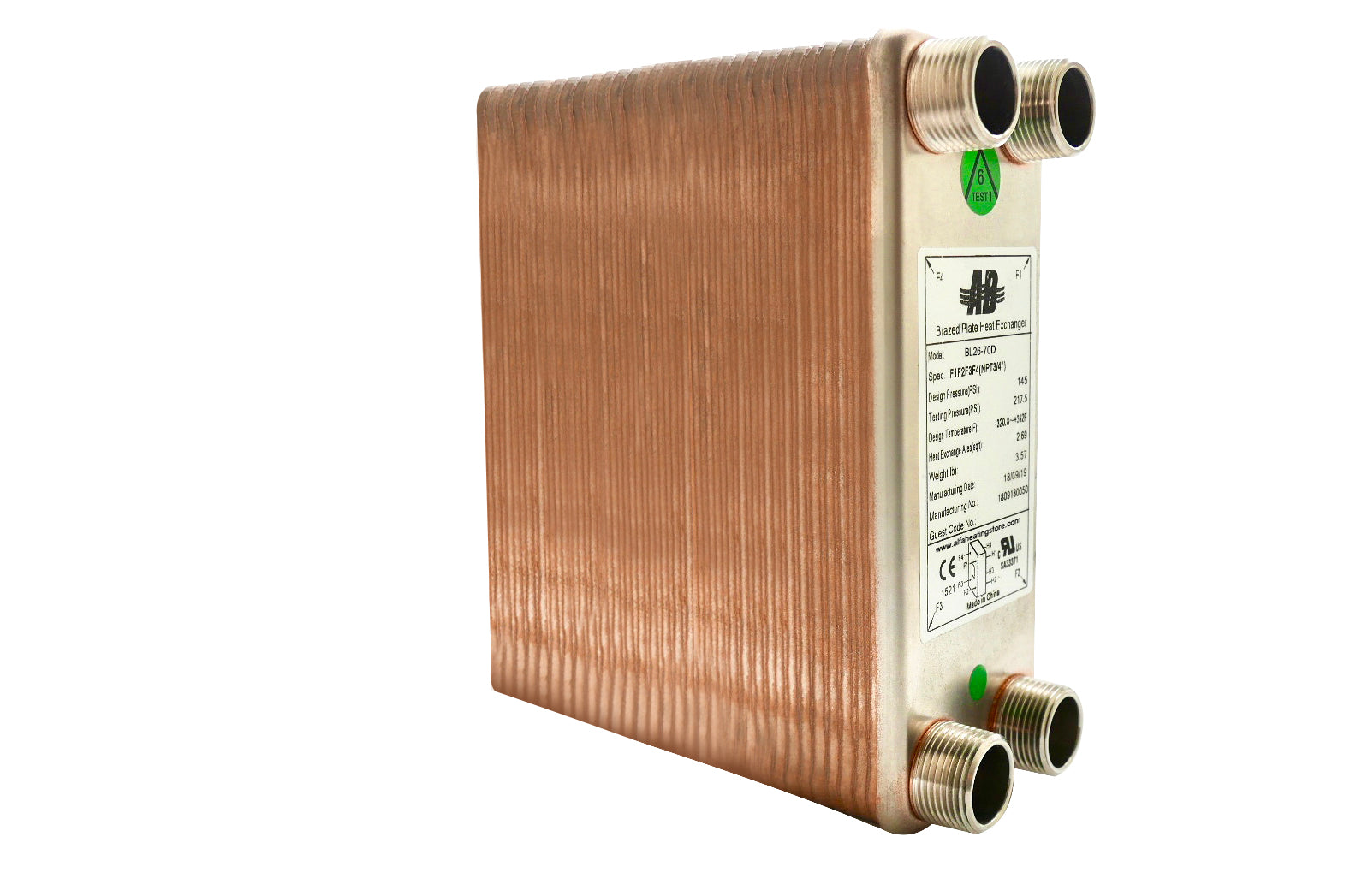
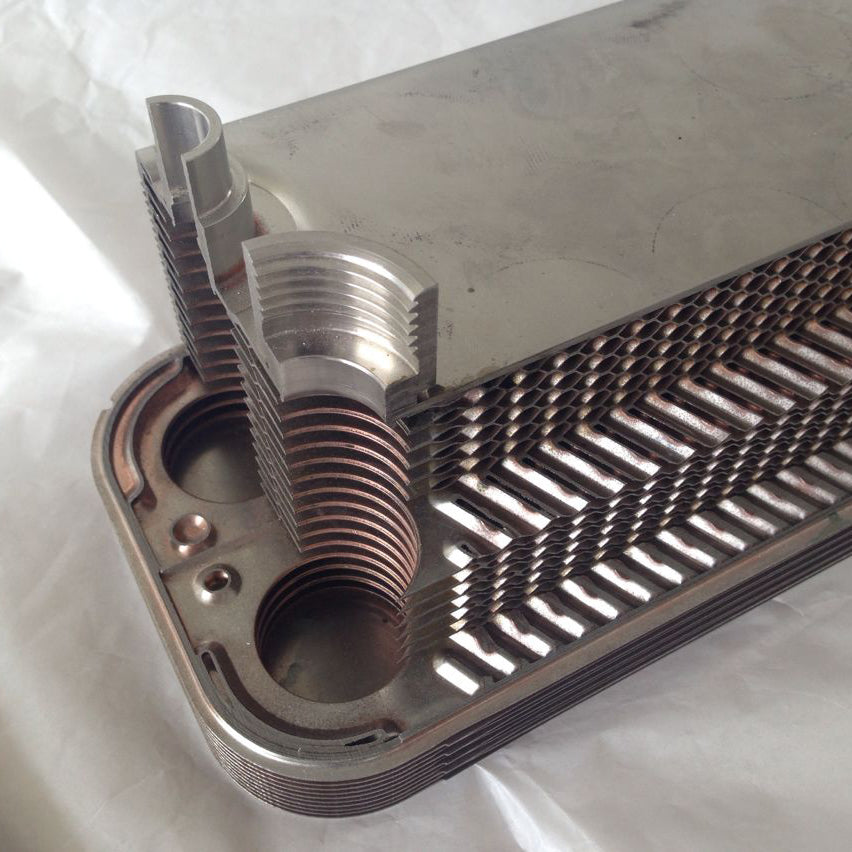
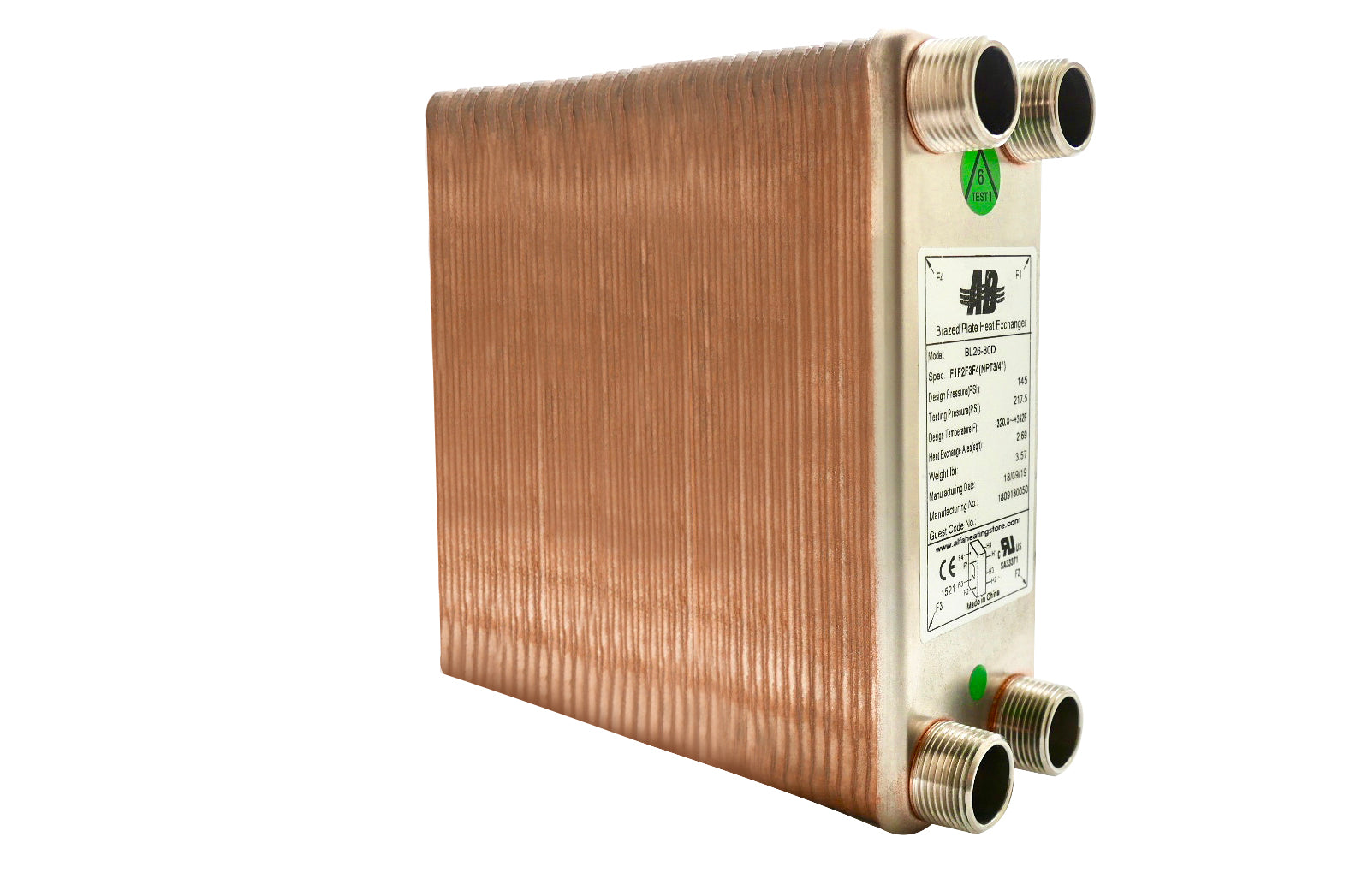
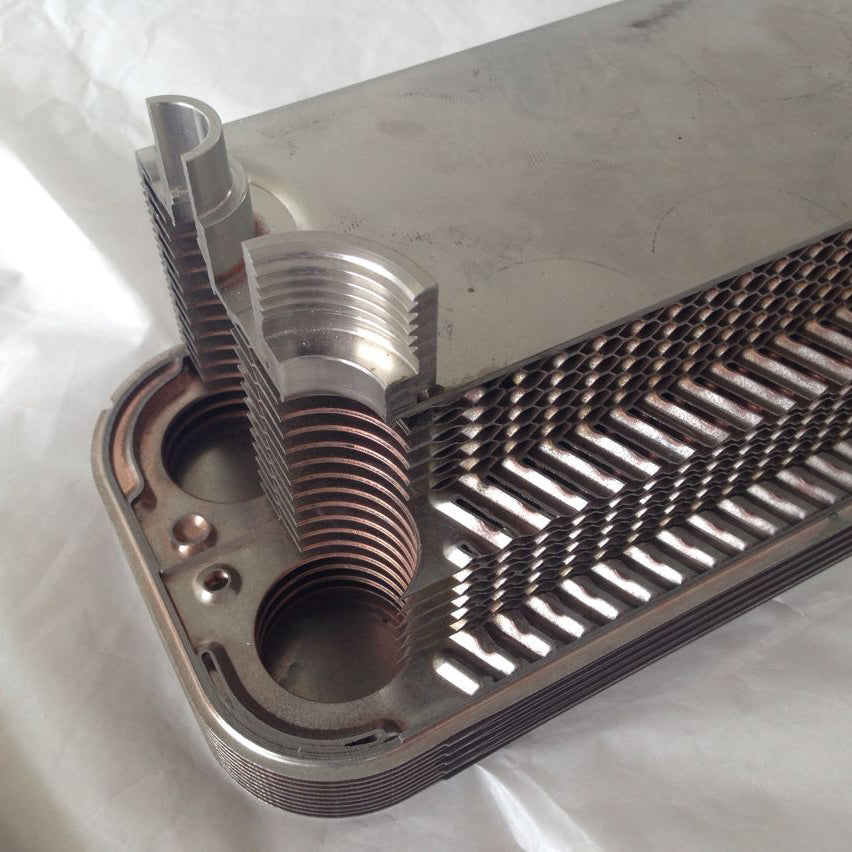
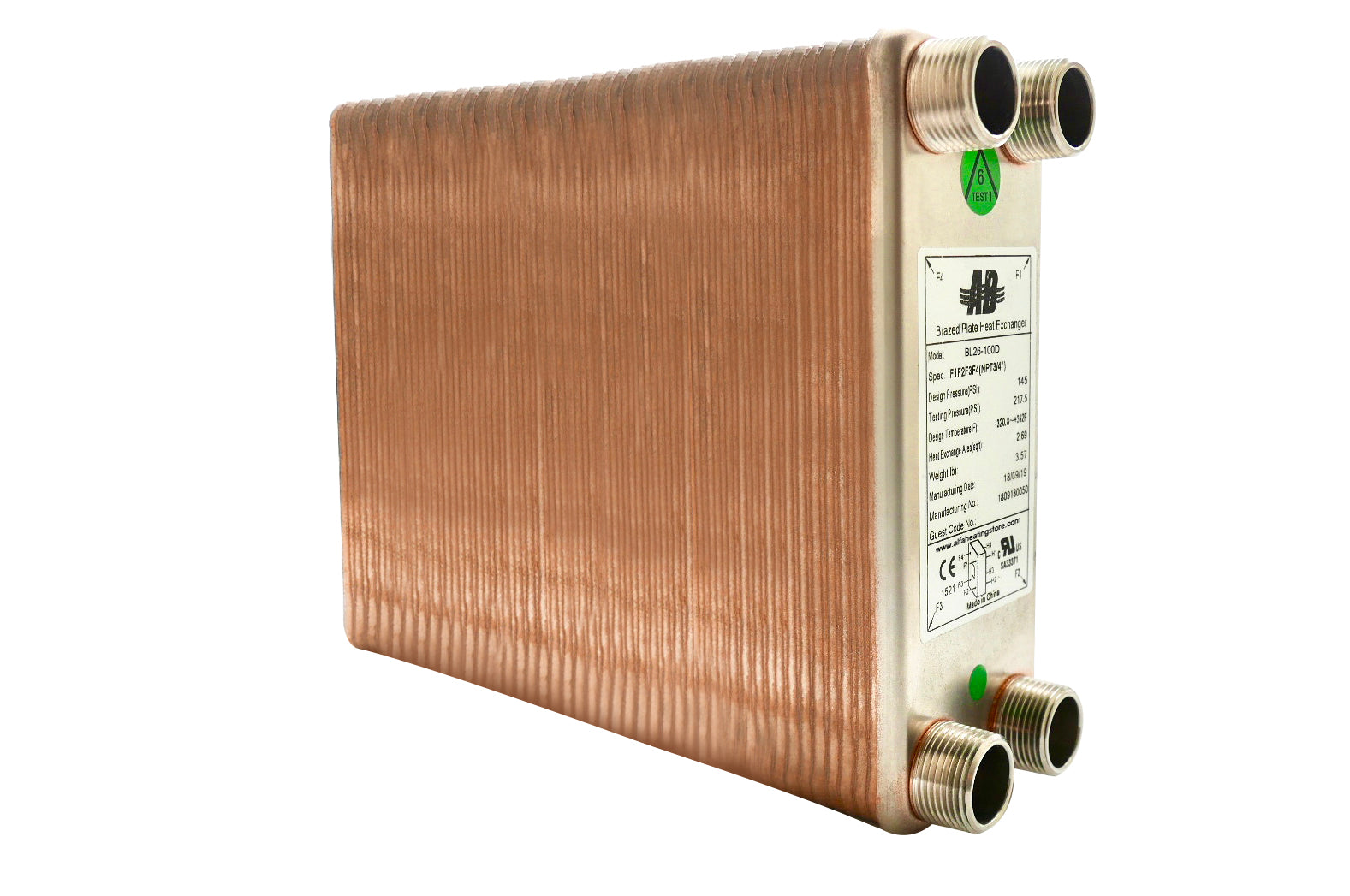
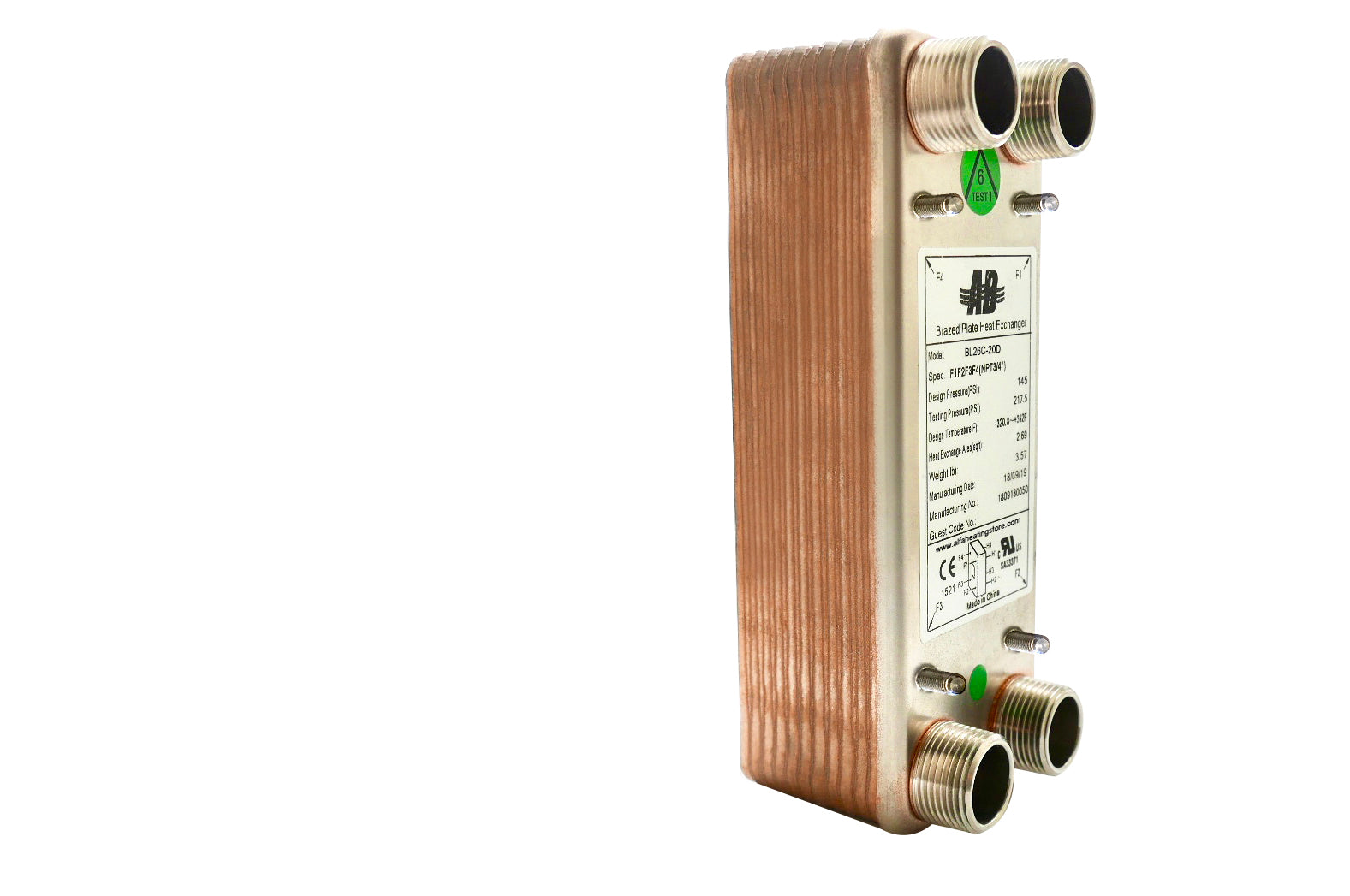
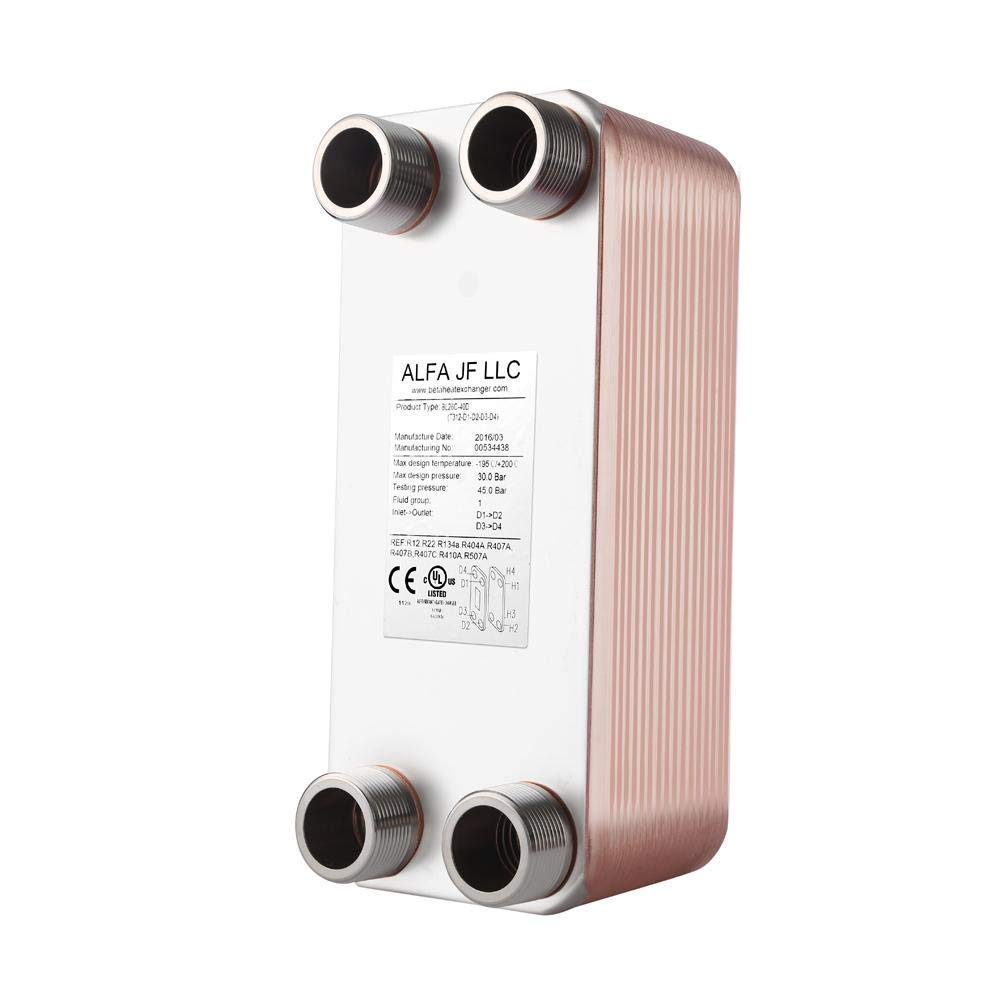
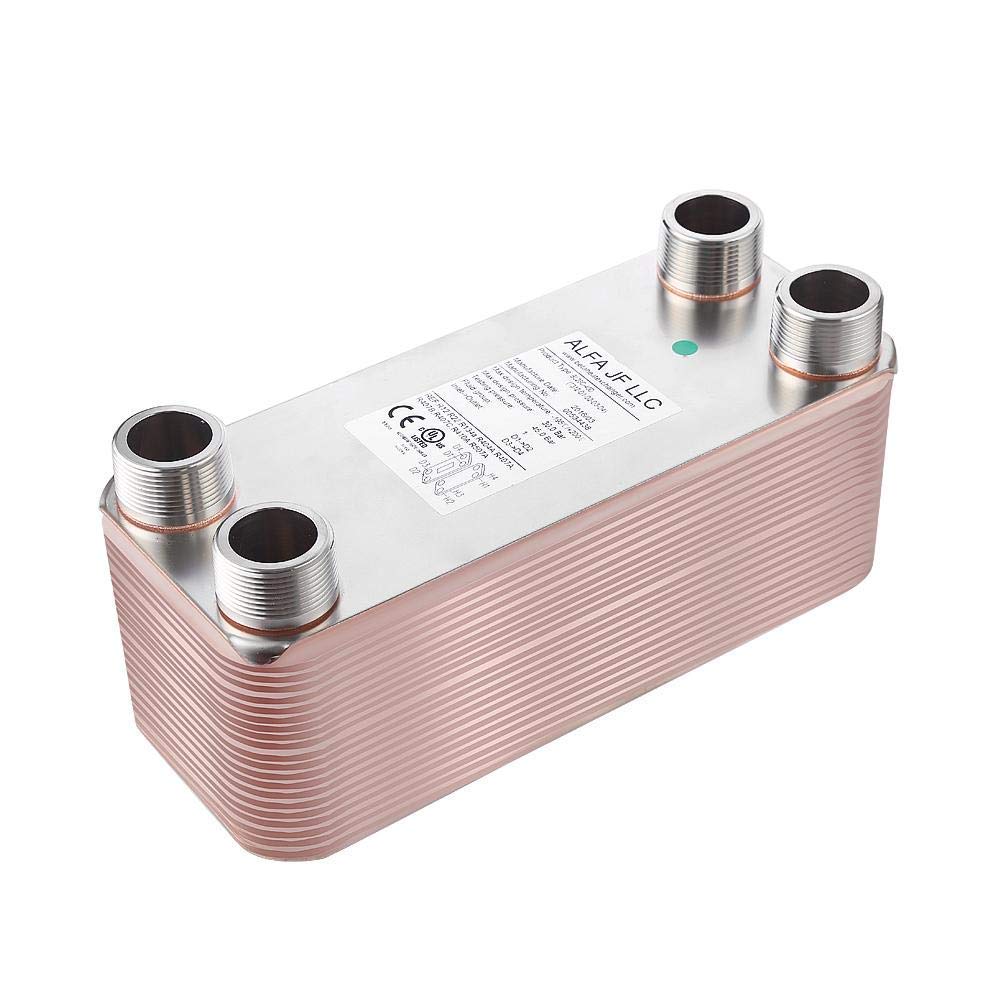
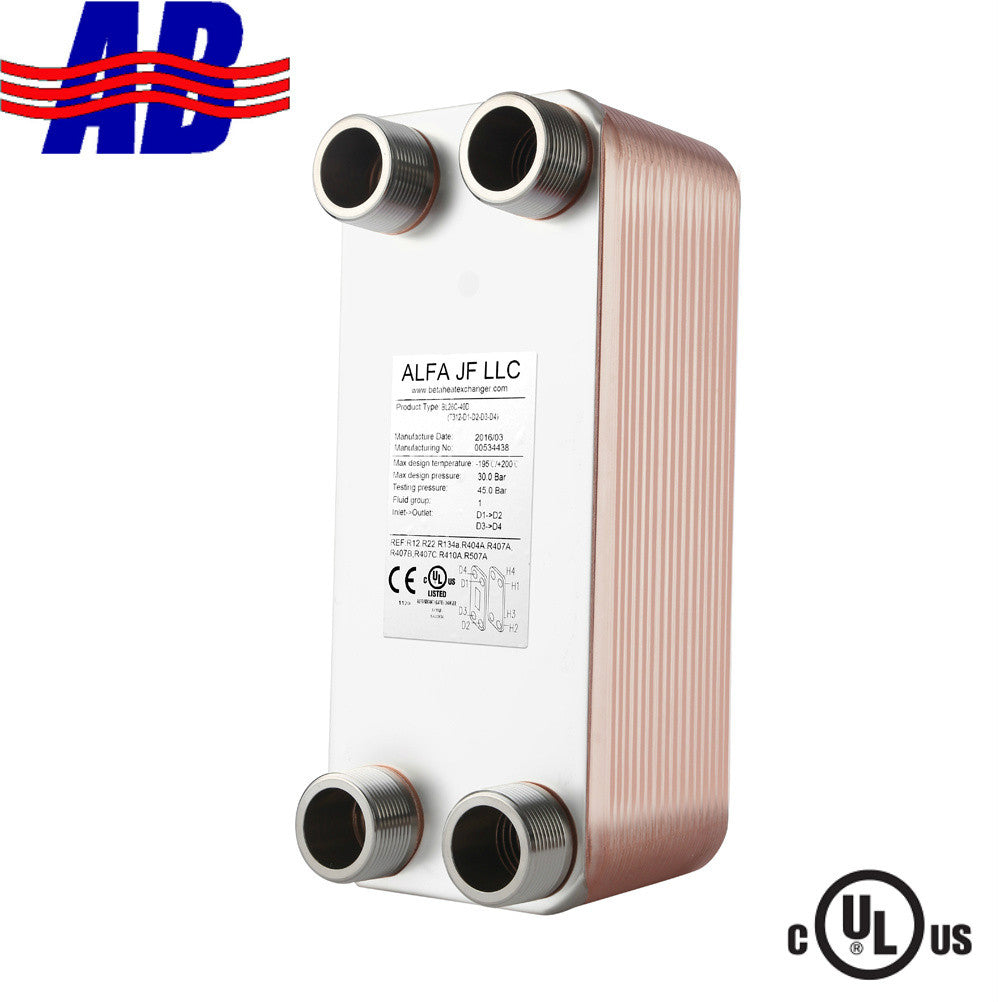
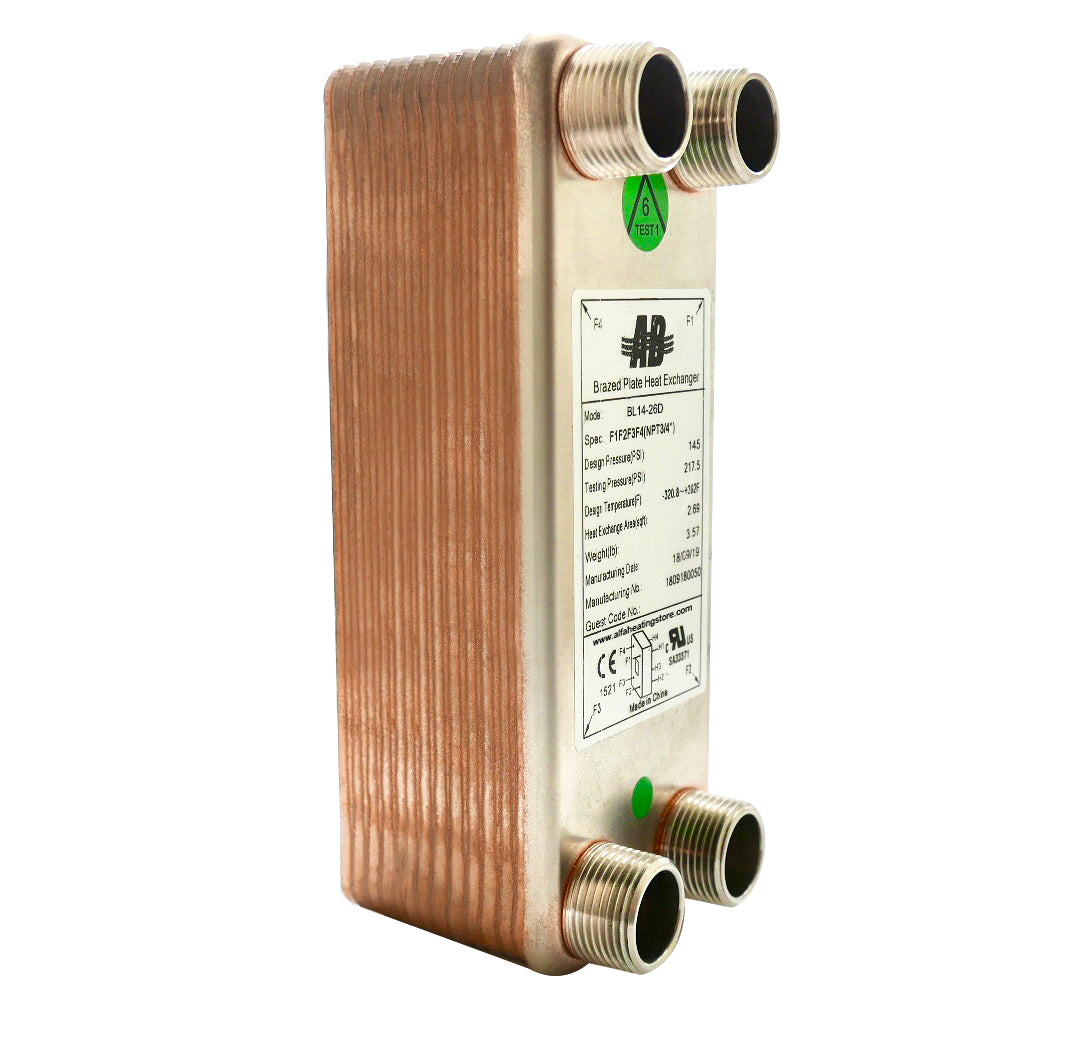
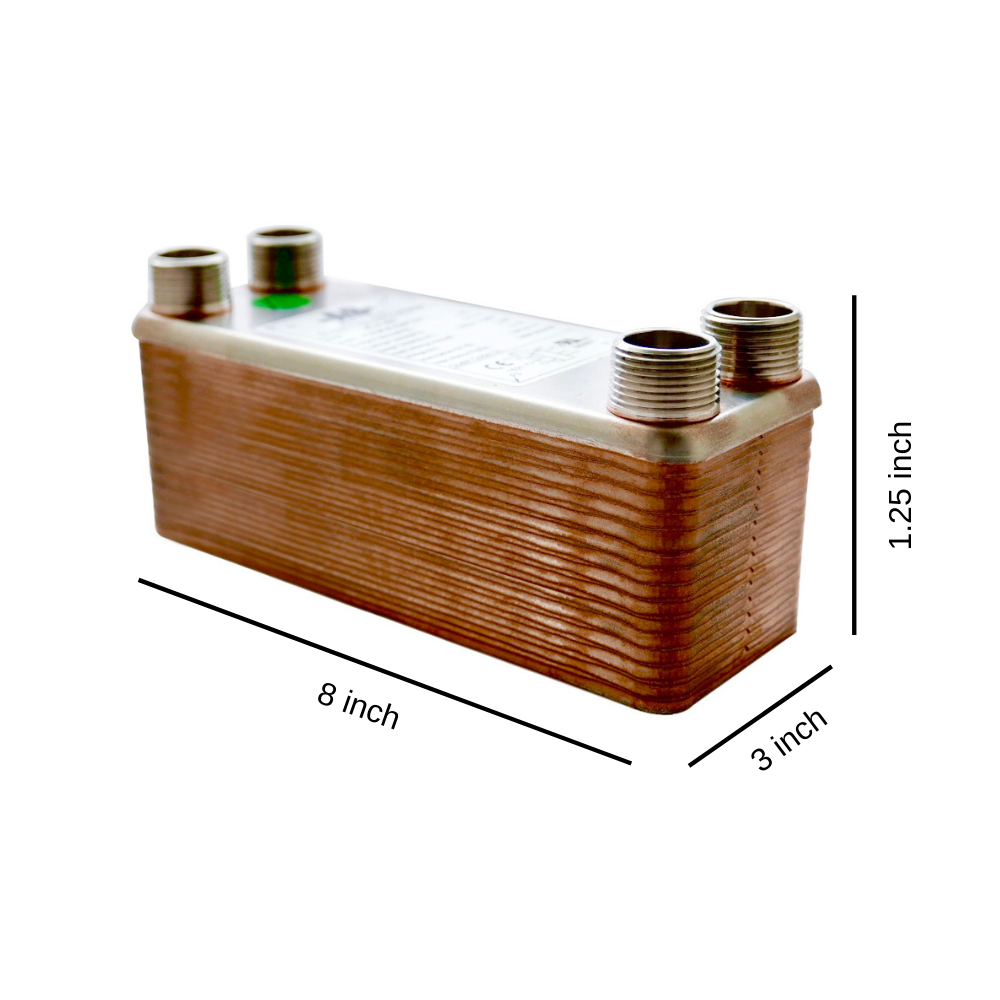
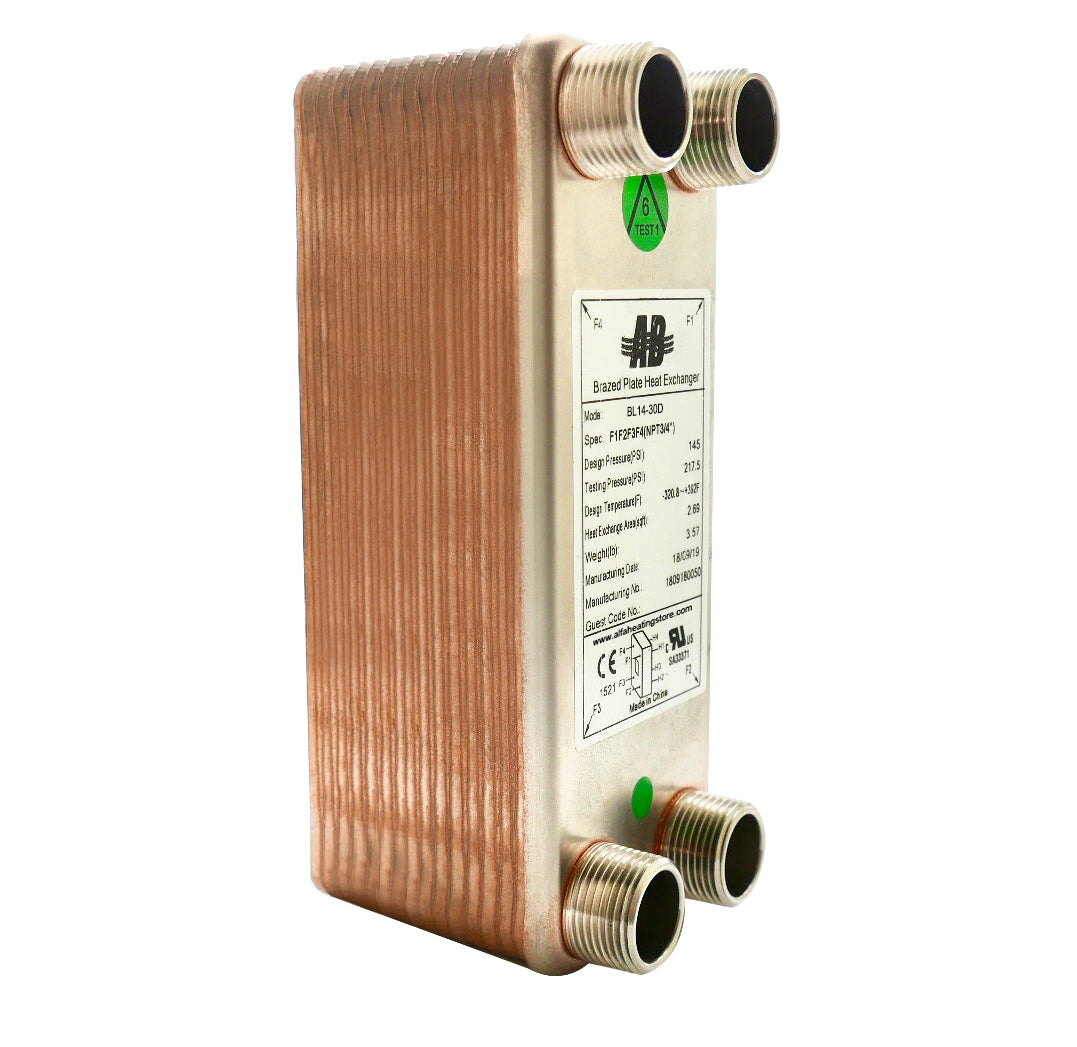
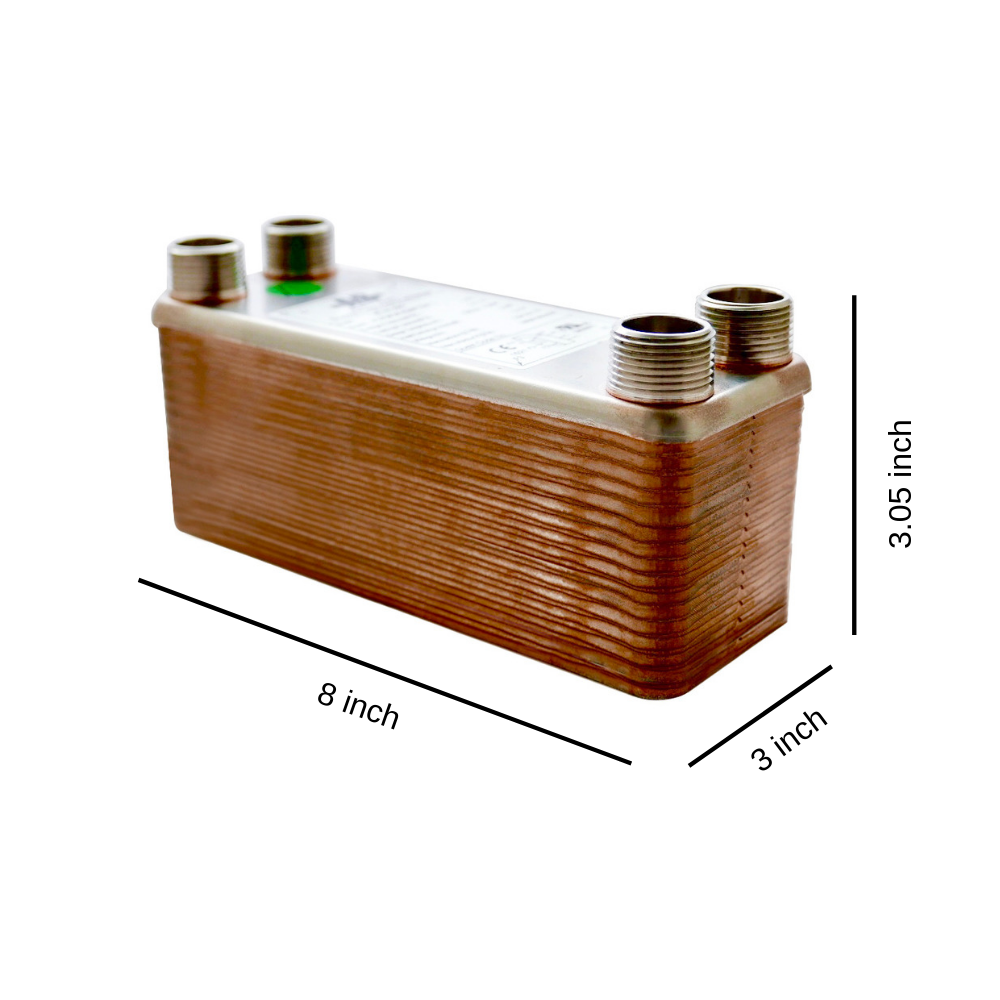
One of the standout solutions in our collection is the plate exchanger. These units use stacked metal plates instead of traditional pipe coils, significantly increasing surface area and heat transfer efficiency. They are ideal for use where space is limited, but thermal performance can’t be compromised.
Our plate models are often used in floor heating, domestic water, and cooling loops. Thanks to their efficient design, they can handle quick temperature shifts and maintain consistent flow without added bulk. Stainless steel construction also helps resist corrosion over time, especially in closed-loop systems.
More compact surface area = better efficiency in tighter spaces. These units deliver the performance you need without wasting valuable room.
Designed to Work with a Wide Range of Fluids
System compatibility matters. Our fluid heat exchanger options are engineered to work with water, glycol mixes, and other heating fluids, depending on the system setup. You can integrate them into closed or open systems without worrying about material degradation or transfer loss.
Applications include pool water, hydronic heating, solar systems, and snow melt setups. Choosing the right model is crucial to avoid performance bottlenecks and achieve steady, reliable thermal flow. All units are tested for pressure resistance and thermal performance, so you can count on consistent output from day one.
Better compatibility = more freedom in system design. Invest in equipment that works well with the fluids you’re already using.
Exploring the Impact of Industrial-Grade Solutions
We also supply products suitable for commercial buildings, manufacturing plants, and institutional heating systems. Each industrial heat exchanger we offer is built for high-capacity thermal transfer. These units are optimized for durability, large-volume flow, and ease of cleaning or replacement in high-demand setups.
They support HVAC integration, heat recovery systems, and even high-performance solar installations. Models rated for exceptionally high BTU outputs are available in various materials based on the application’s corrosiveness and pressure levels. Industrial quality ensures longer lifespans, less downtime, and better long-term savings.
Durability + performance = lower operational costs. These are built to meet the demands of challenging environments without compromise.
Choosing the Right Model
If you’re unsure which system suits your needs, identify your heating fluid, system capacity, and application type. We provide a wide range of sizes, connection types, and layouts so you can choose the best match without overpaying for excess capacity. Everything in our range is crafted for performance and longevity, from compact home units to heavy-duty commercial builds.
Each heat exchanger is made with precision and tested for performance. Every thermal exchanger in our lineup is selected to meet exacting quality standards. We aim to simplify your selection process by offering clear product specs and reliable customer support.
Have a setup in mind? Explore our selection and choose the right plate exchanger, fluid heat exchanger, or industrial heat exchanger for your next project.
FAQ
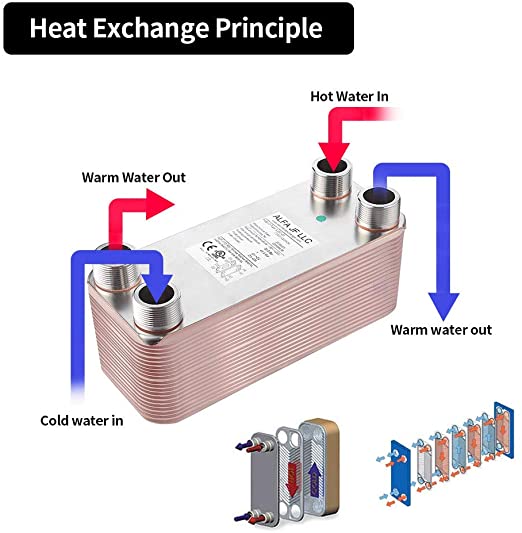
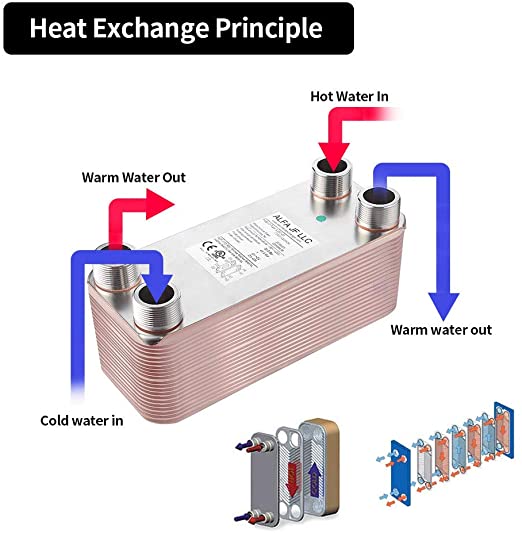
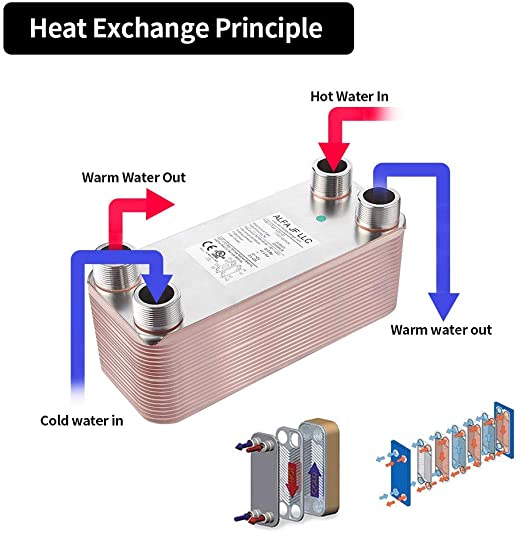
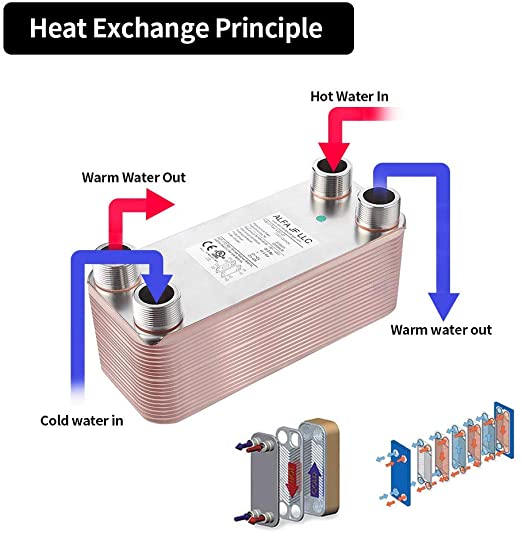
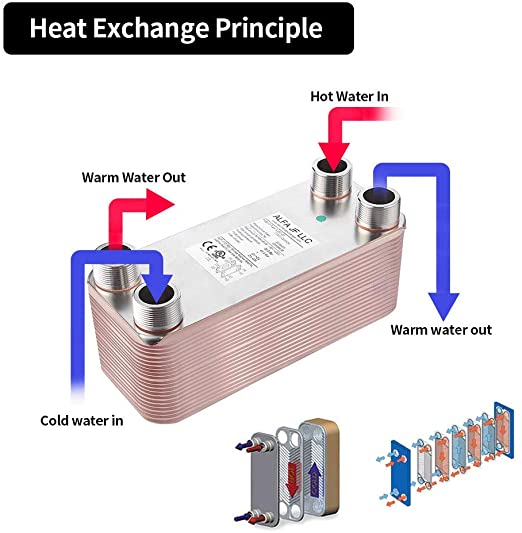
A heat exchanger is a device that transfers heat from one fluid to another without mixing them. It’s commonly used in systems where heating or cooling needs to happen efficiently across separate loops. For example, it might move heat from a hot water system into a pool or shift thermal energy from one part of a building to another.
The process relies on the principle of thermal conductivity. Fluids—such as water or glycol—flow through metal surfaces, typically made of copper, stainless steel, or titanium, which quickly transfer heat. The two fluid circuits stay isolated but exchange temperature through this barrier. This setup makes heat exchangers reliable and low-maintenance because the fluids don’t contaminate each other.
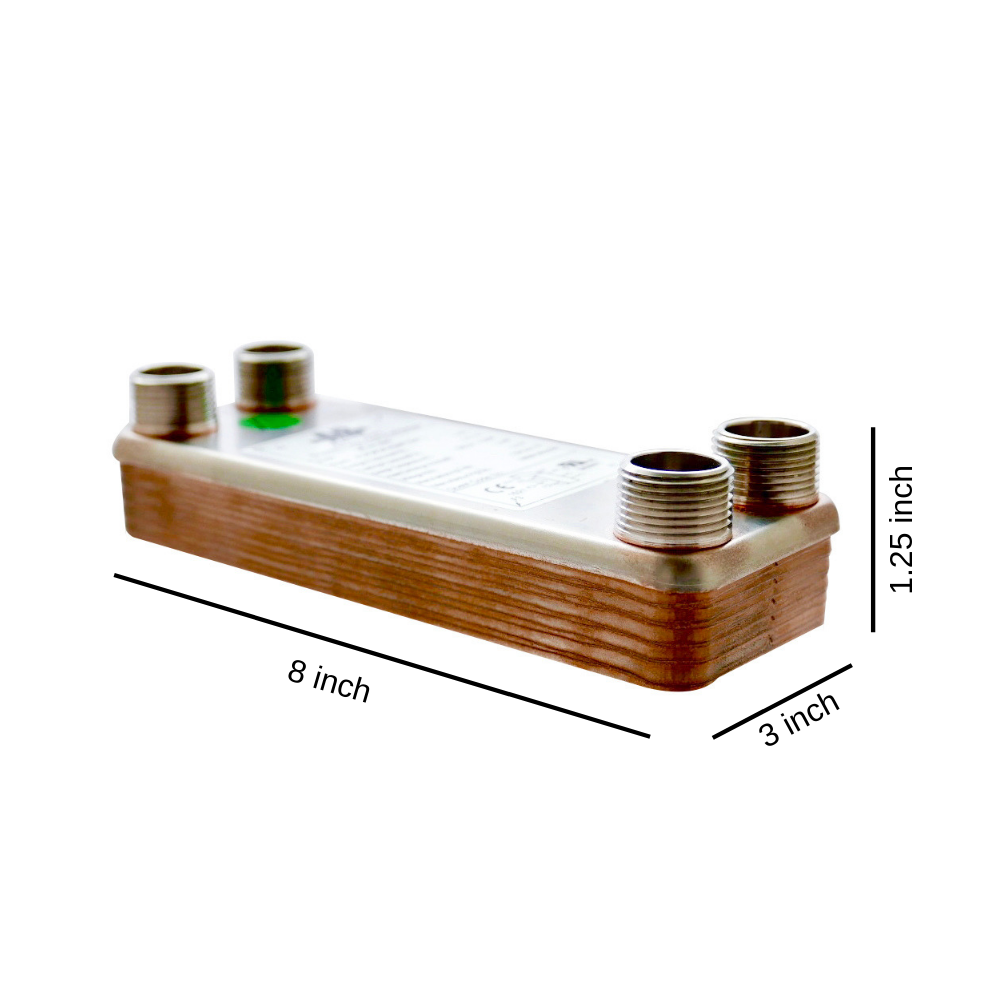
Many models are compact enough to fit in tight mechanical rooms or behind wall panels, and are designed to handle high pressures and temperature differences. Systems stay efficient without needing oversized equipment.
Some of the most practical uses include:
- Floor heating systems
- Domestic hot water setups
- Pool and spa heating
- Industrial process temperature control
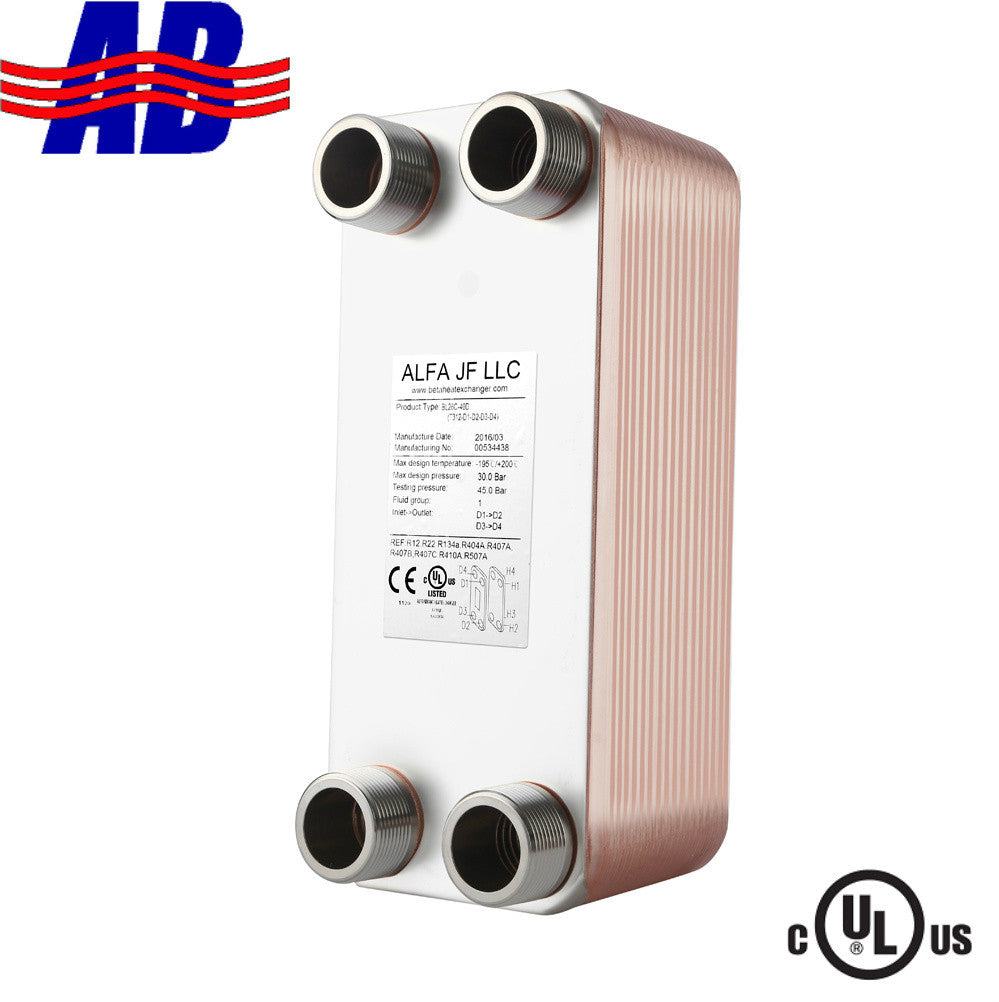
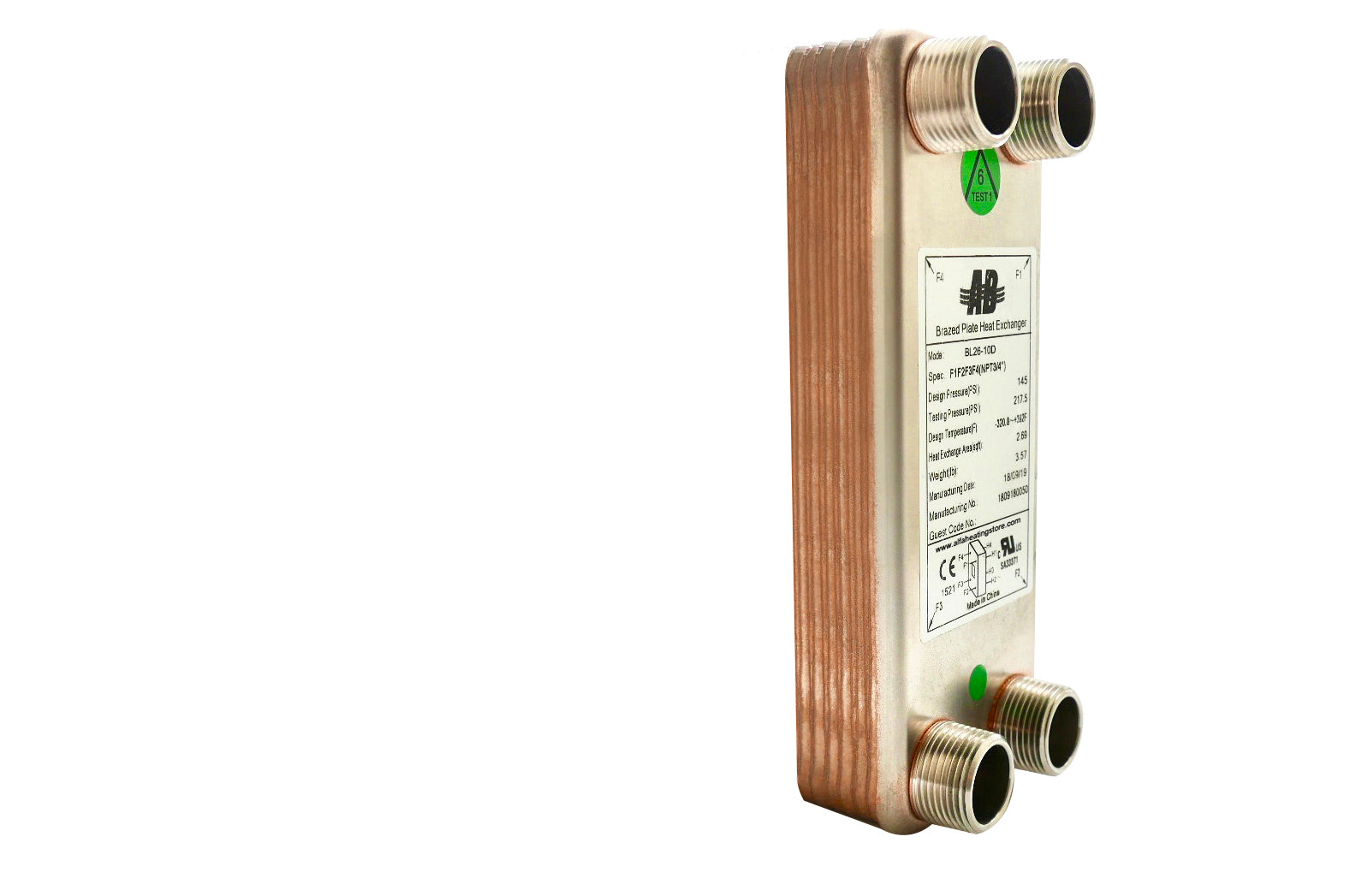
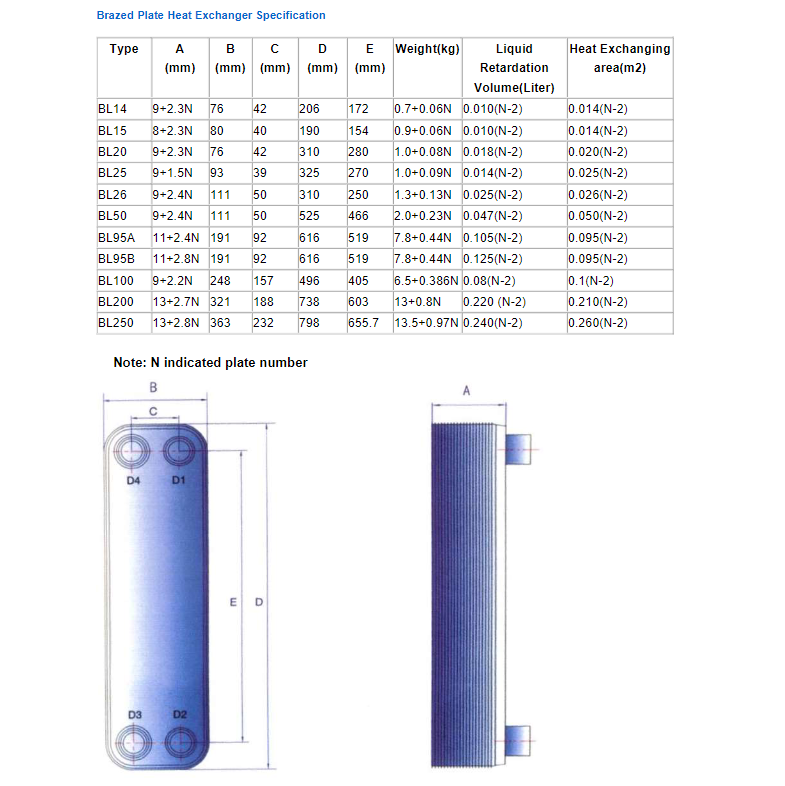
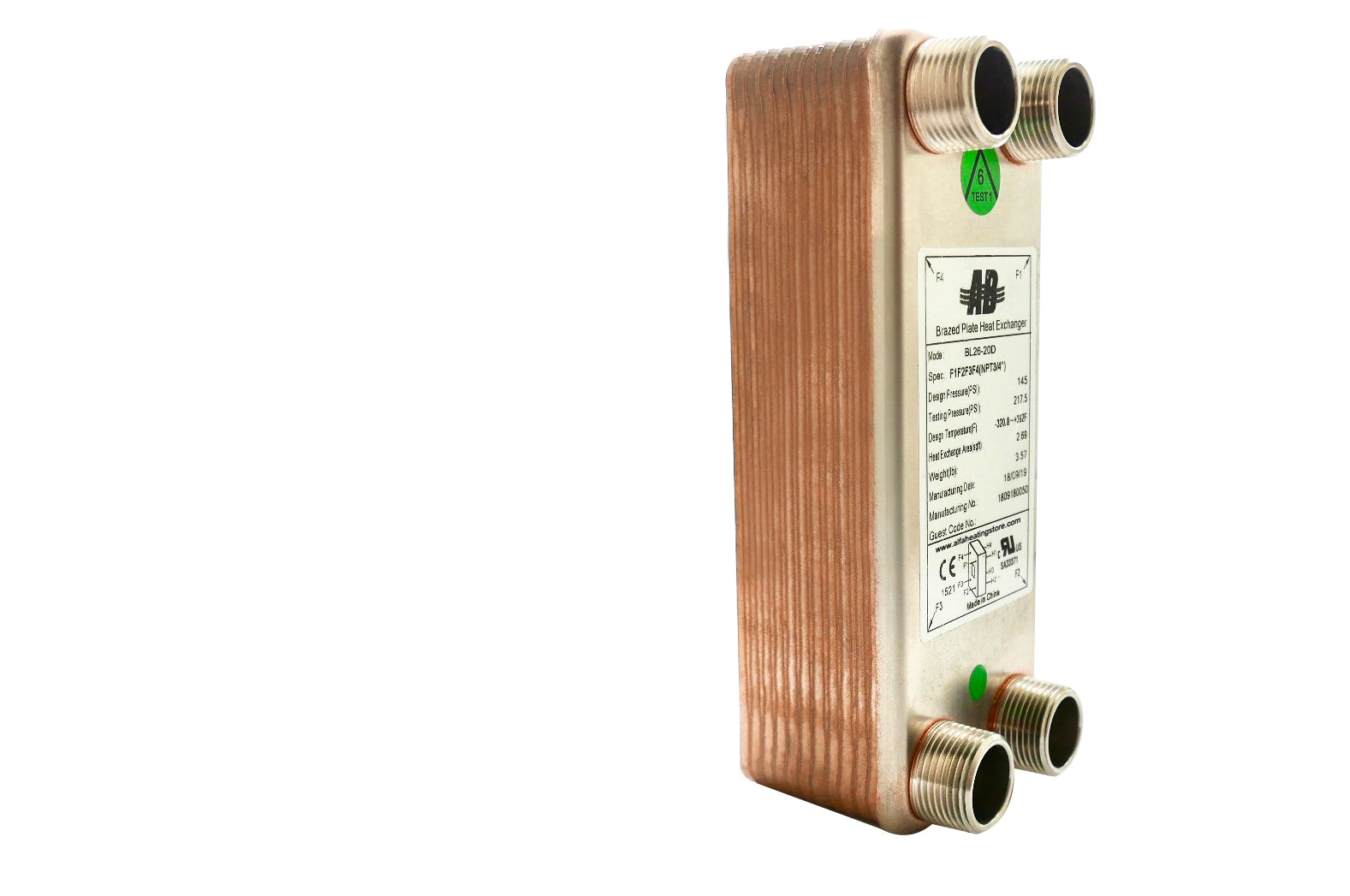
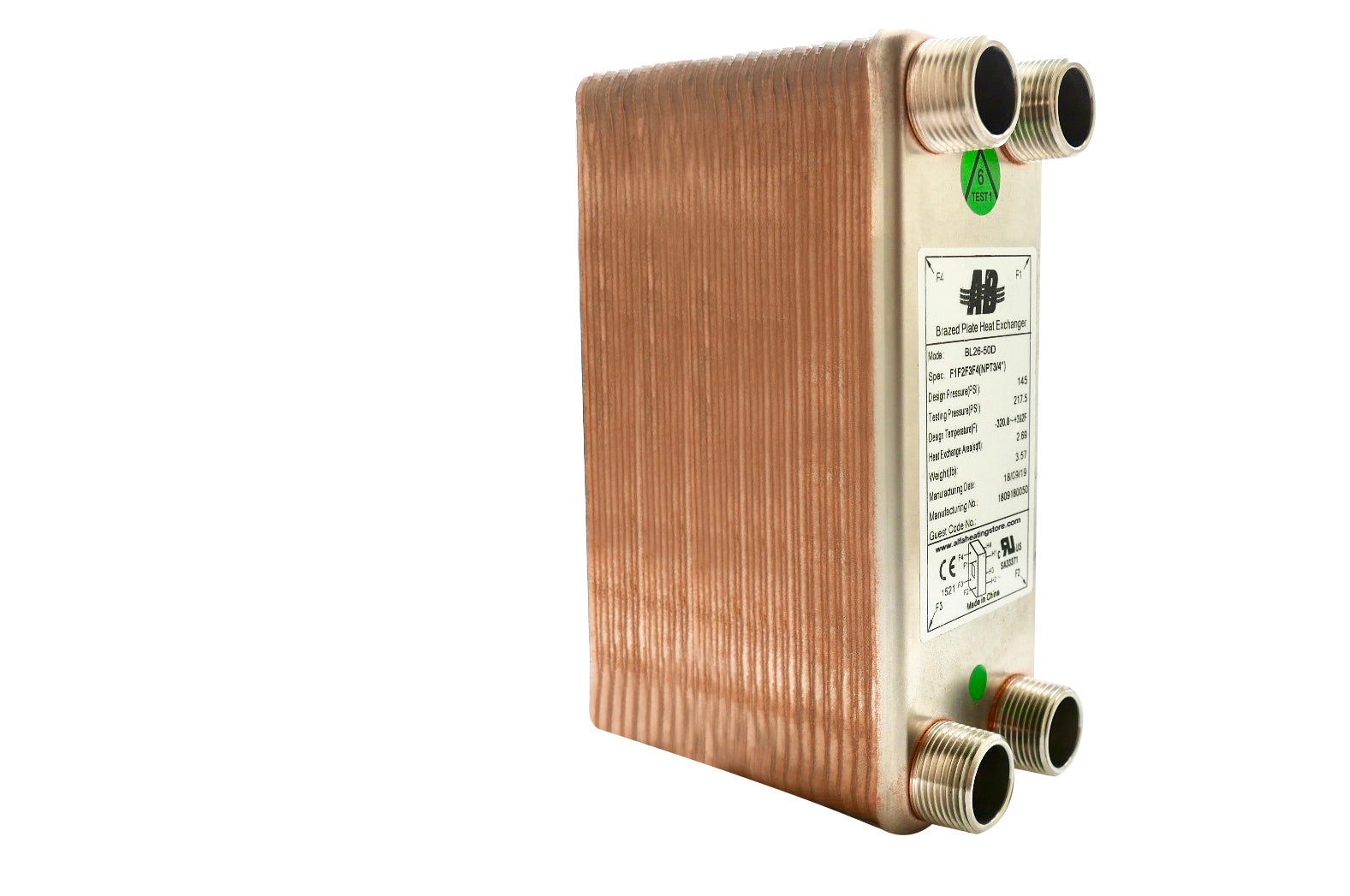
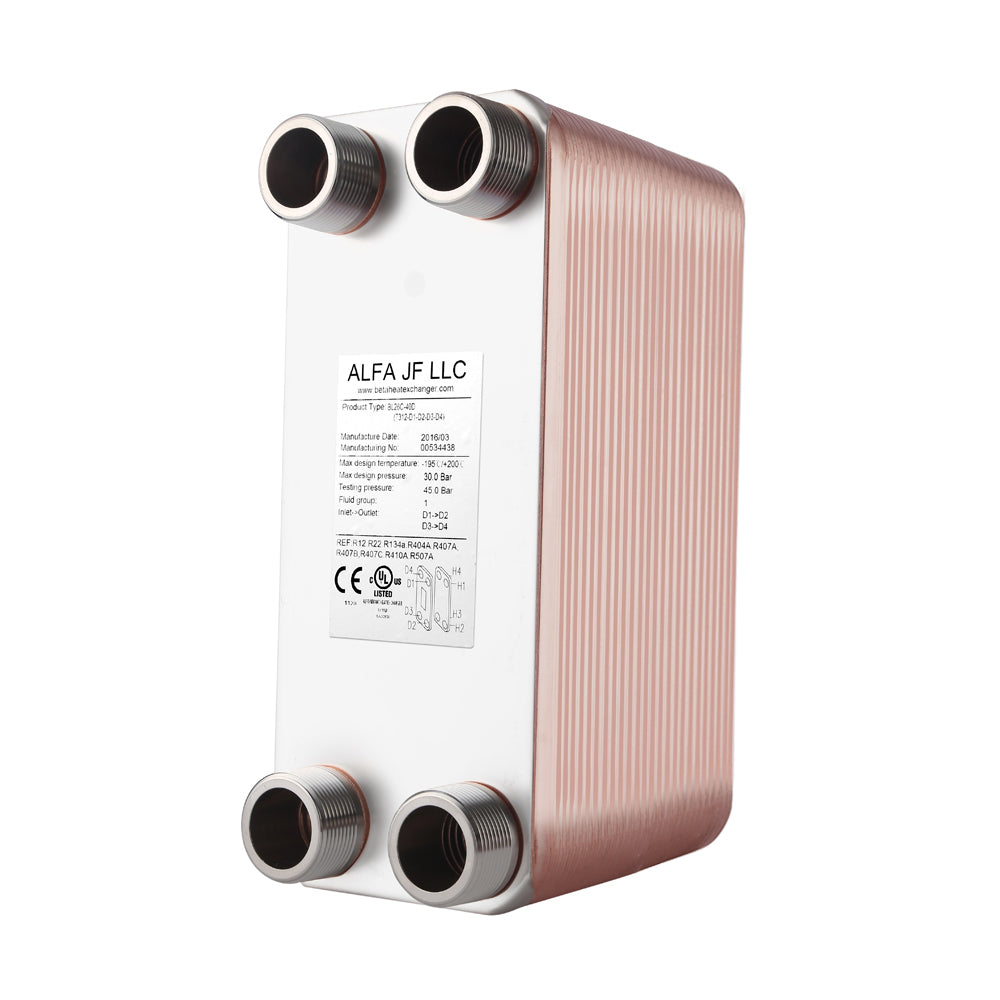
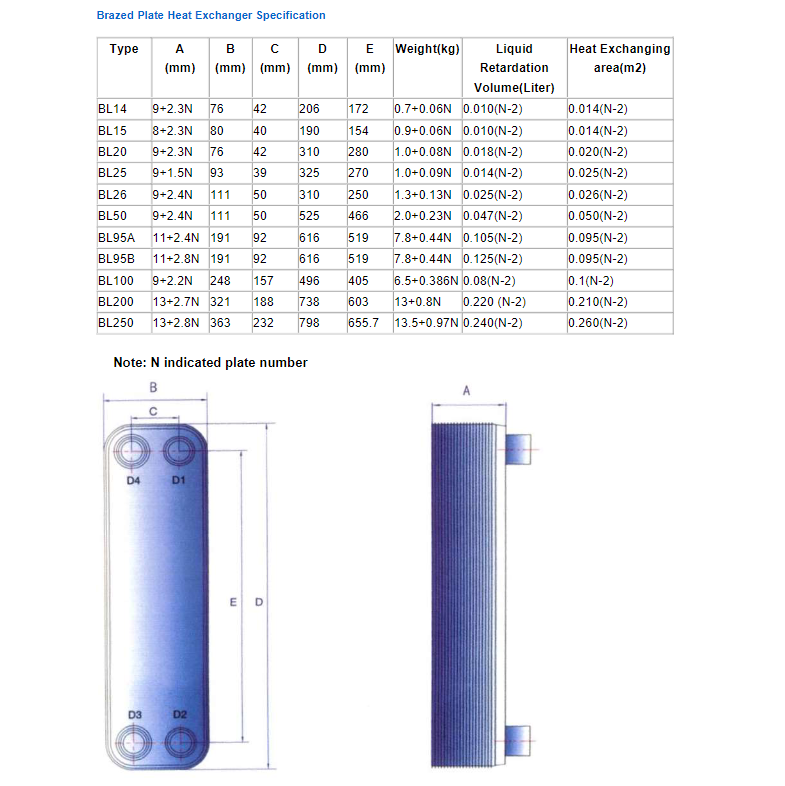
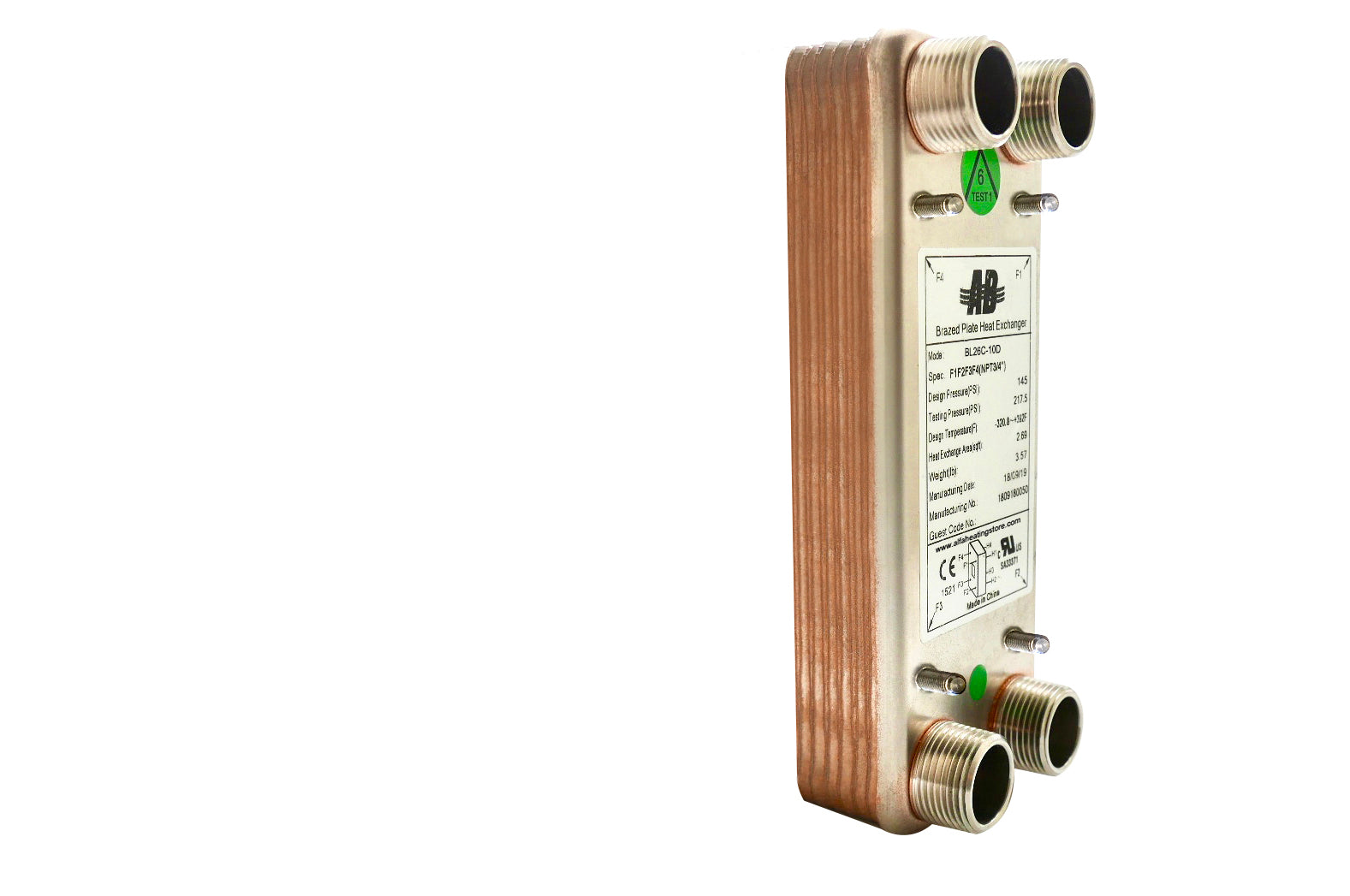
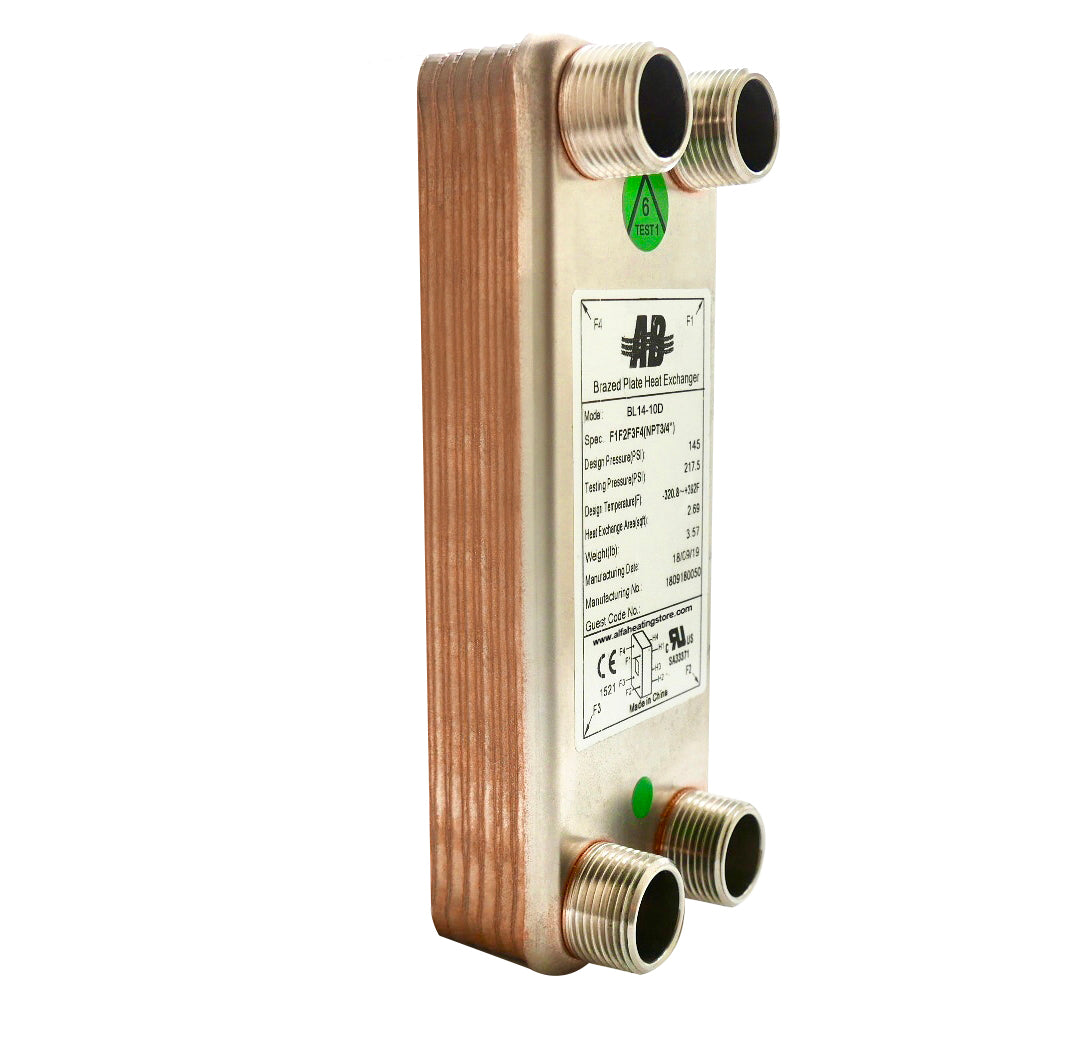
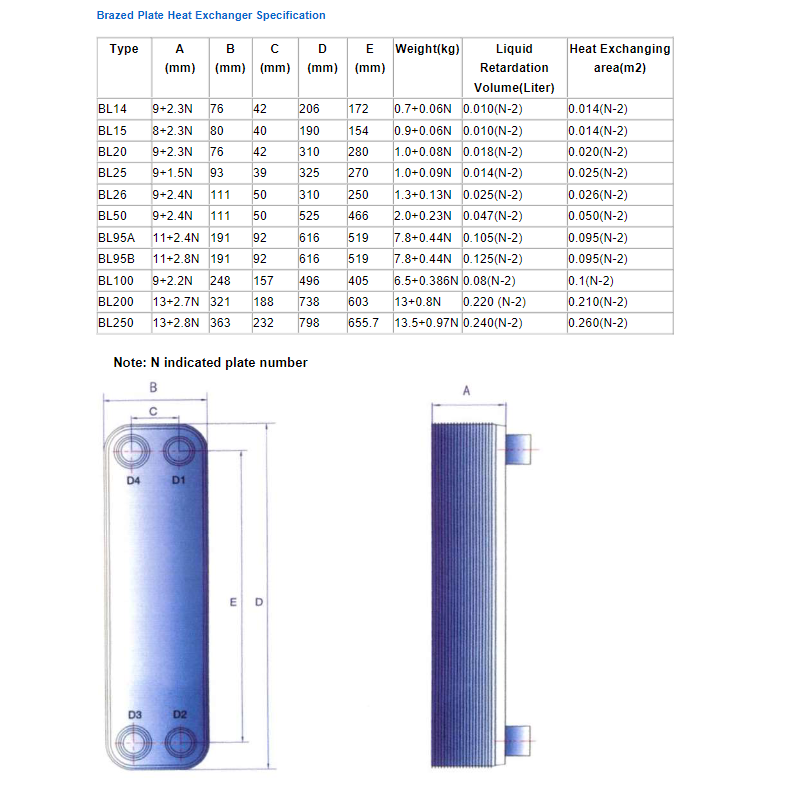
Heat exchangers come in a range of formats, each tailored to different needs. One of the most widely used designs is the brazed plate heat exchanger. It stacks multiple metal plates to create large surface areas within a compact frame, which improves heat transfer while minimizing space requirements. These are ideal for applications like water heating or hydronic systems.
Air-to-water heat exchangers are another popular option. These use a fan or blower to move air across finned tubes carrying hot or cold fluid. They’re commonly used in HVAC and ventilation systems to regulate room temperatures efficiently.
Side-arm models work well for domestic water heating. They attach to your existing water heater and utilize either passive convection or pumped flow to transfer heat between the tank and external systems.
For swimming pools or corrosive environments, titanium or 316L stainless steel versions are preferred. These materials handle saltwater or chemical-treated systems without degrading over time.
Some setups require shell-and-tube or double-wall designs, especially in industrial or code-regulated environments. These add safety layers or allow for easier maintenance.
Start by identifying three main factors: your fluid type, heating or cooling capacity, and how the unit will be connected to your system. Once those are clear, it’s easier to narrow down the right heat exchanger.
Let’s break it down:
- Fluid type: Some heat exchangers work best with water, while others work with glycol or corrosive mixes, such as saltwater. For pools or spas, stainless steel or titanium is the ideal choice. For closed-loop systems, copper can be more than enough.
- Capacity: Look at the BTU rating to match your system’s needs. Undersized units won’t deliver enough heat transfer. Oversized ones take up space and increase costs without adding benefit.
- Connection ports and layout: Installation space matters. Some models come with same-side ports, others with opposite-side ports. Choosing the right layout saves time and hassle during setup.
Systems vary—so should your choice. A unit built for residential hot water won’t work well in a commercial boiler loop. A plate exchanger intended for floor heating may not withstand exposure to pool chemicals.
Material compatibility leads to a longer lifespan and improved performance. Investing in a heat exchanger that fits your exact setup keeps energy bills low and maintenance to a minimum.
Recently viewed
Designed with comfort and efficiency in mind, our collections offer reliable solutions for every thermal requirement. Our extensive range combines advanced technology with thoughtful design to create environments that feel warm, balanced, and inviting. Each product reflects a commitment to quality and performance, delivering lasting comfort for both residential and commercial spaces. Discover our collections and experience how Alfa Heating brings precision and reliability to modern thermal solutions.
Explore our diverse range of heat exchangers
At Alfa Heating, we offer a wide and carefully selected range of heat exchangers designed to suit both homes and businesses. Whether you’re looking to improve energy efficiency in a residential space or maintain reliable climate control in a commercial setting, our solutions are built to meet your needs. Each heat exchanger is engineered with precision and made from high-quality materials to deliver long-lasting performance in a variety of conditions. From compact, space-saving models to durable systems designed for demanding industrial use, our range makes it easy to find the right solution for your application.
Shop in our heat exchangers and HVAC equipment online store for a fast, reliable experience. Our platform is easy to navigate, with clear categories and informative product descriptions that help you choose with confidence. We focus on high‑quality equipment designed to improve energy efficiency and deliver comfortable indoor climates, backed by service that puts customer satisfaction first. Heat exchangers in particular are built to move thermal energy efficiently, which is why choosing the right unit matters for both performance and cost.
Top industrial and residential heat transfer products
Alfa Heating is dedicated to delivering superior quality when it comes to our industrial and residential heat transfer products. Our extensive catalog includes a range of cutting-edge solutions designed to efficiently regulate temperatures across various environments. Whether it's a bustling industrial setting requiring robust equipment or a cozy residential space needing dependable thermal control, our products stand out for their exceptional performance and reliability.
Each item in our selection undergoes rigorous testing to ensure it meets the highest standards of durability and efficiency, promising longevity and reduced energy consumption. Our products seamlessly integrate into your systems, maintaining ideal environmental conditions. We understand the critical role that precise temperature management plays in both industrial processes and home comfort, which is why our offerings deliver optimal performance day in and day out. By choosing Alfa Heating, you're investing in advanced technology with proven reliability.
Discover our complete heating and cooling product catalog
Explore the complete heating and cooling product catalog offered by Alfa Heating, where innovation meets variety to cater to diverse temperature control needs. Our catalog is a testament to our commitment to quality and versatility, featuring a broad range of products that serve both residential and commercial applications. From high-performance oil coolers to efficient condensers, durable valves, and precision-engineered fittings, our selection enhances your systems' effectiveness and reliability.
Every product is carefully designed and thoroughly tested to deliver reliable performance you can trust. Whether you’re planning a new installation or upgrading an existing system, our wide selection makes it easy to find a solution that fits your exact needs. From compact residential setups to large-scale industrial applications, our range covers it all. At Alfa Heating, we focus on practical, high-quality solutions that improve thermal efficiency and create comfortable environments you can rely on every day.
Shop to buy heat exchangers and heating supplies
At Alfa Heating, buying heat exchangers and heating supplies is straightforward and efficient. Our platform is designed to make the purchasing process simple, allowing you to find and order the products you need with confidence. We know that time matters when it comes to keeping heating systems running at their best, which is why our online store is clearly structured and easy to navigate. This way, you can quickly locate the right solutions without unnecessary delays.
Detailed product descriptions, specifications, and customer reviews are readily available, enabling informed decisions tailored to your requirements. Our streamlined checkout process enhances the convenience of shopping with Alfa Heating, allowing for swift and secure purchases. With a wide selection of top-quality products available at competitive prices, you can be confident in the value and reliability of your purchases. Whether you're a seasoned professional or a DIY enthusiast, our platform caters to all skill levels.
Best heat exchangers for HVAC and pool systems
Alfa Heating delivers high-performance heat exchangers designed for HVAC and pool systems. Our products are engineered to maximize thermal transfer efficiency, helping systems run reliably and efficiently. Whether you’re enhancing energy performance in a residential installation or selecting durable solutions for demanding commercial applications, Alfa Heating heat exchangers provide dependable results you can trust.
Built with precision and high-quality materials, these units are designed to perform reliably in a wide range of conditions. Many models are easy to integrate into existing systems, making upgrades simple and reducing downtime. With Alfa Heating, you can trust that every product meets industry standards and delivers dependable performance at great value. Choose our heat exchangers to maintain stable temperatures and enjoy a comfortable, well-controlled environment year-round.