Choosing the right heat exchanger is very important for optimizing thermal performance in various applications. When faced with selecting between plate and tube designs, understanding their distinct characteristics can save significant costs and improve system performance. This article aims to demystify these choices by comparing the advantages and limitations inherent in each type. Whether it's for a manufacturing process or residential heating, learning about these options will guide you toward the best decision for your needs.
Introduction to Heat Exchangers
Heat exchangers are vital components in many industrial and residential systems, designed to reliably transfer heat between two or more fluids. Their primary function is to either cool or heat a given substance by passing it through a heat exchanger, where the substance either absorbs or releases heat. This process is essential in a wide range of applications, from HVAC systems that regulate temperatures in homes and offices to large-scale industrial processes that require precise temperature control. In both settings, heat exchangers help improve energy saving and system performance. There are two primary types of heat exchangers that are commonly used: plate type heat exchanger and heat exchanger tube.
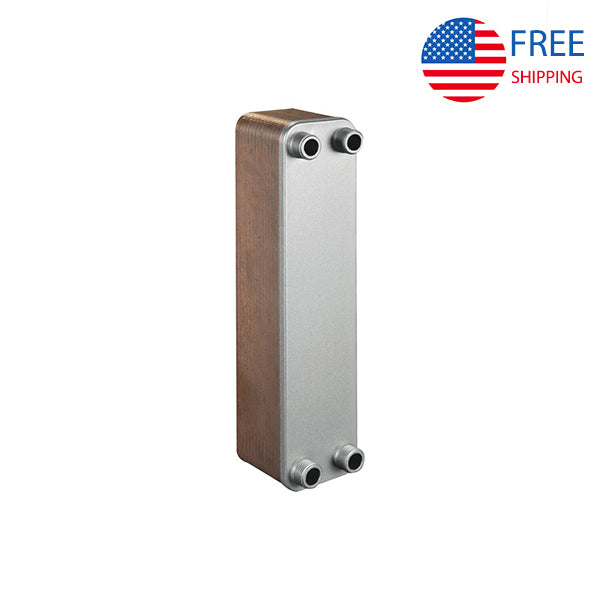
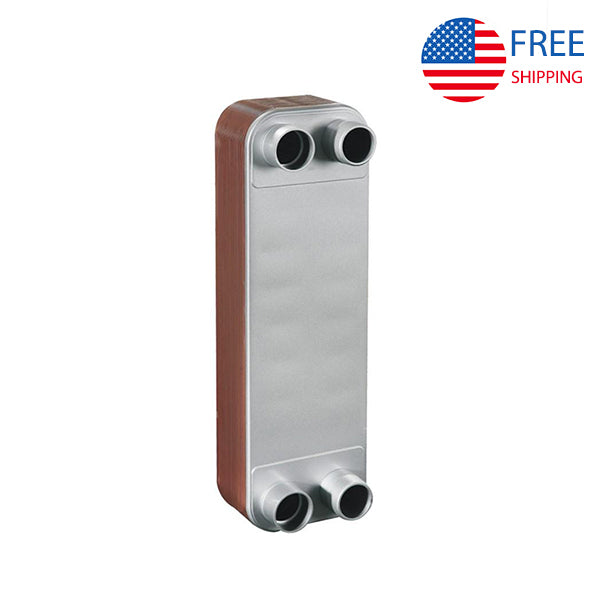
Plate type heat exchangers consist of thin, flat plates that are stacked together, creating separate pathways for the fluids to flow across each plate. This design allows for a compact unit with a large surface area for heat transfer, making it highly efficient for many applications. On the other hand, tube heat exchangers use a series of tubes, where one fluid runs through the tubes and another fluid flows over them. This type is known for its durability and ability to handle high pressures and temperatures, making it suitable for heavy-duty industrial applications. Understanding these types and their specific advantages helps in choosing the right heat exchanger for any given application.
Advantages of Plate Heat Exchangers
The plate heat exchanger is celebrated for its compact design and remarkable performance, making it a top choice in both industrial and residential settings. Its construction, consisting of multiple thin plates placed together, provides a large surface area for heat exchange, which significantly improves its ability to transfer heat between fluids quickly and successfully. This design not only maximizes thermal utilization but also allows the unit to be much smaller than equivalent conventional heat exchangers, making it ideal for installations with limited space. Plate heat exchangers are adept at handling a wide range of fluid temperatures, which adds to their versatility in various applications.
Different types of plate heat exchangers cater to specific needs. The brazed plate heat exchanger is particularly suited for high-pressure environments due to its leak-proof construction, often used in refrigeration and HVAC systems. Meanwhile, the flat plate heat exchanger offers several benefits, such as:
- Exceptional corrosion resistance, prolonging the lifespan of the unit.
- Flexibility in handling different types of fluids without significant performance loss.
- Ease of maintenance, as the plates can be easily removed and cleaned.
These characteristics make plate heat exchangers a versatile and efficient choice for many applications. Understanding these benefits and specific use cases can guide buyers in selecting the right exchanger for their needs.
Pros and Cons of Tube Heat Exchangers
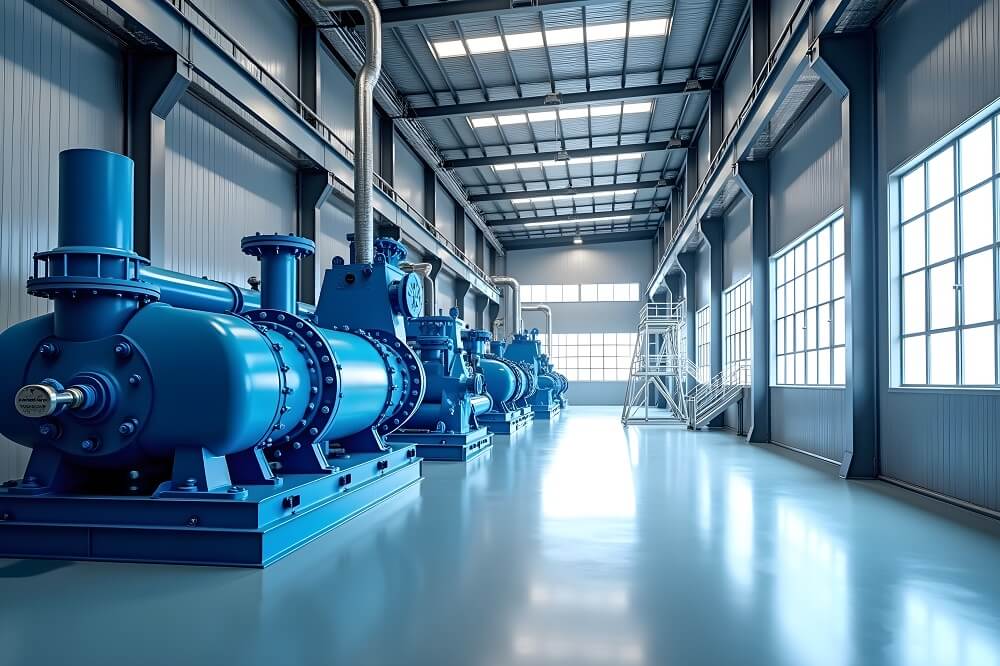
The tube heat exchanger is well-known for being strong and durable, making it a top choice for industries that need equipment able to handle high pressures and temperatures. Its design, which involves a network of tubes, allows it to capably handle extreme conditions, often found in power plants and chemical processing facilities. A standout feature of the shell tube heat exchanger is its durability, as the outer shell provides additional protection and structural integrity, allowing these units to function properly under substantial stress.
However, despite their benefits, tube heat exchangers come with certain drawbacks. One of the main disadvantages is their larger size compared to plate heat exchangers. This can be a constraint in installations where space is limited. Additionally, the design of tube heat exchangers makes them more susceptible to fouling, as deposits can build up inside the tubes over time, reducing thermal efficiency. In terms of maintenance, while they are generally sturdy, the cleaning process can be more cumbersome due to the complexity of accessing the internal tube network. When comparing these aspects with plate heat exchangers, it's clear that although tube heat exchangers offer superior durability for harsh environments, plate heat exchangers excel in reliability and ease of maintenance, especially in applications where space and cleaning accessibility are a priority.
Key Factors to Consider when Choosing a Heat Exchanger
When selecting between plate heat exchangers and tube heat exchangers, several key factors must be taken into account to ensure the optimal choice for your specific application. Space availability is a critical consideration; plate heat exchangers are typically more compact and can fit into tighter spaces, making them ideal for facilities with limited room. In contrast, tube heat exchangers require more space due to their larger structure, which may not be suitable for all environments. Cost is another important factor; while plate heat exchangers often involve a higher upfront investment, their efficiency can lead to cost savings over time through reduced energy consumption.
Performance needs also play an important role in this decision-making process. Heat exchanger plates offer superior thermal functionality, allowing for faster heat transfer between fluids. This can be crucial in applications where rapid temperature changes are necessary. On the other hand, tube heat exchangers are favored in settings where maintaining high pressure and temperature is needed, despite their lower efficiency. Maintenance requirements should also influence your choice; plate heat exchangers are generally easier to clean and maintain, thanks to their accessible design. In contrast, the maintenance of tube exchangers can be more labor-intensive. Consider these factors carefully:
- Space constraints and size requirements
- Initial cost versus long-term efficiency savings
- Thermal efficiency and fluid handling needs
- Maintenance frequency and ease of cleaning
By evaluating these aspects, you can determine which type of heat exchanger best aligns with your operational goals and environmental constraints.
Case Studies in Selecting the Right Heat Exchanger
When selecting the appropriate heat exchanger for a specific application, understanding the operational needs and constraints is crucial. Consider a food processing plant that requires rapid heat exchange to maintain the quality and safety of its products. In such a scenario, a plate type heat exchanger would be the optimal choice due to its compact size and superior efficiency, which allows for quick thermal transfer and precise temperature control. This type of exchanger can reliably handle the varying viscosities and temperatures of different food products, making sure the plant runs well and stays highly productive.
In contrast, a power generation facility that deals with high-pressure steam systems would likely benefit from using a shell tube heat exchanger. The robustness and durability of this design make it perfect for handling the extreme pressures and temperatures inherent in such applications. Its ability to withstand thermal and mechanical stress ensures reliable operation, minimizing downtime and maintenance costs. These generalized case studies illustrate that choosing between a shell tube heat exchanger and a plate type heat exchanger largely depends on the specific operational requirements and environmental conditions of an industry or application. By tailoring the choice of heat exchanger to these needs, industries can optimize their processes and achieve greater reliability and performance.

![Lead-Free, Brass Barbed Ball Valves 1/2" [5pk, 10pk, 25pk] - Alfa Heating Supply](http://alfaheating.com/cdn/shop/products/DSC_0008.jpg?v=1588213886&width=600)