
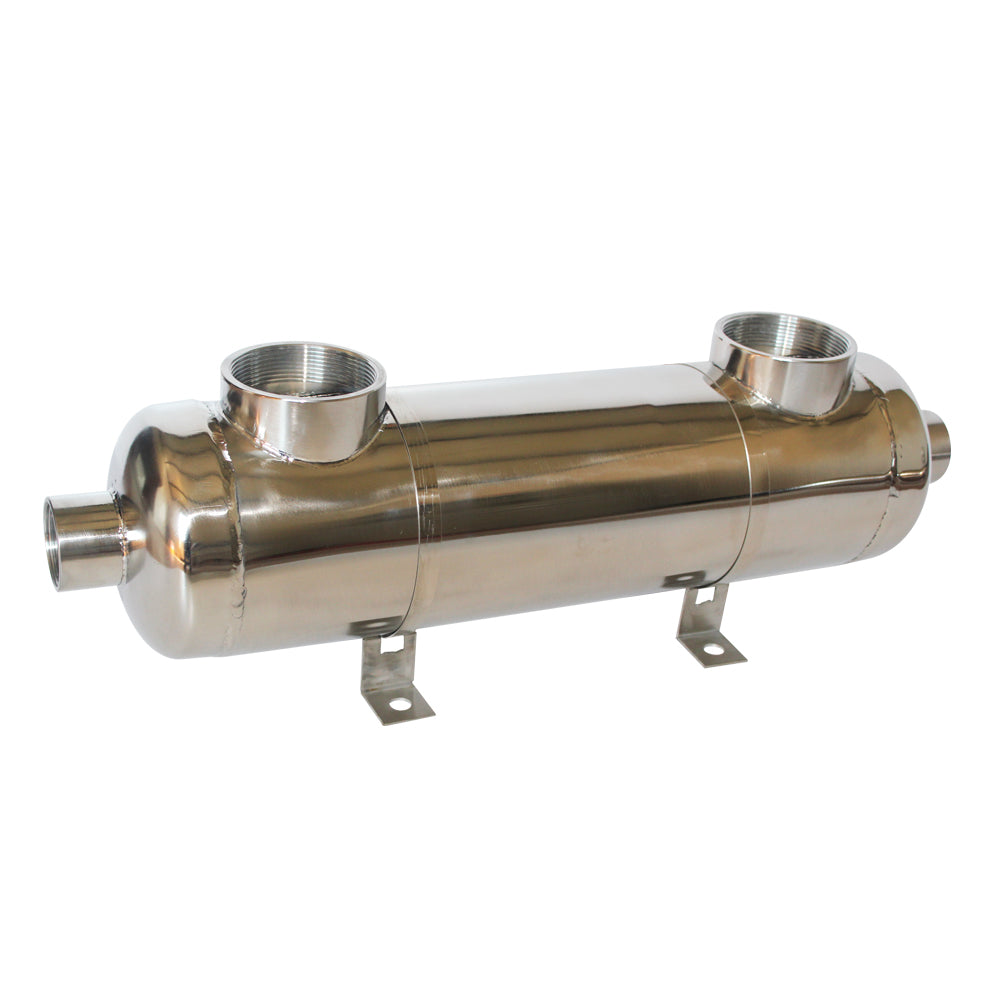
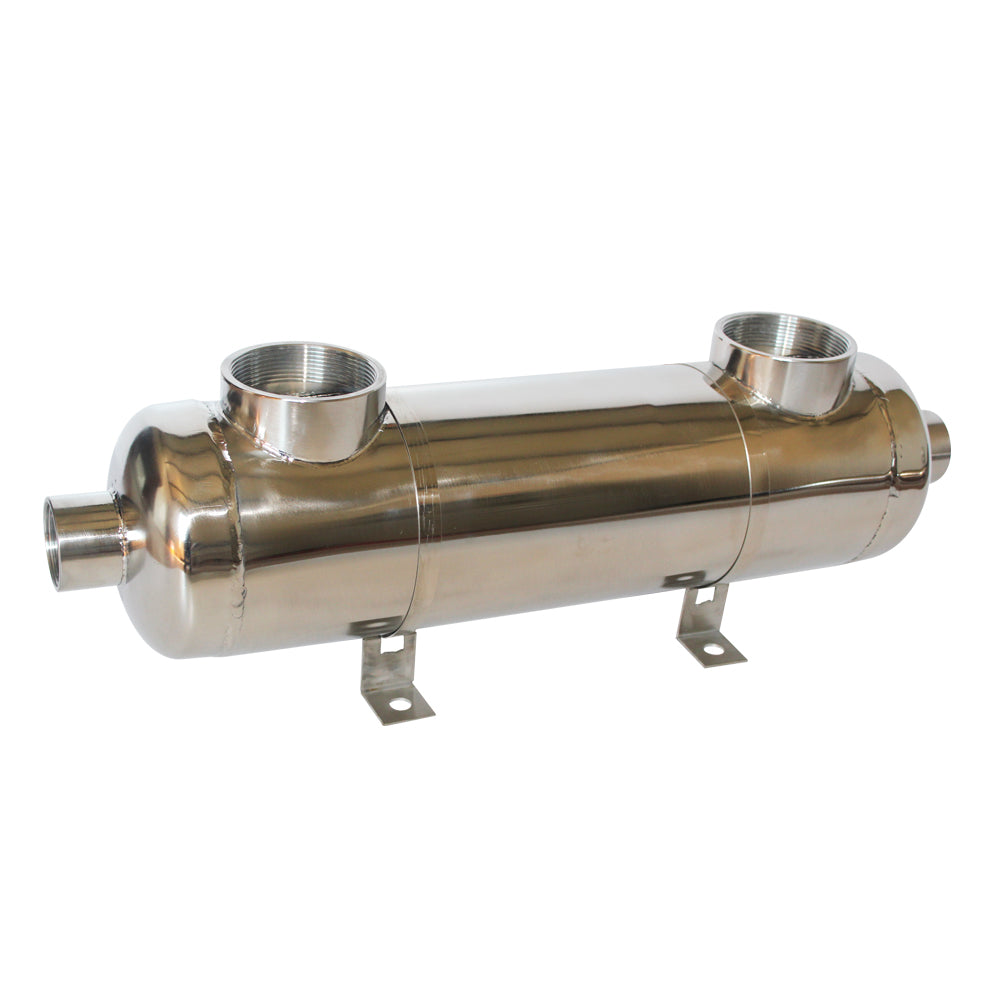
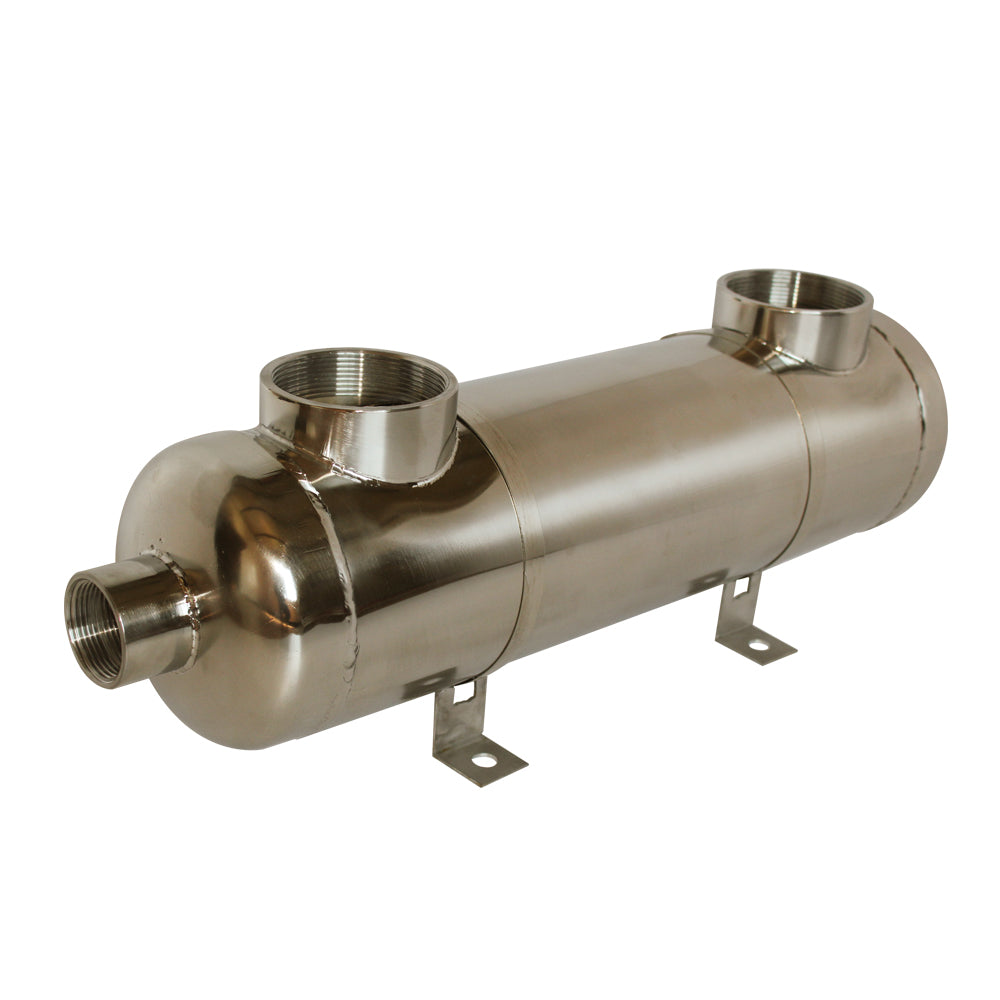
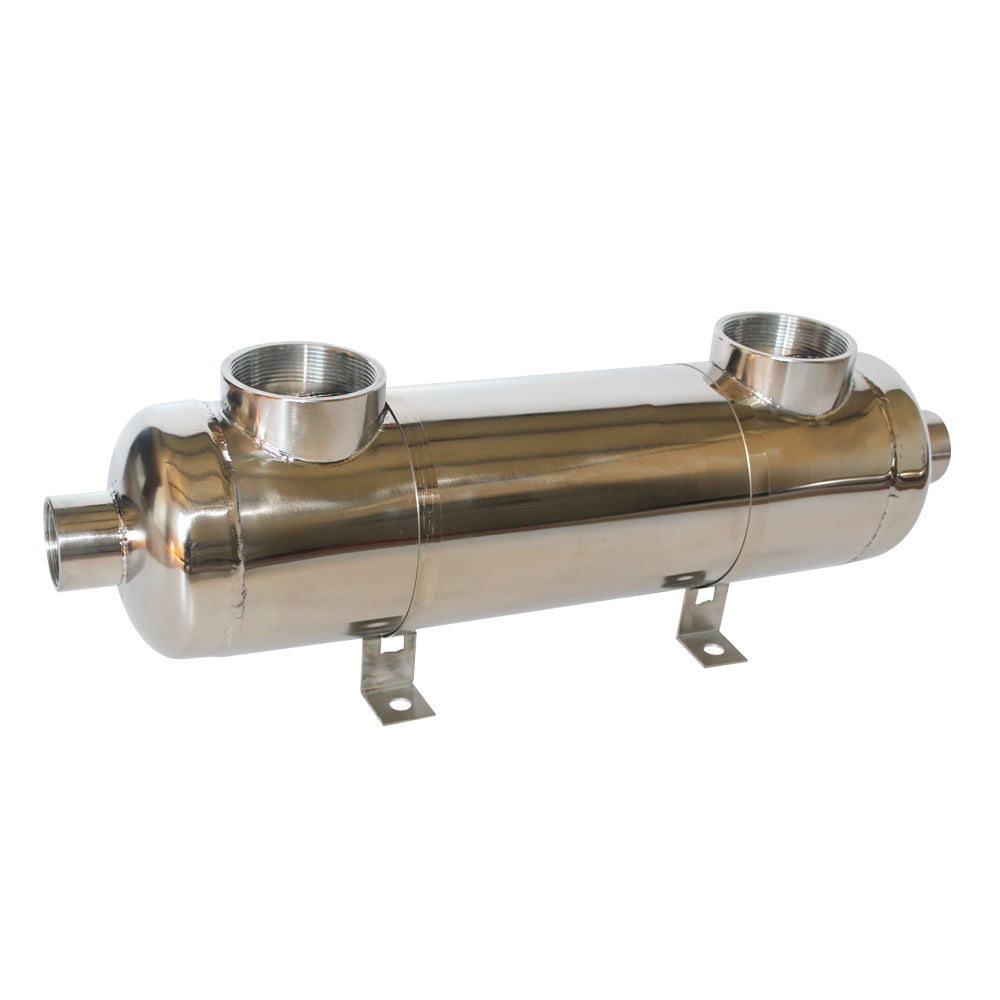
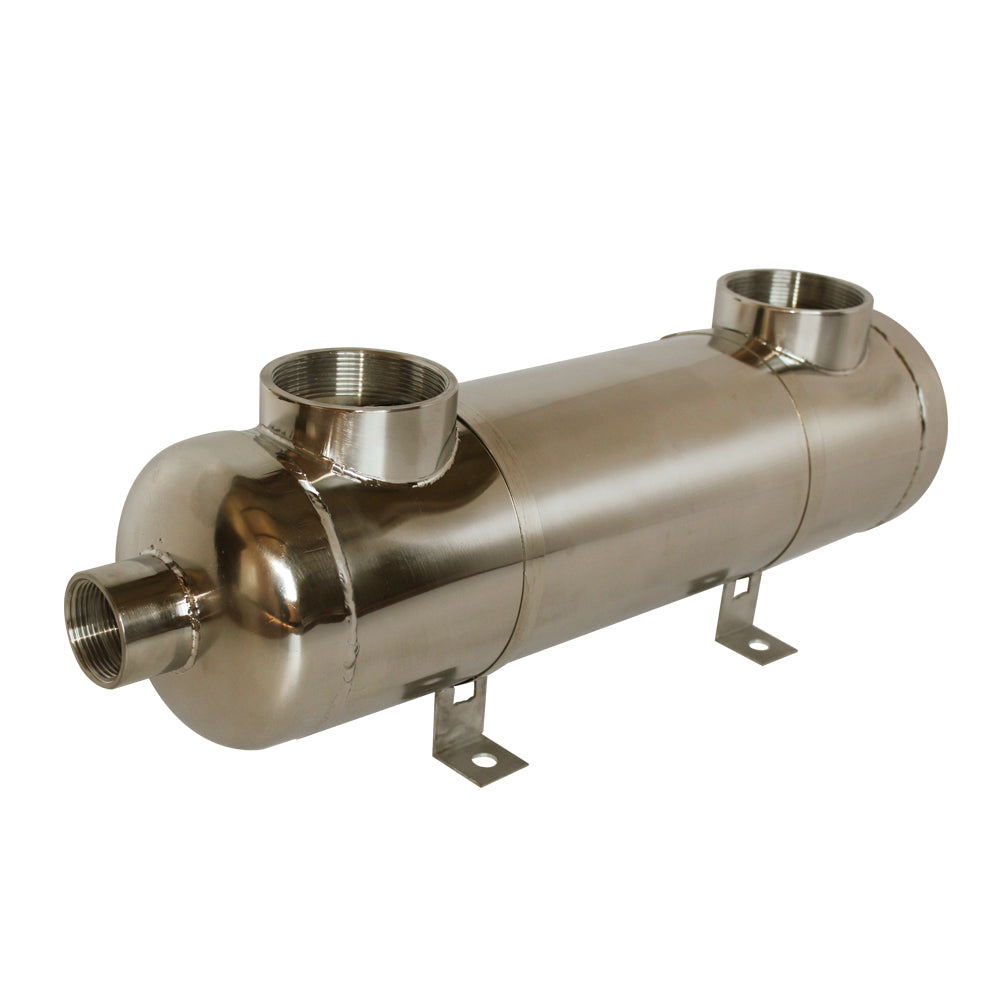
Marine intercoolers help lower engine temperatures and improve boat performance. They work with seawater to cool air before it reaches the engine, helping prevent overheating and keeping the engine running smoothly. Our models use strong materials like stainless steel and titanium to handle tough marine conditions.
Boost Engine Efficiency with Marine Intercoolers Built for Demanding Conditions
Saltwater, vibrations, and high-performance engines demand rugged cooling solutions. That’s where marine intercoolers come in. We design and supply corrosion-resistant units specifically for maritime environments—no guesswork, no compromise.
A reliable engine intercooler equals consistent horsepower, lower operating temperatures, and better fuel economy. If you’re pushing your vessel’s engine in hot or high-load conditions, poor cooling isn’t just inefficient—it’s a risk. Our coolers are built with stainless steel 316L or titanium materials to handle aggressive operating conditions over time.
What makes a marine intercooler different from a standard intercooler? It’s built to interact directly with seawater, providing efficient heat transfer without the material corrosion you’d get with automotive systems. Investing in the right cooling system makes a measurable difference if your boat’s performance depends on clean, consistent airflow.
Our intercoolers are easy to integrate into existing systems, especially when upgrading from outdated or underperforming parts. You’ll see improved turbocharger performance, reduced thermal stress, and smoother engine operation.
Why Seawater Coolers Matter More Than You Think
Most people focus on the engine and forget the cooling system—until something goes wrong. However, experienced boat owners know that a quality seawater cooler isn’t optional. It’s what prevents engine overheating, protects internal components, and stabilizes performance under load.
Seawater cooler systems are engineered to transfer heat from turbocharged air using the flow of surrounding water. On a boat, that means a constant supply of cold water working to cool down extremely hot, compressed air before it enters the engine. This extra cooling step increases oxygen density in the combustion chamber, improving combustion and reducing thermal wear.
A properly functioning engine intercooler = extended engine life and more predictable performance. These aren’t minor upgrades—they solve real-world maintenance problems. Over time, you’ll notice fewer breakdowns and more consistent operation, even in peak summer conditions.
Whether you’re operating a fishing vessel, high-speed boat, or workboat, our units are built to handle prolonged use without scaling or rusting. We focus on materials that withstand aggressive marine conditions and constant thermal cycling, giving you peace of mind on every trip.
A Turbo Cooler Isn’t Just for Speed—It’s for Safety
Many associate a turbo cooler with performance tuning, but it’s just as much about safety and control on a boat. As turbochargers compress air, they generate heat. That heat can quickly cause combustion issues, engine knocking, or long-term damage. A dedicated turbo cooler reduces that risk.
Our air-to-water intercoolers absorb and transfer heat efficiently, cooling intake air before it enters the engine. The result? Lower cylinder temperatures and less strain on your pistons and valves.
But performance isn’t just about speed. Cooler intake air = more stable operation during long hours on the water. That matters when powering through strong currents, hauling heavy gear, or navigating remote areas.
You’ll also reduce the chance of engine shutdowns caused by heat-related faults. Our marine intercooler systems offer a practical solution that aligns with real-world marine needs—built from materials selected for heat tolerance, saltwater resistance, and compact design.
Choosing the Right Boat Cooler for Your Vessel
Finding the right boat cooler depends on your engine type, performance goals, and space constraints. While some setups need maximum cooling capacity, others require compact size or corrosion resistance as a top priority.
We offer stainless steel and titanium options for maximum flexibility. Titanium models are excellent for longer-term saltwater exposure, while stainless steel models offer solid value with strong performance. Our models are compatible with various engine types, making them reliable for most vessel configurations.
So, what should you consider when shopping for a boat cooler?
- Cooling capacity relative to engine horsepower
- Material durability and resistance to corrosion
- Compatibility with turbocharged systems
- Ease of maintenance and access
All our intercoolers are built for efficient seawater flow, high thermal conductivity, and minimal internal turbulence. That means better performance with less maintenance—ideal for recreational and professional use.
System Integration: How Marine Intercoolers Improve Overall Engine Health
A marine intercooler doesn’t just help one part of your engine—it creates a ripple effect across the entire system. Lower intake temperatures lead to better fuel atomization, smoother combustion, and less wear on engine components over time.
Fewer heat spikes = less stress on seals, gaskets, and sensors. By integrating an effective cooling solution, you’re reducing the risk of engine imbalance and detonation. The result is more reliable operation at sea—and fewer unexpected repairs.
This is especially important for commercial or frequent-use vessels. A failing engine intercooler can limit RPMs, spike emissions, and increase fuel consumption. On the other hand, a high-quality cooler keeps your engine breathing clean, dense air—improving not just speed but mechanical reliability.
If you’ve recently upgraded your turbo or fuel system, make sure your cooling setup can keep up. Overheating one component can compromise everything, and that’s where an optimized intercooler pays for itself.
Maintenance Made Easy: Durable Materials, Long-Term Value
The best seawater cooler is one you don’t have to think about every trip. Our intercoolers are designed to resist mineral buildup, corrosion, and physical wear. With smooth internal passages and high-quality welds, they’re made for efficiency and long service life.
Materials like SS316L stainless steel and titanium aren’t just strong—they resist saltwater corrosion far better than standard-grade components. That reduces downtime, cleaning effort, and the need for frequent part replacements.
Titanium units are especially popular for long-term or commercial use, where consistent cooling is critical. Our designs offer easy access to key connection points, making installation and routine checks faster and cleaner.
Quick maintenance means more time on the water and fewer repairs dockside. These systems are built to run efficiently with minimal attention, so you can focus on performance—not problems.
Is It Time to Upgrade Your Turbo Cooling System?
If your system struggles under load or shows signs of wear, now’s the time to consider a better solution. An efficient turbo cooler protects your investment and lets your engine perform closer to its full potential—day after day, mile after mile.
You don’t need to overhaul your entire engine. A well-matched marine intercooler alone can solve key performance issues, especially in salt-heavy environments. More consistent intake temperatures, reduced strain on parts, and better throttle response—it’s a smart upgrade with visible results.
Think of it this way:
High-quality cooling = fewer mechanical failures
Better temperature control = more predictable engine behavior
Explore our range of marine-grade intercoolers to find a unit built for your boat, your performance goals, and your operating conditions. Each product is selected to deliver maximum reliability with minimal upkeep.
Marine engines operate under constant load, saltwater exposure, and varying thermal conditions. If you're looking for high-quality marine intercoolers, it's critical to choose products designed for real-world conditions—not just generic replacements. Alfa Heating Supply offers a focused selection of air-to-water intercoolers, built from titanium and 316L stainless steel, specifically for use in boats, yachts, and marine work environments.
Purchasing directly from a specialized supplier simplifies the process. Our intercoolers are built to support efficient turbocharged air cooling while resisting internal scaling, corrosion, and wear. They're compatible with a wide range of marine diesel engines and are engineered for straightforward integration.
Each product listing includes detailed specifications to compare cooling capacity, inlet/outlet sizing, and materials. Orders ship from a trusted distributor, with direct access to expert support for installation questions. You don’t need to search through unrelated automotive parts to find marine-specific solutions.
The best place to buy marine intercoolers is a supplier that understands saltwater exposure, thermal cycling, and performance stress. At Alfa Heating, our catalog is focused, our materials are proven, and our support is practical. Choose from configurations optimized for real marine use—nothing overbuilt or underpowered.
Performance isn’t just about power output. It's about how reliably your engine runs under load, heat, and stress. The best marine intercoolers combine corrosion-resistant materials, strong heat transfer capability, and compatibility with seawater cooling systems. That’s where our titanium and SS316L stainless steel models stand out.
Titanium intercoolers are ideal for long-term exposure to saltwater and require minimal maintenance. For users seeking a durable option with balanced cost and performance, 316L stainless steel is a strong alternative. Both options are designed for integration with marine engine systems, delivering efficient air-to-water heat exchange to lower intake temperatures and maintain consistent engine operation.
Each model supports optimal airflow while minimizing internal turbulence. That results in lower thermal stress and improved turbo efficiency, even in warm or high-pressure environments. This is essential for vessels that depend on uninterrupted operation for fishing, commercial transport, or extended recreational use.
When evaluating which product is best for your vessel, consider the material's salt resistance, cooling capacity per horsepower, and ease of cleaning. Alfa Heating's intercoolers are selected for balance: high conductivity, compact size, and long service life. They’re not automotive carryovers—they're designed for boats, tested for marine reliability, and backed by support that understands performance in salt-heavy waters.
A marine intercooler cools down compressed air before it enters the engine’s combustion chamber. This is done using seawater as the cooling medium. The cooler the intake air, the denser the oxygen. Denser oxygen leads to cleaner combustion, better throttle response, and reduced engine strain. Efficiency is not the sole consideration in marine environments; it is also crucial to ensure the engine operates safely in challenging conditions.
Engines without proper air-to-water cooling systems often experience thermal spikes, increased emissions, and premature component failure. Turbocharged systems, in particular, generate significant heat. A reliable marine intercooler keeps intake temperatures stable, preventing over-compression and detonation that could damage pistons, valves, or gaskets.
The use of seawater for cooling presents unique challenges. Standard materials would degrade quickly. That’s why marine intercoolers must be constructed from corrosion-resistant alloys like titanium or stainless steel 316L. These materials can handle continuous exposure to saltwater without scaling, corrosion, or weakening over time.