These days, many homeowners are looking for simple ways to save energy, cut costs, and be kinder to the environment. The use of electric heat exchangers in modern homes is one such innovation. This article aims to explore whether investing in these systems is a worthwhile decision. We’ll discuss the basics of how they work, their advantages compared to traditional systems, and what to consider when choosing the right model for your home. Join us as we delve into the possibilities of electric heat exchangers.
Understanding Electric Heat Exchangers
An electric heat exchanger is a device designed to transfer heat between different fluids or gases using electricity as its primary energy source. Unlike traditional exchangers that often rely on combustion or other external heat sources, electric heat exchangers generate heat through electrical resistance or other electrically powered methods. This makes them particularly adaptable and efficient for residential use. In modern homes, these devices can help manage energy consumption successfully by allowing homeowners to control heating with precision, reducing wastage and increasing overall energy efficiency.
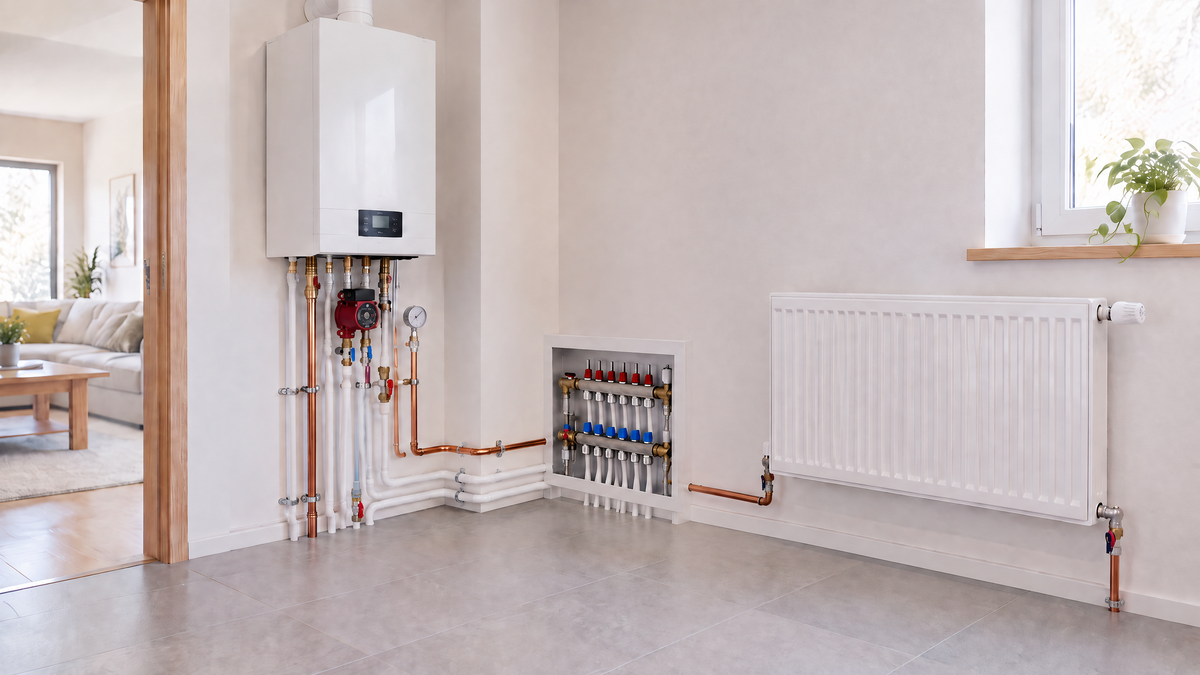
An electric water heat exchanger is a common choice, built specifically to heat water for everyday household needs. These systems can be integrated into home heating setups to provide hot water on demand, enhancing the convenience for homeowners. Main applications of electric heat exchangers in homes include:
- Providing efficient hot water heating for showers and taps
- Supporting underfloor heating systems
- Heating swimming pools
- Facilitating energy-saving space heating solutions
By incorporating electric heat exchangers into a home, residents can achieve reliable heating solutions that contribute to sustainable living. The advanced technology used in these exchangers allows for greater control over heating processes, optimizing energy usage and minimizing environmental impact.
Benefits of Using Electric Heat Exchangers in Homes
Adding an electric heat exchanger for water to your home can bring many benefits — helping you save energy, lower your bills, and reduce your impact on the environment. One of the biggest advantages is how well they turn heat exchanger electricity into thermal energy, making the most of every bit of power used. This conversion process often results in a more controlled and precise heating experience, leading to decreased energy consumption. Consequently, homeowners can enjoy lower utility bills as the system minimizes energy waste while meeting the household's heating needs. As electricity is increasingly generated from renewable sources, relying on electric heat exchangers aligns with global sustainability goals, reducing a household's carbon footprint.
Electric heat exchangers for water have great potential to make water heating more efficient. Traditional heating systems can suffer from heat loss, particularly during transmission. However, electric systems can be localized, reducing the distance heat must travel and thereby minimizing losses. Thanks to their ability to heat water right where it’s needed, electric heat exchangers help water reach the perfect temperature faster and keep it there longer, giving you both comfort and energy savings. On top of that, modern improvements have made these systems stronger and more reliable, which means they last longer and require less maintenance. Overall, adding an electric heat exchanger to your home doesn’t just help you save money — it also supports a greener, more sustainable way of living.
Comparing Electric Heat Exchangers to Traditional Systems
When comparing the functionality and efficiency of electric heat exchangers for water with traditional heating systems, several key differences emerge. Traditional systems, such as gas or oil-fired boilers, rely on combustion to generate heat, which can lead to inefficiencies and higher emissions. In contrast, electric water heat exchangers utilize electricity to quickly and successfully transfer heat without direct combustion, resulting in cleaner operation. This means fewer emissions and a reduced environmental impact. Additionally, electric systems are often more compact and easier to install, as they do not require flues or extensive ventilation systems, which are necessary for combustion-based systems.
Operationally, electric heat exchangers for water provide more precise control over temperature settings, allowing for consistent and tailored hot water supply. This precision contributes to energy savings by avoiding overheating and reducing standby heat loss. Maintenance is another area where electric systems often hold an advantage. Since they have fewer moving parts and do not produce combustion byproducts, they typically require less frequent servicing. Households might choose electric options due to their compatibility with renewable energy sources, such as solar or wind power. As the grid becomes greener, electric systems can further reduce a home's carbon footprint. Overall, the ease of integration, environmental benefits, and operational efficiencies make electric heat exchangers a compelling choice for modern homeowners seeking sustainable and reliable hot water heating solutions.
Choosing the Right Electric Heat Exchanger
Selecting the right electric heat exchanger for your home involves careful consideration of several factors to make sure that the system meets your heating needs efficiently. One of the first aspects to evaluate is the capacity of the heat exchanger. It's crucial to choose a unit that matches the size of your household and daily hot water usage. Oversized systems may lead to unnecessary energy consumption, while undersized units might struggle to provide sufficient heating. Consulting with an experienced electric heat exchangers manufacturer can help you determine the appropriate capacity for your requirements. At Alfa Heating, we know how important reliability and quality are. That’s why we focus on producing electric heat exchangers that are built to last. Choosing a well-made exchanger from a trusted manufacturer like us means better efficiency, longer service life, and peace of mind for your home.
When choosing an electric heat exchanger, we at Alfa Heating recommend looking for suppliers that offer a wide range of models and have a strong history of customer satisfaction. Reading reviews and testimonials can give you a good idea of how well different models perform and how reliable they are. It’s also important to ask about warranties and after-sales support, as these can make a big difference in your long-term satisfaction and peace of mind. Compare features such as energy saving, safety options, and ease of installation between models. Consulting with our Alfa Heating professionals for installation advice can help make sure you select a model that is efficient and works well with your home’s existing systems. By carefully considering these factors and choosing Alfa Heating, you can make a decision that improves your home’s comfort while optimizing energy use.
Installation and Maintenance Tips
Installing an electric heat exchanger requires careful planning and execution to ensure optimal performance and safety. Homeowners should first assess their home's existing infrastructure and determine the best location for the unit. It's very important to consider factors like accessibility for maintenance and proximity to water sources if you're installing an electric water heat exchanger. Hiring a qualified professional for installation is highly recommended, as they possess the expertise to handle electrical connections safely and adhere to local building codes. During the installation process, expect some minor modifications to your plumbing or electrical systems, which should be outlined by your installer beforehand.
Once the electric heat exchanger is operational, regular maintenance is key to prolonging its lifespan and maintaining functionality. Homeowners should schedule periodic inspections to check for any signs of wear or damage. Cleaning the exchanger's components, such as filters and coils, can prevent buildup and ensure efficient operation. Additionally, monitoring the system's performance and addressing minor issues promptly can prevent costly repairs down the line. Keeping a maintenance log can help track these activities and highlight when professional servicing is needed. By following these installation and maintenance tips, homeowners can enjoy the full benefits of their electric water heat exchanger, ensuring it remains a reliable and efficient part of their home heating system.