
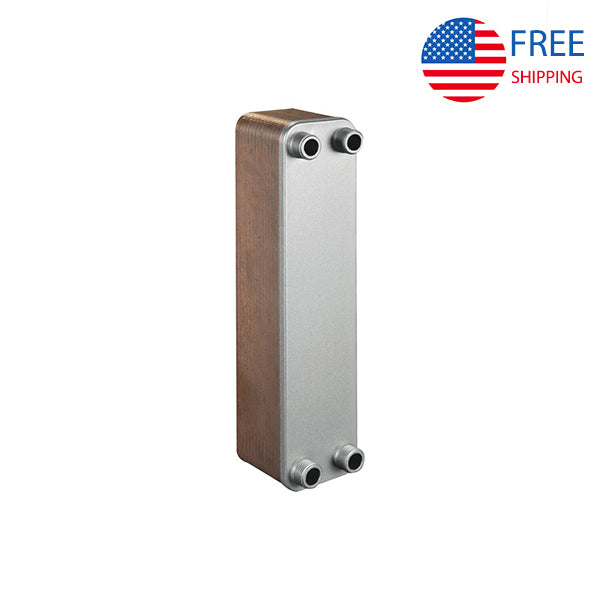
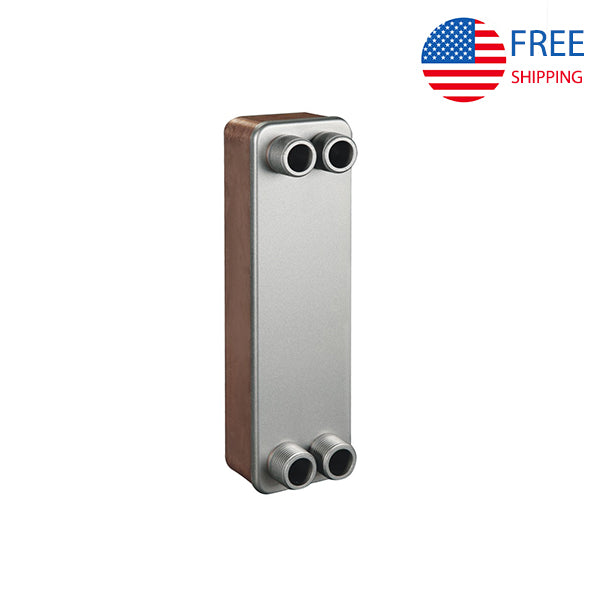
Looking for a space-saving way to handle condensation in your system? Our brazed plate condensers are reliable, efficient, and simple to install. They are used in HVAC, refrigeration, and industrial cooling. Explore the options we offer and choose the right plate condenser for your setup and performance needs.
What Makes a Brazed Plate Condenser a Good Choice
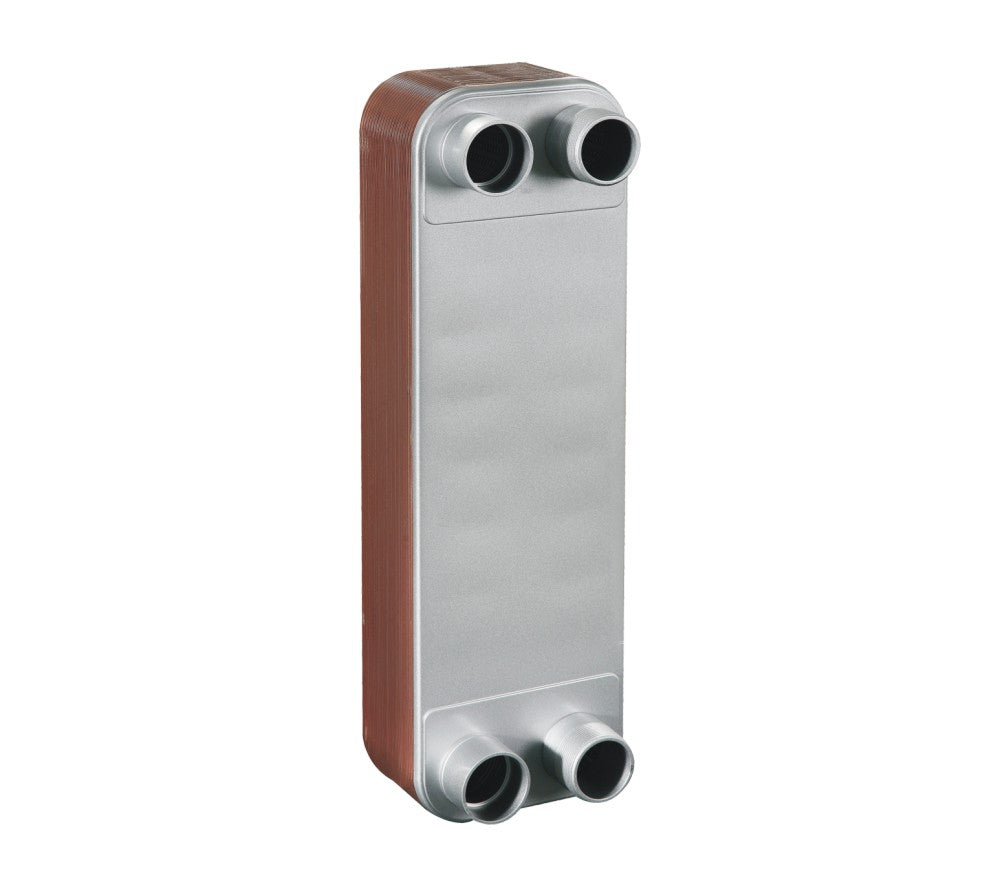
If you’re working with systems that need efficient heat exchange in a compact space, you’re likely already considering a brazed plate solution. These units are designed for high thermal performance in small footprints. The construction method uses vacuum brazing, which creates strong, leak-proof joints without gaskets or additional seals. This ensures minimal maintenance and high reliability.
A brazed condenser operates efficiently even under demanding temperature and pressure conditions. These systems are often used in HVAC, refrigeration, and industrial cooling because they handle condensation tasks exceptionally well. Their efficiency-to-size ratio makes them ideal when performance matters but space is limited.
Tighter installations mean more flexibility in system design, making these units a popular choice for retrofits and new installations.
Applications That Benefit from a Plate Condenser
A plate condenser brings solid advantages in any environment where compact, reliable condensation is essential. From residential chillers to complex industrial processes, its versatility helps reduce system complexity and improve energy use.
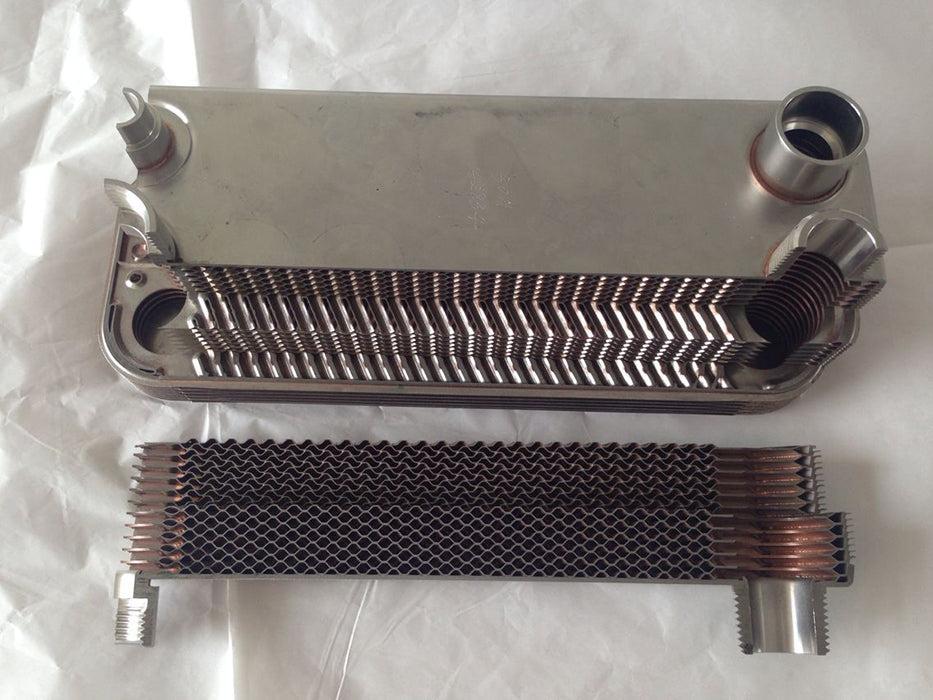
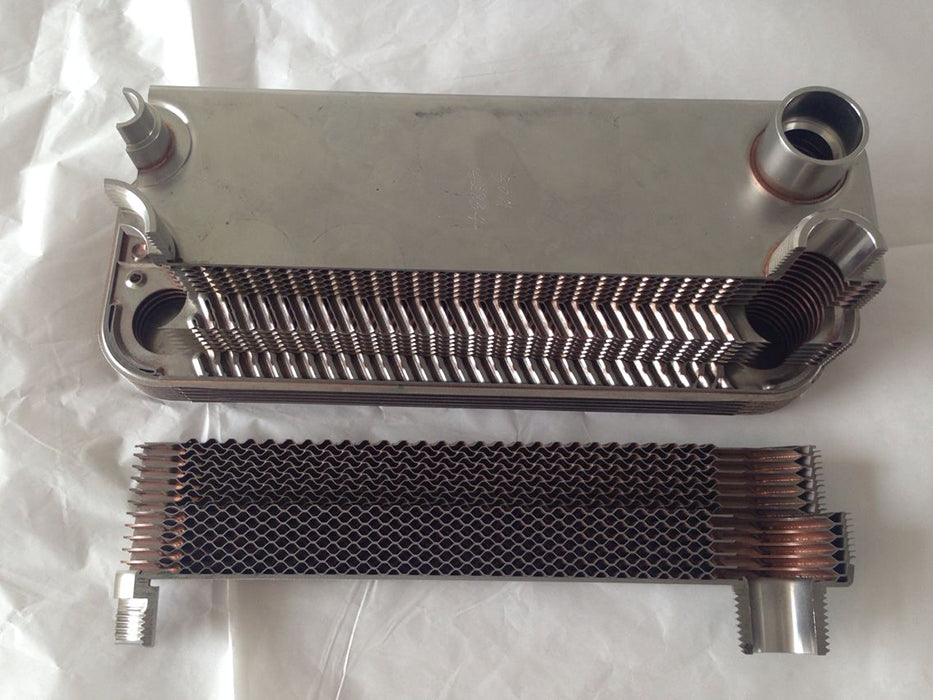
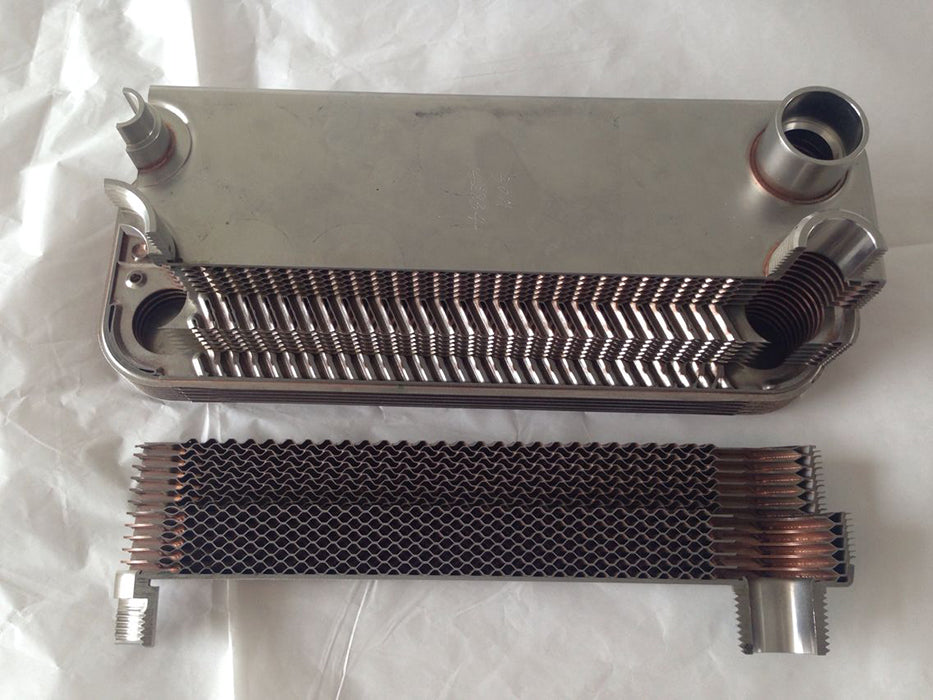
Because these condensers transfer heat directly through thin, corrugated metal plates, the contact surface area is maximized. That means fast and efficient heat exchange without unnecessary bulk. The small footprint is not just convenient—it’s often a requirement in systems where space is at a premium.
HVAC installers, OEMs, and system designers often choose brazed plate systems because of their durability and thermal efficiency. More output per square inch = more room for other components in your setup.
High Durability and Low Maintenance Over Time
Choosing a brazed condenser means investing in a long-lasting solution. The brazing process creates a solid bond between plates, making the entire unit resistant to high pressure and thermal cycling. These units don’t require regular disassembly, which cuts down on maintenance time and costs.
Because no gaskets are involved, there’s less chance of leaks or failures, even during peak operation. You install it once, and then it runs reliably for years.
This rugged design is especially valuable in demanding applications like cooling, refrigeration, and heat pump systems. In terms of product lifespan and total cost of ownership, these units consistently outperform other alternatives.
Still, their biggest advantage may be how they simplify installation and system design.
Easy Integration with Various System Designs
A compact condenser fits easily into tight spaces and can be installed horizontally or vertically, depending on your system’s needs. Traditional cooling equipment lacks that kind of flexibility.
Installers appreciate the lighter weight and smaller size, which means faster setup and easier transport. These units help reduce overall volume and simplify connections even in larger systems.
Because a compact condenser offers high thermal performance, you can often reduce the size of pumps and piping needed to support your system. That results in lower operating costs and improved system efficiency.
Efficiency of Plate Cooling Units
A plate cooling unit directs hot fluid over a series of metal plates while a cooler medium flows on the opposite side. This direct contact between the fluids through the plate walls ensures rapid and consistent temperature change.
These cooling units work exceptionally well with refrigeration and condensing applications, where quick heat transfer is key. Because of the large surface area inside a small volume, you get top-tier performance without the bulk of a shell-and-tube design.
Thanks to this efficient layout, a plate cooling unit often replaces larger, heavier equipment with no performance loss—sometimes even gaining an edge in responsiveness and thermal control.
Why Professionals Choose This Solution Again and Again
Reliability, performance, and ease of use—that’s why experts keep coming back to brazed plate and plate condenser models for their systems. These solutions check all the boxes, whether it’s HVAC installations, commercial chillers, or industrial cooling.
High efficiency + compact size = a smart investment for both new builds and system upgrades. And because they come in different sizes and connection types, there’s almost always a model that fits your technical needs.
The combination of strength, thermal output, and design flexibility makes every brazed condenser a reliable long-term solution. If you need a dependable, cost-effective component for your heat exchange system, a plate cooling unit is a strong contender.
FAQ
A brazed plate condenser is a type of heat exchanger designed to remove heat from a vapor and convert it into a liquid. It achieves this by using a series of thin, corrugated metal plates stacked together and permanently joined through a vacuum brazing process. This method of construction eliminates the need for gaskets, allowing for a more compact and leak-resistant unit.
What makes it so practical is the high surface area created between plates. This allows for very efficient thermal transfer in a small space. Each unit is pressure-resistant, compact, and designed for operation in demanding conditions. The rugged design and all-metal construction ensure that you don’t need to worry about common failure points, such as seals or joints.
Compact design = more installation flexibility. These units are frequently selected for use in HVAC systems, chillers, heat pumps, and industrial cooling applications. System designers often turn to this technology when space is limited but performance still matters.
Brazed plate condensers are designed to efficiently handle condensation duties across various systems. By condensing vapor using direct metal-to-metal heat transfer, they remove heat quickly and efficiently. Their construction also makes them suitable for a wide range of fluids, depending on the application and system layout.
If your setup demands reliability, efficiency, and minimal maintenance, this type of condenser offers a well-balanced solution without adding complexity.
A brazed plate condenser works by directing hot vapor across a network of stainless steel plates. On the other side of those plates, a cooler fluid (usually water or glycol) flows in the opposite direction. The heat from the vapor is transferred through the metal plates and absorbed by the cooler fluid, causing the vapor to condense into a liquid.
Each plate in the unit is patterned to create turbulence as the fluids move. This increases the heat transfer rate, making the system more efficient. Because the plates are brazed together, heat transfers directly between the surfaces without the need for seals or additional components.
This high-efficiency layout enables rapid temperature changes, minimal thermal loss, and seamless integration with various system types. It’s one reason these units are often used in cooling loops, chillers, and heat recovery applications.
A larger surface area results in faster heat transfer. This basic equation drives the performance benefits behind plate-style condensers. Instead of relying on large, bulky coils or shell-and-tube systems, a brazed unit achieves better results in a fraction of the space.
Another advantage is durability. The brazed construction withstands continuous use and thermal cycling. You don’t need to disassemble it for regular servicing, and its performance remains consistent over time.
Whether installed horizontally or vertically, these units fit neatly into compact spaces and work reliably under pressure.
Yes, a brazed plate condenser is commonly used in refrigeration systems, including commercial chillers, residential heat pumps, and industrial freezers. Its compact size and strong performance make it ideal for systems that demand efficient heat removal in tight layouts.
In a refrigeration setup, the condenser’s job is to take vapor refrigerant from the compressor and remove enough heat to turn it into a liquid. The brazed plate design accomplishes this quickly and efficiently. The heat from the refrigerant is transferred through the plates and carried away by a cooling fluid, typically water or a water-glycol mixture.
Faster condensation results in lower energy use and improved cooling output. Such a result is crucial in refrigeration systems, where energy efficiency has a direct impact on long-term operating costs.
These condensers also facilitate the design of flexible, space-conscious systems. You’ll find them used in systems that require lightness, reliability, and ease of service—especially in tight mechanical rooms or mobile refrigeration units. The ability to mount them in multiple orientations helps simplify piping layouts and reduce installation time.
Unlike older condenser designs, a brazed plate version delivers high thermal efficiency without the bulk. This makes it a preferred solution in both OEM refrigeration builds and retrofit installations.
Related Heat Exchangers
- Air to Water Heat Exchangers
- Water to Air Heat Exchangers
- Water to Water Heat Exchangers
- Plate Heat Exchangers
- Plate Heat Exchangers (Copper Brazed)
- Brazed Plate Heat Exchangers
- Shell and Tube Heat Exchangers
- Side Arm Heat Exchangers
- Swimming Pool Heat Exchangers
- Pool Heat Exchangers
- Marine Heat Exchanger
- Electrical Heat Exchangers
Recently viewed
Designed with comfort and efficiency in mind, our collections offer reliable solutions for every thermal requirement. Our extensive range combines advanced technology with thoughtful design to create environments that feel warm, balanced, and inviting. Each product reflects a commitment to quality and performance, delivering lasting comfort for both residential and commercial spaces. Discover our collections and experience how Alfa Heating brings precision and reliability to modern thermal solutions.
Explore our diverse range of heat exchangers
At Alfa Heating, we offer a wide and carefully selected range of heat exchangers designed to suit both homes and businesses. Whether you’re looking to improve energy efficiency in a residential space or maintain reliable climate control in a commercial setting, our solutions are built to meet your needs. Each heat exchanger is engineered with precision and made from high-quality materials to deliver long-lasting performance in a variety of conditions. From compact, space-saving models to durable systems designed for demanding industrial use, our range makes it easy to find the right solution for your application.
Shop in our heat exchangers and HVAC equipment online store for a fast, reliable experience. Our platform is easy to navigate, with clear categories and informative product descriptions that help you choose with confidence. We focus on high‑quality equipment designed to improve energy efficiency and deliver comfortable indoor climates, backed by service that puts customer satisfaction first. Heat exchangers in particular are built to move thermal energy efficiently, which is why choosing the right unit matters for both performance and cost.
Top industrial and residential heat transfer products
Alfa Heating is dedicated to delivering superior quality when it comes to our industrial and residential heat transfer products. Our extensive catalog includes a range of cutting-edge solutions designed to efficiently regulate temperatures across various environments. Whether it's a bustling industrial setting requiring robust equipment or a cozy residential space needing dependable thermal control, our products stand out for their exceptional performance and reliability.
Each item in our selection undergoes rigorous testing to ensure it meets the highest standards of durability and efficiency, promising longevity and reduced energy consumption. Our products seamlessly integrate into your systems, maintaining ideal environmental conditions. We understand the critical role that precise temperature management plays in both industrial processes and home comfort, which is why our offerings deliver optimal performance day in and day out. By choosing Alfa Heating, you're investing in advanced technology with proven reliability.
Discover our complete heating and cooling product catalog
Explore the complete heating and cooling product catalog offered by Alfa Heating, where innovation meets variety to cater to diverse temperature control needs. Our catalog is a testament to our commitment to quality and versatility, featuring a broad range of products that serve both residential and commercial applications. From high-performance oil coolers to efficient condensers, durable valves, and precision-engineered fittings, our selection enhances your systems' effectiveness and reliability.
Every product is carefully designed and thoroughly tested to deliver reliable performance you can trust. Whether you’re planning a new installation or upgrading an existing system, our wide selection makes it easy to find a solution that fits your exact needs. From compact residential setups to large-scale industrial applications, our range covers it all. At Alfa Heating, we focus on practical, high-quality solutions that improve thermal efficiency and create comfortable environments you can rely on every day.
Shop to buy heat exchangers and heating supplies
At Alfa Heating, buying heat exchangers and heating supplies is straightforward and efficient. Our platform is designed to make the purchasing process simple, allowing you to find and order the products you need with confidence. We know that time matters when it comes to keeping heating systems running at their best, which is why our online store is clearly structured and easy to navigate. This way, you can quickly locate the right solutions without unnecessary delays.
Detailed product descriptions, specifications, and customer reviews are readily available, enabling informed decisions tailored to your requirements. Our streamlined checkout process enhances the convenience of shopping with Alfa Heating, allowing for swift and secure purchases. With a wide selection of top-quality products available at competitive prices, you can be confident in the value and reliability of your purchases. Whether you're a seasoned professional or a DIY enthusiast, our platform caters to all skill levels.
Best heat exchangers for HVAC and pool systems
Alfa Heating delivers high-performance heat exchangers designed for HVAC and pool systems. Our products are engineered to maximize thermal transfer efficiency, helping systems run reliably and efficiently. Whether you’re enhancing energy performance in a residential installation or selecting durable solutions for demanding commercial applications, Alfa Heating heat exchangers provide dependable results you can trust.
Built with precision and high-quality materials, these units are designed to perform reliably in a wide range of conditions. Many models are easy to integrate into existing systems, making upgrades simple and reducing downtime. With Alfa Heating, you can trust that every product meets industry standards and delivers dependable performance at great value. Choose our heat exchangers to maintain stable temperatures and enjoy a comfortable, well-controlled environment year-round.