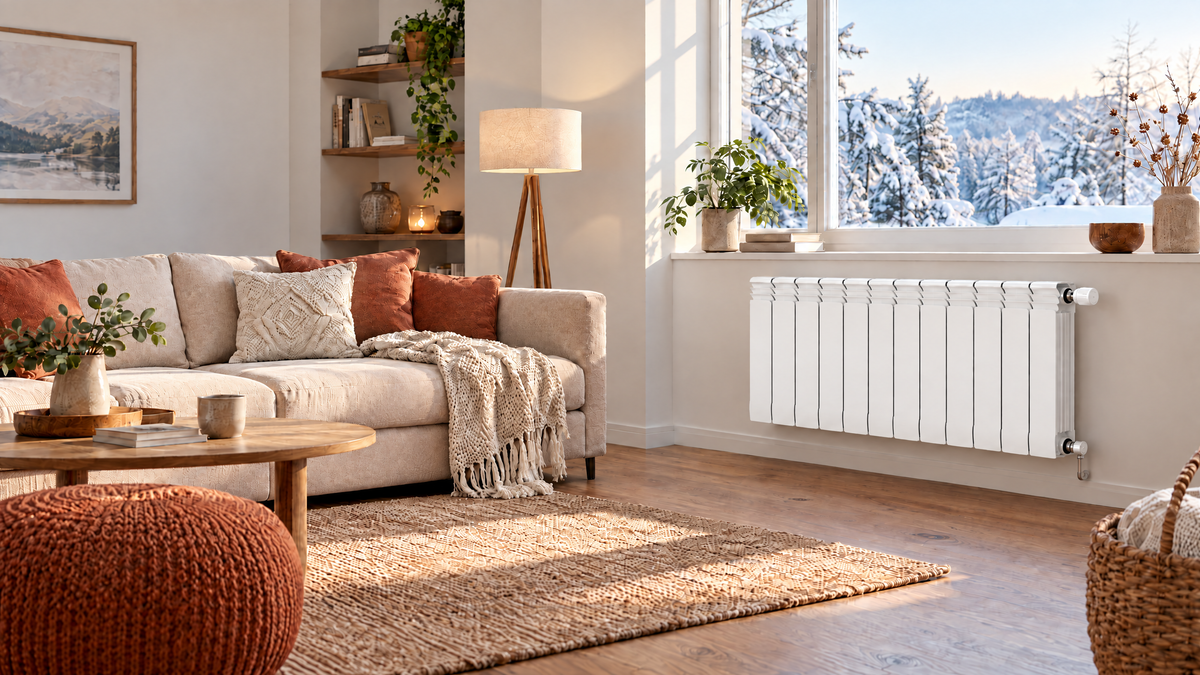
Creating a cozy home while keeping energy bills low is a top priority for many homeowners, and modern radiators have become a popular solution. Thanks to new technology, these radiators use energy more efficiently, giving you the right amount of heat without driving up costs. Whether you want to know how they work or how to pick the best one for your space, there are important things to keep in mind to get the most out of your investment. This article will guide you through everything you need to know about modern radiators and saving energy.
Understanding Modern Radiators
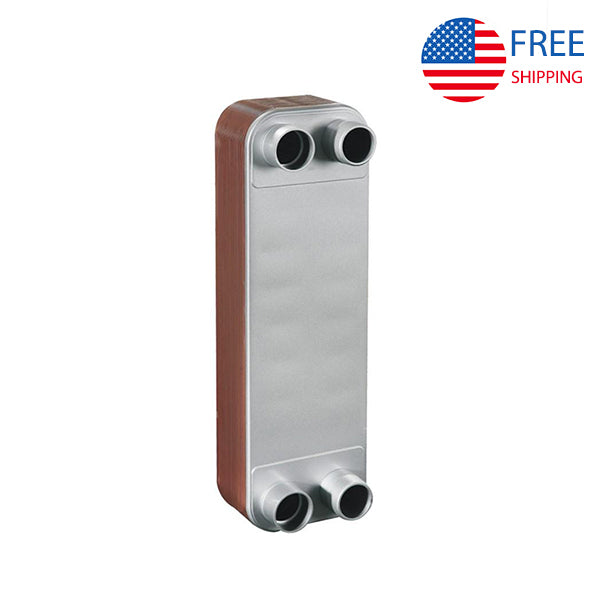
Modern radiators have come a long way from the bulky, less effective designs of the past. Today’s high-performance radiators are sleek, compact, and much better at heating your home efficiently. These improvements come from advances in both materials and engineering. Many modern models use advanced heat exchange technology that helps maximize warmth while using less power. For example, some radiators are made from aluminum, a material known for its excellent heat conductivity, allowing them to warm up quickly and distribute heat evenly throughout a room. This increased efficiency not only cuts down on power use but also lowers your utility bills, making these radiators an excellent choice for homeowners who want to save money and reduce their environmental impact.
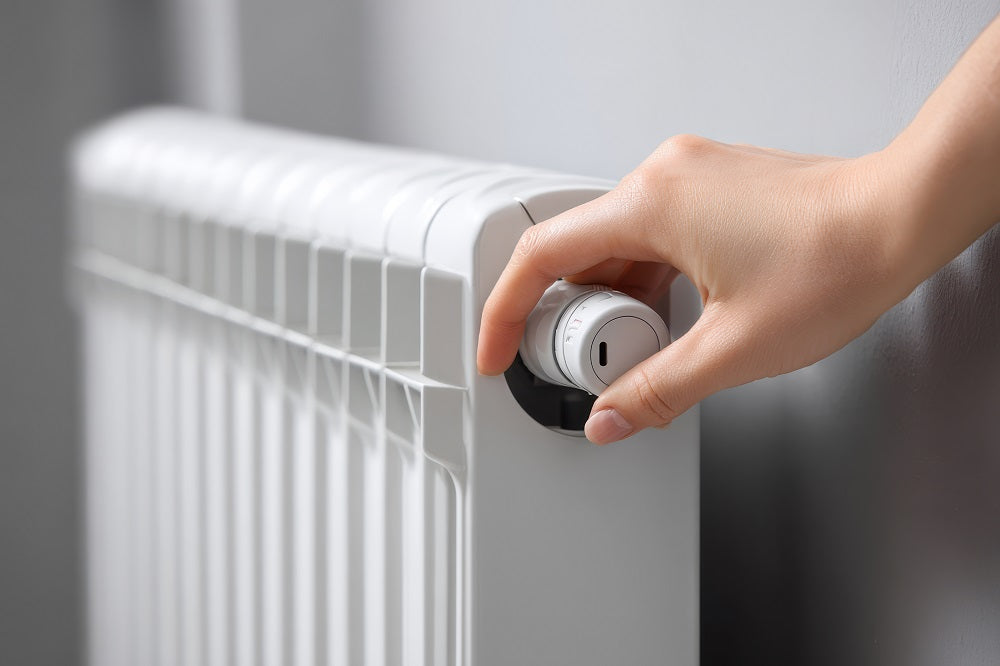
Another important feature of modern radiators is their ability to connect with digital thermostats and smart home systems, which makes them even more effective. Homeowners can set their radiators to heat only when needed, adjusting temperatures based on the time of day or whether someone is home, helping to avoid wasted energy. Plus, zoning systems let you heat different parts of your house separately, so energy is used only where and when it’s really needed. This precise control helps cut down on overall energy use in your home. As technology keeps improving, more advanced and eco-friendly radiator options will become available, offering even smarter and more affordable ways to keep your home warm.
How Hot Water Radiators Work
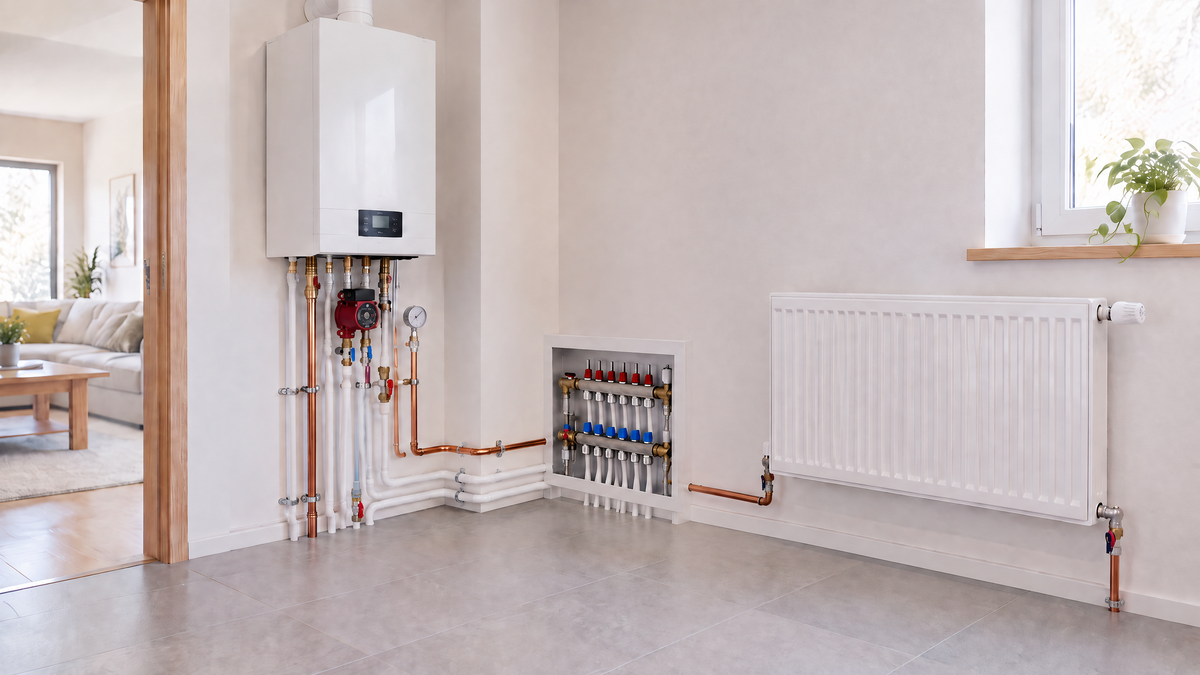
Hot water radiators are a popular choice in modern home heating systems due to their effectiveness in distributing heat evenly throughout a space. The core mechanism of a hot water radiator involves a boiler heating water to a high temperature. This heated water is then circulated through a system of pipes to the radiators installed in various rooms. As the hot water passes through the radiator, it emits heat into the surrounding air by convection and radiation, appropriately warming the room. The process is continuous, with the cooled water returning to the boiler to be reheated, ensuring a steady supply of warmth. This method of heating is not only efficient, but also allows for greater control over individual room temperatures, providing comfort and flexibility in home heating.
Radiator water is essential in this process because it carries heat and helps warm up your home. The functionality of hot water radiators largely depends on the speed and consistency with which the water circulates through the system. Advanced systems now incorporate pumps and valves that regulate water flow, ensuring optimal performance. Moreover, modern hot water systems often integrate with smart thermostats, allowing homeowners to program heating schedules and maintain perfect temperatures without wasting energy. This combination of technology and design improvements makes hot water radiators a highly efficient solution for maintaining a cozy home environment while managing energy consumption successfully.
Why Energy-Saving Radiators Make a Difference
Choosing cost-saving radiators gives you plenty of benefits that do more than just keep your home warm. One of the most immediate benefits is the reduction in energy bills. By using advanced technology to optimize heat distribution, these radiators require less energy to maintain a comfortable temperature, which translates into significant cost savings over time. In addition to financial benefits, energy efficient radiators also contribute to a reduced environmental footprint.By using less power, they reduce the need for fossil fuels, which helps lower greenhouse gas emissions and fight climate change. This makes them an appealing choice for environmentally conscious homeowners looking to make a positive impact.
Another benefit of energy-saving radiators is how they improve the way your home heats up. These radiators are designed to deliver heat more evenly compared to traditional models, eliminating cold spots and creating a more consistent temperature throughout your living space. Many models also come equipped with smart features, such as programmable thermostats and zoning capabilities, which allow you to tailor heating patterns to suit your lifestyle. This not only improves comfort but also guarantees heating is used precisely when and where it's needed, further reducing energy waste. By offering improved performance and control, energy efficient radiators are an essential component of modern home heating systems.
Choosing the Right Water Heater Radiator
Selecting the appropriate water heater radiator for your home is crucial to achieving optimal heating and energy performance. One of the first considerations is the size of the radiator, which should be proportional to the dimensions of the room it will serve. A radiator that is too small may struggle to heat the space adequately, leading to increased energy consumption as it works harder to meet the demand. Conversely, an oversized radiator can result in wasted energy. Therefore, it's essential to calculate the required British Thermal Units (BTUs) needed to heat the specific area effectively. In addition to size, the capacity of the water heater radiator should be compatible with your existing heating system to ensure perfect integration and efficient operation.
Another important factor in choosing radiators is the compatibility with your current home heating setup. If you're replacing or upgrading old radiators, it's important to make sure that the new models can connect to your existing boiler system and that they match the overall energy output required by your home. Also, modern water heater radiators come with various features such as thermostatic controls and smart technology, which can improve the functionality and flexibility of your heating system. Explore these advanced options to protect your investment for the future while enhancing both comfort and affordability. By carefully evaluating these elements, you can select the most appropriate radiator that meets the specific needs of your home while contributing to a more sustainable and efficient heating solution.
Installation and Maintenance Tips
It is highly recommended to hire a professional for the installation process to guarantee that the radiators are securely mounted and correctly connected to your home’s heating system. A professional installer can also advise on the optimal placement of radiators to maximize heat distribution and ensure that each unit functions at its peak efficiency. During installation, it's important to check for any potential leaks and ensure that the system is fully vented to allow proper water flow and heat circulation. Besides installation, regular radiator maintenance is key to ensuring your heating system works efficiently and lasts longer. One crucial maintenance task is bleeding the radiators to remove trapped air, which can reduce heating efficiency.
This should be done annually or whenever you notice uneven heating or cold spots on the radiator. Furthermore, checking for signs of corrosion or blockages can prevent potential issues down the line. If your radiators are equipped with thermostatic radiator valves, guarantee they are working correctly to maintain the desired temperature settings. Routine maintenance not only prolongs the life of your radiators but also maintains the energy saving that modern systems are designed to provide. By following these installation and maintenance tips, you can ensure your radiators continue to offer optimal heating performance.