
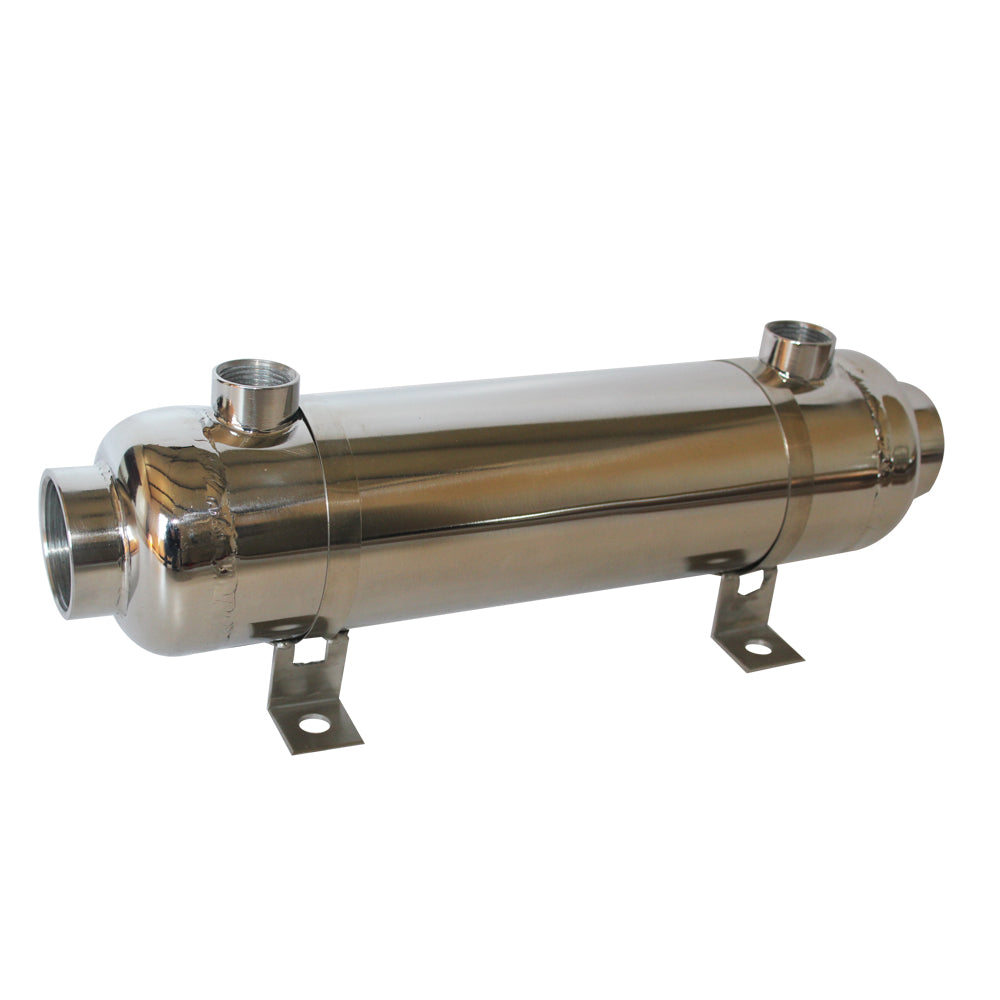
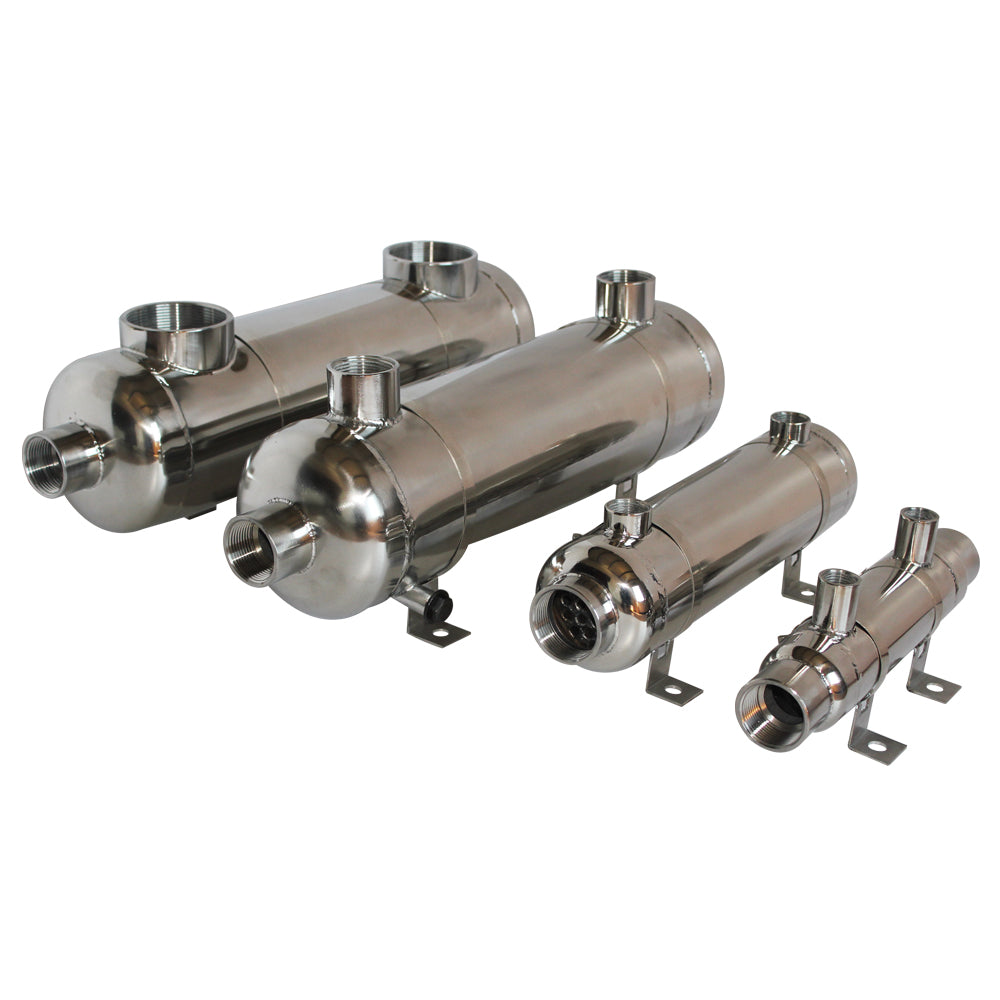
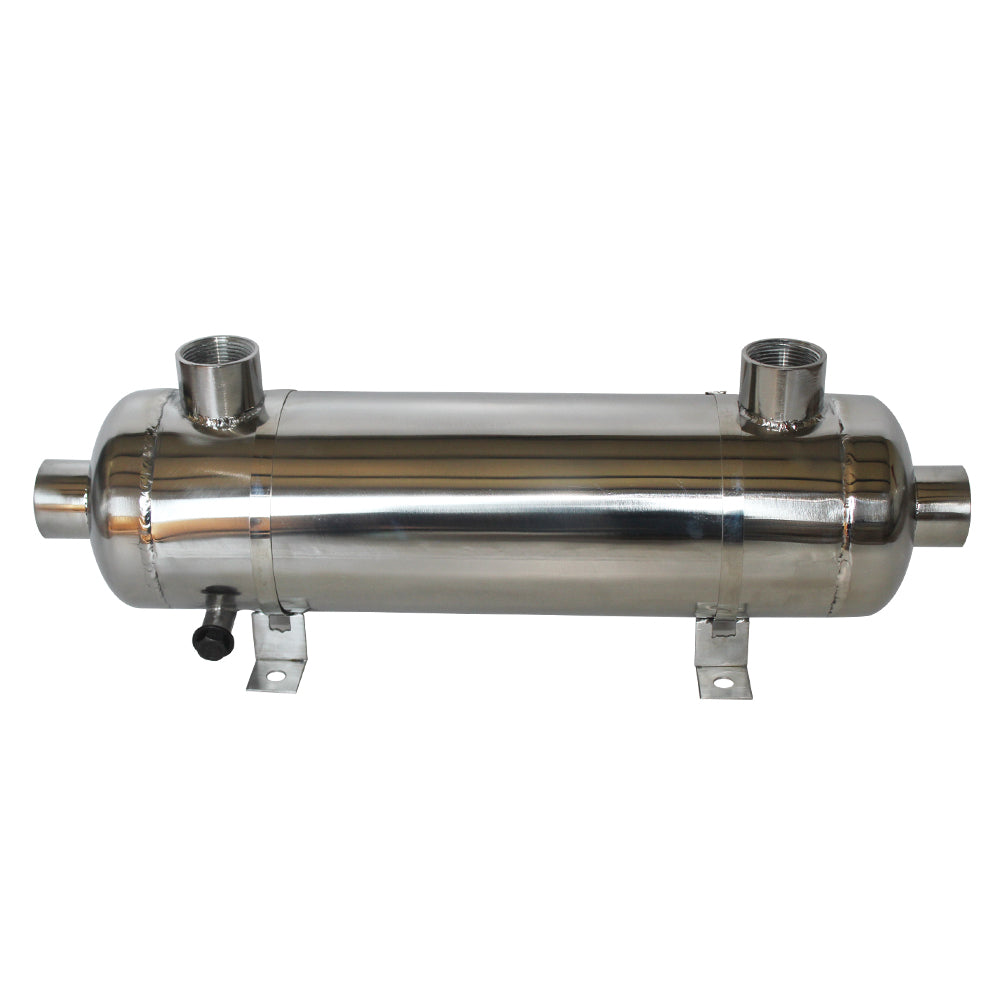
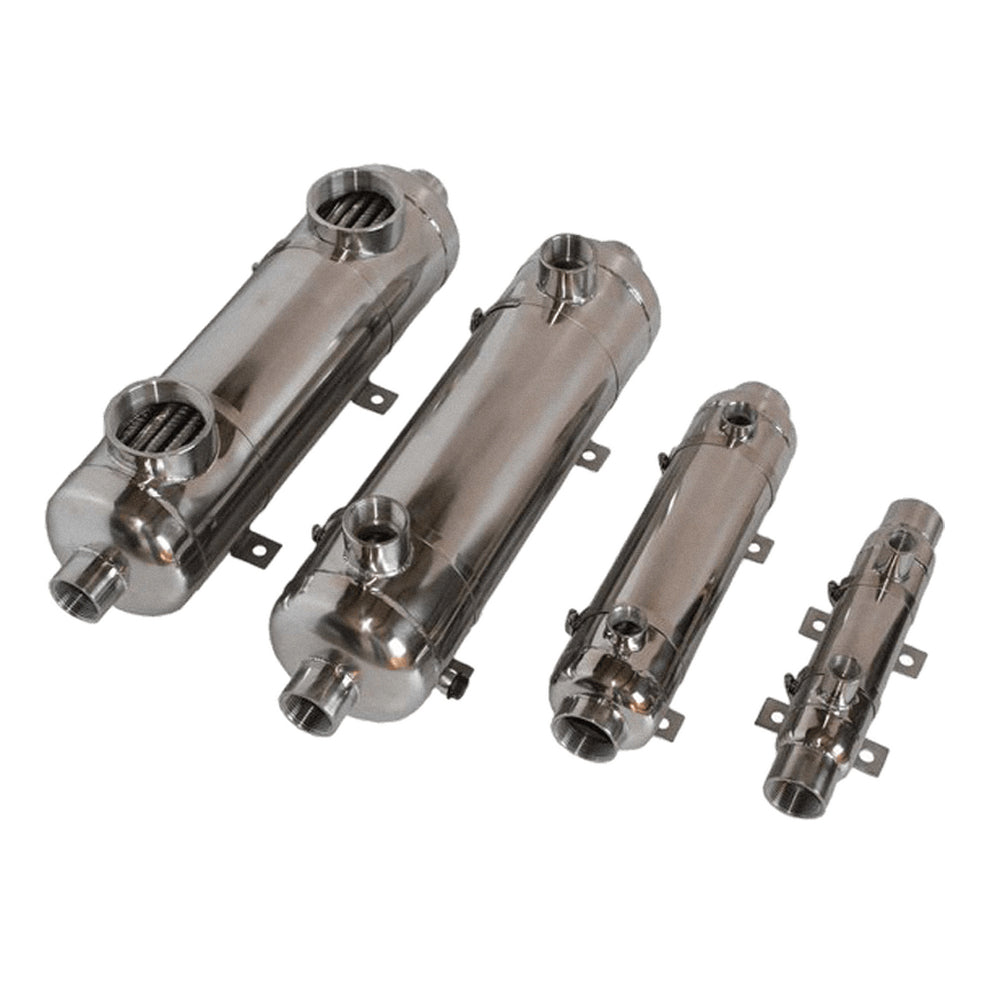
Overview of Industrial Oil Cooling Systems
Industrial oil cooling systems are designed to remove excess heat from lubricating oil and hydraulic fluids used in continuous-duty equipment. During operation, mechanical friction and system loading generate heat that is absorbed by the circulating oil. If this heat is not properly dissipated, elevated oil temperature can reduce viscosity, accelerate oxidation, and shorten the service life of seals, bearings, and other critical components. Alfa Heating Supply provides industrial heat transfer solutions designed to support stable oil temperature control and reliable system operation across a wide range of industrial applications.
An industrial oil cooling system typically consists of a circulation pump, piping network, temperature monitoring devices, and an oil cooler heat exchanger. Heat is transferred from the hot oil to a cooling medium such as ambient air or water, allowing the oil to return to the system at a controlled temperature. Maintaining stable oil temperature helps ensure consistent lubrication performance, reliable equipment operation, and predictable maintenance intervals in industrial environments.
Industrial Oil Cooler Heat Exchangers
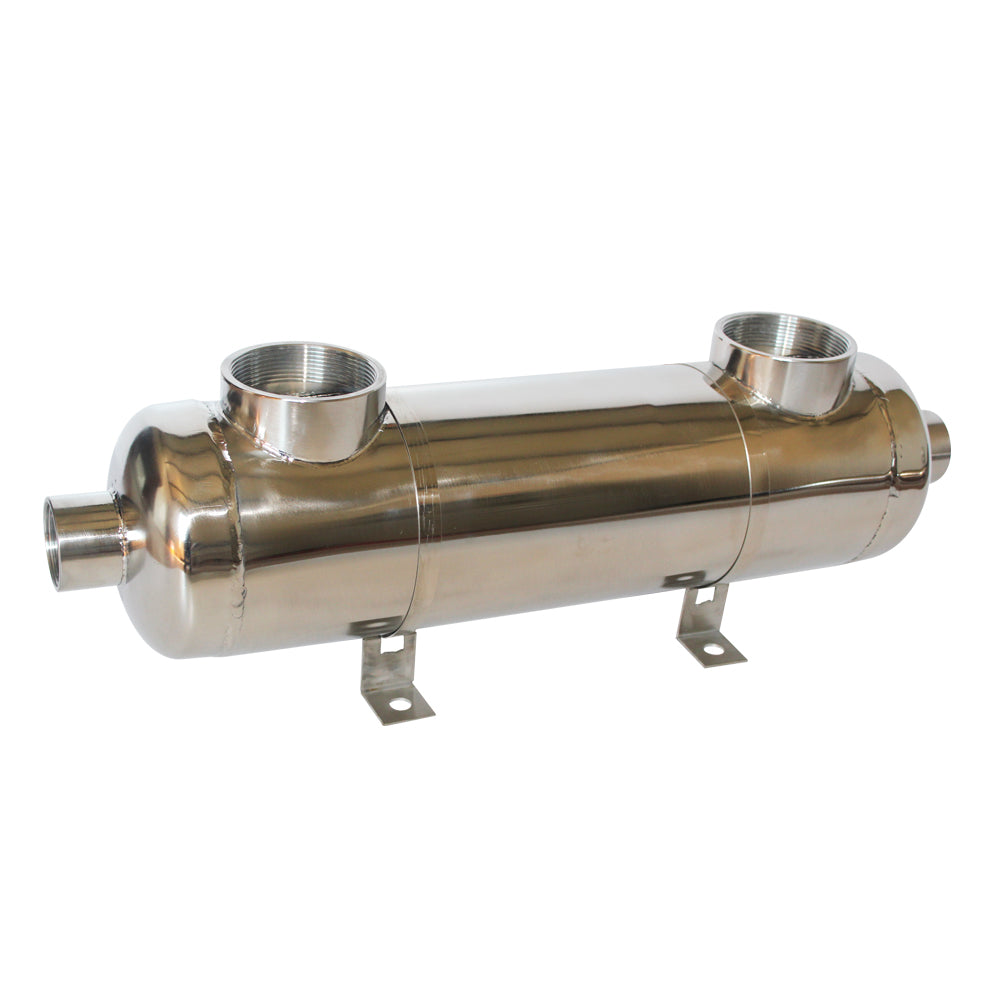
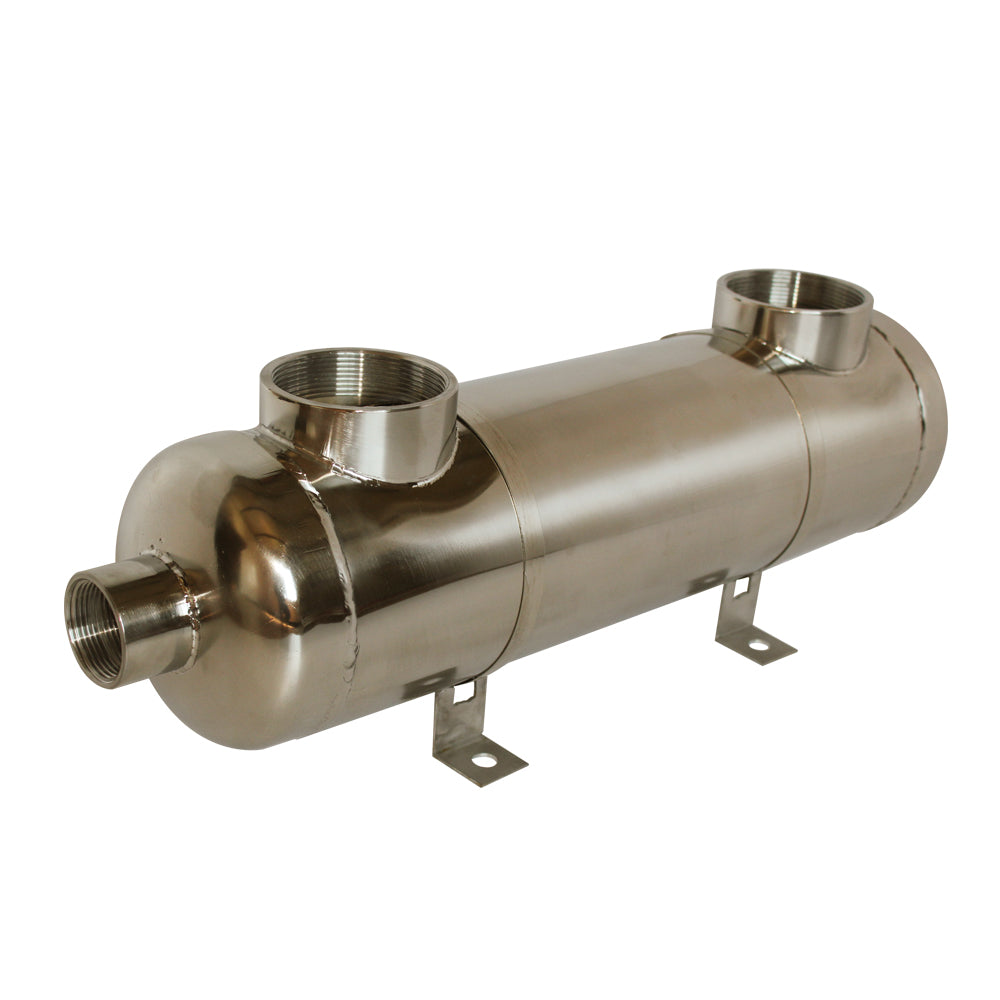
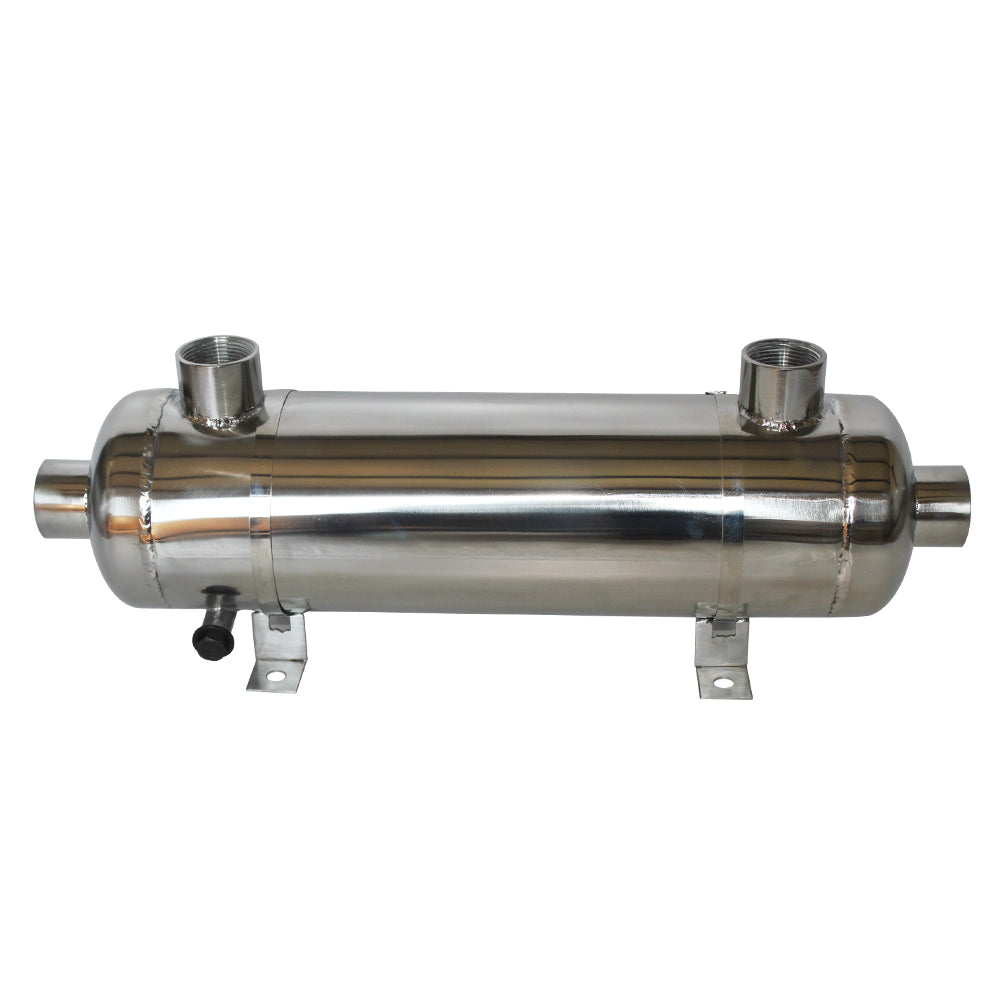
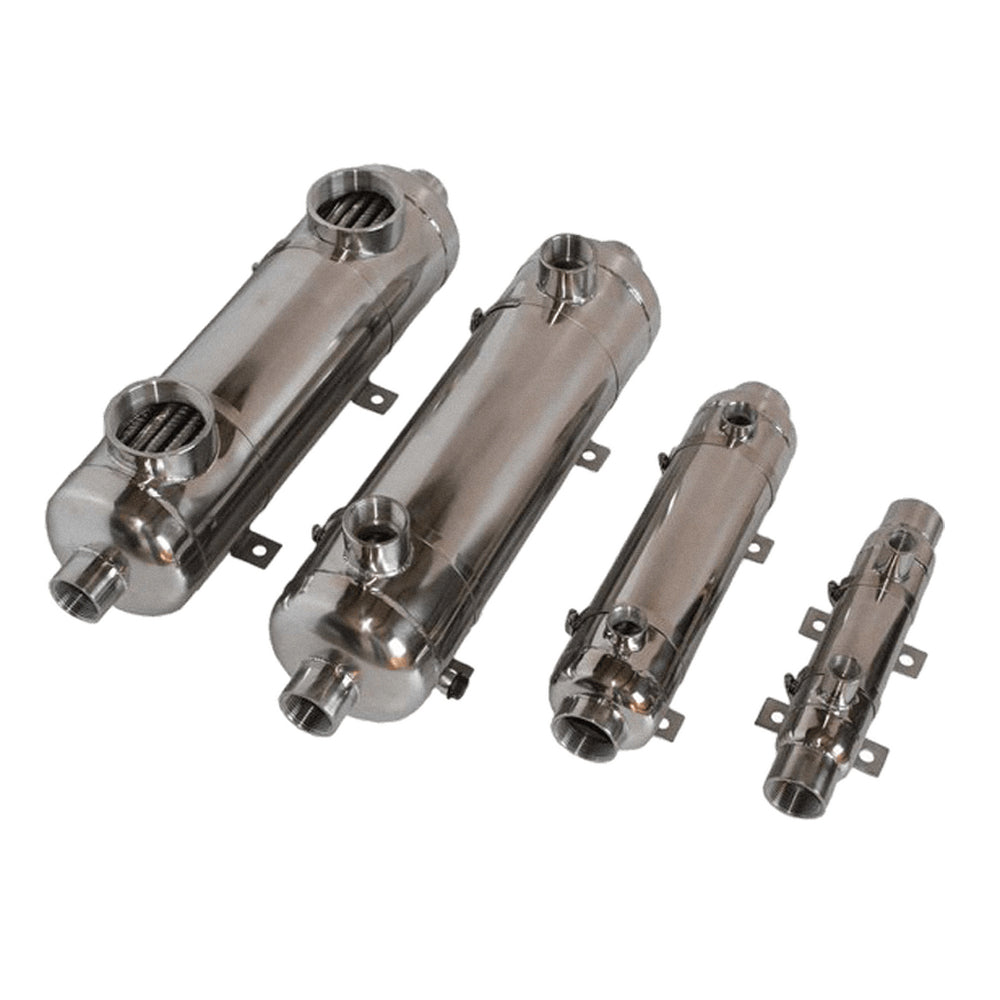
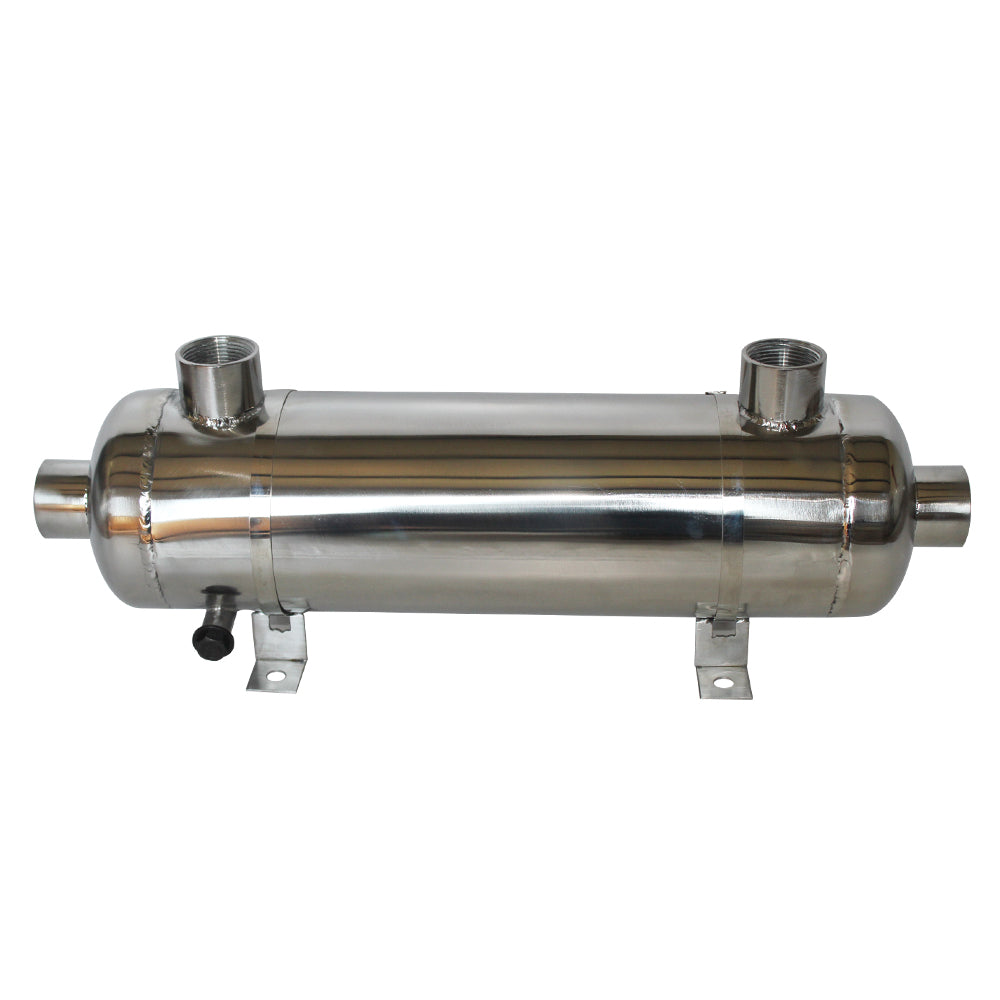
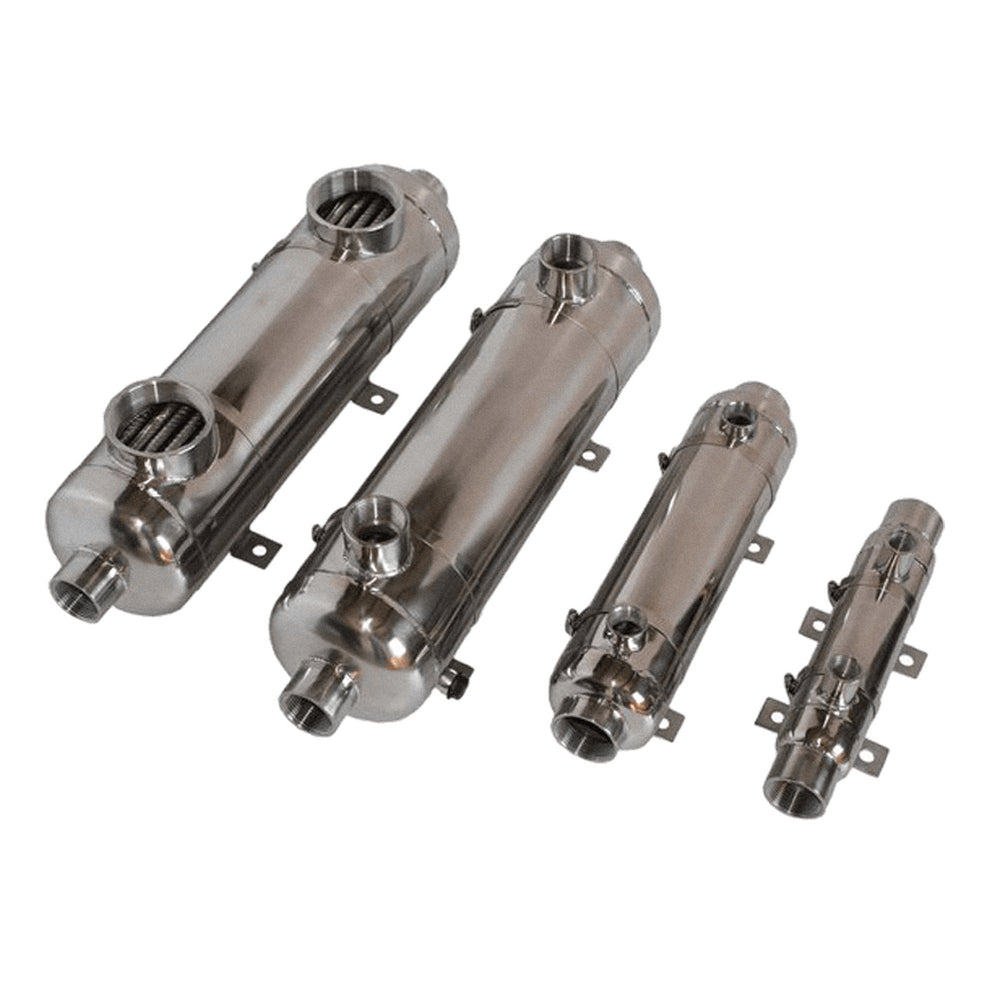
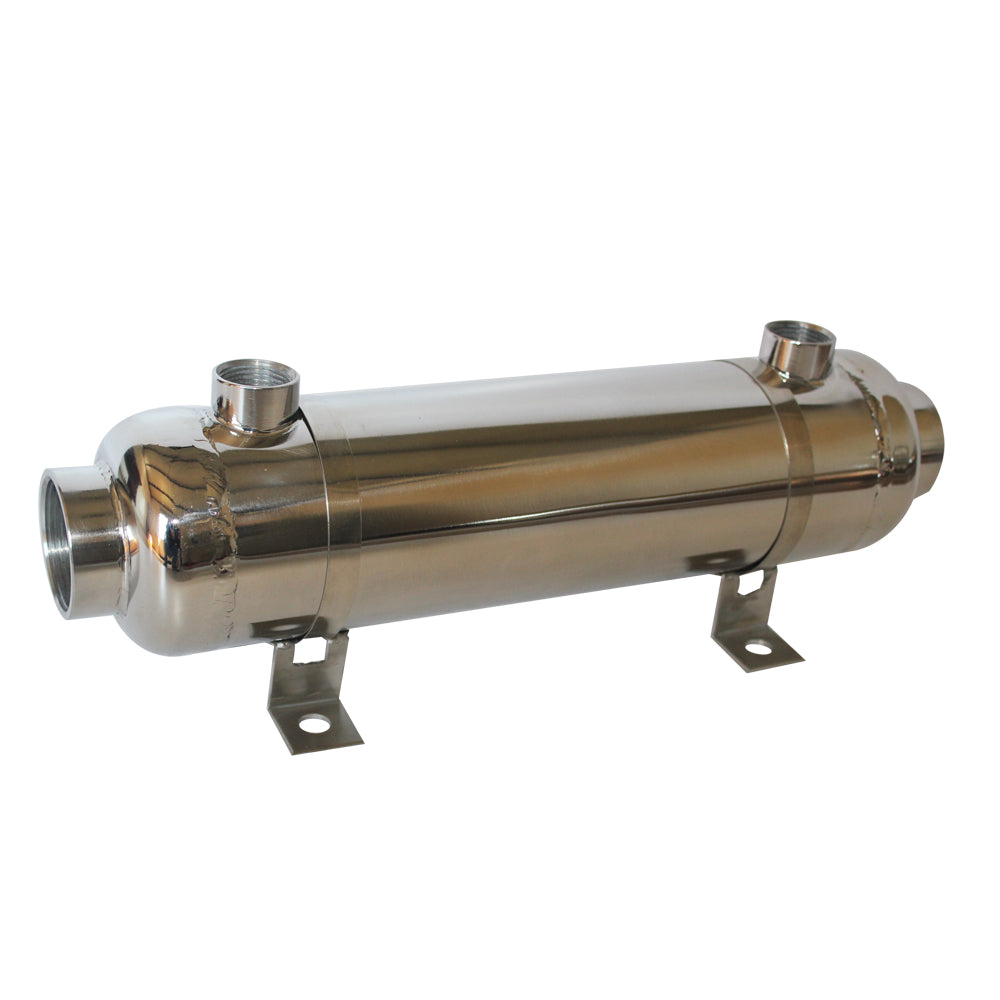
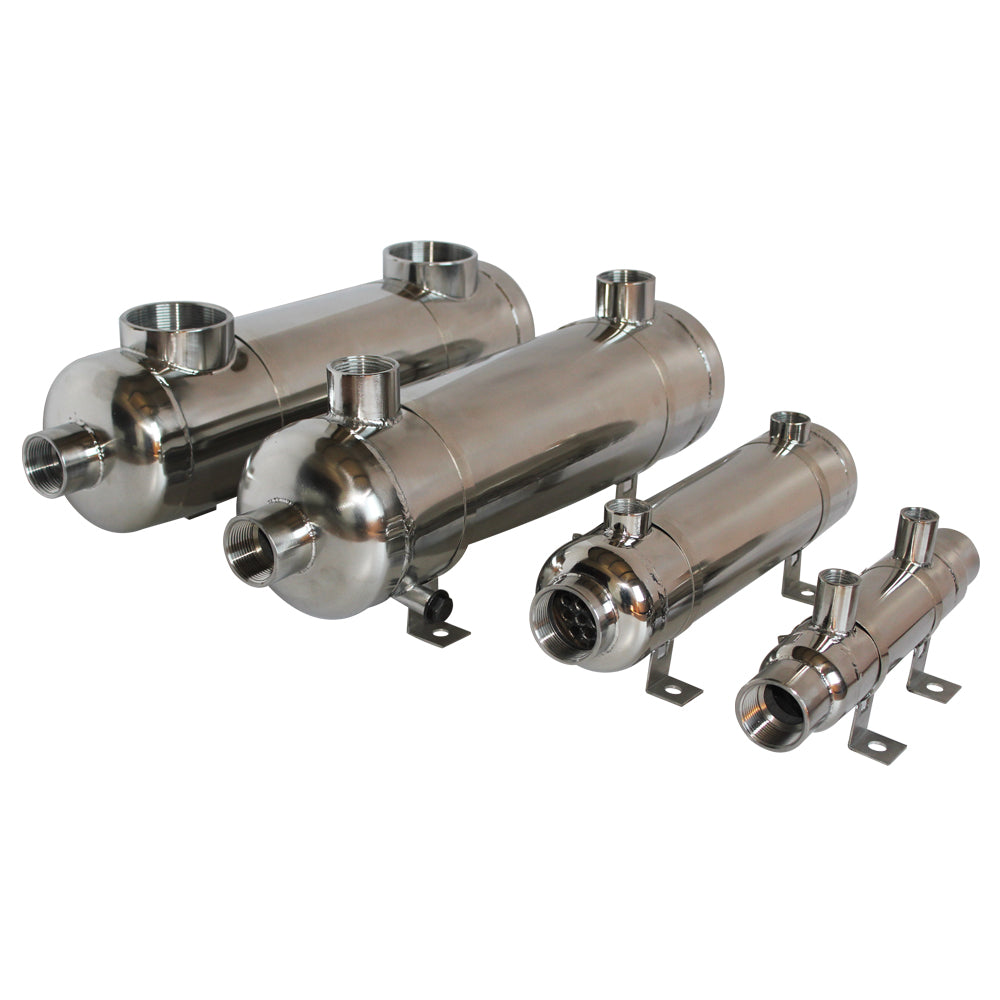
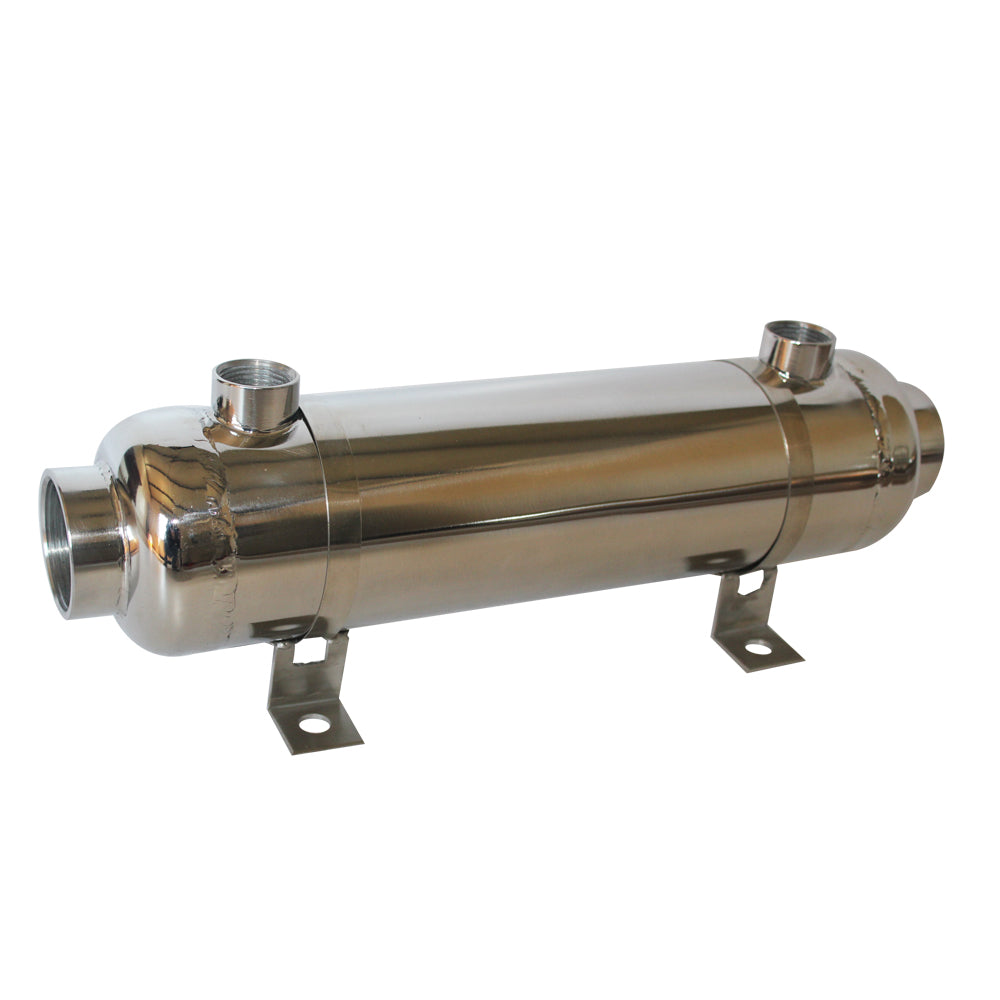
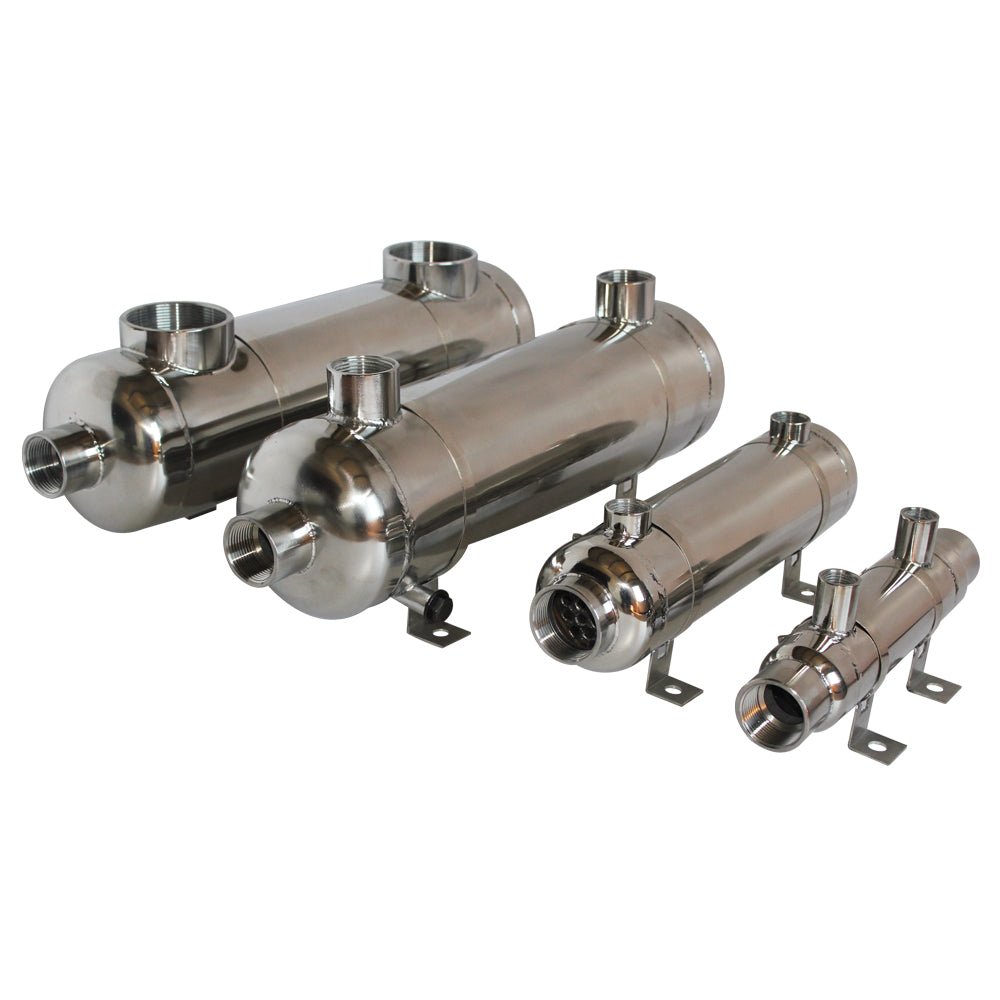
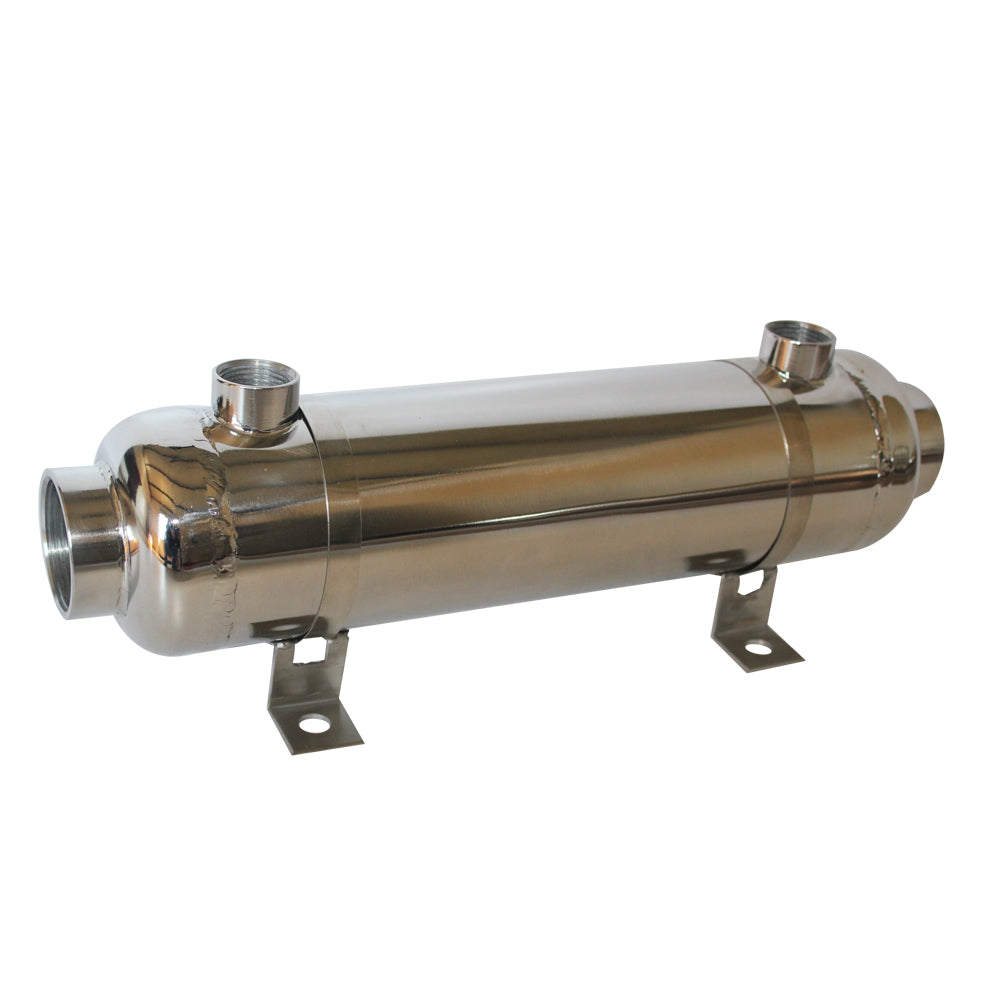
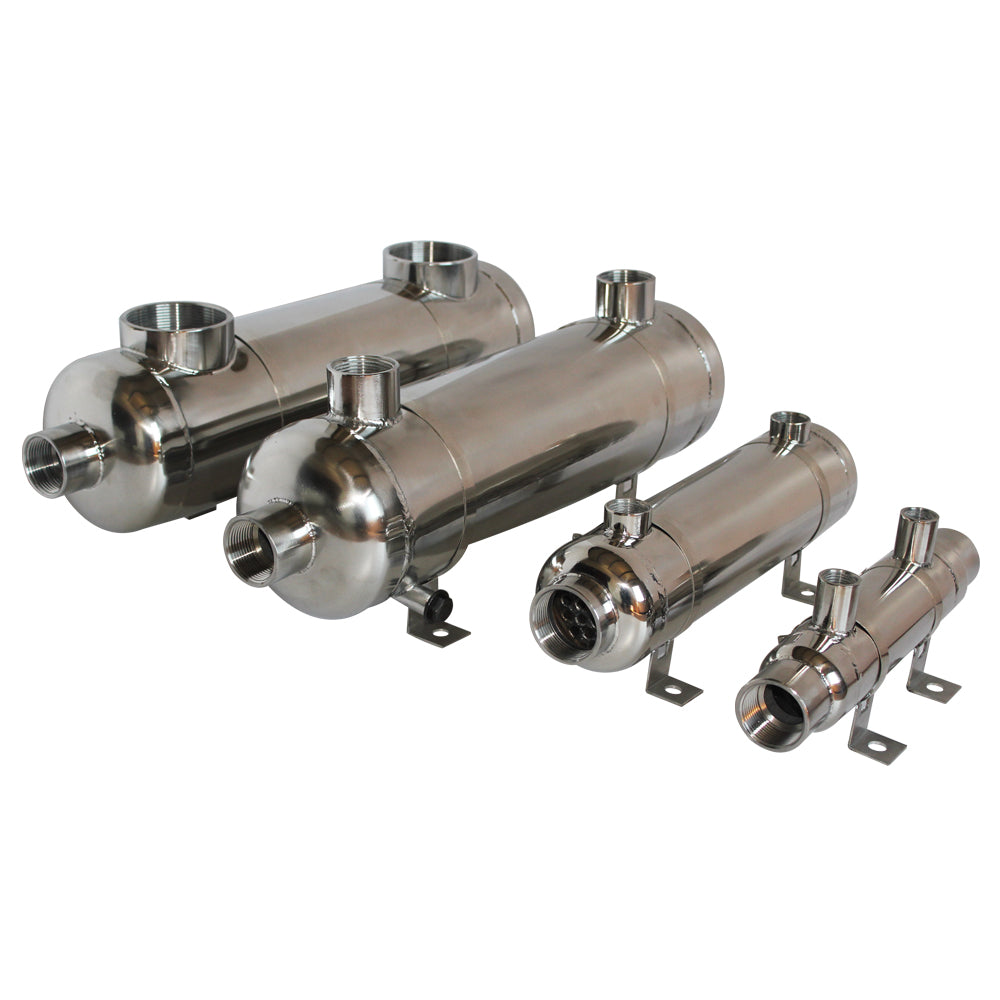
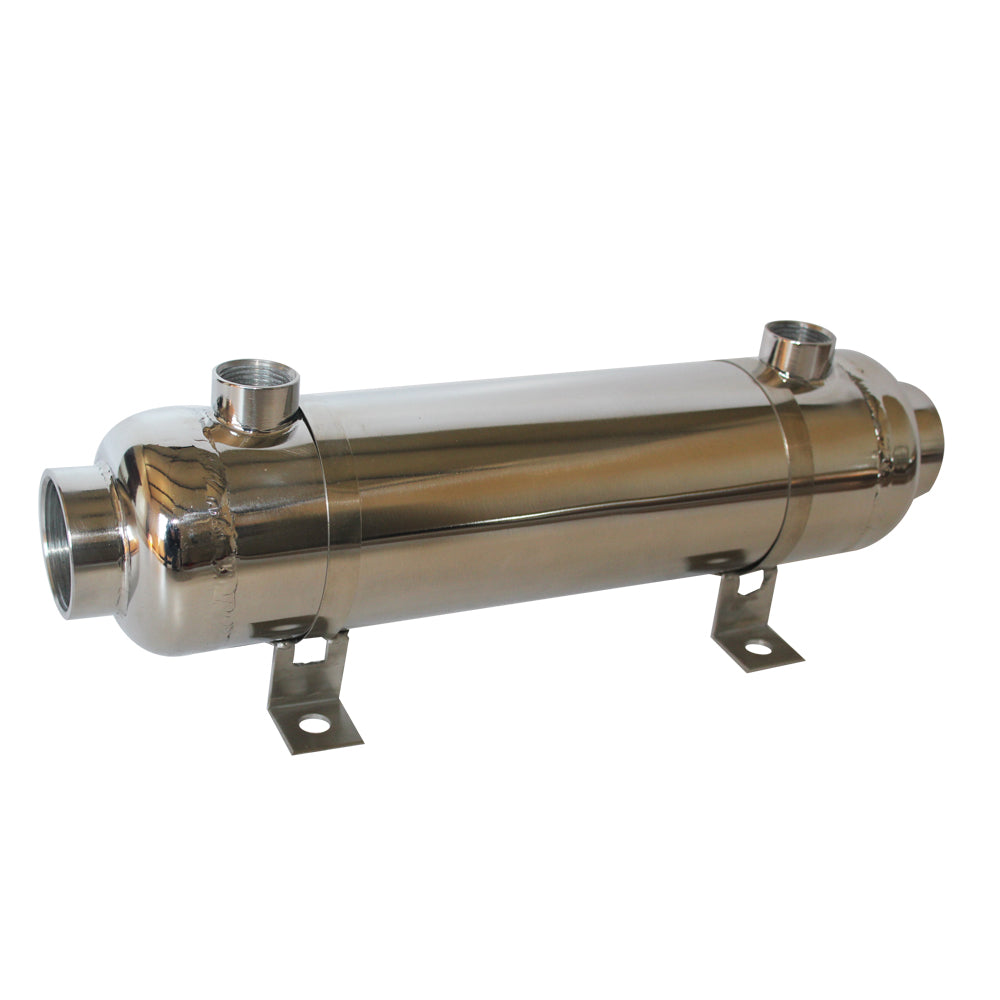
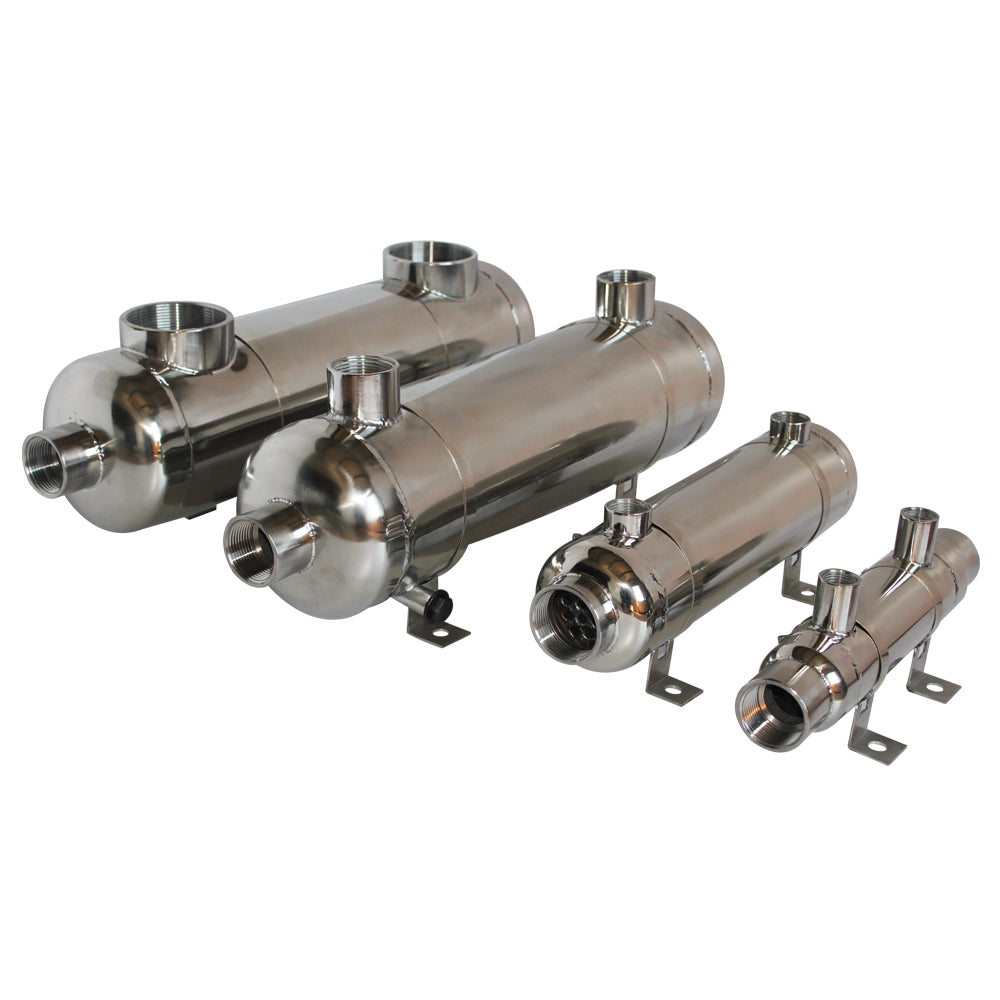
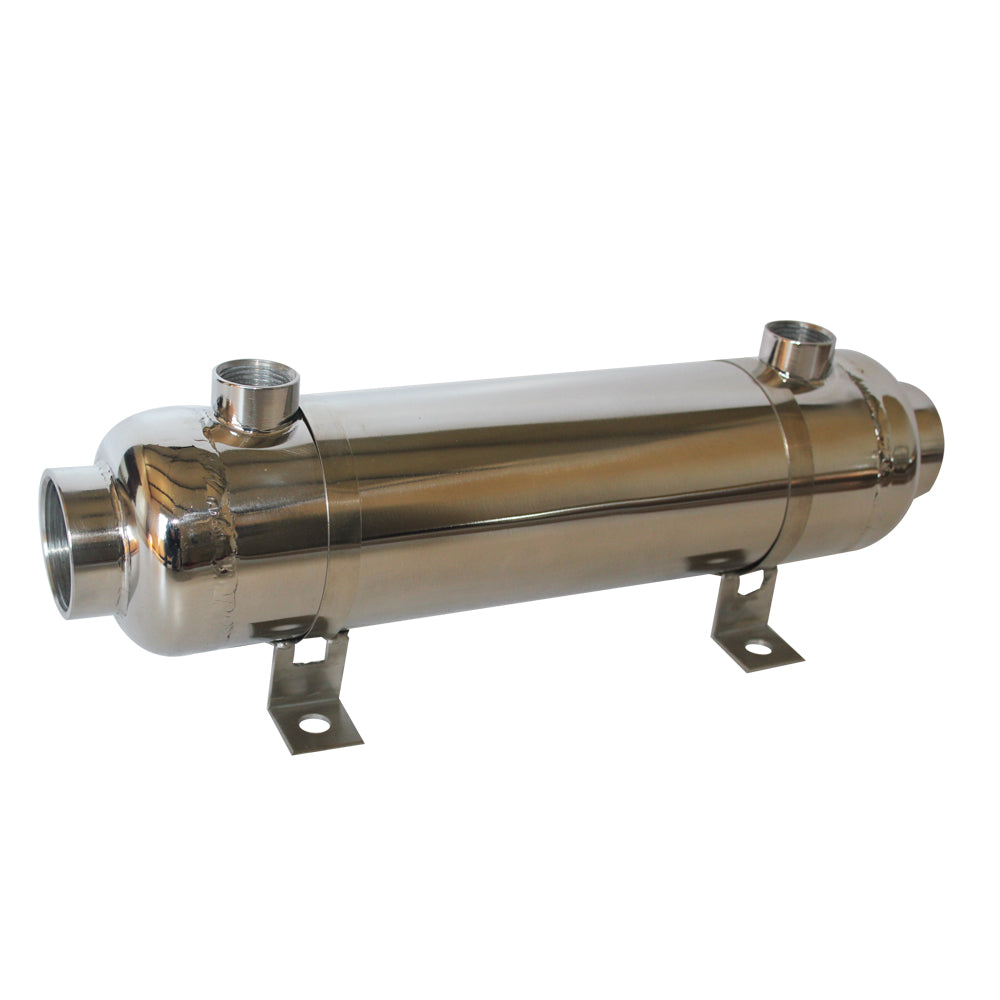
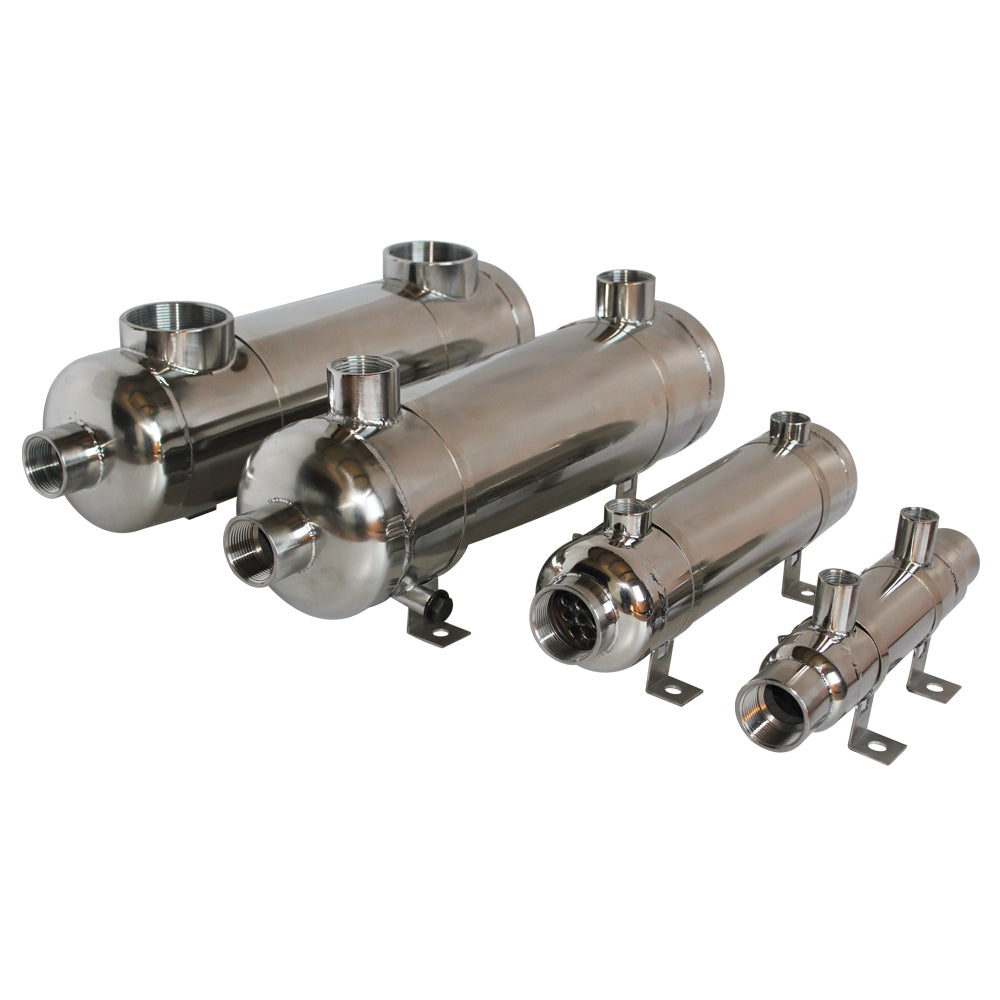
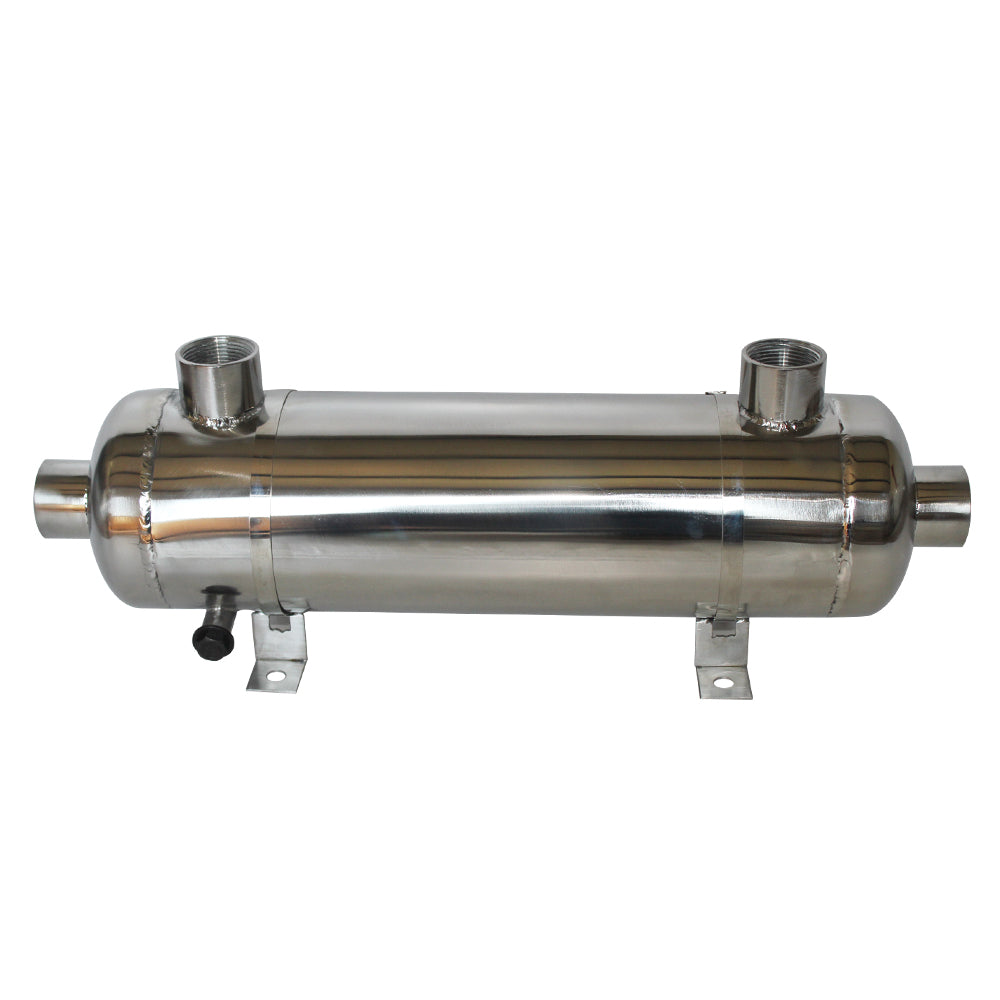
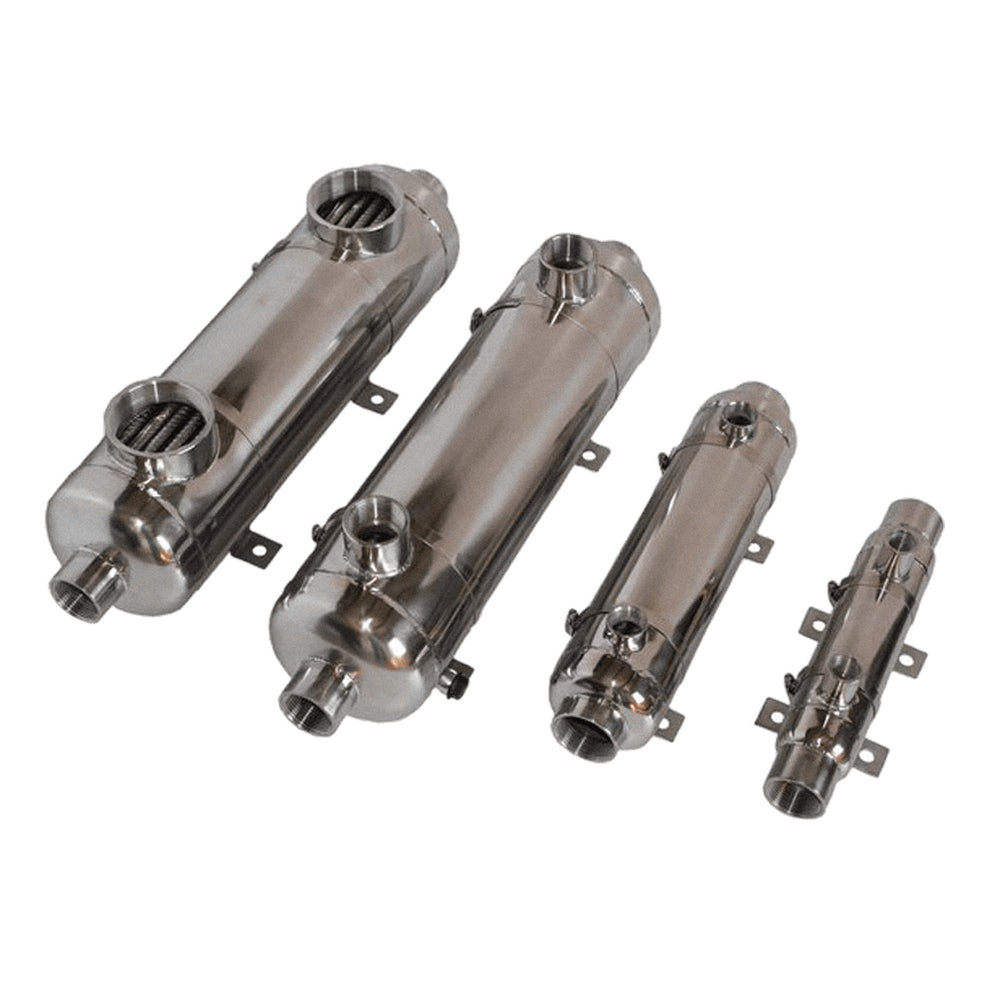
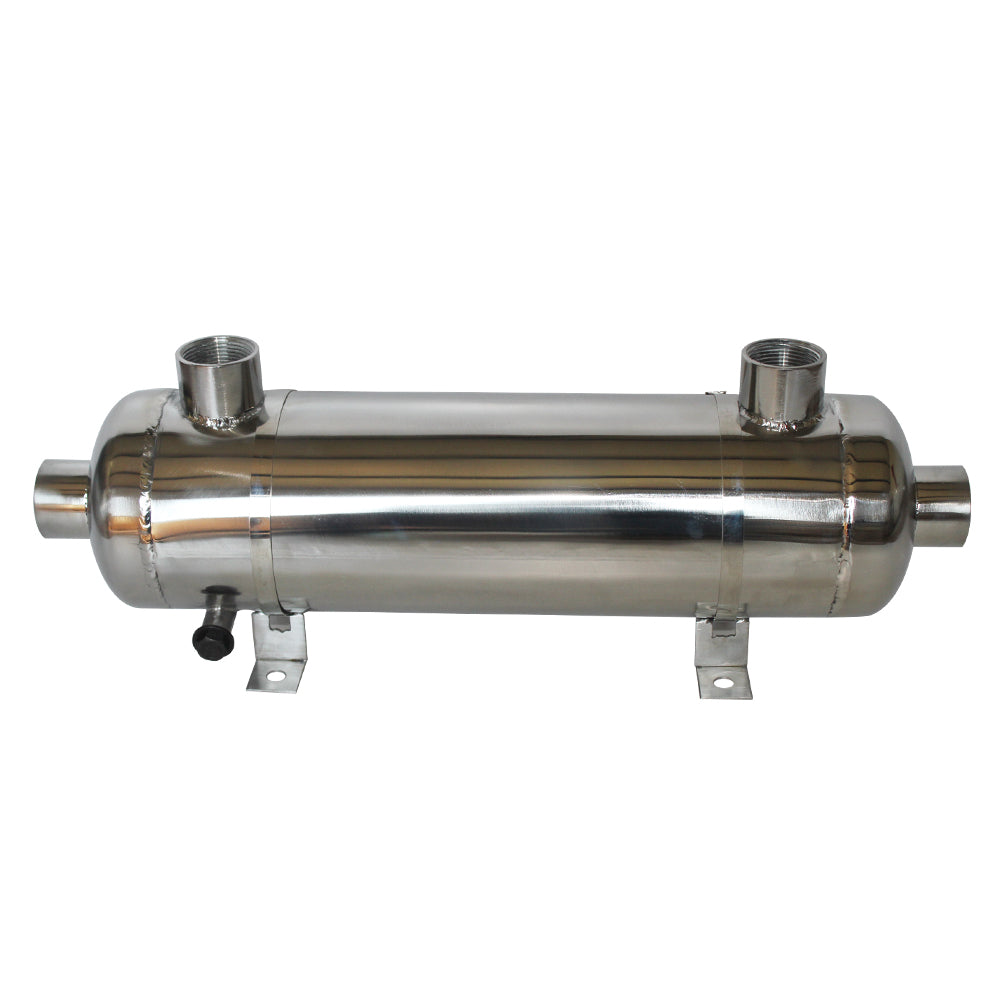
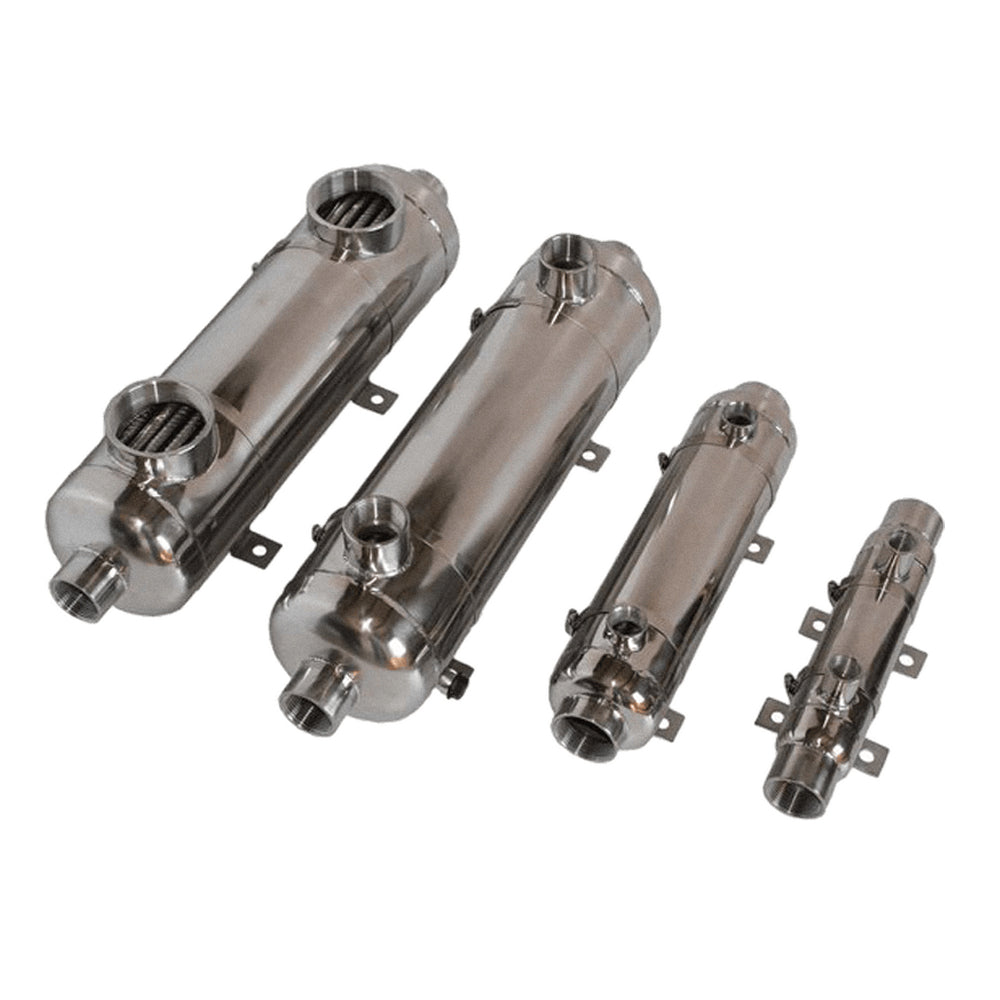
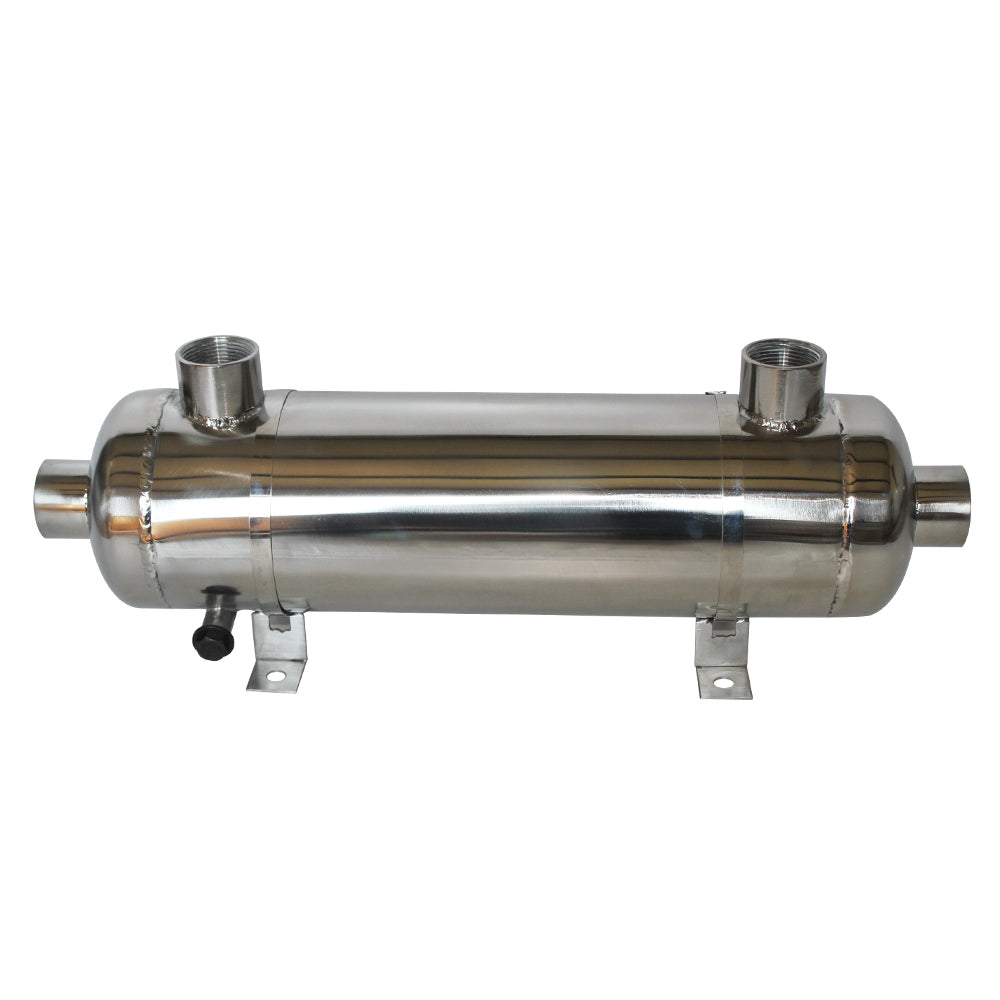
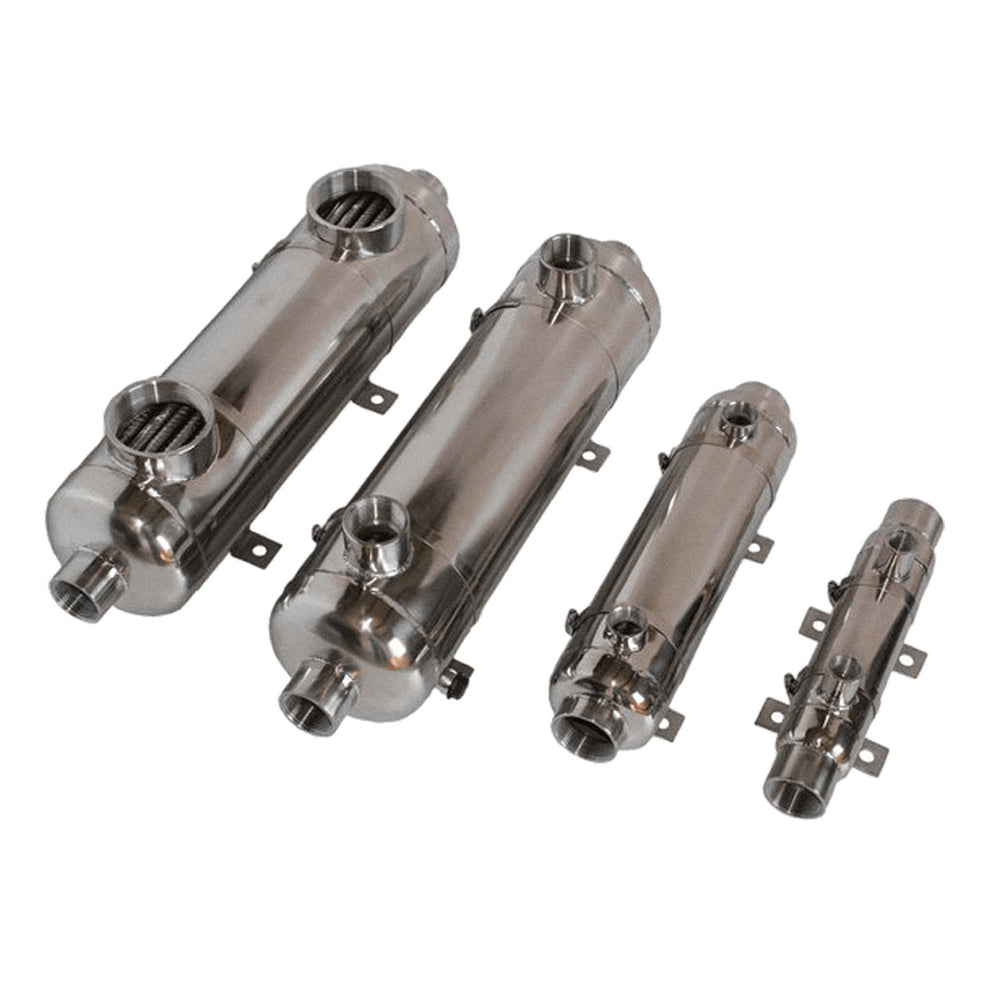
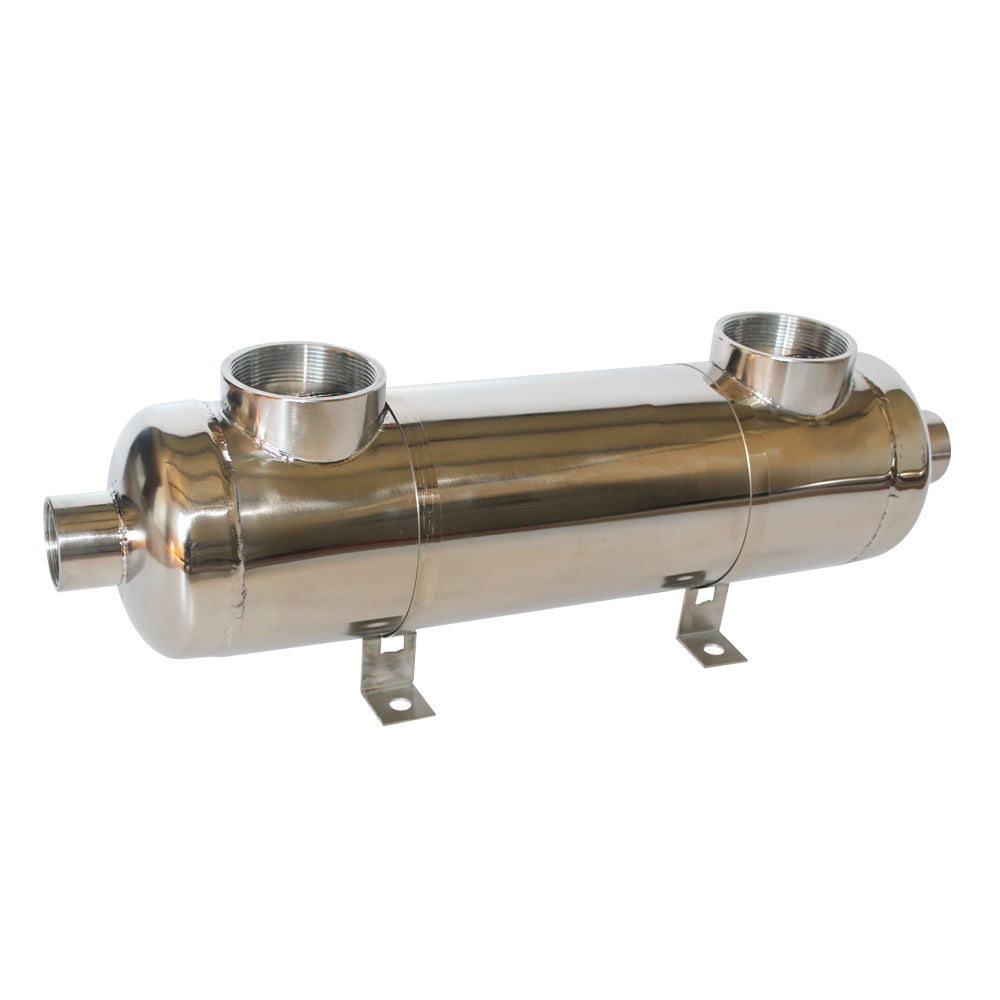
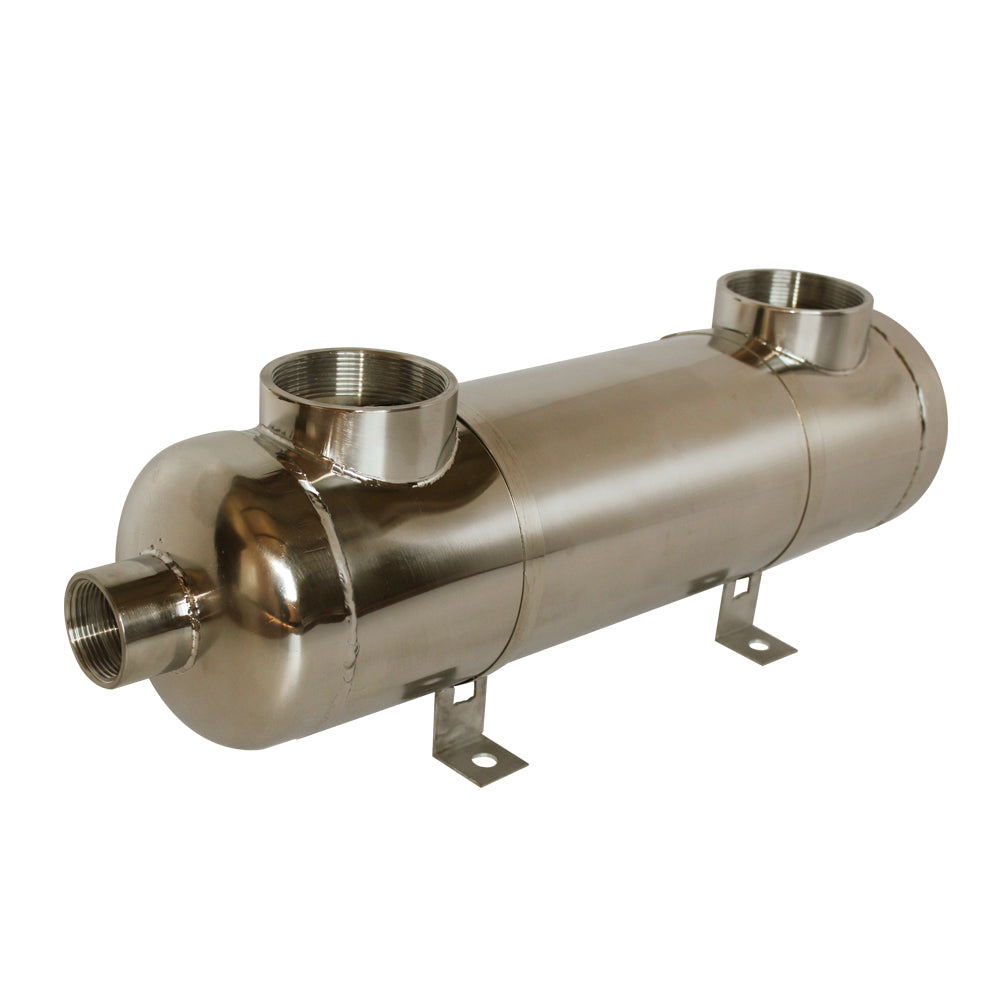
An oil cooler heat exchanger is a thermal device used to transfer heat from circulating oil to a secondary cooling medium. It plays a central role in industrial oil cooling by regulating fluid temperature within acceptable operating limits. Oil coolers are commonly installed in lubrication systems, hydraulic circuits, transmission systems, and process equipment where thermal control is required for stable operation.
Heat transfer occurs as hot oil flows through internal tubes or plates while air or water passes across the heat transfer surface. The temperature difference between the fluids drives heat dissipation without mixing the two media. Properly sized oil cooler heat exchangers help maintain oil viscosity, prevent overheating, and support continuous operation under varying load conditions.
Common configurations used in industrial oil cooling systems include:
- Air-cooled oil coolers — utilize ambient airflow to remove heat from the oil
- Water-cooled oil coolers — use a secondary water circuit for higher heat removal capacity
- Shell and tube heat exchangers — suitable for high-pressure or large-flow applications
- Plate heat exchangers — compact designs with efficient heat transfer performance
Selection of an appropriate oil cooler heat exchanger depends on heat load, flow rate, operating temperature range, and installation environment.
Industrial Oil Cooler Applications
Industrial oil cooling equipment is used in a wide range of mechanical and process systems where continuous operation generates significant thermal loads. Effective temperature control helps maintain lubrication quality, protect internal components, and support long-term equipment reliability.


How to Select the Right Oil Cooler
Proper selection of an oil cooling system requires evaluation of operating conditions, thermal load, and system configuration to ensure reliable temperature control and stable equipment performance.
Key engineering factors typically considered during system selection include:
Heat Load-The total heat generated by the system determines the required cooling capacity of the oil cooler heat exchanger.
Oil Flow Rate-Flow rate affects heat transfer efficiency and pressure drop within the oil cooling system.
Operating Temperature Range-Both normal operating temperature and maximum allowable temperature must be defined to support safe system operation.
Cooling Medium-Selection between air-cooled and water-cooled designs depends on available utilities and required heat dissipation capacity.
Installation Environment-Available space, ventilation conditions, and maintenance access influence equipment configuration and mounting location.
Duty Cycle-Continuous-duty systems typically require higher cooling capacity and more robust heat exchanger construction than intermittent operation.
Intercoolers for Engine and Compressor Systems
Intercoolers are heat exchangers designed to reduce compressed-air temperature in turbocharged engines, compressors, and other air systems. Common configurations include:
- Air-to-Air Intercoolers — transfer heat from compressed air to ambient air.
- Air-to-Water Intercoolers — transfer heat from compressed air to circulating water or coolant.
While oil coolers control the temperature of engine oil, hydraulic oil, and other fluids, intercoolers are designed primarily for compressed-air cooling.
FAQ
An oil cooler works by transferring heat from hot circulating oil to a cooler medium such as air or water. As equipment operates, mechanical friction and system load generate heat that is absorbed by the oil. The heated oil flows through an oil cooler heat exchanger, where heat is dissipated across metal surfaces separating the oil from the cooling medium.
In an air-cooled system, ambient air passes over cooling fins to remove heat from the oil. In a water-cooled system, a secondary water circuit absorbs heat and carries it away from the system. The cooled oil is then returned to the equipment to continue lubricating and protecting internal components.
This continuous circulation process helps maintain stable oil temperature, supports proper lubrication performance, and prevents overheating in hydraulic systems, compressors, engines, and other industrial machinery.
The purpose of an oil heat exchanger is to control oil temperature by transferring excess heat from the circulating oil to a cooling medium such as air or water. During operation, mechanical friction and system loading generate heat that is absorbed by the oil. If this heat is not removed, elevated temperatures can reduce lubrication performance and affect system reliability.
By dissipating thermal energy through a controlled heat exchange process, an oil heat exchanger helps maintain stable operating temperature, protect internal components, and support consistent performance in hydraulic systems, compressors, engines, and industrial machinery.
A heat exchanger cooler works by transferring heat from a hot fluid to a cooler medium without allowing the two fluids to mix. In industrial systems, the hot fluid—such as oil, water, or process liquid—flows through internal channels, tubes, or plates within the heat exchanger. At the same time, a cooling medium such as air or water passes across the heat transfer surface.
The temperature difference between the two fluids drives heat transfer through the metal walls of the heat exchanger. As heat is removed, the process fluid returns to the system at a controlled temperature, helping maintain stable operating conditions and protect equipment from overheating.
Heat exchanger coolers are commonly used in industrial oil cooling systems, hydraulic equipment, compressors, engines, and manufacturing machinery where continuous temperature control is required.
Recently viewed
News
View all
Boiler Radiator Heating System: How Hot Water Radiators Work
Can a Brazed Plate Heat Exchanger Be Used Between Two Water Circuits?
