
Overview of Expansion Tanks in Water and Heating Systems
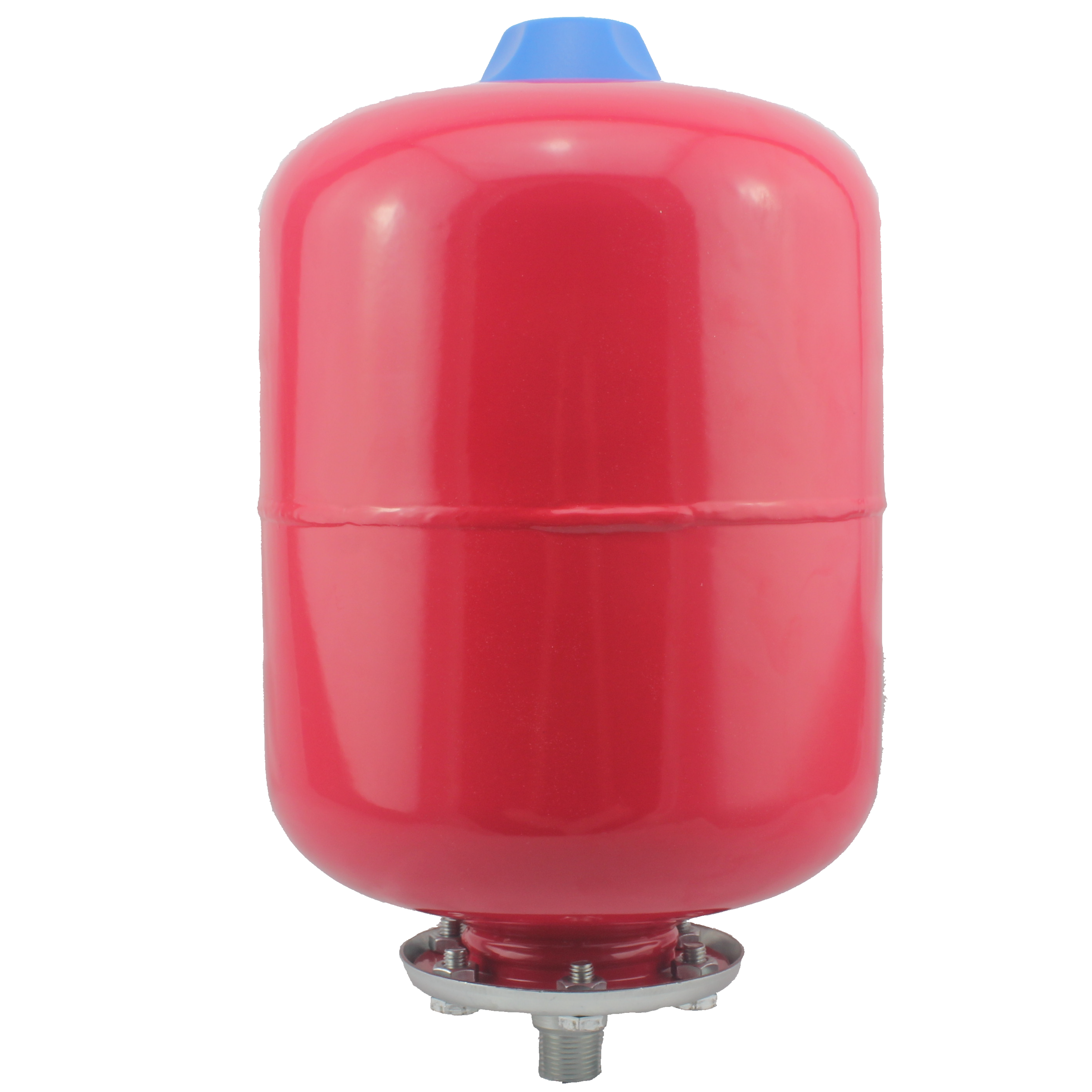
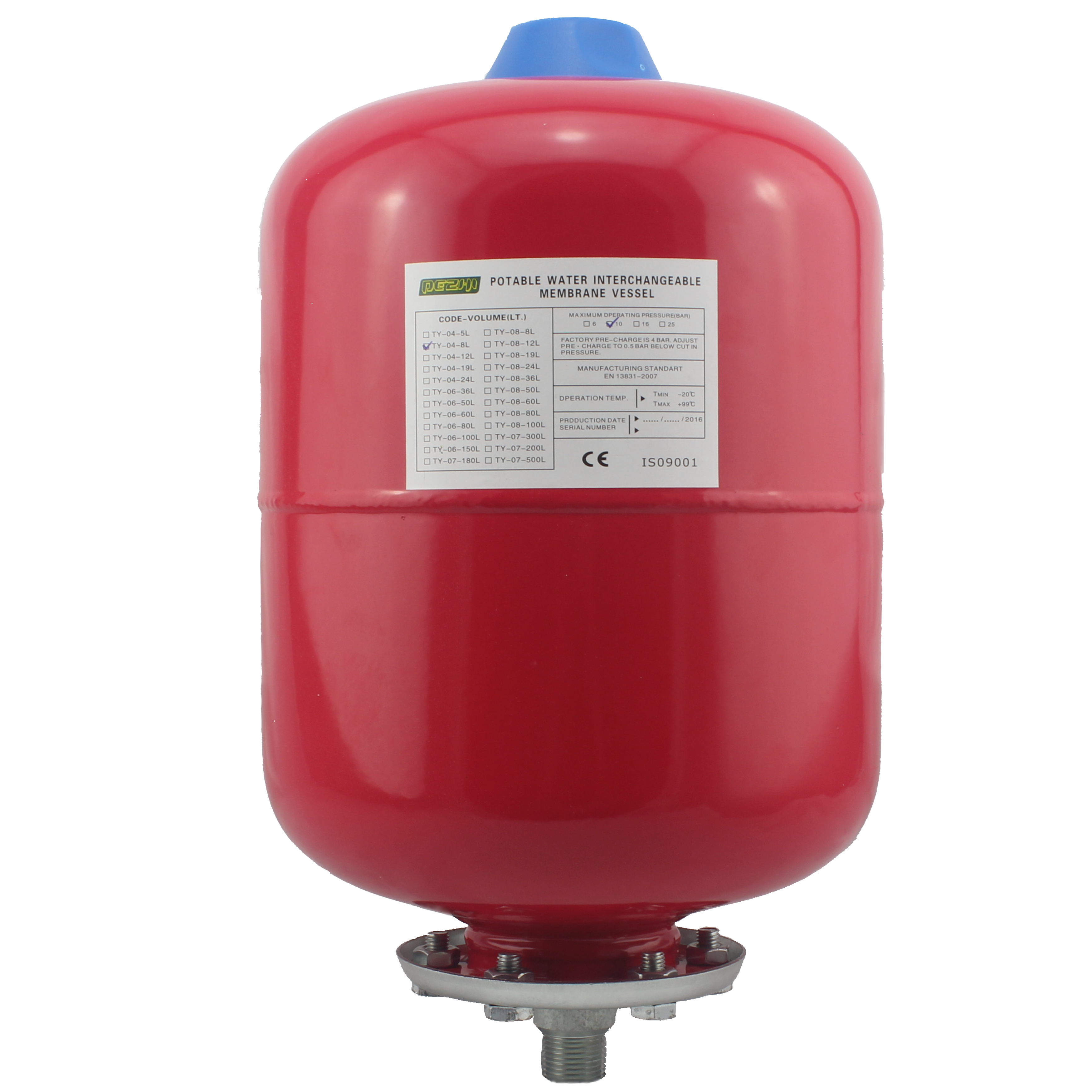
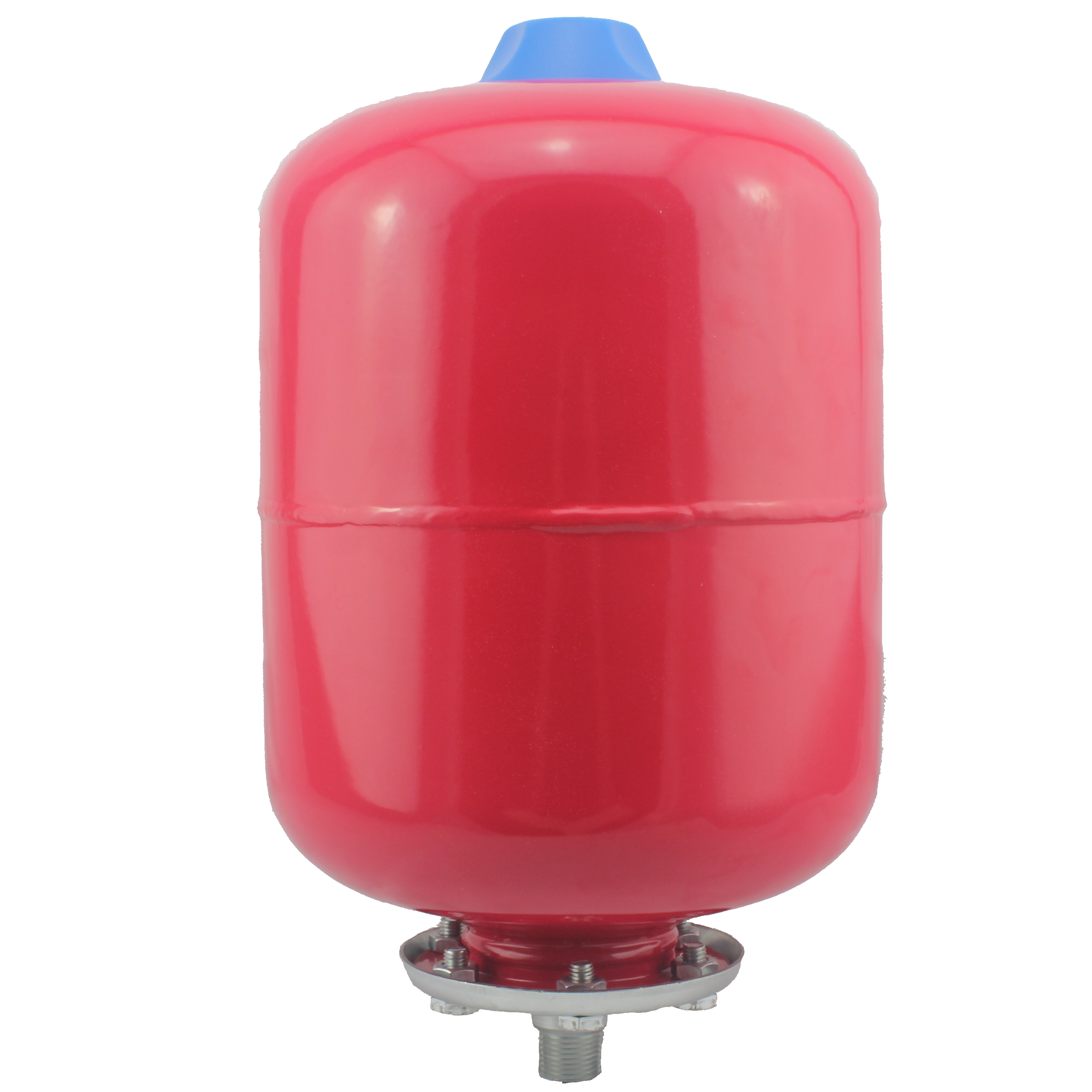
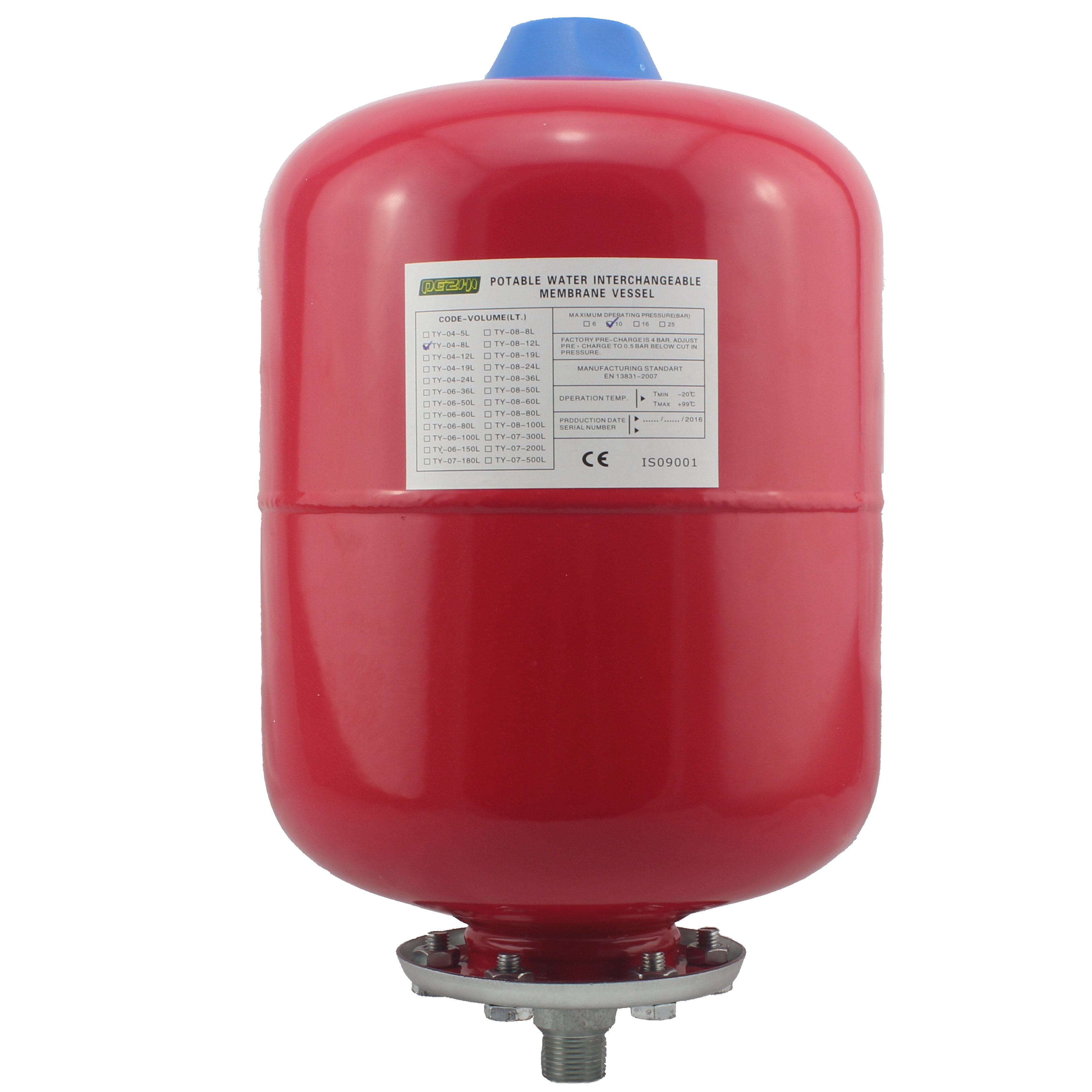
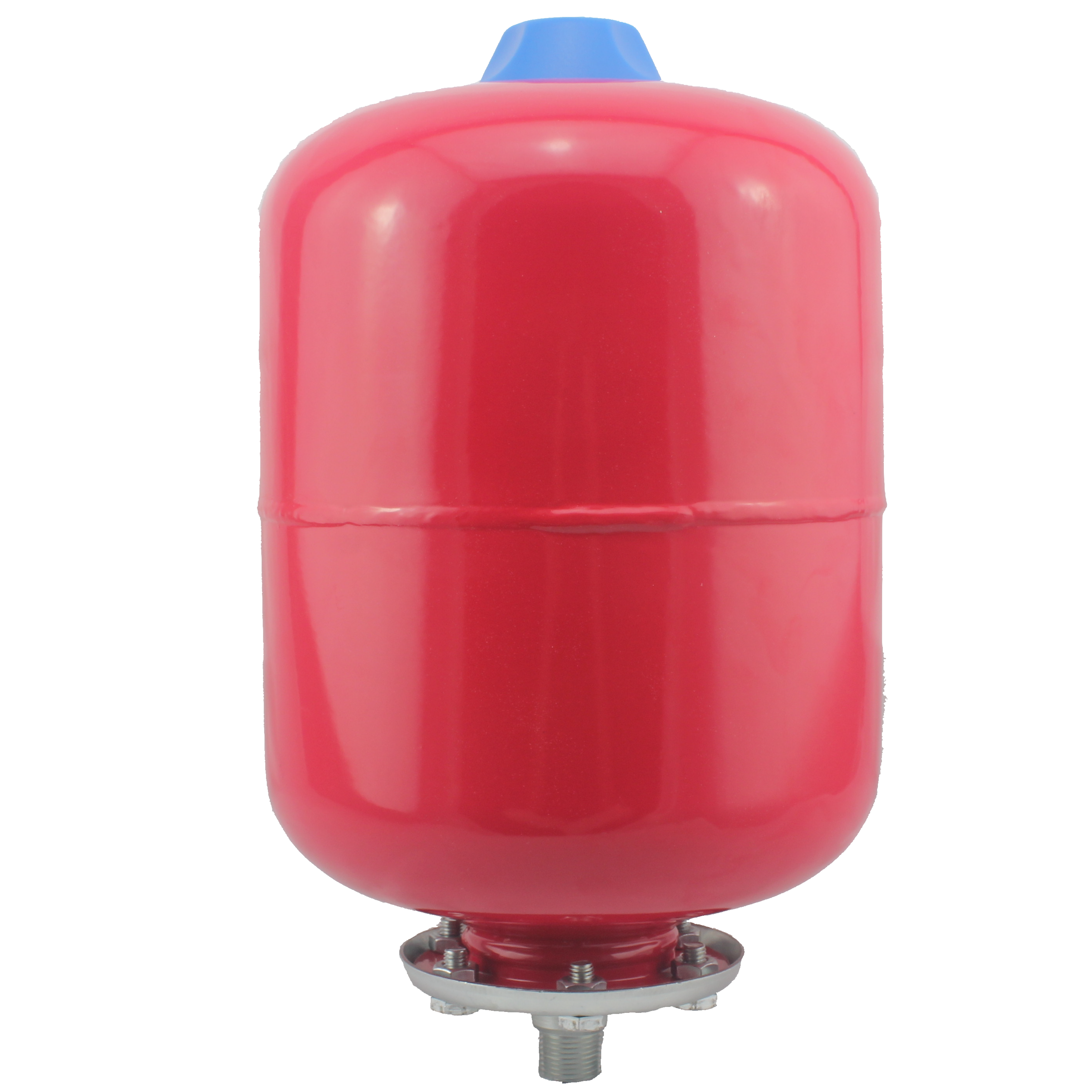
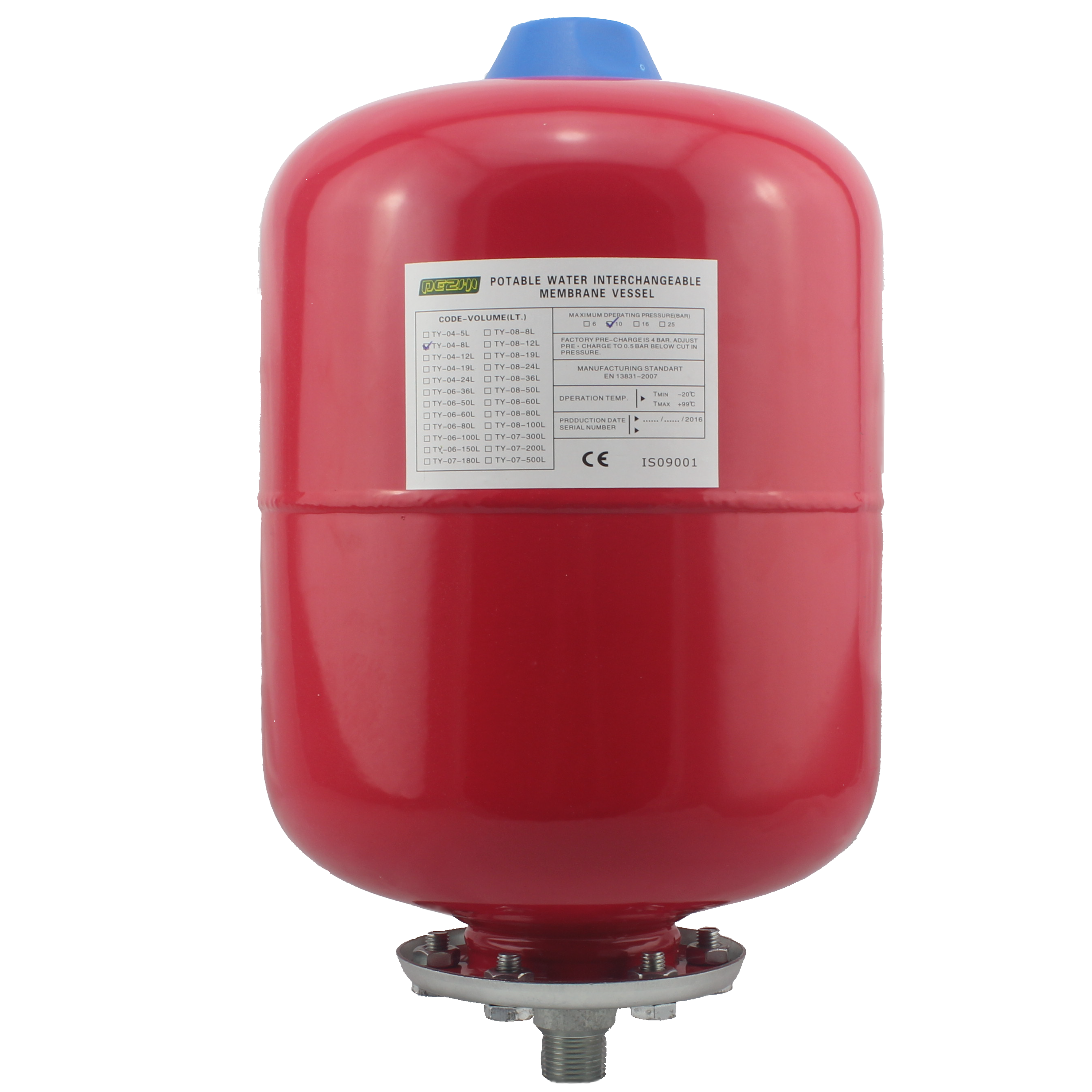
Expansion tanks are pressure control devices used in closed water and heating systems to manage changes in fluid volume caused by temperature variation. When water is heated, it expands. In a sealed system, this increase in volume leads to a rise in system pressure, which must be controlled to maintain safe and stable operation. Alfa Heating Supply provides expansion tank solutions designed to support pressure stability, protect system components, and improve operational reliability across residential, commercial, and hydronic heating applications.
An expansion tank provides a compressible air chamber separated from the system water by a diaphragm or bladder. As water expands, the additional volume enters the tank, compressing the air cushion and preventing excessive pressure buildup. When the system cools, the stored water returns to the piping network, maintaining pressure balance.
Expansion tanks are commonly installed in hydronic heating systems, domestic hot water systems, and chilled water circuits. They are considered essential components in any closed-loop system where temperature fluctuations occur and pressure stability is required.
Typical system functions supported by expansion tanks include:
- Maintaining stable operating pressure
- Absorbing thermal expansion of water
- Reducing stress on pipes, valves, and heat exchangers
- Supporting reliable thermal expansion control
- Protecting system components from pressure-related damage
Typical Applications of Expansion Tanks in Closed Systems
Expansion tanks are used in a wide range of closed water systems where temperature changes cause fluid expansion and pressure variation. Their primary function in these applications is to maintain pressure stability and support reliable thermal expansion control.


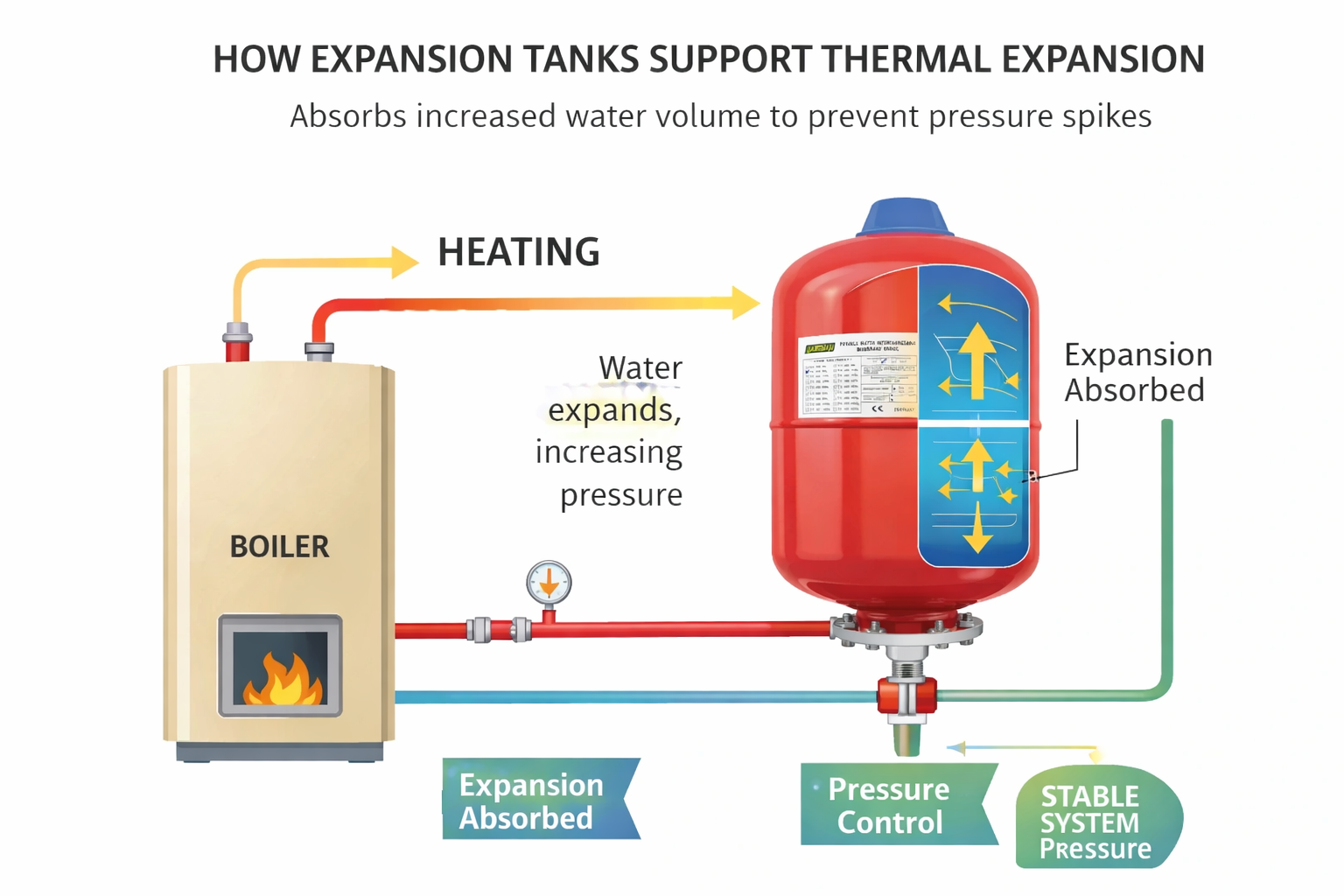
How Expansion Tanks Support Thermal Expansion Control
Thermal expansion control is a fundamental requirement in closed water systems. As water temperature increases, its volume expands. Because water is nearly incompressible, even small temperature changes can result in significant increases in system pressure if the expanded volume is not properly managed.
An expansion tank supports thermal expansion control by providing a dedicated space to absorb the increased water volume. The internal air charge acts as a cushion that compresses under pressure, allowing the system to accommodate expansion without exceeding design limits.
In a properly designed system, the expansion tank performs several pressure management functions:
- Absorbs increased water volume during heating cycles
- Maintains stable pressure during temperature changes
- Prevents frequent operation of relief valves
- Reduces pressure fluctuations in pumps and heat exchangers
- Supports consistent system performance
Without adequate expansion tank capacity, the system may experience rapid pressure increases, which can lead to safety valve discharge, equipment wear, or reduced operational stability. For this reason, expansion tanks are considered a primary device for maintaining thermal expansion control in modern hydronic and plumbing systems.
Expansion Tank Sizing and System Design Considerations
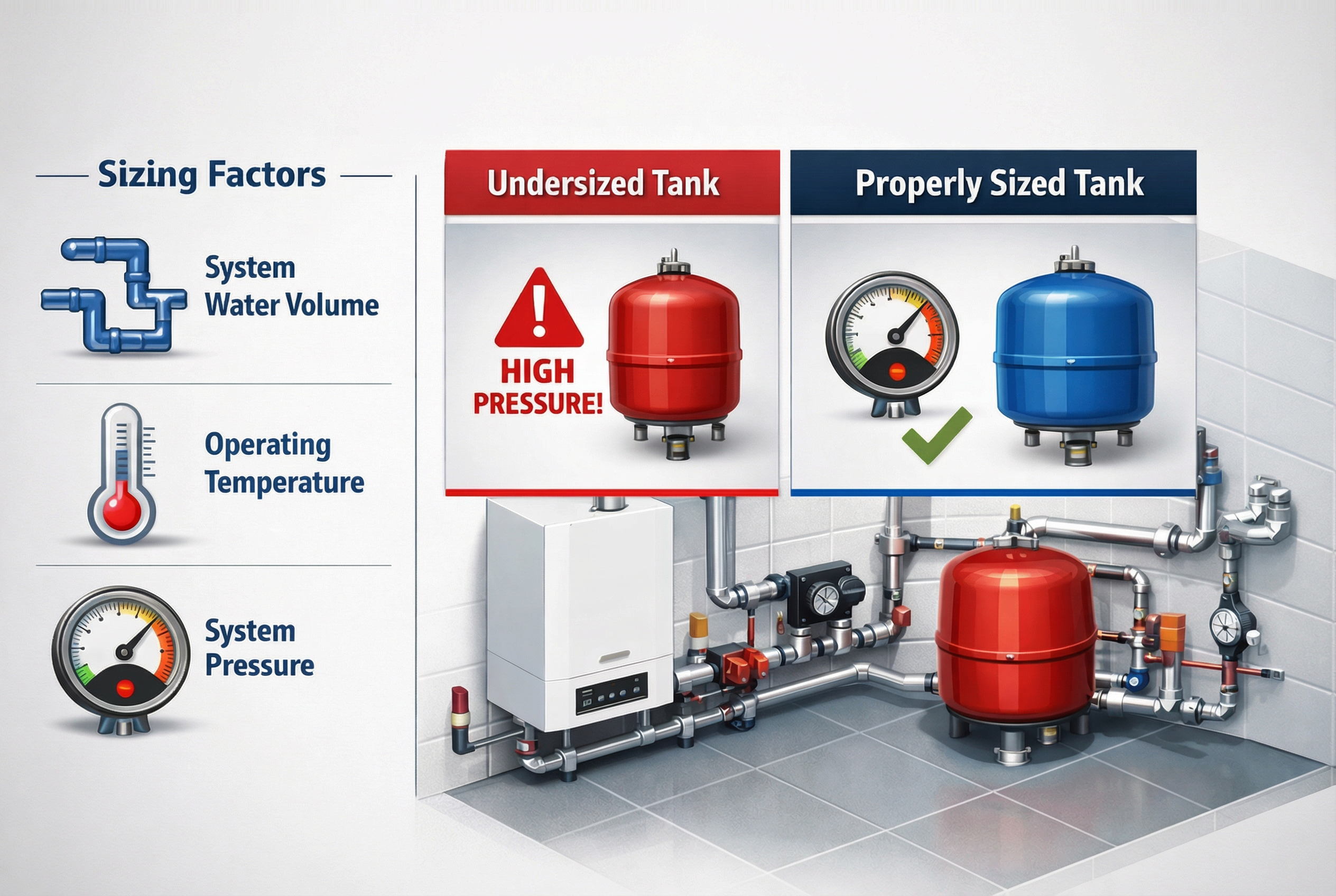
Proper expansion tank sizing is critical to ensuring reliable pressure control and long-term system stability in closed water systems. An undersized tank may not provide sufficient acceptance volume, while an oversized tank may affect system response and installation efficiency. Accurate sizing requires evaluation of system operating conditions and hydraulic characteristics.
Key factors typically considered during expansion tank selection include:
- System Water Volume
- Operating Temperature Range
- System Pressure Conditions
- Required Acceptance Volume
- Installation Location and System Connection
FAQ
An expansion tank controls pressure changes in closed water systems by absorbing the increased volume of water caused by temperature fluctuations. When water is heated, it expands. In a sealed piping network, this expansion can raise system pressure quickly. The expansion tank provides a space where the additional water volume can enter, allowing the system to maintain stable pressure and operate safely.
Inside the tank, a sealed air chamber separated by a diaphragm or bladder compresses as water enters. This compression helps regulate pressure during heating cycles and releases the stored water back into the system as temperatures decrease. By continuously balancing pressure changes, expansion tanks support reliable thermal expansion control and protect system components from excessive mechanical stress.
In most hydronic heating systems, domestic hot water systems, and other closed-loop applications, an appropriately sized expansion tank performs several essential functions:
- Absorbs thermal expansion of water during heating
- Maintains stable system pressure during operation
- Reduces the risk of safety relief valve discharge
- Protects pipes, pumps, and heat exchangers from pressure-related damage
- Supports long-term stability of closed water systems
Without a properly functioning expansion tank, pressure fluctuations may occur more frequently, increasing wear on system components and affecting overall system reliability.
An expansion tank is required on a water heater when the plumbing system operates as a closed system. This condition typically occurs when a backflow preventer, check valve, or pressure-reducing valve prevents expanded water from flowing back into the municipal supply line.
In a closed system, heated water expands but cannot move backward into the supply piping. As a result, system pressure can increase rapidly during heating cycles. A properly sized water heater expansion tank provides space to absorb the expanded water volume and maintain stable pressure within the system.
Without adequate thermal expansion control, the system may experience:
- Frequent pressure fluctuations
- Discharge from the temperature and pressure relief valve
- Increased mechanical stress on valves and piping
- Reduced service life of water heater components
For this reason, installation of an expansion tank is commonly required by plumbing codes and engineering standards whenever a domestic hot water system functions as a closed system.
The term expansion tank refers to the tank’s role in accommodating the expansion of water as temperature increases within a closed system. When water is heated, its volume expands. Because water is nearly incompressible, this expansion creates additional system pressure that must be controlled.
An expansion tank does not store extra water for heating. Instead, it provides a compressible air space that absorbs the increased water volume during heating cycles. This air cushion helps maintain stable pressure and supports reliable thermal expansion control in hydronic heating, domestic hot water, and other closed-loop systems.
By allowing water to expand safely within a controlled space, the expansion tank protects system components and helps maintain consistent operating conditions.
Recently viewed
News
View all
Boiler Radiator Heating System: How Hot Water Radiators Work
Can a Brazed Plate Heat Exchanger Be Used Between Two Water Circuits?
