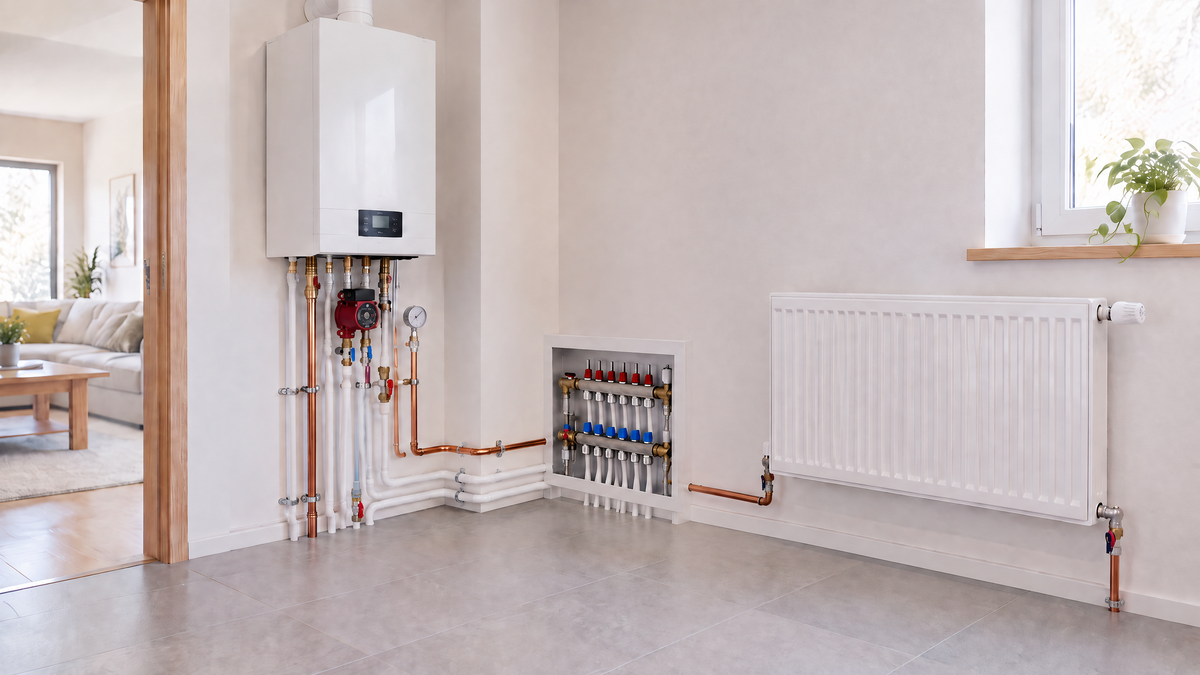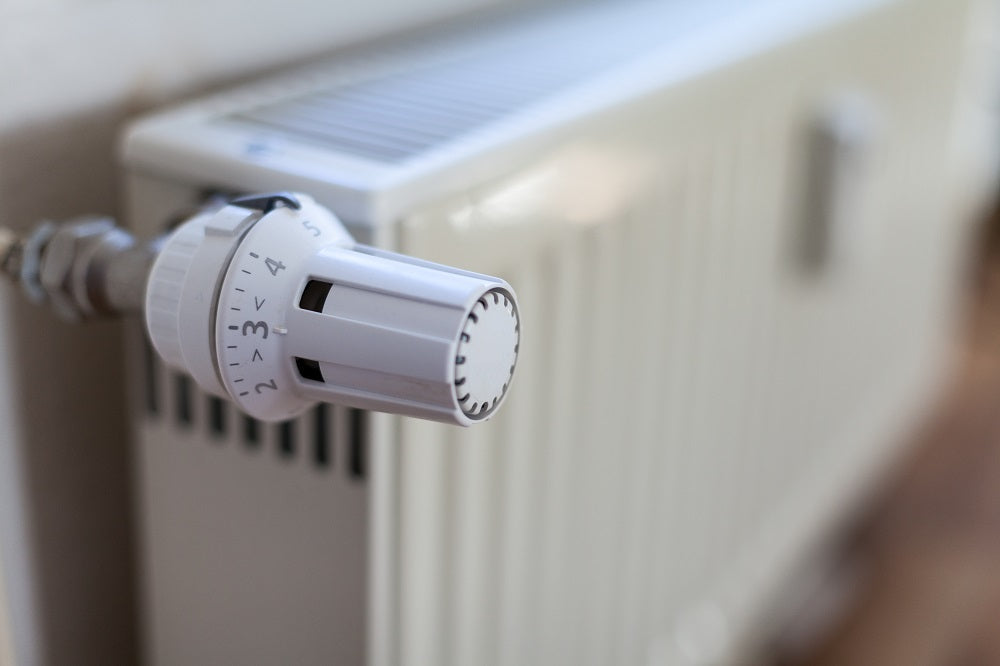
With heat exchangers, your HVAC system can transfer heat efficiently through your radiators, keeping your home warm without wasting energy. They have become indispensable in modern heating and cooling by helping homes maintain the right temperature while saving energy. By understanding how different types of heat exchangers, such as plate and shell tube designs, support radiators, we can appreciate their contribution to maintaining comfortable indoor environments. Explore how these components improve radiator performance and energy saving.
Understanding the Basics of Heat Exchangers
Heat exchangers are fundamental components in HVAC systems, playing an essential role in the regulation and transfer of heat, a crucial process for the efficient operation of radiators. Their primary purpose is to transfer thermal energy between two or more fluids at different temperatures, thereby maintaining a balanced and comfortable environment. In HVAC applications, this means moving heat from one medium, such as air or water, to another, which is critical in both heating and cooling applications. Among the various types of heat exchangers, the plate heat exchanger, shell tube heat exchanger, and water to air heat exchanger are particularly noteworthy for their unique designs and applications.
The plate heat exchanger is known for its compact structure and high reliability, employing a series of metal plates to transfer heat between fluids. This design allows for a larger surface area, enhancing the rate of heat transfer, which is particularly beneficial in radiator systems. On the other hand, the shell tube heat exchanger consists of a series of tubes, one set carrying the hot fluid and the other the cold, facilitating the exchange of heat. This type of exchanger is highly durable in large-scale HVAC operations. Finally, the water to air heat exchanger is designed to transfer heat from water to air, commonly used in systems where air needs to be heated or cooled rapidly. Together, these heat exchangers make sure that radiators operate reliably, providing the desired thermal comfort across various settings.
The Role of Plate Heat Exchangers in Radiator Systems
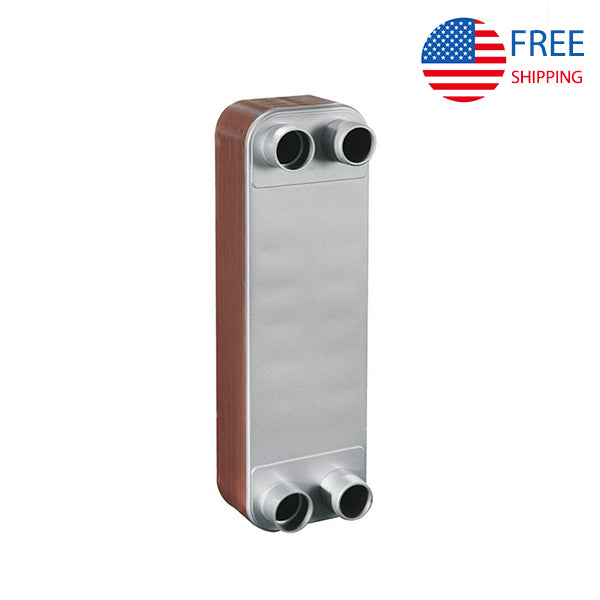
The plate heat exchanger is an important component in radiator systems, renowned for its ability to efficiently transfer heat and optimize heating performance. This type of heat exchanger is designed with a series of thin, corrugated metal plates which create a compact and highly functional surface area for heat exchange between the fluids. In the context of radiator systems, the plate heat exchanger allows for the transfer of heat from hot water to the surrounding environment, delivering radiant heat successfully. By channeling hot water through these plates, the exchanger maximizes the transfer of thermal energy, guaranteeing that the heating process is both rapid and reliable. This not only improves the performance of the radiator systems but also contributes to greater energy savings and reduced operational costs.
The design of the plate to plate heat exchanger offers a significant advantage in terms of heat transfer optimization and system compactness. Unlike bulkier systems, this compact design facilitates easy integration into existing radiator setups without requiring extensive space or infrastructure modifications. The hot water heat exchanger capability of these plates allows for precise temperature control, meeting specific heating requirements while minimizing energy consumption. As a result, radiator systems with plate heat exchangers can provide excellent warmth and comfort, making them a great choice for homes, offices, and industrial spaces where saving energy and having a dependable system are important.
Shell and Tube Heat Exchangers in HVAC Applications
The shell tube heat exchanger is a cornerstone in HVAC applications, appreciated for its solid structure and reliable performance. This type of heat exchanger consists of a series of tubes housed within a cylindrical shell, where one fluid flows through the tubes while another fluid flows over the tubes within the shell. This configuration allows for efficient heat transfer between the two fluids through the tube walls, making it a perfect solution for heating and cooling operations in HVAC systems. The design not only maximizes the surface area available for heat exchange but also minimizes pressure drops, enhancing the overall performance of the system. The durability and functionality of the tube and shell heat exchanger make it particularly suitable for high-pressure and high-temperature environments, which are common in HVAC settings.
The shell and heat exchanger make sure your radiators keep a steady temperature and your heating system works reliably. By providing a steady flow of heat, these exchangers help radiators achieve and maintain the desired temperature levels with precision, thereby enhancing the thermal comfort of the environment. Additionally, the powerful construction of the shell tube heat exchanger guarantees longevity and resilience under various operational conditions, reducing maintenance needs and operational disruptions. This reliability is crucial for both residential and commercial HVAC systems, where consistent performance is essential. Because of this, HVAC professionals often choose shell and tube heat exchangers to make radiators perform better and ensure dependable heating and cooling throughout the home.
Advantages of Brazed Plate Heat Exchangers
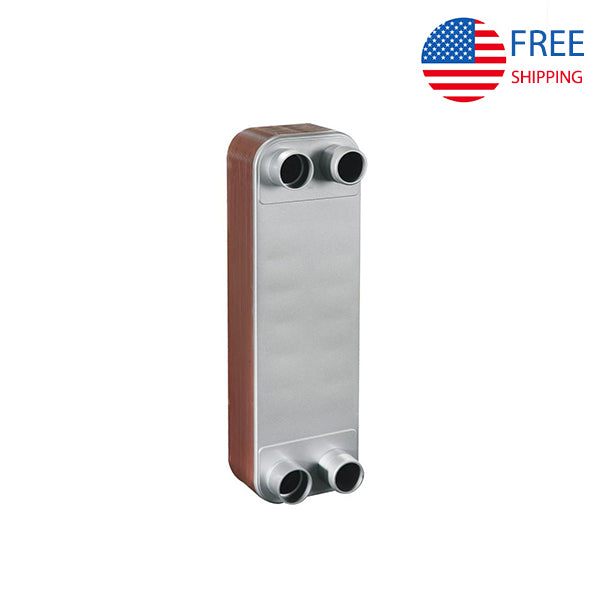
The brazed plate heat exchanger is highly regarded in HVAC and radiator systems for its compact size, impressive capability, and robust durability. Unlike traditional heat exchangers, these units are designed to maximize heat transfer within a minimal footprint, making them suitable for installations where space is at a premium. This compactness does not compromise their performance; in fact, the design of brazed plate heat exchangers offers a highly reliable thermal exchange due to the large surface area created by the tightly packed metal plates. The brazing process fuses the plates together, eliminating the need for gaskets and thereby reducing maintenance requirements and enhancing leak resistance.
In radiator and HVAC setups, plate heat exchangers like the brazed variant are often preferred for their ability to deliver consistent and reliable performance under demanding conditions. They are especially good at moving heat quickly and reliably, which is important for keeping the right temperature and saving energy in heating and cooling systems. Additionally, the durability of the brazed plate heat exchanger translates to a longer lifespan and superior resilience against thermal and mechanical stresses, reducing the frequency of replacements and repairs. This makes them an affordable and dependable choice for both residential and commercial HVAC applications. Their benefits help improve the performance of the whole system, making them a top choice for modern heating and cooling setups.
Improving Energy Saving with Heat Exchanger Innovations
Recent innovations in heat exchanger HVAC technology have significantly improved energy efficiency in radiator systems, paving the way for more sustainable heating solutions. One notable advancement is the development of the plate to plate heat exchanger, which is designed to optimize the transfer of heat between fluids with minimal energy loss. This type of exchanger uses multiple thin plates to increase the surface area for heat transfer, which improves how well it works. These innovations help reduce the energy needed to keep the right temperature and also lower the environmental impact of heating systems by cutting carbon emissions.
Another key innovation is the hot water heat exchanger, which helps radiator systems save energy and work better. By effectively transferring heat from hot water to the surrounding space, these exchangers make sure power is used wisely, providing steady and reliable warmth while reducing waste. This is especially important in modern HVAC systems, where saving energy is a top priority. Thanks to advanced materials and improved designs, these heat exchangers are also more durable and perform better, which means they last longer and require less maintenance. As technology continues to advance, these innovations are playing a key role in creating more sustainable and energy-conscious heating solutions, making them essential for both homes and commercial buildings.