Heat exchangers are important parts of HVAC systems because they help make heating and cooling more efficient. This makes them a key piece in creating homes that save energy and keep you comfortable. As energy costs rise and environmental concerns become more pressing, understanding the function and advantages of heat exchangers becomes increasingly important. In this article, we’ll explore the function of heat exchangers within HVAC systems, examine their benefits, and break down the different types available for both existing and new constructions.
What is an HVAC System?
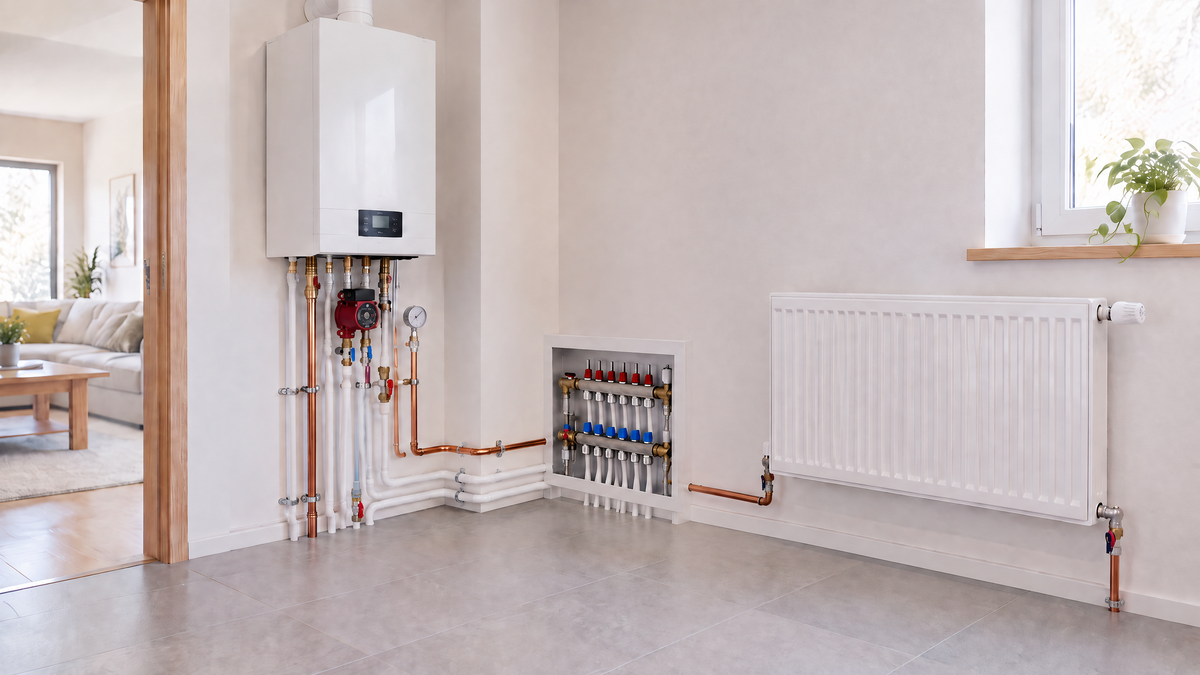
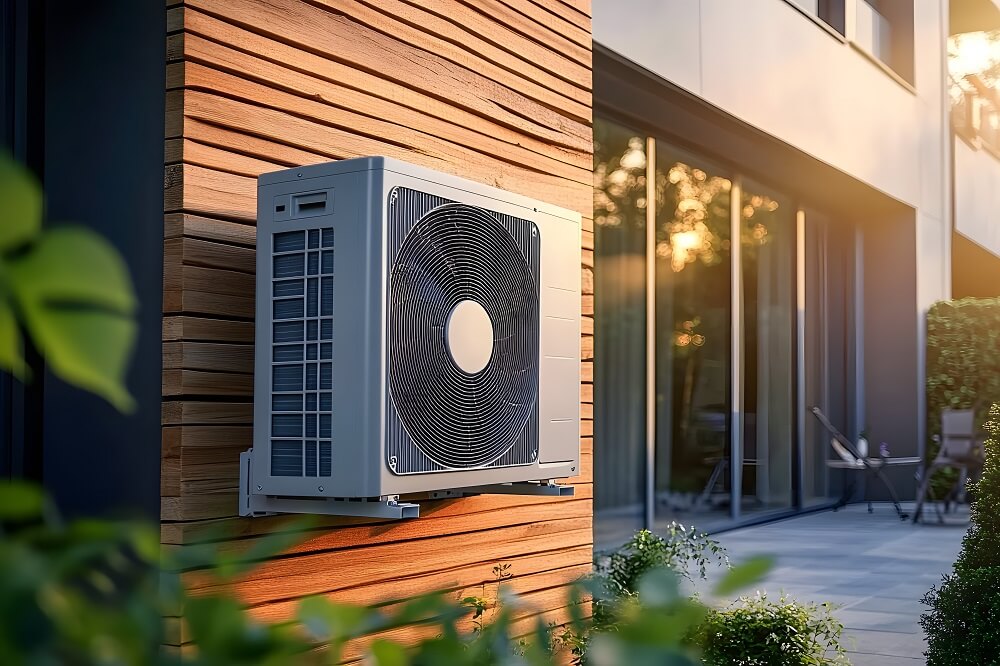
An HVAC system, which stands for heating, ventilation, and air conditioning, is designed to provide thermal comfort and maintain indoor air quality in homes and buildings. These systems are integral to modern living, ensuring that environments remain comfortable regardless of outdoor conditions. A home HVAC system comprises various components, each serving a specific function to regulate temperature, humidity, and air quality. One of the core elements in this setup is the heat exchanger, which plays a very important role in improving system functionality by transferring heat between air streams or fluids without allowing them to mix.
Understanding the components of an HVAC system reveals how they work together to create a comfortable living environment. Main elements include:
- Furnace for heating
- Air conditioner for cooling
- Ductwork for air distribution
- Thermostat for temperature regulation
- Heat exchanger for energy saving
The heat exchanger is particularly important in a home HVAC system as it improves energy saving and reduces operational costs by successfully managing heat transfer. By integrating advanced heat exchangers, residential HVAC systems not only deliver superior comfort but also contribute to energy conservation and reduced environmental impact.
Understanding HVAC System Components
To truly appreciate the benefits of modern heating, ventilation, and air conditioning systems, it's essential to understand the main HVAC system components and their roles. The core components include the furnace, air conditioner, ductwork, vents, and thermostat. The furnace, often powered by gas, electricity, or oil, is responsible for generating heat. Meanwhile, the air conditioner uses refrigerants to remove heat from indoor air, thereby cooling it. The ductwork and vents are critical for distributing air throughout the space, guaranteeing that every room maintains a consistent temperature. The thermostat, often programmable, allows users to set desired temperatures for optimal comfort.
Among these HVAC system components, heat exchangers stand out due to their significant impact on energy saving and system performance. They work by transferring heat between two mediums, such as air and water, without direct contact. This process not only maximizes energy use but also increases the system's ability to maintain indoor comfort. By successfully transferring heat, they reduce the energy needed for heating or cooling, leading to lower utility bills and a reduced carbon footprint. In summary, the integration of efficient heat exchangers is crucial for optimizing the performance and sustainability of HVAC systems.
Importance of Heat Exchangers in New HVAC Installations
When considering a new HVAC system installation, selecting the right components is important for long-term performance and functionality. Among these parts, heat exchangers are especially important, especially when it comes to new buildings. Because they can move heat between two surfaces without touching, heat exchangers are essential for saving energy. For builders and homeowners aiming to install the best HVAC system for new construction, including advanced heat exchangers can greatly reduce energy use and lower operating costs. This is achieved by optimizing heat transfer processes, which in turn reduces the workload on heating and cooling systems.
Incorporating heat exchangers in new HVAC system installations contributes to environmental sustainability by lowering greenhouse gas emissions and reducing the overall carbon footprint of buildings. By using less energy to achieve the desired indoor climate, these systems align with the growing demand for environmentally friendly building practices. Besides energy savings, heat exchangers also enhance climate control, ensuring consistent and comfortable indoor temperatures throughout the year. For anyone investing in the best HVAC system for new construction, adding reliable heat exchangers is a smart choice that blends comfort with energy savings.
Types of Heat Exchangers Used in HVAC Systems
In residential HVAC systems, various types of heat exchangers are used to optimize energy saving and performance. Each type is designed to suit specific applications, offering unique advantages. The most common types include air-to-air, plate, and shell-and-tube heat exchangers. Air-to-air heat exchangers are often used for ventilation purposes, enabling the transfer of heat between incoming and outgoing air streams. This type is particularly beneficial in systems where fresh air intake is crucial, as it helps maintain indoor air quality while conserving energy.
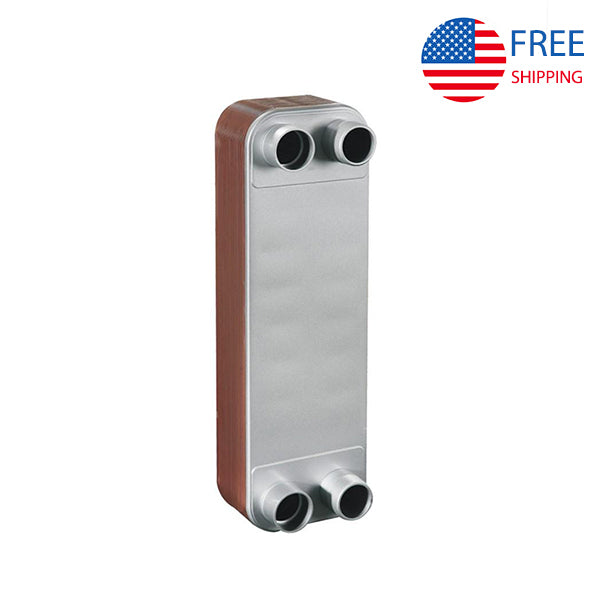
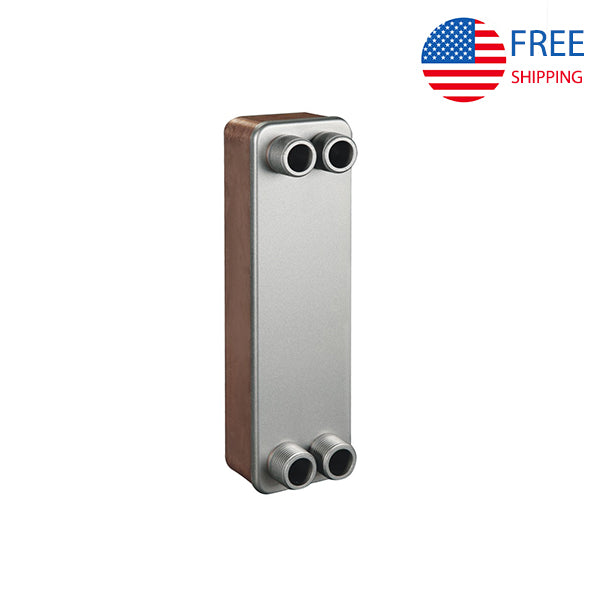
Plate heat exchangers are compact and reliable, typically used in applications where space is limited. They consist of thin, corrugated plates that create a large surface area for heat transfer, making them ideal for systems requiring rapid temperature changes. Shell-and-tube heat exchangers, on the other hand, are robust and versatile, suited for heavy-duty applications. They contain a series of tubes within a shell, allowing fluids to flow and exchange heat appropriately. These heat exchangers often interact with various types of pumps used in HVAC systems, ensuring efficient fluid circulation and heat transfer. By selecting the appropriate type of heat exchanger, homeowners can enhance their HVAC systems' performance, reducing energy consumption and costs.
Choosing the Right Heat Exchanger for your HVAC System
Selecting the right heat exchanger for your home HVAC system is critical to achieving optimal performance and energy saving. When considering a heat exchanger for your specific needs, several factors should guide your decision. First, assess the size of your HVAC system; larger systems may require more robust heat exchangers, like shell-and-tube models, whereas smaller systems might benefit from compact options such as plate heat exchangers. The design and layout of your home also play a significant role, as certain heat exchangers are better suited to specific spatial arrangements and airflow patterns.
Also, it’s important to think about your energy-saving goals and budget when picking the right heat exchanger. For those aiming to install the best HVAC system for new construction, investing in high-efficiency models can lead to substantial long-term savings. During HVAC system installation, our experts at Alfa Heating are here to help. We’ll make sure your new heat exchanger fits perfectly with your current setup and recommend the best solution tailored to your needs. By choosing Alfa Heating, homeowners and builders can trust that their HVAC systems will be optimized for the ideal mix of performance, cost, and sustainability.