
Side arm heat exchangers have become an essential component in modern domestic hot water systems. These devices offer an efficient and reliable way to transfer heat from one fluid to another, guaranteeing a steady supply of hot water while maximizing energy savings. Perfect for residential installations, side arm heat exchangers can easily integrate with existing water heaters to improve their performance. In this article, we will delve into their benefits, applications, and guide you through the installation process to improve your home's water heating performance.
Understanding Side Arm Heat Exchangers
A side arm heat exchanger is a device designed to transfer heat from one fluid to another, and it plays an important role in home hot water systems. These heat exchangers are typically mounted alongside a water heater, using natural convection currents to facilitate the transfer of heat without requiring additional pumps or controls. The primary function of a side arm hot water heat exchanger is to improve the productivity of heating systems by using wasted energy and converting it into usable heat for residential purposes. This passive operation ensures a continuous flow of hot water, which is particularly beneficial in homes with high hot water demands.
In terms of applications, side arm heat exchangers are commonly used in conjunction with boilers and solar water heating systems. They are especially useful in scenarios where integrating a supplementary heat source, such as a solar panel, into an existing system can significantly reduce energy consumption and costs. Their compact design and efficiency make them a popular choice for homeowners looking to improve their domestic heating capabilities. By successfully transferring heat and maintaining consistent water temperatures, side arm hot water heat exchangers offer a reliable and affordable solution for modern homes.
Benefits of Using Side Arm Heat Exchangers in Domestic Settings
Incorporating a side arm heat exchanger into your home water heating system offers several compelling advantages, primarily in terms of energy saving and durability. These exchangers use the principle of convection to facilitate heat transfer, guaranteeing that the water in your system remains at an optimal temperature with minimal energy expenditure. By using heat that would normally go to waste, homeowners can cut down on their energy use and, as a result, lower their monthly utility bills. This smart use of energy not only saves money but also helps the environment by reducing overall energy demand, making your home more eco-friendly.
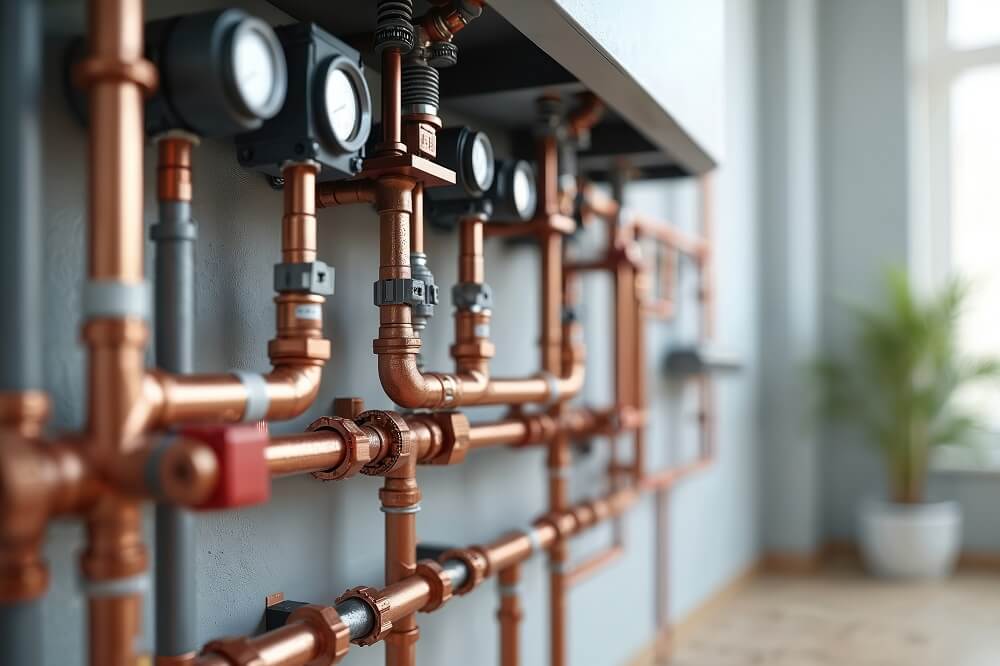
Among their various types, the copper side arm heat exchanger is frequently preferred for its superior thermal conductivity and resistance to corrosion. Copper is an excellent heat conductor, meaning it can transfer heat more capably than many other materials. This attribute ensures that the heat exchanger operates at peak performance, providing consistent hot water while using less energy. Additionally, copper’s natural resistance to corrosion makes it a durable choice, able to withstand the rigors of regular use without significant wear or degradation. This durability ensures a longer lifespan for the system, providing homeowners with reliable hot water solutions for years to come.
Installation Guide for Side Arm Heat Exchangers
When it comes to installing a side arm heat exchanger, following a step-by-step guide is crucial for achieving optimal performance and ensuring safety. The first step is to identify a suitable location near your existing water heater, where the heat exchanger will be connected. It's important to ensure that all water and power supplies are turned off before beginning any work. Next, attach the side arm heat exchanger to the water heater. This typically involves connecting the heat exchanger's inlet and outlet to the corresponding hot and cold water lines using appropriate fittings. Make sure that all connections are secure to prevent leaks.
For those wondering how to install a side arm heat exchanger, it’s essential to understand the importance of proper venting and insulation. Proper venting ensures that the system operates efficiently, while insulation minimizes heat loss, increasing overall functionality. DIY enthusiasts should take care to follow all instructions provided by the manufacturer and use the correct tools to avoid damaging components. While many homeowners can manage basic installations themselves, it’s wise to seek professional help when dealing with complex setups or if you're unfamiliar with plumbing work. At Alfa Heating, our professionals make sure your system meets all local codes and regulations, giving you peace of mind and a system that works reliably in your home.
Improving Your water Heater's Performance with Side Arm Heat Exchangers
Integrating a side arm heat exchanger water heater into your home's heating system can significantly improve the performance of your existing water heater. This addition works by using the natural convection currents to transfer heat, successfully improving hot water availability without the need for extra energy consumption. By drawing heat from your boiler or other heat sources, the side arm heat exchanger can maintain an optimal water temperature, ensuring that your water heater works less, which leads to a reduction in overall energy consumption and lower utility bills.
To maximize performance, proper configurations and setups are essential. For instance, positioning the heat exchanger vertically alongside the water heater can enhance natural convection, thereby increasing the heat transfer rate. One popular retrofit involves using a water heater side arm heat exchanger in conjunction with solar panels or wood-burning stoves, creating a sustainable and affordable system. In these setups, the heat exchanger can draw waste heat from these sources, further reducing the dependence on conventional fuels. With these configurations, homeowners can optimize their water heating systems, achieving a balance between performance and environmental impact.
Choosing the Right Side Arm Heat Exchanger for Your Home
Selecting the right side arm hot water heat exchanger for your home involves considering several key factors, including the size of your home, your typical water usage, and your specific heating requirements. For smaller households with moderate hot water needs, a more compact model may suffice, whereas larger homes or those with higher water demands may require a more robust system to provide sufficient heating capacity. Additionally, assessing your heating requirements is very important; understanding whether your current system operates primarily on solar energy, gas, or electricity will help determine the best type of heat exchanger to integrate seamlessly into your existing setup.
When comparing different models, consider materials like copper and stainless steel, as each offers distinct advantages. A side arm water to water heat exchanger made from copper is highly reliable due to its superior heat conductivity and natural resistance to corrosion, offering long-term durability. On the other hand, stainless steel models, while slightly less conductive, provide excellent resistance to high pressures and temperatures, making them perfect for more demanding applications. By evaluating these factors and understanding the unique benefits of each material and model, homeowners can make a well-informed decision that aligns with their energy saving goals and budget constraints.



![Brass Barbed Tees 1/2"x1/2"x1/2" Lead Free PEX Crimp"T" Fitting [5pk, 10pk, 25pk]](http://alfaheating.com/cdn/shop/products/brass-barded-tee.jpg?v=1603079042&width=600)
