Heating commercial buildings requires practical solutions that strike a balance between performance, space, and efficiency. Systems utilizing radiant heat manifolds, commercial electric tankless water heaters, and circulation pumps can enhance control, minimize waste, and facilitate compliance in sanitary heating and cooling. Learn how to make better choices for your setup.
Heating Efficiency That Works for Commercial Spaces
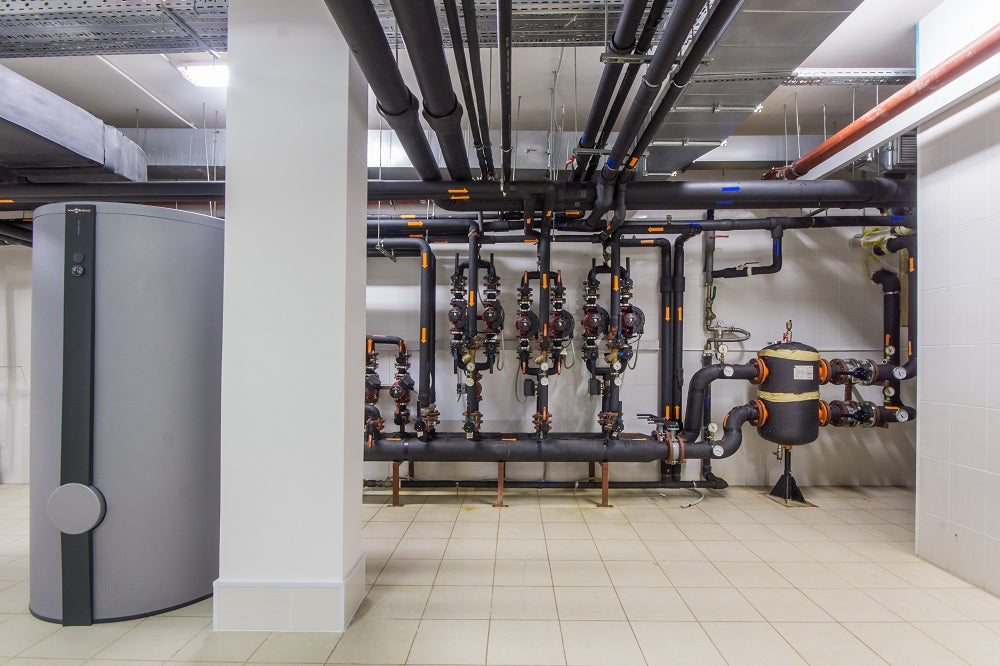
Commercial buildings face unique challenges when it comes to heating, including high energy demand, complex piping systems, large surface areas, and varying usage patterns. Selecting a heating system that meets these demands without overcomplicating the design or raising long-term costs is not just a good choice—it’s a practical one.
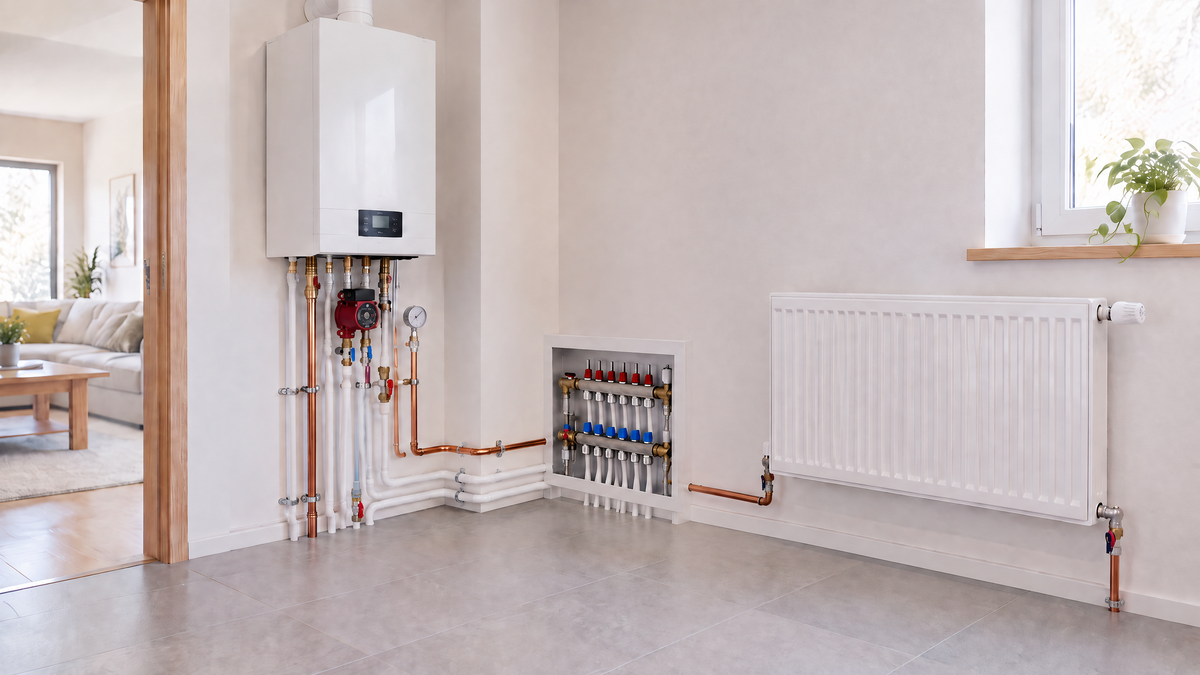
Radiant heat manifolds are increasingly common in commercial installations. These systems distribute warm water to multiple zones from one central point, ensuring even heating. This isn’t just convenient—it means maintenance is simpler and performance is more predictable.
Discover our most popular product categories – find what you need today!
- Air to Water Heat Exchangers
- Water to Air Heat Exchangers
- Plate Heat Exchangers
- Oil Coolers & Intercoolers
- Tankless Water Heaters
Installing a commercial electric tankless water heater alongside these systems creates a compact and reliable source of hot water, eliminating the need for bulky storage tanks. Pairing this with a circulation pump enables immediate access to heated water throughout the entire building. No waiting, no cold spots.
What does this add up to?
Heat on demand = reduced energy waste
Zoned distribution = better control and lower bills
Why Zone Control Makes a Difference
One of the most effective ways to manage energy in large buildings is by splitting them into zones. That way, areas are only heated when in use—simple as that.
With radiant heat manifolds, each zone can be controlled separately. This setup makes sense for buildings with varied usage patterns. For example, in an office where some departments work nights and others don’t, a central control system can’t differentiate. Zoned systems can.
Pair these with a commercial electric tankless water heater, and the setup becomes even more efficient. Unlike traditional systems, electric tankless units heat water only when needed. There’s no standby heat loss.
The role of the circulation pump is also critical here. It maintains a constant loop of hot water, so there’s no delay when someone turns on a tap or radiator. It’s a straightforward way to reduce energy usage from reheating cooled water.
So, how do these systems hold up in practice? With correct sizing and proper maintenance, zoned heating reduces strain on components and lowers monthly energy bills.
Small Spaces, Big Output: Wall-Mounted Options
Space can be a challenge in retrofit projects or small mechanical rooms. A wall-mounted radiator offers a high-output solution that saves floor space—something every facilities manager appreciates.
But that’s only half of the story. These radiators work especially well in sanitary heating and cooling systems where cleanliness is a top priority. Mounted off the ground, they’re easier to clean and avoid interference with equipment or foot traffic.
They also integrate smoothly into radiant heat manifolds, providing each space with a consistent temperature and quiet operation. Paired with a circulation pump, response time improves significantly, which is essential in spaces that require rapid temperature adjustments, such as labs or break rooms.
For commercial buildings seeking to enhance heating without major remodeling, wall-mounted solutions combine practicality and performance. They’re discreet, easy to maintain, and compatible with both water and glycol-based systems.
Immediate Hot Water Access Saves More Than Time
One complaint often heard in commercial environments? Waiting for hot water.
In kitchens, bathrooms, and maintenance areas, that delay isn’t just frustrating—it costs money in wasted water and lost productivity. A commercial electric tankless water heater solves this by delivering water instantly at the point of use. Since it doesn’t store water, the risk of temperature drift or bacterial growth is also reduced.
When installed in line with a circulation pump, these systems become even more efficient. Water is kept moving through the pipes, so when the tap opens, the hot water is already there. No waiting, no waste.
For facilities looking to comply with sanitary heating and cooling guidelines, this setup is especially useful. It minimizes dead zones where stagnant water could cause hygiene concerns. It also means no oversized tanks or constant reheating.
This combination equals:
Fast delivery + small footprint = lower operating costs
How Radiant Heat Systems Improve Reliability
Every commercial building experiences wear and tear on its equipment. But with heating, reliability isn’t optional—it’s expected.
Radiant heat manifolds provide a stable solution that reduces the number of moving parts compared to forced-air systems. Fewer mechanical elements mean fewer chances of breakdowns. Water-based heating, especially with properly filtered loops, is quiet, clean, and consistent.
The circulation pump plays a major role here. When sized correctly, it ensures steady flow through every loop. This prevents cold zones and reduces pressure on valves and connections.
When paired with a commercial electric tankless water heater, the system can scale up to meet demand. No overshooting, no unnecessary runtime. Each part operates only when needed.
This setup is particularly suitable for businesses that operate extended hours. Restaurants, clinics, and manufacturing facilities often find this type of heating system more durable than traditional forced-air heating.
Reducing Maintenance in Large Installations
Maintenance costs add up quickly, especially in larger properties with more heating components.
Systems that use radiant heat manifolds often require less frequent servicing. That’s because water loops stay closed, with minimal exposure to outside contaminants. These systems, when integrated with wall-mounted radiators, are straightforward to inspect and clean.
Adding a circulation pump to the system helps prevent sediment buildup in pipes. Constant movement keeps the water clean, which extends the life of the radiators and manifolds.
A commercial electric tankless water heater also reduces long-term maintenance. There are no tanks to descale or replace, and because they heat water only when needed, the wear on internal parts is significantly lower.
For systems handling sanitary heating and cooling, this streamlined maintenance becomes even more valuable. Routine checks are easier, quicker, and require less downtime—ideal for facilities that can’t afford interruptions.
Choosing the Right Components for Your System
Heating systems for commercial spaces aren’t one-size-fits-all. Factors like building size, usage, and layout all influence what kind of system makes the most sense.
A few questions to ask before deciding:
- Are all zones used equally throughout the day?
- Is there already space allocated for equipment?
- Is fast, hot water delivery a requirement?
- Are hygiene or cleaning standards part of your industry?
In many cases, pairing radiant heat manifolds with commercial electric tankless water heaters and circulation pumps covers most needs. Adding wall-mounted radiators yields a flexible setup that works well in offices, retail spaces, clinics, and mixed-use buildings.
With over 20 years of experience working with heating systems, Alfa Heating Supply brings valuable insights to every project. We manufacture in the USA and specialize in solutions for sanitary heating and cooling, industrial heat exchangers, and HVAC components that meet the demanding needs of commercial applications.