Heat exchangers play a direct role in determining the efficiency of your HVAC system’s heating or cooling capabilities. They affect everything from energy usage to indoor comfort. Understanding how different types—such as hydraulic heat exchangers or plate and frame heat exchangers—work can help you improve system performance and reduce operating costs over time.
What Role Does a Heat Exchanger Play in HVAC?
A heat exchanger is a core component in HVAC systems, but its function is often underestimated. It doesn’t just assist in heating or cooling; it ensures energy is transferred efficiently between fluids or air streams without them mixing. This boosts overall system performance and reliability.
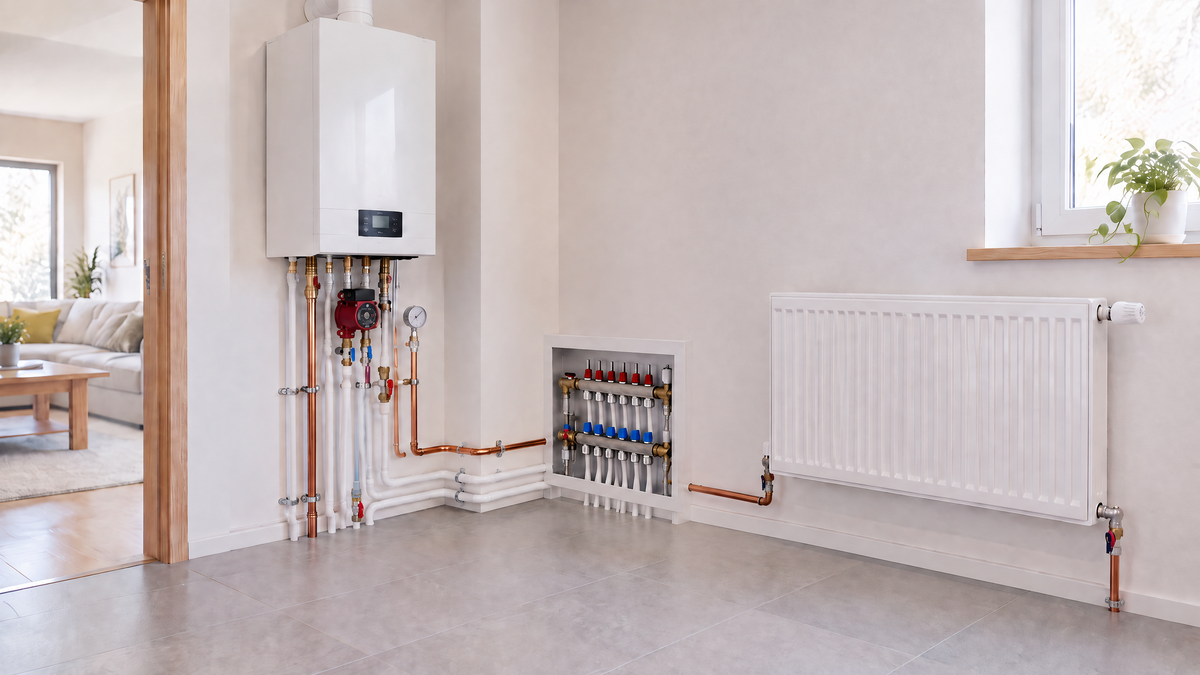
In most HVAC setups, a hydraulic heat exchanger acts as a bridge between heating or cooling sources and the indoor environment. This setup helps reduce energy losses and avoids the need for excessive system cycling.
Benefits of using a heat exchanger in HVAC systems:
- Improved energy transfer: Reduces strain on the boiler or chiller
- Extended system lifespan: Less wear on the heating/cooling units
- Enhanced safety: No direct contact between air and water
- Lower operational costs: Optimized thermal exchange means less fuel or electricity use
Without efficient heat exchange, systems tend to run longer and struggle to meet temperature demands. This results in higher bills and increased maintenance requirements.
Discover our most popular product categories – find what you need today!
- Air to Water Heat Exchangers
- Water to Air Heat Exchangers
- Plate Heat Exchangers
- Oil Coolers & Intercoolers
- Tankless Water Heaters
Why Water-to-Air Transfer Improves System Output
One of the most effective ways to distribute heat is by converting hot water into warm air, particularly in systems that use forced air. This is where an air-to-water heat exchanger becomes essential.
It works by passing air over heated coils containing water. As the air absorbs the heat, it’s distributed through the duct system, warming up the space quickly and efficiently.
Advantages of air-to-water heat exchangers:
- Quick response time: Faster warm-up of rooms
- Better air circulation: Uniform heating across different zones
- Compact design: Fits easily into existing HVAC units
- Reduced equipment stress: Minimizes cycling and overheating
This solution is particularly valuable in large homes or commercial spaces where maintaining a consistent temperature is challenging.
If your system includes hydronic heating but you want forced air output, this type of exchanger is the ideal solution.
How Plate and Frame Models Handle High Demand
A plate-and-frame heat exchanger is often used in commercial or high-capacity residential systems. Its design consists of thin, stacked plates that allow hot and cold fluids to flow in alternate paths, increasing the surface area for heat transfer.
This setup enables efficient temperature control without occupying a significant amount of space. It’s highly effective where precise thermal regulation is needed.
Key features of plate and frame heat exchangers:
- High efficiency: More surface area = better transfer
- Serviceability: Plates can be separated for easy cleaning
- Compact footprint: Space-saving without sacrificing output
- Customizable: Easily adjusted for different system capacities
Whether it’s used in a boiler room or part of a multi-zone HVAC layout, this model adapts well to varying demand levels.
You’ll often see it in applications like:
- Large office buildings
- Apartment complexes
- Commercial kitchens
- District heating systems
How Flow Control Components Enhance Heat Distribution
Even with a high-efficiency heat exchanger, your HVAC system needs proper circulation to perform at its best. That’s where a hot water circulation pump comes in. It ensures heated water flows consistently through the pipes, improving delivery and responsiveness.
Without good circulation, you may experience:
- Uneven heating across rooms
- Longer wait times for warm air
- Increased system wear due to cycling
Why circulation pumps matter:
- Consistent delivery: Keeps warm water moving throughout the system
- Faster heating times: No delays in reaching the desired temperature
- Energy savings: Less need to keep the boiler running
- Zone support: Works well with multi-zone configurations
Especially in larger or multi-level properties, circulation pumps help maintain balanced performance across all areas.
What Makes Radiant Systems More Consistent with Manifolds?
Radiant floor heating is highly efficient, but it requires careful management of the flow. That’s where a radiant heat manifold becomes valuable. This component divides the heated water into separate loops, allowing even distribution across different zones.
Benefits of using a radiant heat manifold:
- Zoned control: Adjust each room individually
- Even heat distribution: No cold spots or overheating
- Simplified maintenance: Isolate loops without shutting down the system
- Pressure management: Keeps water flow balanced
When paired with the right hydraulic heat exchanger, manifolds create a responsive and efficient floor heating system. They’re especially useful in homes with:
- Multiple floors
- Bathrooms or kitchens requiring higher temperatures
- Combination heating and cooling systems
Heat Exchangers in Multi-Functional HVAC Applications
Some HVAC systems serve multiple purposes, such as heating, cooling, and providing domestic hot water. In these cases, a hydraulic heat exchanger can integrate all these functions without fluid crossover.
For example, you can use the same exchanger for:
- Space heating in winter
- Cooling in summer
- Pool or spa heating year-round
- Domestic hot water support
This makes the system design more compact and easier to manage. Fewer components mean fewer chances for breakdowns.
Advantages in multi-functional setups:
- Efficient use of space
- Lower equipment costs
- Simplified plumbing layout
- Faster installation and maintenance
By selecting the right exchanger and integrating it effectively, you can operate multiple thermal systems from a single central point.
Choosing the Right Setup for Your Needs
Different buildings need different HVAC configurations. Choosing the right components is crucial to maximizing the performance of your system. Here’s how the key parts fit into different setups:
- Air-to-water heat exchanger → Best for hydronic to forced air conversions
- Plate and frame heat exchanger → Ideal for commercial or multi-zone systems
- Hot water circulation pump → Crucial for fast, consistent heating
- Radiant heat manifold → Supports balanced, multi-zone floor heating
With over 20 years of experience working with heating systems, Alfa Heating Supply has the skills and expertise to help you with your projects. We care equally about the quality of our products and the quality of our customer service.
Upgrading even one of these components can lead to improved comfort, reduced energy consumption, and simplified system management. Always evaluate your system’s needs before replacing or modifying any part.