
![Lead-Free, Brass Push-Fit Drop Ear Elbows FNPT 3/4" [5pk, 10pk, 25pk] - Alfa Heating Supply](http://alfaheating.com/cdn/shop/products/009.jpg?v=1588213908&width=908)
![Lead-Free, Brass Push-Fit Drop Ear Elbows FNPT 1/2" [5pk, 10pk, 25pk] - Alfa Heating Supply](http://alfaheating.com/cdn/shop/products/009_e9ba5b01-422f-4cec-a719-4bd120dca5c5.jpg?v=1588213907&width=908)
![Lead-Free, Brass Push-Fit Couplings 3/4" [5pk, 10pk, 25pk] - Alfa Heating Supply](http://alfaheating.com/cdn/shop/products/001_189600fd-a8ce-437b-bb20-2e2e8a4b7d09.jpg?v=1588213907&width=1087)
![Lead-Free, Brass Push-Fit Couplings 1/2" [5pk, 10pk, 25pk] - Alfa Heating Supply](http://alfaheating.com/cdn/shop/products/001.jpg?v=1588213905&width=1087)
![Lead-Free, Brass Push-Fit Couplings 1/2" [5pk, 10pk, 25pk]](http://alfaheating.com/cdn/shop/products/straight-coupling-plumbing-fittings.jpg?v=1603078723&width=720)
![Lead-Free, Brass Push-Fit Ball Valves with Drain 1/2" [5pk, 10pk, 25pk] - Alfa Heating Supply](http://alfaheating.com/cdn/shop/products/valve_782ee6b1-85ba-4c2e-b70c-c8c37d61fd07.jpg?v=1588213903&width=800)
![Lead-Free, Brass Push-Fit Ball Valves 3/4" [5pk, 10pk, 25pk]](http://alfaheating.com/cdn/shop/products/ball_valve.jpg?v=1600849181&width=734)
![Lead-Free, Brass Push-Fit Ball Valves 3/4" [5pk, 10pk, 25pk] - Alfa Heating Supply](http://alfaheating.com/cdn/shop/products/valve_a6735211-d136-4349-b57f-f9f7e8b2e655.jpg?v=1600849181&width=800)
![Lead-Free, Brass Push-Fit Ball Valves 1/2" [5pk, 10pk, 25pk] - Alfa Heating Supply](http://alfaheating.com/cdn/shop/products/valve_0f9791f4-efe3-4022-9528-0cd4dc112d7f.jpg?v=1588213901&width=800)
![Lead-Free, Brass Barbed Drop Ear Elbows FNPT 3/4" [5pk, 10pk, 50pk] - Alfa Heating Supply](http://alfaheating.com/cdn/shop/products/06_401477d0-9044-4780-8ed9-0a40b47e4363.jpg?v=1588213891&width=1119)
How does Hydraulic Tank Heater Electric work?
A hydraulic tank heater is a mechanism that is positioned within the hydraulic oil reservoir, also known as the hydraulic tank. The hydraulic heat exchanger is submerged in the hydraulic oil and heats it either constantly or for a specified period of time, depending on the thermostat settings.
Due to their low watt density, hydraulic tank heaters are a better alternative for heating hydraulic oil than conventional electric absorption heaters. This protects the hydraulic fluid and the heater from harm. Other immersed heaters, such as water heaters, have an excessively high thermal density, which might cause your hydraulic oil to boil. Hydraulic fluid, gasoline, water, and other fluids are heated in the Hydraulic Tank Heater to keep the fluid moving and prevent pump cavitation and blown seals. This will increase productivity while also reducing startup time.
There are multiple benefits of using a Hydraulic Heat Exchange system –
- Variable pressure tank heaters come with a variety of thermostat settings, making it simple to get the ideal fluid temperature. You may pick a heater type that has the correct heating timings and settings for you if your hydraulic system closes down at specific times or you need to heat your gas overnight.
- Hydraulic tank warmers are a cost-effective option for wasting cash on hydraulic system upkeep, repairs, and downtime. A one-time heater purchase can save you money and ensure that your system runs efficiently for many cold seasons to come.
- Different hydraulic tank heaters come with a variety of thermostatic settings, making it simple to get the ideal fluid temperature. You may pick a heater type that has the correct heating timings and settings for you if your hydraulic system shuts down at specific times or you need to heat your oil overnight.
- Rain and wind terminal covers are available to protect and extend the life of a hydraulic tank heater when installed on outdoor equipment.
Use Of the Heater Thermal Expansion Tank
Since water expands when heated, the excess pressure within the water heater tank must be released. Previously, the rising water in the tank would simply drain back into the water source from which it came. In today's water mains, a check valve is employed to prevent backflow or the release of pressure in the incorrect direction. The check valve prevents waste water from entering the water system and compromising the clean water supply.
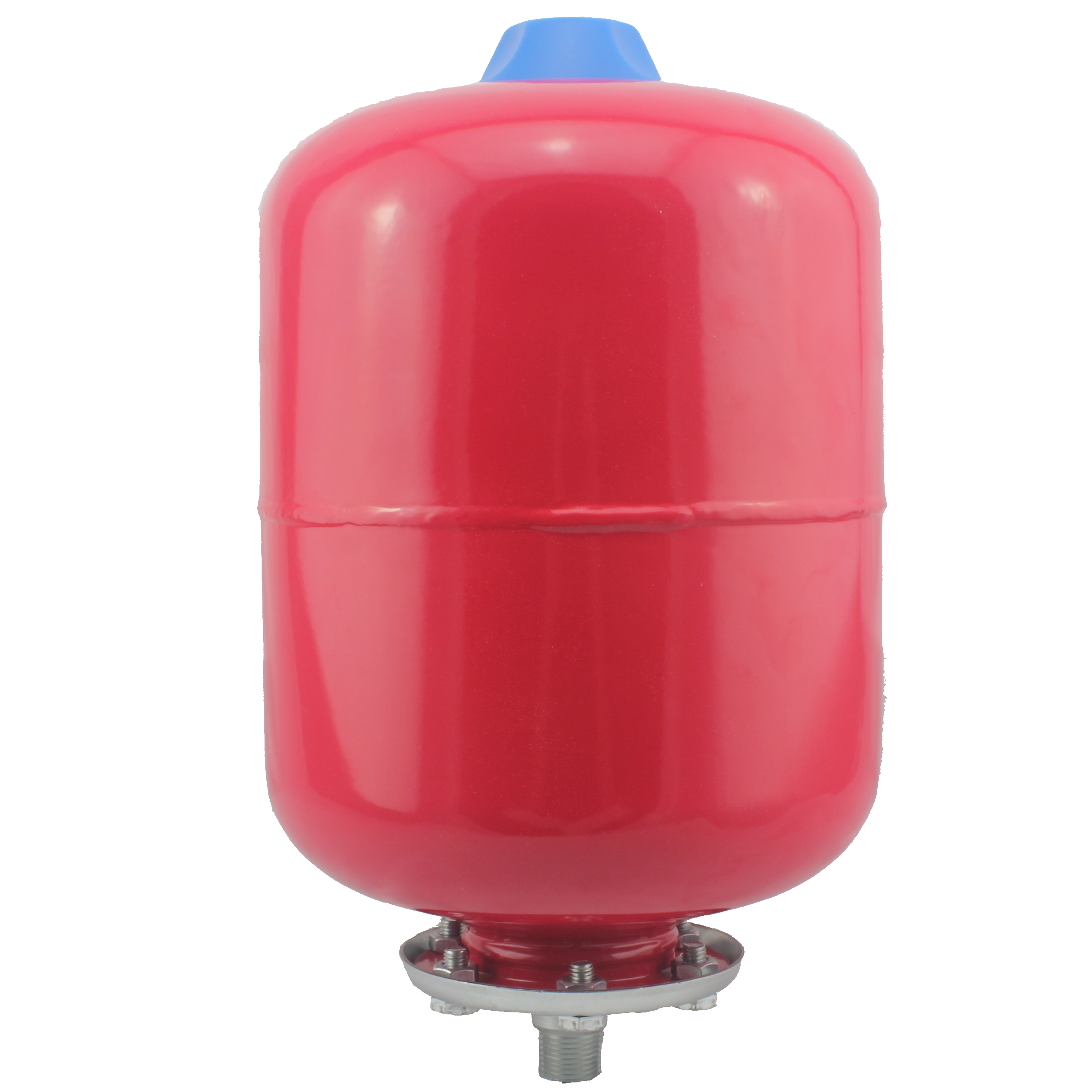
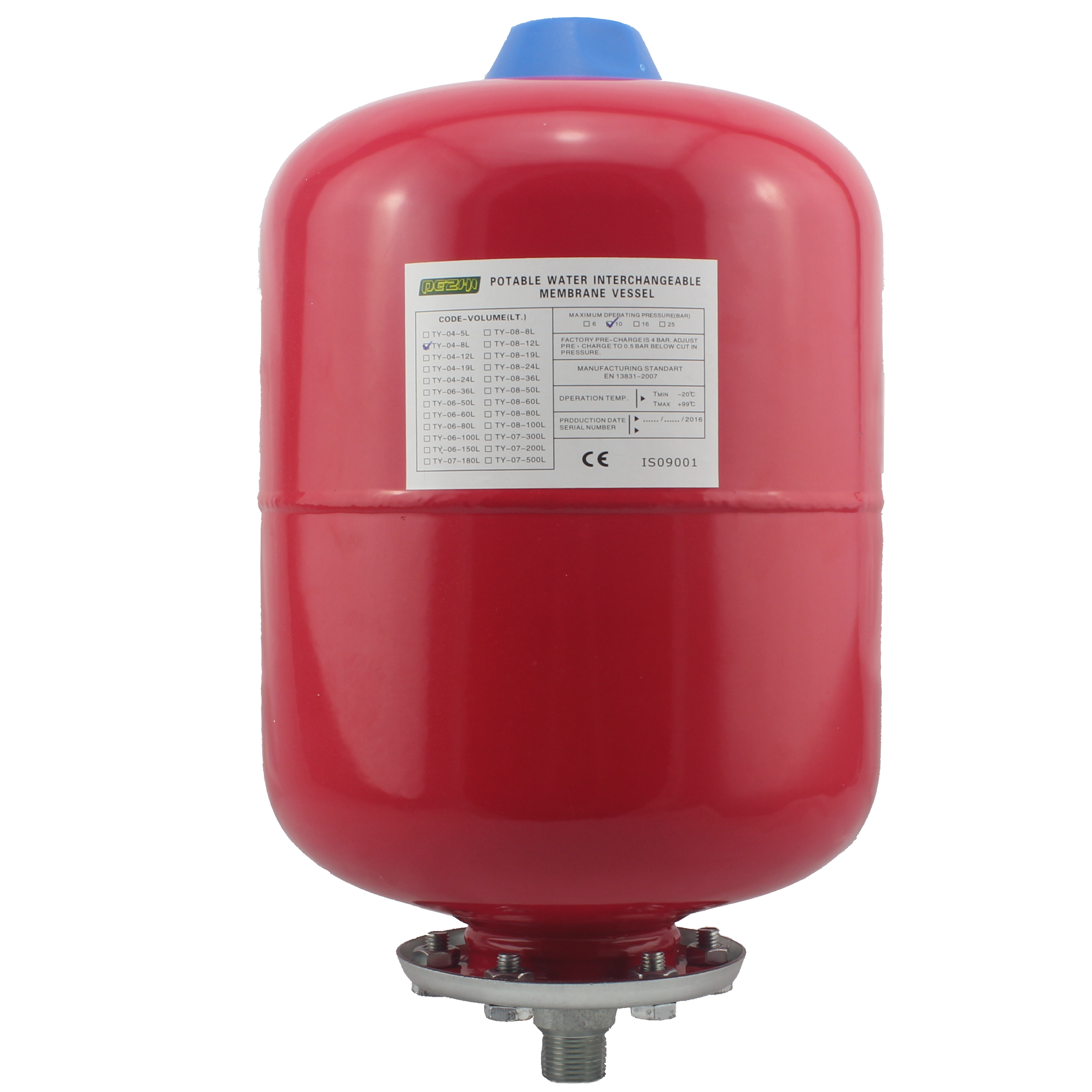
Hot water heater thermal expansion tank is a tiny tank that connects to the water heater's supply line. By handling the thermal expansion of water as it heats up in the water heater, the expansion tank minimizes excessive water flow. Too much hydrostatic pressure can damage plumbing fittings, supply pipe couplings, and even the water heater itself. The expansion of water from the water heater causes it to flow into the tank, lowering the system's hydraulic fluid. It's a good idea to acquire a quote for the installation of an expansion tank at the same time that you hire a plumber to have a water heater installed. If you do it all at once, it might not cost much more than you're presently paying. Even if an expansion tank isn't necessary, consider adding one if you're installing a water heater yourself because the advantages greatly exceed the effort and cost.
FAQ
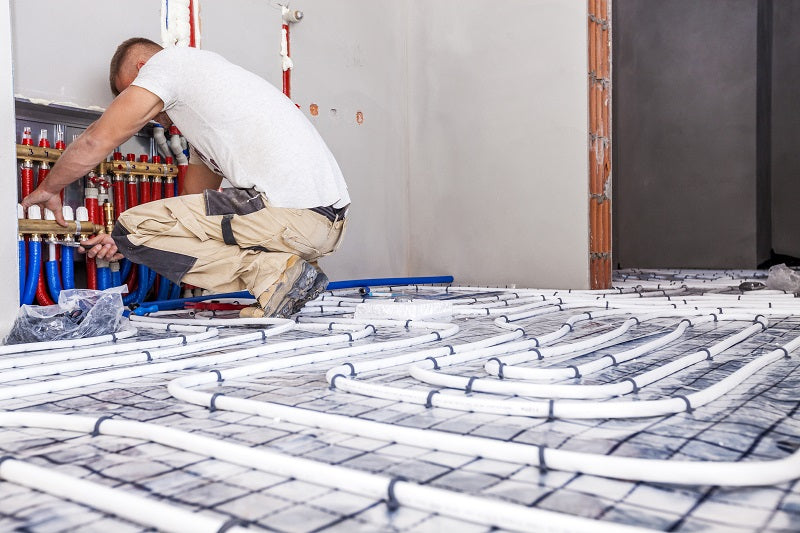
Hydraulic heating systems are commonly used in residential, commercial, and industrial settings to provide efficient, consistent warmth. Instead of relying on traditional forced-air methods, these systems circulate heated liquid through pipes, radiators, or underfloor tubing to distribute heat across a space. This approach helps eliminate cold spots, reduces airborne particles, and lowers energy waste.
In homes, hydraulic systems are often installed beneath floors (known as radiant floor heating) or in wall-mounted radiators. They’re also widely used in garage heating, snow melting systems for driveways, and greenhouse climate control. For larger properties or buildings, hydraulic manifolds make it possible to regulate temperature zone by zone. That means you can keep one part of a building warmer than another—without wasting energy across the whole system.
Hydraulic heating = smoother, more even heat without the noise and air movement of forced-air systems. Another major use case is heating oil reservoirs in industrial equipment. Keeping hydraulic oil at optimal temperatures ensures machinery operates efficiently and avoids cold-start issues. This type of system is essential for anyone working in colder climates, as it keeps the system pressurized and prevents costly downtimes.
A hydraulic heat exchanger moves thermal energy from one fluid to another without mixing them. The idea is simple: one fluid carries heat, the other receives it. The design utilizes metal plates or coils with high thermal conductivity—typically copper or stainless steel—to transfer heat efficiently from a hot liquid to a cold one.
In a typical heat exchanger system, hot water or oil passes through one side, while the cooler medium flows through the other. These paths are kept separate, but close enough for heat to transfer between them. This setup prevents contamination and maximizes efficiency. It’s commonly found in radiant floor heating, domestic hot water systems, and even snow melting setups.
Using the right size and type of heat exchanger matters. A compact, brazed plate model works well for home systems. For larger operations, you may need a unit with higher BTU handling, such as a multi-plate copper unit.
Less wasted heat = lower bills and faster warm-up times.
Maintenance is minimal, but performance depends on the quality of the water and the correct installation. The exchanger must be positioned properly, with correct flow direction and secure fittings. Done right, it delivers reliable heat transfer season after season, especially when paired with Alfa Heating’s precision-manufactured manifolds and pumps.
Yes, hydraulic heating is highly effective for hot water applications. In fact, many systems serve a dual purpose: space heating and domestic hot water supply. By utilizing a well-designed heat exchanger and a connected manifold system, you can manage both functions with a single heat source.
For hot water delivery, these systems rely on a combination of circulating pumps, thermostatic valves, and hydraulic tanks to regulate temperature and flow. That means you get consistent hot water at the tap—without waiting for a storage tank to fill up. It also keeps energy usage lower compared to electric water heaters, especially in colder climates where energy costs can be particularly high.
The thermal expansion tank plays a key role here. As water heats and expands, the tank absorbs the pressure buildup. This protects the plumbing, avoids leaks, and extends the life of the entire system. Without it, your pipes or connectors might fail under repeated pressure spikes.
Installing a hydraulic heating system with hot water integration is especially useful in setups where floor heating is already in place. Instead of two separate systems, you manage both with one fluid circuit—saving space and simplifying maintenance.