
Heating Solutions for Living Rooms
Living rooms are central indoor spaces used for daily activities such as relaxation, social interaction, and entertainment. These environments are commonly found in residential homes, apartments, hotels, and serviced residences, where thermal comfort, quiet operation, and visual integration are important.
Because living rooms are occupied for extended periods and are closely connected to other indoor areas, heating systems supporting these spaces must operate reliably, quietly, and safely while integrating smoothly into the overall building layout.
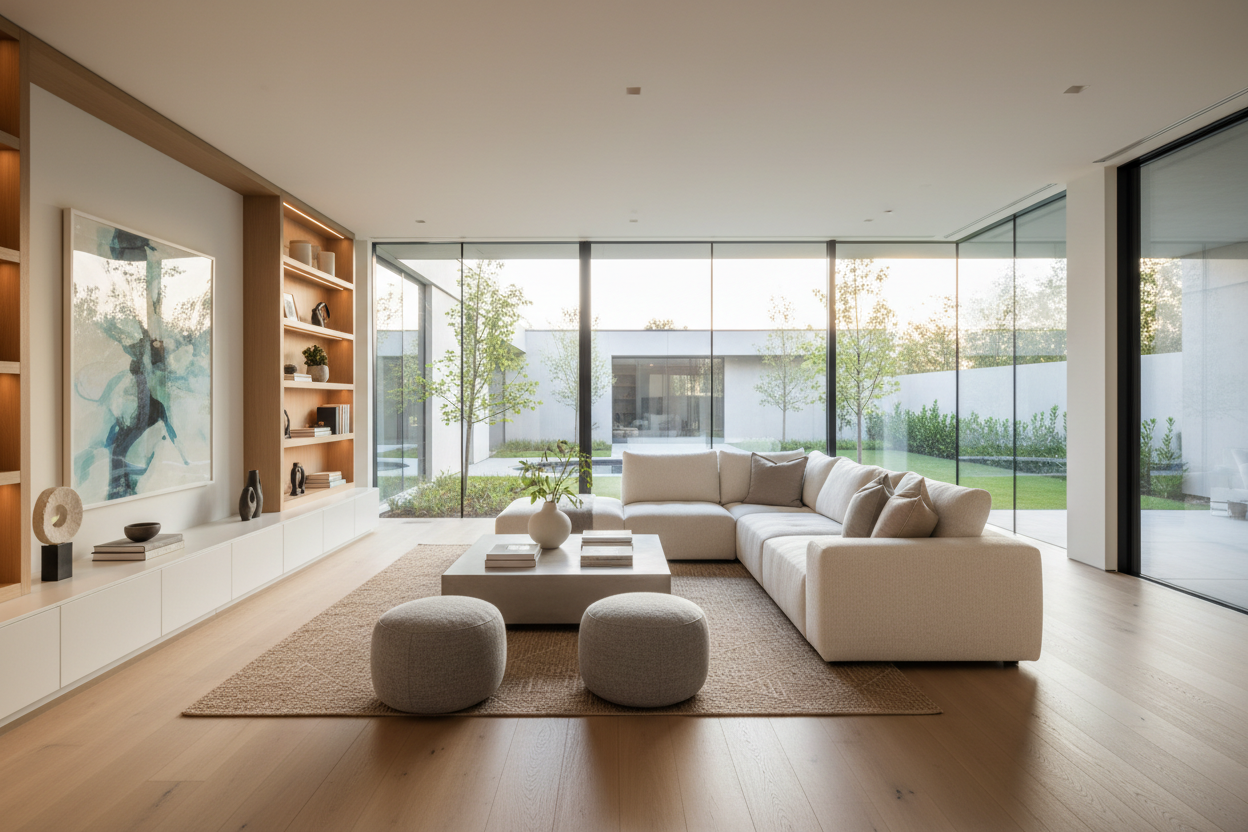
Typical Requirements in Living Room Environments
Installation and Usage Characteristics
Extended daily usage
Living rooms are typically occupied for long periods throughout the day and evening, requiring stable indoor temperature control and dependable system operation.
Comfort-focused thermal demand
Unlike utility spaces, living rooms prioritize comfort, requiring consistent heating performance without noticeable temperature fluctuations.
Integration with interior space
Equipment supporting living room heating is often installed in nearby technical spaces, wall-mounted units, or integrated systems, making compact and unobtrusive solutions important.
Noise and safety considerations
As a primary living area, low operating noise and safe system design are essential to maintain occupant comfort.
Key Environment Needs
- Stable and consistent indoor heating support
- Energy-efficient operation for long-term use
- Space-saving and discreet installation options
- Quiet performance suitable for living areas
- Safe operation with minimal user intervention
Common System Solutions
Based on typical living room usage patterns and comfort requirements, the following application-based solutions are commonly used:
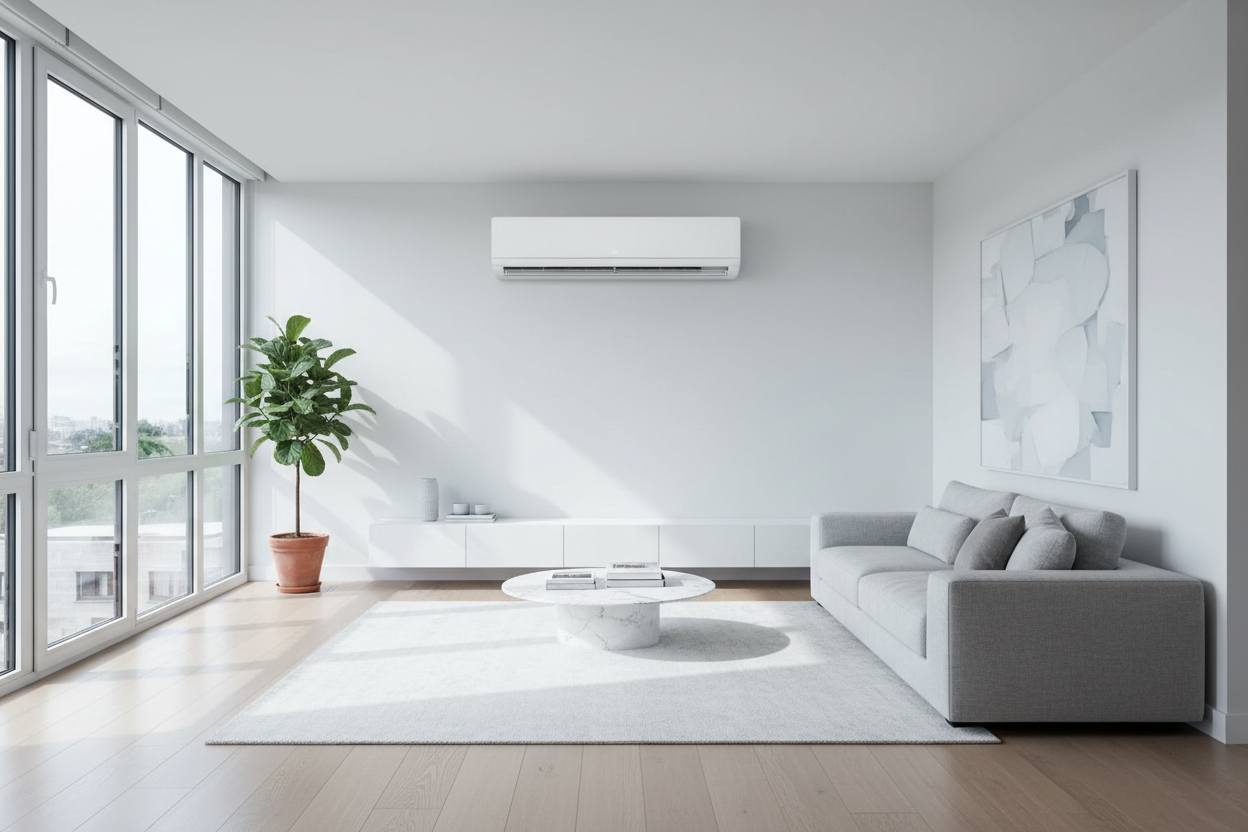
Fan Coil Unit (FCU) Heating System
FCU heating systems provide fast and efficient room-level heating for living rooms, apartments, and commercial spaces. These hydronic systems use water-based heat exchange and forced air distribution to achieve responsive and controllable indoor comfort.
Explore SolutionsUnderfloor Heating Systems
Underfloor heating systems are widely applied in modern residential buildings, supporting uniform heat distribution and improving comfort in living areas without occupying visible space.
Explore Solutions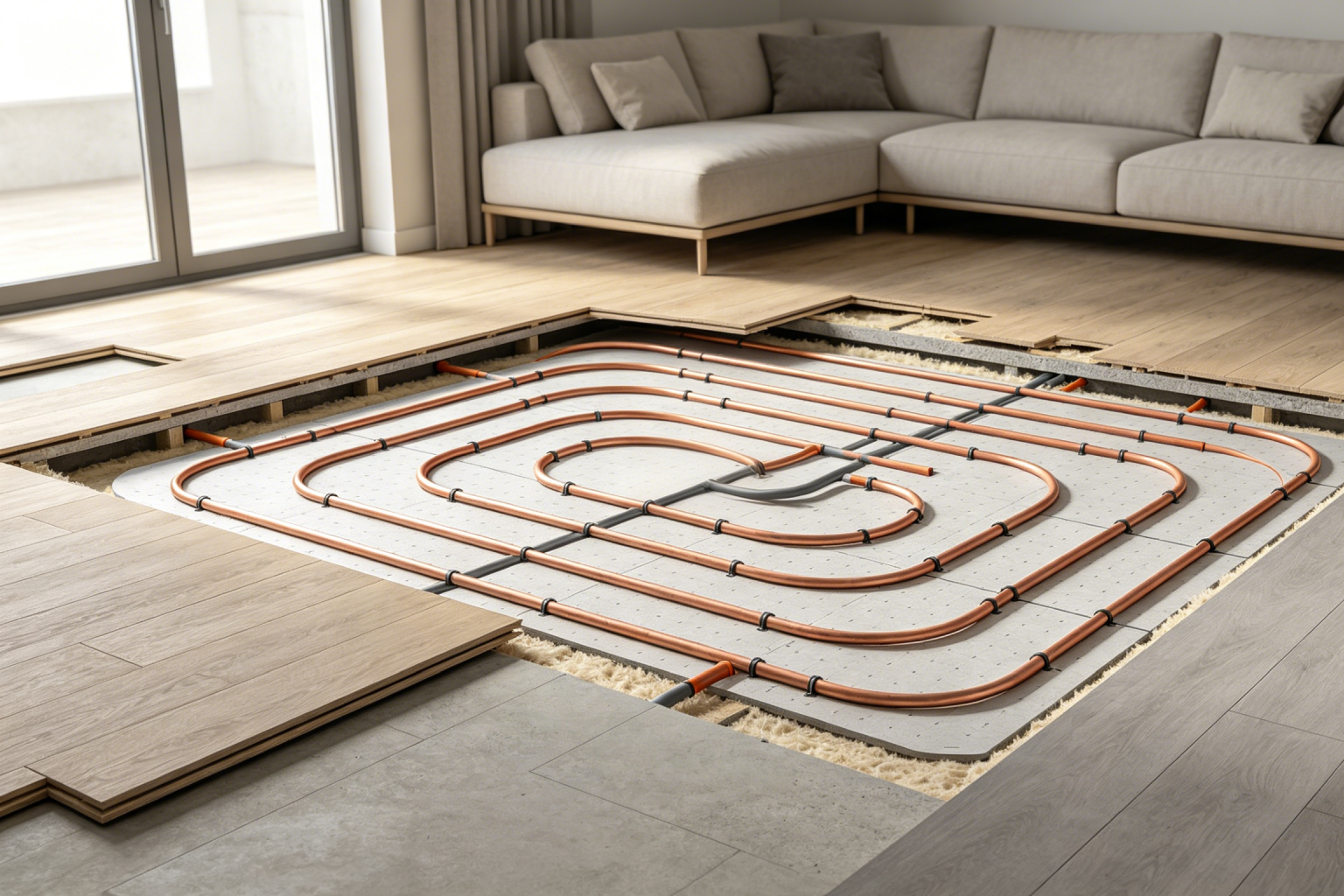
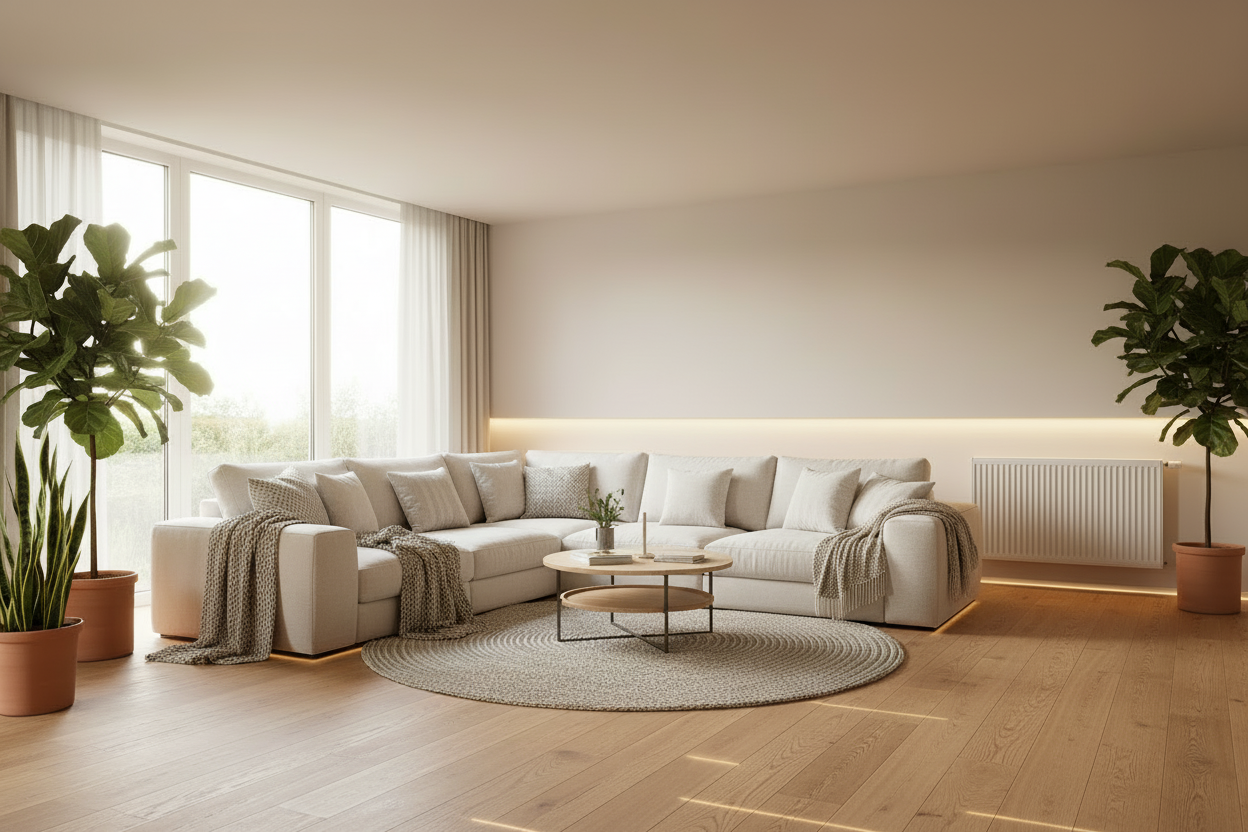
Why These Heating Solutions Fit Living Room Environments
These heating solutions are well suited for living room environments because they support comfortable indoor conditions while maintaining quiet and reliable operation in occupied spaces.
Flexible installation:These systems can be installed in various building layouts, including apartments, houses, and multi-room residences, without requiring major structural changes.
Space-efficient integration:Compact equipment designs allow heating components to be integrated into walls, utility rooms, or concealed areas without affecting the appearance of the living space.
Low noise operation:Quiet system performance helps maintain a comfortable indoor atmosphere, especially during evening and nighttime use.
Safe operation:Modern heating systems are designed to operate safely in continuously occupied environments, reducing risks associated with temperature control and system operation.
Convenient maintenance:Durable components and accessible installation locations help reduce maintenance effort and support long-term system reliability.