
Heating Solutions for Bedrooms
Bedrooms are private indoor spaces primarily used for rest and sleep. These environments are commonly found in residential homes, apartments, hotels, and serviced residences, where thermal comfort, quiet operation, and safety are essential.
Because bedrooms are occupied for extended periods—often overnight—heating and hot water–related systems supporting these spaces must operate reliably, silently, and safely to ensure uninterrupted comfort and a healthy indoor environment.

Typical Requirements in Bedroom Environments
Installation and Usage Characteristics
Extended occupancy periods
Bedrooms are used for long, continuous periods, especially at night, requiring stable and uninterrupted thermal support.
Comfort-oriented temperature needs
Bedroom environments require consistent indoor temperatures without sudden changes that could affect sleep quality.
Limited visible installation space
Equipment supporting bedroom heating is typically installed in adjacent technical rooms, wall-mounted units, or concealed locations, making compact and discreet solutions important.
Strict noise and safety expectations
As quiet and private spaces, bedrooms demand low operating noise and a high level of operational safety.
Key Operational Requirements
Your text
- Stable and continuous heating support
Energy-efficient operation suitable for long-duration use - Space-saving and visually unobtrusive installation
- Quiet performance appropriate for sleeping environments
- Safe operation with minimal user interaction
Common System Solutions for Bedroom Environments
Based on bedroom usage patterns and comfort-focused requirements, the following application-based solutions are commonly applied:
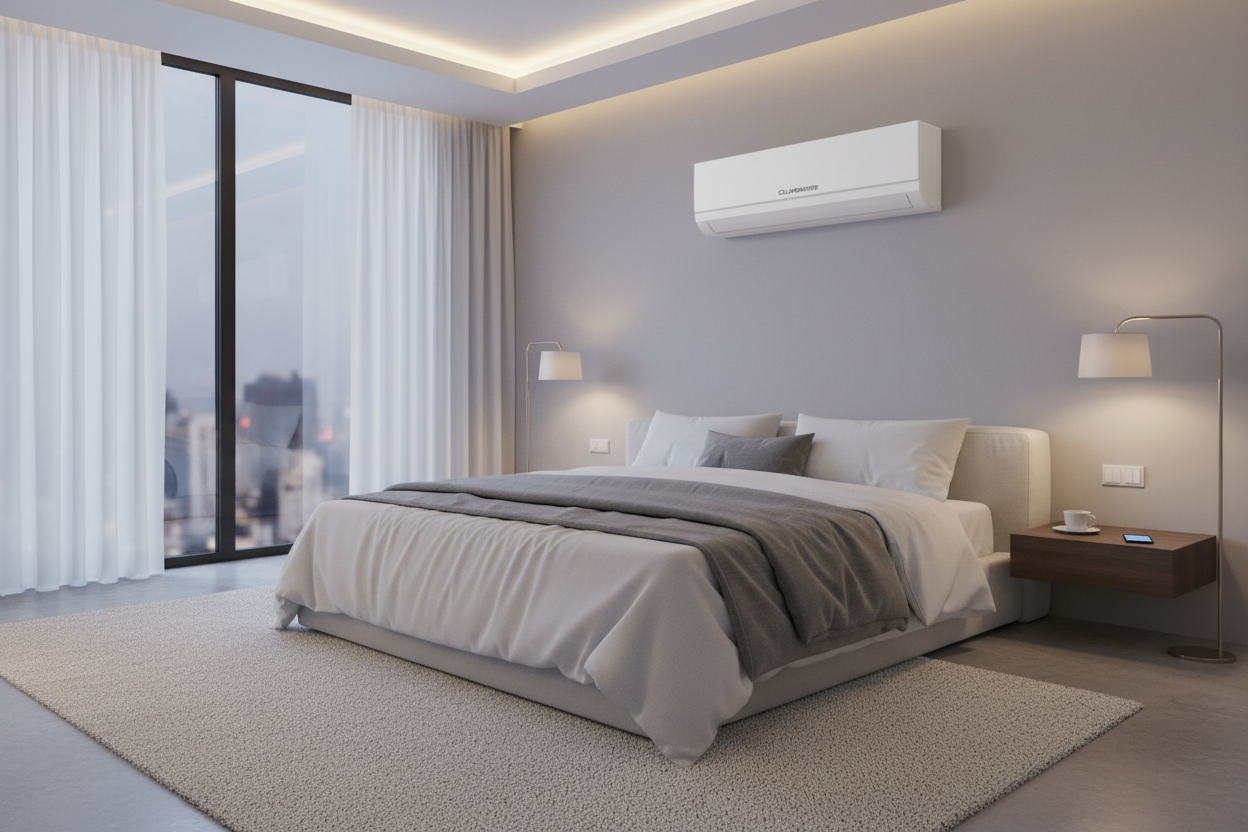
Fan Coil Unit (FCU) Heating System
FCU heating systems provide fast and flexible room temperature control for bedrooms and residential spaces. Using hot water circulation through compact coils, they deliver efficient and responsive heating with stable comfort.
Commonly used in hydronic heating systems, FCU solutions require reliable flow control and heat transfer components to ensure quiet and stable operation.
Explore SolutionsFloor Heating
Hydronic floor heating provides silent, even, and comfortable radiant heat through embedded pipe networks. It is widely used in bedrooms for stable low-temperature heating and high comfort levels.
Typically integrated with heat exchangers, pumps, and mixing valves to ensure efficient and controlled operation.
Explore Solutions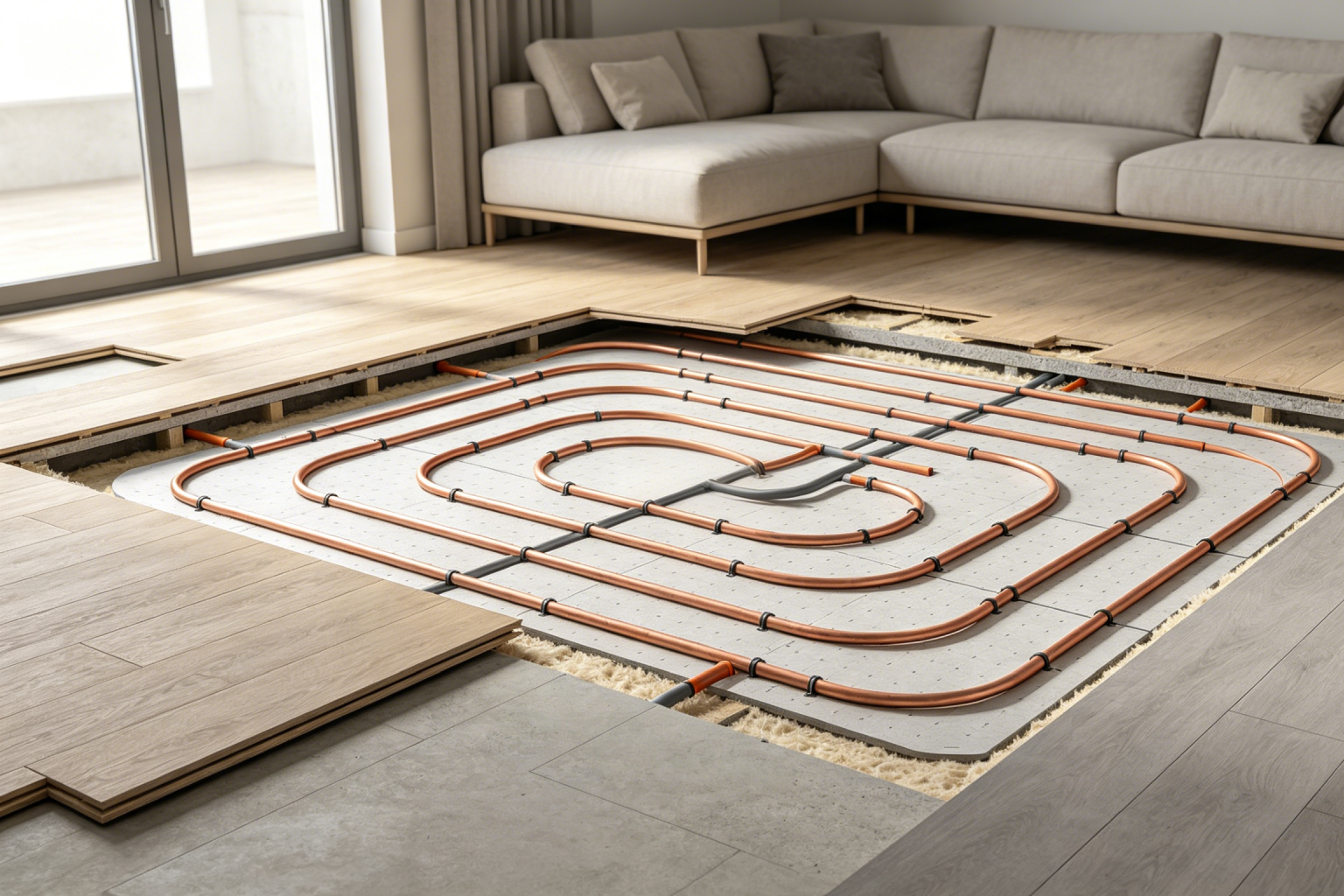

Why These Heating Solutions Fit Bedroom Environments
These heating solutions are well suited for bedroom environments due to their practical design and operational benefits.
- Flexible installation:Suitable for integration into various building layouts and room configurations.
- Space-efficient integration:Designed to support heating needs without occupying valuable bedroom space.
- Low noise operation:
Appropriate for quiet environments where sleep quality is a priority. - High safety level:Controlled heat delivery helps ensure safe operation in private living spaces.
- Convenient maintenance:Reliable components and long service intervals reduce ongoing maintenance needs.