

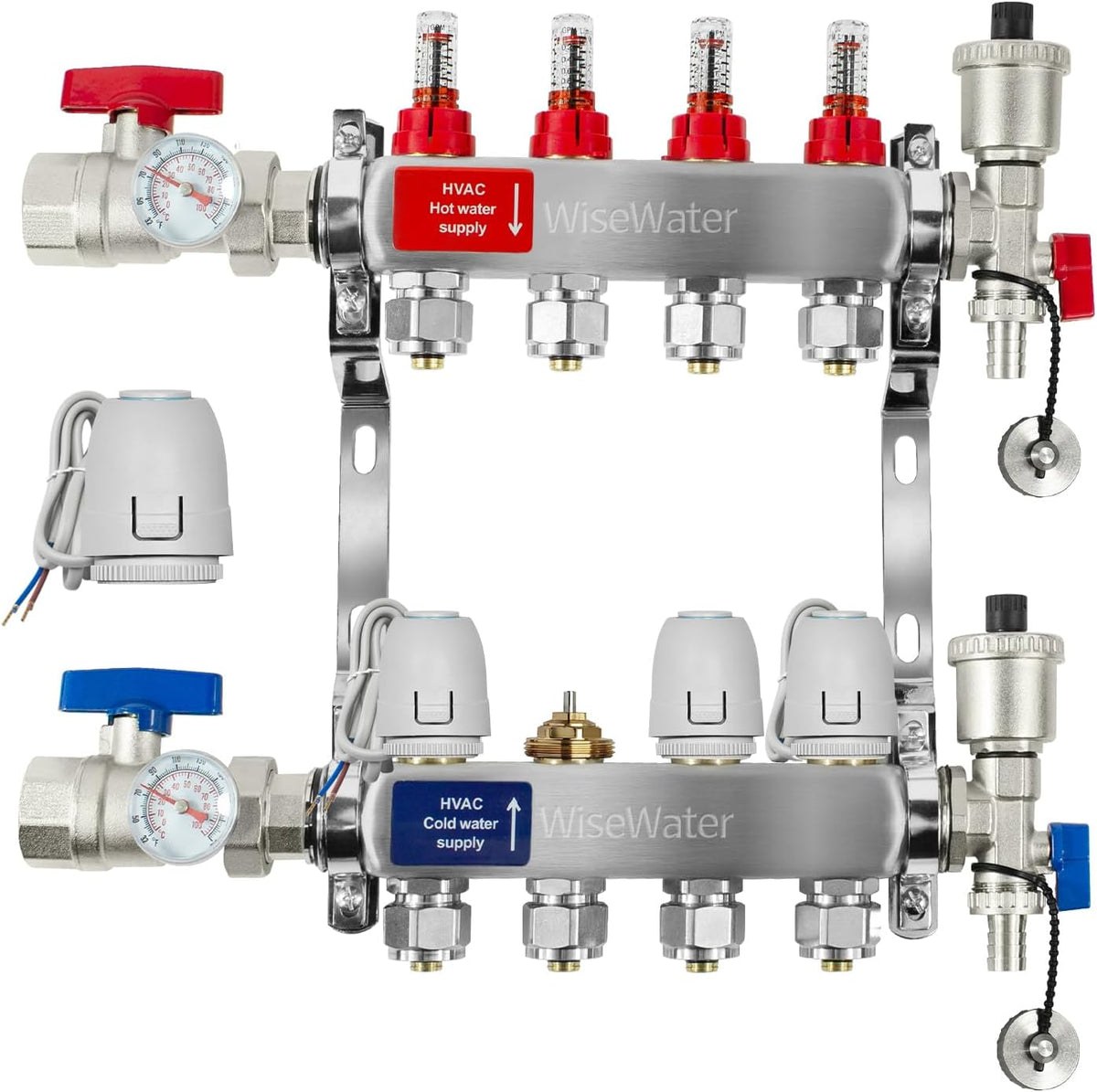
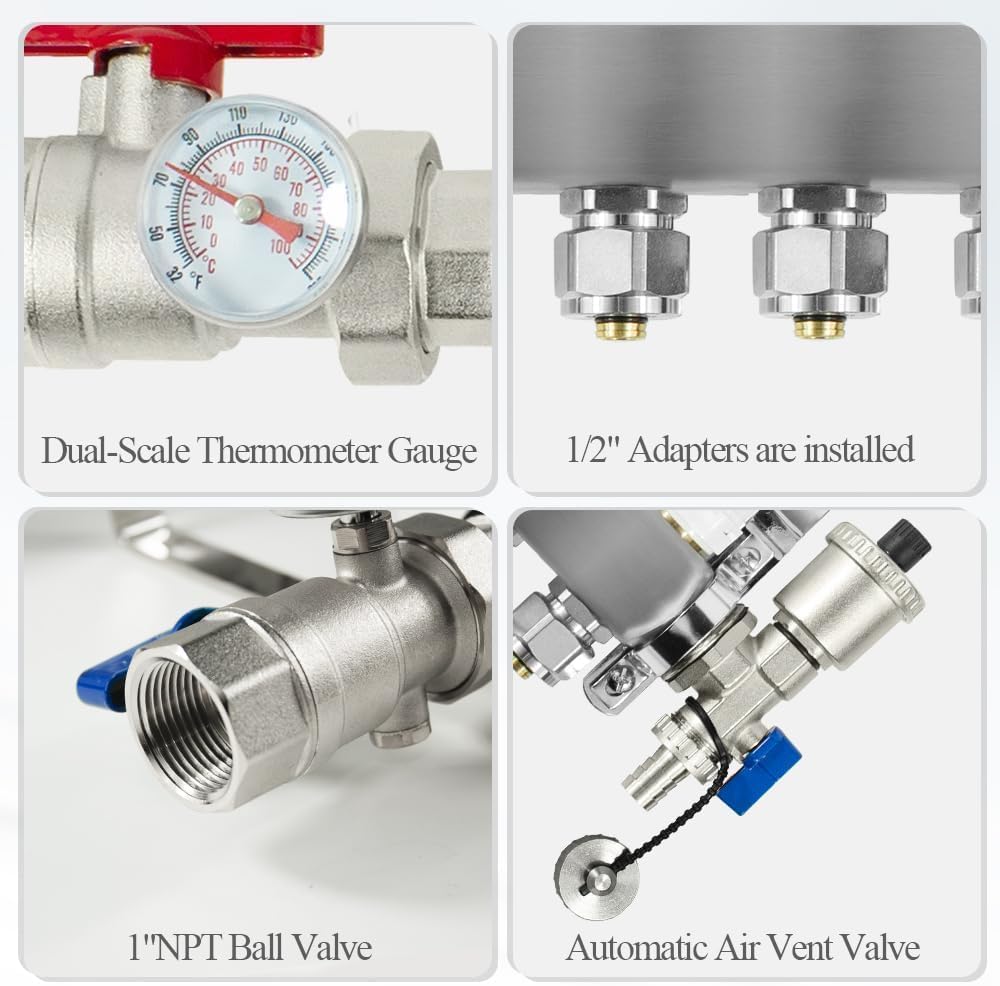
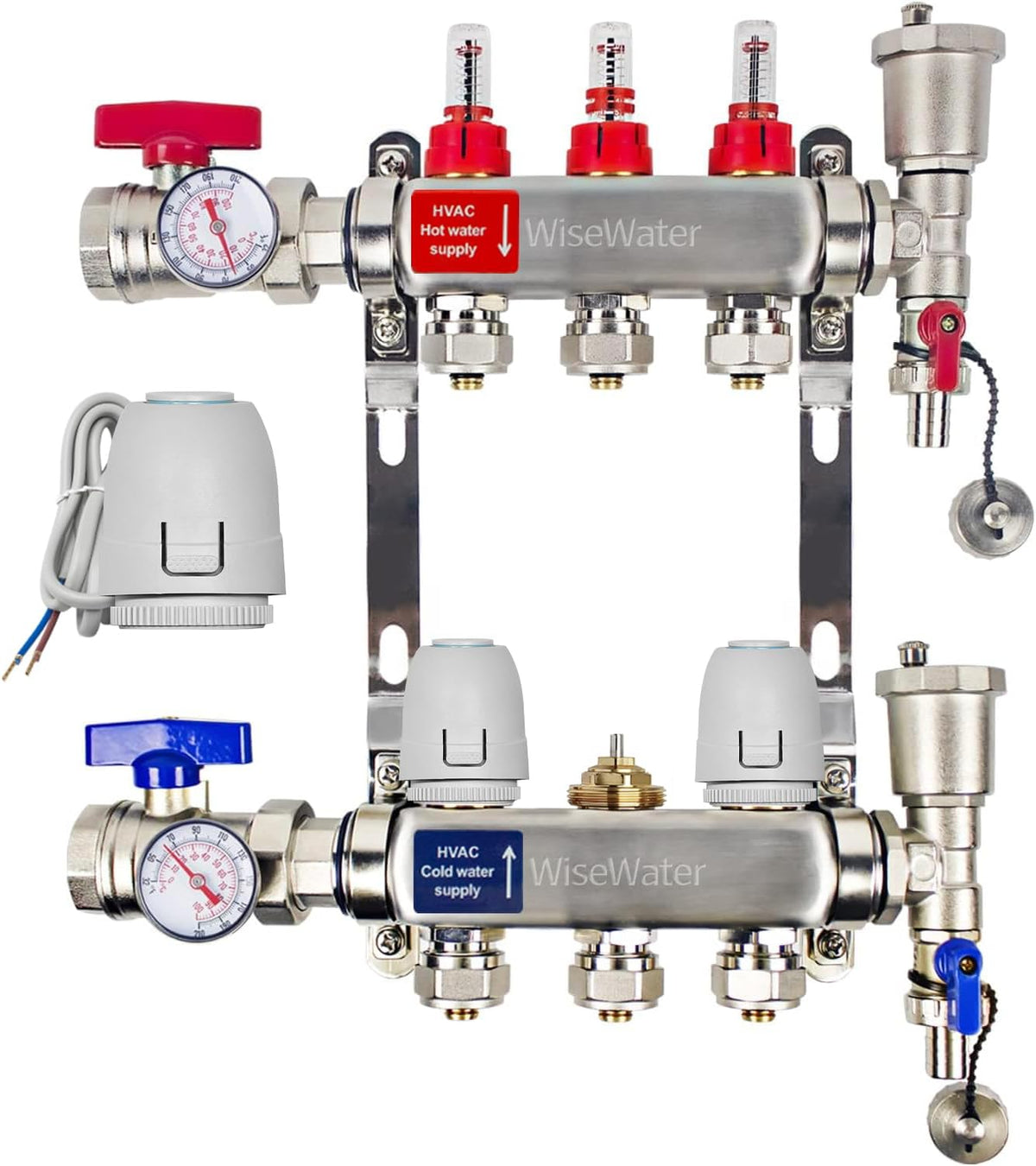
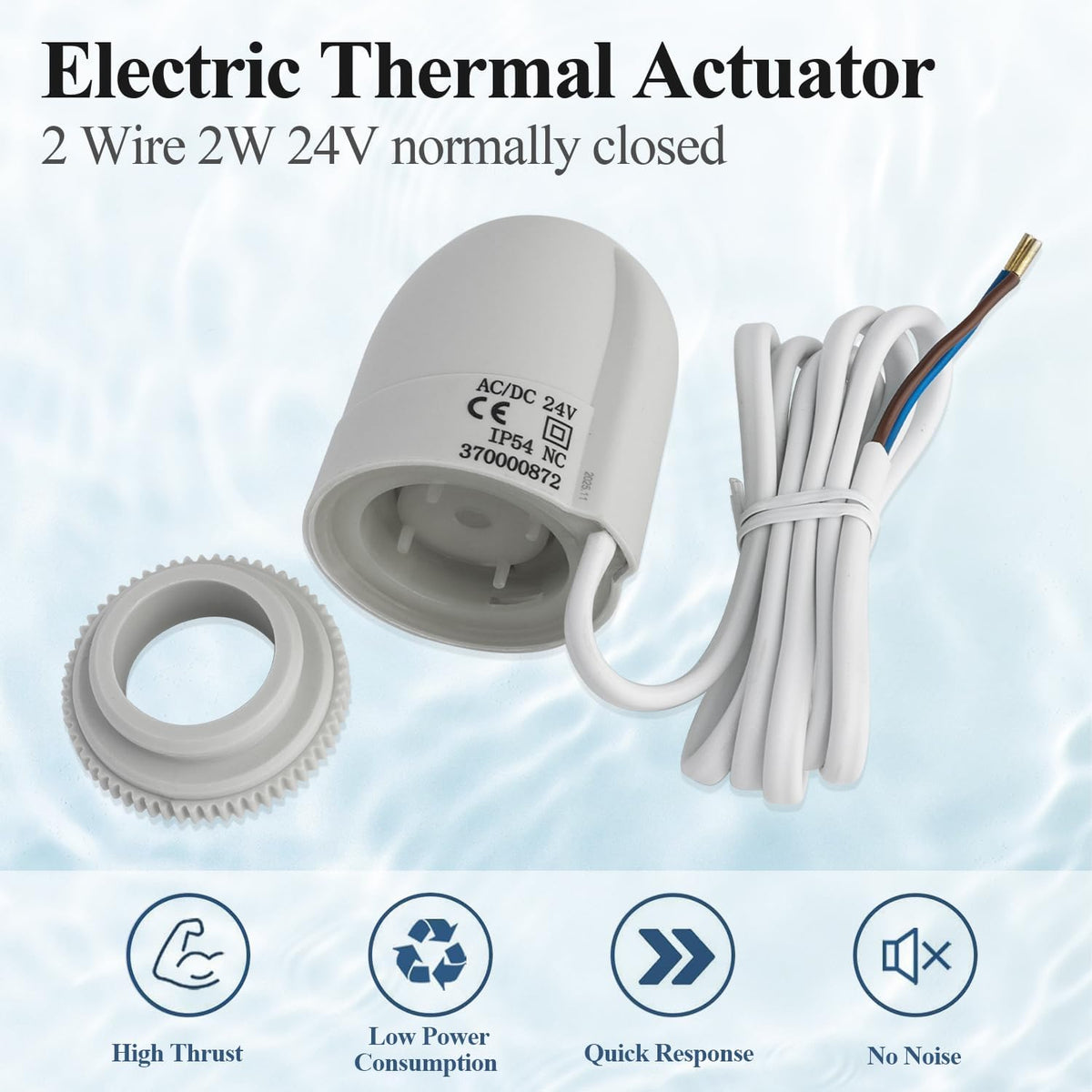
Overview of Heating Manifolds
Heating manifolds are essential distribution components in radiant floor heating and hydronic heating systems. They regulate and distribute heated water from a boiler or heat pump into multiple floor heating circuits, ensuring stable flow balance, efficient heat transfer, and consistent indoor temperature control.
Alfa Heating Supply provides durable heating manifolds designed for residential and commercial hydronic applications, supporting reliable hydraulic performance and long-term system stability.
Applications of Heating Manifolds in Hydronic & Radiant Systems
Heating manifolds are essential components in hydronic heating systems, enabling accurate flow distribution, hydraulic balancing, and temperature zoning across multiple heating circuits. Their modular design makes them suitable for residential, commercial, and industrial heating applications.


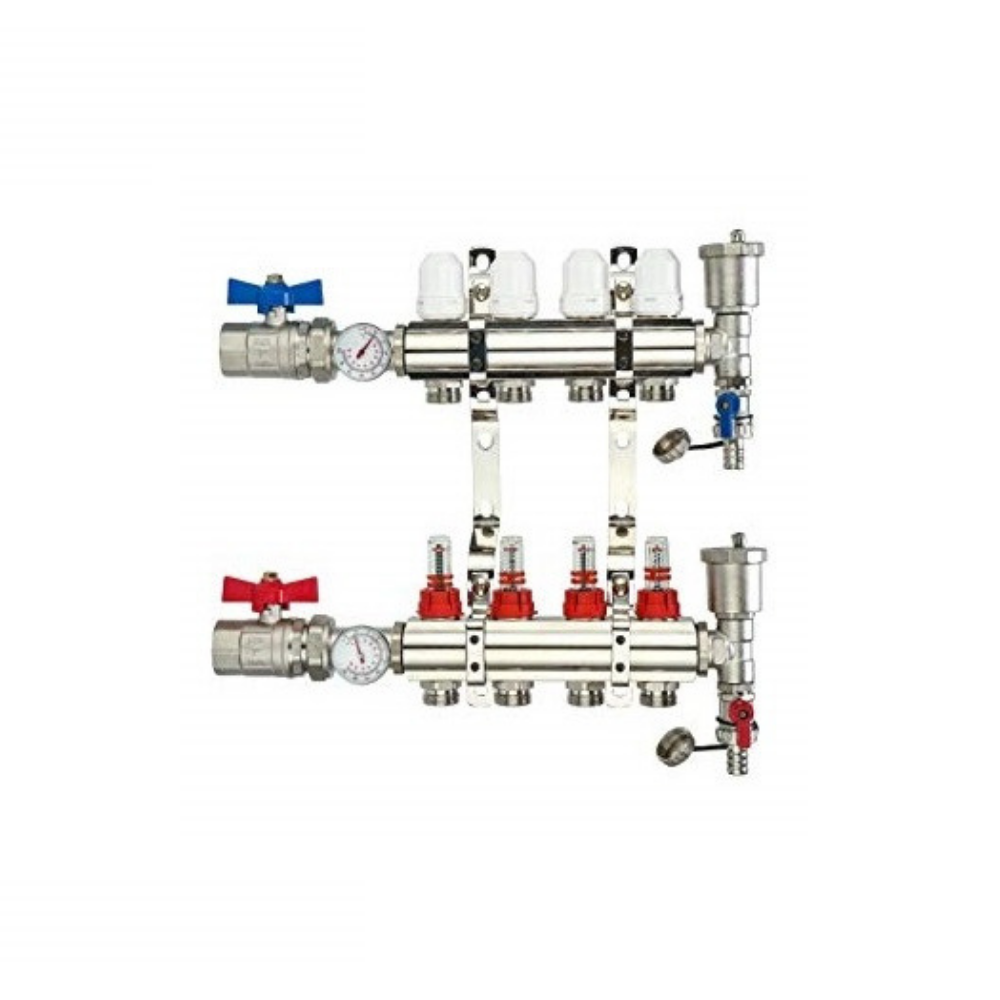
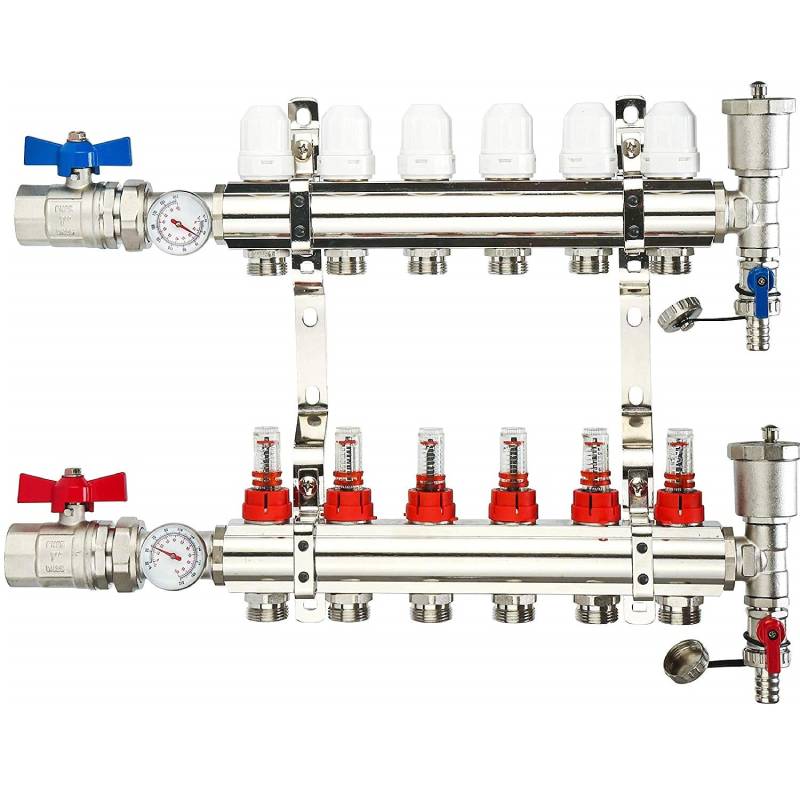
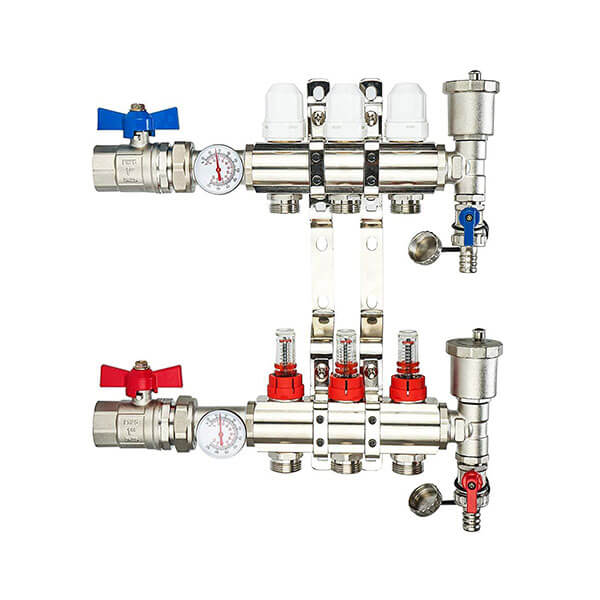
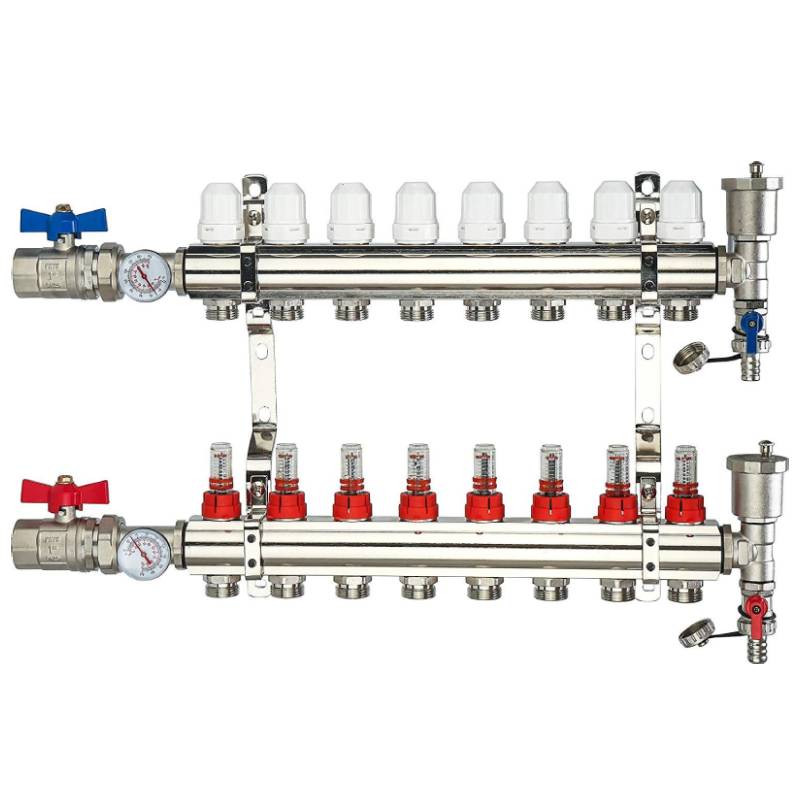
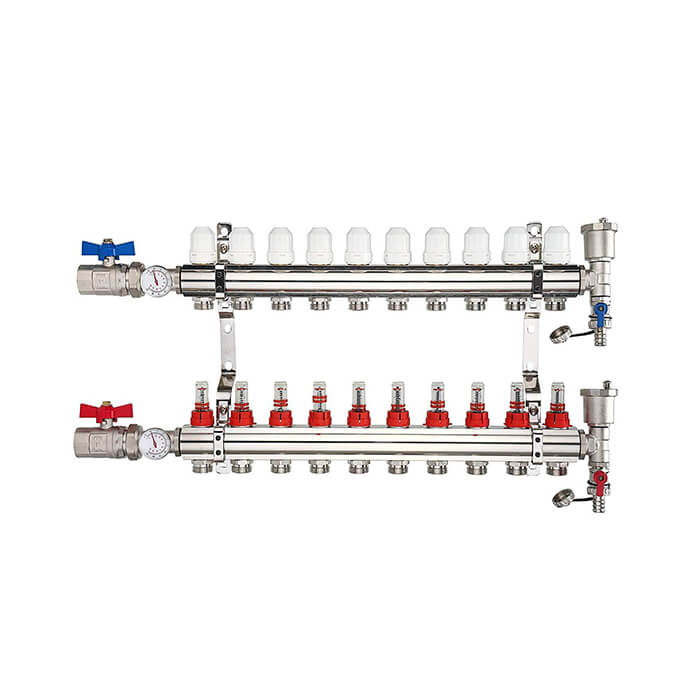
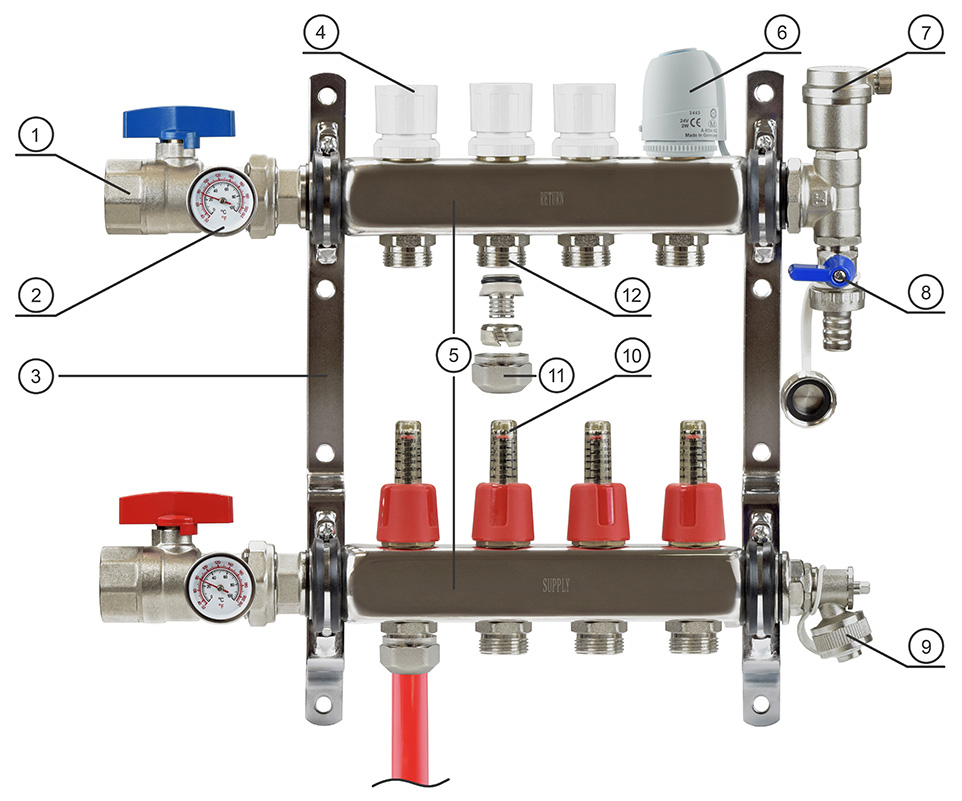
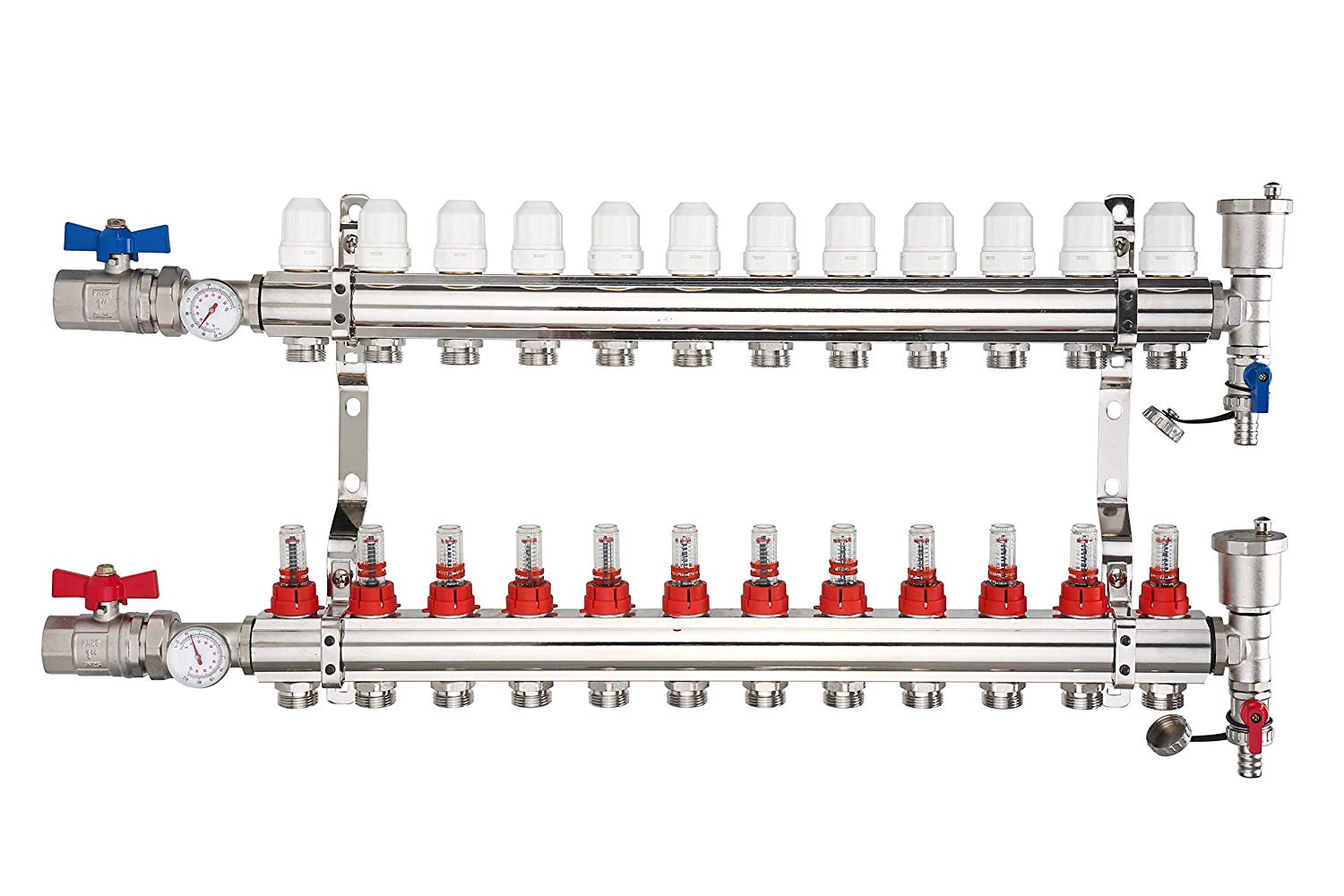
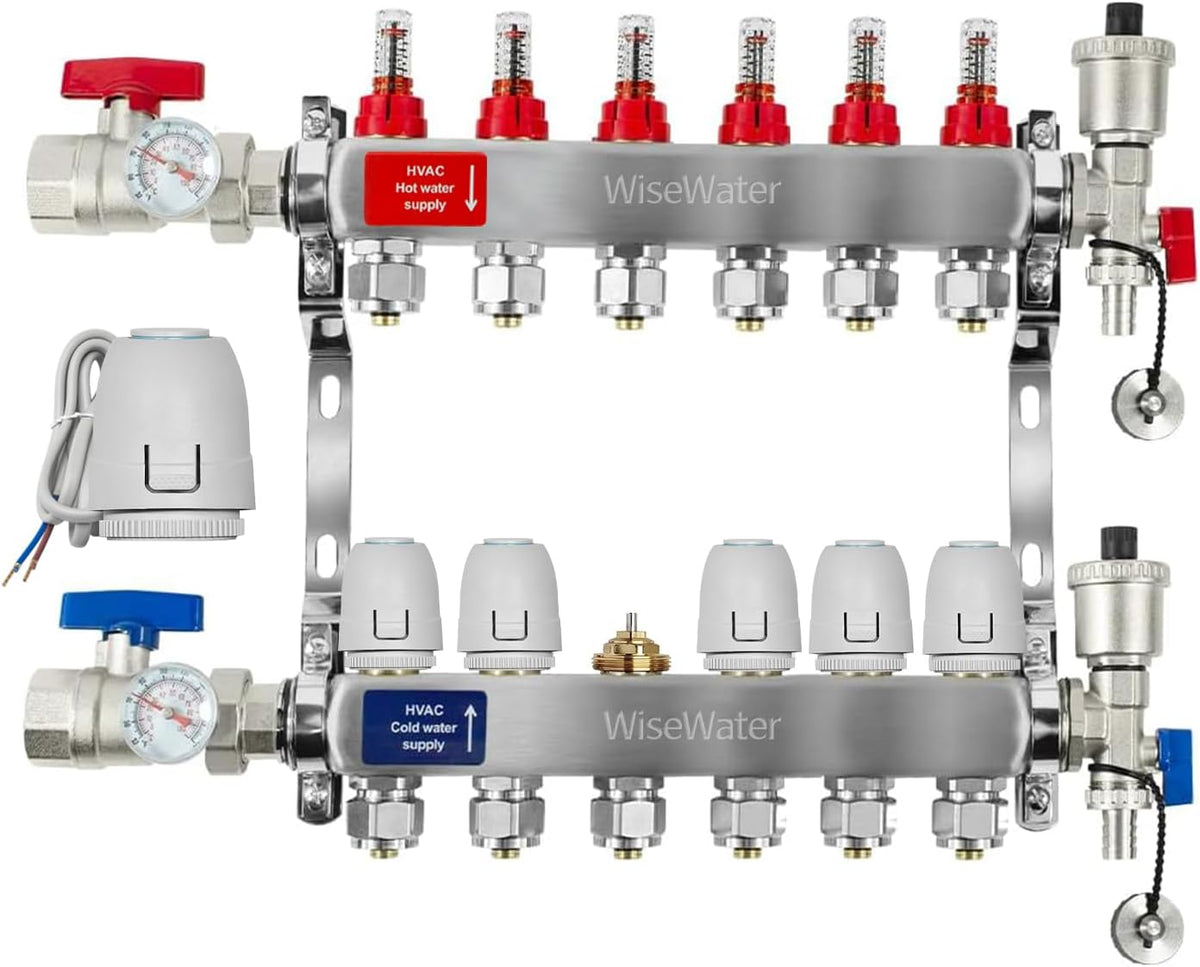
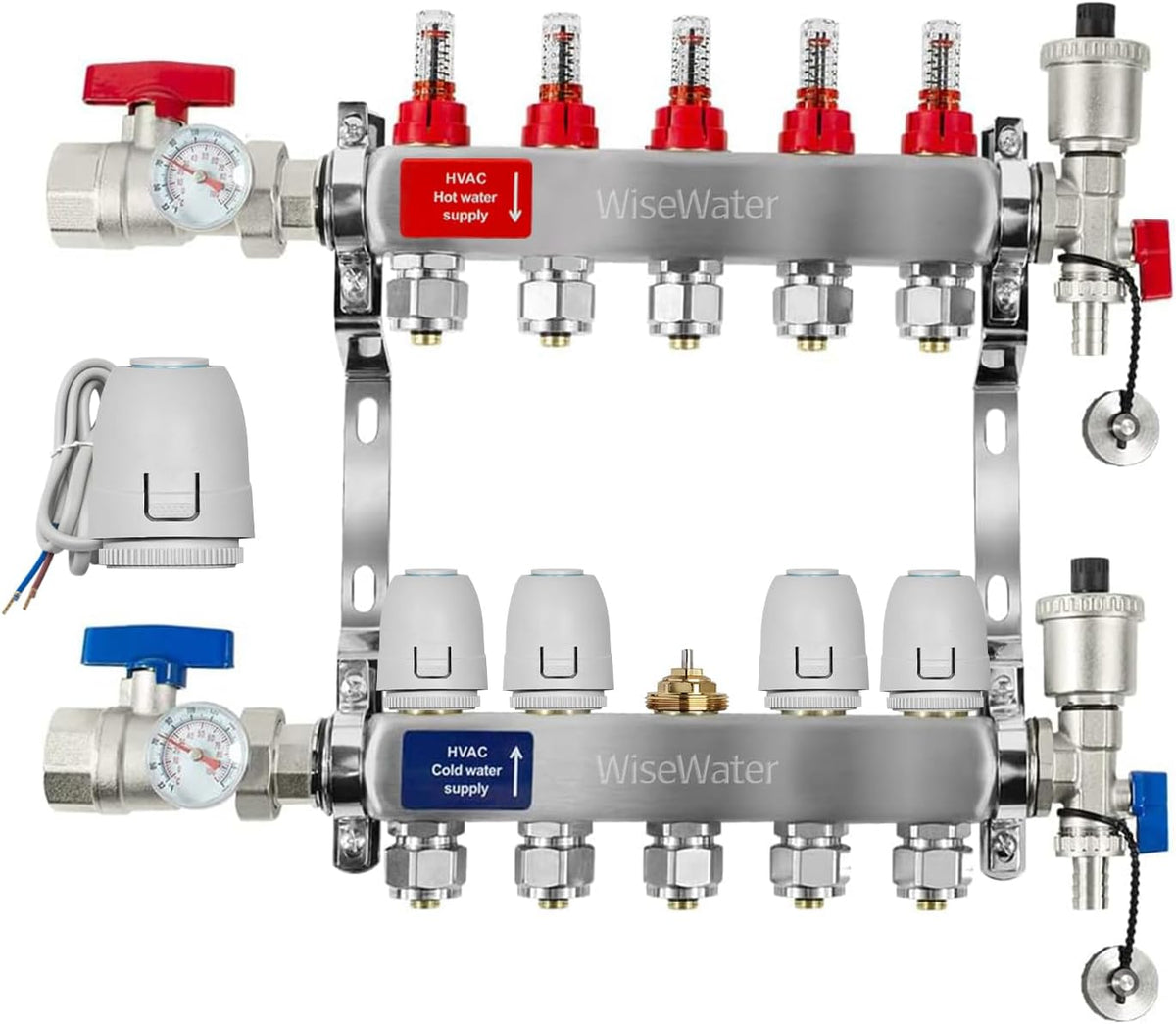
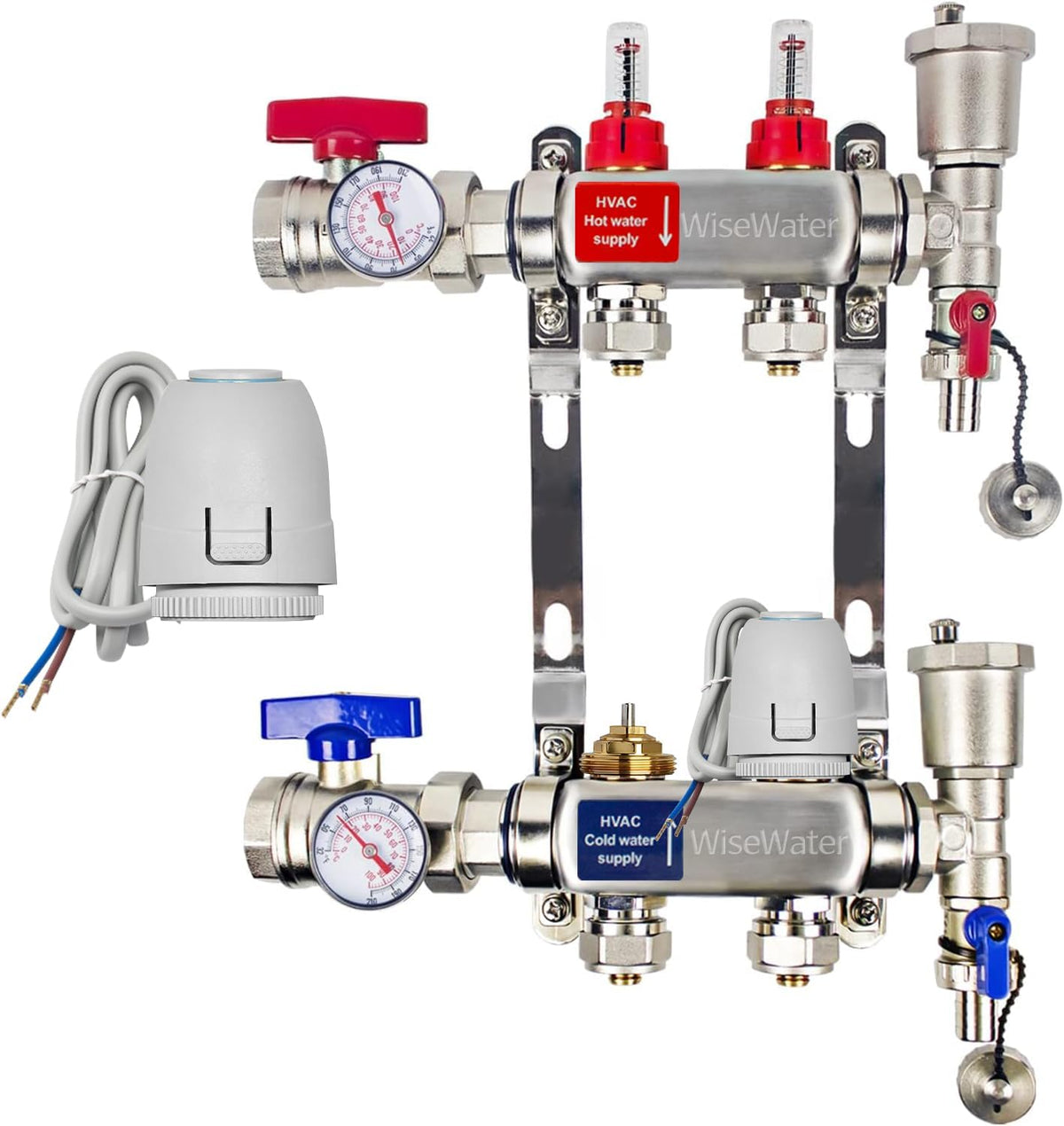
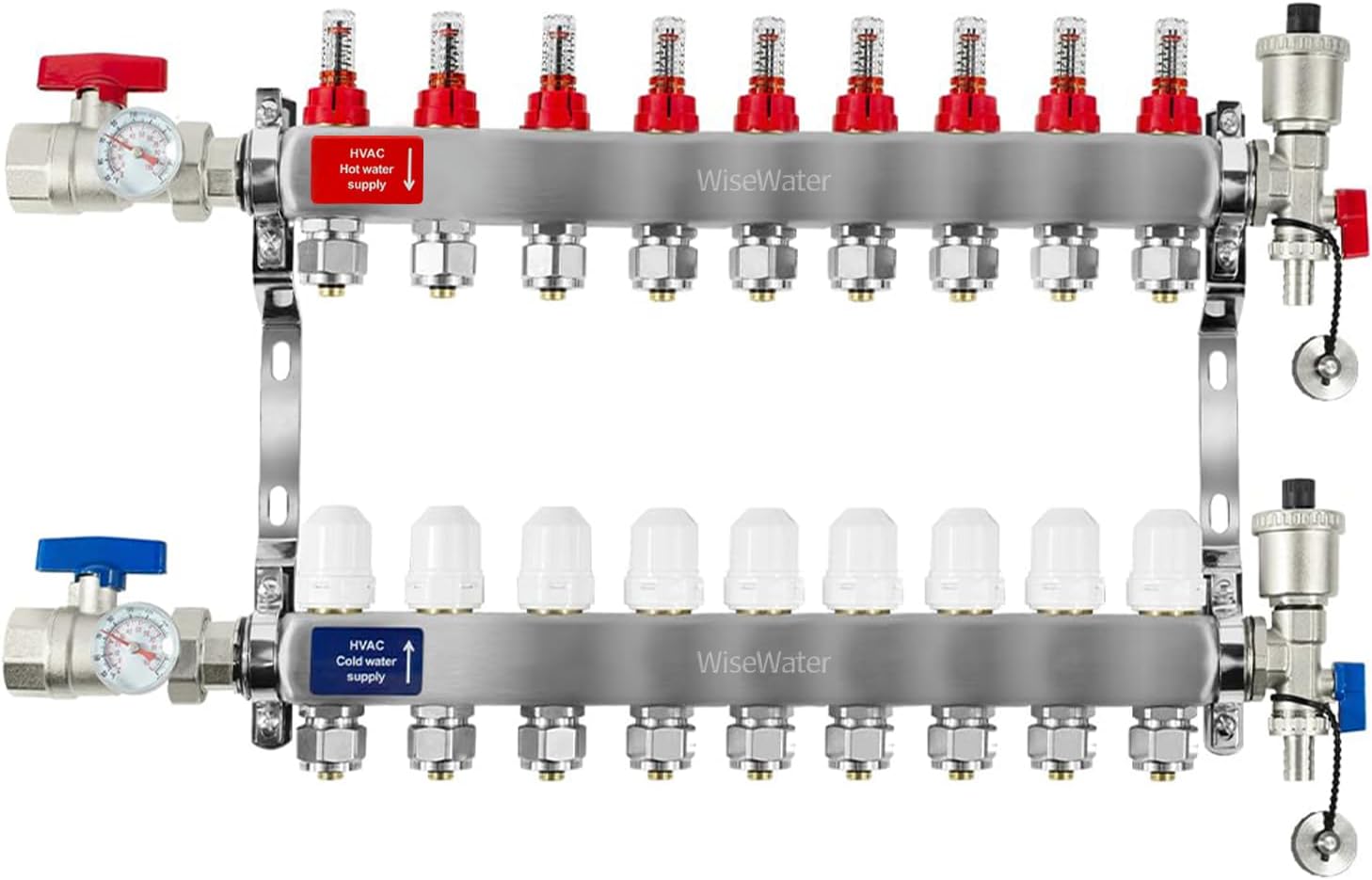
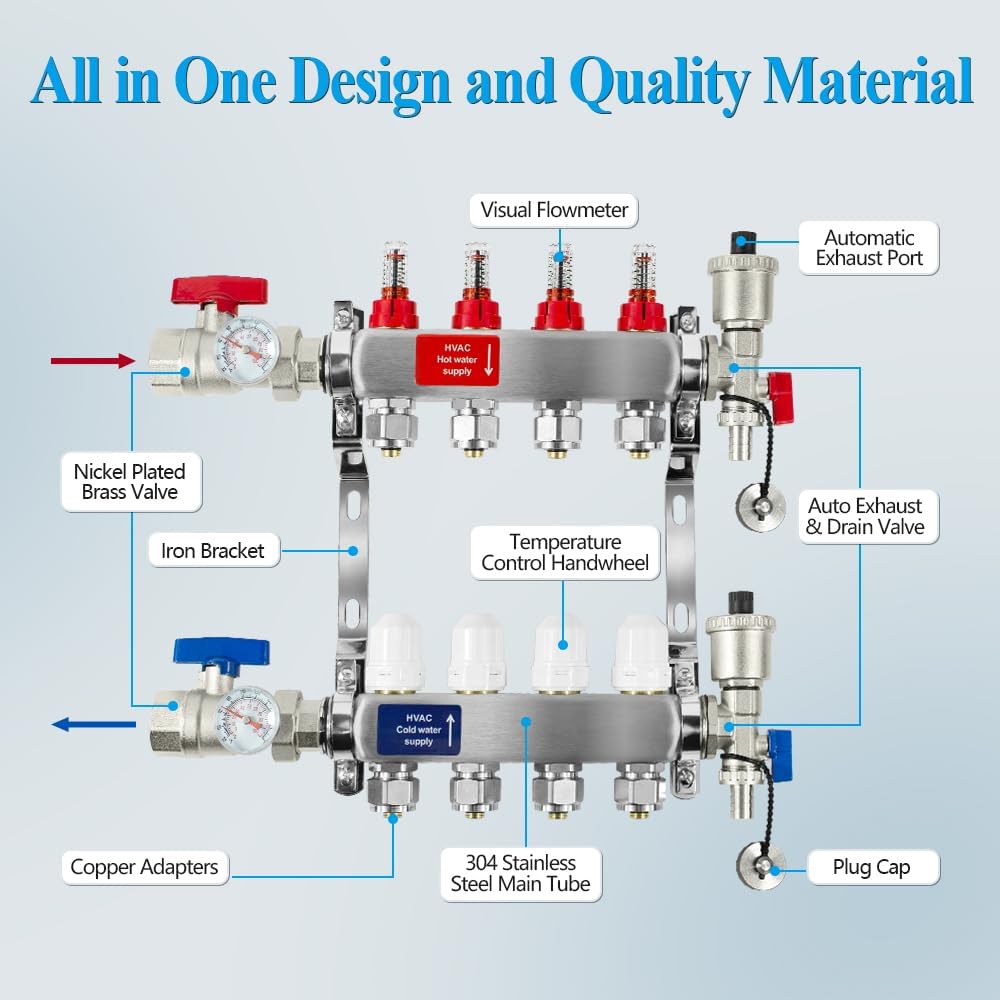
Components of a Radiant Floor Distribution Manifold
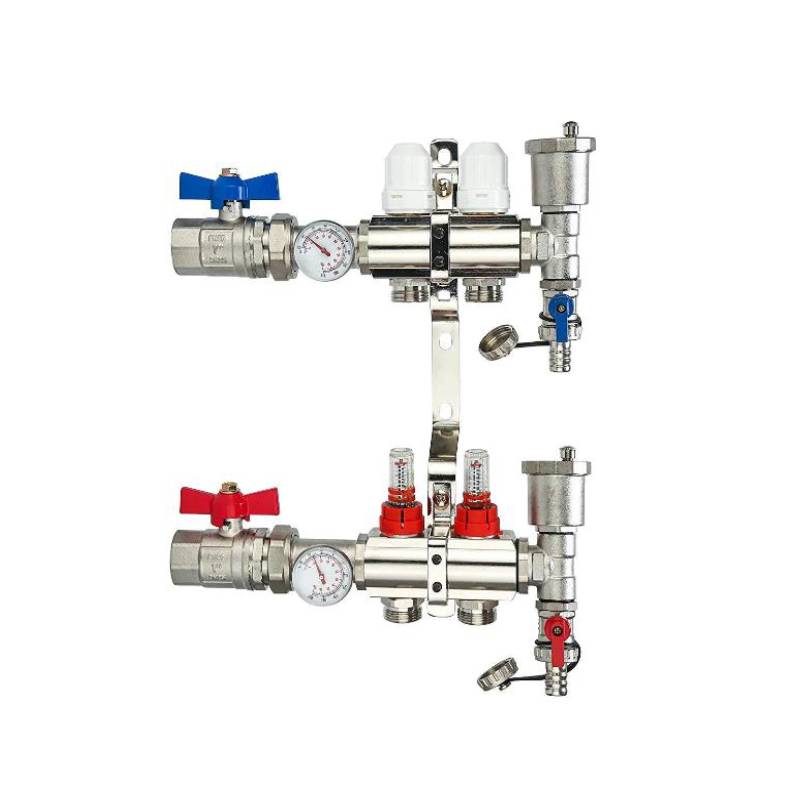
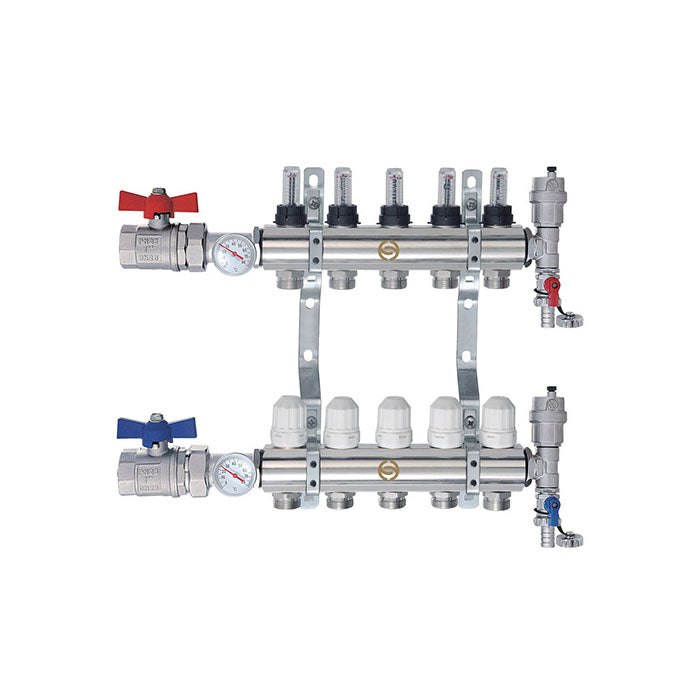
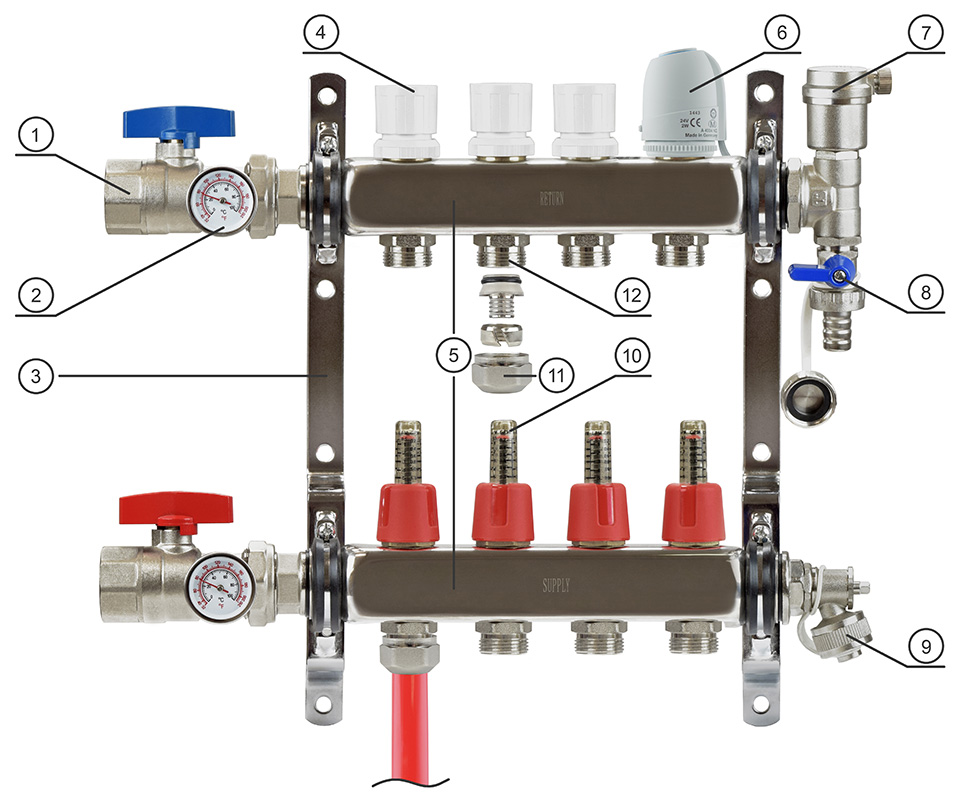
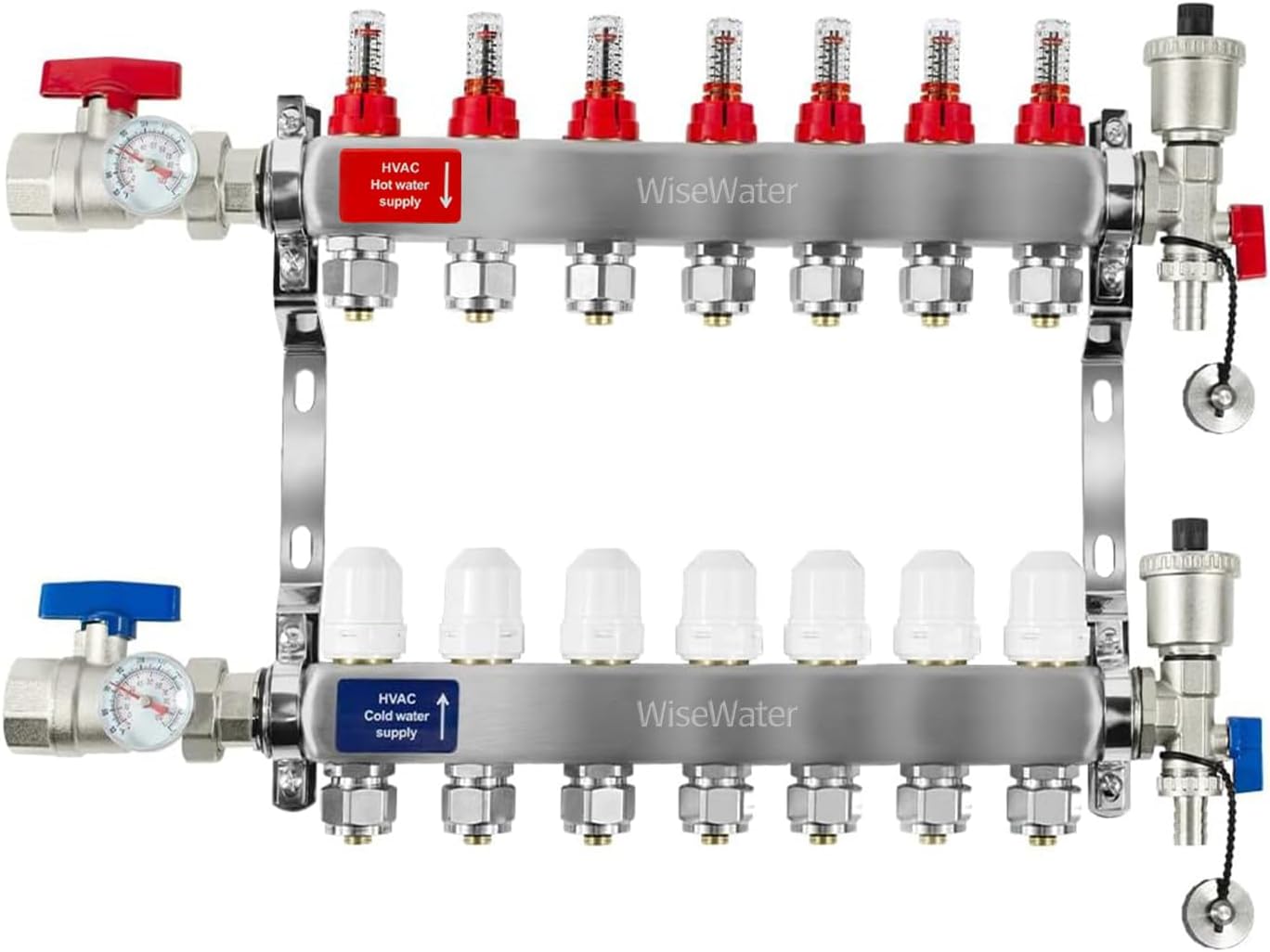
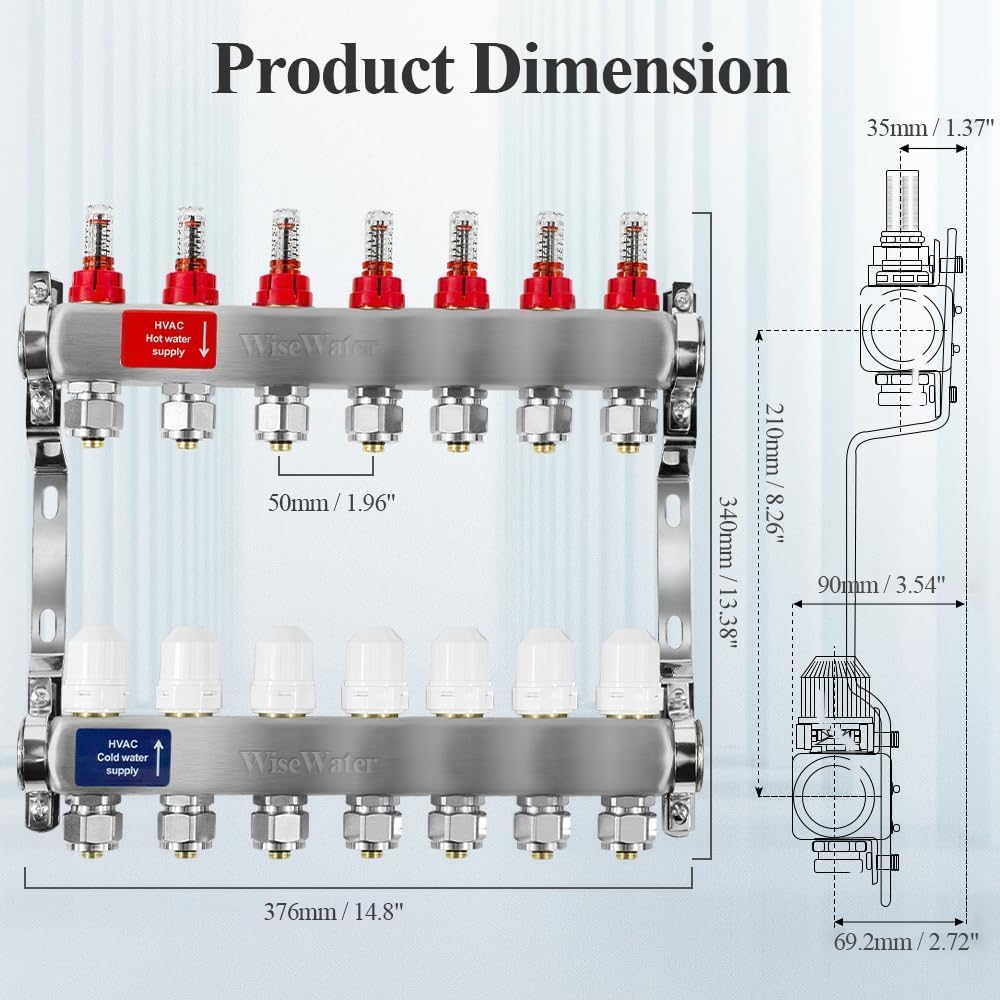
A standard radiant floor distribution manifold consists of several mechanical and control components designed to manage flow distribution, pressure regulation, and system maintenance.
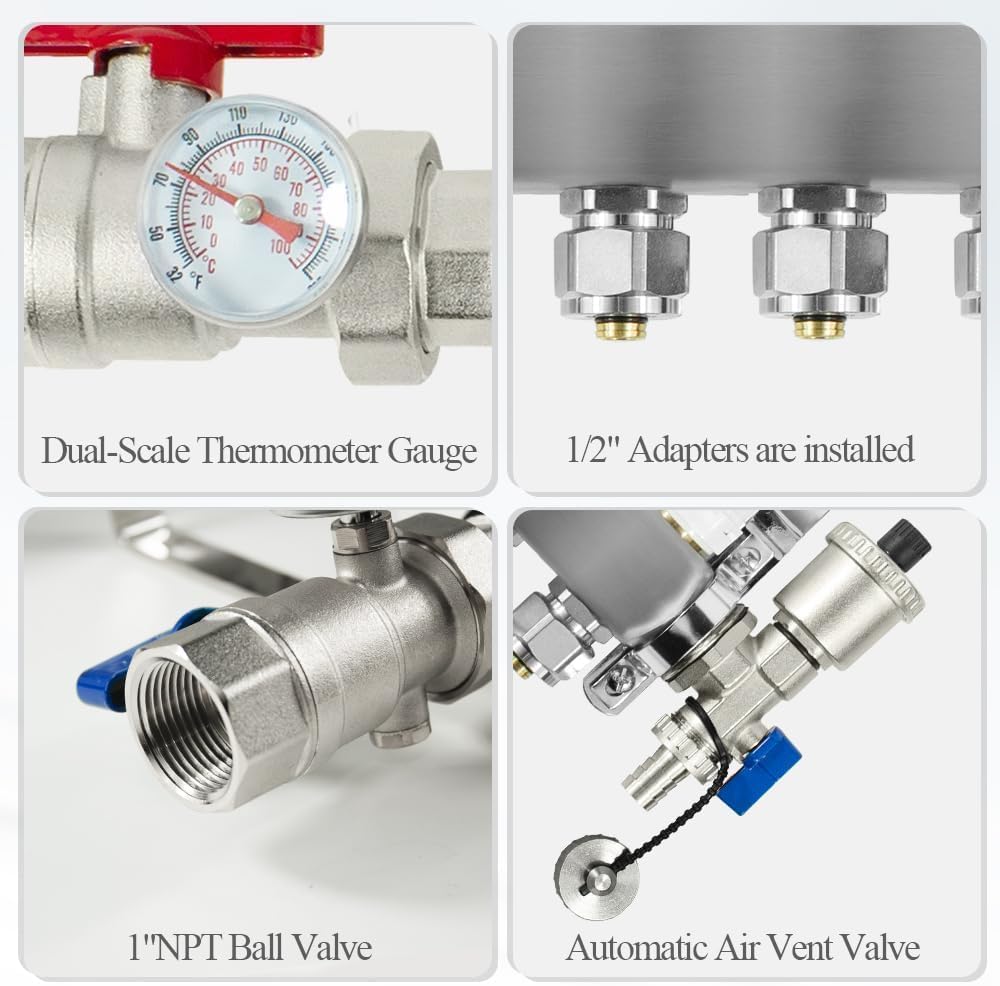
Typical manifold components include:
- Supply manifold body – distributes heated water to multiple circuits
- Return manifold body – collects water returning from floor loops
- Flow meters – measure and adjust circuit flow rates
- Balancing valves – maintain uniform hydraulic performance
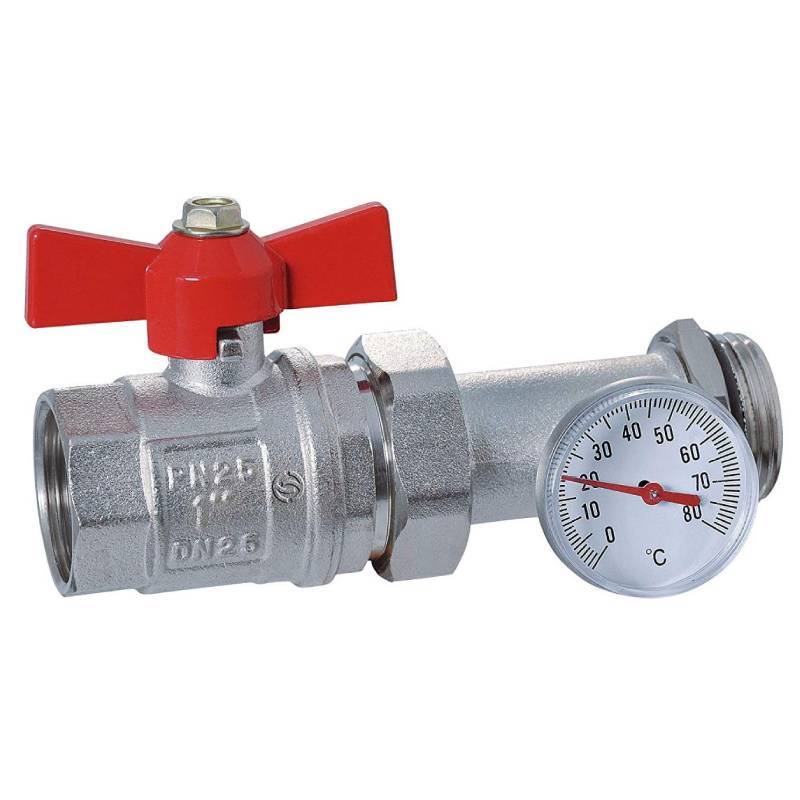
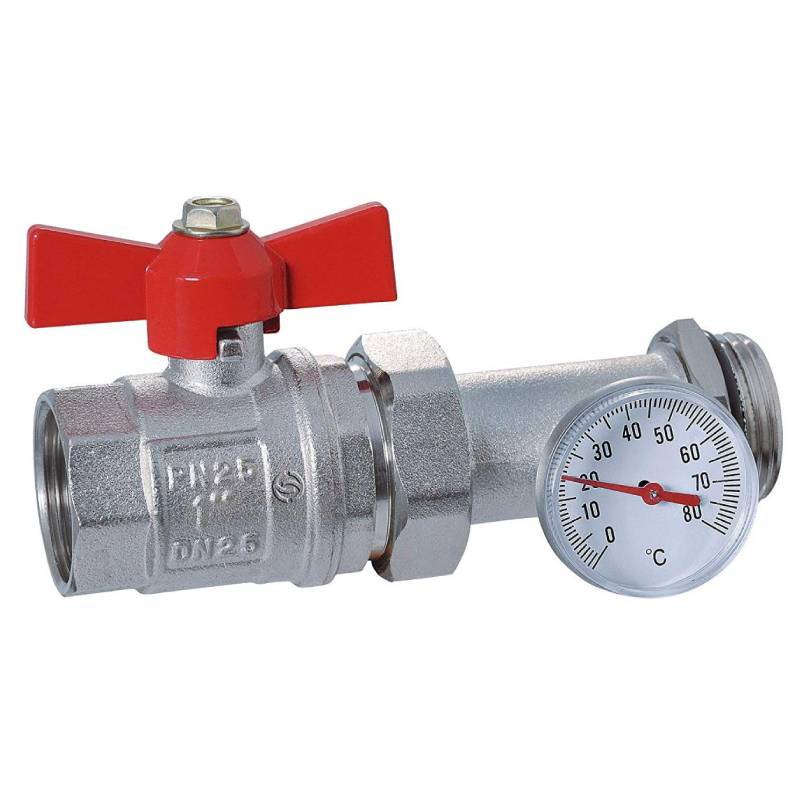
- Isolation valves – allow individual circuit shutoff for servicing
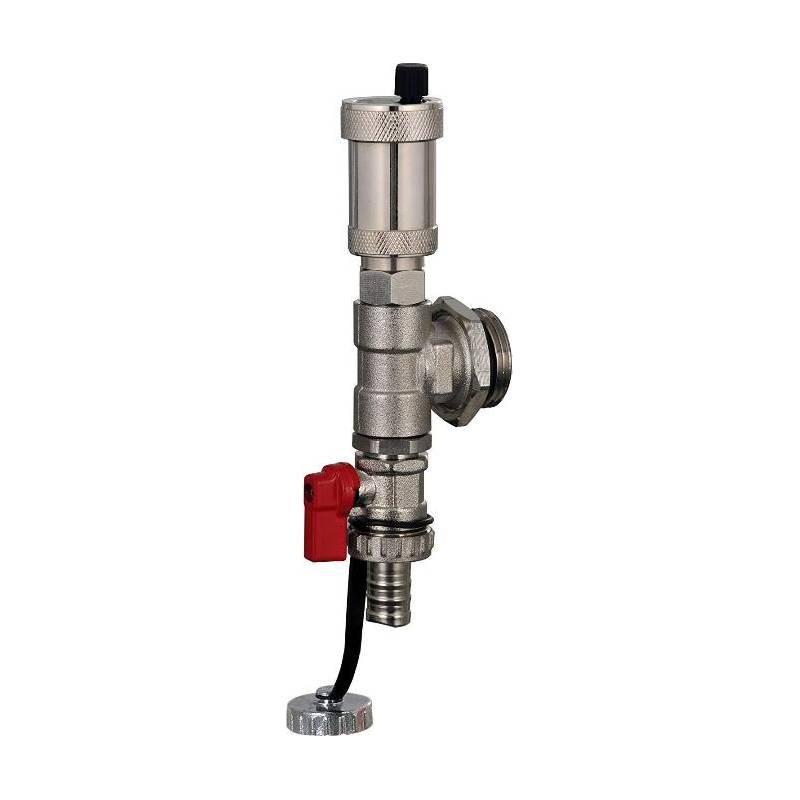
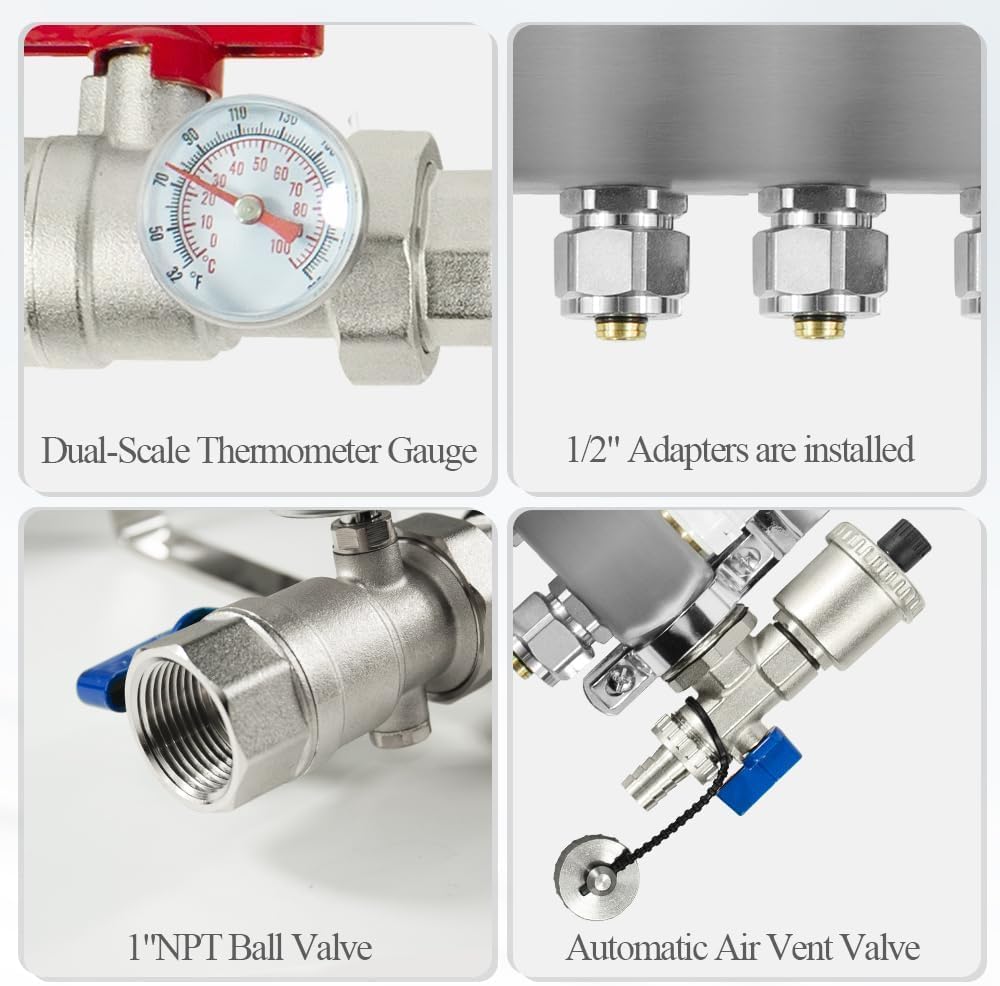
- Air vents – remove trapped air from the system
- Drain and fill valves – support system filling and flushing
- Mounting brackets – secure the manifold assembly to the wall or cabinet
These components work together to ensure reliable flow control and stable operation within radiant floor distribution systems and other hydronic heating installations.
How Heating Manifolds Work in Radiant Floor Systems
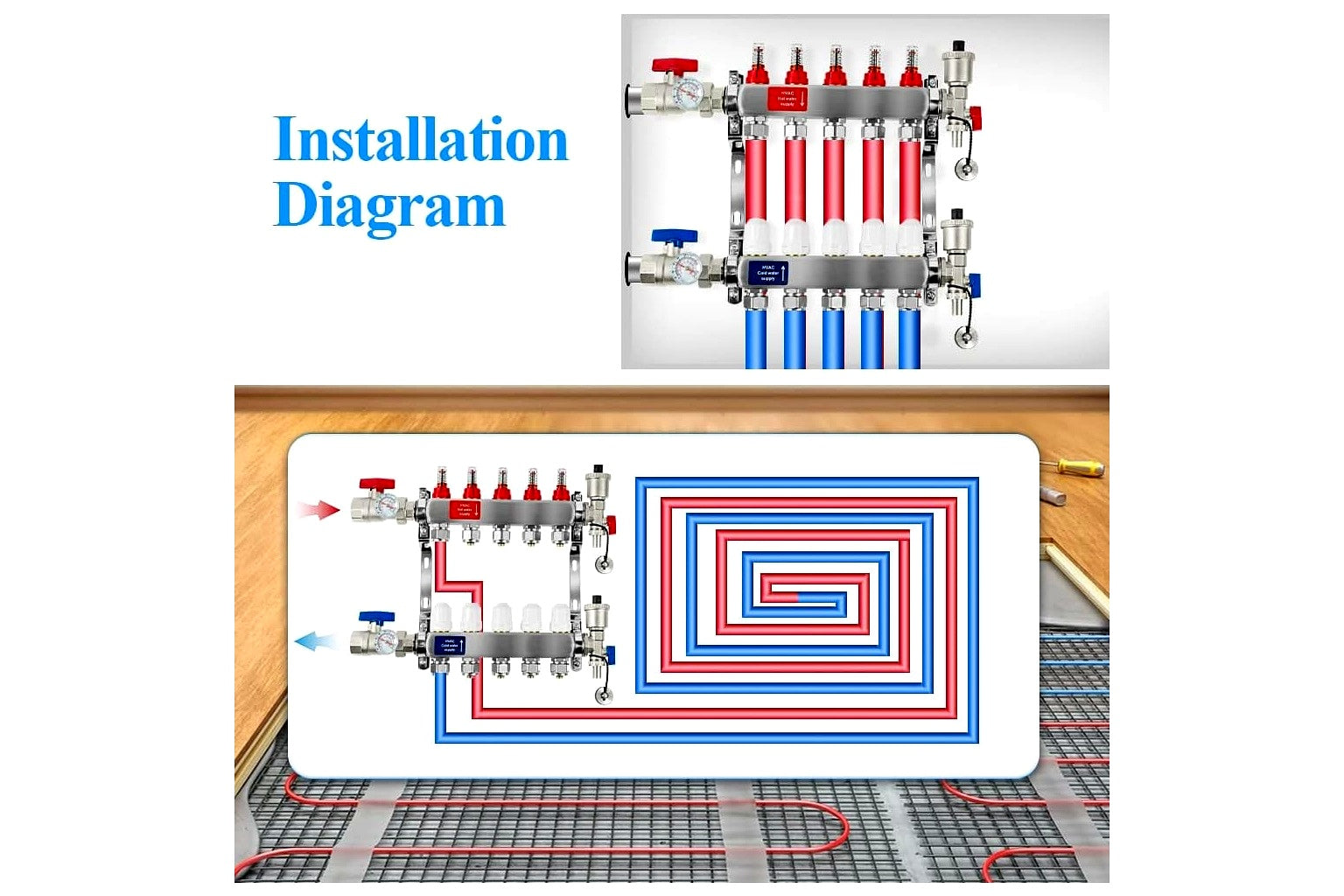
In a radiant floor heating system, heated water is delivered from the boiler or heat pump to the supply manifold, where the flow is divided into multiple heating circuits. Each circuit distributes thermal energy through embedded tubing beneath the floor surface.
After transferring heat to the building space, the cooled water returns through the return manifold and is recirculated to the heat source. Flow meters and balancing valves installed on the manifold allow technicians to regulate flow rates and maintain hydraulic balance between circuits.
Heating manifolds support zoning and temperature control by enabling independent adjustment of each loop. This distribution method improves system stability, reduces uneven heating, and ensures consistent performance across residential and commercial hydronic floor heating systems.
Radiant Floor Distribution System Design Considerations
Proper system design is critical for the performance and longevity of radiant floor distribution systems. The heating manifold must be selected and configured based on hydraulic requirements, building load conditions, and piping layout.
Key design factors include:
- Number of heating circuits – determines manifold port configuration
- Flow rate requirements – ensures adequate heat transfer capacity
- Loop length and pipe diameter – affects pressure drop and circulation efficiency
- System operating temperature – influences material selection and control strategy
- Hydraulic balancing – maintains consistent heat distribution across zones
- Installation location – ensures accessibility for maintenance and servicing

FAQ
A heating manifold is a distribution component used in hydronic heating systems to regulate and distribute heated water into multiple heating circuits. It connects the heat source to individual loops in radiant floor heating and other multi-zone systems, ensuring balanced flow and stable thermal performance.
Heating manifolds are used to distribute and control water flow in hydronic heating systems. They divide heated water into multiple circuits and collect return flow after heat transfer.
They are commonly used in:
- Radiant floor heating systems
- Hydronic heating systems
- Fan coil unit (FCU) systems
- Snow melting and slab heating systems
- Low-temperature boiler or heat pump systems
The main function of a manifold is to distribute and regulate fluid flow within a hydronic system. In radiant floor distribution systems, a heating manifold serves as the central point where heated water from the heat source is divided into multiple circuits and directed to different heating zones.
In addition to flow distribution, manifolds help maintain hydraulic balance across the system. By controlling flow rates in individual loops, the manifold ensures consistent heat delivery, stable operating pressure, and uniform temperature distribution throughout the building.
Heating manifolds also support system operation and maintenance by providing accessible points for isolation, balancing, air removal, and system flushing. These functions are essential for maintaining reliable performance in residential and commercial hydronic heating systems.
Choosing a heating manifold depends on the number of heating circuits, flow rate requirements, and system type. Residential systems typically require smaller manifolds, while commercial hydronic systems require larger multi-loop configurations.
Material selection (brass or stainless steel) also affects durability and corrosion resistance.
Brass manifolds offer excellent corrosion resistance and are widely used in residential radiant heating systems. Stainless steel manifolds provide higher strength and are preferred in larger or more demanding hydronic installations.
Yes. Heating manifolds improve efficiency by balancing flow across all heating circuits, reducing temperature differences, and ensuring consistent heat distribution throughout the system.
Recently viewed
News
View all
Boiler Radiator Heating System: How Hot Water Radiators Work
Can a Brazed Plate Heat Exchanger Be Used Between Two Water Circuits?
