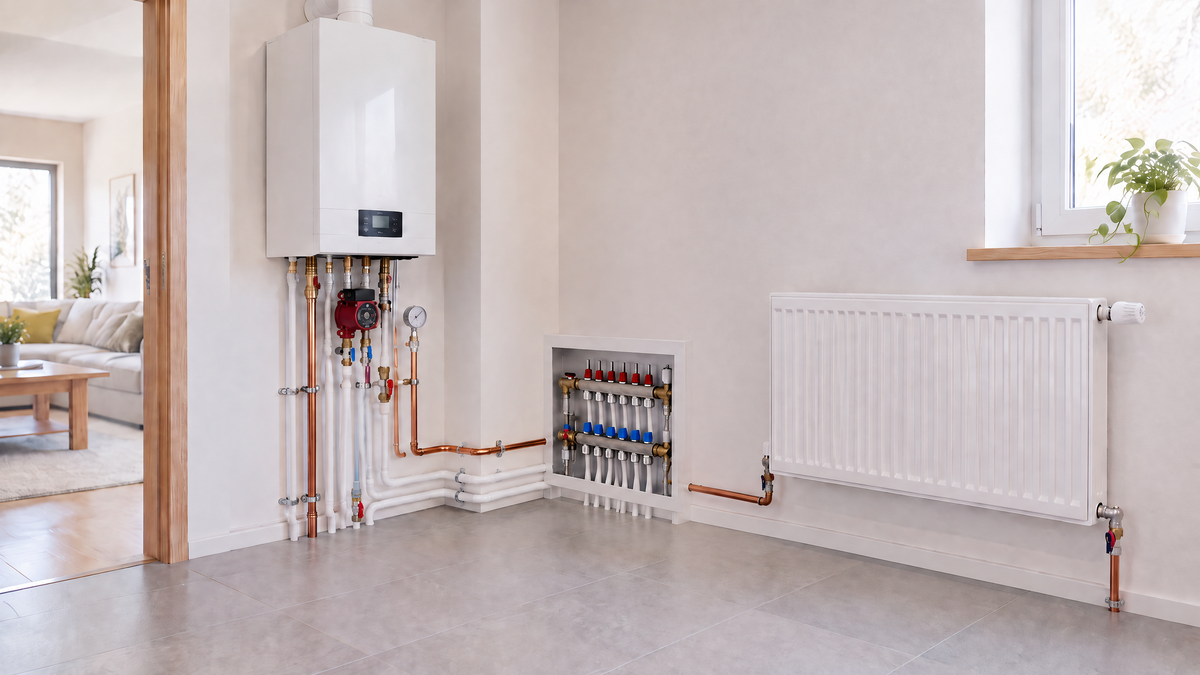
Shell and Tube Heat Exchangers
Shell and tube heat exchangers are widely used in thermal transfer systems where reliable performance, durability, and stable operation are essential. Their robust construction and flexible design make them suitable for continuous-duty applications across residential, commercial, and industrial environments.
Our product range supports a variety of heating and cooling needs, including swimming pool temperature control, marine engine and oil cooling, and domestic hot water systems. Each unit is engineered to deliver efficient heat transfer, long service life, and dependable operation under demanding operating conditions.
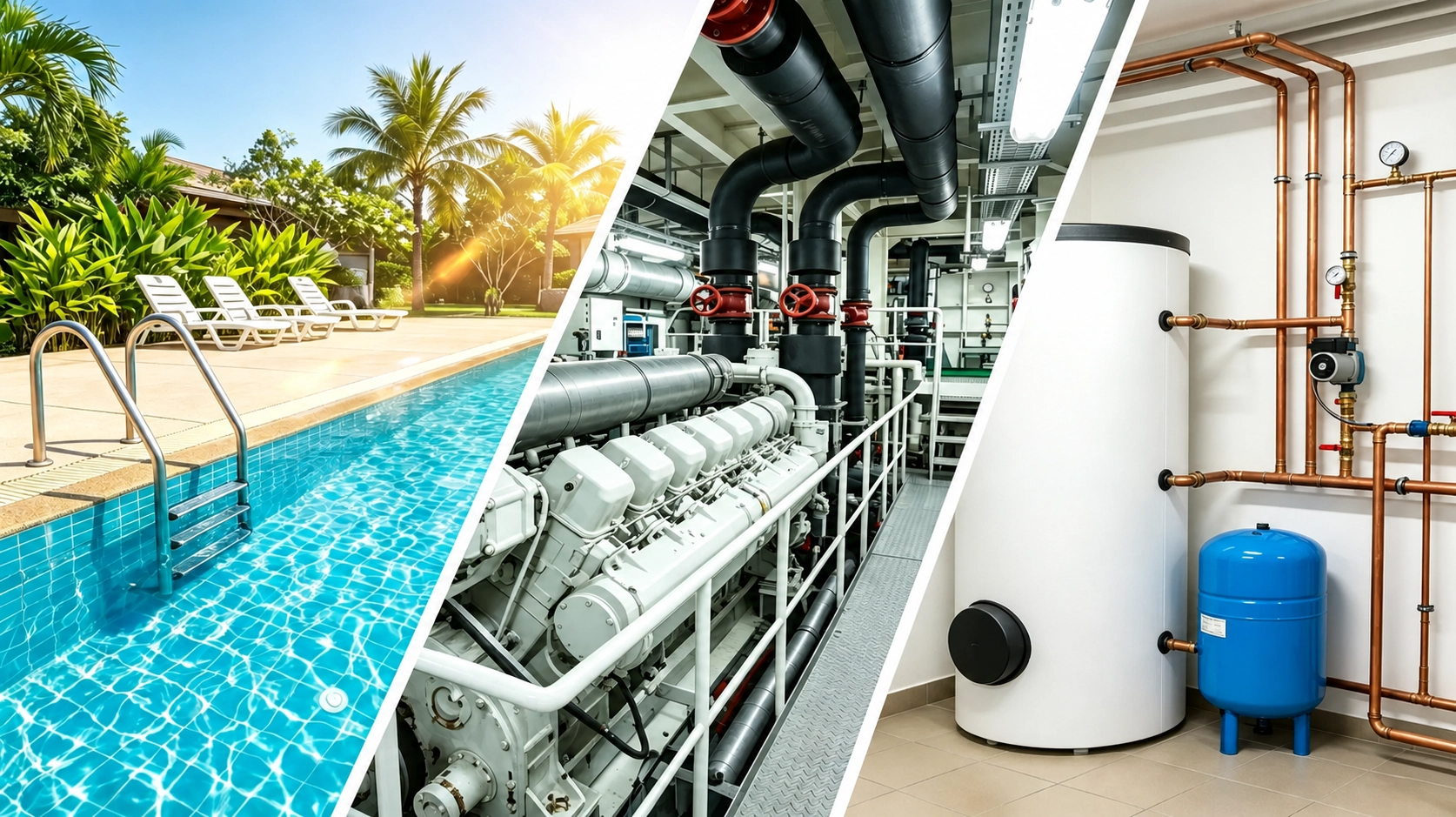
Shell and Tube Heat Exchanger Product Portfolio


Why Choose Shell and Tube Heat Exchangers
Shell and tube heat exchangers are widely used in industrial and commercial systems because of their durability, reliability, and ability to handle demanding operating conditions. Their robust construction makes them suitable for high-pressure, high-temperature, and large-capacity heat transfer applications where long-term performance is critical.
Unlike compact plate heat exchangers, shell and tube designs are better suited for systems that require stable operation, resistance to fouling, and easy mechanical cleaning. They are especially valuable in continuous-duty environments where downtime must be minimized.
How Shell and Tube Heat Exchangers Work
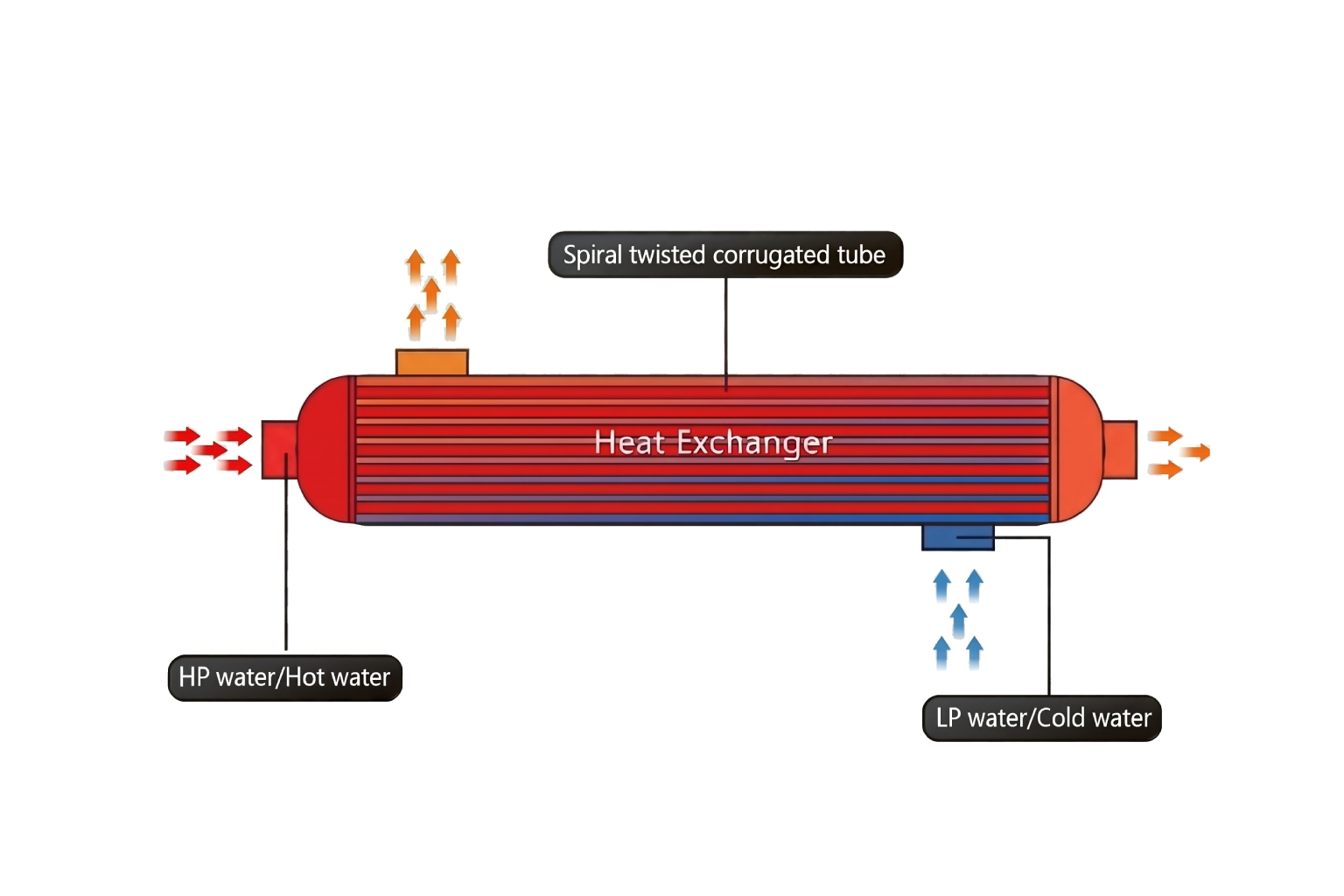
A shell and tube heat exchanger transfers heat between two fluids without allowing them to mix. One fluid flows through a bundle of tubes, while the second fluid circulates around the tubes inside the outer shell. Heat passes through the tube walls from the hotter fluid to the cooler fluid, enabling efficient and controlled temperature regulation.
Most shell and tube heat exchangers use a counterflow design, where the hot and cold fluids move in opposite directions. This arrangement improves heat transfer efficiency and allows faster temperature stabilization.
Typical Applications of Shell & Tube Heat Exchangers
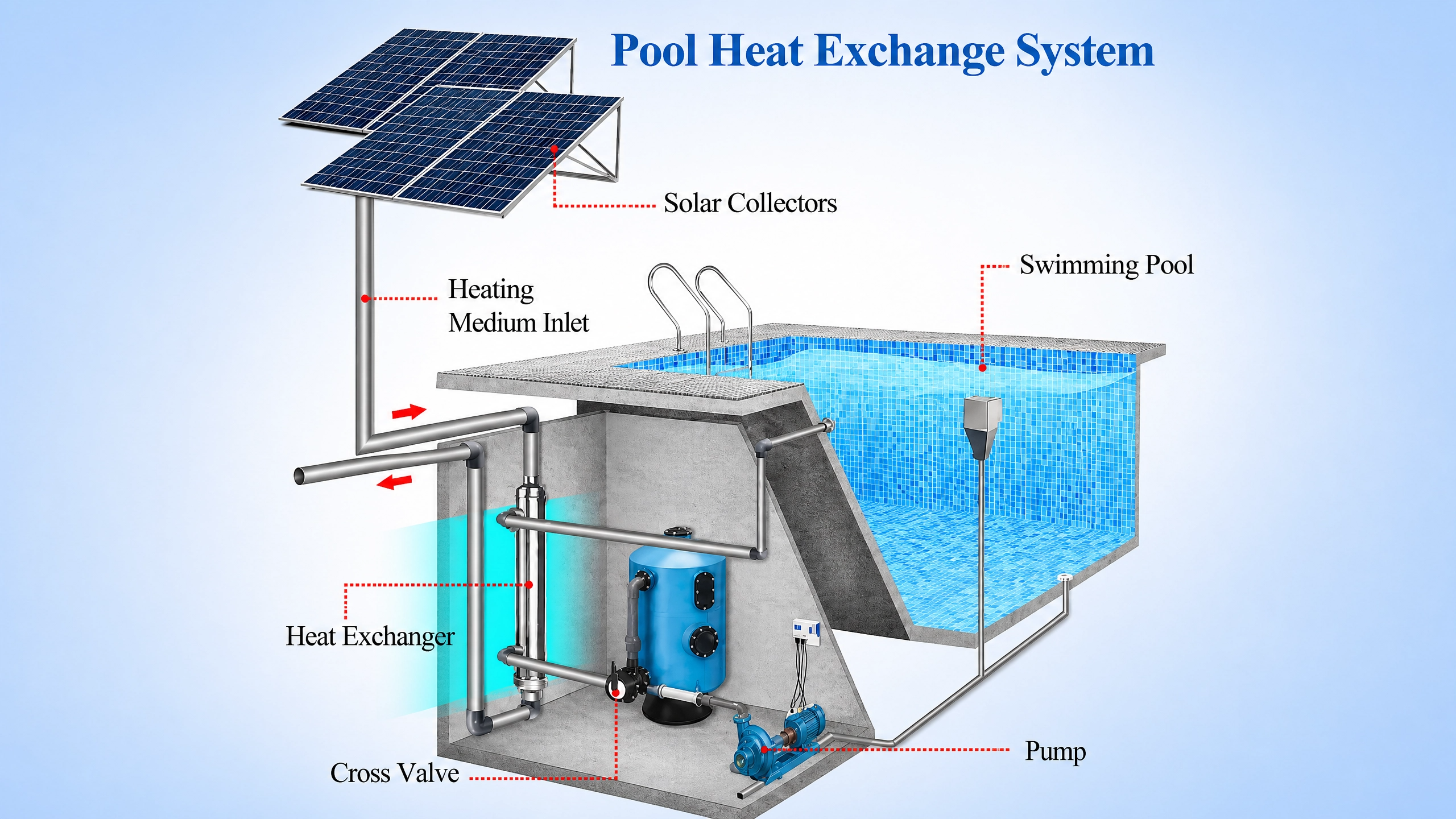
Shell and tube heat exchangers are widely used across swimming pool heating systems, marine cooling applications, and domestic hot water systems where reliable heat transfer and durable construction are required. Common solutions include Pool Heat Exchangers for pool and spa heating systems, Marine Heat Exchangers for seawater and engine cooling applications, and Domestic Hot Water Heat Exchangers for residential and commercial hot water temperature control systems.


FAQ
A shell and tube heat exchanger is used to transfer heat between two fluids without mixing them. It is widely used in applications such as HVAC systems, swimming pools, boilers, marine engines, and industrial cooling processes. Its durable design makes it suitable for high-pressure and high-temperature environments.
The correct size depends on several key factors, including required heat duty (kW or BTU/hr), flow rates on both sides, temperature difference, and fluid type. Larger systems require higher-capacity models to ensure efficient heat transfer. If you are unsure, it is recommended to provide your system specifications so the correct model can be selected.
Shell and tube heat exchangers are commonly made from stainless steel (such as SS304 or SS316L), copper-nickel, or titanium. Stainless steel is widely used for general applications, while titanium is preferred for highly corrosive environments such as seawater or marine applications.
News
View all
How to Size an Aluminum Hot Water Radiator: BTU Output, Section Count, and Room Heating Needs

Boiler Radiator Heating System: How Hot Water Radiators Work