
Heating Solutions for DIY Installations
DIY applications refer to home improvement and small-scale installation environments where end users or installers carry out heating and hot water–related projects independently or semi-independently.
These scenarios are commonly found in:
- Residential houses
- Apartments
- Garages
- Workshops
- Renovation and upgrade projects
In these environments, flexibility, ease of installation, and operational reliability are especially important. Compared with large commercial systems, DIY installations often involve limited space, simplified system layouts, and hands-on operation.
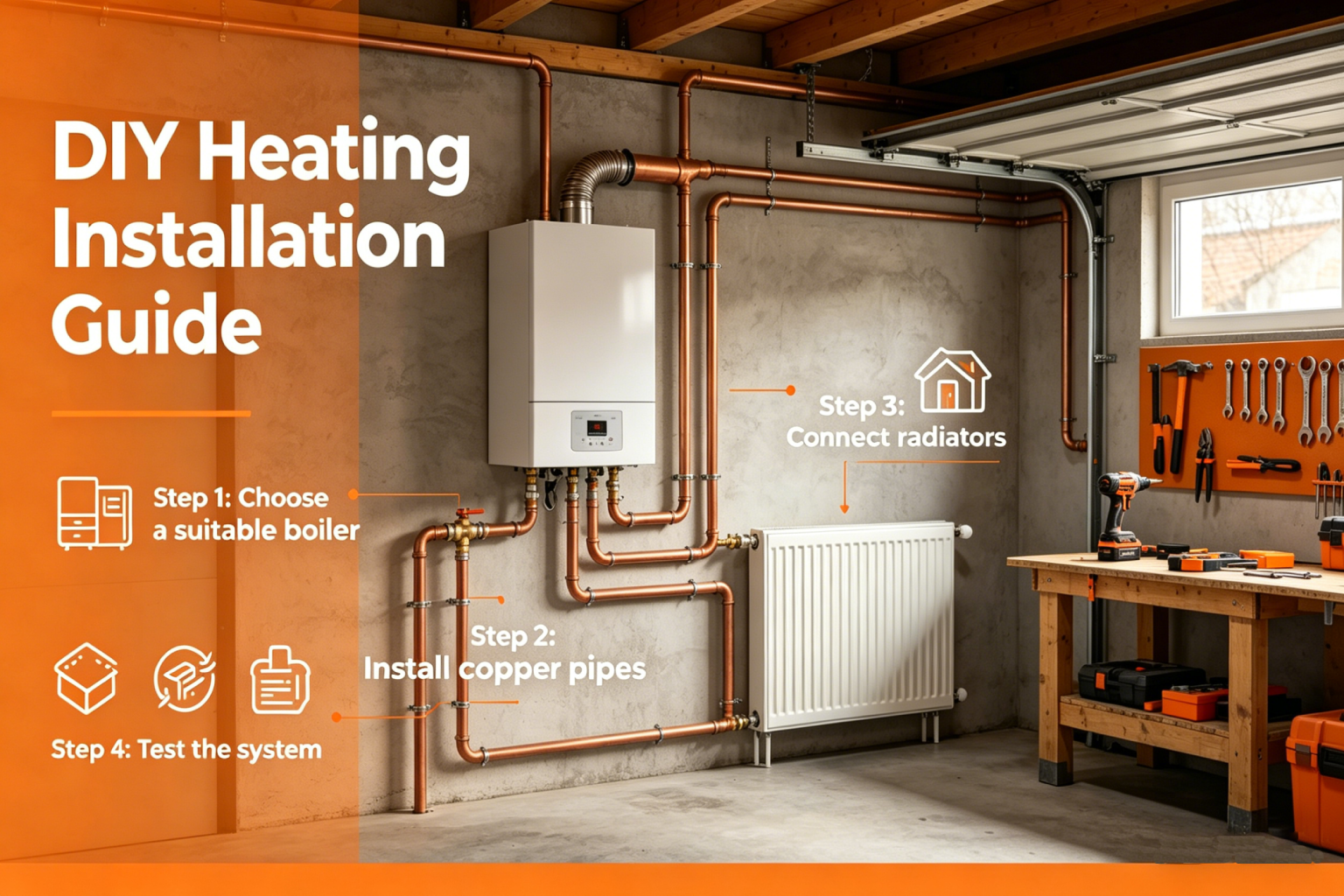
Typical Requirements in DIY Environments
Installation and Usage Characteristics
Independent installation and setup
DIY environments typically involve self-installation or small-scale contractor work, making straightforward system integration and flexible placement essential.
Variable usage patterns
Heating and hot water demand may vary depending on project type, seasonal use, or renovation stages, requiring dependable performance under changing conditions.
Limited and adaptable installation space
Equipment is often installed in garages, utility rooms, basements, or compact technical spaces, where adaptable and space-efficient solutions are preferred.
Safety and ease-of-use considerations
As systems may be handled directly by end users, safe operation and user-friendly maintenance are critical.
Key Environment Requirements
- Reliable performance for small-scale applications
- Energy-efficient operation suitable for residential use
- Flexible and compact installation options
- Safe operation for non-industrial environments
- Low maintenance requirements for long-term use
Common System Solutions for DIY Installations
Based on typical DIY installation scenarios and usage conditions, the following application-based solutions are commonly applied
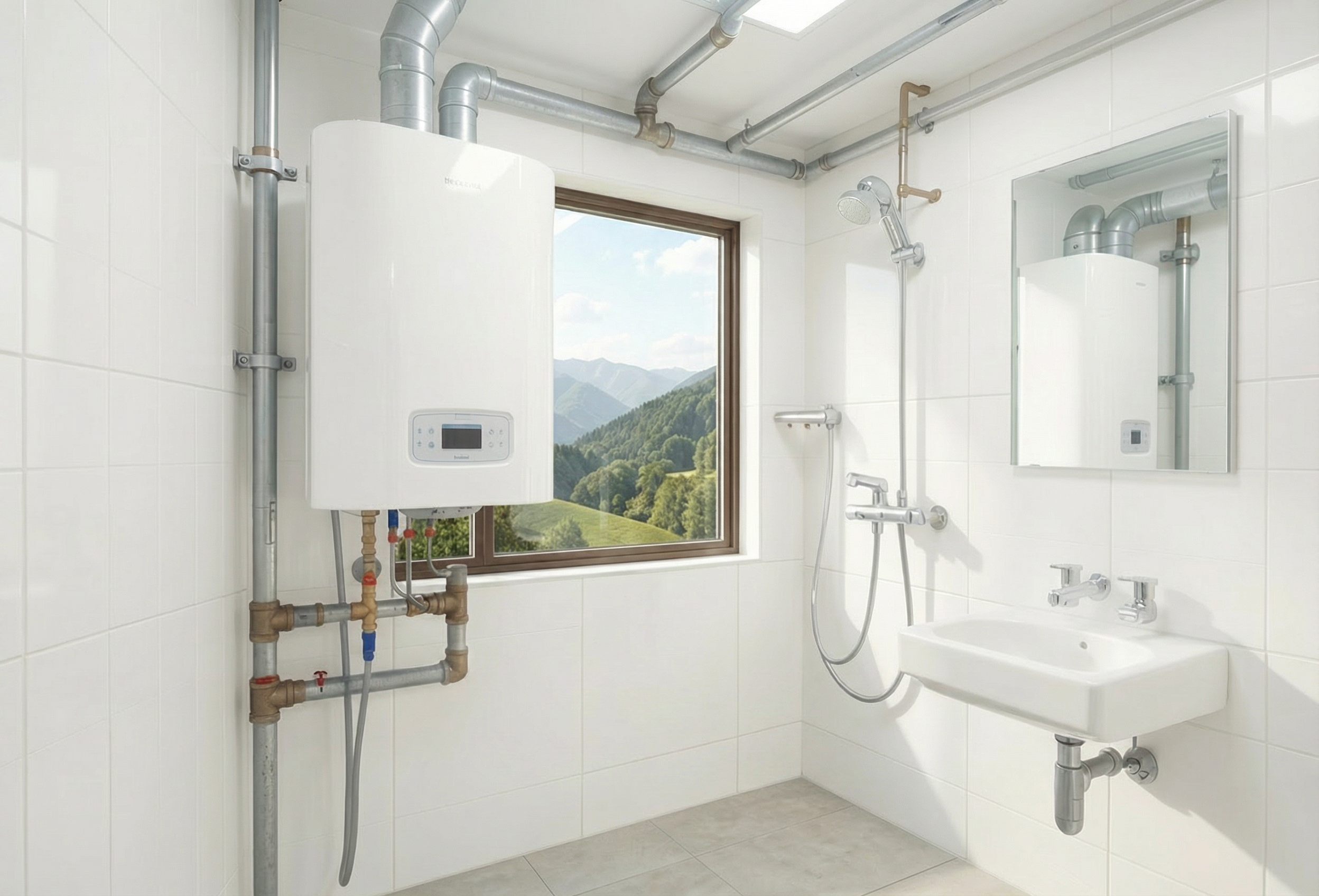
Domestic Hot Water / Sanitary Systems
Domestic hot water systems are widely used in DIY installations to support everyday household needs during renovation, system upgrades, or new equipment installation. These systems are commonly applied in bathrooms, kitchens, and utility areas where reliable hot water supply is essential.
Their straightforward layout and flexible installation make them suitable for residential environments where equipment may be installed in compact spaces such as basements, garages, or technical rooms.
Explore SolutionsFloor Heating Systems
Floor heating systems are frequently used in DIY home improvement projects to enhance indoor comfort while maintaining a clean and space-efficient room layout. These systems are especially suitable for residential renovations where traditional heating equipment may be replaced or supplemented.
Their concealed installation and quiet operation make them well suited for living rooms, bathrooms, and bedrooms where comfort and usability are important considerations.
Explore Solutions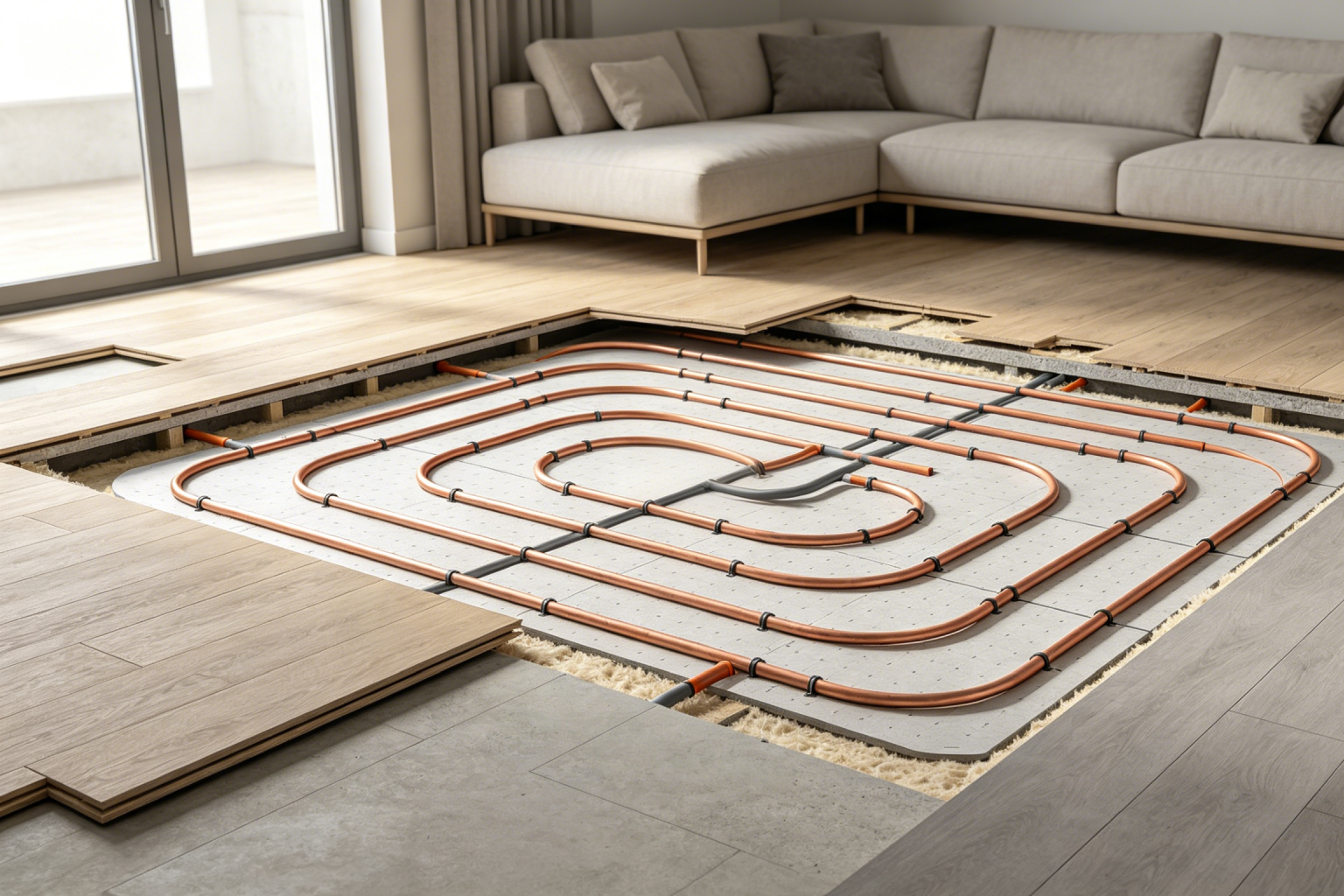
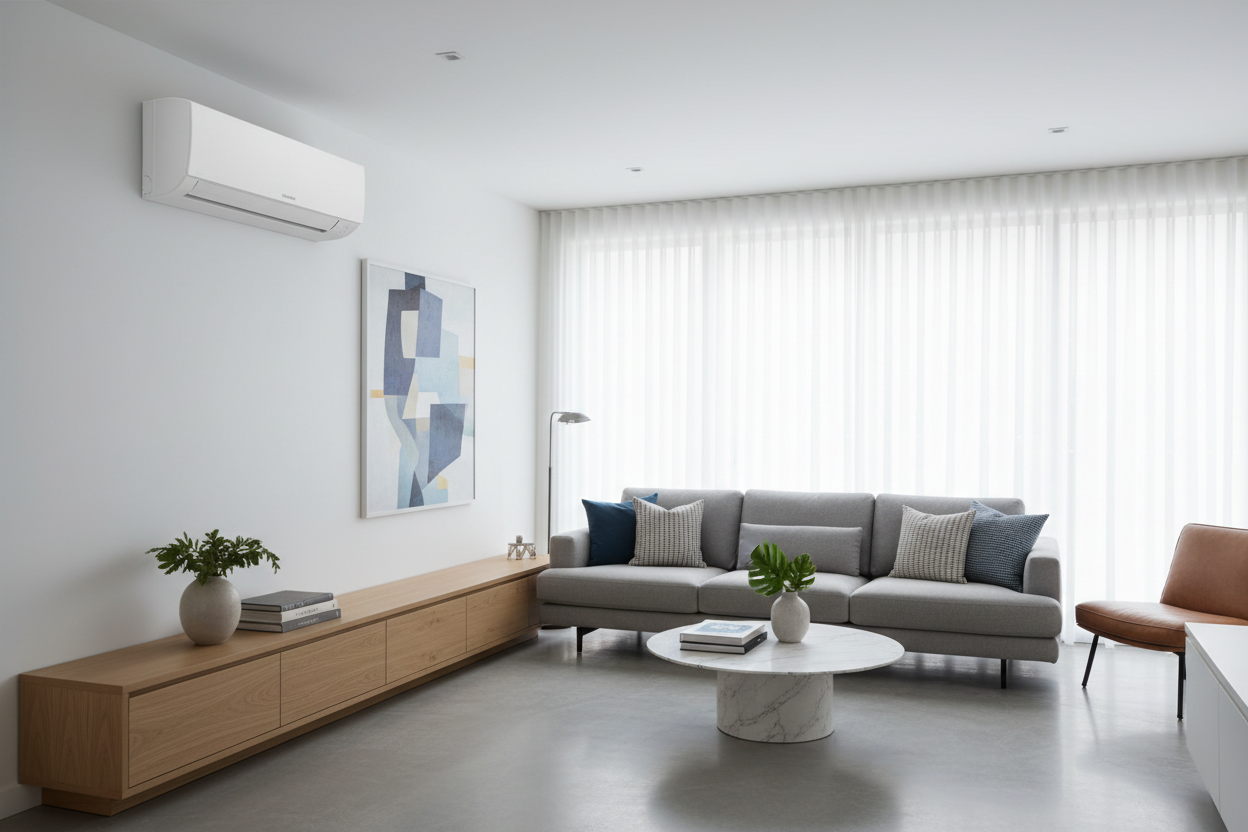
Compact Installation HVAC Systems
Compact installation HVAC systems are designed for environments where installation space is limited and flexible system placement is required. In DIY projects, these systems are commonly applied in apartments, garages, workshops, or small residential extensions.
Their adaptable configuration supports straightforward installation in confined technical spaces while maintaining reliable heating and temperature control for everyday use.
Explore SolutionsWhy These Solutions Are Suitable for DIY Installations
These heating and hot water solutions are well suited for DIY environments because they support flexible installation and straightforward operation in small-scale residential settings.
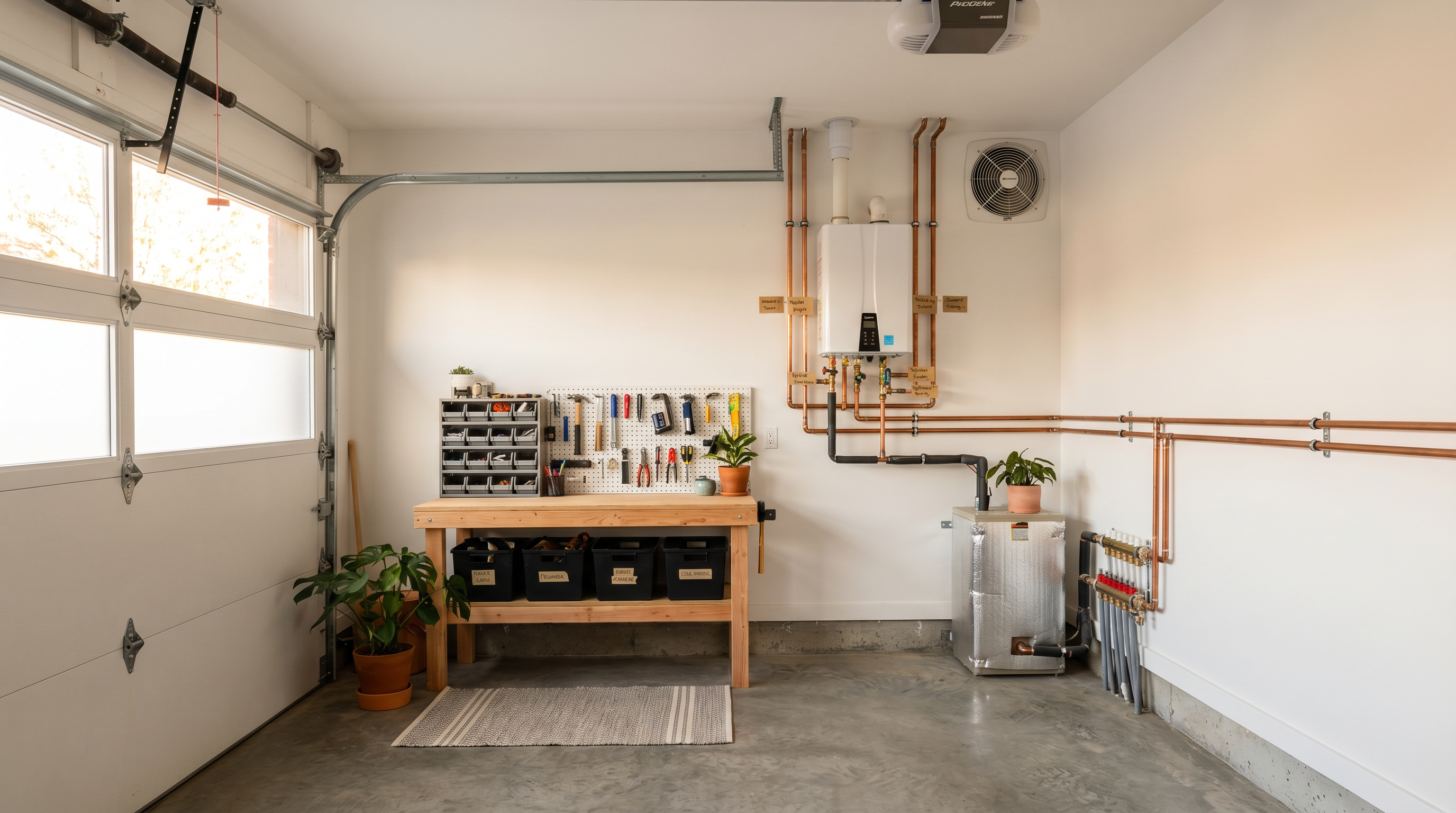
Flexible installation:Equipment can be integrated into garages, utility rooms, or compact mechanical spaces without requiring complex infrastructure.
Space-efficient integration:Compact system layouts make it easier to install heating equipment in limited installation areas.
User-friendly operation:Systems can be adjusted and maintained by homeowners or small contractors without specialized technical support.
High safety level:Controlled operation and indirect heating methods help ensure safe use in residential and non-industrial environments.
Convenient maintenance:Routine maintenance tasks are simple and manageable, supporting long-term reliability in DIY applications.