

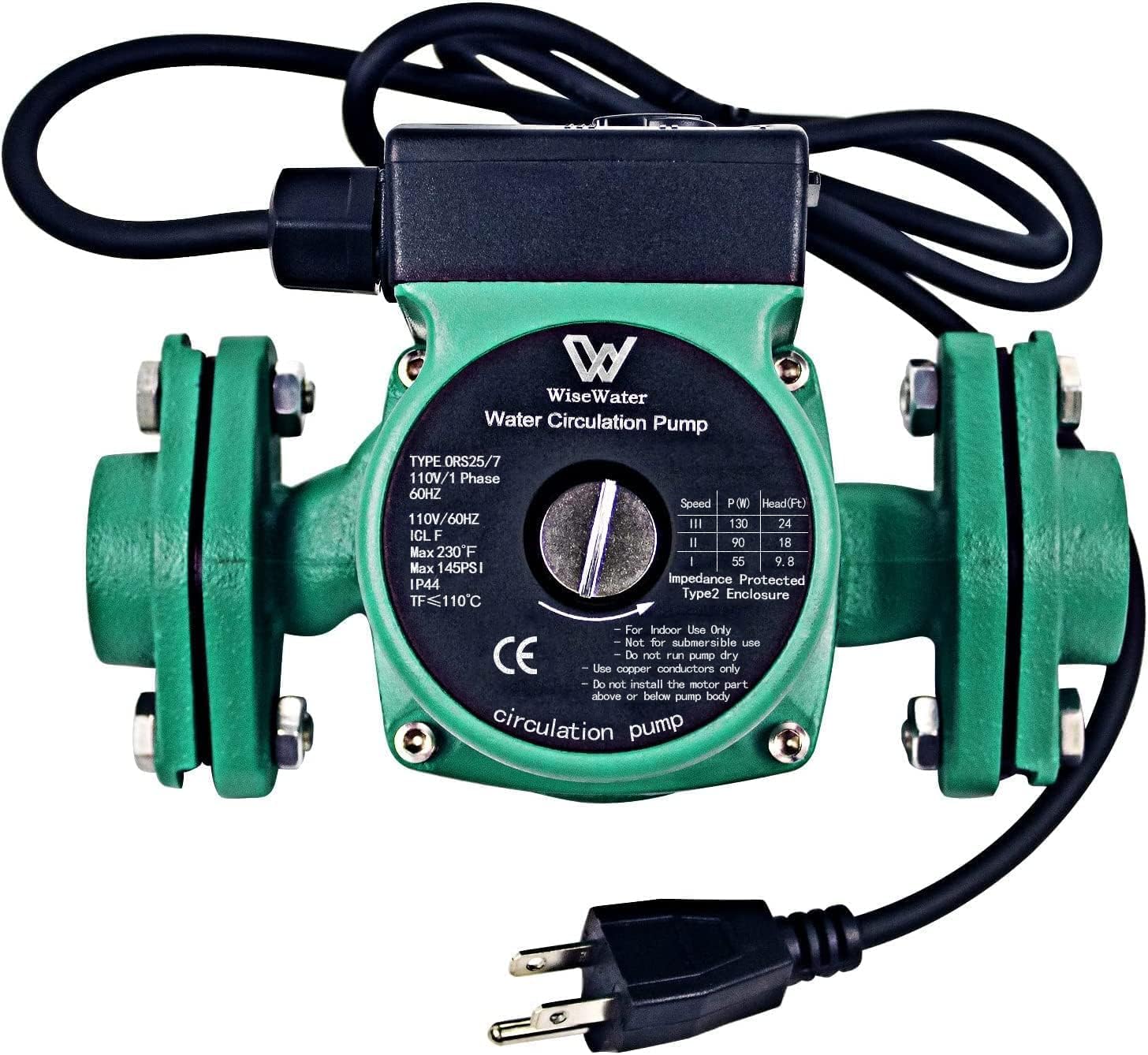
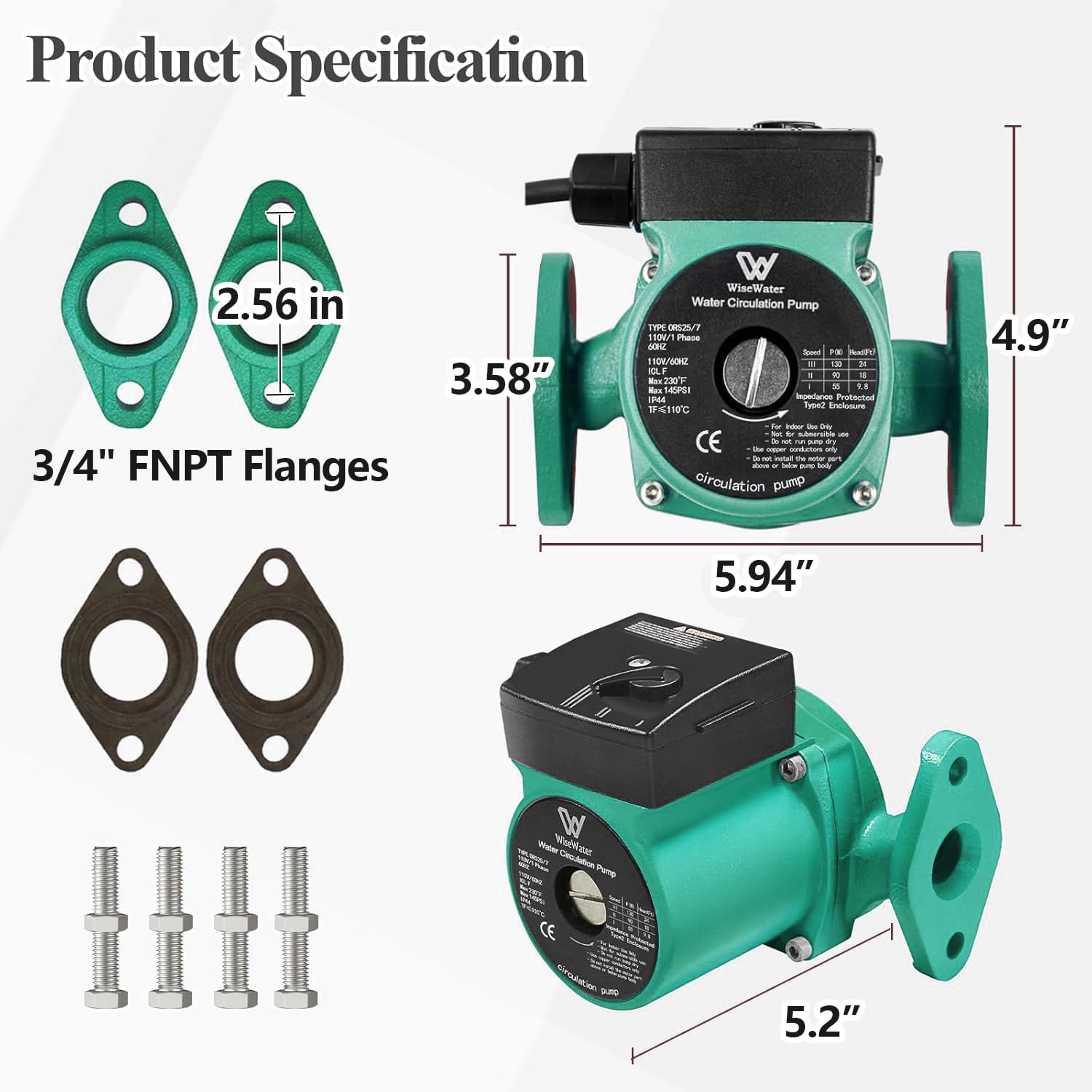
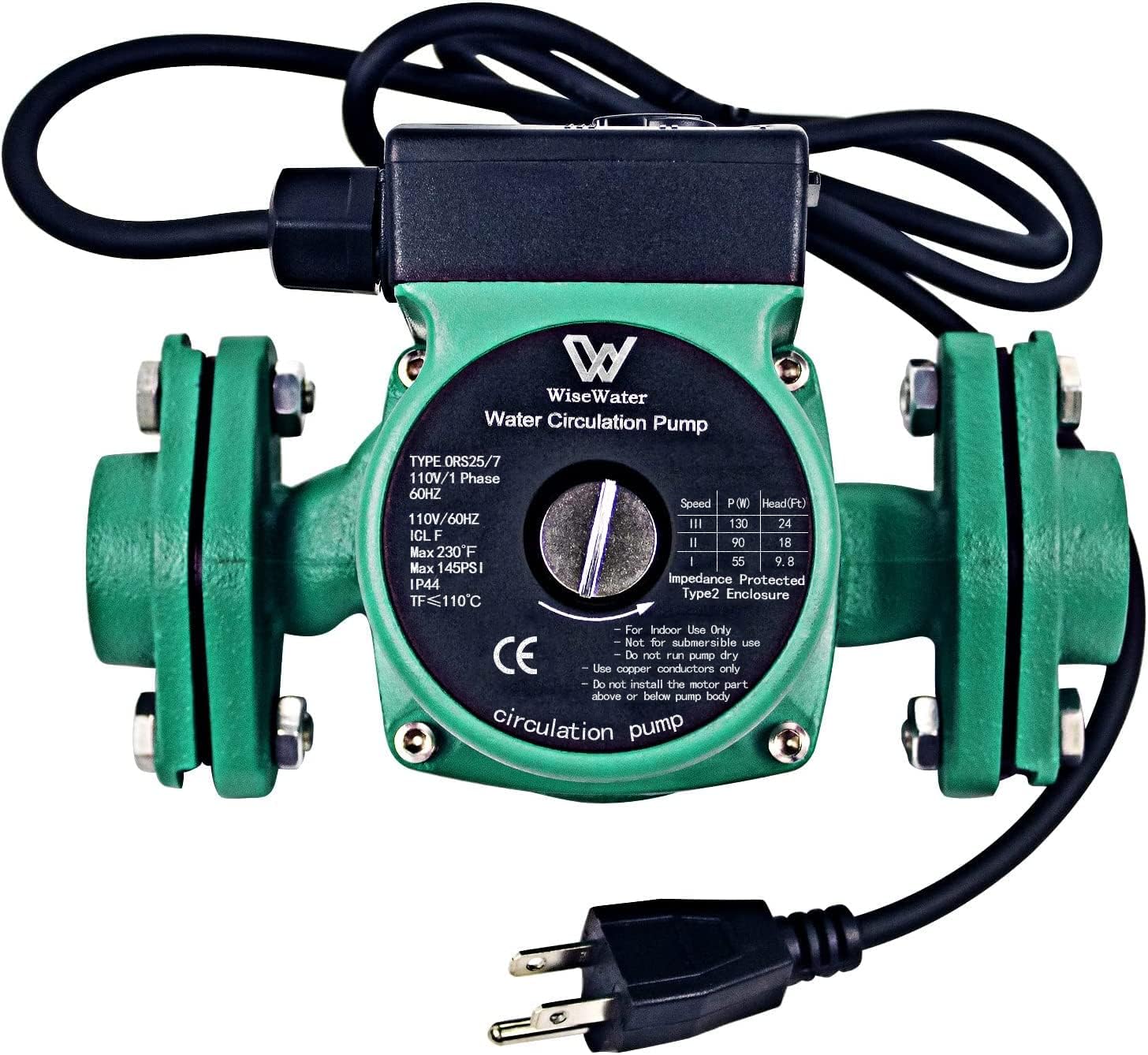
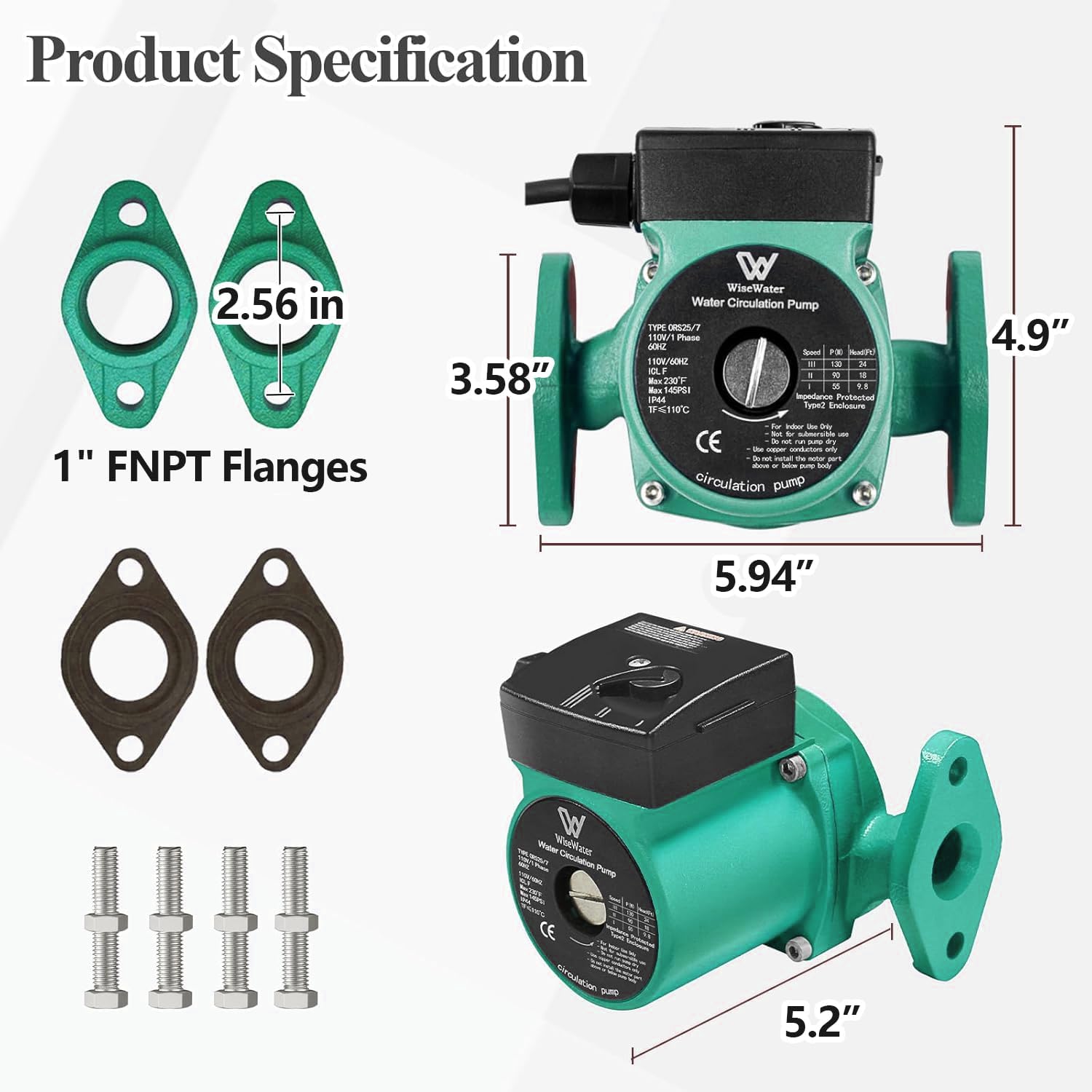
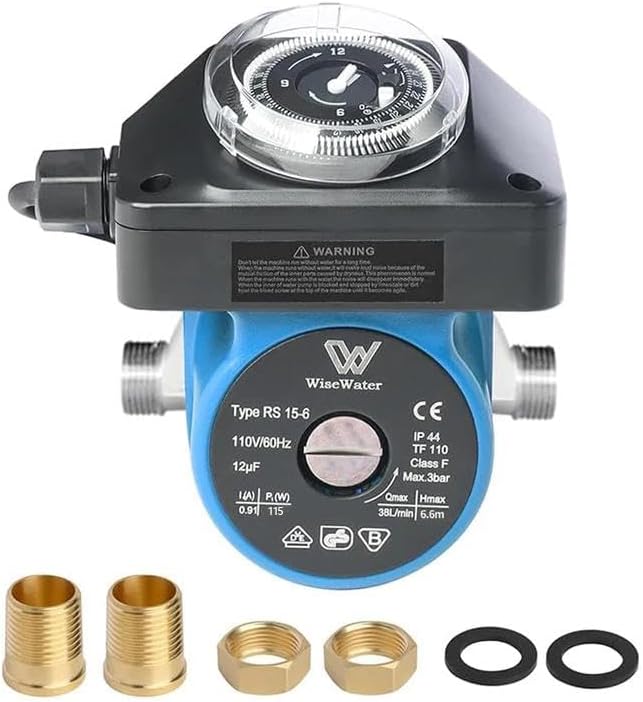
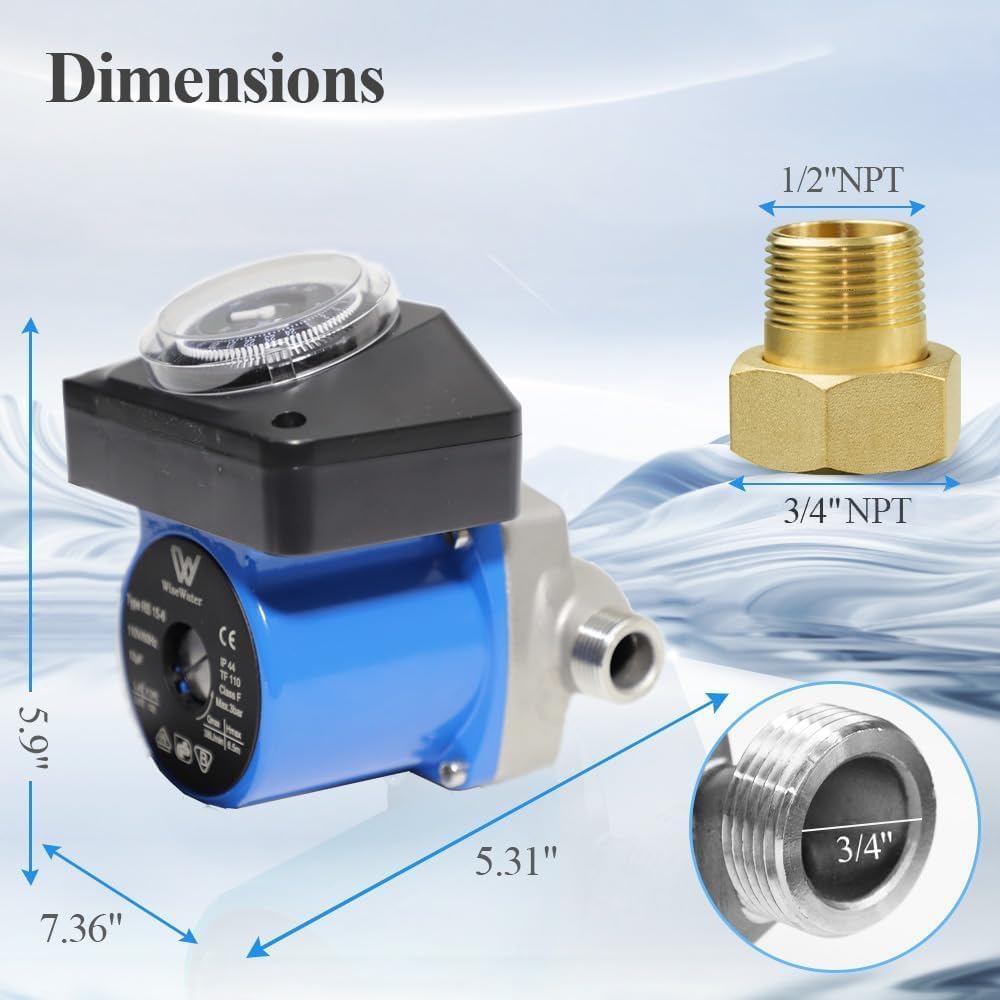
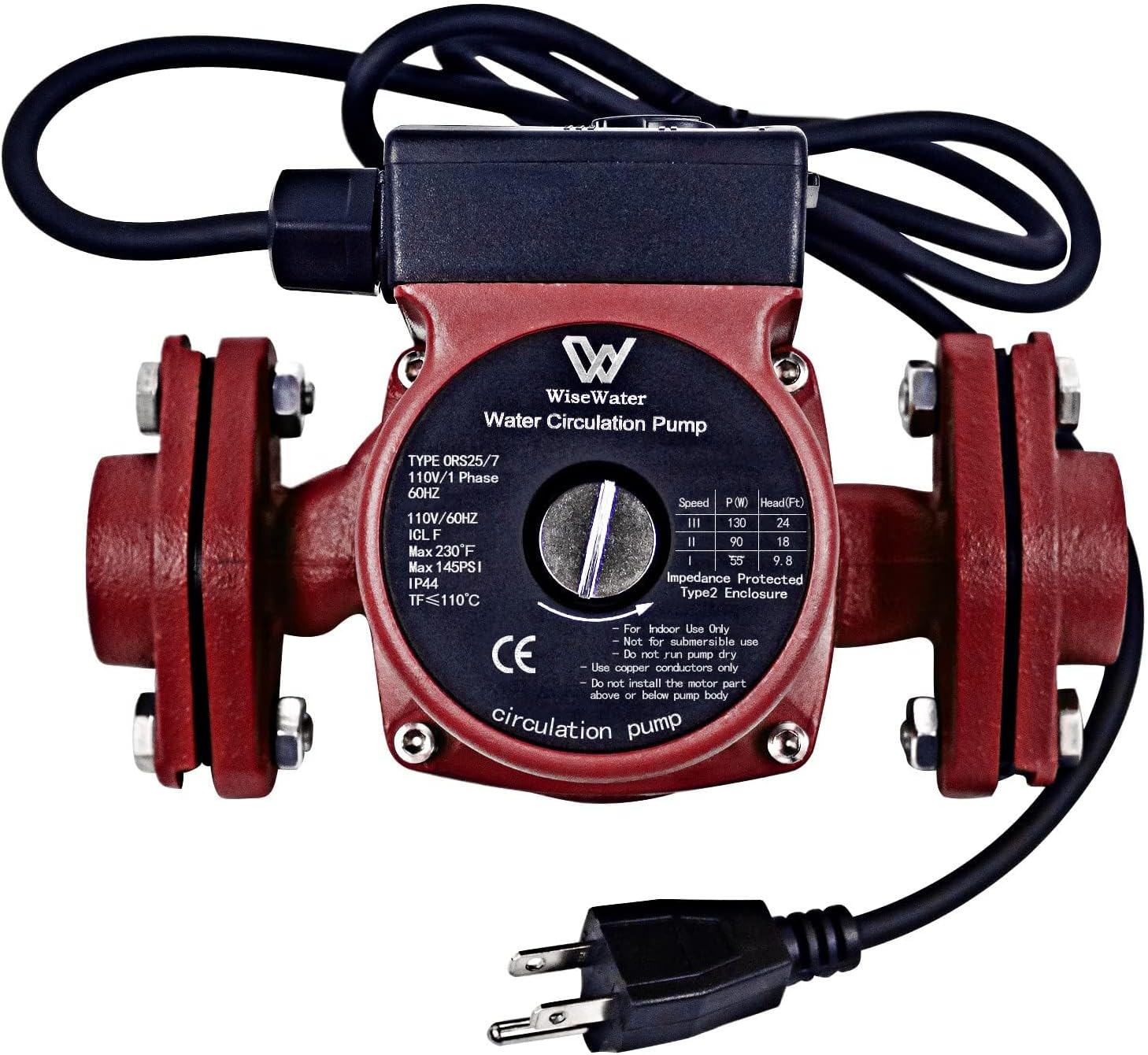
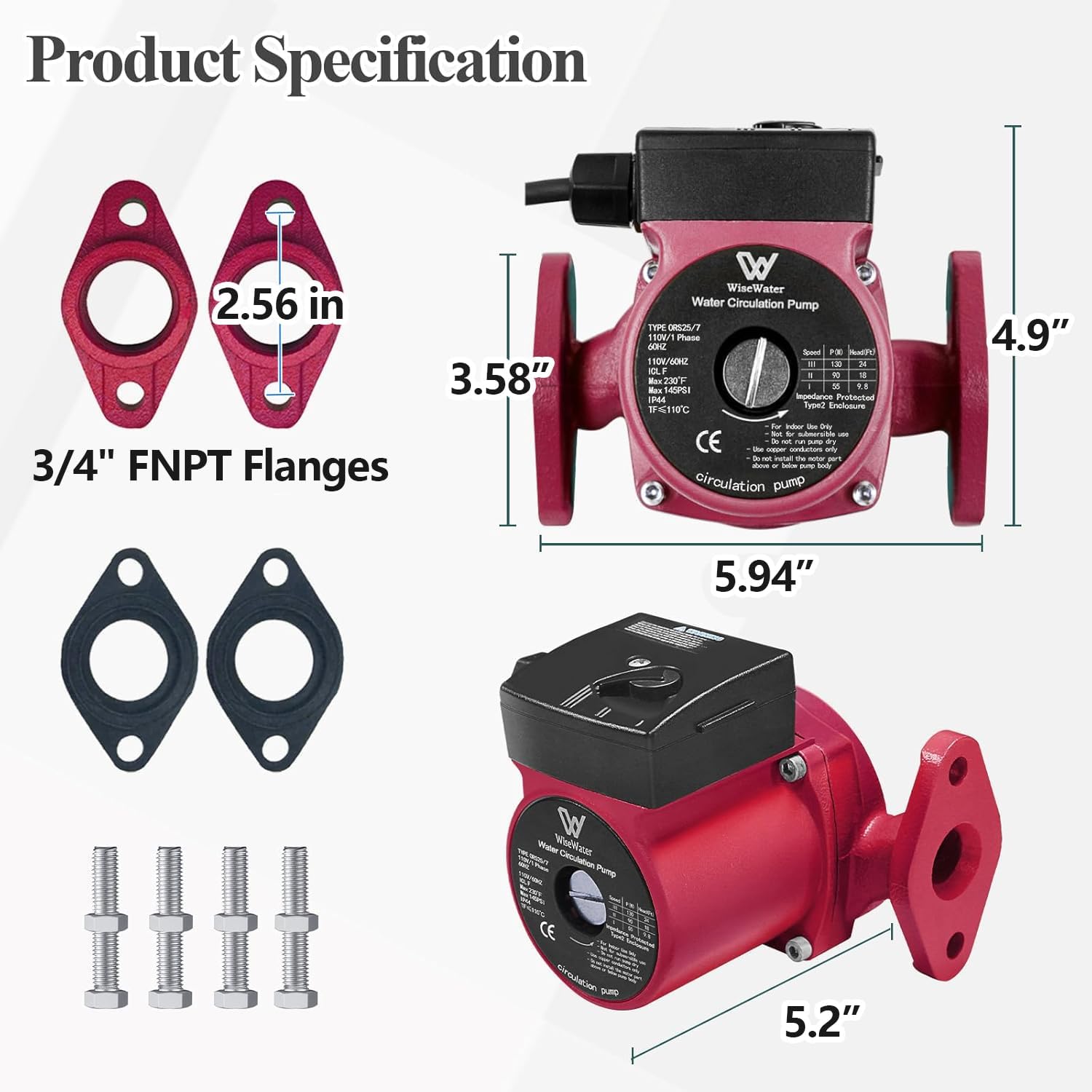
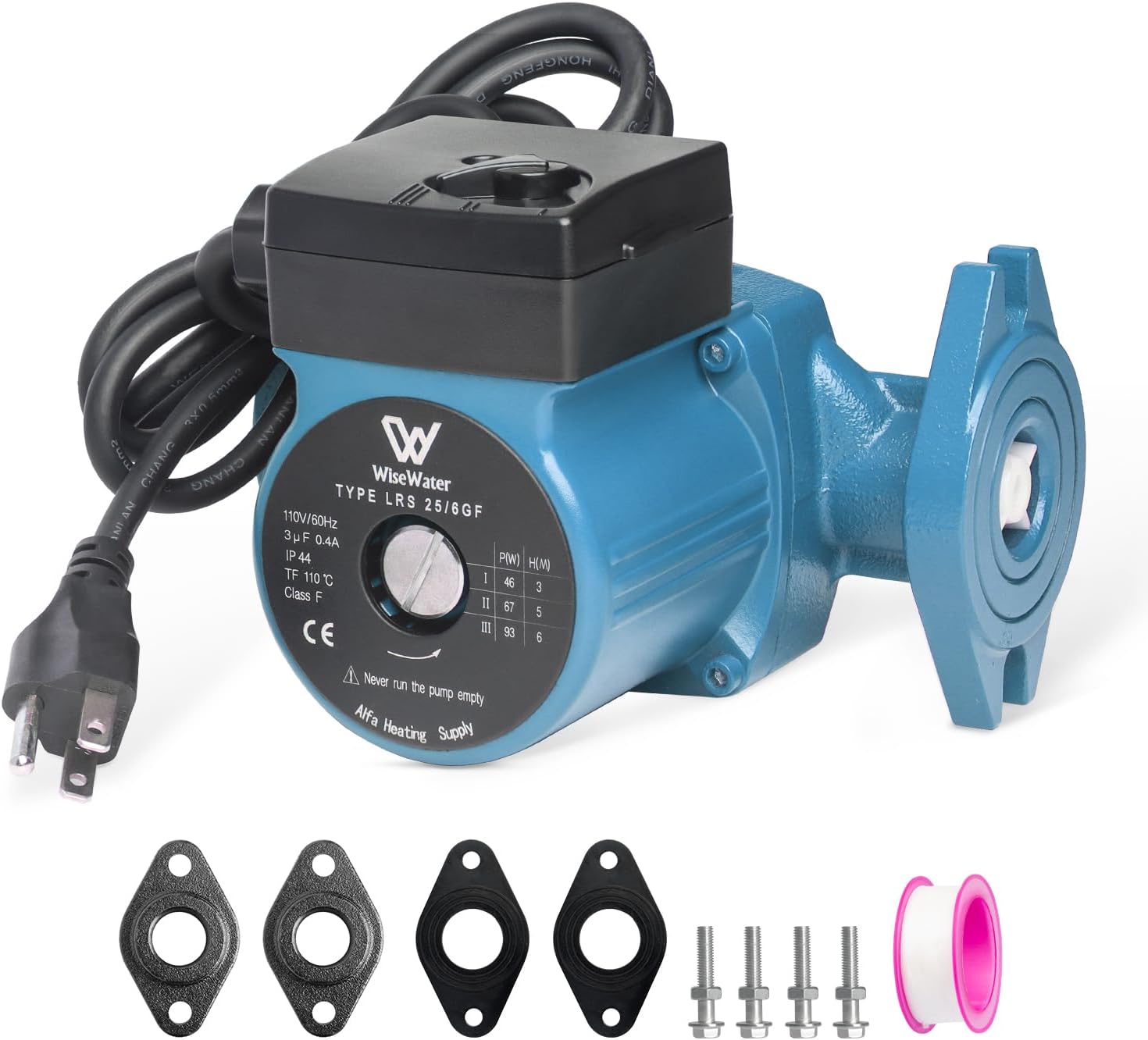
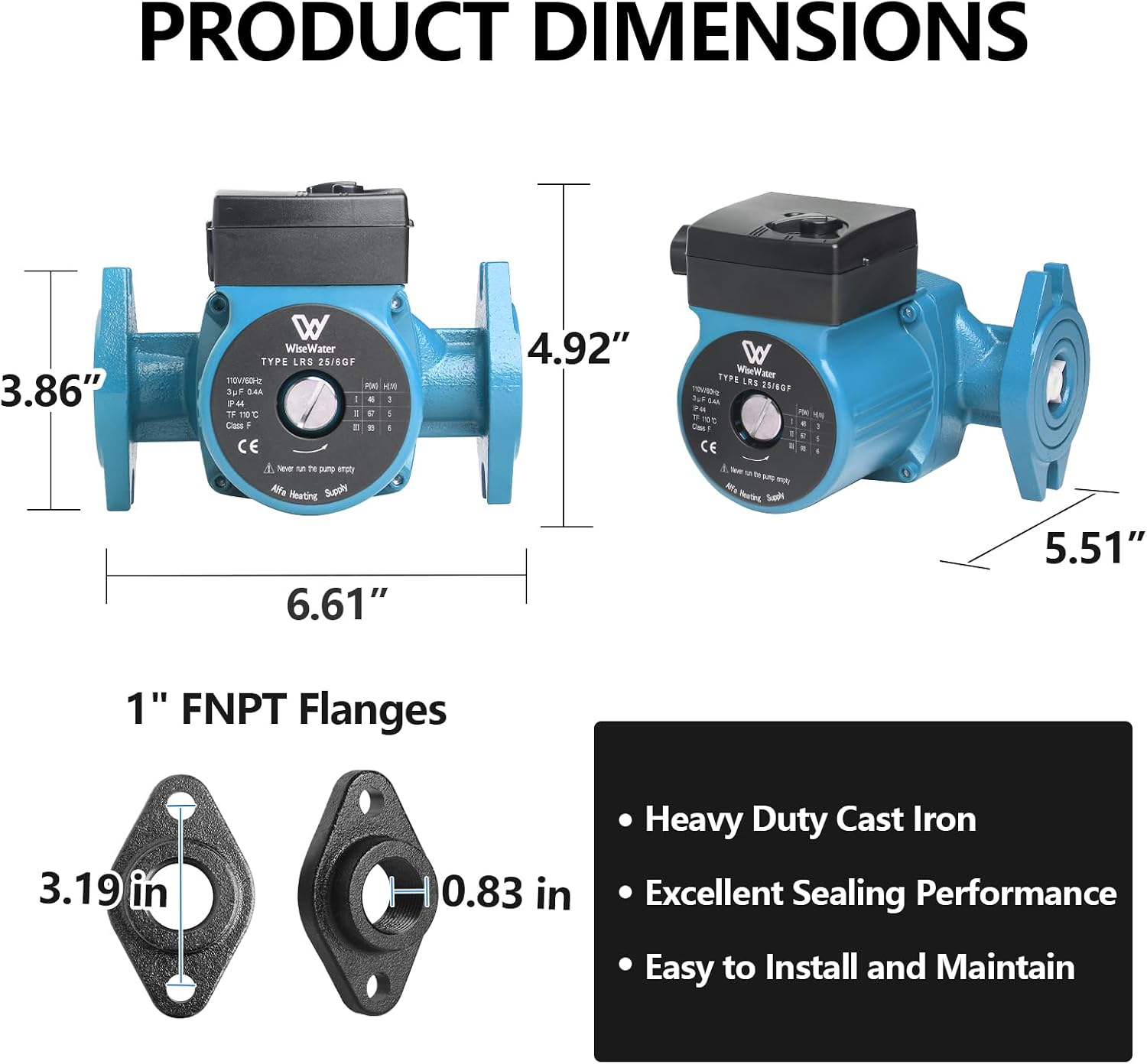
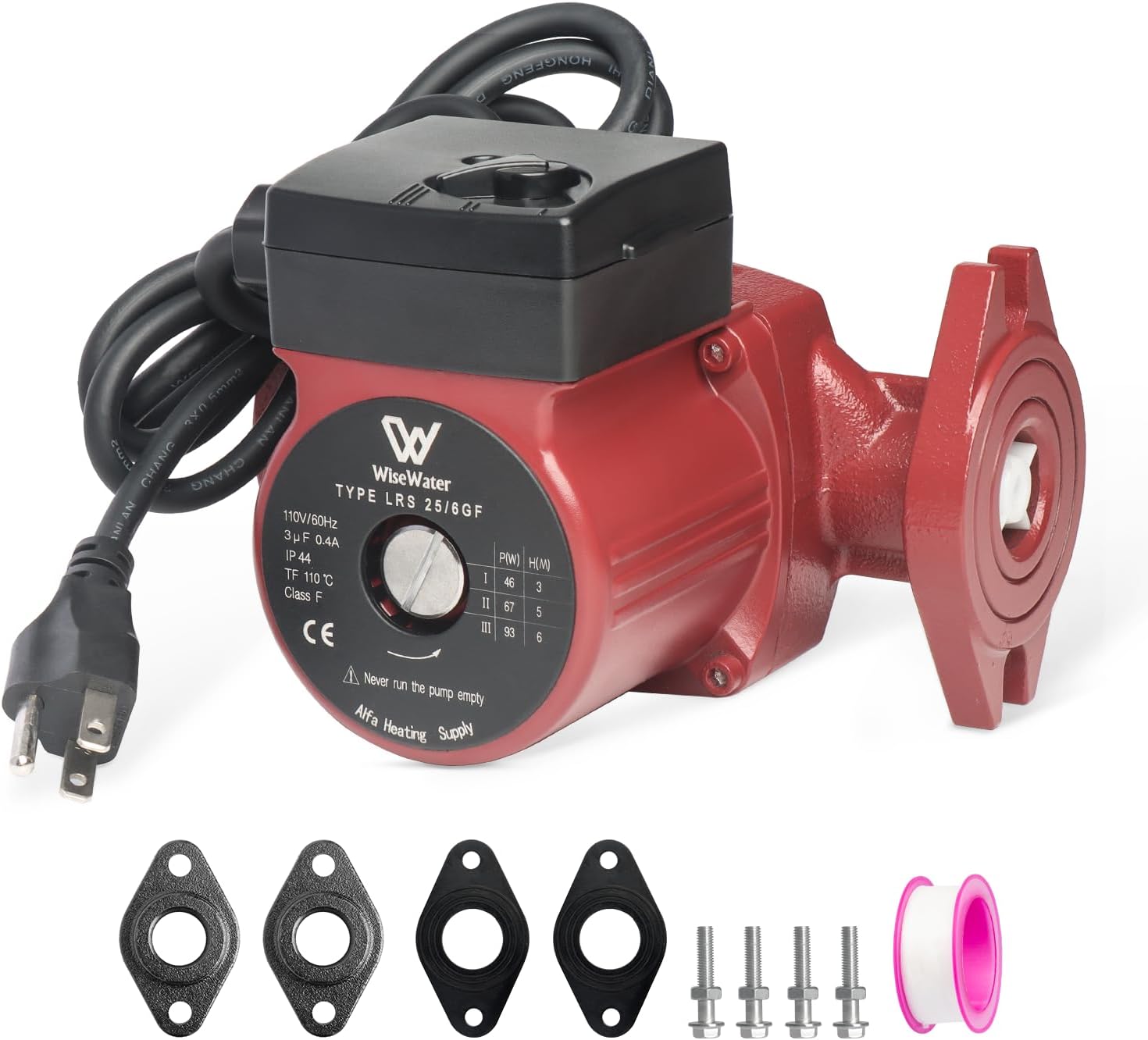
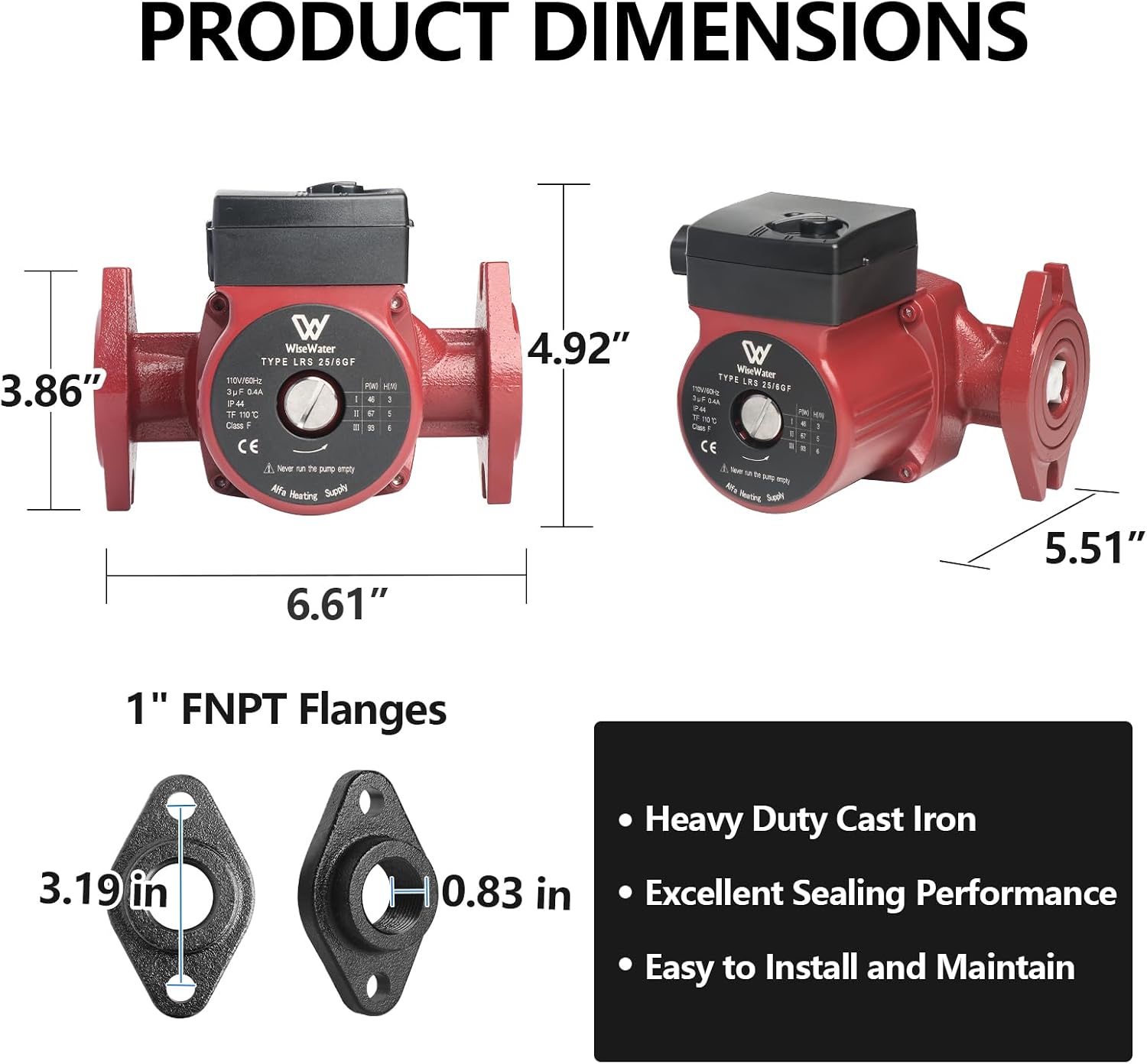
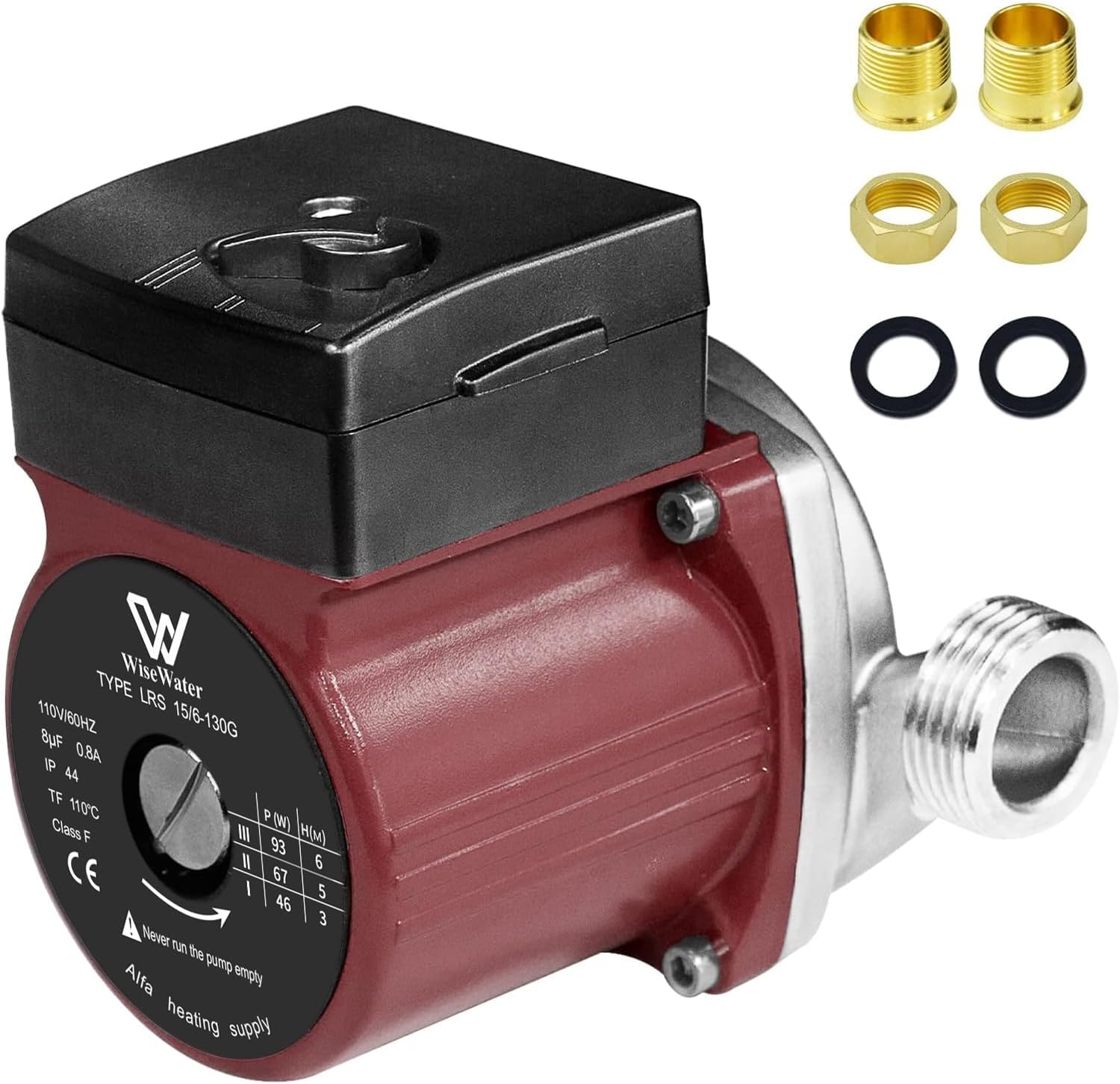
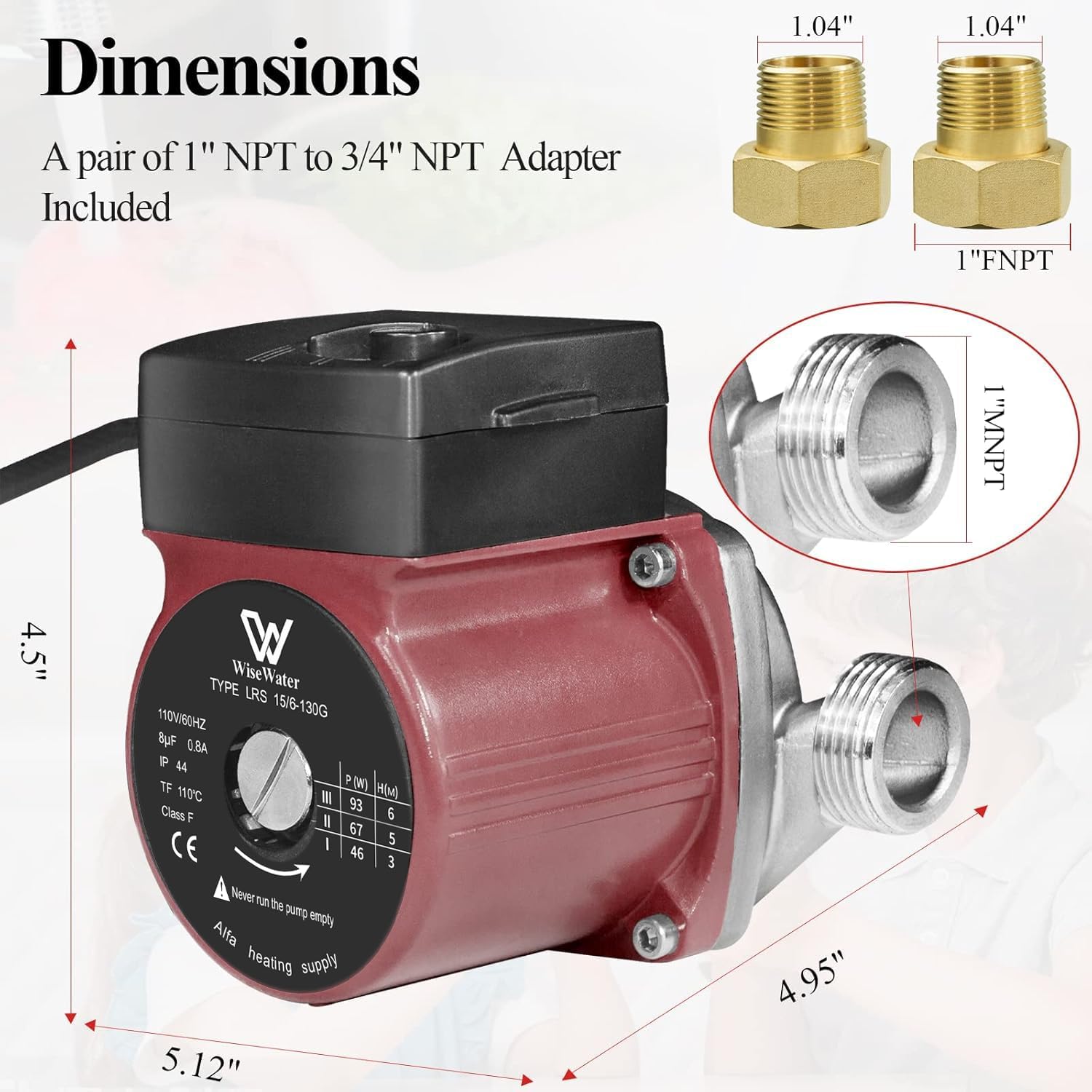
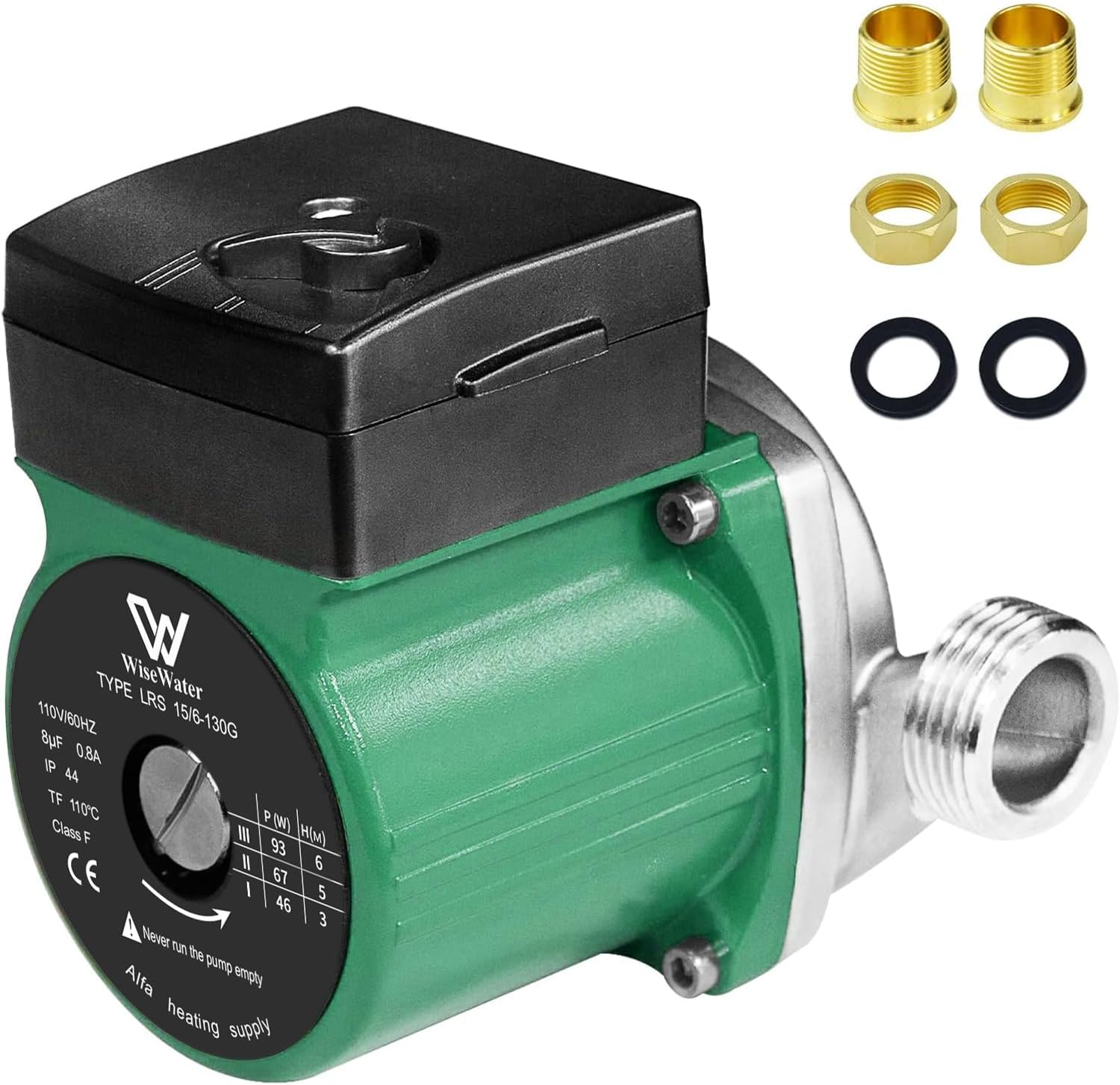
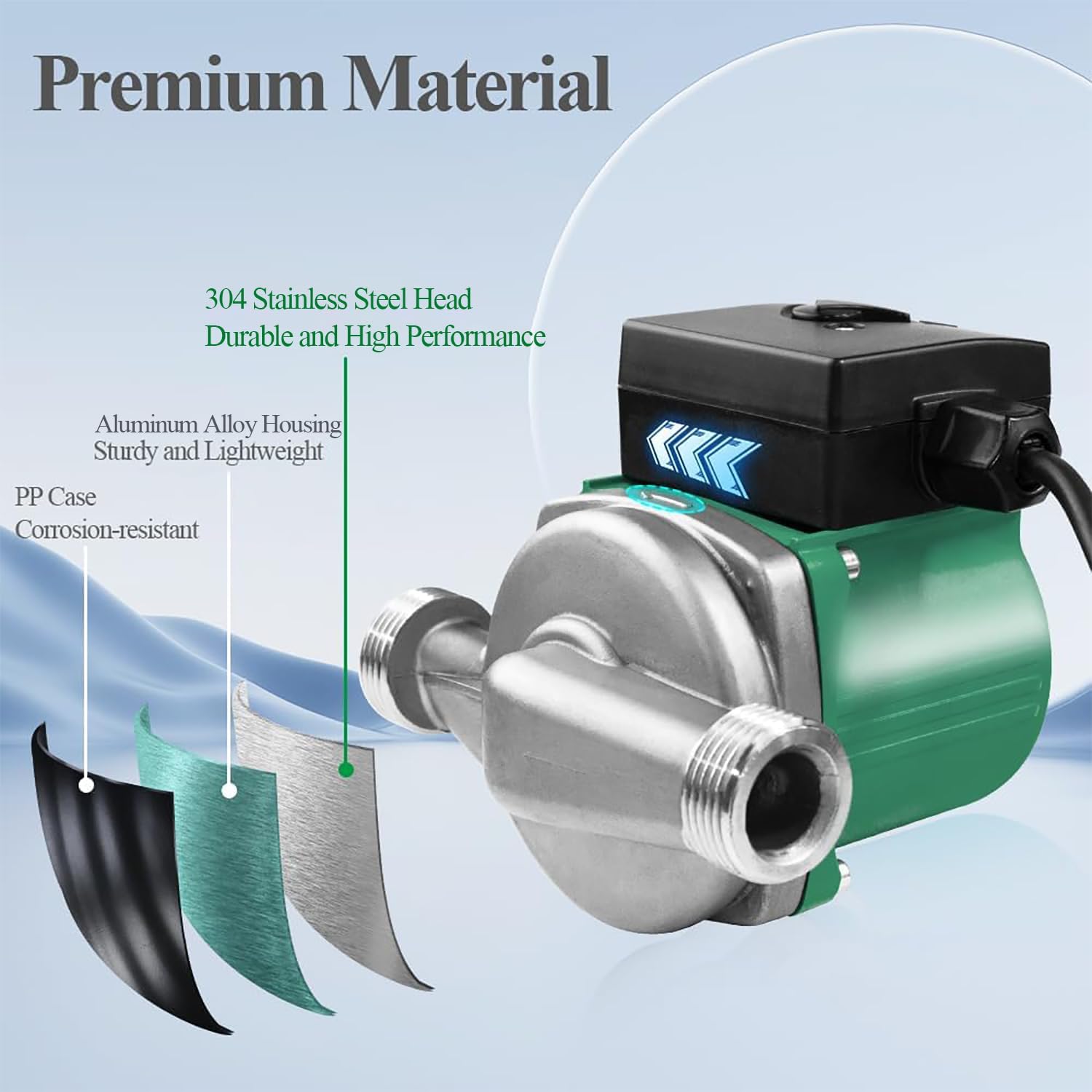
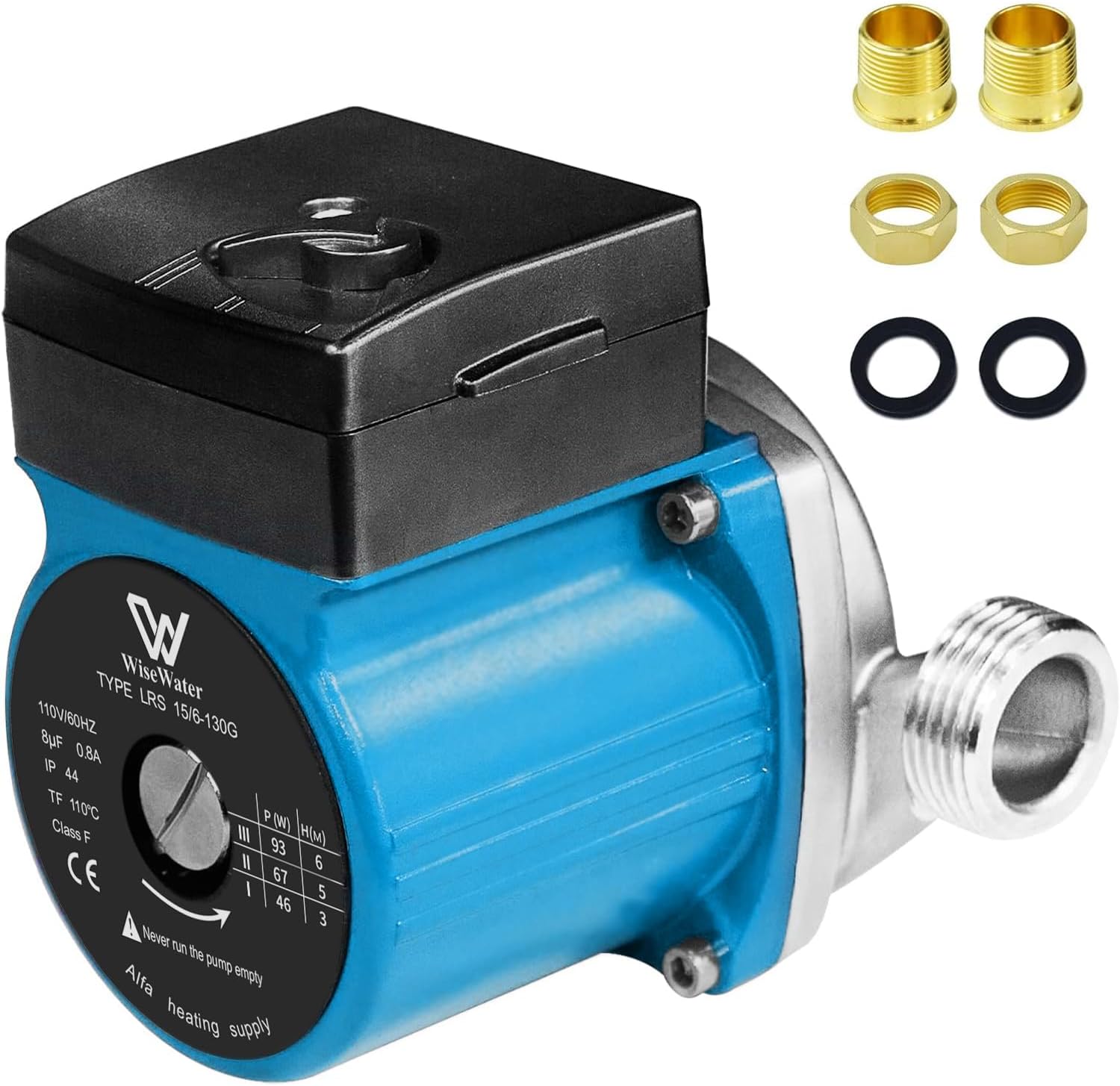
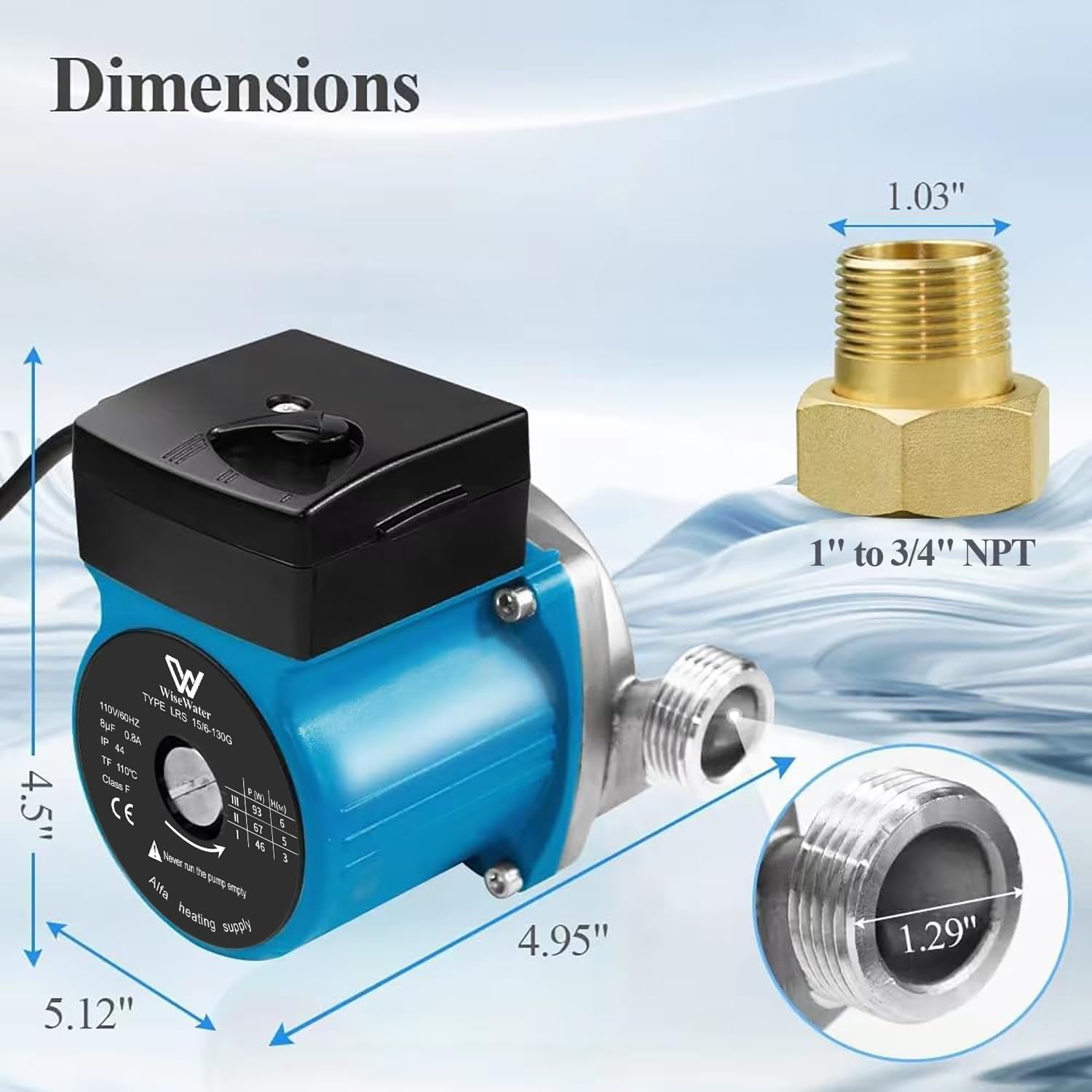
Overview of Circulation Pumps
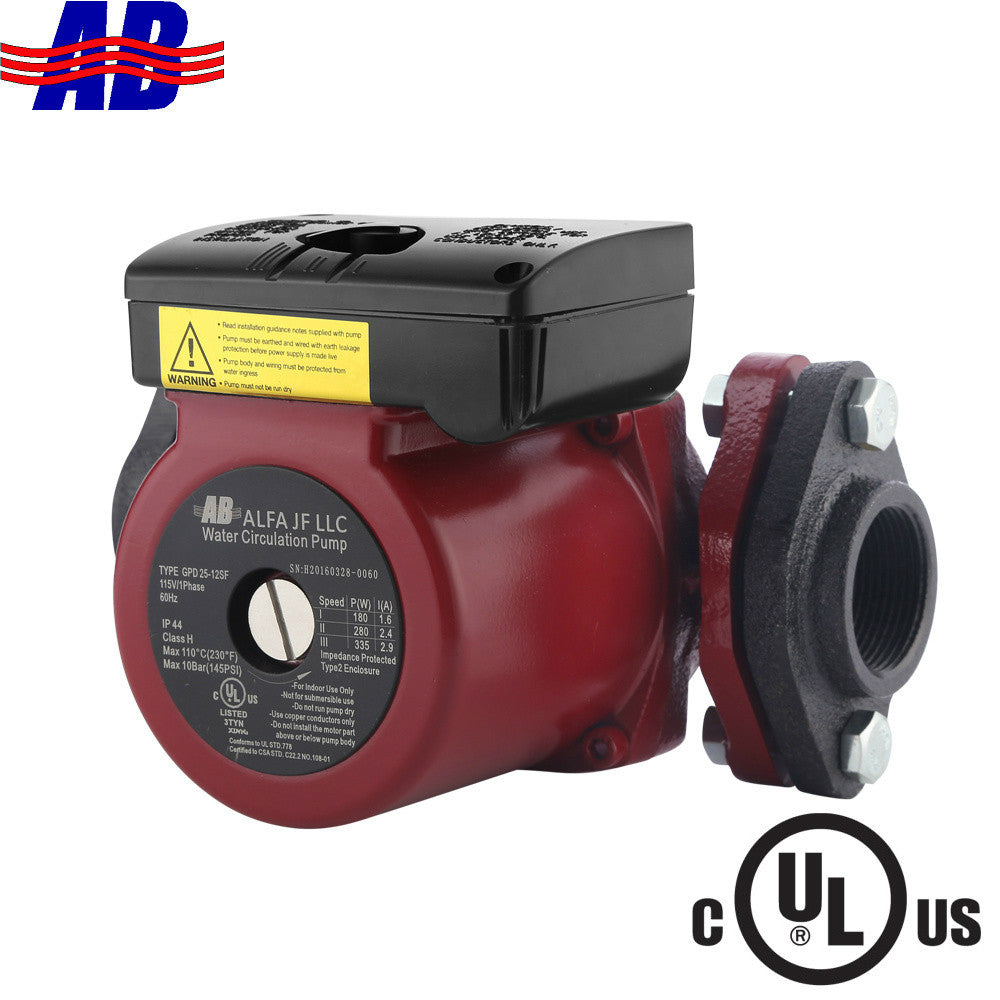
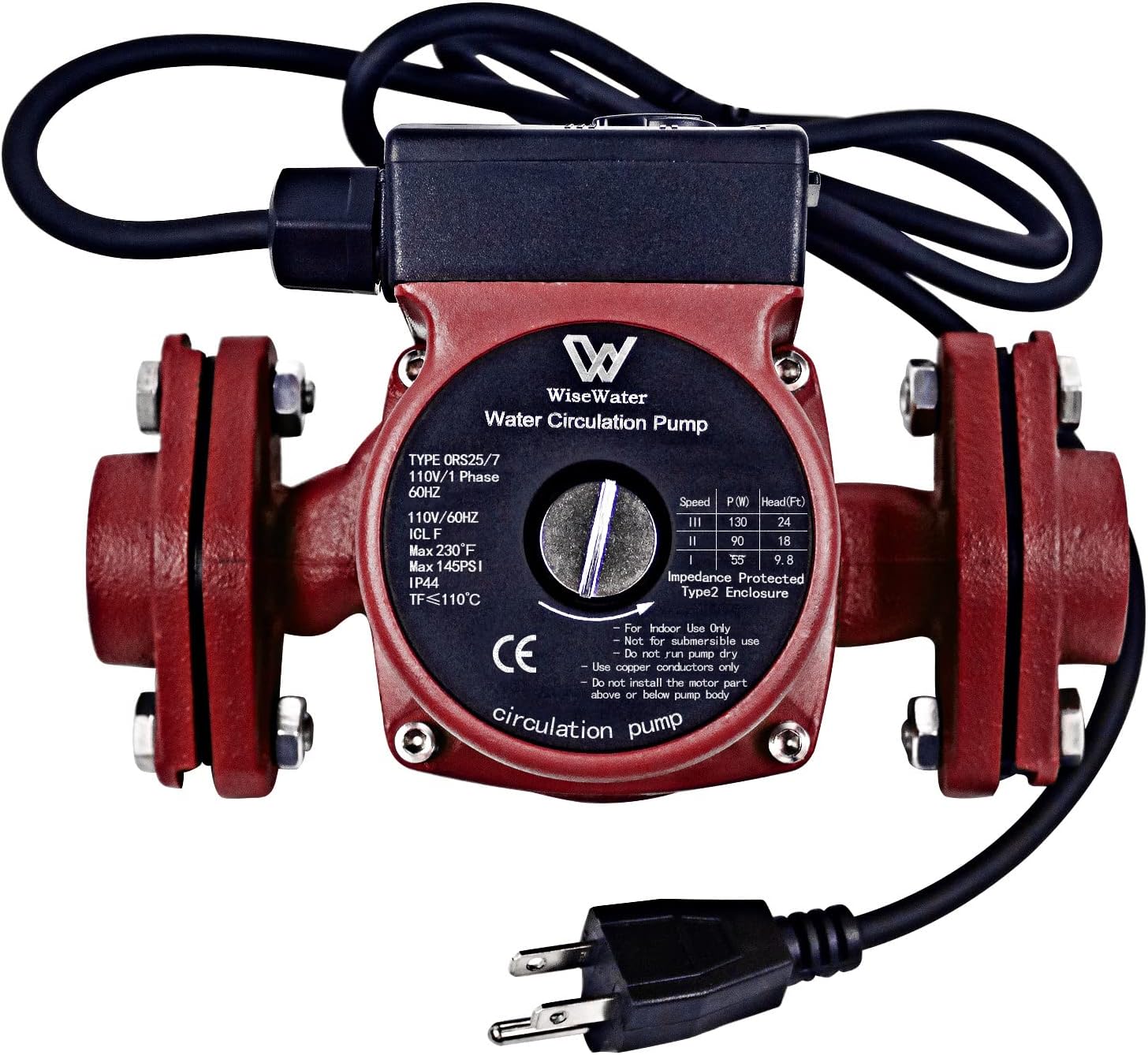
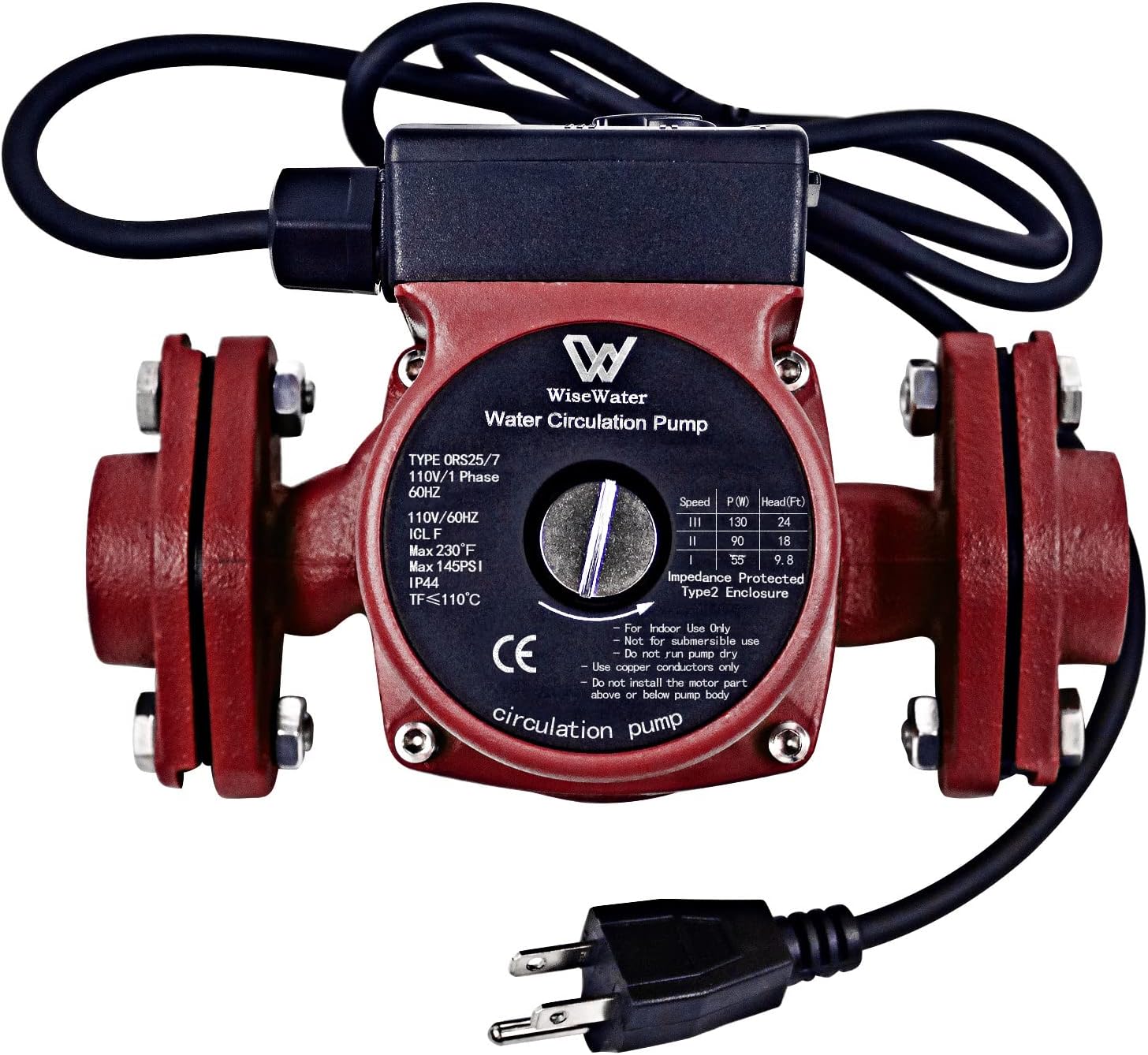
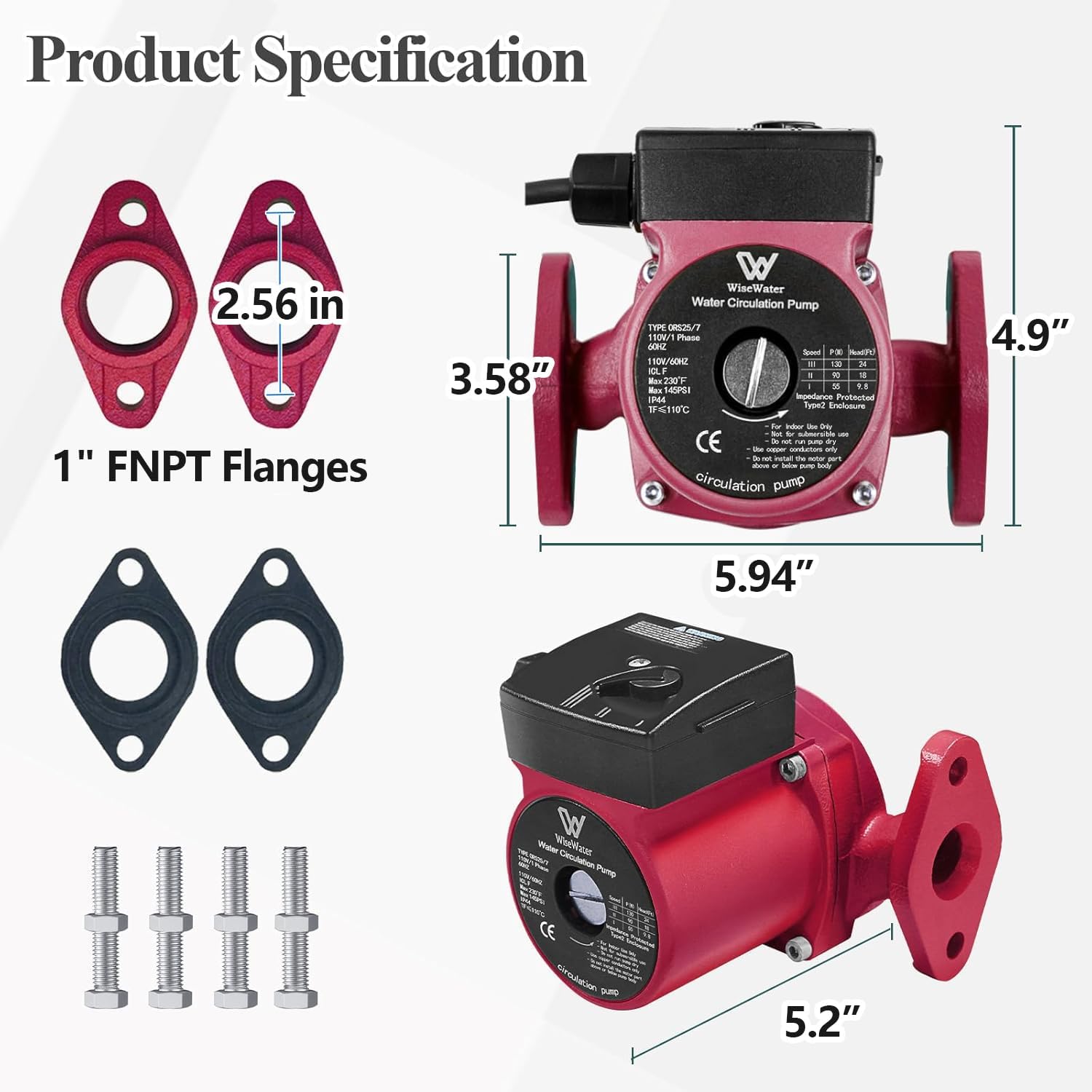
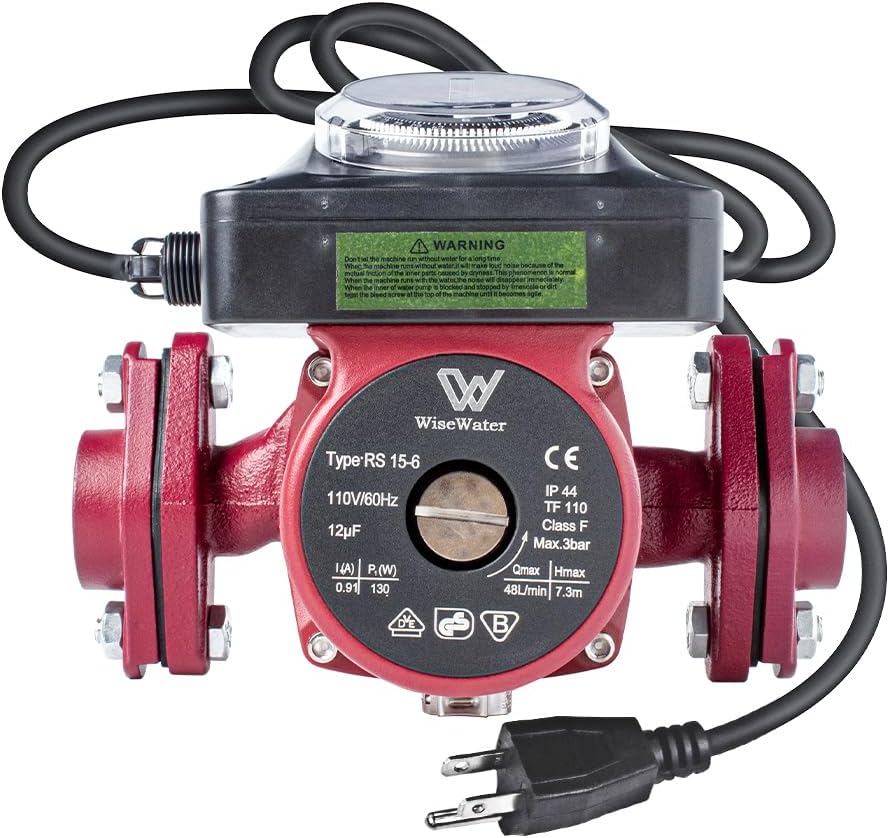
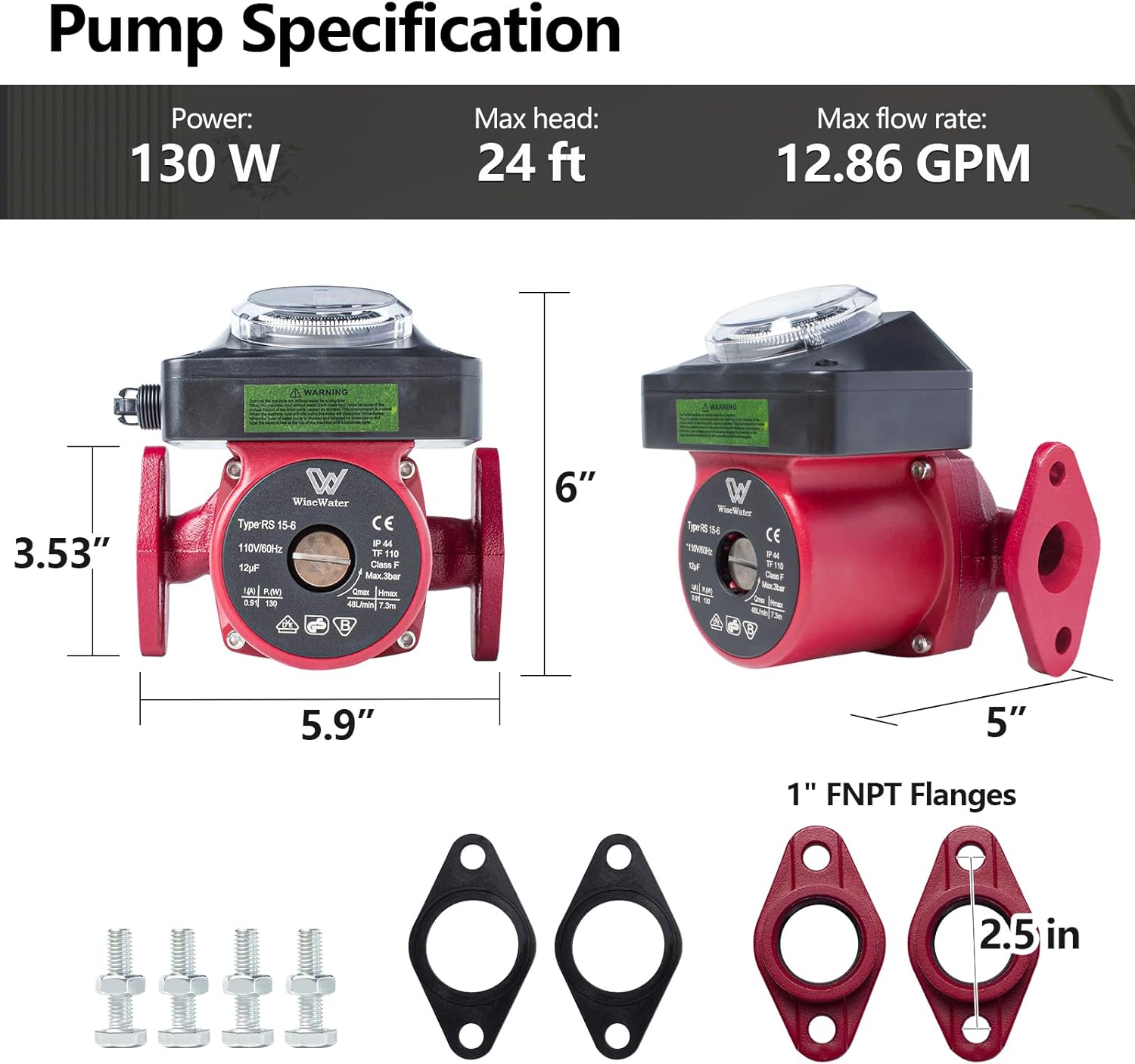
Circulation pumps, also known as circulator pumps, are designed to move water or other fluids through closed-loop heating and cooling systems. In hydronic heating systems, they maintain continuous fluid flow between the heat source and heat emitters, helping distribute heat evenly and maintain consistent system performance.
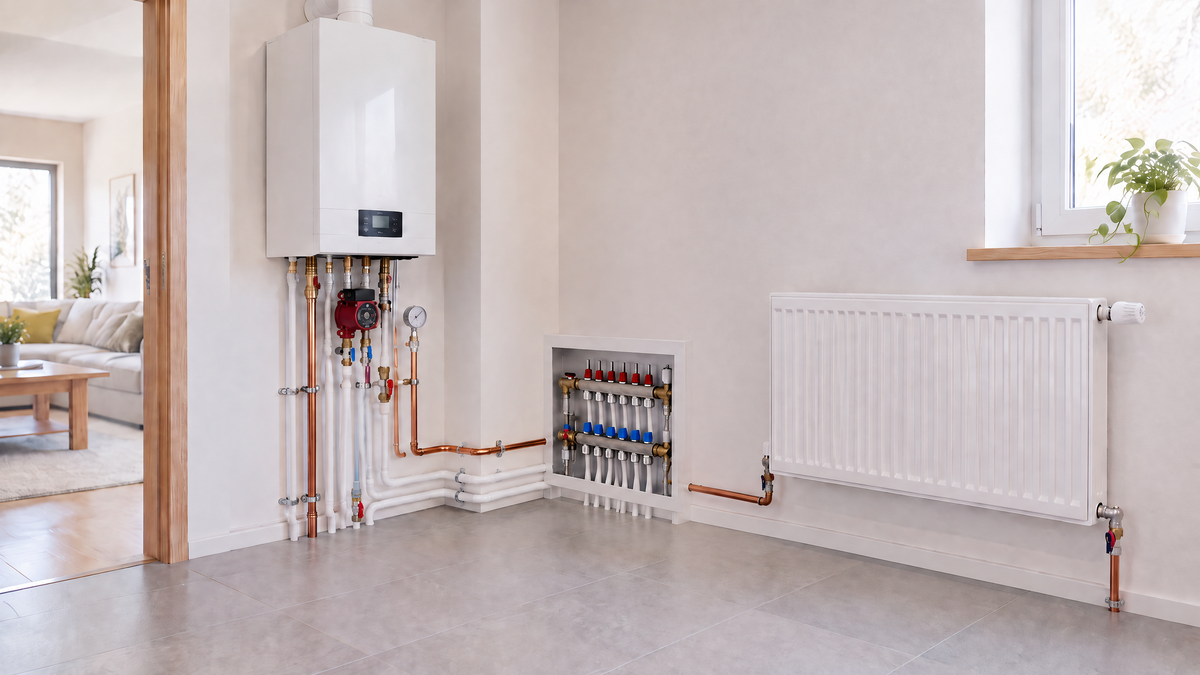
Heating circulation pumps are commonly used with boilers, radiant floor heating systems, radiators, fan coil units, and heat exchangers. The right pump helps provide the required flow rate, overcome system resistance, and support efficient heat transfer throughout the system.
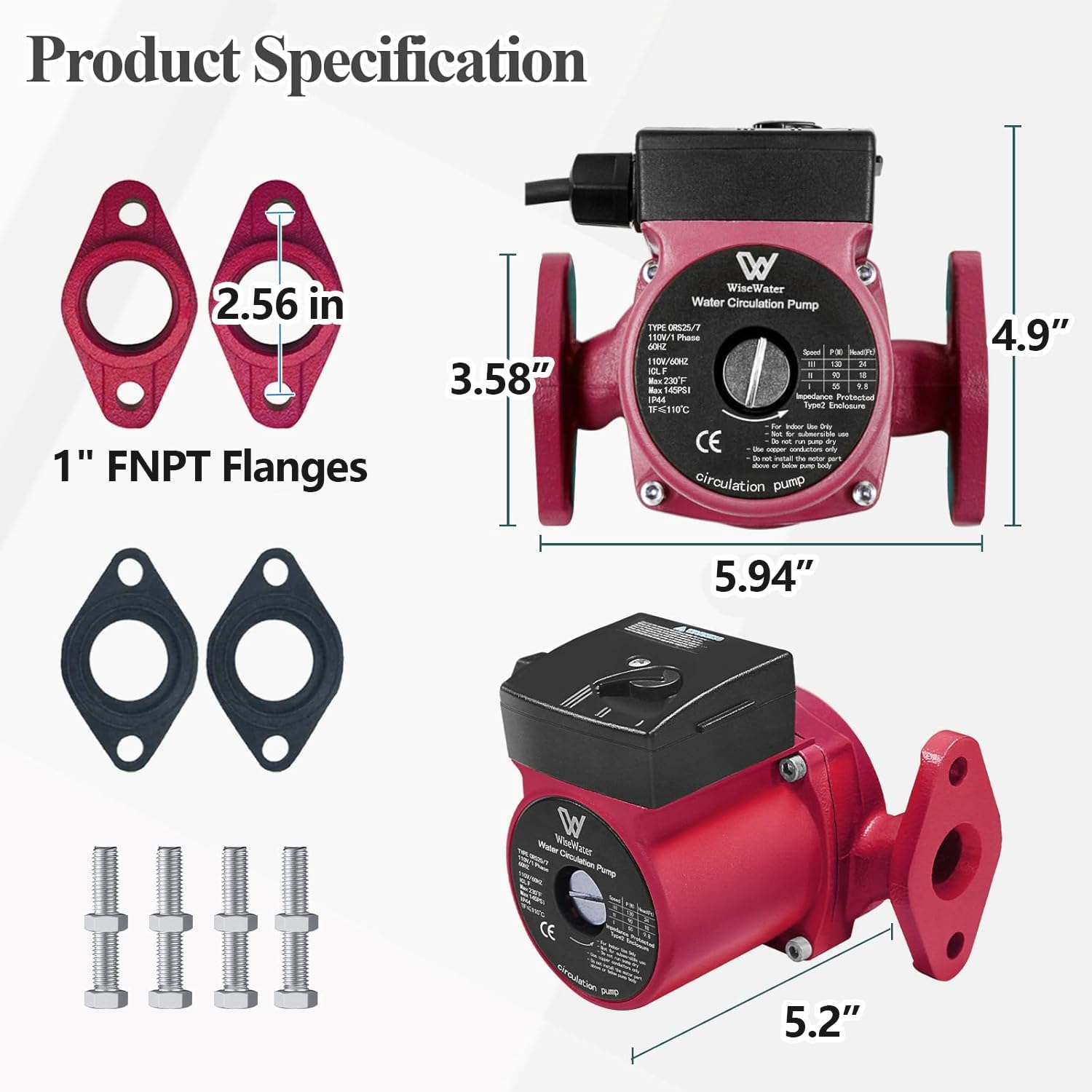
For residential and commercial hydronic applications, circulation pump selection typically depends on the required flow rate, pump head, fluid temperature, system resistance, and application. These factors should be considered together to ensure reliable circulation and proper system performance.
Common system components connected to circulation pumps include:
- Boilers
- Radiant floor heating manifolds
- Heat exchangers
- Radiators and fan coil units
- Expansion tanks and control valves
Applications of Heating Circulation Pumps
Heating circulation pumps are used in a variety of hydronic heating and cooling systems to maintain continuous fluid flow between heat sources, distribution equipment, and heat emitters. Proper circulation helps deliver heat efficiently, maintain consistent temperatures, and support reliable system performance.
Common applications include radiant floor heating, boiler heating systems, heat exchanger circuits, swimming pool heating, and commercial hydronic systems. Pump requirements vary by application, so flow rate, pump head, system resistance, operating temperature, and fluid type should be considered when selecting a circulation pump.


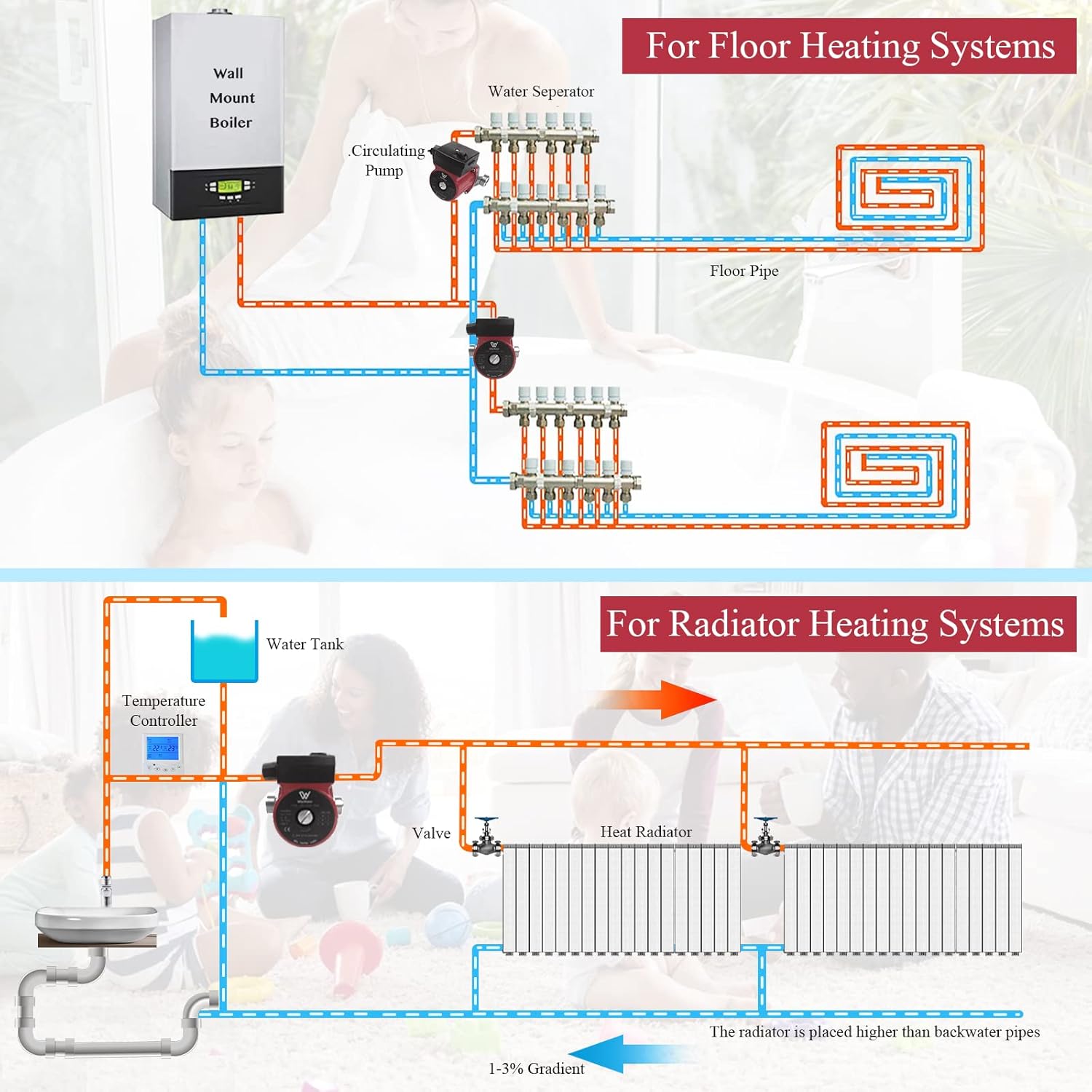
How Hot Water Circulation Pumps Work in Hydronic Systems
In hydronic heating systems, heating circulation pumps create the pressure differential required to move heated water through a closed-loop piping network. The pump draws water from the return line, increases its pressure, and delivers it to the supply line, allowing thermal energy to be distributed efficiently to connected heating devices.
Circulator pumps do not generate heat directly. Instead, they ensure continuous fluid movement between the heat source and the heat distribution system, enabling consistent heat transfer and system balance.
A typical hydronic circulation system works by heating water through a boiler or heat exchanger, then using a circulation pump to distribute the hot water through piping. The heat is delivered to radiators, underfloor heating loops, or air handlers, and the cooled water returns to the heat source for reheating. In modern systems, variable-speed pumps automatically adjust flow based on demand, improving energy efficiency and reducing wear on system components.
Heating System Design Considerations for Hydronic Circulation Pumps
Heating system design for circulation pumps requires careful evaluation of key parameters to ensure efficient and reliable performance. Proper pump sizing and integration directly affect flow stability, system efficiency, and long-term operation. Engineers typically consider required flow rate, head pressure, and overall system resistance, along with system layout and zoning to ensure balanced heat distribution. Operating temperature, fluid compatibility, and energy efficiency are also important factors, especially when selecting appropriate control strategies for optimal system performance.
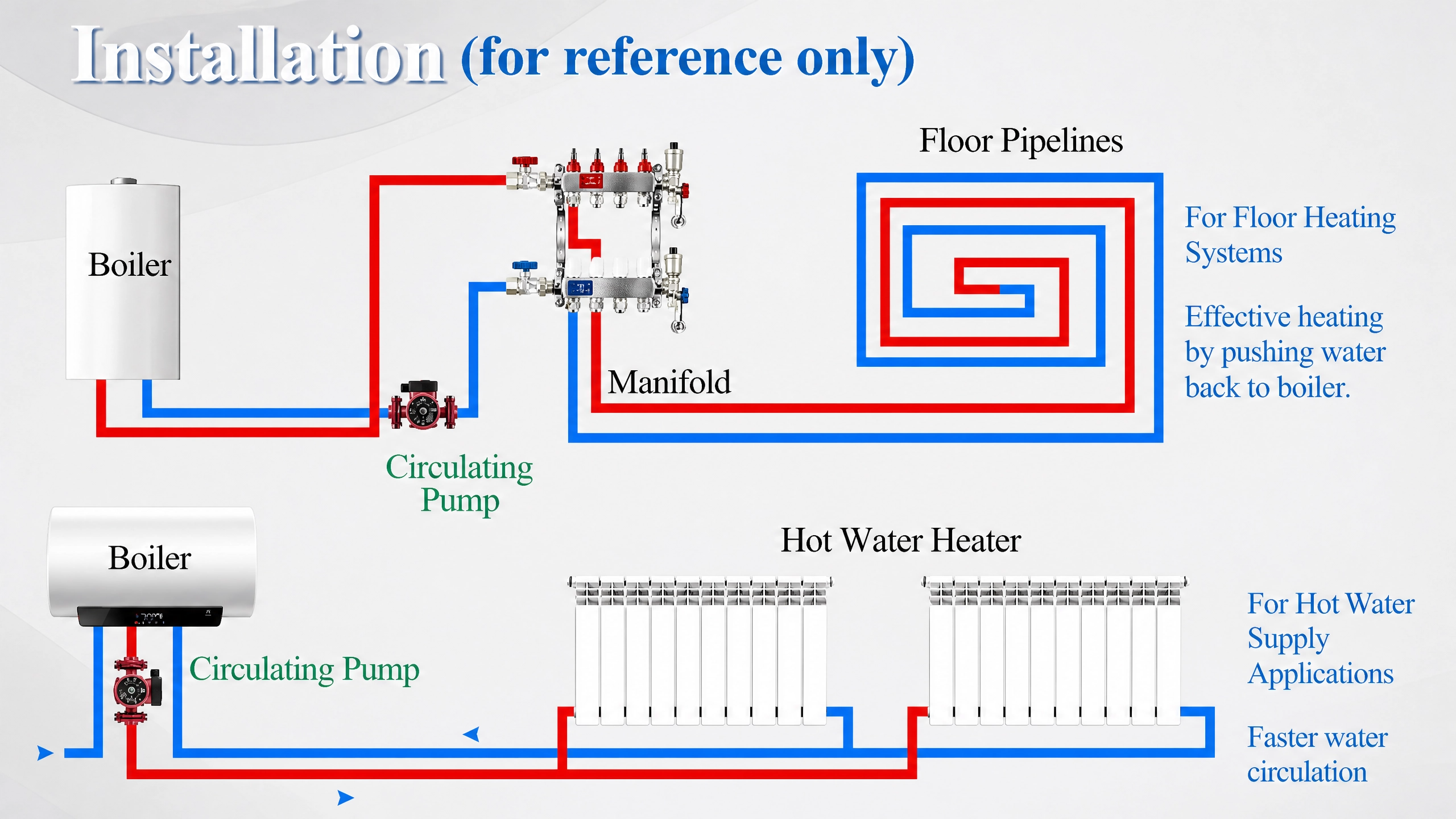
FAQ
At a basic level, a circulator pump is a type of centrifugal pump. It uses a spinning impeller to create pressure and move fluid through the system. Because the system is closed (meaning the same fluid is reused), these pumps don't need to lift water or draw from a supply. They're focused on keeping things moving.
Warning Signs Your Circulator Pump Might Be Failing
A failing heating circulation pump can lead to reduced heat distribution, uneven temperatures, or system shutdown in a hydronic heating system. Identifying early warning signs helps prevent equipment damage and maintain reliable system operation.
Common signs that a circulation pump may be failing include:
Unusual noises
Grinding, clunking, or persistent humming sounds may indicate worn bearings, internal debris, cavitation, or trapped air within the pump housing.
Leaks or rust
Water leakage, corrosion, or rust around the pump body, flanges, or connections often suggests seal failure, gasket deterioration, or long-term moisture exposure.
Reduced heat or poor circulation
Rooms may heat slowly, remain colder than expected, or experience uneven temperatures when the pump is unable to maintain adequate flow through the system.
Frequent cycling or pump not running
If the pump starts and stops repeatedly, fails to start, or runs continuously without delivering heat, the issue may be related to electrical components, motor wear, or system control problems.
Excessive vibration
Noticeable vibration during operation can indicate internal wear, imbalance, or improper installation, which may lead to premature pump failure if not addressed.
These warning signs do not always confirm immediate pump failure, but they indicate that inspection and maintenance may be necessary to ensure stable performance in residential or commercial hydronic heating systems.
Water recirculation pumpsminimize water and energy wastage by delivering fluid where and when it is needed. This is especially critical in residential plumbing, where users no longer have to waste water waiting for it to heat up.
Recently viewed
News
View all
Boiler Radiator Heating System: How Hot Water Radiators Work
Can a Brazed Plate Heat Exchanger Be Used Between Two Water Circuits?
