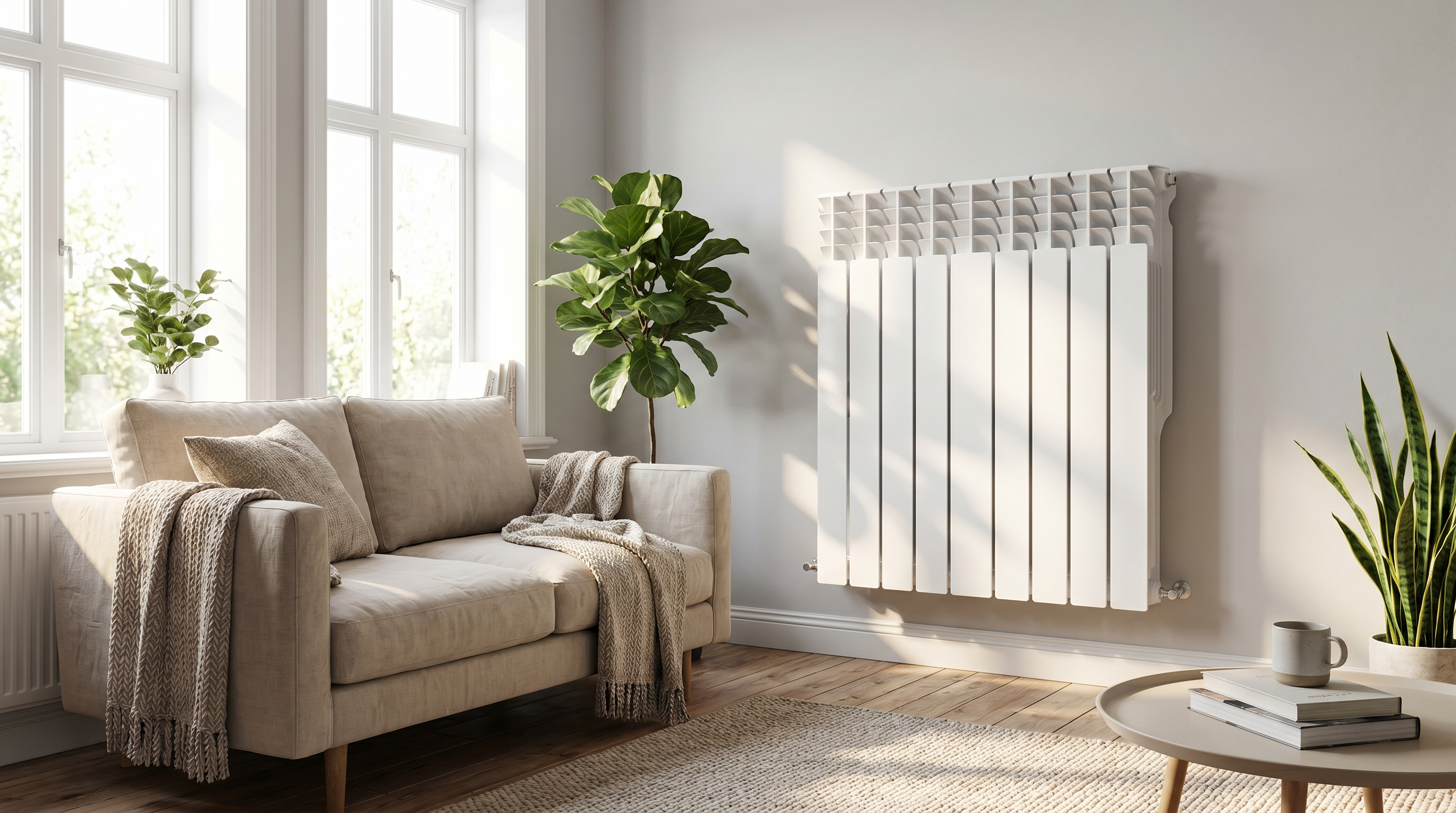
Choosing the right home heating system can affect indoor comfort, energy usage, installation cost, and long-term maintenance. Two commonly used options in residential heating systems are radiators for heating and baseboard heating systems.
Both systems are widely used in homes, apartments, and renovation projects, especially in regions with long heating seasons. However, they work differently and may suit different home layouts and heating preferences.
This guide explains the differences between radiator heating and baseboard heating, including comfort, installation considerations, energy efficiency, and common real-life issues homeowners experience during daily use.
Understanding the Difference Between Radiator and Baseboard Heating
Although both systems are used for indoor heating, they distribute heat differently and are designed for different installation conditions.
How radiator heating systems work
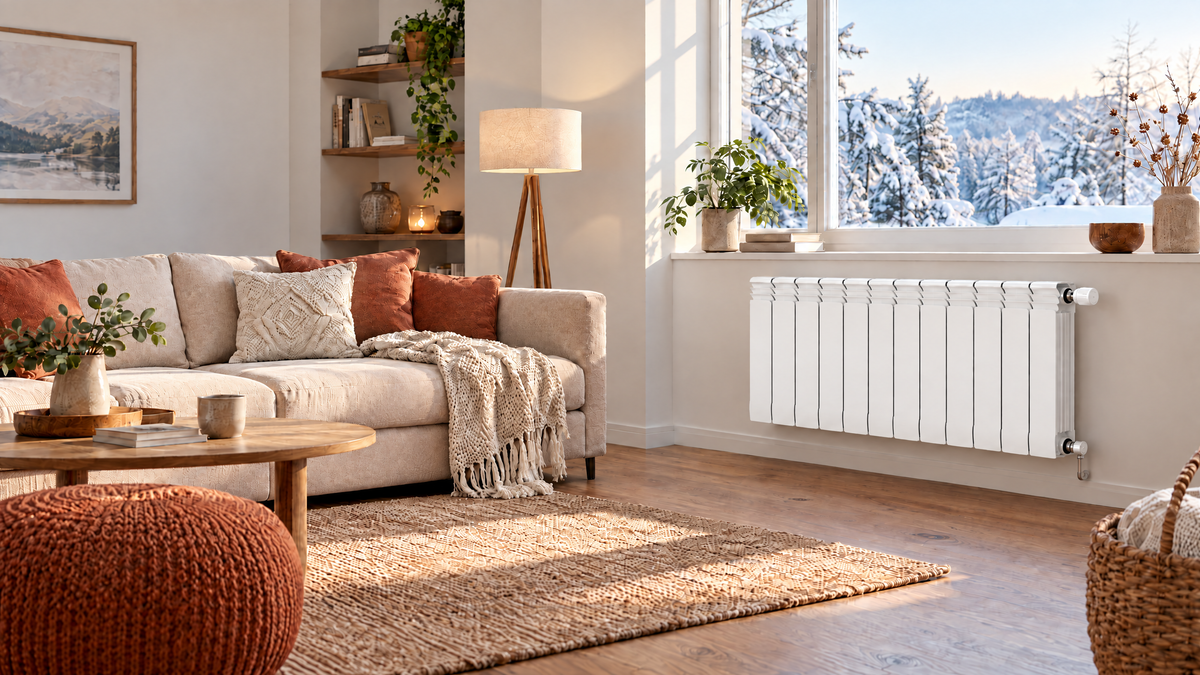
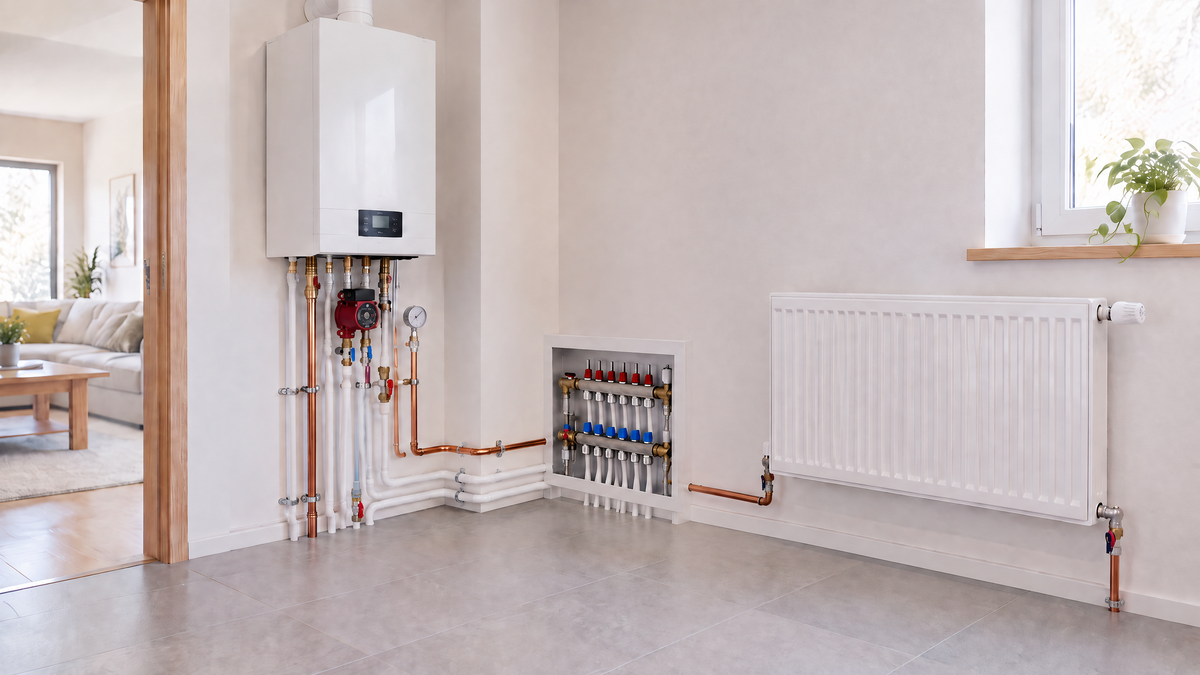
Hot water radiator heating systems use heated water from a boiler to transfer warmth throughout the home. The hot water circulates through pipes connected to radiators installed in different rooms.
The radiator then releases heat through a combination of radiant heat and natural air circulation. Because water retains heat efficiently, radiators for heating are commonly used in hydronic heating systems designed for steady indoor temperatures.
Modern hot water radiators are available in different styles and sizes, making them suitable for both traditional and contemporary home designs.
How baseboard heating works
Baseboard heating systems are typically installed along the lower edge of walls. As the unit heats the surrounding air, warm air rises naturally while cooler air moves downward to be reheated.
Some systems use hot water, while others rely on electric heating elements.
Baseboard heaters are often selected in compact layouts because they can be installed continuously along room walls without requiring large standalone units.
Why homeowners often compare these two systems
Many homeowners compare radiator and baseboard heating when:
- Renovating older homes
- Replacing outdated heating equipment
- Upgrading boiler systems
- Improving indoor comfort during winter
- Reducing uneven room temperatures
Common concerns include:
- Cold spots near windows
- Heating noise at night
- Limited wall space
- Furniture placement restrictions
- Dry indoor air during heating season
These everyday issues often influence heating system decisions more than technical specifications alone.
Heat Distribution and Comfort in Daily Use
One of the biggest differences between radiator and baseboard heating systems is how heat feels inside the home during daily use.
Which system provides more even room temperature?
In many homes, heat radiators for home applications provide more stable and even room temperatures because heated water continues circulating gradually through the system.
Radiators can continue releasing warmth even after the boiler cycle slows down, which may help reduce noticeable temperature fluctuations.
Baseboard heating systems can warm rooms effectively, but some homeowners notice that heat is concentrated closer to wall areas where the units are installed.
Common comfort issues homeowners notice
Real-life comfort depends on more than heating output alone.
Some homeowners experience:
- Furniture blocking heat circulation
- Curtains trapping warm air
- Uneven heating between rooms
- Dry indoor conditions during winter
- Hot and cold temperature swings
In smaller rooms, furniture placement can directly affect airflow and heating performance. For example, placing large sofas directly in front of baseboard heaters may reduce heat circulation efficiency.
Quiet operation and indoor comfort
Many modern hot water radiators operate quietly because hydronic systems rely on water circulation instead of forced airflow.
Compared with a forced air heating system, radiator systems generally produce less air movement and fewer airflow-related sounds.
Some homeowners prefer hydronic heating because it creates a more gradual and stable indoor heating experience, especially during overnight operation.
Installation Space and Home Layout Considerations
Home layout and available installation space often play a major role when choosing between radiators and baseboard heating.
Radiators in older homes and renovation projects
Many older homes already use hot water radiator heating systems connected to boilers. In renovation projects, homeowners sometimes keep the existing piping infrastructure while upgrading to modern hot water radiators.
This approach may reduce the complexity of major heating system modifications.
Radiators are also commonly used in homes where steady room temperature and zoned heating control are priorities.
Baseboard heating in compact layouts
Baseboard heating systems are often easier to integrate into smaller spaces because the units run along the wall rather than occupying a larger standalone installation area.
In apartments or rooms with limited floor space, this layout may simplify installation planning.
However, homeowners still need to consider:
- Window placement
- Curtain length
- Furniture arrangement
- Electrical outlet locations
- Airflow obstruction
These practical details can influence heating performance over time.
Room layout limitations homeowners often encounter
Homeowners often discover layout-related heating issues after installation.
Common examples include:
- Beds placed too close to heaters
- Curtains covering baseboard units
- Narrow hallways limiting radiator placement
- Reduced wall space for furniture or decorations
Careful room planning can help improve both comfort and heating efficiency regardless of system type.
Energy Efficiency and Long-Term Heating Costs
Energy usage depends on the heating system itself as well as insulation quality, thermostat settings, and home design.
Do radiators use energy more efficiently?
Wall mounted aluminum radiators are often considered energy efficient in hydronic heating systems because water has a high heat capacity and transfers heat effectively.
In properly designed systems, radiators may maintain indoor temperature with relatively stable boiler cycling.
However, overall efficiency depends on:
- Boiler performance
- Pipe insulation
- Home insulation quality
- Outdoor climate conditions
- Thermostat control strategy
No heating system performs efficiently if the building loses heat rapidly through poor insulation or air leakage.
Factors that affect heating costs
Several everyday factors influence long-term heating expenses:
- Room insulation quality
- Window efficiency
- Heating schedule
- Thermostat settings
- Home size and layout
- Seasonal outdoor temperatures
Some homeowners choose zoned hydronic systems to reduce heating usage in unused rooms during certain periods of the day.
Others combine radiator systems with floor heating solutions in larger homes for more balanced heat distribution.
How system maintenance affects long-term performance
Maintenance is important for both radiator and baseboard heating systems.
Common maintenance tasks may include:
- Bleeding radiators
- Checking boiler pressure
- Cleaning dust around heaters
- Inspecting valves and connections
- Monitoring water quality in hydronic systems
Poor maintenance can gradually reduce heating performance and increase operating costs over time.
Which Heating System Is Better for Your Home?
The most suitable heating system depends on home layout, comfort expectations, installation conditions, and maintenance preferences.
When radiators may be a practical choice
Modern hot water radiators are commonly selected for:
- Hydronic heating systems
- Multi-room heating layouts
- Homes requiring quiet operation
- Renovation projects with existing boiler systems
- Stable long-term indoor comfort
Some homeowners also combine radiators with a Fan Coil Unit (FCU) Heating System in larger hydronic heating applications.
When baseboard heating may work better
Baseboard heating systems may suit:
- Smaller rooms
- Simple retrofit projects
- Compact wall layouts
- Homes requiring straightforward installation
In some situations, homeowners prioritize installation simplicity over advanced zoning or long-term heating customization.
Comparing heating systems based on real household needs
Before selecting a heating system, homeowners often compare:
- Heating comfort
- Room layout flexibility
- Installation cost
- Noise levels
- Maintenance requirements
- Long-term energy use
In practice, the better option is usually the one that matches the home's heating habits, available space, and overall heating system design.
Both radiator heating and baseboard heating systems are widely used in residential heating applications. Each system has advantages depending on installation conditions, room layout, comfort expectations, and long-term maintenance preferences.
Radiators for heating are often associated with stable indoor comfort and hydronic heating efficiency, while baseboard systems may offer installation flexibility in smaller spaces.
For many homeowners, the best choice depends less on which system is universally better and more on which one is better suited for the home's specific heating requirements.
FAQ
Hydronic radiator heating systems are generally more energy efficient than electric baseboard heating because water retains and distributes heat more effectively than electric resistance heating. However, actual efficiency depends on insulation quality, boiler efficiency, and overall system design.
Yes. Modern hot water radiators are widely used in new homes, especially in hydronic heating systems paired with boilers or heat pumps. They work well in energy-efficient buildings and can be used with wall-mounted or space-saving installation designs.
Radiators often feel more comfortable because they deliver steady radiant heat and maintain more consistent room temperatures. In contrast, baseboard heaters rely more on convection airflow, which can create uneven heating and temperature differences within a room.
Yes. Furniture, curtains, or any obstruction can reduce heating performance. Blocking a radiator reduces radiant heat output, while blocking a baseboard heater restricts airflow and reduces convection efficiency, often leading to cold spots in the room.
Hydronic radiator and hydronic baseboard heating systems are both generally quiet because they rely on water circulation instead of forced air. Radiators may produce slightly fewer expansion noises due to their larger surface area and slower heat cycling.