
What is HVAC?
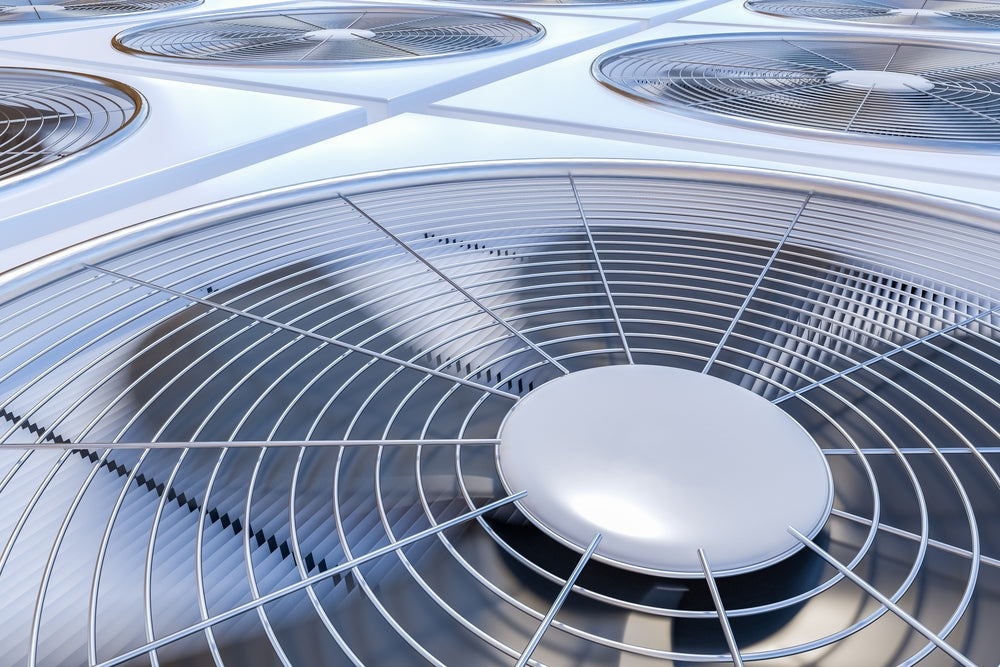
HVAC (heating, ventilation, and air conditioning) is used for heating and cooling of both residential and commercial buildings, as well as the many systems utilized to move air between the interior and outdoor locations. They're the devices that keep you pleasantly warm in the winter and refreshing and refreshing in the summer. They're also the systems that filter and clean indoor air to help you survive and regulate humidity levels at a tolerable level.
An HVAC system is used for more than just heating and cooling. Instead, it enhances interior air quality and ensures that everyone inside a facility is comfortable. HVAC systems exist in various forms and sizes, but they all have the same fundamental components. HVAC systems make use of components such as plate exchange heater. They are complex systems that require proper understanding before use.
Buy New HVAC System Online With Alfa Heating Company
Here are some of the top devices of HVAC Supply –
-
Air to Water Heat Exchangers - Water to Air Heat Exchangers are also known as AB Air to Water Heat Exchangers. High-quality aluminium fins and seamless copper tubes are used in its construction. It is commonly used in Business and Residential Heating and Cooling, Unit and Condo Heating and Cooling, Hot Air Heating, Combination Systems, Air Con, Moisture removal, Inverter Cooling, and Moisture control Inverter Cooling.
- Side Arm Heat Exchanger - The small, lightweight form of WiseWater Sidearm Heat Exchangers enables rapid and easy installation. This heat exchanger is strengthened with fins to allow greater heat transfer efficiency and avoid cross-contamination for potable water. It is designed using natural thermosiphon heating technology. The enhanced design, which is larger than a standard bare tube design, generates substantial turbulence on the system side and quicker heating at a higher capacity. It's one of the best things for the HVAC system.
FAQ
A heat exchanger transfers thermal energy from one fluid to another without the two coming into direct contact. In an HVAC system, this function is critical. It allows the heating or cooling system to regulate indoor temperatures efficiently by transferring heat from water to air, or vice versa, depending on the setup.
In systems like air-to-water heat exchangers, copper and aluminum components collaborate to optimize energy exchange while minimizing waste. These exchangers are designed for fast thermal conductivity, meaning they can quickly adjust temperatures to meet demand.
This technology plays a central role in:
- Hot water systems
- Radiant floor heating
- Space heating and cooling
- Dehumidification control
Heat exchangers = smoother performance and lower energy costs. Without one, an HVAC unit can’t effectively heat or cool your space. It’s the component that links energy production to climate control inside your building. By choosing a system that utilizes a reliable exchanger—such as those designed with high-efficiency fins—you help maintain stable temperatures while optimizing your system’s power consumption. It’s the behind-the-scenes powerhouse that makes your HVAC system do what it does best.
If your indoor climate feels uneven, or your utility bill suddenly spikes, it may be time to check the heat exchanger. Although it doesn’t have moving parts, this component is still crucial for maintaining temperature control throughout your HVAC system.
Here’s what to watch for:
- Reduced heating or cooling output
- Unusual noises like ticking or hissing
- Rust, corrosion, or leaks on external connections
- Visible cracks or discoloration on the metal surface
Uneven room temperatures can lead to a possible drop in heat transfer efficiency. If you’re noticing one room too hot and another still cold, the exchanger might not be operating at its full capacity. That imbalance can mean energy is being lost during transfer.
Also, pay attention to how long it takes your system to reach the target temperature. If it’s suddenly taking longer or running more frequently, the exchanger may be struggling to transfer enough heat. A faulty exchanger doesn’t always break down overnight. Subtle shifts in performance often come first. And since your HVAC system relies on this part to perform its core function, identifying problems early helps prevent further wear across the unit.
Yes, it’s possible to replace a heat exchanger, and in many cases, it’s more cost-effective than replacing the entire HVAC unit. However, the right approach depends on how the exchanger has been installed, its accessibility, and the type of system you’re using.
Alfa Heating offers a diverse range of exchangers—including side arm and plate models, designed for easy installation and optimal performance. These are constructed with durable materials, such as stainless steel and copper, making them a reliable choice for long-term use.
Still, replacement requires careful compatibility checks:
- Size and orientation must match the existing system
- Flow rate and connection points must align with the current piping
- Btu rating should support your building’s heating or cooling load
More efficient components = better performance and longer system life. If your current exchanger shows signs of damage or corrosion, replacing it is often the smarter move. For many users, especially those in residential or mixed-use buildings, replacing a damaged exchanger restores system balance without requiring a full system overhaul. Be sure to check the installation specifications and flow requirements to ensure everything continues to operate smoothly.