
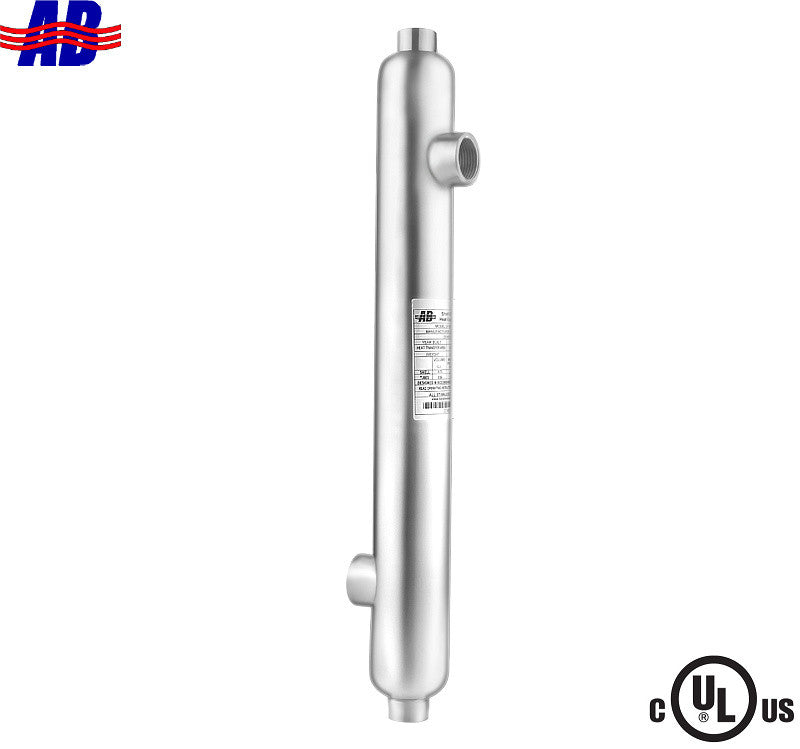
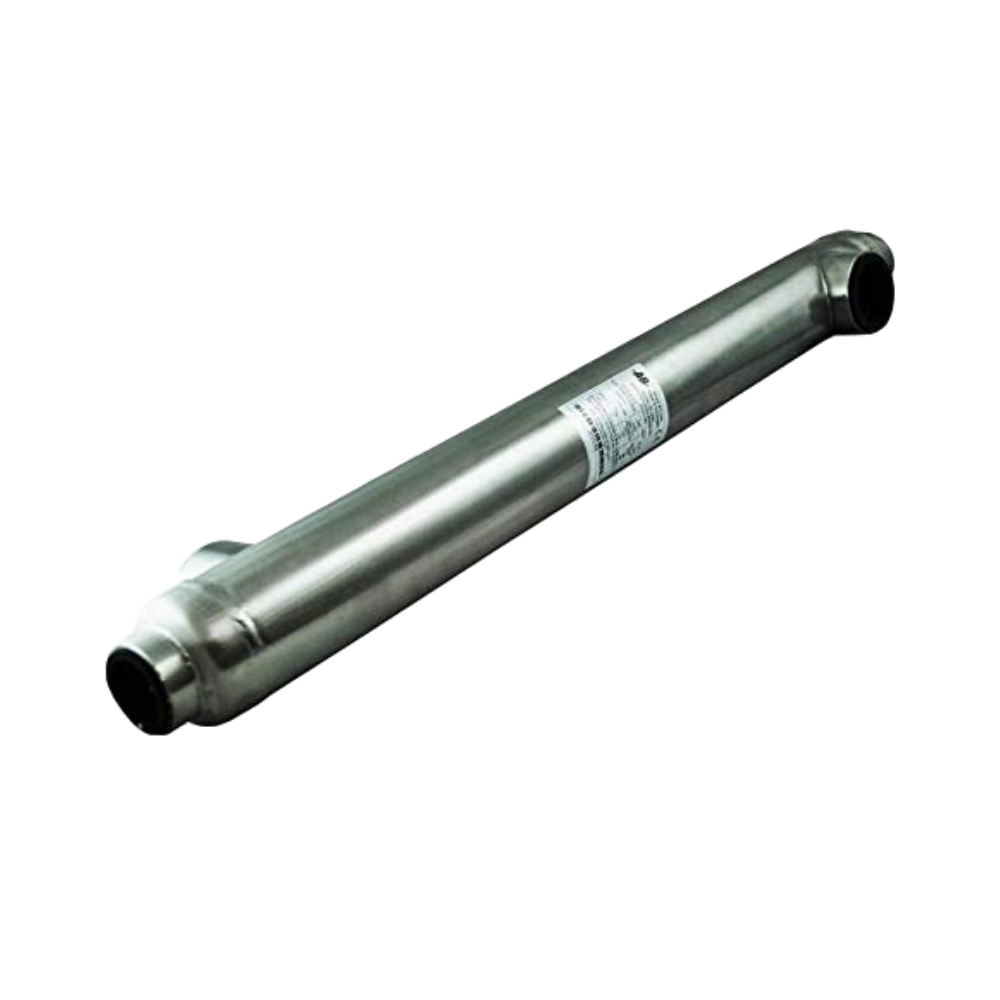
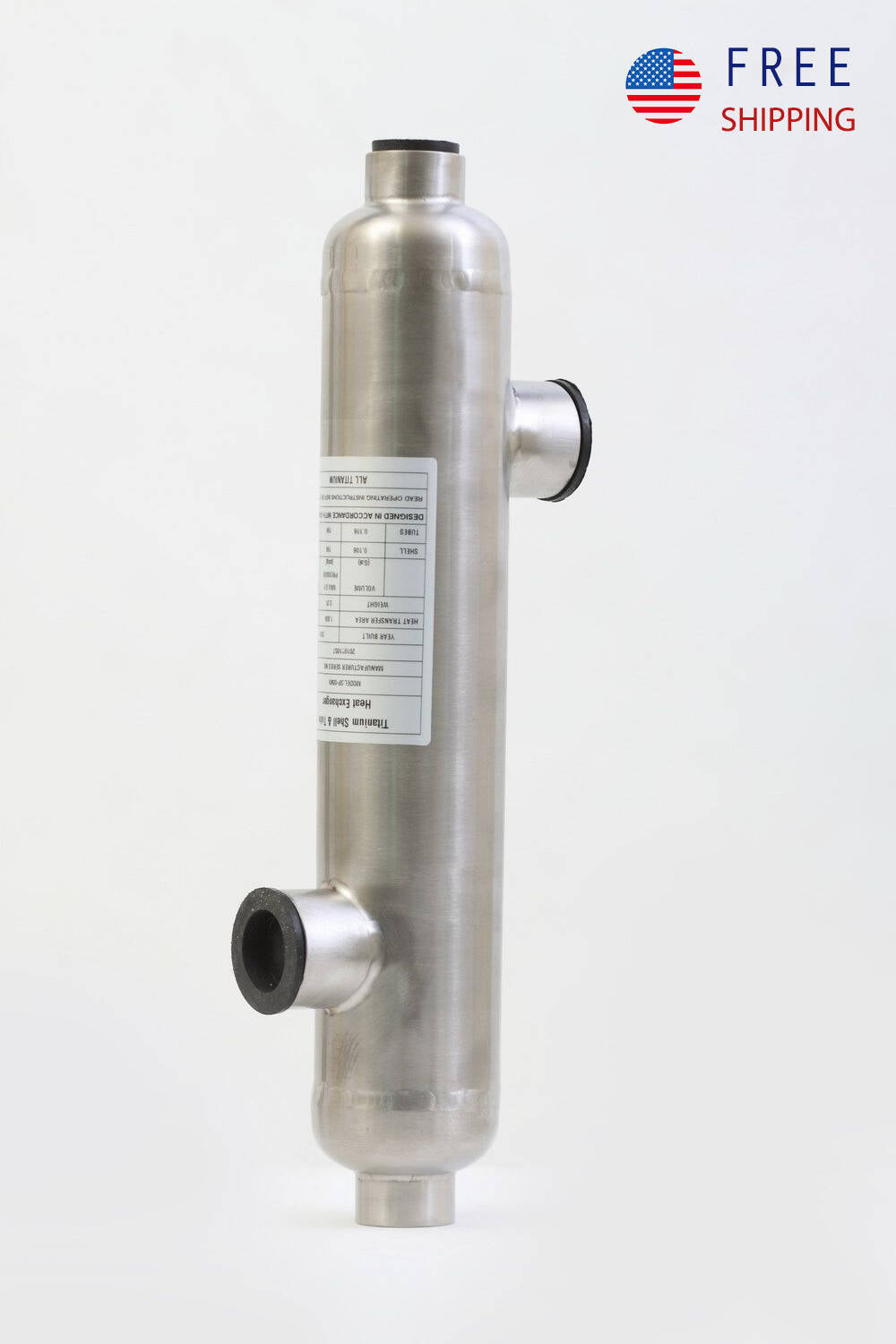
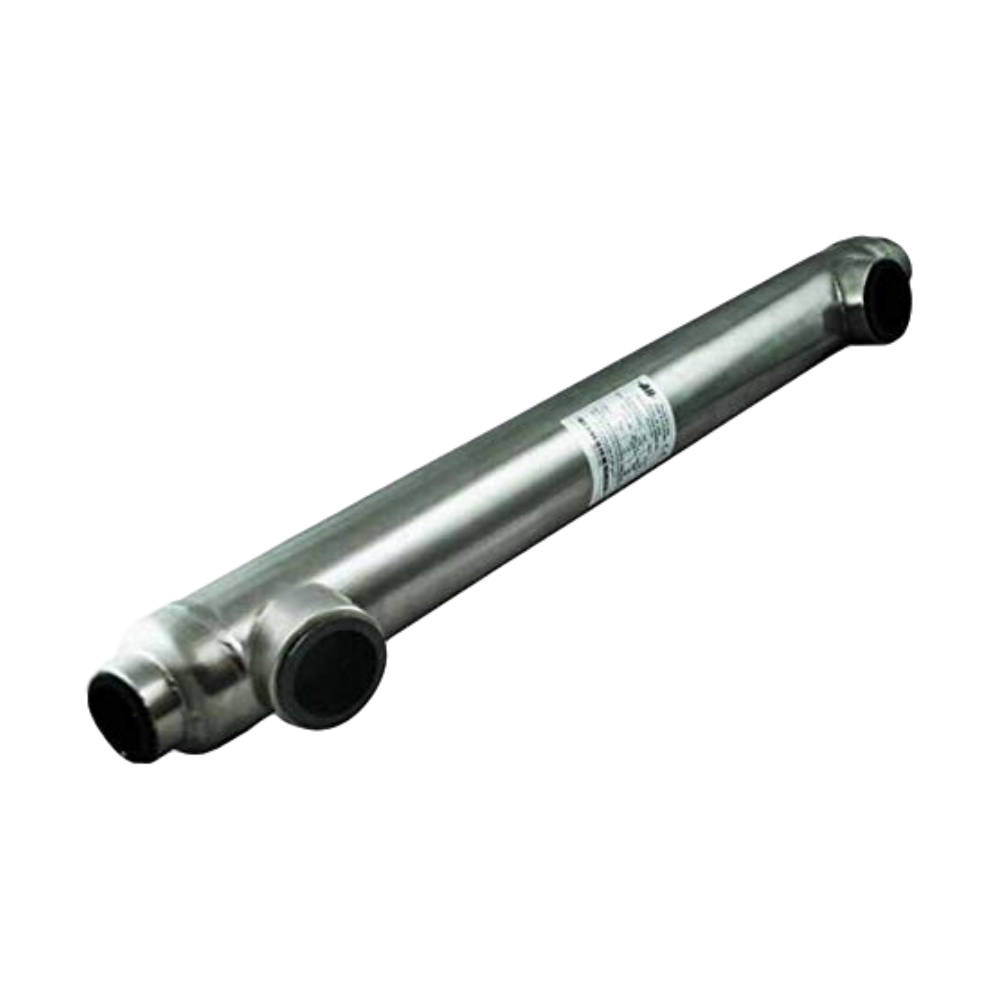
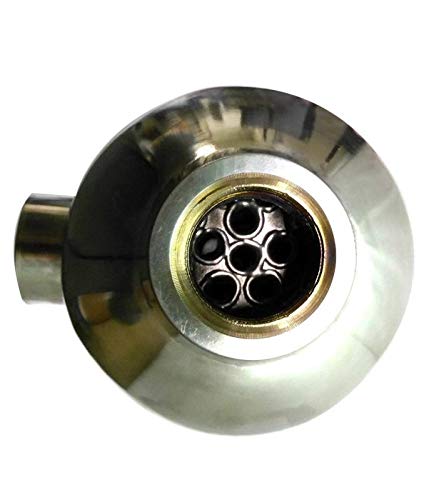
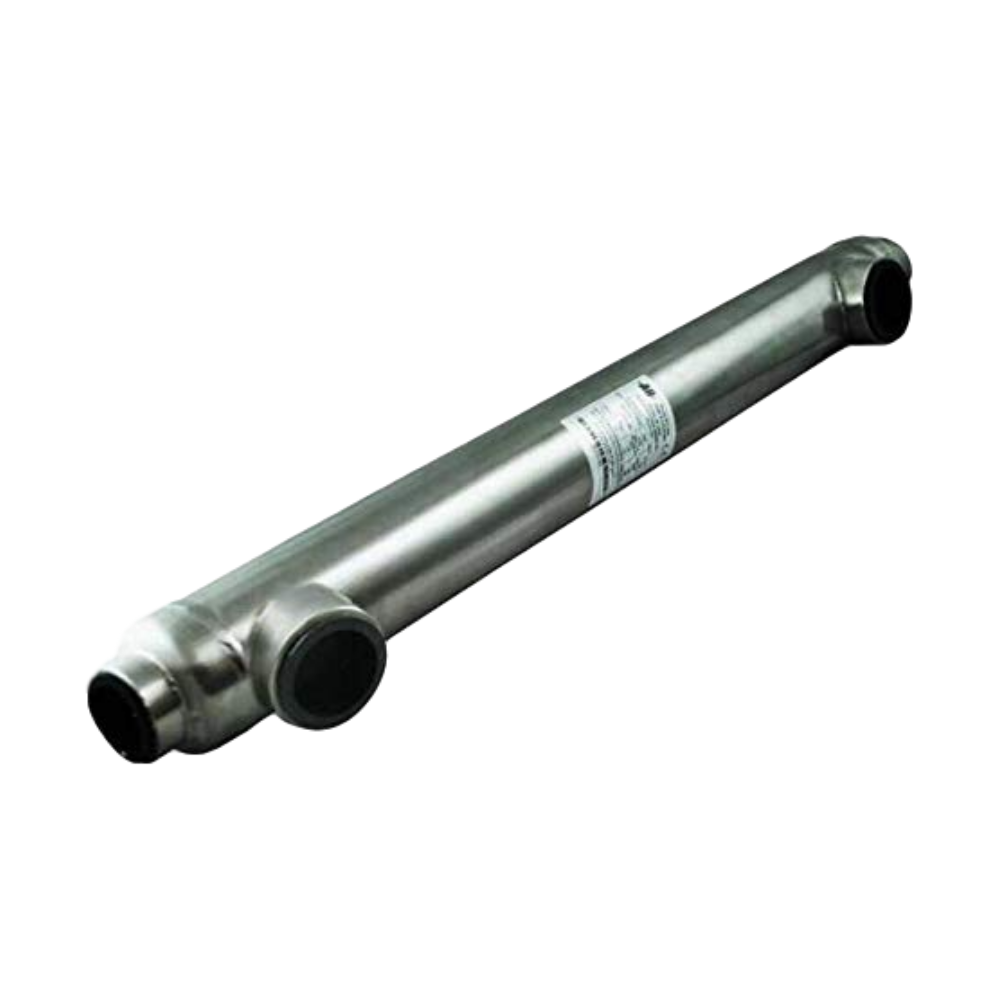
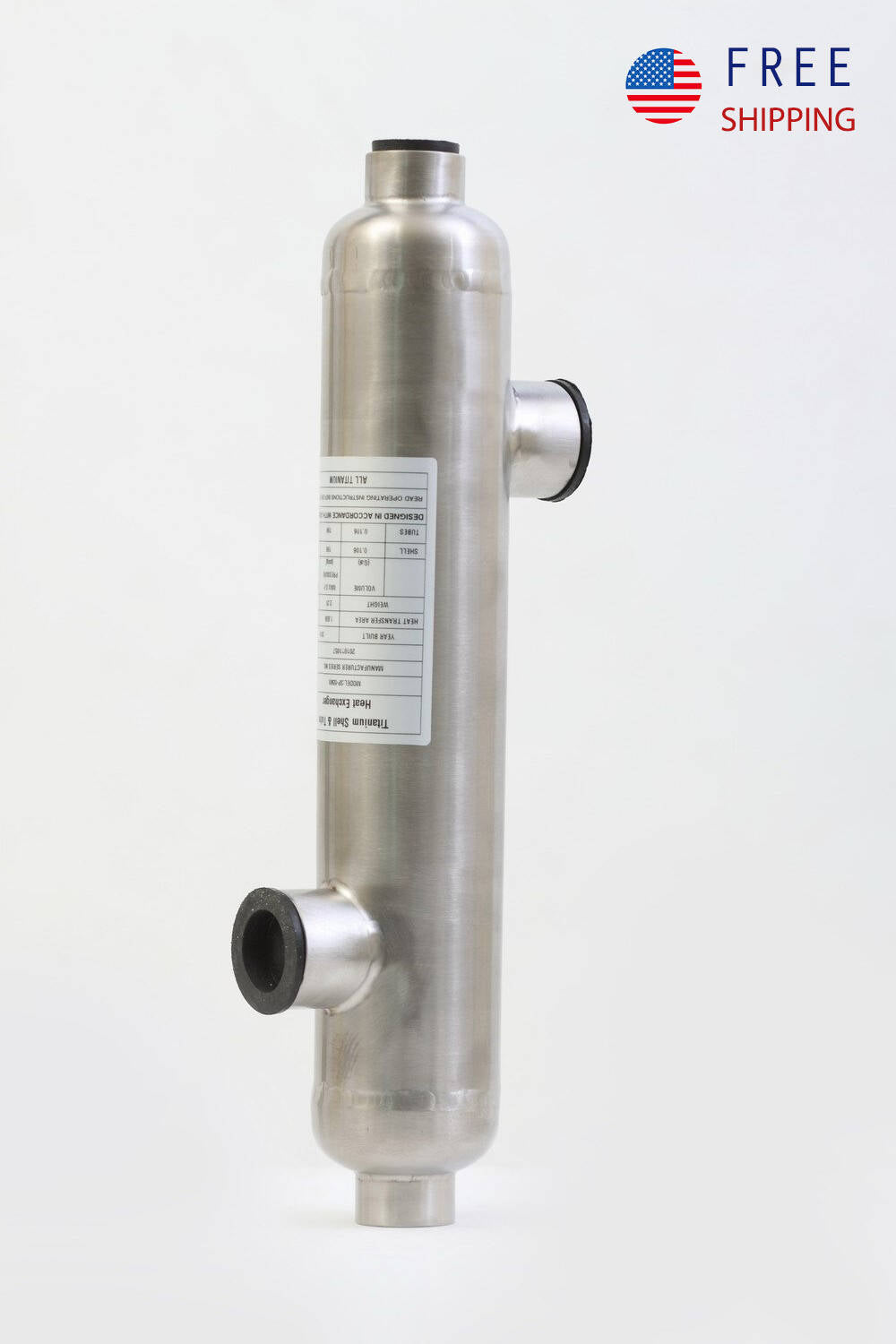
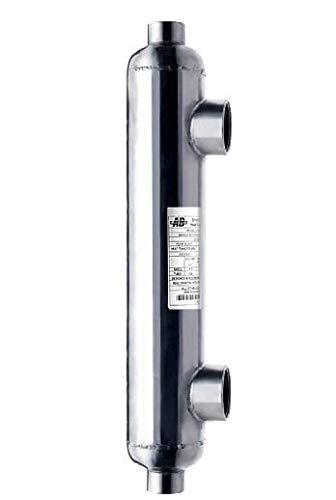
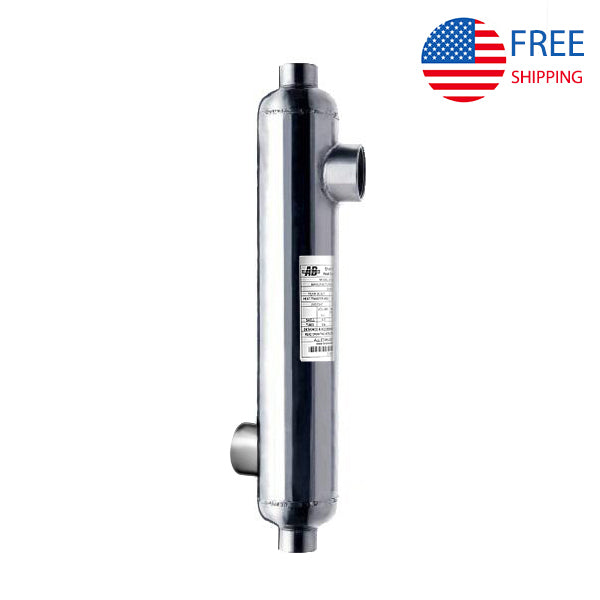
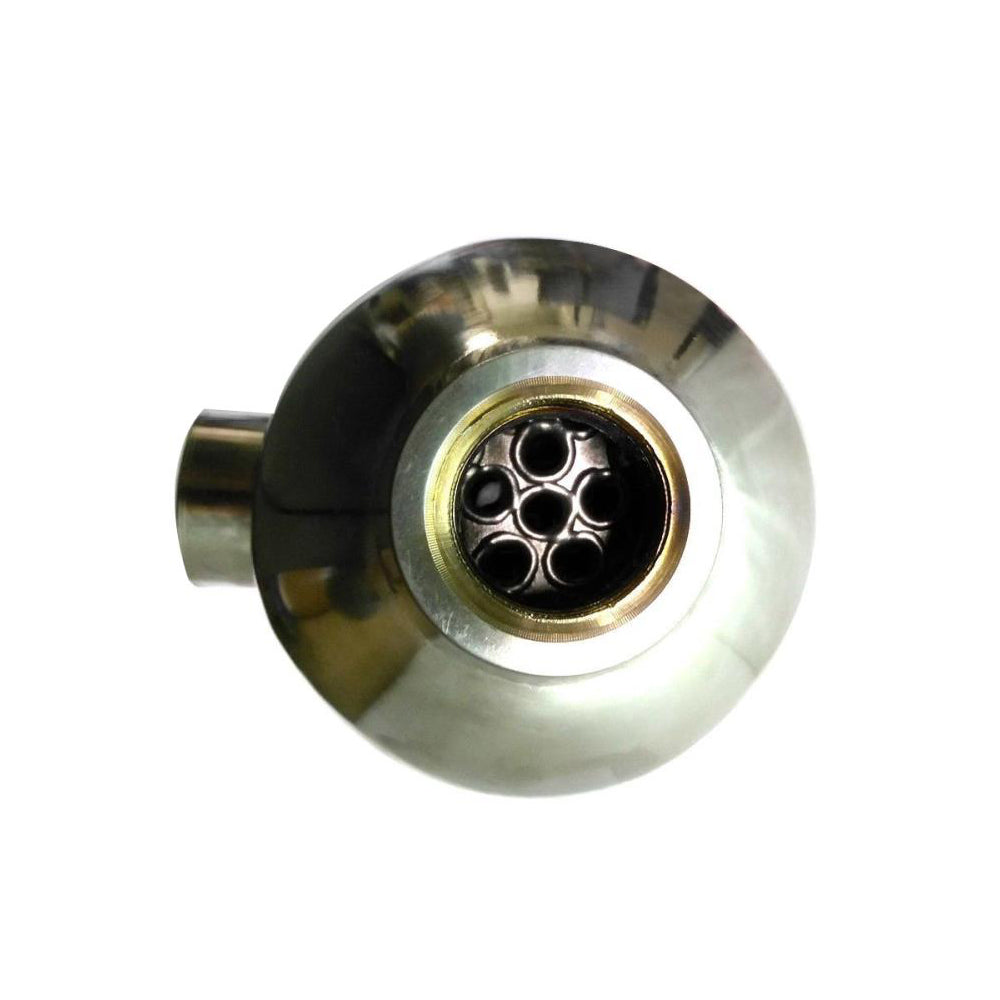
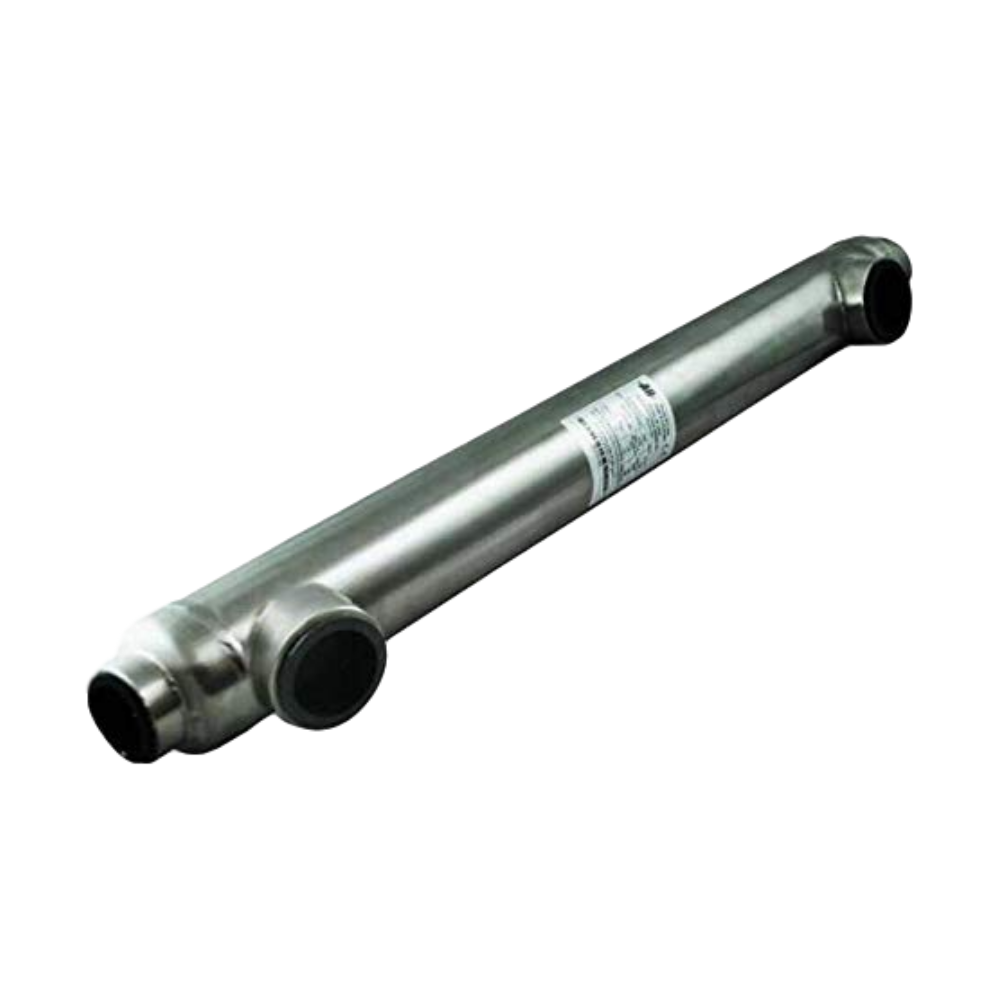
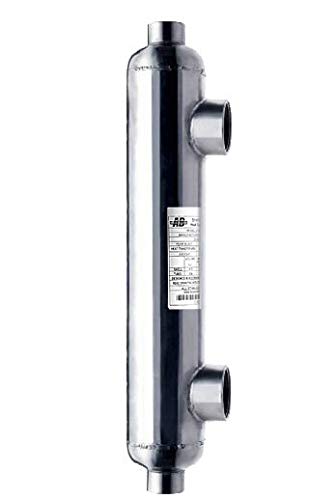
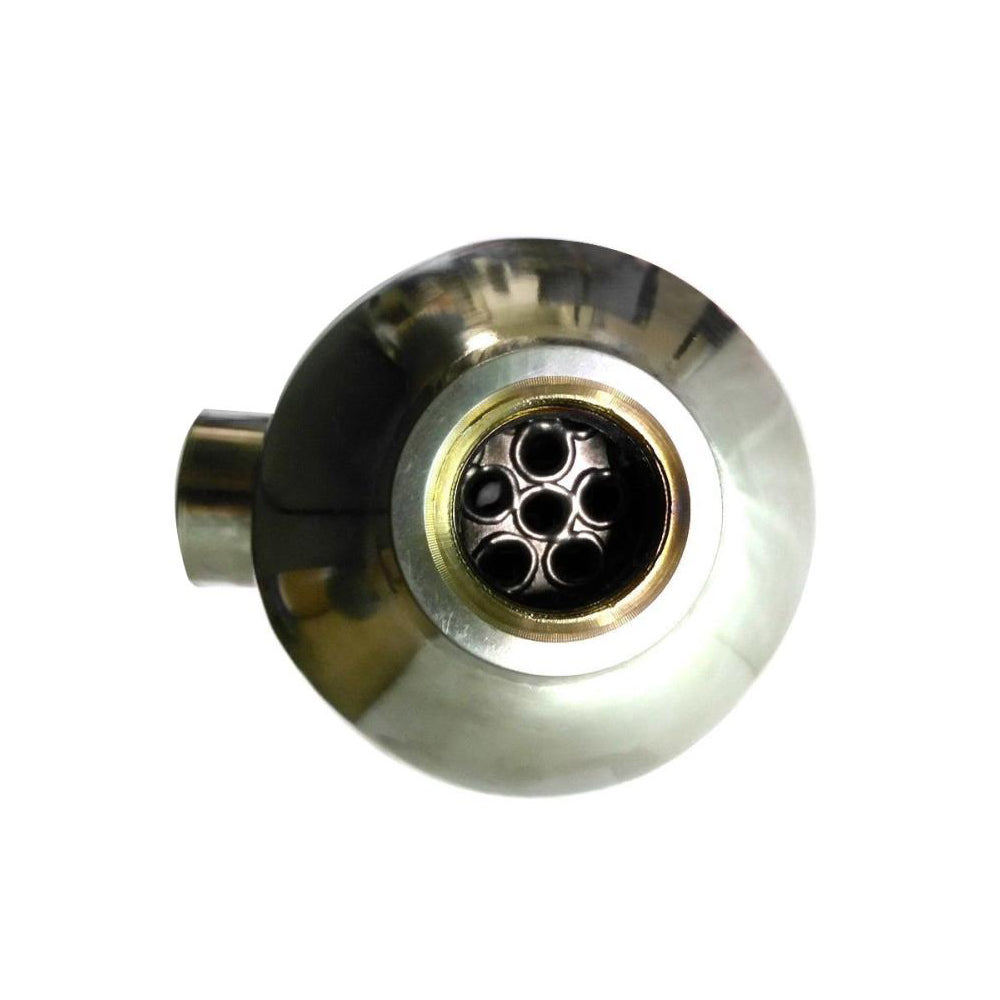
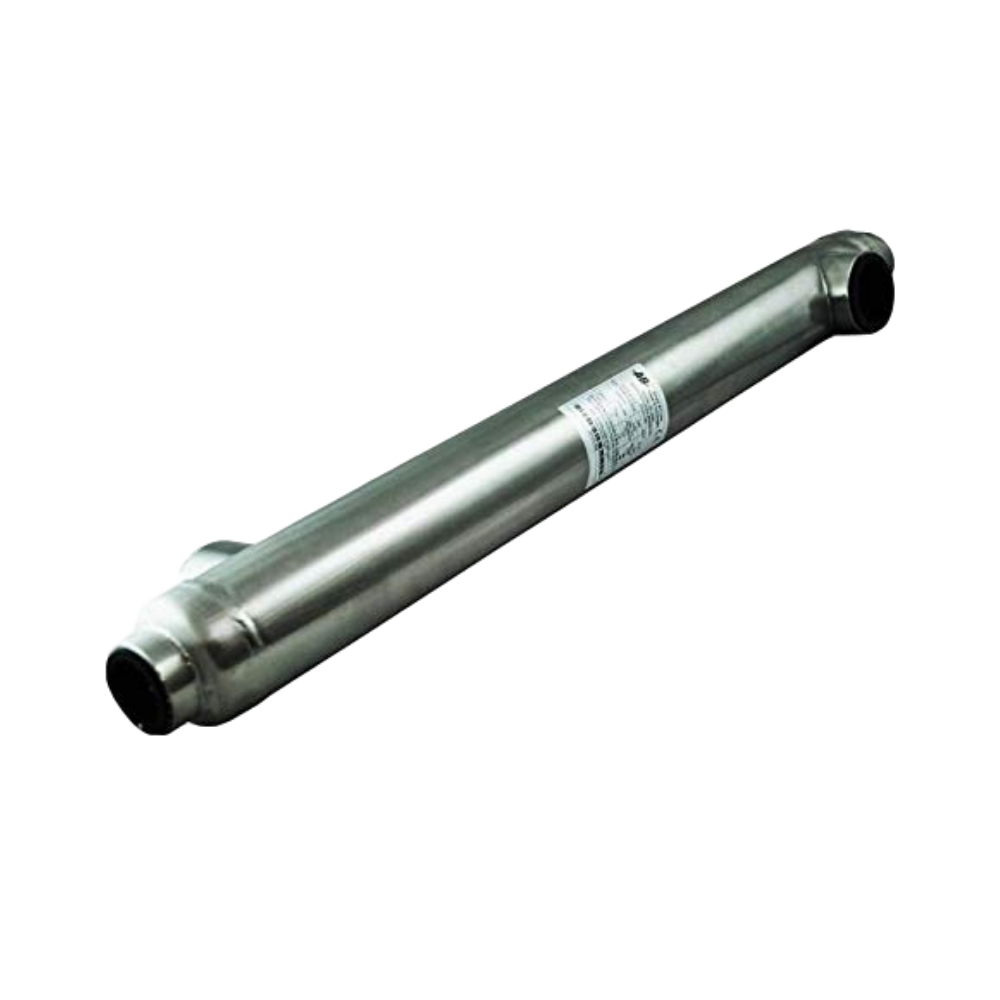
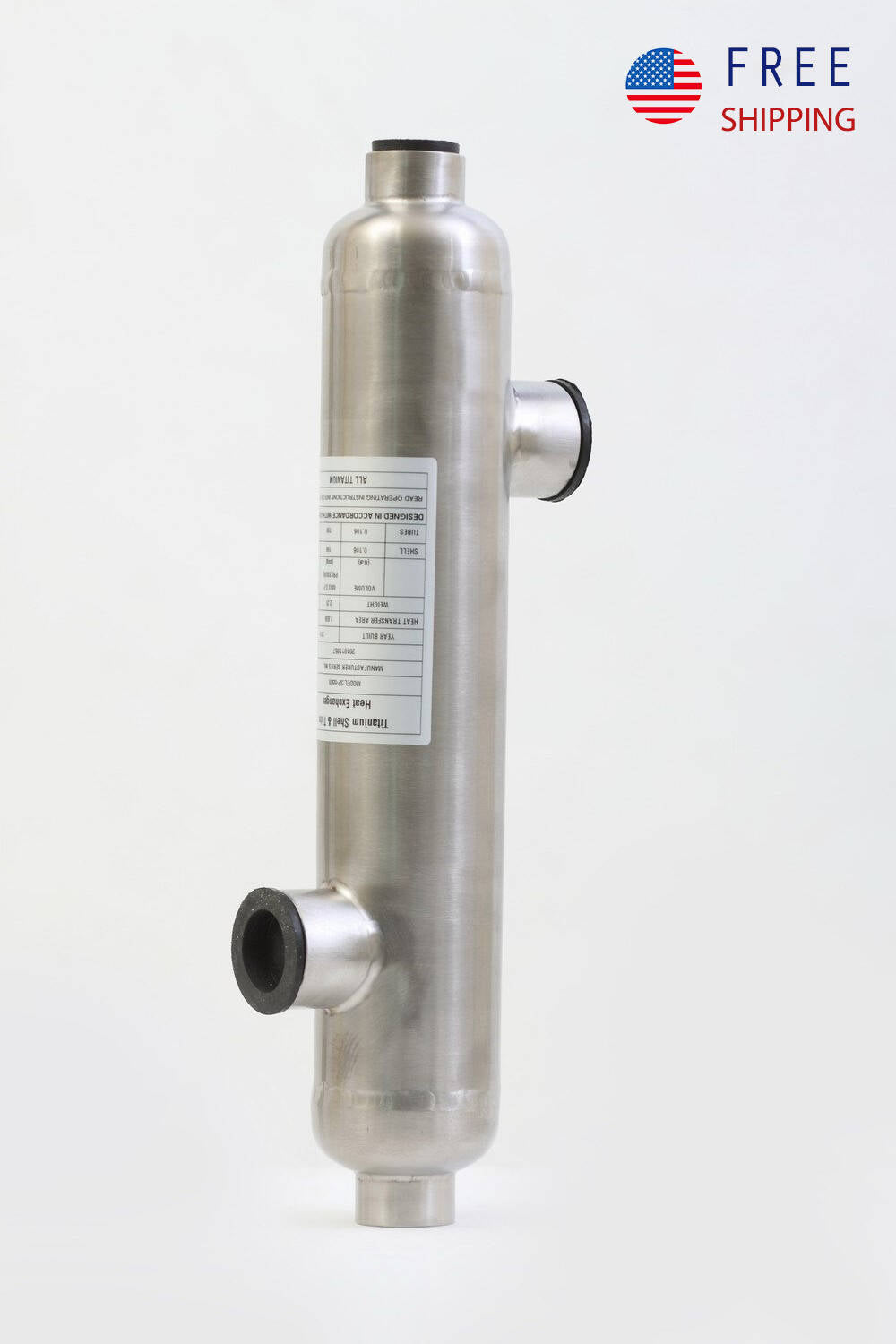
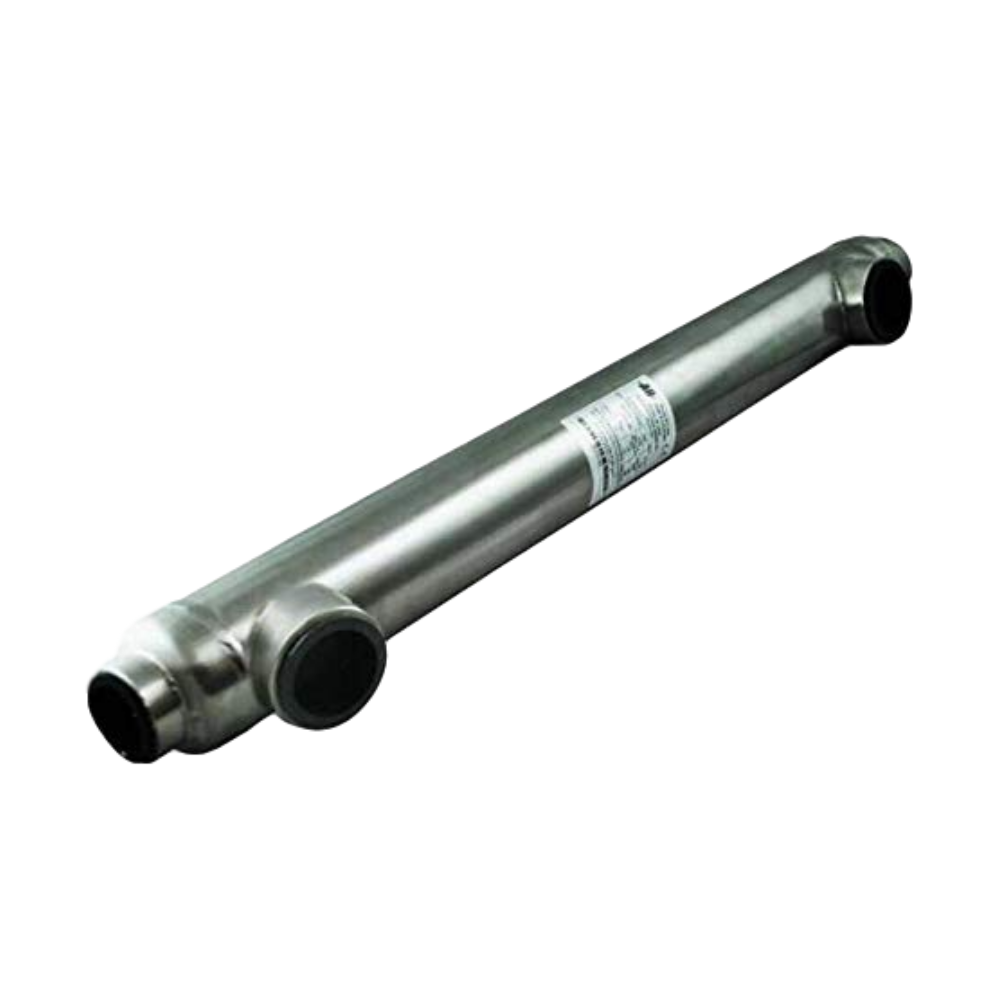
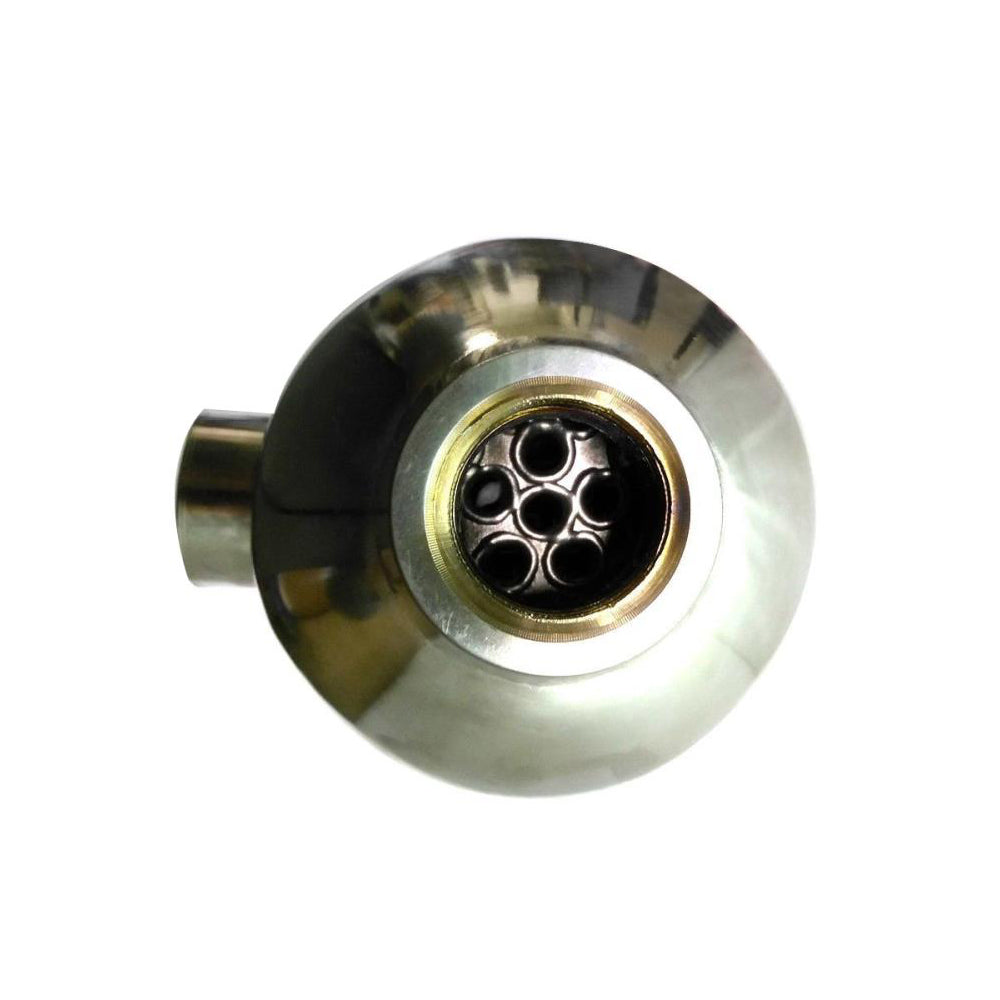
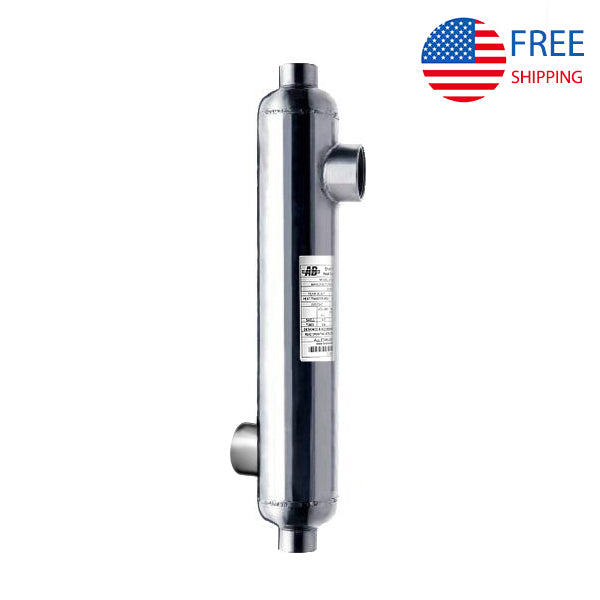
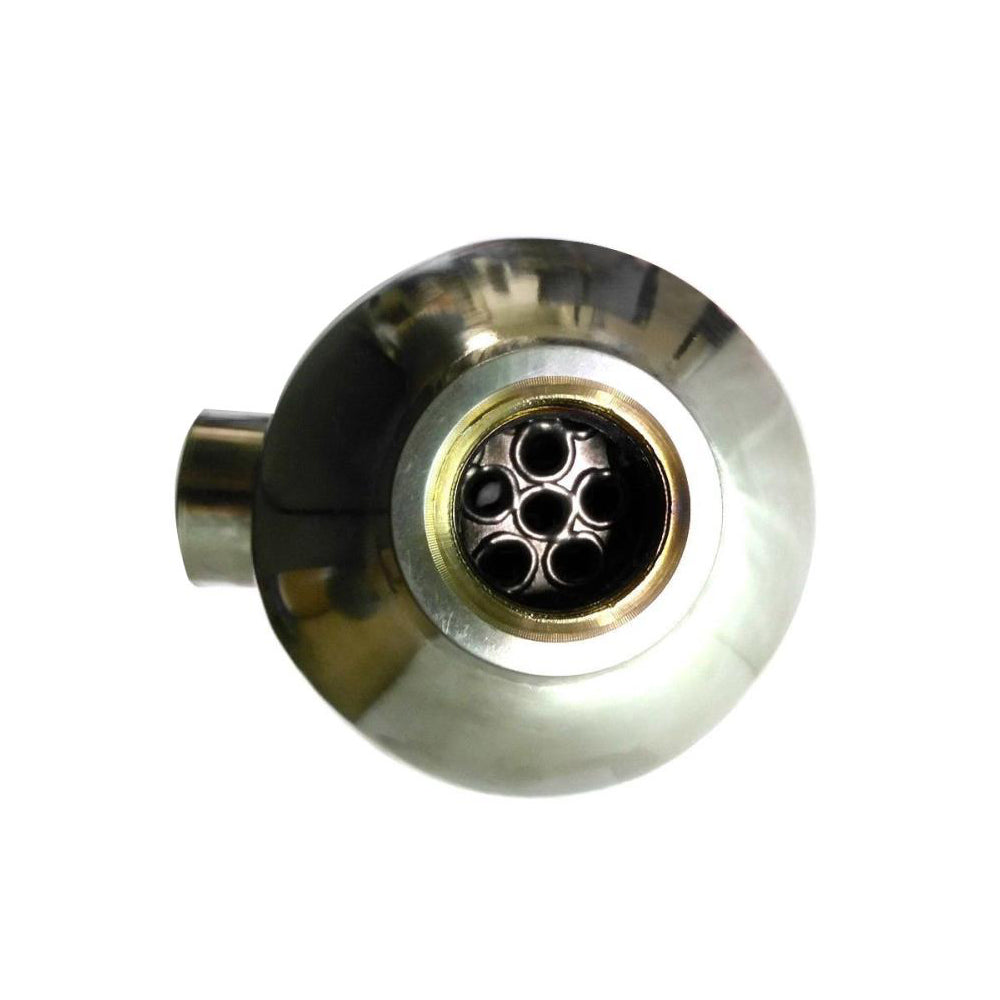
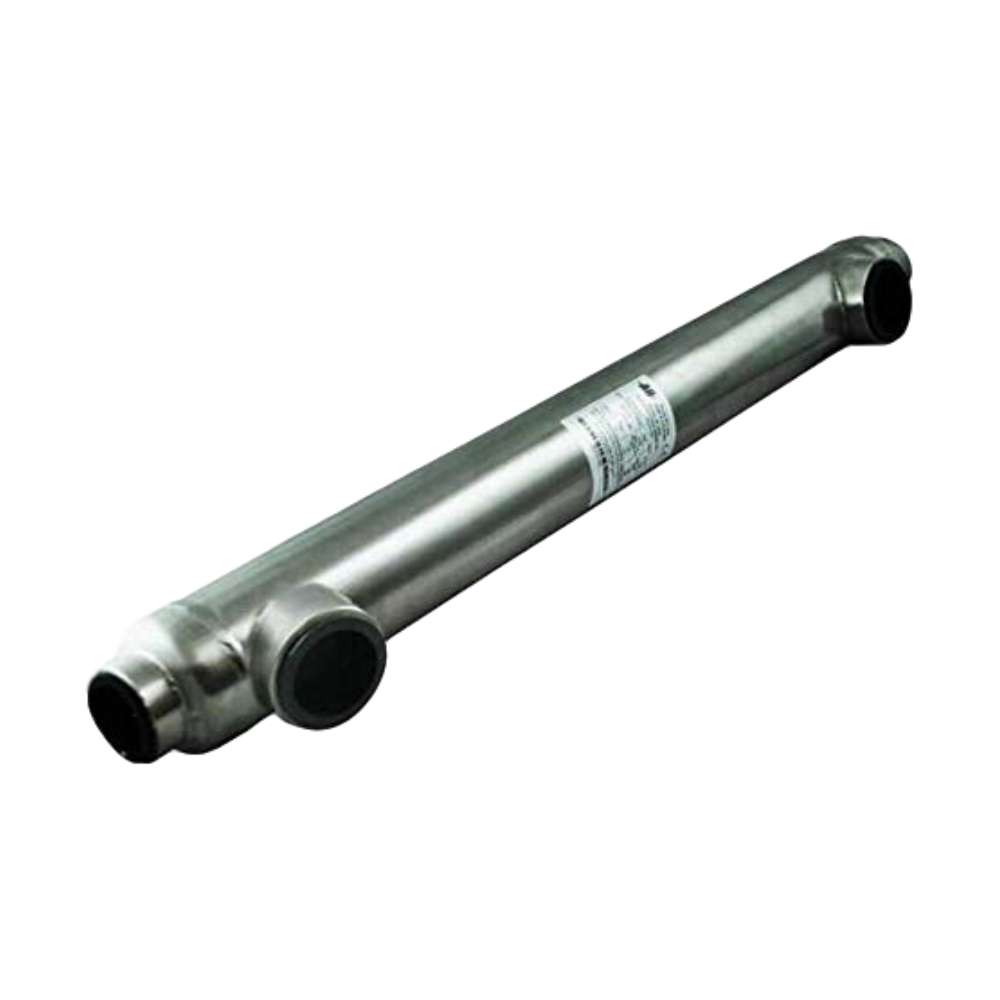
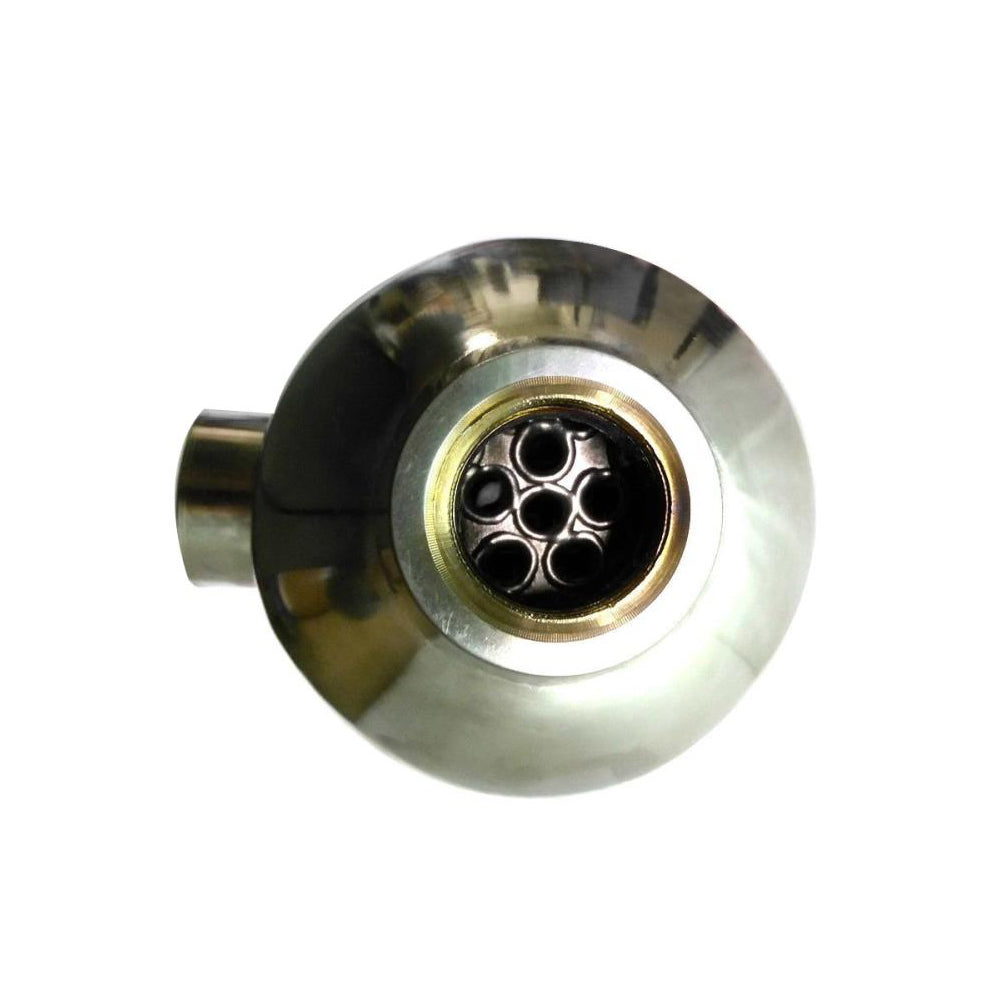
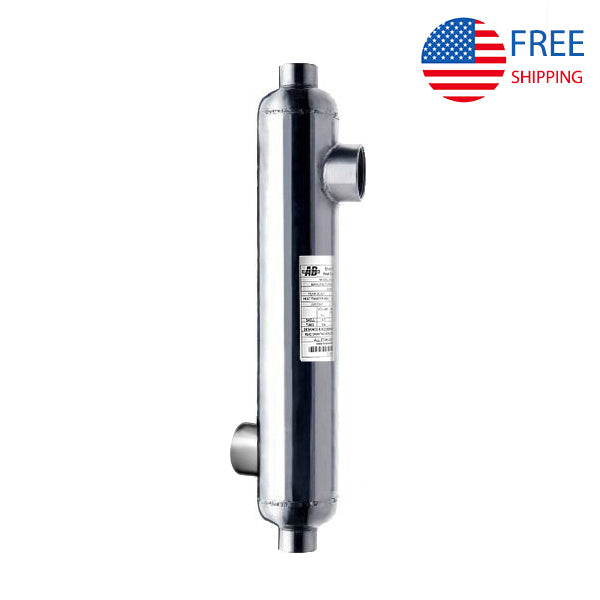
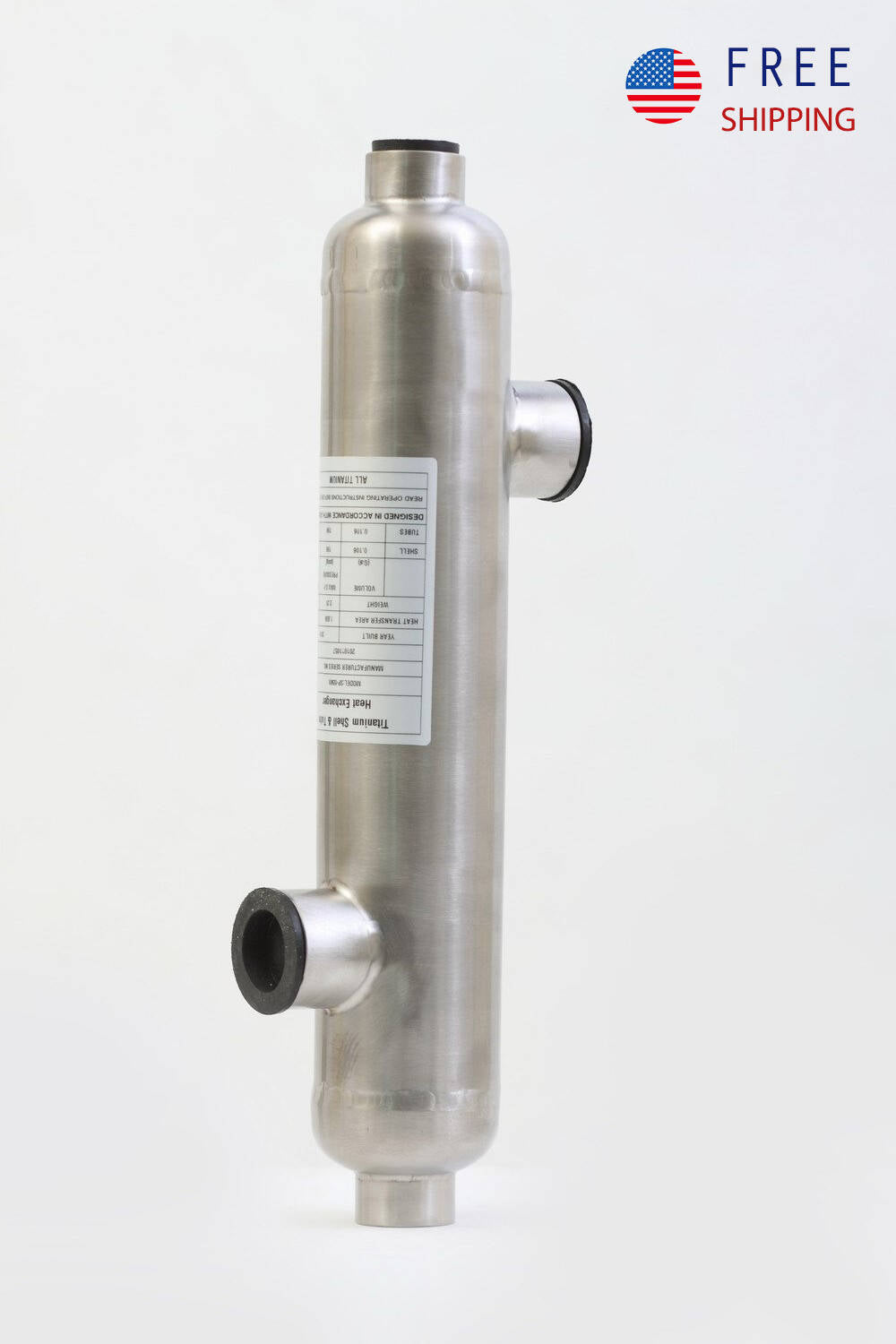
Heat Exchanger for Pool Heating Systems
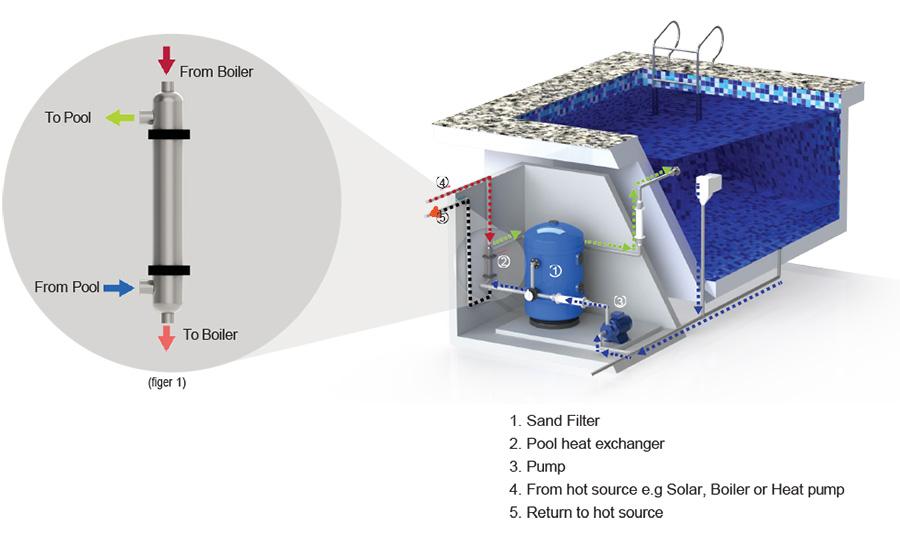
Pool heat exchangers transfer heat between external heating sources and pool water circuits while keeping the two systems separated. They allow boilers, heat pumps, solar heating systems, and other thermal sources to efficiently heat swimming pools without direct contact between the heating medium and pool water.
Designed for residential and commercial applications, pool heat exchangers provide flexible integration with existing hydronic systems, spas, and retrofit heating projects.
Common applications include:
- Boiler-to-pool heating systems
- Heat pump pool heating systems
- Solar thermal pool heating systems
- Commercial pools and spa heating systems
Why Choose Pool Heat Exchangers
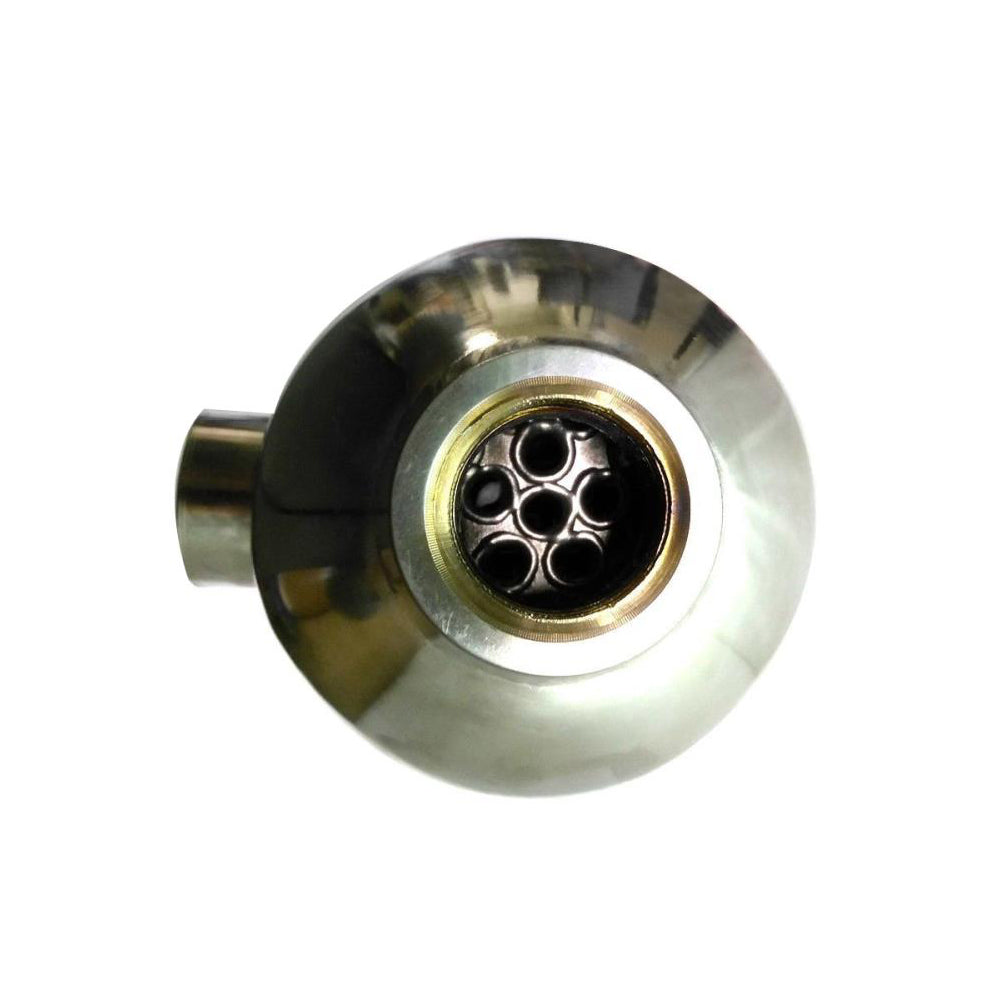
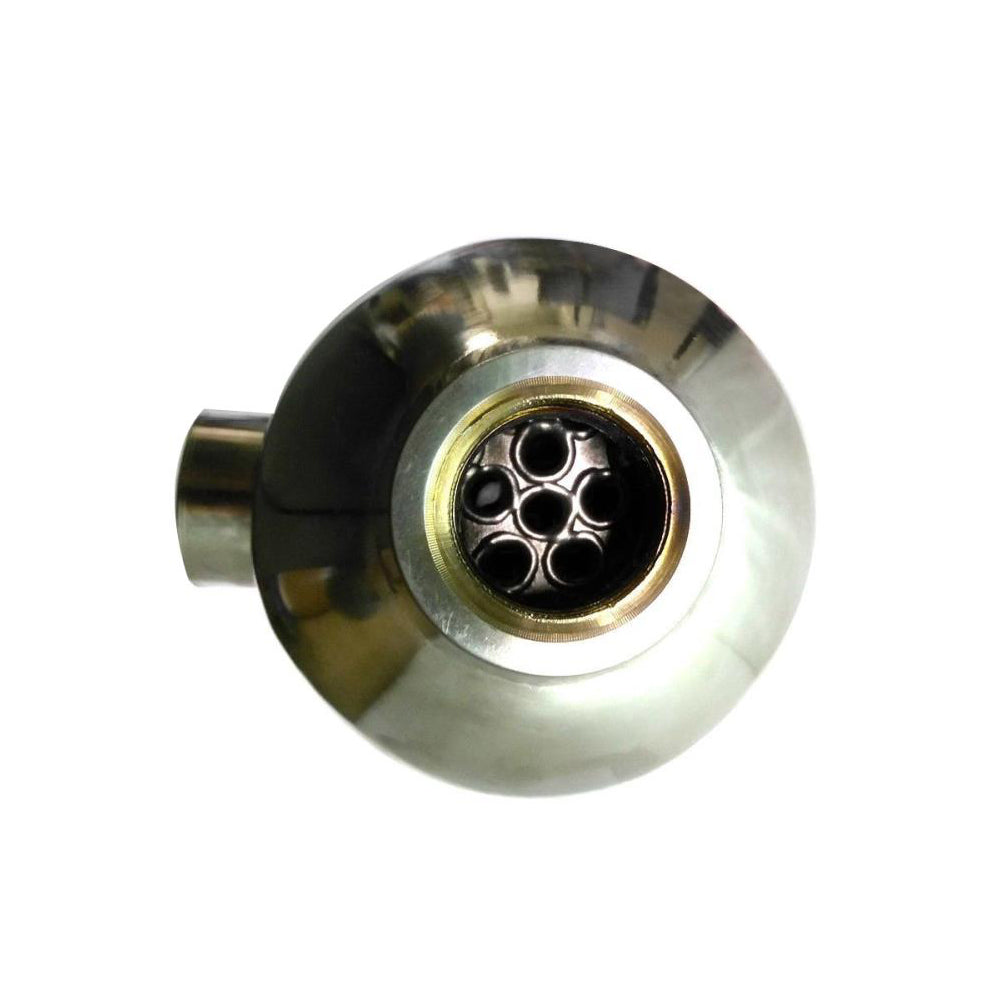
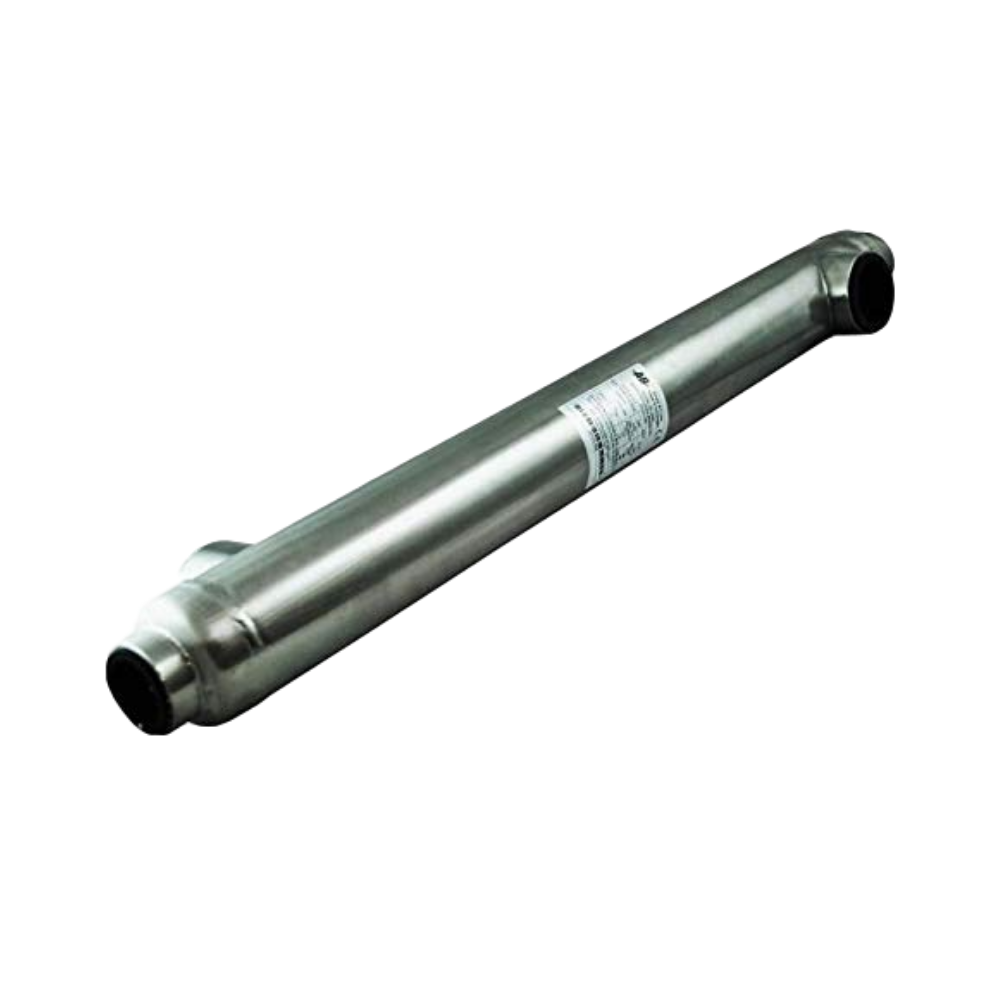
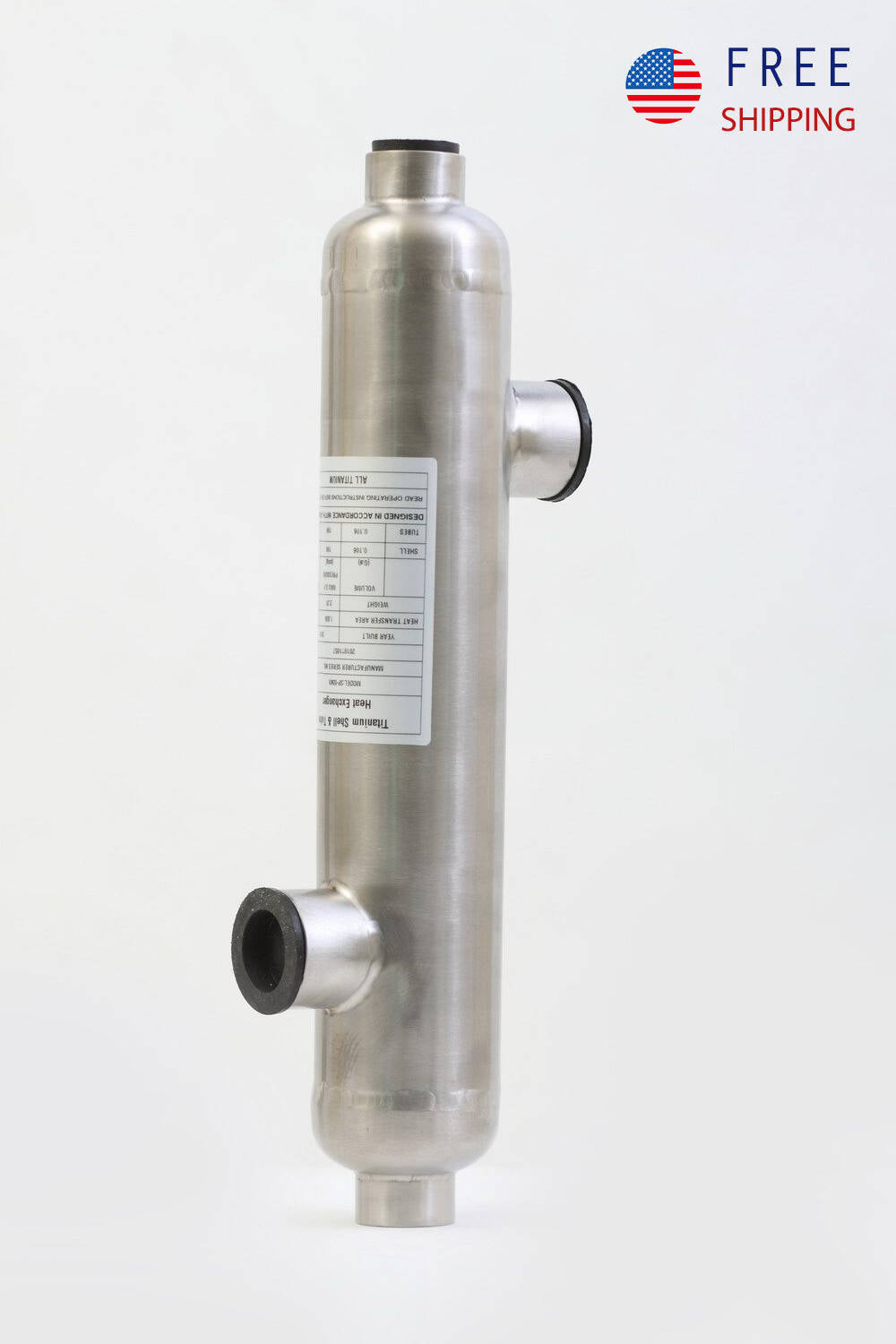
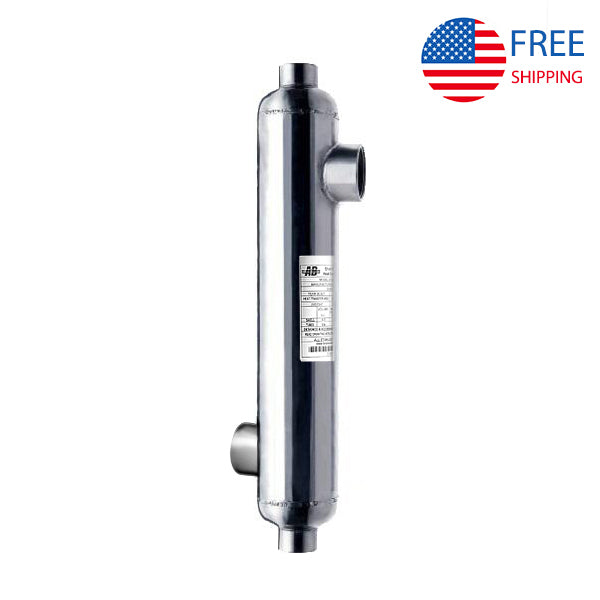
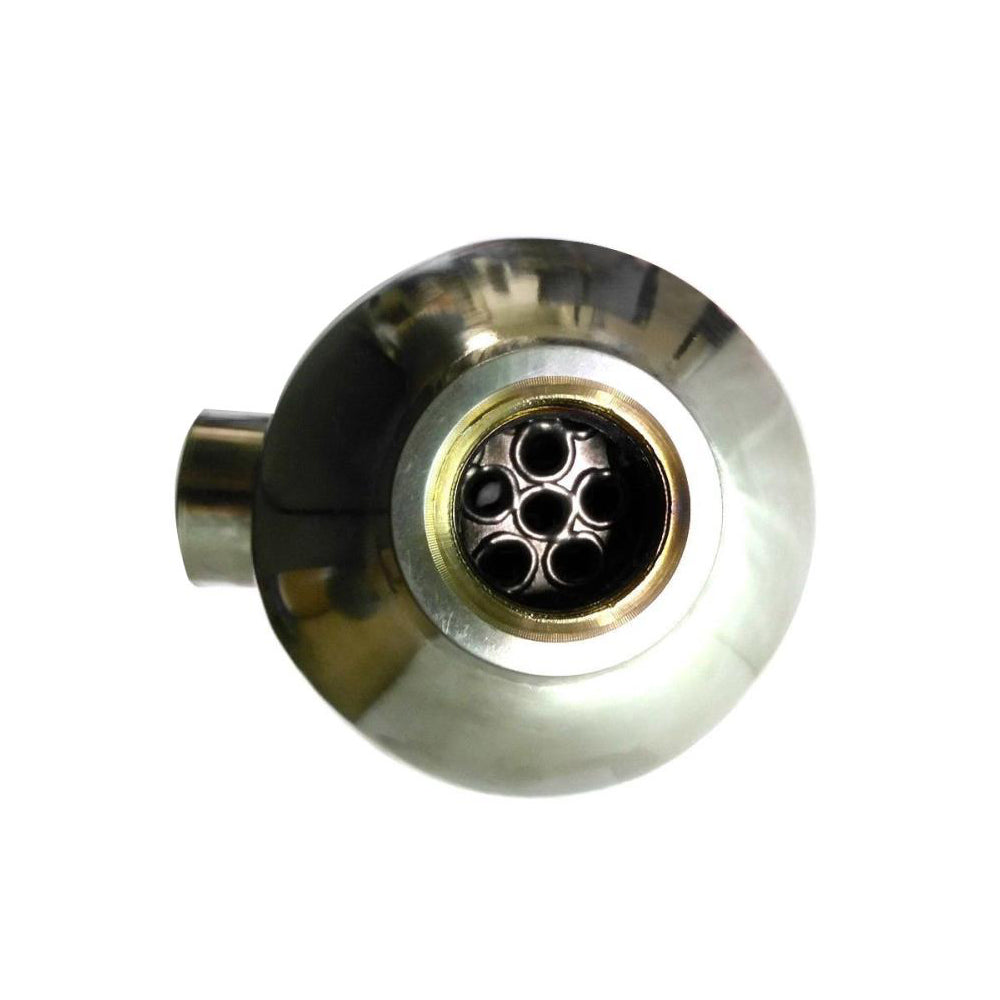
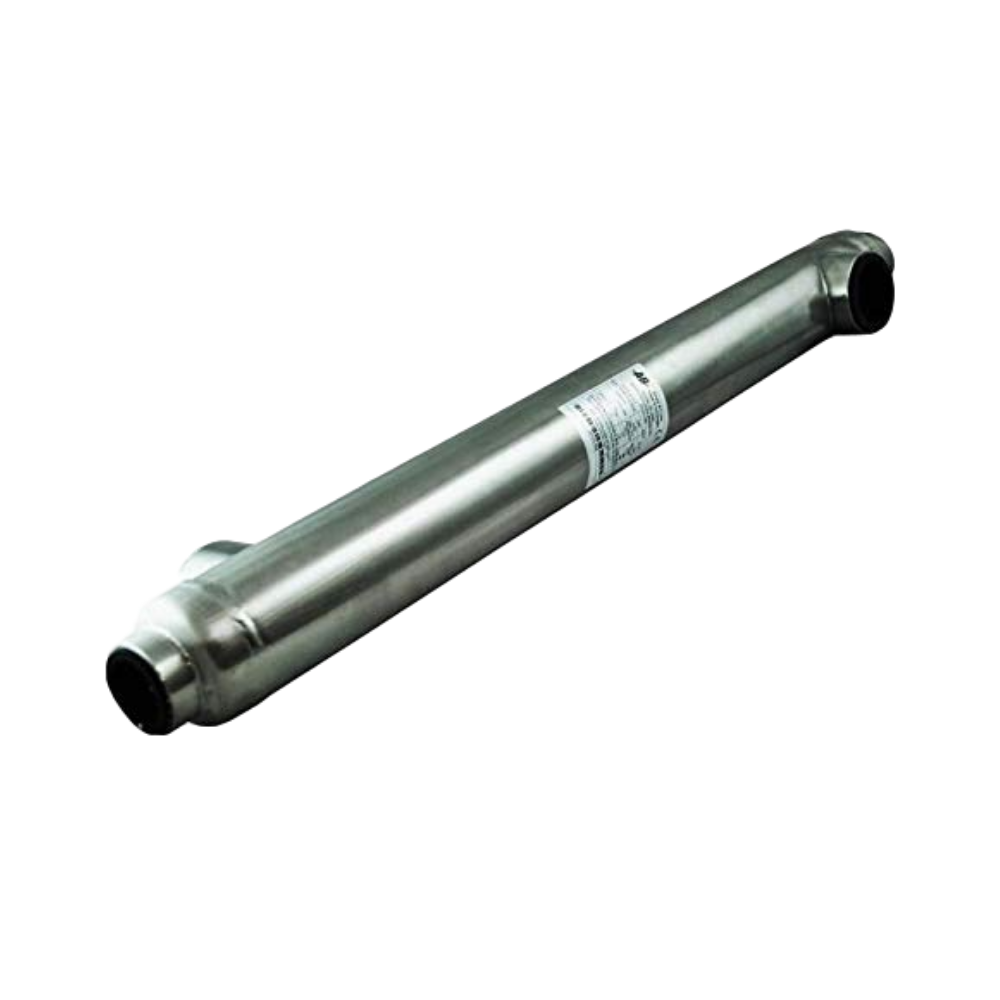
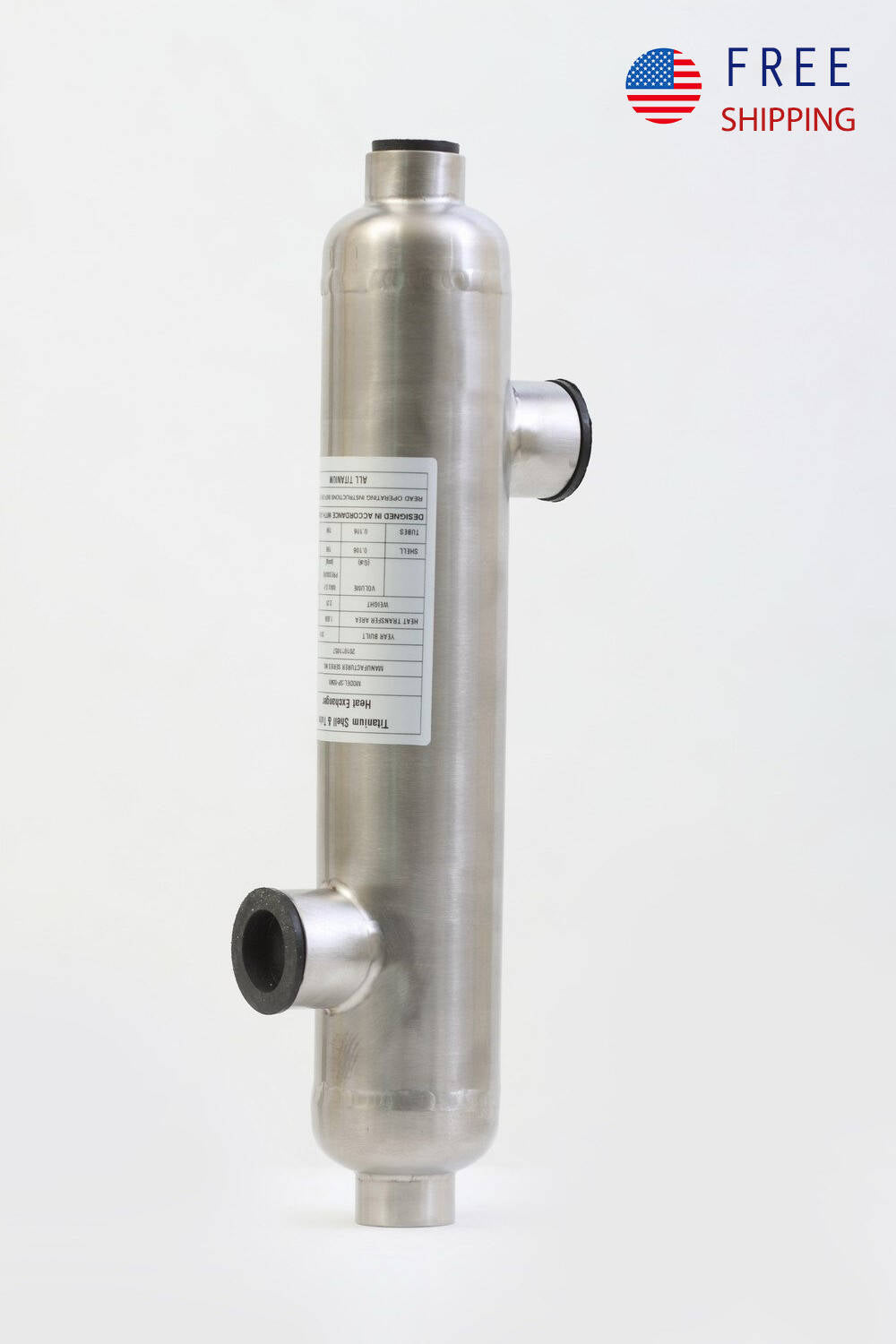
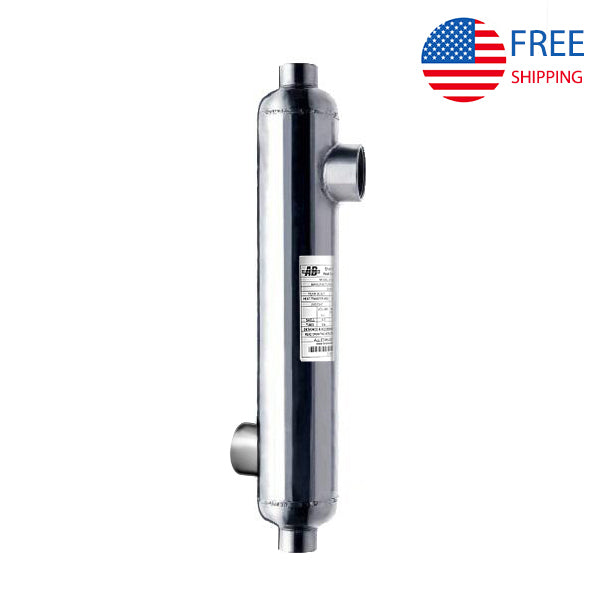
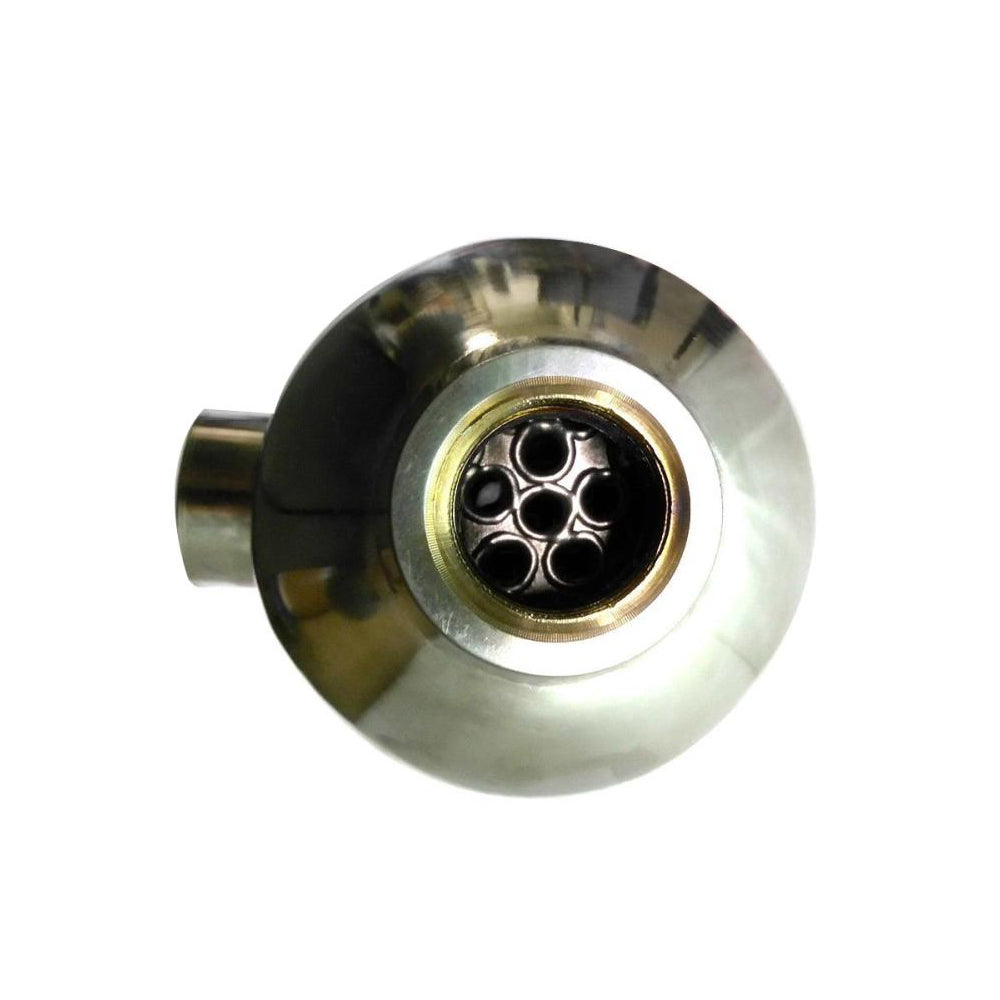
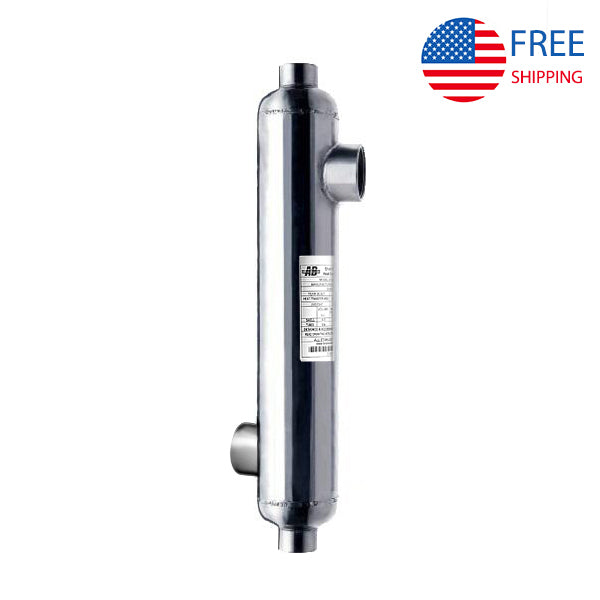
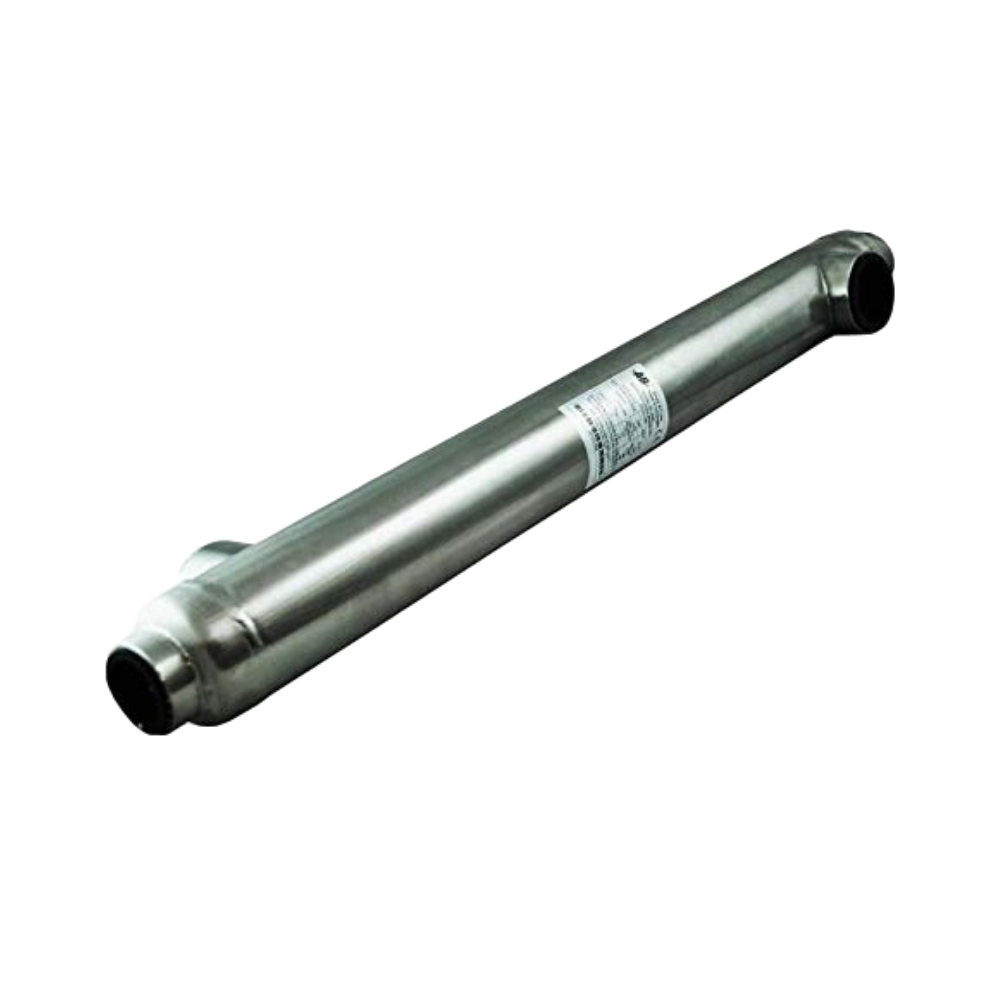
Pool heat exchangers are a specialized type of Shell & Tube Heat Exchangers used in swimming pool heating systems to transfer thermal energy between two separated fluid circuits. Their primary function is to maintain controlled pool water temperature while keeping the heating source isolated from the pool circulation system.
In typical installations, pool heat exchangers are selected for their ability to operate within closed-loop heating systems where heat is transferred indirectly between the primary and secondary circuits. This configuration helps separate the heating medium — such as boiler water, solar heating loops, or heat pump circuits — from the pool water system, supporting reliable thermal performance and improved system protection under continuous operating conditions.
Common technical reasons for using pool heat exchangers include:
- Separation between primary heating system and pool water circuit
- Compatibility with different heat sources such as boilers or heat pumps
- Stable thermal transfer in continuous operation conditions
- Reduced direct exposure of heating equipment to chemically treated pool water
- Integration flexibility within existing hydronic systems
Pool heat exchangers are typically used as a component within a larger pool heating system rather than as a standalone heating unit.
Titanium Pool Heat Exchangers for Saltwater and High-Chlorine Pools
Titanium pool heat exchangers are designed for swimming pool applications where enhanced corrosion resistance is required, especially in saltwater pools, high-chlorine environments, and chemically treated water systems.
Compared with stainless steel heat exchangers, titanium offers superior resistance to chloride corrosion and aggressive pool water conditions. This makes titanium heat exchangers a preferred solution for applications where long-term reliability and reduced maintenance are critical.
A titanium pool heat exchanger is commonly used with saltwater pools, commercial swimming pools, spas, and other aquatic systems where water chemistry may accelerate corrosion of conventional metals.
Key advantages of titanium pool heat exchangers include:
- Excellent resistance to saltwater and chloride corrosion
- Long service life in chemically treated pool environments
- Compatibility with salt chlorine generators and high-salinity pool systems
- Reduced risk of corrosion-related performance degradation
- Suitable for residential and commercial pool heating applications
Typical Applications of Pool Heat Exchangers
Pool heat exchangers are applied in water temperature control systems where heat transfer is required between independent circuits.


How Pool Heat Exchangers Work
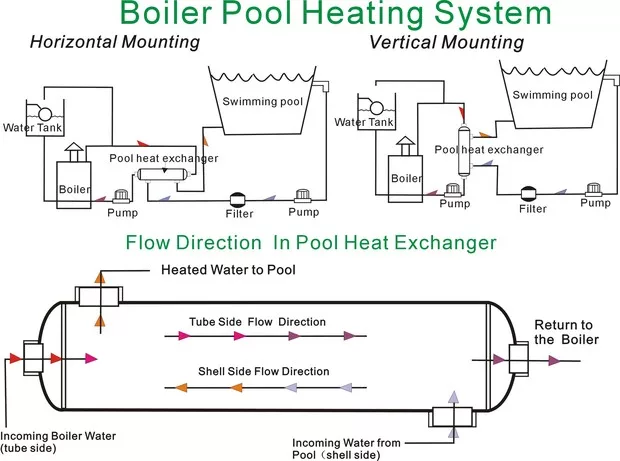
Pool heat exchangers operate based on indirect heat transfer between two separated fluid streams.
The working principle can be described as follows:
- A primary heating circuit supplies heated fluid (for example boiler water, solar heated fluid, or heat pump output).
- A secondary circuit circulates pool water through the exchanger.
- Heat is transferred through a conductive surface (commonly stainless steel or titanium tubes).
- The two fluids remain physically separated, preventing mixing.
- Thermal energy is continuously transferred, and the system reaches a steady-state condition in which the heat delivered to the exchanger equals the heat absorbed by the pool water.
This relationship describes the heat transfer rate in a typical pool heat exchanger system: Q = U × A × ΔTlm
where Q is the heat transfer rate, U is the overall heat transfer coefficient, A is the heat transfer surface area, and ΔTlm is the log mean temperature difference.
Key Considerations When Selecting a Pool Heat Exchanger
Pool heat exchanger selection depends on the heating capacity, water conditions, and system requirements of each application. Alfa Heating provides titanium and stainless steel heat exchanger solutions for residential, commercial, and saltwater pool systems.
Pool Size and Heating Capacity:The required heat exchanger capacity depends on pool volume, desired temperature rise, heat loss, and heating source.
Pool Water Conditions:Material selection should consider chlorine concentration, saltwater exposure, and water chemistry.
System Compatibility:The heat exchanger should match the heating source, including boilers, heat pumps, solar heating systems, and other thermal equipment. pool heat exchanger sizing and selection →
Material Selection: Stainless Steel vs Titanium
Material selection is one of the most important factors when choosing a pool heat exchanger.
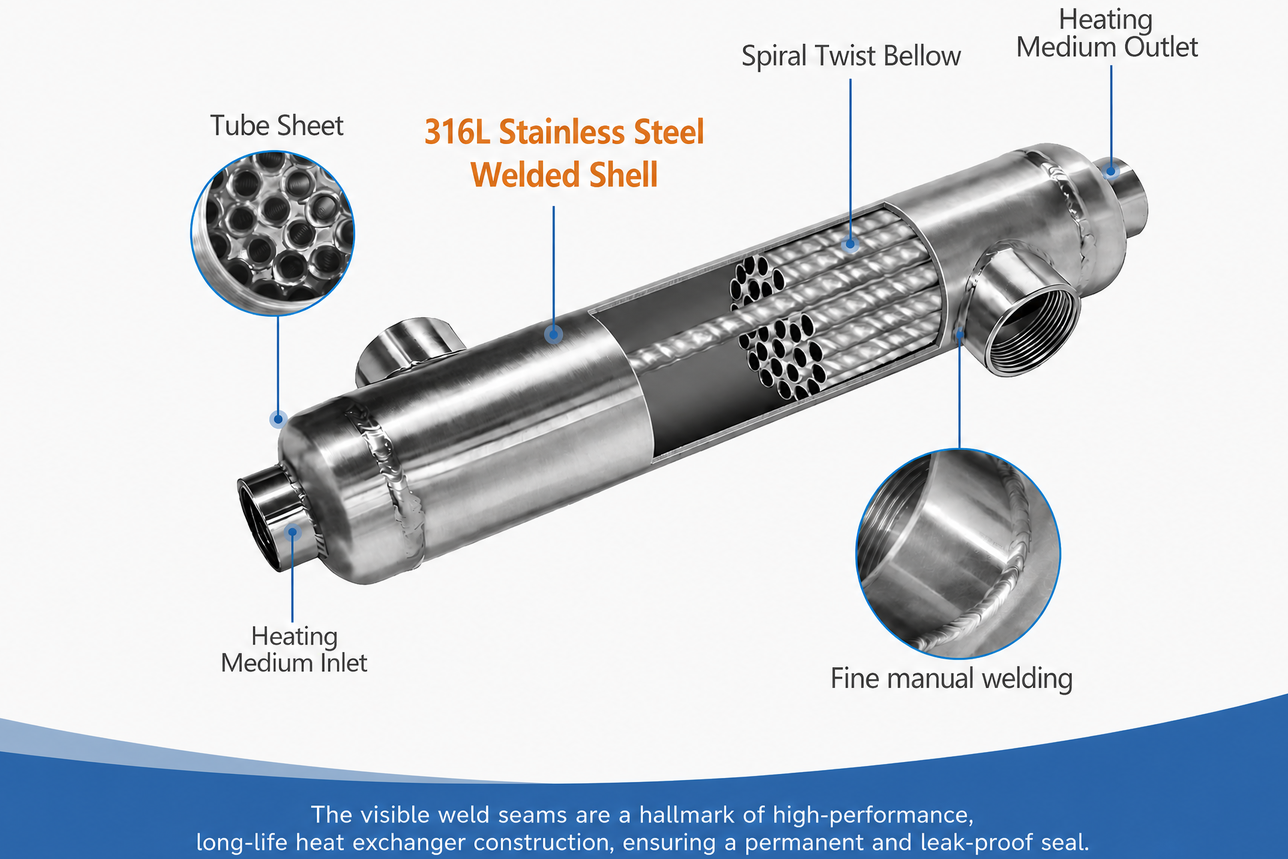
Stainless steel (SS316L) heat exchangers are commonly used in standard swimming pool applications with well-controlled water chemistry. They provide excellent corrosion resistance for most residential and light commercial pool systems. In general, SS316L performs well in freshwater pools with moderate chlorine concentrations and operating temperatures below approximately 65°C (149°F).
Titanium pool heat exchangers are recommended for more demanding operating conditions, including saltwater pools, commercial pools, spas, geothermal systems, and applications involving elevated chlorine levels or higher operating temperatures. Titanium offers outstanding resistance to chloride-induced corrosion and maintains excellent durability even under aggressive water chemistry.
As a general engineering guideline:
- SS316L is typically suitable for pool water with chloride concentrations up to approximately 150 ppm under normal operating conditions.
- Titanium is generally preferred for applications with chloride concentrations exceeding 300 ppm, saltwater chlorination systems, or higher-temperature operating environments.
When selecting between stainless steel and titanium, engineers should consider operating temperature, chlorine concentration, salinity, pH, sanitizer type, flow conditions, and the desired service life of the system.
| Selection Factor | SS316L Stainless Steel | Titanium |
|---|---|---|
| Standard freshwater pools | ✓ Recommended | ✓ Recommended |
| Saltwater pools | Limited suitability | ✓ Recommended |
| High chlorine concentration | Moderate | Excellent |
| Chloride concentration* | Up to approximately 150 ppm | Above approximately 300 ppm |
| High-temperature pool water | Suitable for normal pool heating applications | Recommended for elevated temperature and aggressive water chemistry |
| Corrosion resistance | Good | Excellent |
*Material selection should consider operating temperature, chloride concentration, pH, flow conditions, and overall water chemistry. The values shown are general engineering guidelines rather than absolute limits.
FAQ
Stainless steel heat exchangers are suitable for freshwater pools and systems with well-controlled water chemistry. For saltwater pools or high-chloride environments, titanium heat exchangers are recommended due to their superior corrosion resistance and longer service life. The best choice depends on water salinity, chemical balance, and long-term maintenance requirements.
Orders are typically processed within 1–3 business days. Delivery takes approximately 5–7 business days for domestic shipping and 7–16 business days for international orders. Tracking details will be provided once your order is shipped.
Yes. Pool heat exchangers are compatible with most heating systems, including gas boilers, heat pumps, solar heating systems, and hydronic heating systems. Proper selection based on flow rate, temperature difference, and heat load is essential to ensure optimal performance and heat transfer efficiency.