Picking the right size for a diaphragm tank can feel overwhelming, but it’s important for keeping your water system running well. Whether you’re working with a well, an HVAC system, or plumbing, knowing how to match the tank to your needs makes all the difference. In this article, we’ll look at diaphragm tanks, what they’re used for, and important points to help you make a smart choice. Keep reading to learn how to choose the right tank size for your system.
Understanding Diaphragm Tanks and Their Uses
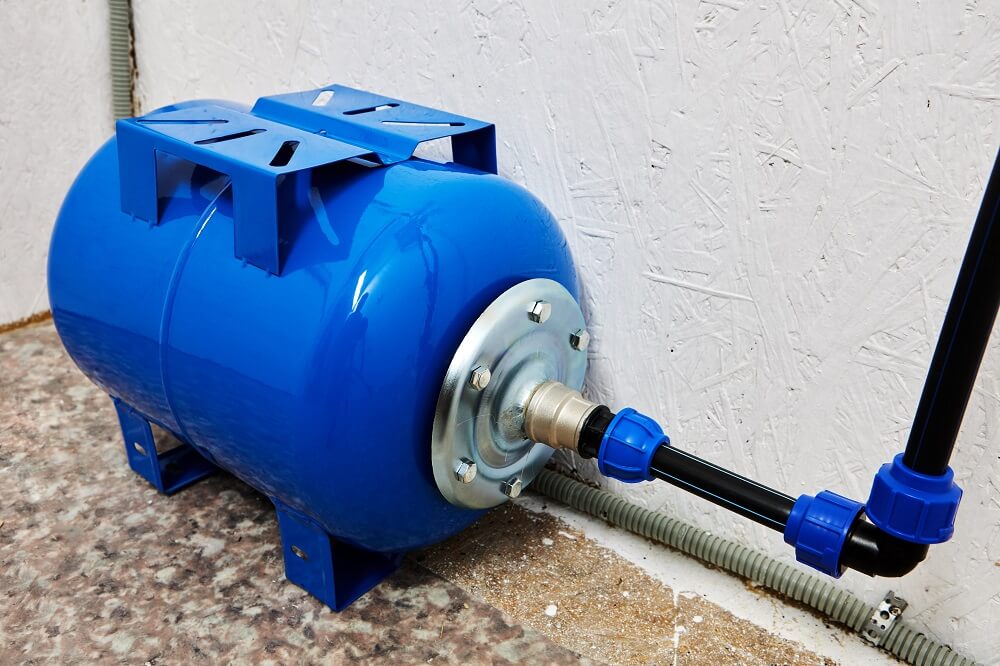
A diaphragm tank is a pressure tank that uses a flexible membrane, or diaphragm, to separate the air and water within the tank. This unique design allows the tank to maintain pressure without the water absorbing into the air charge, which can lead to reduced efficiency over time. There are several types of diaphragm tanks, each serving distinct purposes in different systems. For instance, the diaphragm expansion tank is commonly used in heating systems to accommodate the expansion of water as it heats up. By absorbing the increased volume of water, it prevents excessive pressure in the pipes, protecting the system from potential damage.
On the other hand, diaphragm tanks used in well water systems help maintain consistent water pressure and reduce the cycling of the pump. This not only extends the life of the pump but also ensures a steady supply of water. The use of diaphragm tanks provides several benefits, including improved system functionality, reduced maintenance, and prolonged equipment lifespan. With a clear understanding of how these tanks function and their applications, users can make more informed decisions when choosing the right capacity and type of diaphragm tank for their system. Whether for home, business, or industrial use, picking the right diaphragm tank is important for keeping the system reliable and working well.
Factors Affecting Diaphragm Tank Capacity Choice
One of the foremost factors to consider is the water pressure within your system. A diaphragm tank should be able to handle changes in water pressure to prevent system strain and ensure proper operation. If the tank is too small, it can lead to frequent cycling, which wears out components quicker and may lead to system failure. On the other hand, a tank that is too large can waste energy and be expensive. Therefore, accurately assessing the pressure requirements is crucial in selecting the appropriate diaphragm tank capacity.
Another significant factor is the total volume of the system. The diaphragm water tank should be able to handle the total volume of water it will be exposed to in order to function correctly. Additionally, temperature variations can influence the expansion and contraction of water within the system, affecting the tank's performance. When water heats up, it expands, and if the system includes a heating component, the tank capacity should account for this expansion to avoid excess pressure. Understanding these factors—water pressure, system volume, and temperature variations—ensures that you choose a diaphragm water tank that adequately supports your system's needs while promoting longevity and reliability.
How Diaphragm Well Tanks Differ From Other Tanks
The diaphragm well tank stands out among various types of tanks due to its unique construction and operational advantages. Unlike traditional tanks, which often use a simple air-over-water design, a diaphragm well tank incorporates a rubber diaphragm to separate the air chamber from the water chamber. This separation prevents the air from dissolving into the water, which is a common issue in conventional tanks that leads to frequent recharging and maintenance. This design not only makes maintenance easier, but also helps the system work better by keeping water pressure steady, which reduces stress on pumps and valves.
The compact and durable structure of a diaphragm well tank makes it particularly suitable for residential and light commercial applications where reliability and space efficiency are priorities. These tanks are specifically designed to handle the pulsations from a pump, making them ideal for well water systems that experience variable flow rates. The ability to consistently deliver water at a stable pressure makes them popular for applications such as irrigation and household water supply, where performance consistency is crucial. The combination of low maintenance, efficient operation, and adaptability to varying flow demands is what makes diaphragm well tanks preferable in specific scenarios over other tank types.
Tips for Selecting the Right Diaphragm Pump Tank
One of the first aspects to evaluate is the tank's compatibility with the specific pump model and application. Every pump system has unique requirements concerning pressure and flow rates, and the diaphragm pump tank must meet these specifications to function properly. Making sure everything works together properly not only helps the whole system perform better, but also reduces the chance of problems that could lead to expensive repairs or replacements.
Look for a tank that can maintain consistent pressure levels, which will help in reducing the energy consumption of your pump system. Additionally, maintenance considerations are crucial in your selection process. A reliable diaphragm pump tank should require minimal upkeep while offering easy access for any necessary inspections or repairs. Opting for a tank made from high-quality materials will also contribute to its longevity, guaranteeing it withstands the demands of varying water systems over time. By focusing on these practical aspects—compatibility, functionality, and maintenance—you can select a diaphragm pump tank that delivers reliable performance and sustains the longevity of your water system.
How to Maintain and Care for Diaphragm Tanks
To keep a diaphragm tank lasting longer and working at its best, regular maintenance and proper care are important. One of the fundamental practices is conducting routine checks to monitor the tank's pressure levels. Make sure the air pressure in your diaphragm tank matches the manufacturer’s recommendations to keep it working properly. Pressure can change over time because of factors like temperature, so you may need to adjust it occasionally. It’s also a good idea to check the tank for visible signs of wear, such as corrosion or leaks, so you can fix any problems before they become bigger issues.
For diaphragm expansion tanks, it's crucial to ensure the diaphragm is intact and functioning properly, as a compromised diaphragm can lead to pressure imbalances and system inefficiencies. Common issues that may arise include waterlogging, where the tank becomes filled with water due to a ruptured diaphragm. To troubleshoot, first, disconnect power to the system, then drain the tank and check the air charge. If problems persist, professional inspection might be needed. Regular maintenance of your diaphragm expansion tank not only extends its service life but also maintains the overall functionality of your water system. By following these guidelines, you can ensure that your tank operates properly and supports the demands of your system reliably.