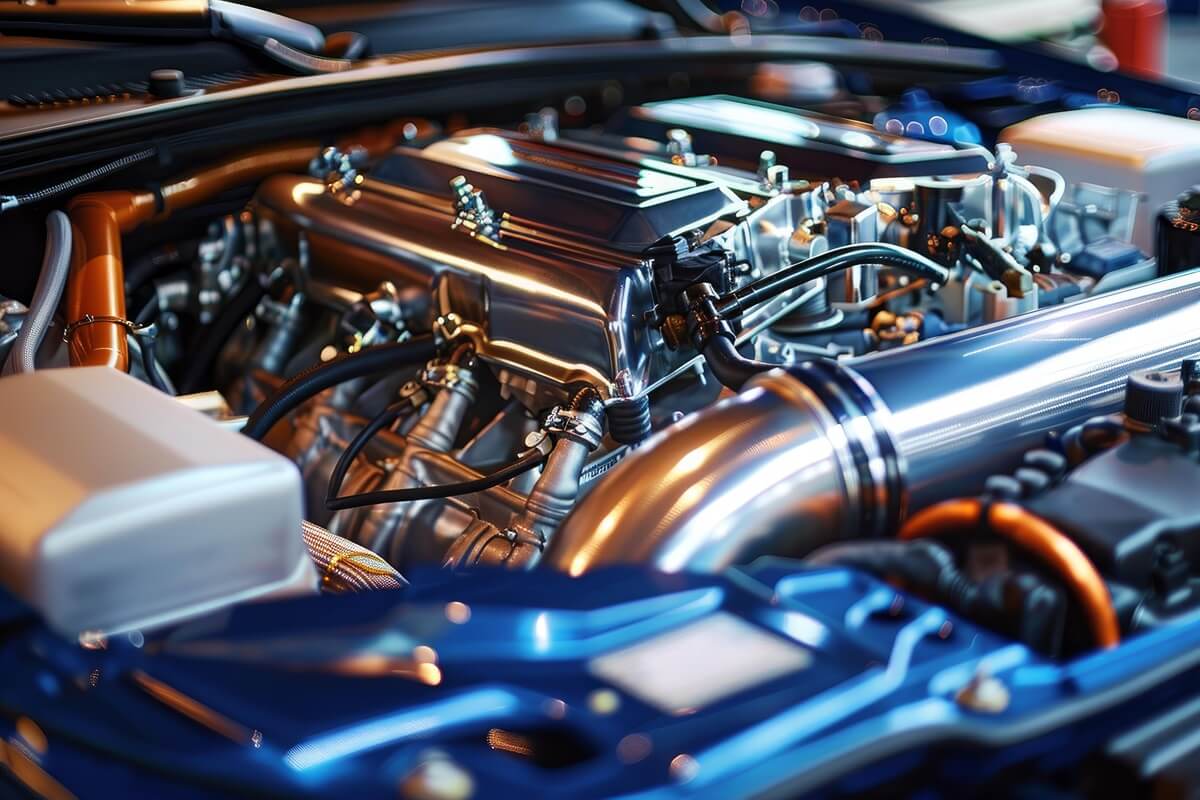
Intercoolers play a crucial role in maintaining engine efficiency by cooling the compressed air before it enters the combustion chamber. This temperature reduction enhances air density, leading to stronger and cleaner combustion. The effect is not limited to performance vehicles; marine and industrial engines also benefit from proper intercooling. Understanding how intercoolers affect temperature, pressure, and fuel consumption helps achieve more reliable and efficient engine operation.
The Role of Intercoolers in Modern Engines
In modern combustion engines, managing heat is not just about protecting components but also about optimizing performance. One of the most effective tools for achieving this is the intercooler. When engines are turbocharged or supercharged, the intake air is compressed before entering the cylinders. This compression significantly increases the air temperature, which can reduce power output and increase the likelihood of engine knock or pre-ignition.
Intercoolers address this issue by cooling the compressed air before it reaches the intake manifold. This process increases air density, allowing a higher volume of oxygen to enter the combustion chamber. More oxygen results in a more efficient combustion process, leading to improved engine performance and responsiveness.
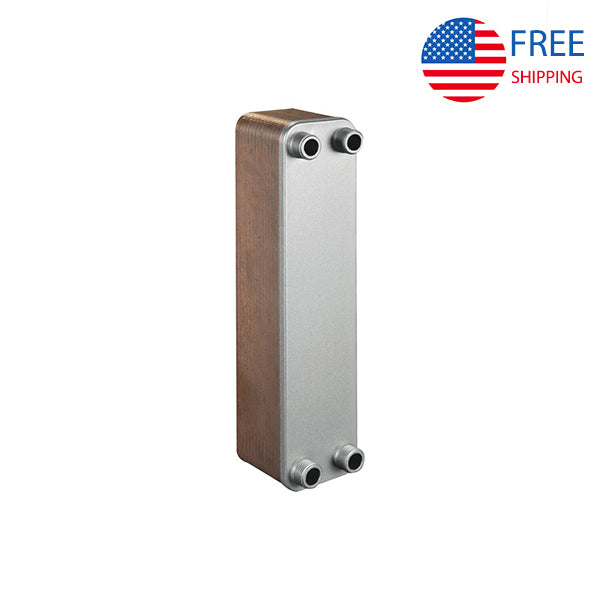
For applications where space and airflow are limited,Air to Water Intercoolers are often preferred. These systems use coolant to remove heat from the intake air and are particularly effective in marine engines and high-performance vehicles. Their compact design and ability to maintain consistent cooling even in low-airflow environments make them a practical choice across several demanding applications.
Thermal Efficiency and Engine Protection
The benefits of lower intake temperatures extend beyond performance gains. Elevated temperatures inside an engine can create conditions that allow fuel to detonate prematurely, a phenomenon known as knocking. Knocking causes significant mechanical stress on engine components and can eventually lead to engine failure if left unchecked.
By reducing the intake air temperature, intercoolers play a direct role in preventing detonation. Cooler air not only improves combustion but also reduces thermal stress on pistons, valves, and cylinder heads. This leads to increased reliability and engine longevity.
Integrating other cooling components, such asEngine Oil Coolers, can further stabilize the engine’s thermal environment. When intake air, oil, and coolant temperatures are all managed effectively, the engine performs more efficiently and experiences less wear over time. This type of thermal balance is especially important in heavy-duty and high-performance settings, where temperatures can rise quickly under continuous load.
Choosing Between Air-to-Air and Air-to-Water Intercoolers
There are two main types of intercoolers: air-to-air and air-to-water. Understanding the differences between them is crucial when selecting the right setup for a specific engine configuration.
Air-to-air intercoolers rely on ambient airflow to cool the compressed intake air. They are often mounted at the front of vehicles, where they receive direct airflow as the vehicle moves. This design is simple, low-maintenance, and cost-effective for many automotive applications. However, their performance is dependent on the availability of steady airflow, which can limit their effectiveness in stop-and-go driving or tightly enclosed engine compartments.
Air-to-water intercoolers use a liquid coolant to remove heat from the intake air. These systems are more compact and can maintain consistent performance regardless of vehicle speed or external airflow. For marine engines and high-output motors, Air to Water Intercoolers offer a more reliable solution for maintaining intake air temperatures within optimal limits.
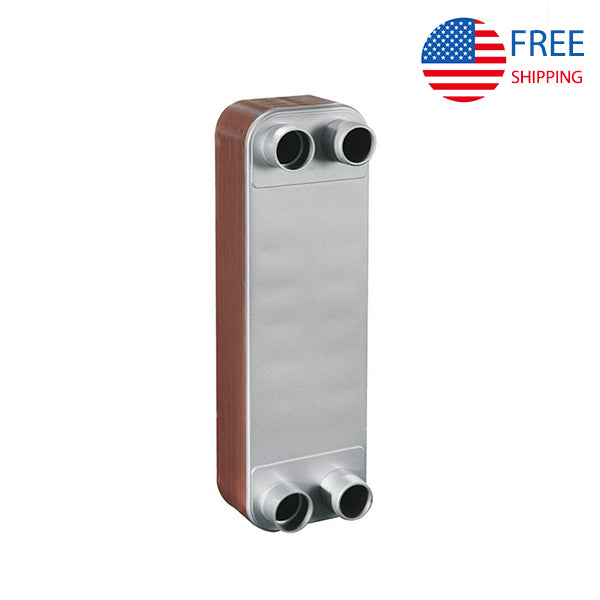
To support this system,Plate Oil Coolers are often added to manage the increased thermal load. These compact units offer high thermal transfer efficiency and can be integrated into the engine’s oil circuit to help maintain optimal oil temperatures, especially under demanding operating conditions.
Impact on Fuel Efficiency and Emission Control
Intercoolers also contribute to improved fuel economy and cleaner emissions. Cooler, denser air enables more complete combustion of the fuel-air mixture, which increases thermal efficiency. When combustion is optimized, engines require less fuel to produce the same amount of power, resulting in improved fuel economy.
Additionally, more complete combustion results in a reduction of harmful emissions. Engines running at cooler temperatures produce fewer nitrogen oxides (NOx), unburned hydrocarbons, and carbon monoxide. This makes intercoolers valuable not only for performance but also for helping engines meet strict emissions standards.
In industrial and off-road equipment, managing engine temperatures is even more important due to prolonged operational periods and high load factors. UsingHydraulic Oil Coolers in combination with intercoolers ensures the hydraulic system and engine remain within safe operating ranges. These systems work together to improve overall energy efficiency and reduce unnecessary fuel consumption.
Comprehensive Thermal Management Beyond Intake Air
While intercoolers focus on cooling the intake charge, they are only one part of a broader thermal management strategy. The engine oil, transmission fluid, and hydraulic circuits also generate significant heat, especially in high-performance and industrial applications.
When these systems are not adequately cooled, they can affect the viscosity of fluids, reduce lubrication, and lead to component fatigue. That is why advanced setups often include additional elements such as Oil Coolers & Intercoolers to maintain all critical fluids at their optimal temperatures.
By reducing the temperatures of all working fluids, overall engine efficiency improves. This coordinated cooling approach yields smoother operation, reduced friction losses, and enhanced durability of engine parts. It also enhances consistency in performance, especially under conditions where engines are required to run at full capacity for extended periods.
Do Naturally Aspirated Engines Benefit from Intercoolers?
Intercoolers are most effective in turbocharged or supercharged engines because of the elevated temperatures caused by air compression. However, there are limited scenarios in which a naturally aspirated engine might benefit from cooler intake air. For instance, in motorsport settings or in extreme ambient heat, reducing intake temperatures can offer marginal performance improvements.
In such cases, emphasis is often placed on other cooling elements rather than on full intercooler systems. For example, Engine Oil Coolers and Plate Oil Coolers are commonly added to improve engine reliability and efficiency in naturally aspirated builds that experience prolonged high-load operation.
For standard passenger vehicles, however, intercoolers are not typically necessary unless engine modifications or forced induction systems are added. That being said, it is crucial to ensure that all thermal aspects of the engine are considered when upgrading performance systems to avoid overloading existing cooling capabilities.
How to Select the Right Cooling System for Your Engine
Selecting an appropriate intercooler and thermal management setup depends on several factors, including the type of engine, expected performance output, operating environment, and available space. Marine engines, for instance, benefit from Air to Water Intercoolers because they can utilize surrounding water sources for more consistent cooling.
In heavy equipment and industrial machinery, where extended runtimes and thermal loads are constant, integrating Hydraulic Oil Coolers into the system can significantly improve overall system performance. These coolers manage the temperature of hydraulic fluids, preventing overheating and ensuring long-term reliability of the machine’s operating systems.
Since 2008, Alfa Heating has been providing high-quality heating and cooling components for a wide range of applications. With over 300 products in stock and the ability to customize models based on your project needs, our team is committed to helping customers find the right solutions. From floor heating to industrial cooling systems, we provide the expertise and support necessary to design and build reliable and efficient thermal systems.
Conclusion: The Long-Term Benefits of Intercoolers
Intercoolers are not just optional upgrades in performance engines—they are essential components that improve power output, fuel economy, and reliability. By lowering intake air temperatures, they increase combustion efficiency and help protect internal engine components from thermal stress.
In turbocharged systems, especially, the combination of intercoolers and supporting systems, such asOil Coolers & Intercoolers, ensures that the engine operates within safe and efficient thermal limits. Whether you are optimizing a marine engine, upgrading an industrial application, or building a high-performance vehicle, a carefully planned intercooler setup will offer measurable performance and longevity gains.
Understanding and managing thermal efficiency = consistent engine performance and reduced maintenance over time.
Intercoolers, when integrated with the right components and properly maintained, are a key factor in maximizing the full potential of your engine setup.
![Lead-Free, Brass Barbed Ball Valves 1/2" [5pk, 10pk, 25pk] - Alfa Heating Supply](http://alfaheating.com/cdn/shop/products/DSC_0008.jpg?v=1588213886&width=600)