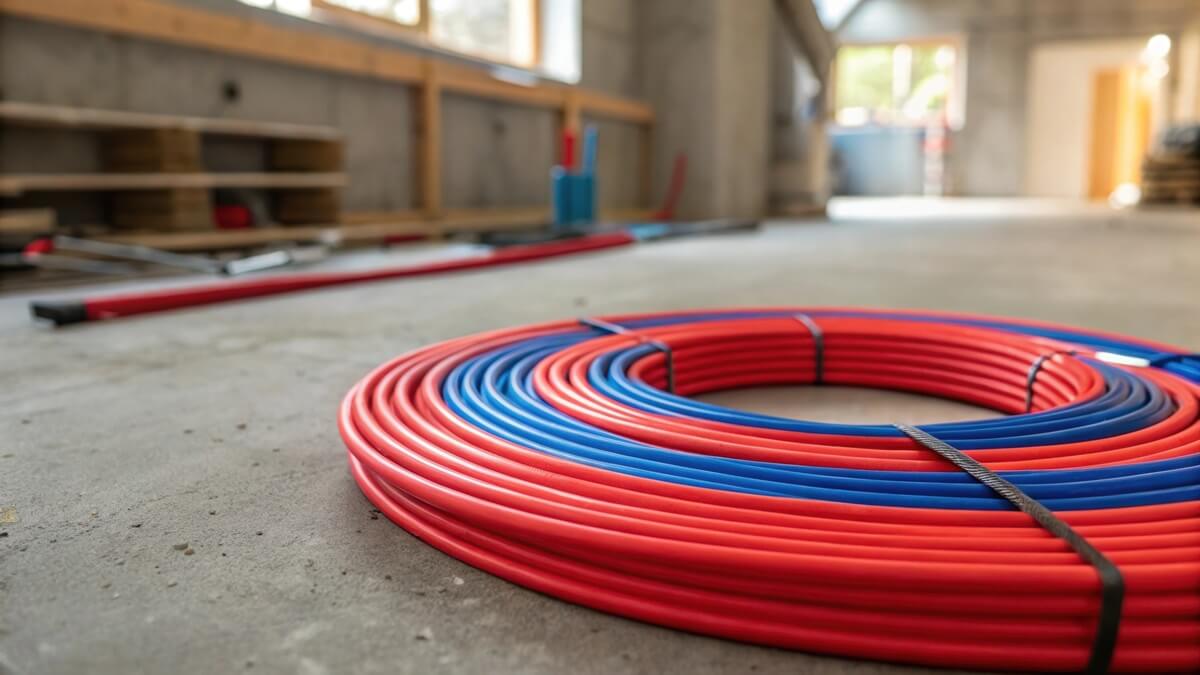
PEX systems are now a leading choice for residential plumbing and heating projects. Their flexibility, corrosion resistance, and easy installation make them more efficient than traditional materials like copper or CPVC. With multiple layout options and compatibility with modern manifold systems, PEX simplifies water distribution and radiant heating. This article breaks down the key benefits of using PEX, along with practical guidance on planning and installation for long-term performance.
What Makes PEX Systems So Practical for Residential Plumbing?
Modern residential plumbing often prioritizes flexibility, reliability, and long-term cost savings. A PEX system effectively meets these criteria, offering homeowners and professionals a piping solution that supports both water supply and radiant heating applications. PEX, or cross-linked polyethylene, is known for its durability and ability to resist chemical damage, scaling, and corrosion. These characteristics make PEX systems a strong alternative to traditional copper or PVC systems in both new builds and renovation projects.
One of the primary benefits of a PEX pipe system lies in its ease of installation. Thanks to its flexibility, PEX can be bent around corners and navigated through tight spaces without requiring many fittings or joints. This reduces the potential for leaks and minimizes installation time. Installers can pull long runs of pipe from a central distribution point directly to fixtures, which enhances water flow and reduces pressure loss. This is a key reason why the PEX manifold system has become popular in homes seeking more efficient water distribution.
Moreover, the thermal memory of PEX allows it to expand and contract under temperature changes without cracking. This makes the material well-suited for both cold climates and systems that carry hot water. As a result, a PEX water supply system maintains performance under a wide range of operating conditions.
Overall, the flexibility, reliability, and cost efficiency of PEX systems continue to make them a practical choice in residential plumbing installations.
Centralized Control with PEX Manifold Systems
Efficient control over water distribution is a key component of any modern plumbing setup. A PEX manifold system simplifies this by providing a central point from which all water lines can be managed. Often compared to an electrical breaker panel, a manifold allows individual control of each plumbing line in the house. This means homeowners can isolate water to a specific area without shutting down the entire PEX water system.
The advantages of PEX manifold systems are particularly noticeable during maintenance or upgrades. If a fixture requires servicing, the appropriate valve can be closed at the manifold without disturbing the rest of the system. This localized control not only saves time but also reduces household disruption.
Beyond maintenance, a PEX manifold system improves system balance. Equal pipe lengths from the manifold to each fixture can help maintain consistent water pressure and temperature, especially in larger households. This ensures that multiple taps can be used simultaneously without dramatic drops in pressure.
Selecting the best PEX manifold system depends on the size and layout of the home. Manifolds come in various configurations, offering options for different numbers of ports and compatibility with both crimp and push-fit fittings. For homes with multiple bathrooms or high water demand, an expanded manifold with more branch lines ensures scalable and organized water distribution.
With centralized control, simplified maintenance, and scalable design, PEX manifold systems offer a structured and efficient approach to residential plumbing.
PEX Pipe Systems for Radiant Floor Heating
Radiant floor heating has become a desirable option for homeowners seeking even, comfortable indoor temperatures. A key component of this system is the use of PEX pipe for heating systems, which delivers warm water through pipes embedded in or under the floor. The durability and thermal properties of PEX make it ideal for this application.
A PEX heating system offers several advantages over traditional forced-air heating. It eliminates the movement of allergens and dust, offers uniform heat distribution, and operates quietly. Because PEX can bend to follow the shape of the floor plan, it simplifies the installation process. Installers can route the pipe through tight spaces, curves, and multiple rooms without requiring multiple joints, significantly lowering the risk of leaks.
In most radiant heating installations, the PEX pipe is laid in loops within floor panels, concrete slabs, or under subfloor systems. The pipe then connects to a manifold, which controls the water flow and temperature for each loop. Using a PEX manifold system in heating applications allows precise control over heating zones, ensuring energy is used efficiently.
Another benefit of a PEX pipe system in radiant heating is its long-term performance. PEX resists chemical degradation and maintains its strength under repeated heating and cooling cycles. This makes it a reliable option for floor heating projects in both residential and light commercial settings.
When installed correctly, a PEX heating system can provide years of consistent, low-maintenance comfort, making it a preferred solution for modern in-floor heating designs.
Planning and Layout Considerations Before Installation
The success of any PEX water system depends heavily on proper planning before installation begins. While PEX offers flexibility and ease of installation, certain layout decisions can influence long-term performance, accessibility, and maintenance requirements.
The first consideration is the system layout. Homeowners can choose between a trunk-and-branch layout, which mimics traditional plumbing, or a home-run layout using a PEX manifold system. A manifold-based layout requires more pipe but provides greater control and often results in better pressure balance across fixtures.
Careful measurements are necessary to ensure that sufficient pipe is available for each run and that appropriate diameters are selected to maintain water flow. Pipe routing should be planned to avoid unnecessary bends, contact with sharp edges, or prolonged exposure to sunlight, which can degrade the material. Additionally, allowance must be made for expansion and contraction, particularly in long pipe runs that experience temperature changes.
Contractors and homeowners must also review local plumbing codes, which may specify requirements for pipe insulation, spacing, or approved connection methods. By addressing these factors during the design stage, future issues can be minimized, and the full advantages of the PEX system can be realized.
Thorough planning = fewer installation issues and a more efficient plumbing system
By investing time in layout planning, selecting the appropriate manifold setup, and aligning the design with local codes, you ensure a PEX water supply system that performs reliably for years to come.
Installation Best Practices for PEX Systems
A successful PEX pipe system installation requires attention to detail, even though the material itself is easier to work with than metal or rigid plastic. Following industry best practices during installation is crucial for achieving consistent performance and long-term reliability.
One of the most important aspects is the correct support and anchoring of the pipes. While PEX is flexible, it must be secured properly to avoid sagging, especially in horizontal runs. Plastic or metal pipe supports should be installed at recommended intervals to maintain alignment and prevent damage.
Crimp, clamp, or push-fit connectors are commonly used with PEX, and it is vital to select tools and fittings that are compatible with the pipe type. Improper connections can lead to leaks or pressure failures. In a PEX manifold system, connections must be especially secure, as they serve as the central control point for the water supply.
Allowing space for thermal expansion is another key consideration. Installers should avoid pulling the pipe too tight and should use expansion loops in long runs to prevent stress on fittings.
The overall goal during installation is to maintain the integrity of the PEX water system, ensuring each component is installed according to manufacturer and code guidelines. A correctly installed system reduces the risk of future leaks, maintains consistent pressure, and operates quietly.
Following proper installation procedures ensures that your PEX heating system or plumbing setup functions effectively, with minimal maintenance required over time.
Advantages That Go Beyond Installation
While the ease of installation is a well-known benefit of PEX water supply systems, the long-term advantages also make them appealing to homeowners and contractors alike. PEX piping offers excellent resistance to corrosion, mineral buildup, and temperature stress, all of which contribute to its durability and consistent performance over many years.
Another notable benefit of PEX heating systems is energy efficiency. In radiant floor applications, the pipe maintains consistent temperatures with minimal heat loss, helping reduce energy usage compared to conventional heating methods. The same applies to hot water distribution, where insulated PEX lines can help maintain desired temperatures for longer distances.
Noise reduction is another feature that enhances the appeal of a PEX water system. The flexibility and smooth interior of the pipe reduce water hammer and vibration, creating a quieter plumbing system overall. This makes a significant difference in multi-story homes where noise from pipes can otherwise be disruptive.
Finally, the structure of PEX manifold systems allows for future scalability. As homeowners add appliances or fixtures, additional lines can be connected to the manifold without requiring major pipe rerouting. This modularity supports long-term property value and ease of upgrade.
By choosing PEX pipe for heating systems and water distribution, homeowners benefit from a solution that combines efficiency, reliability, and adaptability.
Why Professional Advice Still Matters
While PEX offers many user-friendly advantages, expert guidance remains essential for selecting the correct components and system layout. Every home is different, and professional input can help tailor the design of a PEX pipe system to suit specific water usage patterns, building layouts, and regional requirements.
Alfa Heating Supply has over 20 years of experience working on residential and commercial heating projects. Based in Laurel, Maryland, we support customers throughout the United States by providing both the components and the knowledge needed to complete plumbing and radiant heating installations with confidence. Our team can advise on the optimal configuration of a PEX water system, provide custom product options, and ensure you receive support from design through implementation.
While DIY solutions are possible, they can carry risks if local codes are not followed or improper materials are used. By working with experienced professionals, you ensure that your PEX manifold system and overall water infrastructure function efficiently and remain code-compliant for the long term.
Professional consultation = fewer mistakes and better long-term performance
The right design, supported by the right expertise, makes all the difference when investing in a PEX system for your home.