Improving the efficiency of your home plumbing system starts with a few targeted changes that save energy, reduce wear, and boost performance. From balancing water pressure to selecting compatible components, small adjustments lead to long-term benefits. If your home uses floor heating, water heaters, or a pool system, efficiency helps everything run reliably and without unnecessary strain. Here’s how to optimize your plumbing setup with practical, proven methods that make a real difference in daily use and system longevity.
Identify and Eliminate Pressure Imbalances Early
Water pressure in a home isn’t just about convenience — it directly impacts the efficiency and longevity of your plumbing and heating systems. When the pressure is too high, you might notice banging noises in pipes, increased water consumption, or premature wear on valves and fixtures. On the other hand, if the pressure is too low, appliances like dishwashers or washing machines take longer to complete cycles, and heating systems may not perform at full capacity.
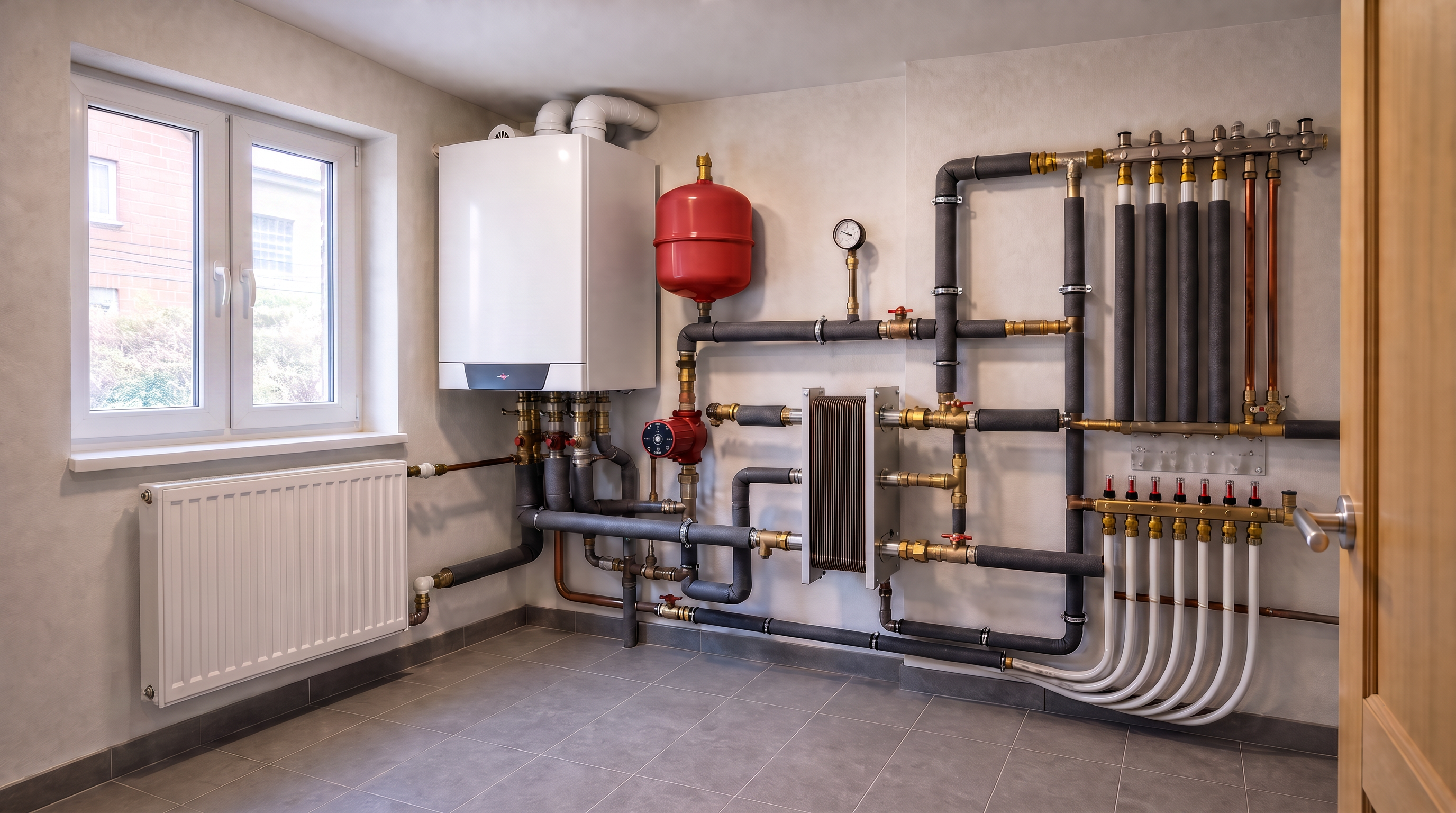
Balancing water pressure is essential for both water delivery and heating performance. Systems that include Brazed Plate Heat Exchangers or closed-loop heating circuits depend on consistent pressure to move heated fluid efficiently through the loop. Uneven or low pressure causes heat to be lost before reaching its destination, whereas excessive pressure can damage seals and reduce equipment lifespan.
To address this, start by checking if your home uses a pressure regulator. If it does, and it’s more than a few years old, consider having it inspected or replaced. Sediment or corrosion inside these regulators can alter pressure even if the gauge reads correctly. Also, regularly inspect all faucets and fixtures for uneven flow, which can be a clue to partial blockages or sediment buildup inside pipes. These small issues, if ignored, can become much more expensive problems down the road.
Other signs of pressure issues include: toilets that fill very slowly or too quickly, inconsistent shower temperatures, or water surges when multiple fixtures are in use. Addressing pressure inconsistencies at the source leads to smoother plumbing operation, better heating control, and a more efficient system overall.
Remember: consistent water pressure = improved plumbing and heating system performance.
Flush the System Regularly to Prevent Scale Buildup
In homes that rely on hot water for heating and daily use, scale is one of the most overlooked enemies of system performance. Over time, minerals found in hard water — especially calcium and magnesium — accumulate inside pipes, valves, and heating elements. This buildup restricts water flow, reduces heat transfer, and makes your equipment work harder than necessary.
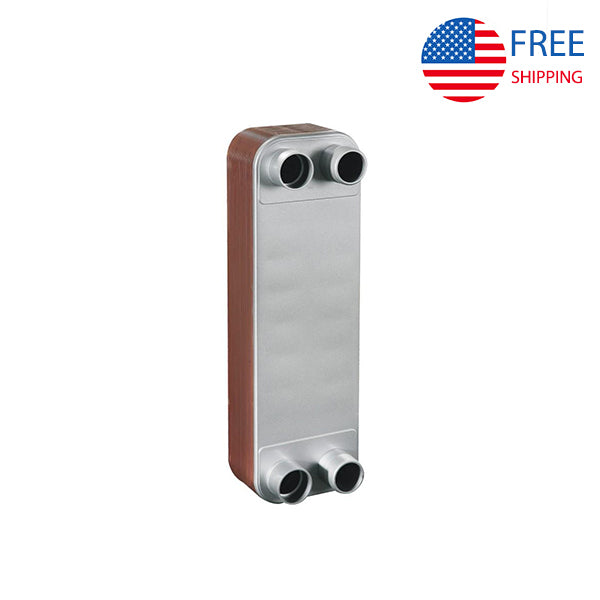
One of the most common places for scale to collect is inside Brazed Plate Heat Exchangers, which rely on thin metal plates and narrow passageways to efficiently transfer heat. Even a thin layer of scale on these surfaces acts like insulation, requiring more energy to achieve the same temperature output. That’s not just inefficient — it’s also expensive over time.
Routine system flushing helps remove these deposits before they cause serious performance degradation. Many homeowners wait until they notice slower water flow or noisy pipes, but it’s smarter to set a regular maintenance interval. Once or twice a year, flush your system using an appropriate descaling agent. If you’re unsure which type of cleaner is compatible with your system, consult your equipment documentation or supplier.
Scale doesn’t only form in heating components — it can also affect cold water lines, especially near shut-off valves or faucets. When minerals harden, they can even reduce the lifespan of pumps and motors by forcing them to work under higher strain.
Some signs that your system needs flushing include:
- Slower heating times
- Uneven temperatures from radiant heating zones
- Clicking or popping noises in pipes or radiators
- Higher than usual energy bills
System flushing restores flow and efficiency, leading to longer equipment life. It’s one of the simplest ways to keep your plumbing and heating working at their best.
Insulate Pipes in Key Areas
Pipe insulation isn’t just for cold climates — it plays an important role in every home that uses hot water for domestic or heating purposes. Uninsulated pipes allow heat to escape as water travels from the source to the outlet. This results in increased energy consumption and slower delivery of hot water, particularly when pipes pass through unheated areas such as basements or crawlspaces.
Insulating your hot water lines helps preserve the heat inside the pipes, meaning water arrives hotter, faster, and with less demand on your heating system. This is especially important when using Air to Water Heat Exchangers, where circulating water transfers thermal energy into the air. If the water loses heat before reaching the exchanger, overall efficiency drops.
Cold water lines also benefit from insulation. They’re less likely to sweat during humid months, which protects surrounding materials like drywall and wood framing from moisture damage. In some setups, cold pipe insulation can even help prevent temperature swings in nearby hot lines due to conduction.
Focus on insulating:
- Pipes in unheated garages, attics, or basements
- Sections running along exterior walls
- Supply and return lines of radiant floor systems
- Pipes leading to or from your heat exchanger or manifold
Pipe insulation is affordable and can be installed without professional help. Closed-cell foam tubes with slit sides and adhesive backing are widely available and easy to apply. For high-temperature lines, use fiberglass wraps with a foil backing.
Adding insulation = reduced standby heat loss and more efficient heating output. In other words, your system doesn’t have to work as hard to maintain comfort levels, and that translates to cost savings.
Upgrade to Modern Control Systems
Controlling your plumbing and heating system with outdated equipment often leads to wasted energy and uneven performance. Suppose your home still relies on basic manual valves, legacy thermostats, or single-zone setups. In that case, it may be time to consider upgrading to modern control systems that offer greater precision and flexibility.
Modern controls allow homeowners to divide their system into zones. This means you can heat only the areas you use most, while reducing temperature or water usage in less active zones. For example, bedrooms can stay cooler during the day, while living areas remain warm and comfortable. Zoned control = increased comfort + decreased energy use.
Many heating systems that include Brazed Plate Heat Exchangers or Air to Water Heat Exchangers benefit significantly from this type of control. Not only can the flow and temperature be fine-tuned per zone, but you can also monitor performance in real-time and detect problems like stuck valves or insufficient flow.
Upgrades worth considering:
- Programmable thermostats for daily and weekly scheduling
- Thermostatic mixing valves for precise water temperature control
- Flow meters and pressure sensors to monitor performance
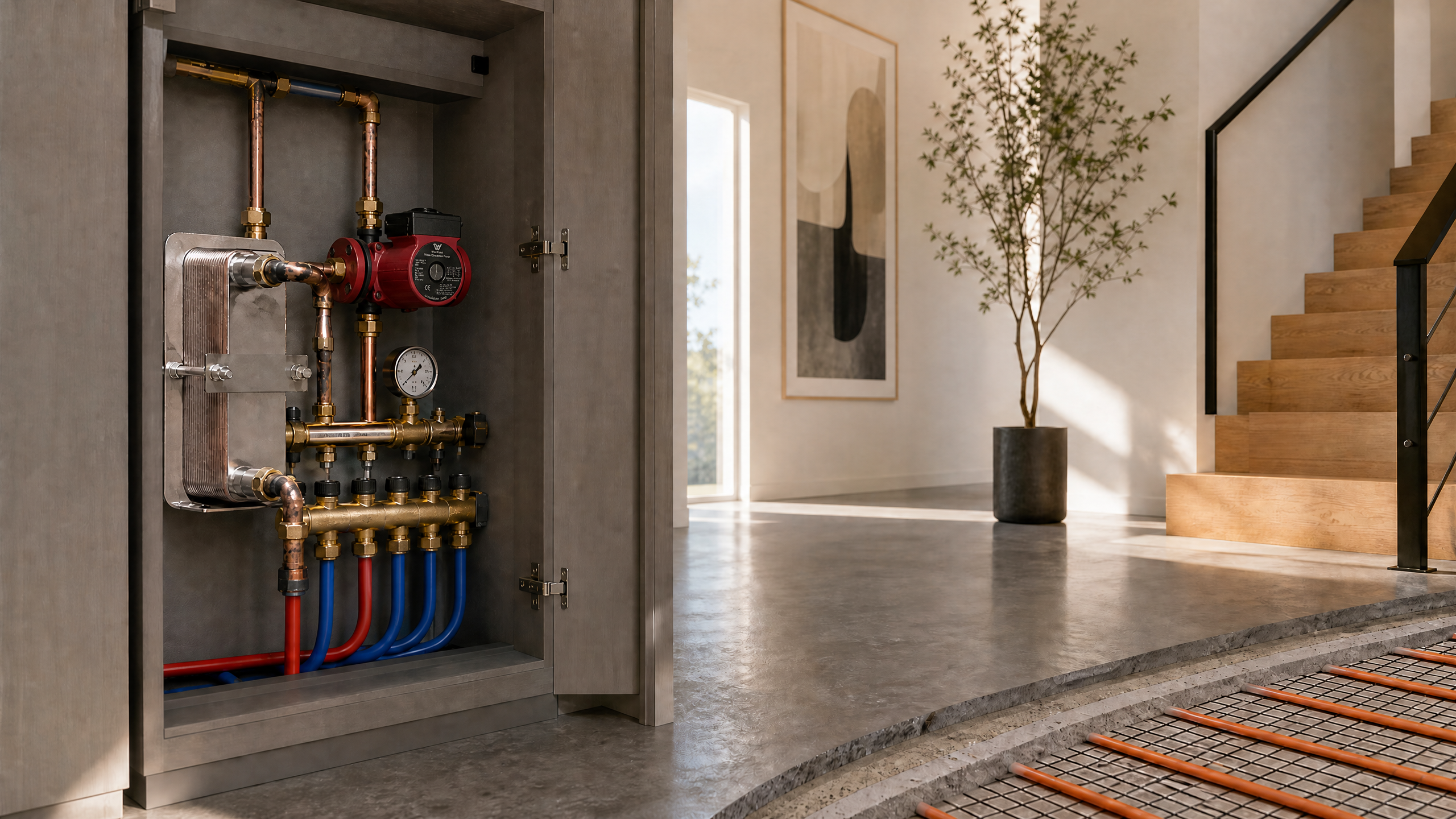
- Manifold systems with actuators for radiant floor zoning
These systems are designed to integrate with existing equipment and are often modular, meaning you can start small and expand over time. Many new smart thermostats can even send alerts to your phone if a zone fails to reach the set temperature, helping you act before the issue becomes costly.
Better control not only improves energy use but also makes maintenance easier. By isolating zones, you can troubleshoot specific areas without shutting down your entire system.
Detect and Repair Small Leaks Promptly
Leaks in a plumbing system rarely dramatically announce themselves. Often, they begin as tiny drips from joints, pump fittings, or valve seals — and they’re easy to ignore. But over time, these small leaks can quietly cause pressure drops, water waste, and heating inefficiencies.
In systems using Air to Water Heat Exchangers, for instance, any loss of water affects system pressure, which in turn reduces thermal transfer efficiency. If the pump has to work harder to maintain flow, it consumes more energy and wears out faster. The same applies to radiant floor systems, where even a minor leak under the flooring can compromise zone performance and lead to hidden water damage.
Inspect these high-risk areas regularly:
- Flange connections near heat exchangers or pumps
- Valve stems and threaded joints
- Manifold fittings and bleed valves
- Tank seals or pressure relief valves
Use a dry cloth to wipe fittings and see if any moisture reappears. You can also place tissue or paper below suspected areas to detect slow drips over time. Smart water sensors are also available and can be placed near vulnerable equipment.
Ignoring leaks doesn’t just waste water — it can damage insulation, encourage mold, and force your system to cycle more frequently than necessary. Fixing them promptly preserves system pressure and flow, which is critical for efficient performance.
Choose Quality Components and Plan for Compatibility
Your home’s plumbing and heating systems are only as reliable as the components you install. While it might seem cost-effective to mix and match off-the-shelf parts, this approach often leads to compatibility problems that reduce efficiency and require additional fixes later on.
Using well-matched, high-quality components = fewer problems and smoother system operation.
When designing or upgrading a system, it’s crucial to ensure that flow rates, pressure ratings, and material types align. For instance, Brazed Plate Heat Exchangers and Air to Water Heat Exchangers must be selected based on the system’s capacity, port size, and BTU requirements. Undersized or oversized equipment won’t perform as expected and can lead to system imbalance.
Other compatibility issues to watch for include:
- Pump flow not matching exchanger requirements
- Pipe diameter mismatched to port sizes
- Incompatible fittings between copper, brass, and steel
- Heat loss in long runs due to poor planning
That’s where expert advice makes a difference. Alfa Heating has over two decades of experience in heating systems and offers more than 300 compatible components for floor heating, domestic hot water, and pool applications. Based in Laurel, Maryland, the company also supports custom product modifications based on existing models — including different port sizes or configurations — to suit your project needs.
When your components work well together, you reduce strain on pumps, improve energy usage, and extend system life. Before starting any plumbing or heating project, take the time to plan, measure, and select parts that are designed to work together as a single, efficient system.


![Lead-Free, Brass Barbed Couplings 1/2" [10pk, 25pk, 50pk] - Alfa Heating Supply](http://alfaheating.com/cdn/shop/products/01.jpg?v=1588213888&width=600)