Choosing the right water heating system for your home can feel confusing with so many options out there. Indirect water heaters provide a reliable and energy-saving solution, especially if you already have a boiler for heating your home. In this article, we’ll explain how these systems work, go over their main components, and give tips on when they might be the best choice for you. Understanding indirect water heaters can make it much easier to decide if your priority is saving energy or reducing expenses.
Understanding Indirect Water Heaters
Indirect water heaters are an efficient and versatile solution for providing hot water in residential settings. Unlike direct water heaters that rely on their own dedicated burner or electric element to heat water, they use an external heat source, such as a boiler or furnace, to transfer heat to the water. This setup allows for a more integrated system that utilizes the existing heating infrastructure in your home. By pairing with a boiler, these systems can capitalize on the energy generated for home heating, making them highly efficient. As a result, they often lead to reduced energy costs and a more consistent hot water supply.
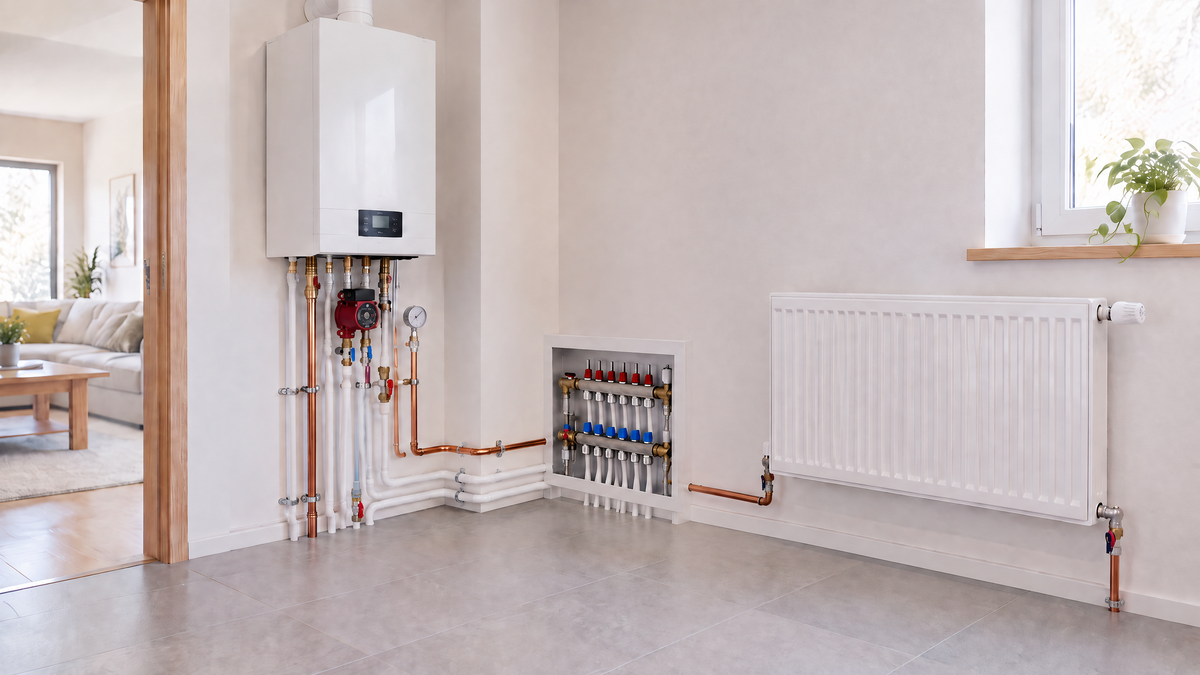
The main components of an indirect water heater include the tank, coil, heat exchanger, and necessary water heater parts that connect it to the external boiler or furnace. The tank holds the water, while the coil or heat exchanger transfers heat from the boiler to the water. This method of transferring heat is especially useful in colder climates, where home heating is necessary for much of the year. Brands such as American water heater offer a range of models catering to different home sizes and heating needs, guaranteeing a fit for various applications. By integrating with your home's existing heating system, indirect water heaters offer a reliable solution to meet your hot water needs.
Benefits of Using Indirect Water Heaters
One of the primary benefits of using an indirect water heater is its remarkable low energy use. By utilizing an existing boiler or furnace, these systems can efficiently share energy for both space heating and water heating needs. This dual-purpose approach significantly cuts down on energy waste, especially when compared to a new water heater that operates independently. Moreover, indirect water heaters are known for their longevity. The durability of the tank and components often surpasses that of traditional heaters, offering consistent performance over many years. This longevity translates into fewer replacements and repairs, which can mean substantial savings in the long run.
Another big benefit is that indirect systems give you a steady supply of hot water. With the integration of air to water heat exchangers, these heaters can maximize the transfer of energy from the existing heating system to the water, ensuring a steady and reliable flow of hot water. This is particularly beneficial in households with high hot water demands. Also, when considering the long-term costs, the savings potential becomes evident. The initial investment in an indirect water heater might be higher, but the overall reduction in energy consumption and maintenance expenses can lead to lower costs compared to maintaining multiple heating devices. This makes indirect water heaters a good choice for people who want to save money and be eco-friendly.
When to Choose an Indirect Water Heater
Choosing an indirect water heater is often the most strategic decision for homeowners already using a boiler for their home heating system. In these cases, the existing boiler not only optimizes energy use, but also minimizes additional system requirements. This is particularly advantageous for homes in colder climates where the boiler is frequently in use, making the indirect water heater an extension of an already efficient system. When thinking about how much a water heater costs, indirect systems might seem more expensive at first because they rely on a boiler. However, the shared use of energy for space and water heating can yield significant savings over time, thereby offsetting the initial investment.
Comparatively, while tankless and conventional water heaters might have lower upfront water heater prices, they operate independently, potentially leading to higher energy bills, especially in homes with high hot water demand. Conventional systems require constant energy input to maintain water temperature, while tankless models often struggle with high initial costs and installation challenges. For homeowners already equipped with a boiler system, the indirect water heater model offers an affordable alternative by maximizing current infrastructure. Addressing consumer concerns about long-term investments, it becomes clear that the integration of an indirect water heater can provide economic advantages through reduced energy consumption and increased system longevity.
Components and Maintenance of Indirect Water Heaters
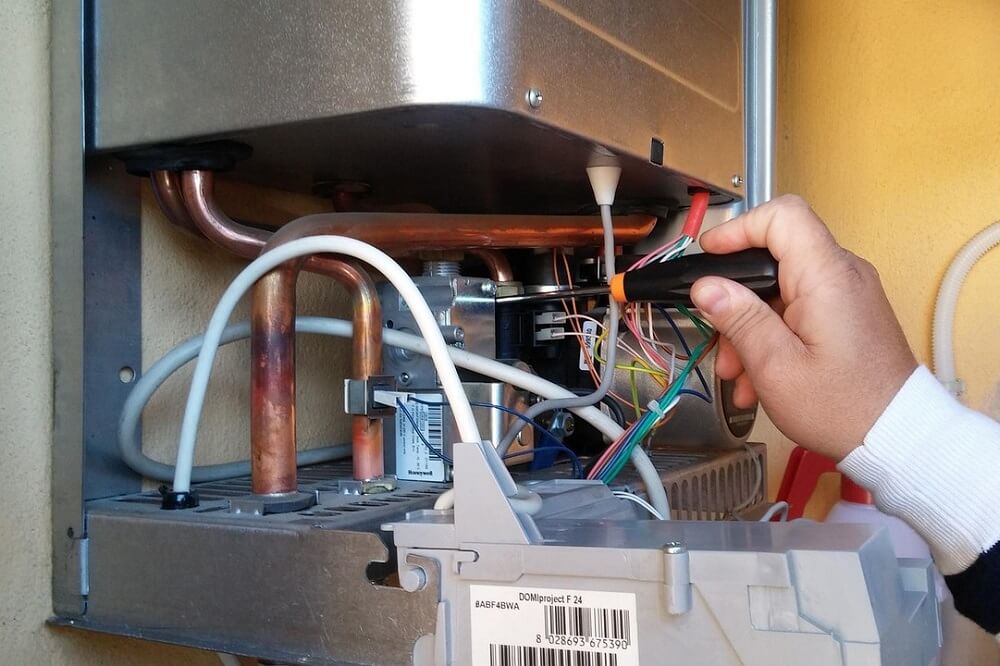
Indirect water heaters have several main parts that work together to heat water using an external boiler or furnace. The central part of the system is the storage tank, which stores the hot water. Inside the tank, there’s a heat exchanger, usually shaped like a coil, that passes heat from the boiler to the water. Another crucial component is the hot water heater expansion tank. This part accommodates the expansion of water as it heats, preventing excessive pressure build-up and potential damage to the system. The expansion tank is one of several essential water heater parts that guarantee safe and efficient operation.
Homeowners should regularly check the condition of the hot water heater expansion tank to make sure it's operating correctly and not filled with water, which can indicate a failed diaphragm. Additionally, periodic inspections of the heat exchanger and other water heater parts can help identify potential issues before they become significant problems. Flushing the tank once a year helps prevent sediment from building up, which can slow the system down and cause it to wear out sooner. By sticking to a regular maintenance routine, homeowners can keep their indirect water heaters working well for a long time, making sure they have a steady supply of hot water for years.
Comparing Indirect Water Heaters with Other Systems
Indirect water heaters have clear advantages compared to tankless and traditional tank systems. One big benefit is that they make good use of the heating system you already have, which can help save a significant amount of energy. Unlike traditional tanks that use a dedicated energy source to maintain water temperature, indirect systems use a boiler, often incorporating air to water intercoolers to improve performance. This setup guarantees a consistent supply of hot water without the energy drain associated with maintaining a constant water temperature in a standalone tank. However, the initial setup cost can be higher, and they are most advantageous when a boiler is already in place.
Tankless water heaters give hot water whenever you need it and take up less space, but they usually cost more upfront and can be trickier to install. Traditional tank systems are simpler to set up, but they use more energy over time. When considering brands, American water heater products present a wide range of options in the indirect category, known for their durability and functionality. They offer models that integrate easily with existing systems, providing reliability and performance. In the end, choosing between these systems depends on your household’s needs, the equipment you already have, and your long-term energy goals. Each type has its own advantages, so it’s important for homeowners to think about their priorities and whether the system will fit well with their home before deciding.