Deciding whether to invest in a flow-through water heater is an important choice for homeowners who want to save energy and lower utility bills. Flow-through, or tankless, water heaters deliver hot water on demand, removing the need for a large, space-consuming water tank. With energy costs on the rise and more people focusing on eco-friendly solutions, knowing the advantages and potential savings of tankless systems is essential. In this article, we’ll take a closer look at their cost, efficiency, and whether they could be the future of home water heating.
What is a Flow-Through Water Heater?
A flow-through water heater, commonly referred to as a tankless water heater, is an innovative home appliance that provides hot water on demand. Unlike traditional systems that rely on a storage tank to hold and heat a large volume of water, a flow-through system activates as soon as a hot water tap is turned on. This activation triggers the unit to heat water instantaneously as it flows through a series of high-efficiency heating elements. The absence of a storage tank means that you never run out of hot water, which is a common limitation with traditional tank systems. This on-demand functionality not only guarantees an endless supply of hot water but also offers significant energy savings since energy is not wasted in keeping a large volume of water continuously heated.
When it comes to saving energy and making the most of available space, flow-through systems are a modern solution that works well with today’s home energy needs. A tankless water heater is typically compact, freeing up space that would otherwise be occupied by a large tank. This compact nature makes them ideal for smaller homes or apartments where space is at a premium. Moreover, because they heat water only when needed, they contribute to a reduced environmental footprint by cutting down on energy consumption. This efficiency aligns with the growing trend of sustainable home solutions, which aim to reduce energy use and minimize waste. With the dual benefits of endless hot water and energy efficiency, flow-through water heaters are increasingly becoming a cornerstone of modern home energy solutions.
Comparing Electric Tankless Water Heaters and Traditional Models
When comparing an electric tankless water heater to a traditional water heater tank, several key differences emerge. Design-wise, electric tankless models are much more compact because they do not require a large storage tank to hold heated water. This compactness makes them suitable for homes with limited space, successfully freeing up areas that would otherwise be occupied by a bulky tank. Efficiency is another critical factor; an electric tankless water heater heats water only when needed, thereby reducing energy consumption. In contrast, traditional tank models maintain a reservoir of hot water, leading to energy loss as the stored water cools down and needs to be reheated frequently.
In terms of advantages, an electric tankless system provides instant hot water, eliminating the wait time often associated with reheating a tank after it's been depleted. However, these benefits also come with some considerations, making it essential to weigh both pros and cons:
- Electric tankless water heater Pros:
- Endless hot water supply
- Energy-efficient operation
- Space-saving design
- Electric tankless water heater Cons:
- Higher initial installation cost
- Potential for limited flow rate
- Water heater tank Pros:
- Lower upfront costs
- Simple installation
- Water heater tank Cons:
- Higher energy consumption
- Bigger space requirement
By understanding these distinctions, homeowners can better determine which type of water heating system aligns with their specific requirements and household dynamics.
Analyzing the Cost and Functionality of Tankless Systems
Investing in an electric tankless water heater involves considering both the upfront expenses and the potential for long-term savings. The initial water heater cost for a tankless system is generally higher than that of a traditional heater. This is primarily due to the advanced technology and materials required to produce on-demand hot water without a storage tank. Installation costs can also be more significant, as tankless systems often require specialized electrical work and sometimes modifications to existing plumbing. However, these initial expenses are balanced by the substantial energy savings that tankless systems can offer over time.
The performance ratings of top tankless units show how energy-saving they can be. By operating only when needed, these systems cut down on wasted power, helping homeowners lower their utility bills. Over time, the energy savings can add up enough to balance the higher upfront investment. Additionally, many energy-saving models qualify for rebates and incentives, making them an even smarter choice. Unlike traditional systems that run constantly to maintain temperature, tankless units provide a more practical, eco-friendly, and energy-saving solution. For anyone focused on long-term savings and reducing their environmental footprint, a tankless system is an appealing option.
How Long Does a Water Heater Last?
How long does a water heater last? Knowing the answer can guide you in picking between conventional and tankless options. Generally, traditional heaters have a lifespan of 10 to 15 years, depending on usage and maintenance. In contrast, electric tankless water heaters, which are also known as flow-through models, often boast a longer lifespan, typically ranging from 20 to 25 years. The absence of a tank reduces the risk of corrosion and sediment buildup, which are common issues that shorten the life of traditional models. Additionally, the design of tankless systems, which heats water on demand without storing it, further enhances their durability.
Indirect water heaters, another popular option, typically last around 15 to 20 years. These systems use the home's space heating system to heat water, which can add to their longevity. Factors affecting the lifespan of any water heater include the quality of installation, frequency of maintenance, water quality, and usage patterns. Regular maintenance, such as flushing the system to remove sediment and checking for leaks, can significantly extend the life of a unit. When it comes to flow-through models, many manufacturers offer robust warranties, reflecting their confidence in the product's durability. These warranties often cover key components for extended periods, providing additional peace of mind and assurance of long-term performance.
Additional Technologies to Enhance Water Heating
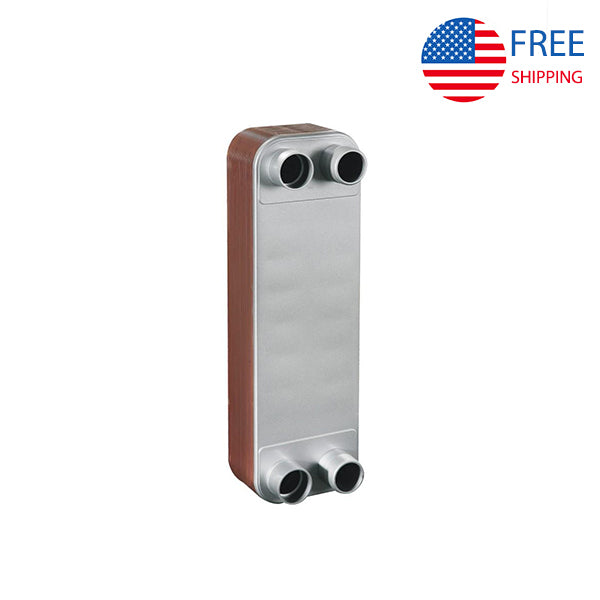
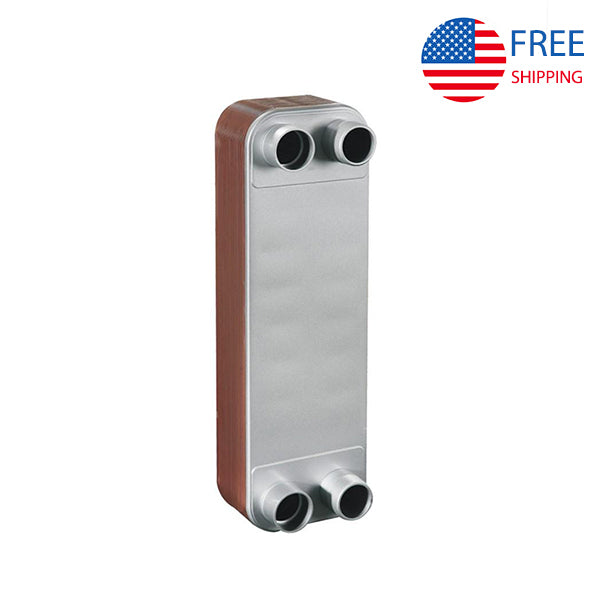
For homeowners looking to improve the performance of their water heating systems, incorporating additional technologies can offer significant benefits. One such technology is the use of air to water heat exchangers, which can improve how a water heating system uses energy. These devices transfer heat from the air to the water, making use of ambient air temperature to preheat the water before it enters the main heating unit. This process reduces the amount of energy required to achieve the desired water temperature, resulting in lower energy consumption and cost savings. By integrating such exchangers with a flow-through water heater, homeowners can enjoy faster and more efficient water heating, especially in regions with moderate to warm climates.
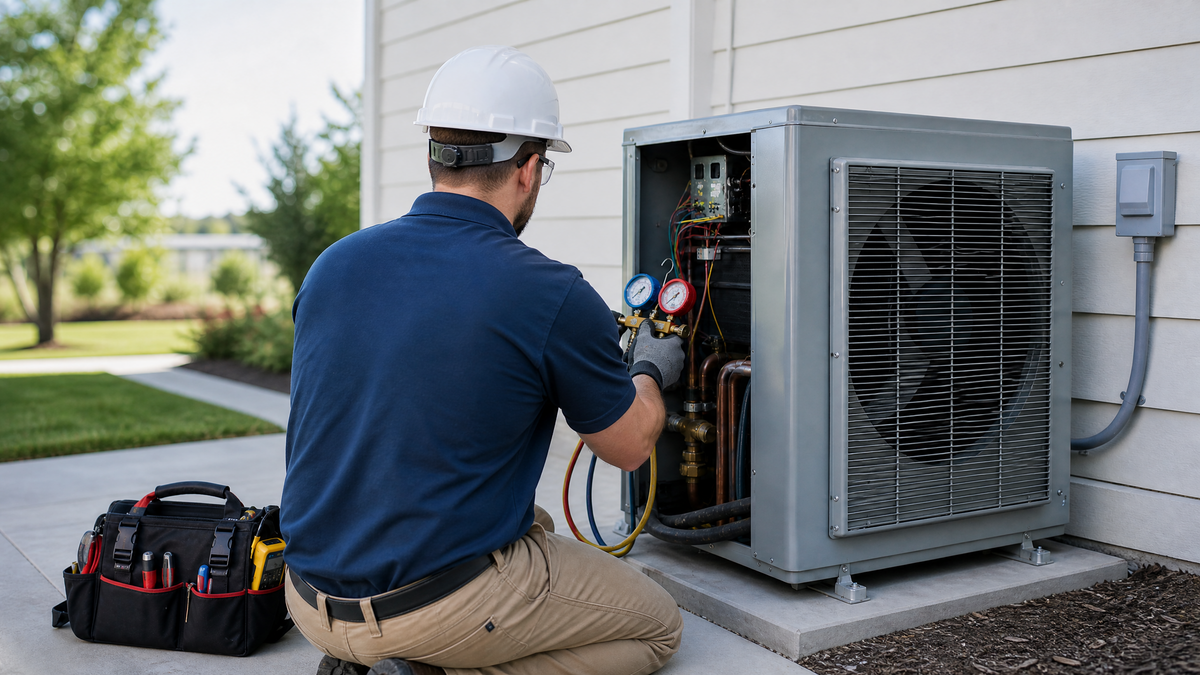
Similarly, air to water intercoolers can play an instrumental role in achieving supplemental heating. These systems often work in tandem with existing water heaters by capturing and using waste heat from other home systems, such as HVAC units. By channeling this excess heat into the water heating process, they can reduce the workload on the primary heater, extending its lifespan while also improving its performance. Both technologies can be easily added to existing systems, providing an eco-friendly way to heat water that fits with sustainable living. By using these additional technologies, homeowners can save more energy and reduce expenses, making a flow-through water heater an even smarter choice.

![Lead-Free, Brass Barbed Couplings 1/2" [10pk, 25pk, 50pk] - Alfa Heating Supply](http://alfaheating.com/cdn/shop/products/01.jpg?v=1588213888&width=600)