
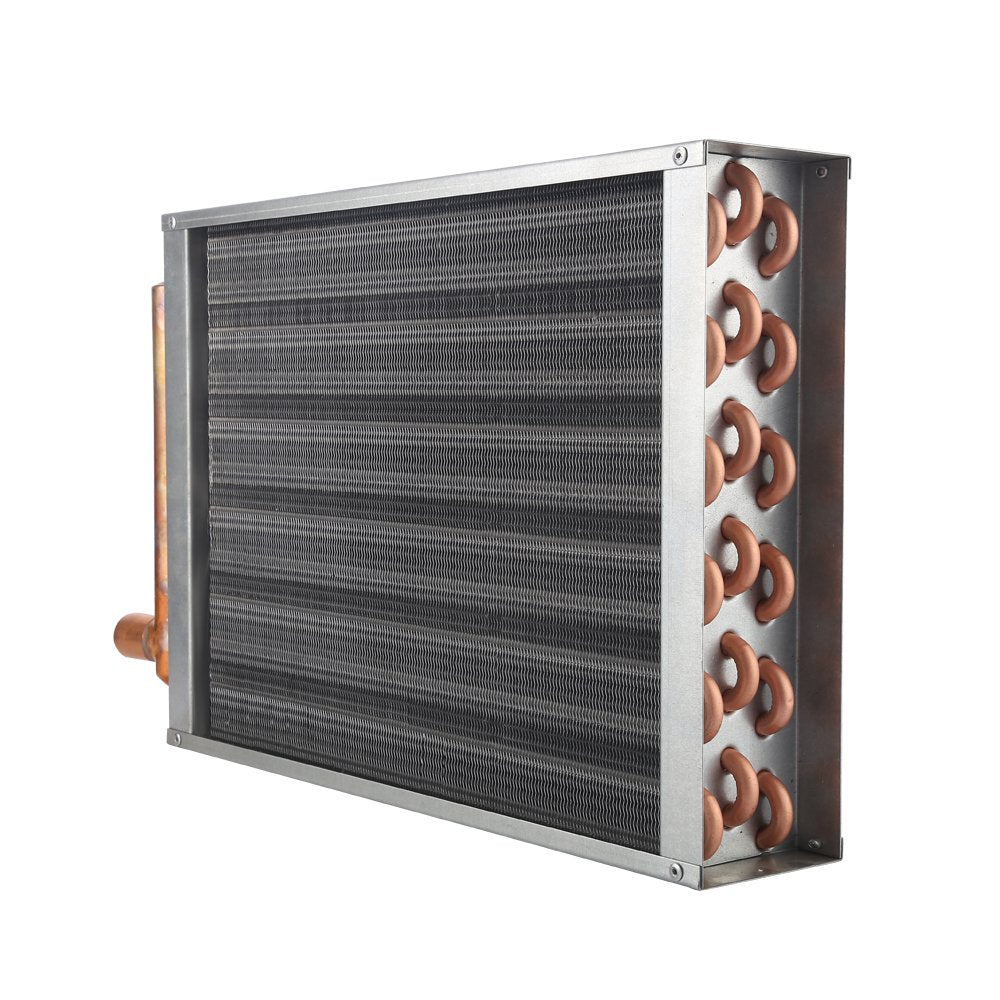
What Is an Air Cooled Heat Exchanger
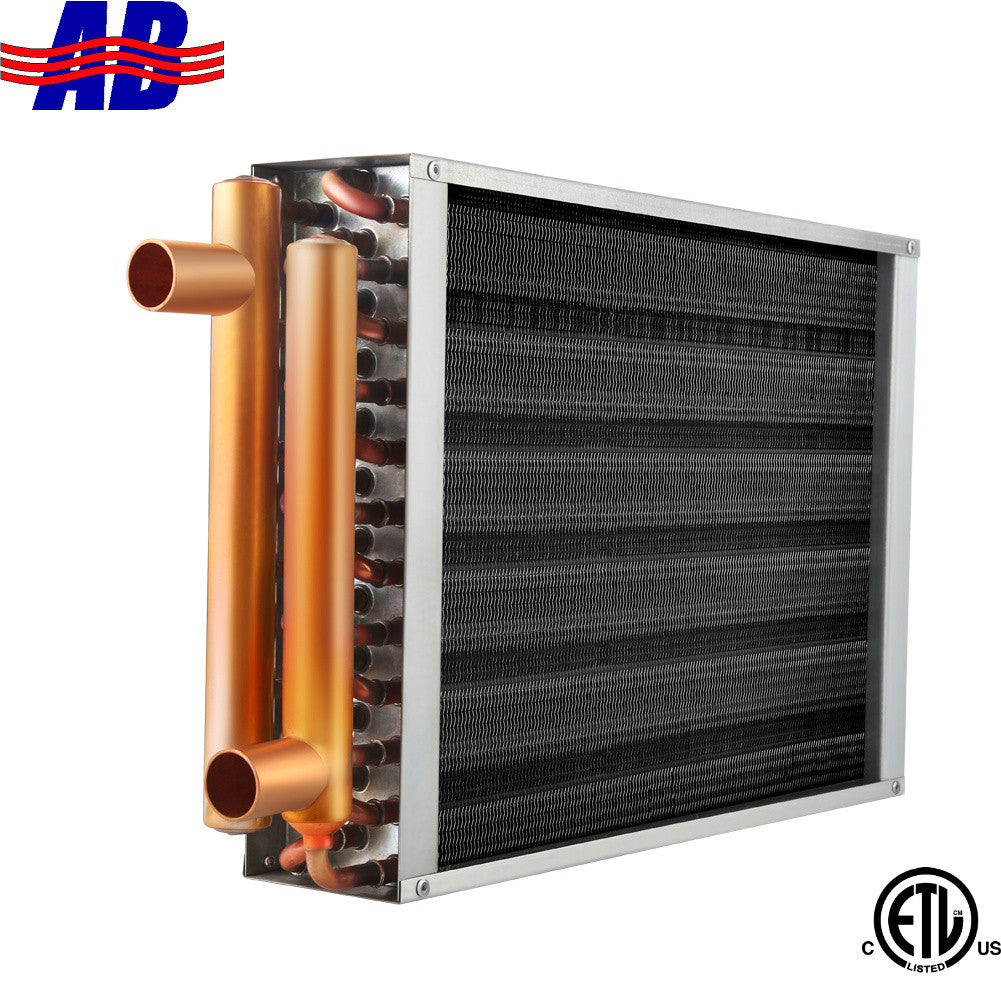
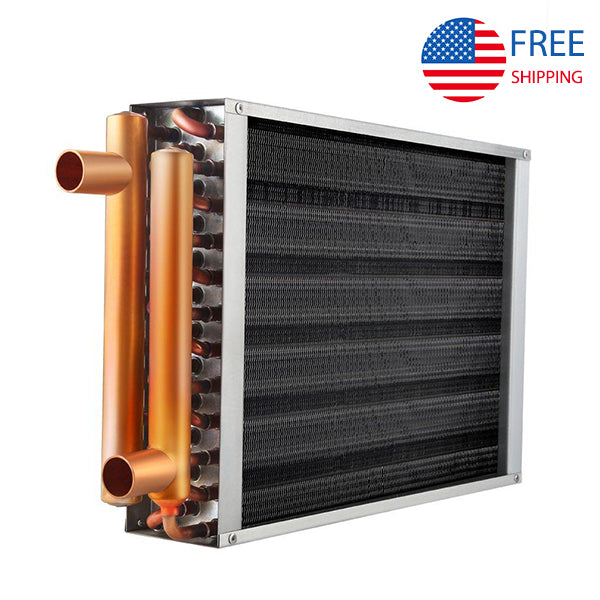
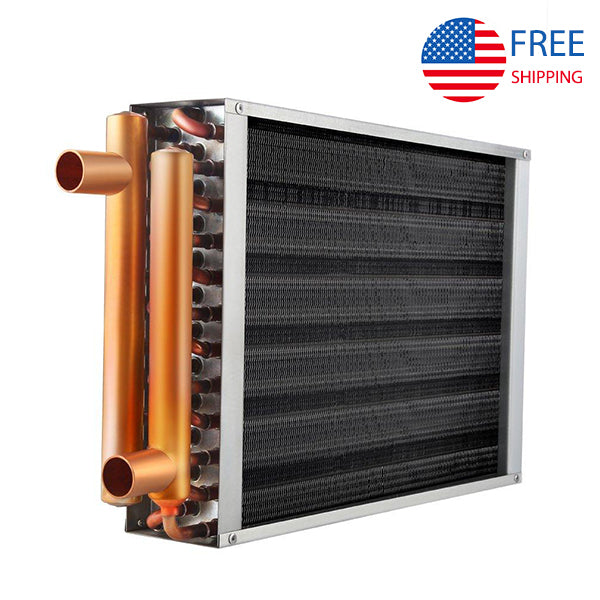
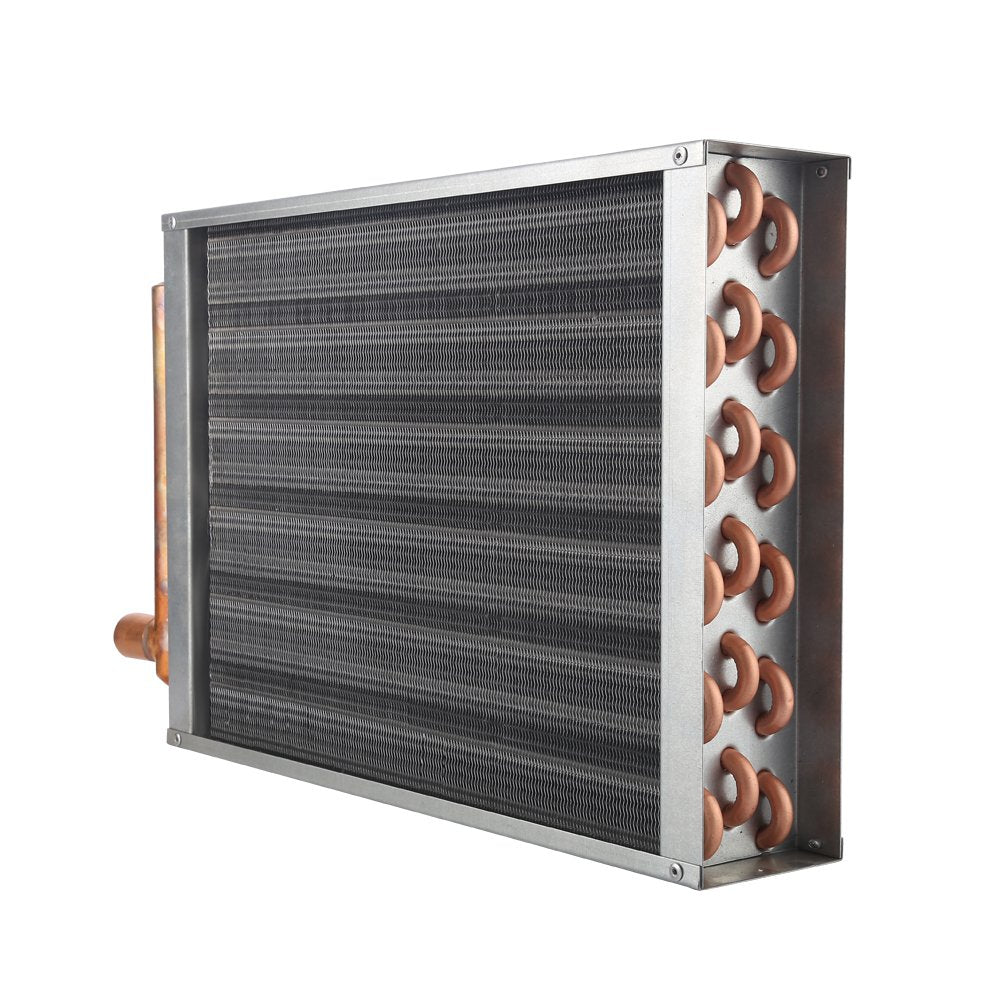
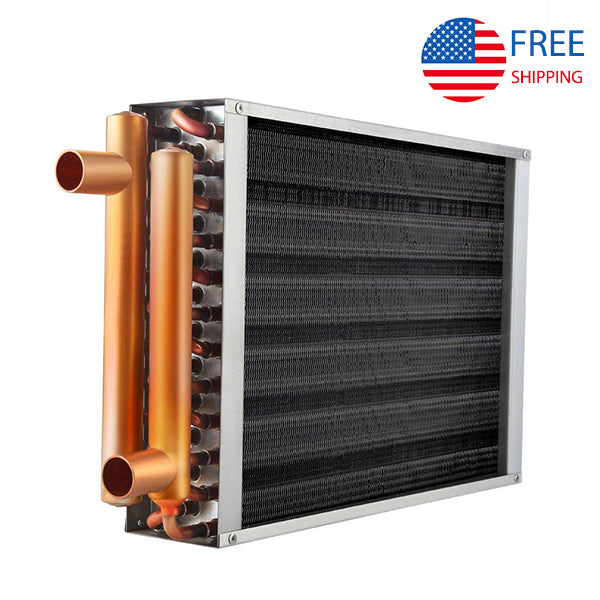
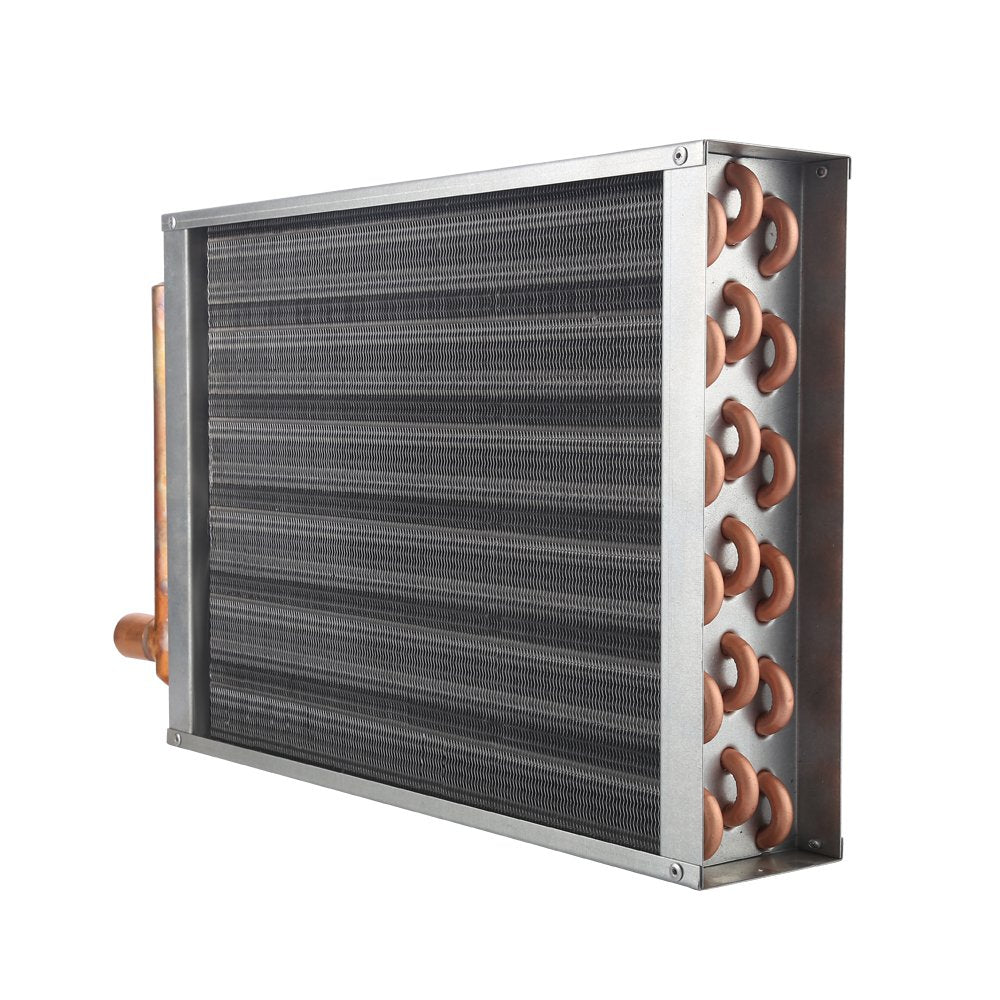
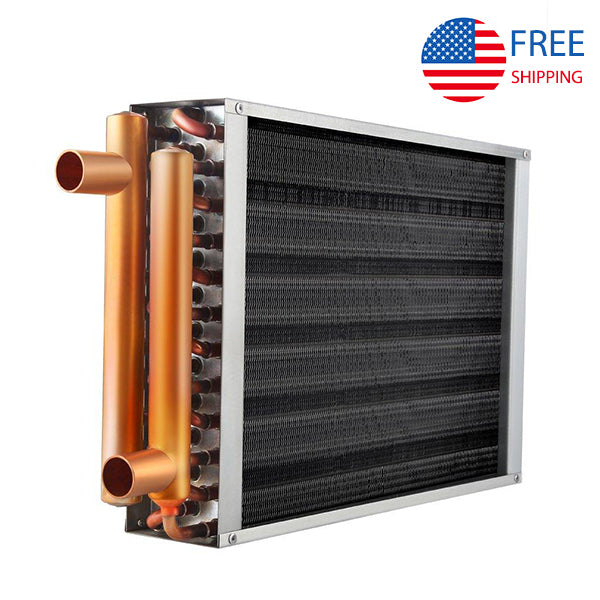
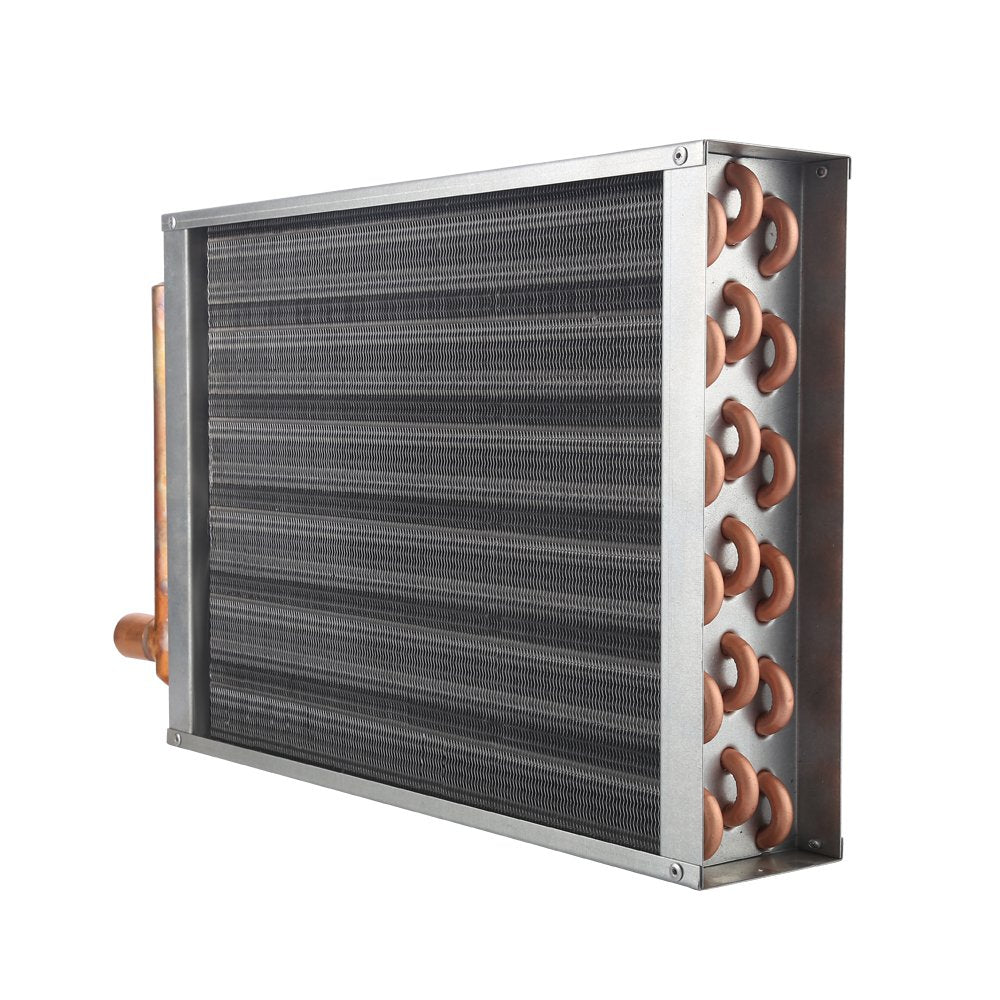
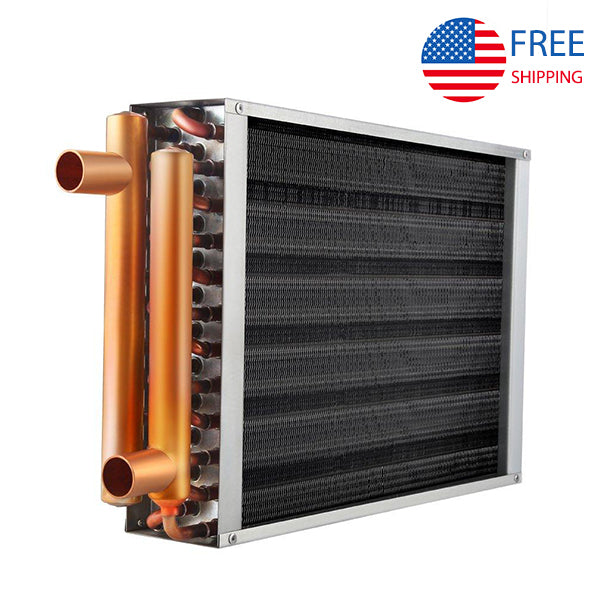
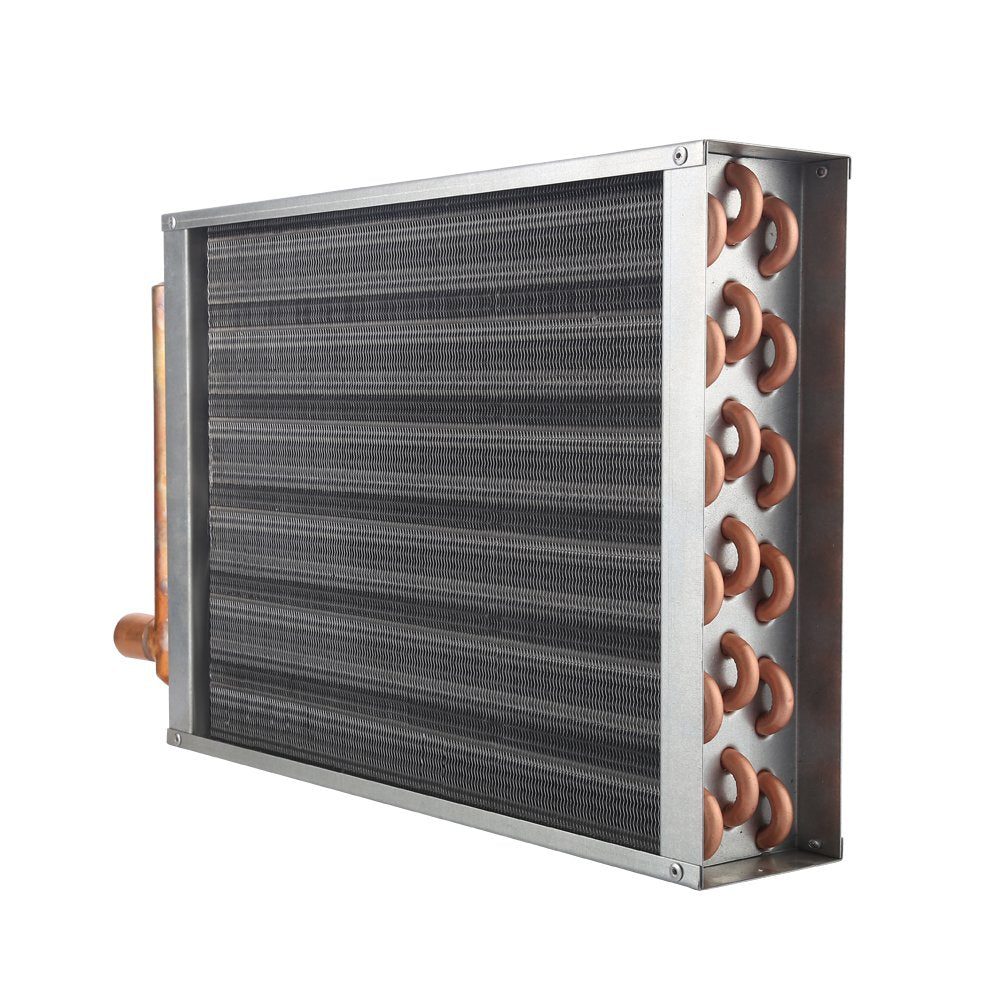
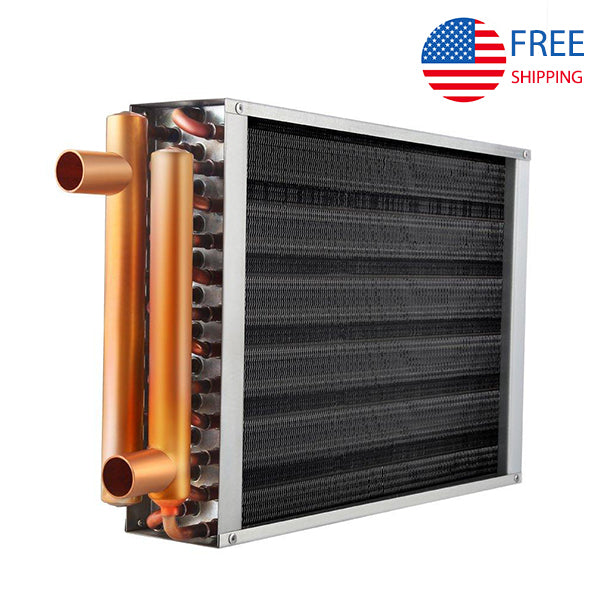
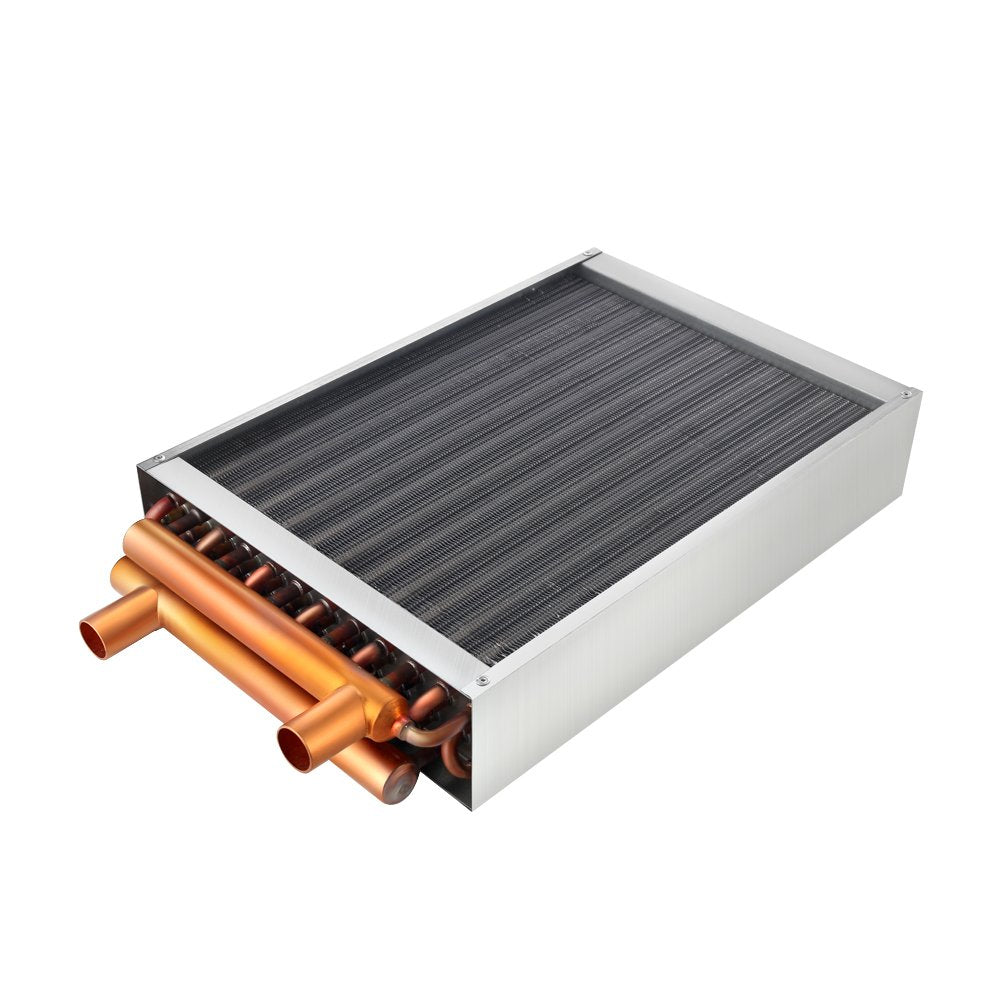
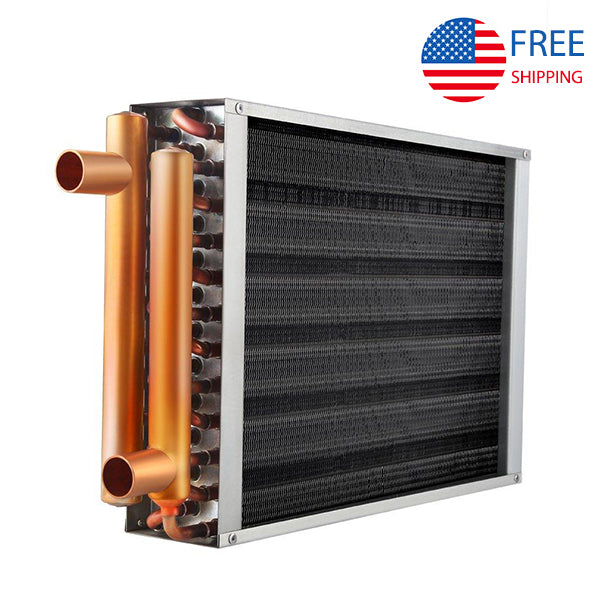
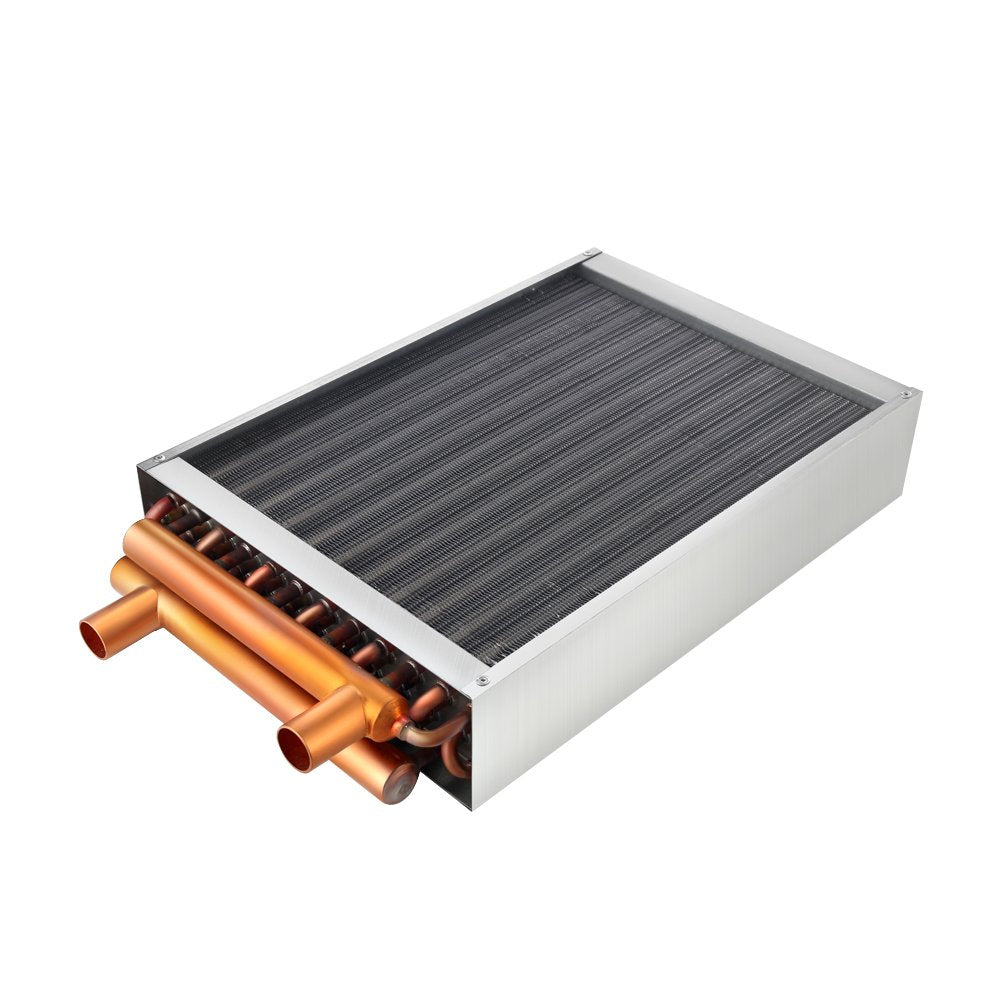
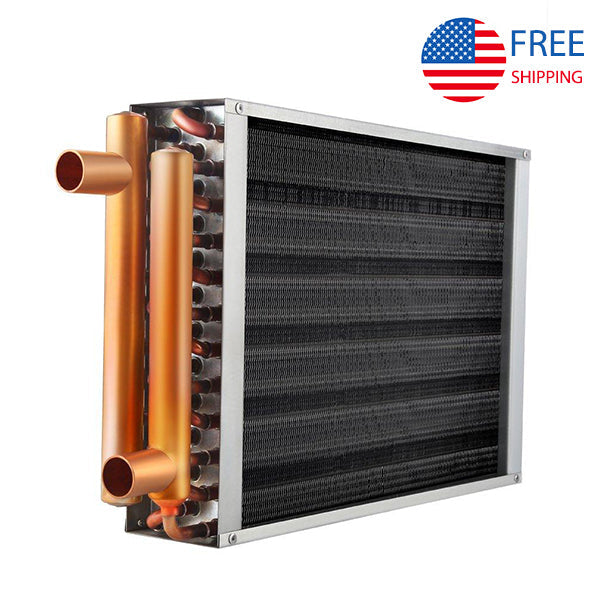
An air cooled heat exchanger is a device designed to transfer heat between a fluid and the surrounding air without using additional water for cooling. It is commonly used in industrial systems to maintain temperature control and ensure efficient thermal management. In many systems, air to water heat exchangers are a key type of air cooled heat exchanger, where air passes over tubes or plates containing water to remove or transfer heat. These systems are also referred to in some contexts as water to air systems, highlighting the direction of heat transfer.
Why Choose Air to Water Heat Exchangers
Air to water heat exchangers offer reliable temperature control and efficient heat transfer in industrial applications. They are designed for continuous operation under varying conditions, including changes in air temperature and water flow rate. These systems provide:
- Efficient heat transfer between water and air
- Compatibility with industrial systems requiring precise temperature regulation
- Use of ambient air as the cooling medium, supporting water to air systems applications
Applications of Air to Water Heat Exchangers
Air to water heat exchangers are widely applied in industrial and commercial environments where air cooling is required. Typical applications include:


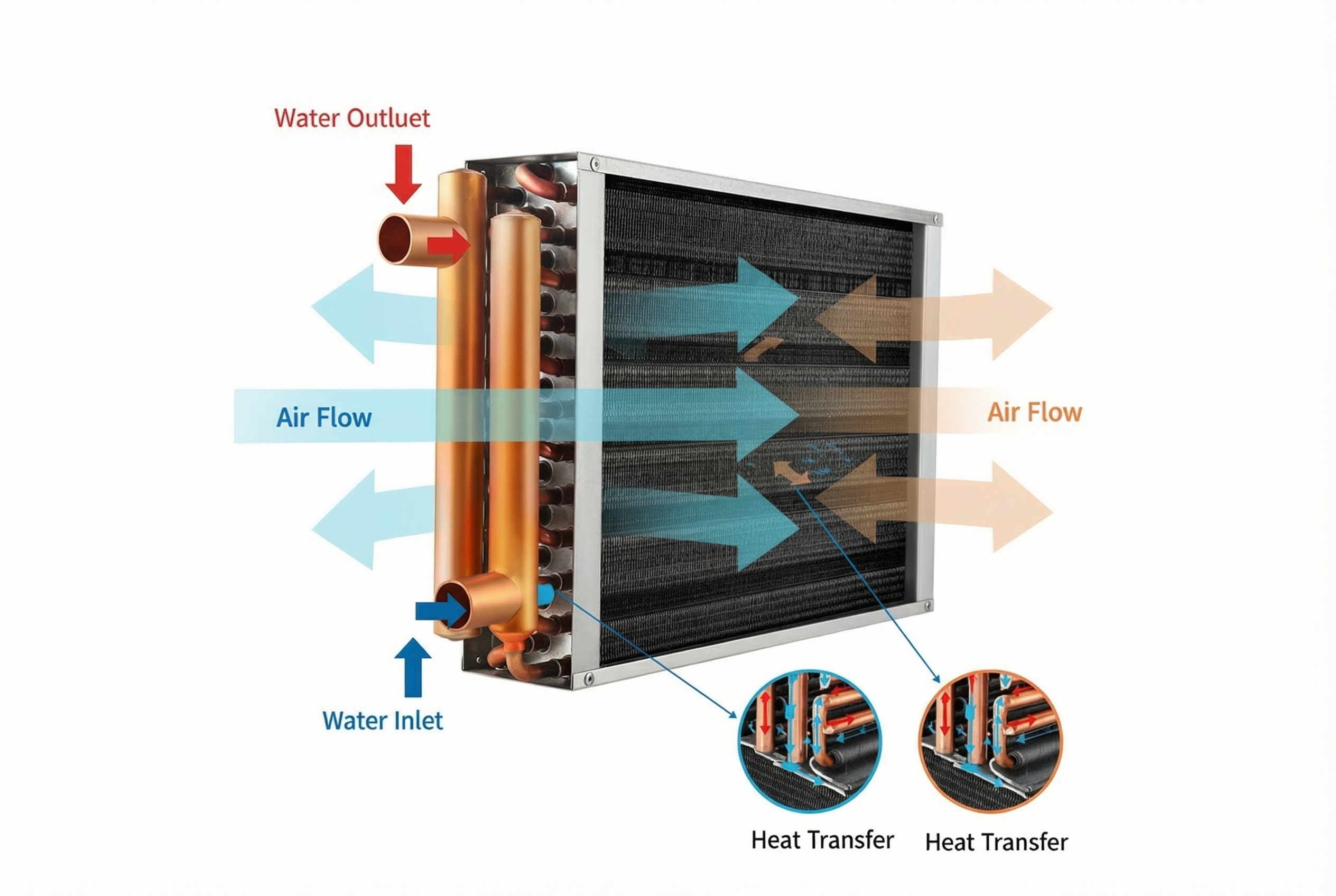
How Air to Water Heat Exchangers Work
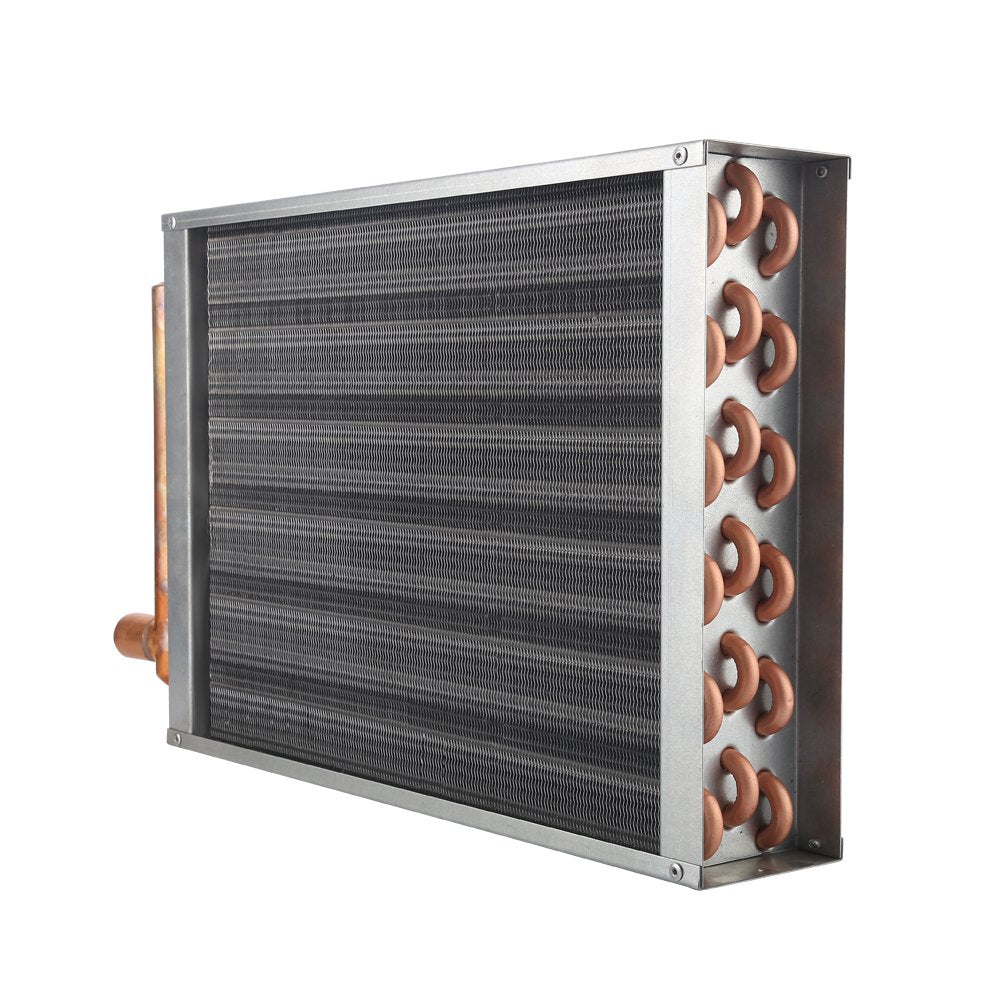
Air to water heat exchangers operate by allowing air to flow over a series of tubes or plates that contain water. Heat is transferred from the water to the air, or vice versa, depending on the system’s function. Fins or corrugated plates are often used to increase the surface area and improve thermal efficiency. This method allows the system to regulate water temperature effectively while relying on ambient air, reducing the need for additional energy inputs. Proper airflow design and sufficient surface area are critical factors for optimal performance in air cooled heat exchangers.
Key Considerations When Selecting an Air to Water Heat Exchanger
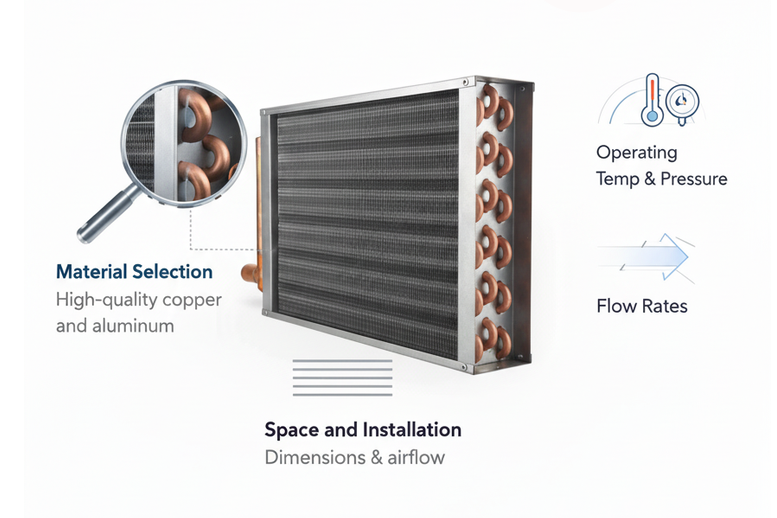
When selecting an air to water heat exchanger, several technical factors should be evaluated to ensure proper performance:
- Heat transfer requirements: The required thermal capacity based on system load
- Flow rates: Water and air flow rates to maintain optimal heat exchange
- Operating temperature and pressure: Ensure materials and design meet system conditions
- Material selection: Corrosion-resistant metals such as stainless steel or copper
- Space and installation constraints: Dimensions and airflow requirements for proper integration
These considerations are essential for designing efficient air cooled heat exchangers and ensuring effective water to air systems operation.
FAQ
An air cooled heat exchanger is a device that transfers heat from a fluid, such as water, to ambient air without requiring additional water for cooling. Air to water heat exchangers are a common type, using air to absorb heat from water in industrial or HVAC systems.
A water to air system typically uses water as the primary medium to cool or heat air. In contrast, an air to water heat exchanger transfers heat between water and ambient air, with air acting as the cooling medium. Both systems achieve temperature control but differ in the direction of heat transfer and fluid flow.
Key factors include required heat transfer capacity, water and air flow rates, operating temperature and pressure, material selection for corrosion resistance, and available installation space. Considering these ensures the air cooled heat exchanger performs efficiently in industrial or commercial applications.