
Why Choose Air Dryer Plate Heat Exchangers
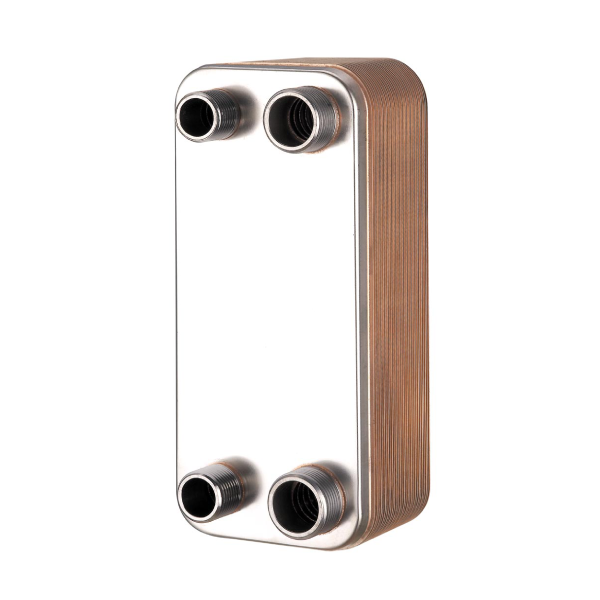
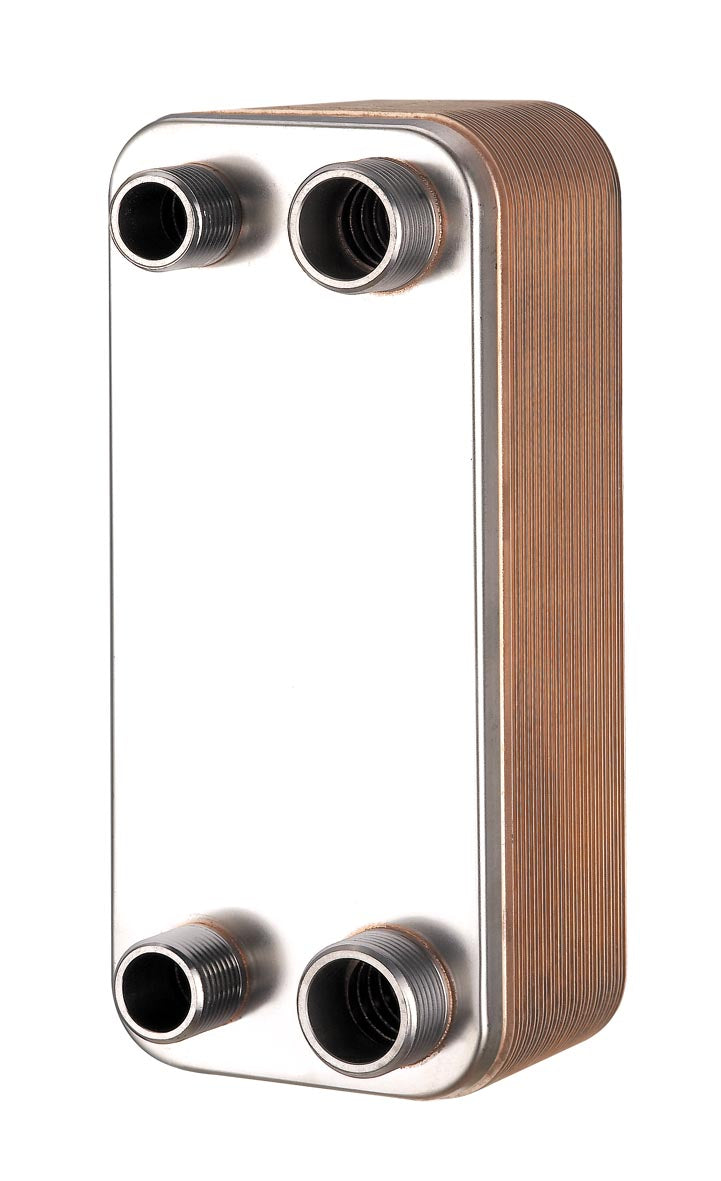
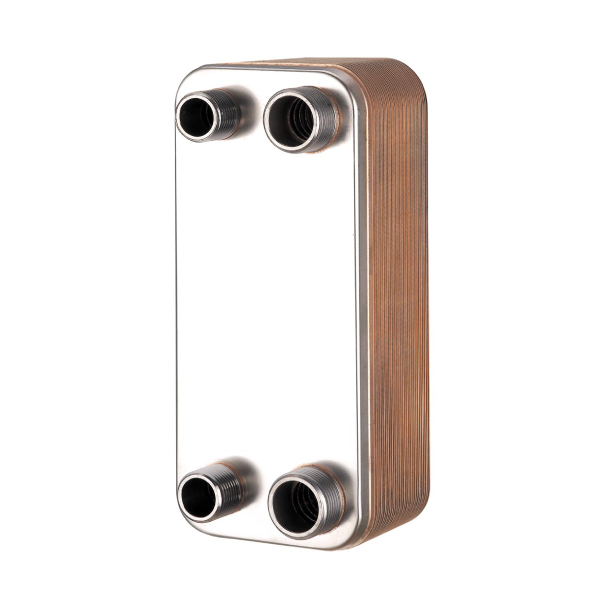
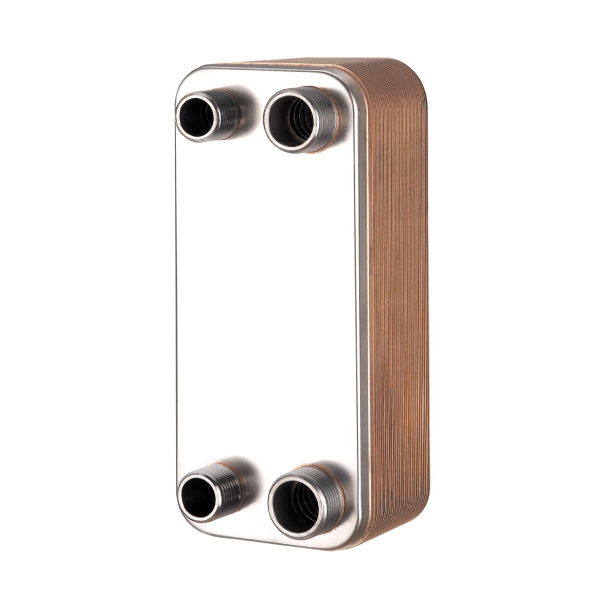
Air dryer plate heat exchangers are a specialized type of plate and frame heat exchangers designed to provide efficient heat transfer and stable thermal control in industrial compressed air systems. Their compact plate structure supports effective temperature exchange between compressed air streams while helping improve system efficiency, moisture removal performance, and operational reliability in refrigerated air dryer applications.
- High Heat Transfer Efficiency – Plate design creates turbulence for rapid cooling and moisture removal.
- Compact Design – Saves space in your air dryer system compared to shell-and-tube units.
- Energy-Efficient Operation – Optimized flow reduces energy use and operating costs.
- Durable and Corrosion-Resistant Materials – Stainless steel or copper plates ensure long service life.
- Low Maintenance – Easy to clean and inspect without complex disassembly.
- Reliable Performance – Provides consistent dry air output to protect downstream equipment.
Typical Applications of Air Dryer Plate Heat Exchangers
Air dryer plate heat exchangers efficiently remove moisture and reduce air temperature, making them essential for a wide range of compressed air systems.


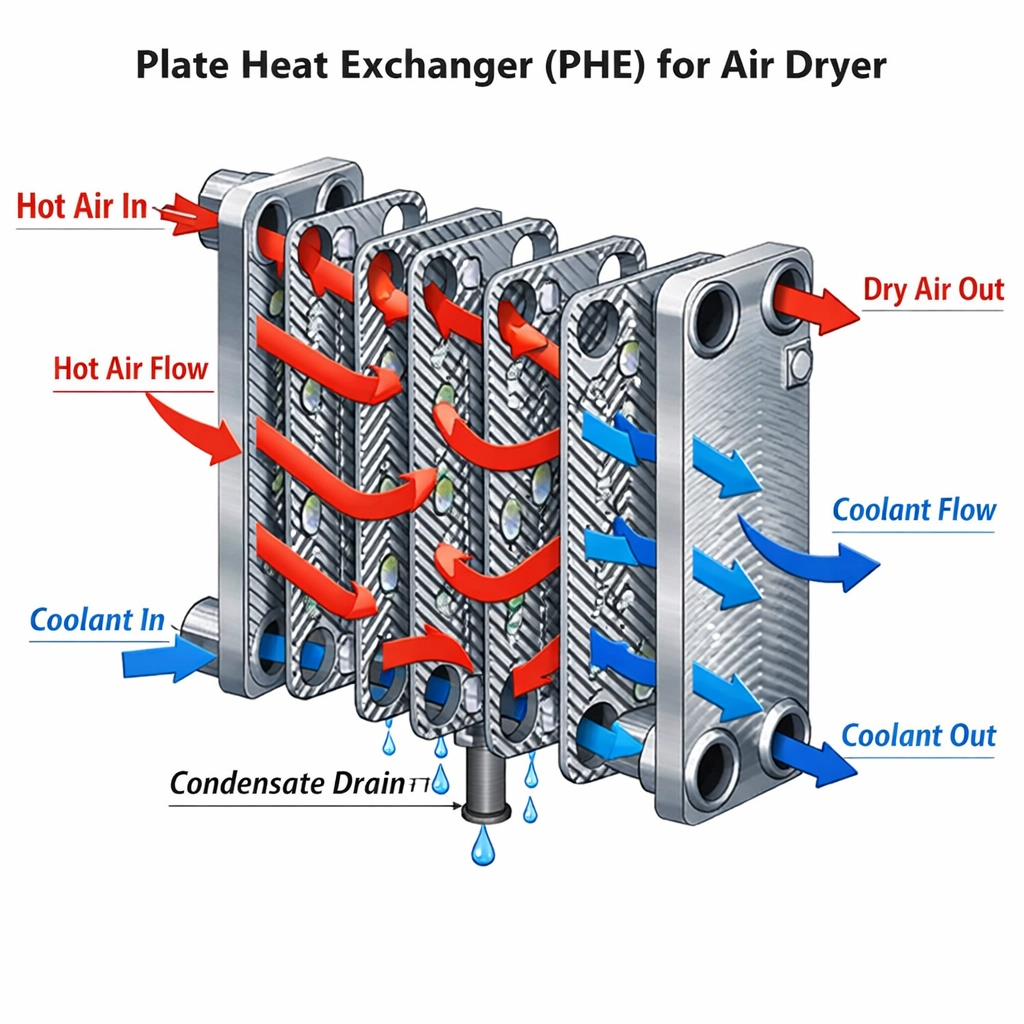
How Air Dryer Plate Heat Exchangers Work
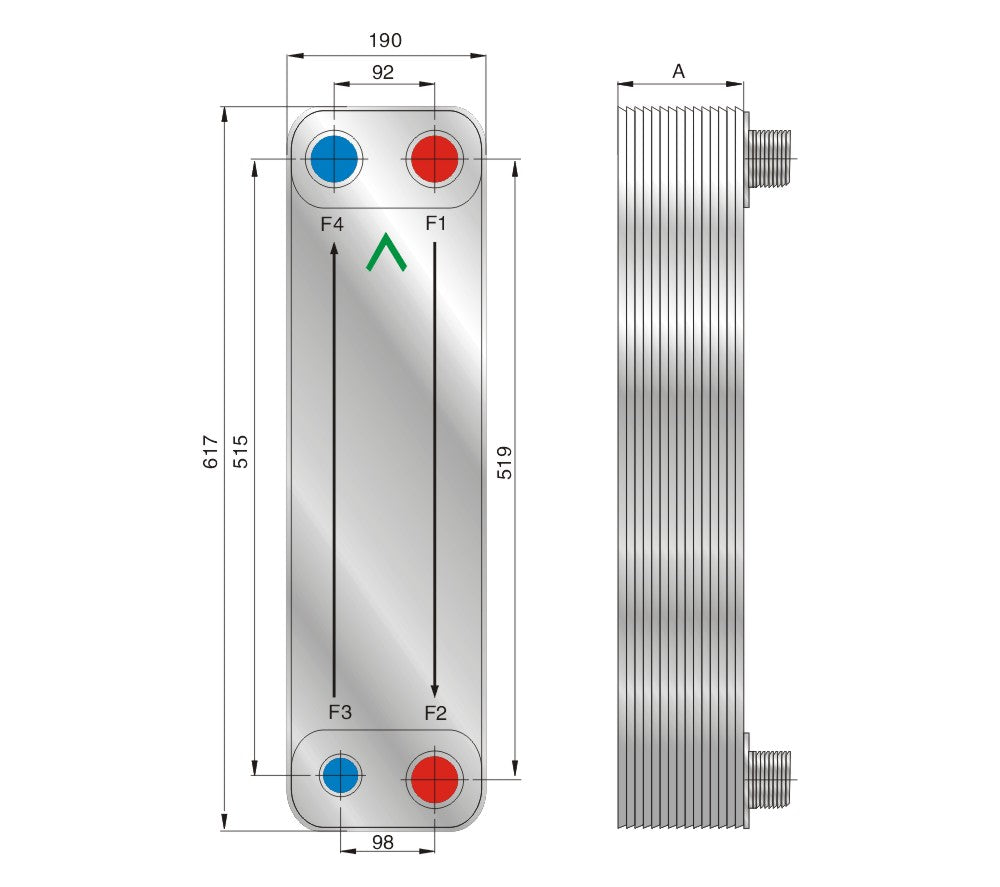
Air dryer plate heat exchangers work by directing hot compressed air from compressors or dryer systems through a series of thin, corrugated plates, while a cooling medium—such as water, glycol, or another refrigerant—flows through adjacent channels. The corrugated plate design creates turbulence, maximizing heat transfer efficiency, which lowers the air temperature and causes moisture to condense. This condensed moisture is removed, ensuring that the air exiting the system is dry and stable. By effectively cooling and dehumidifying compressed air, plate heat exchangers protect downstream equipment, improve system performance, and maintain reliable operation in continuous-duty industrial applications.
How to Select the Right Air Dryer Plate Heat Exchanger
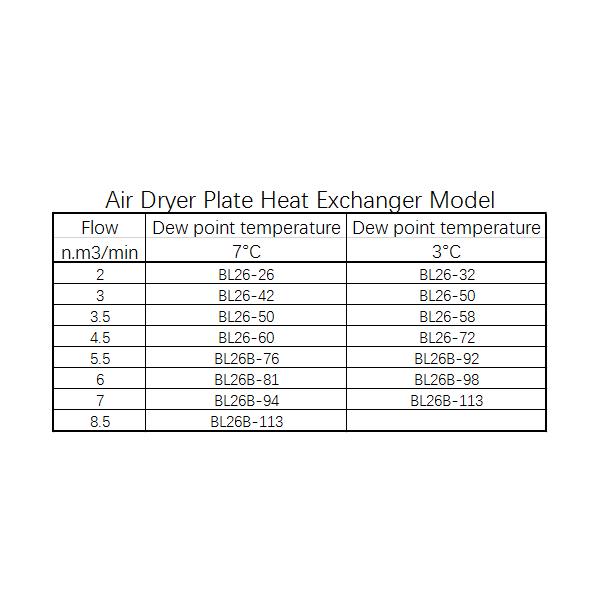
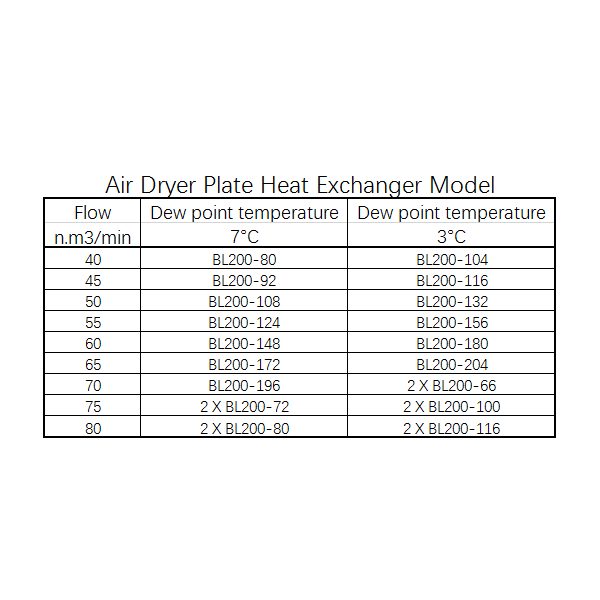
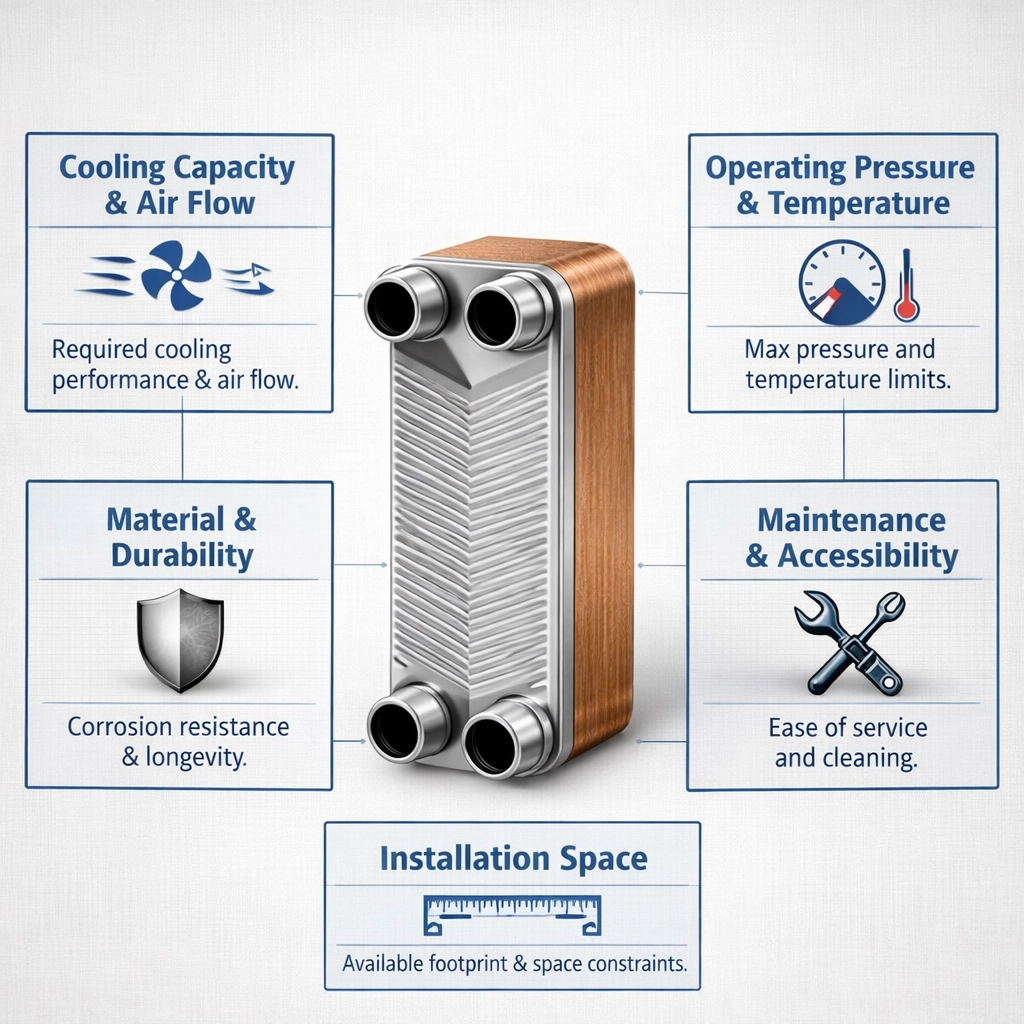
Choosing the right air dryer plate heat exchanger is key to keeping your compressed air system efficient, reliable, and long-lasting. Focus on these five essential factors to ensure optimal performance:
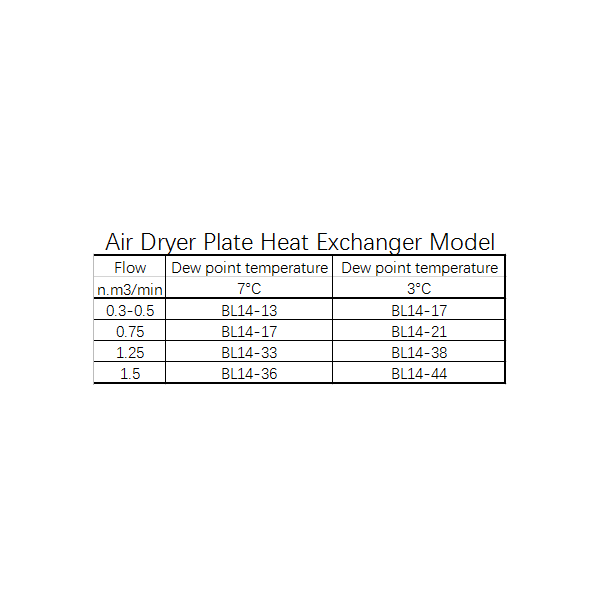
- Cooling Capacity & Air Flow – Make sure the exchanger can handle your system’s heat load and airflow requirements.
- Operating Pressure & Temperature – Verify it suits your system’s maximum pressure and inlet air temperatures.
- Installation Space – Select a compact design that fits your available space.
- Material & Durability – Stainless steel or copper plates offer better corrosion resistance and longevity.
- Maintenance & Accessibility – Consider how easy it is to inspect, clean, and service the unit.
By checking these key aspects, you can choose an exchanger that maximizes efficiency, protects equipment, and minimizes downtime.
FAQ
A plate heat exchanger efficiently removes heat and moisture from compressed air. This not only keeps your system running smoothly but also protects downstream equipment, reduces wear on air tools, and prevents moisture-related damage.
Selecting the right exchanger depends on your airflow, cooling needs, operating pressure, and inlet air temperature. Ensuring these match your system specifications guarantees optimal performance, prevents overheating, and avoids excessive pressure drop.
Regular maintenance keeps your exchanger performing at its best. Inspect and clean the plates every 6–12 months, depending on usage and air quality, to remove buildup, maintain efficiency, and extend the life of your unit.