

Why Choose Plate Oil Coolers
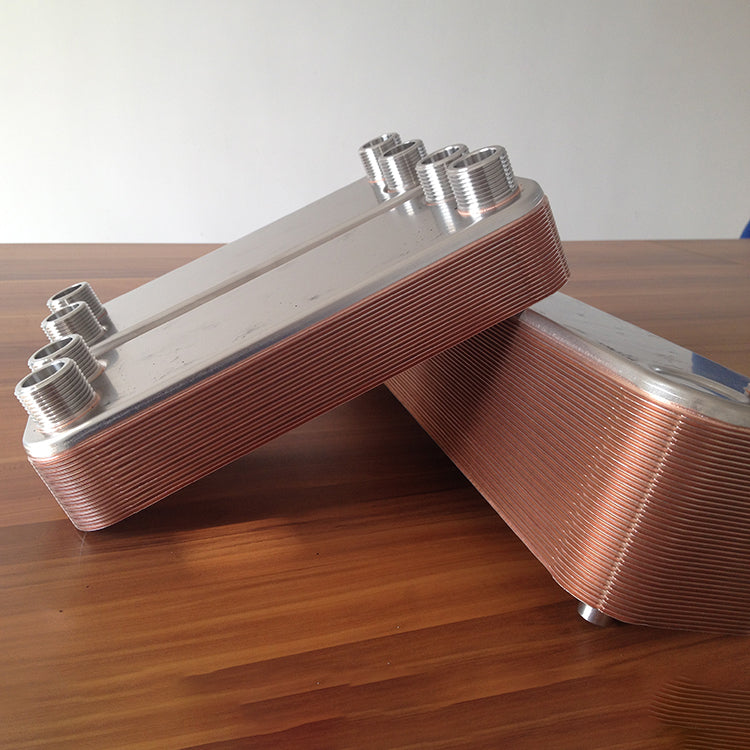
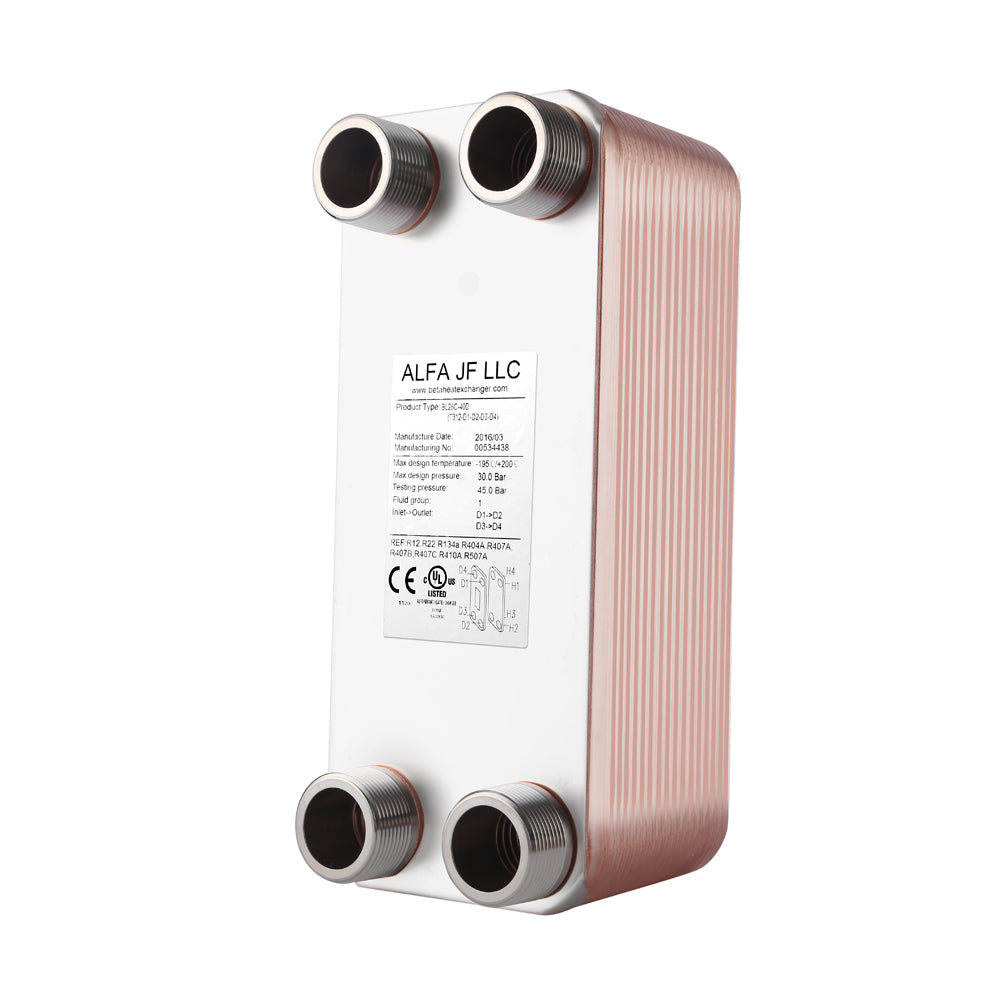
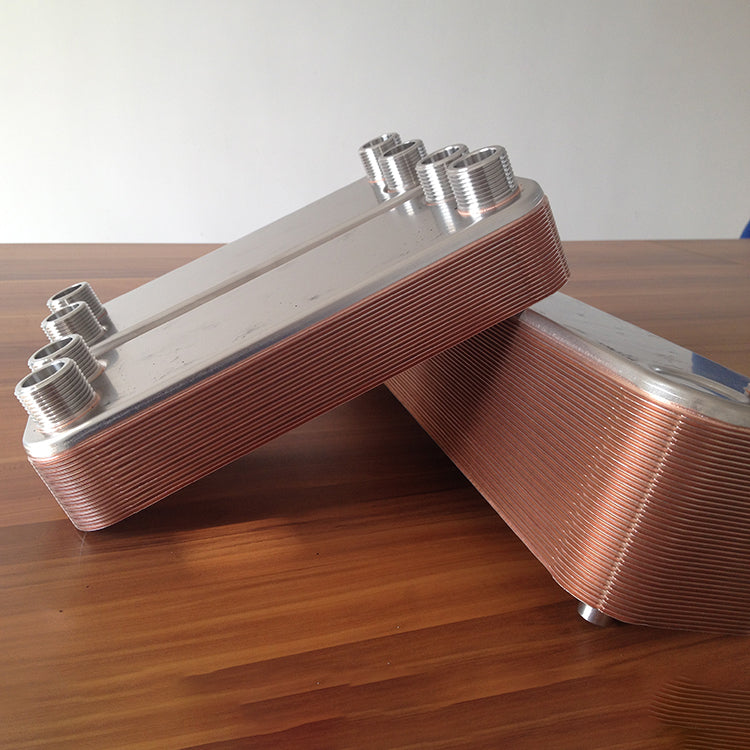
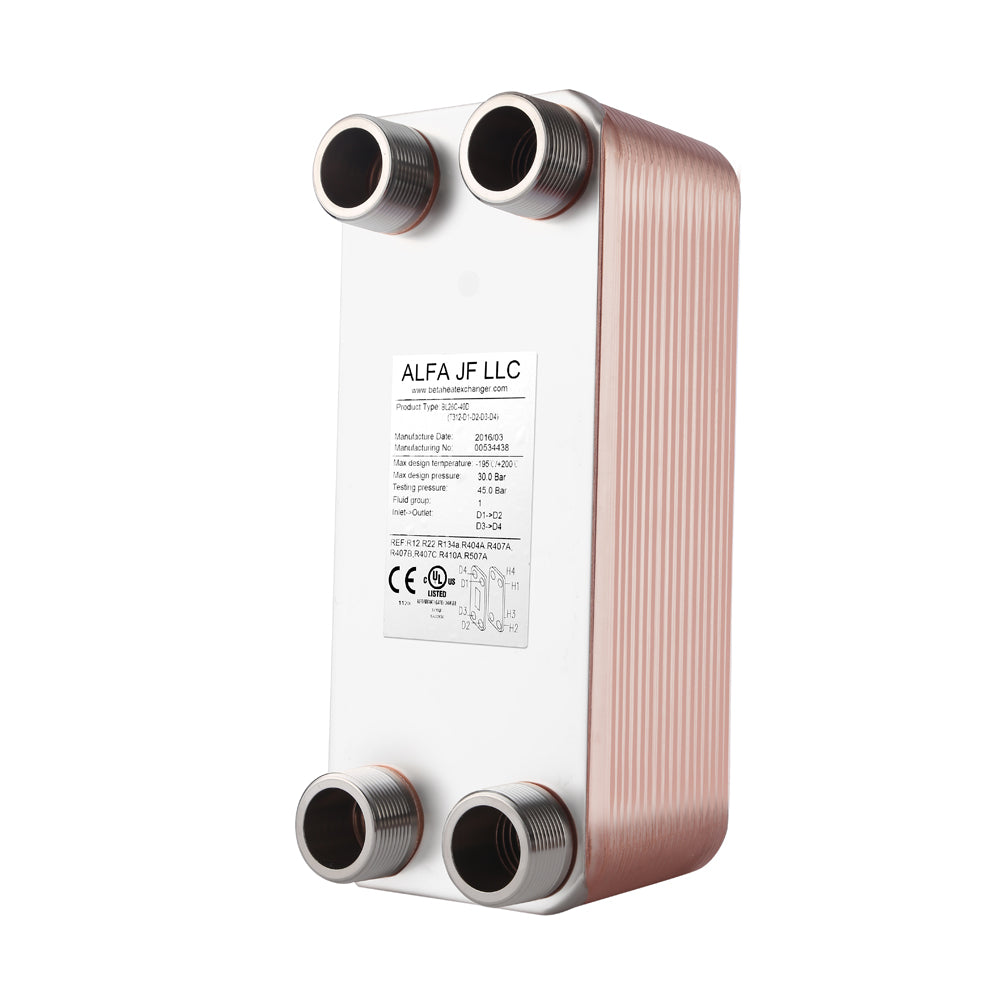
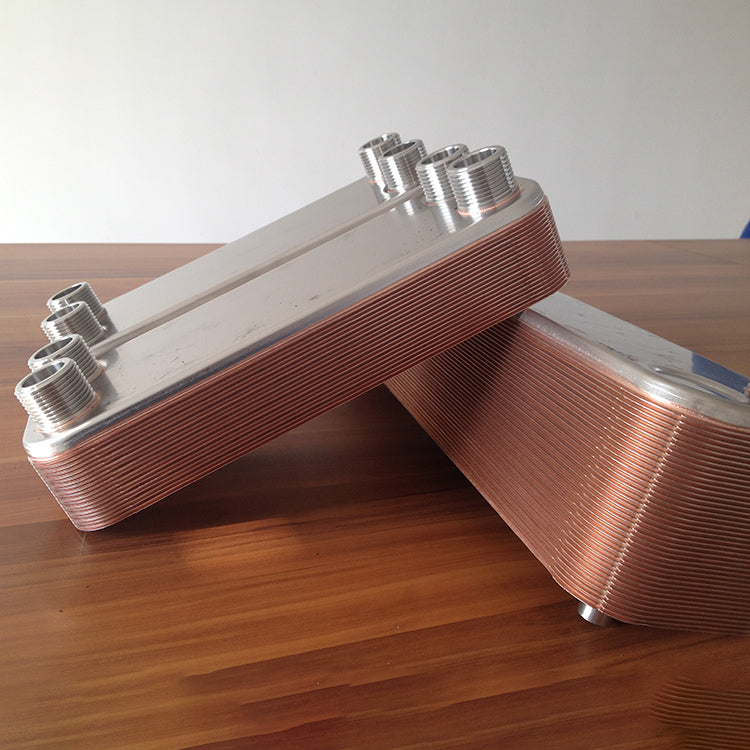
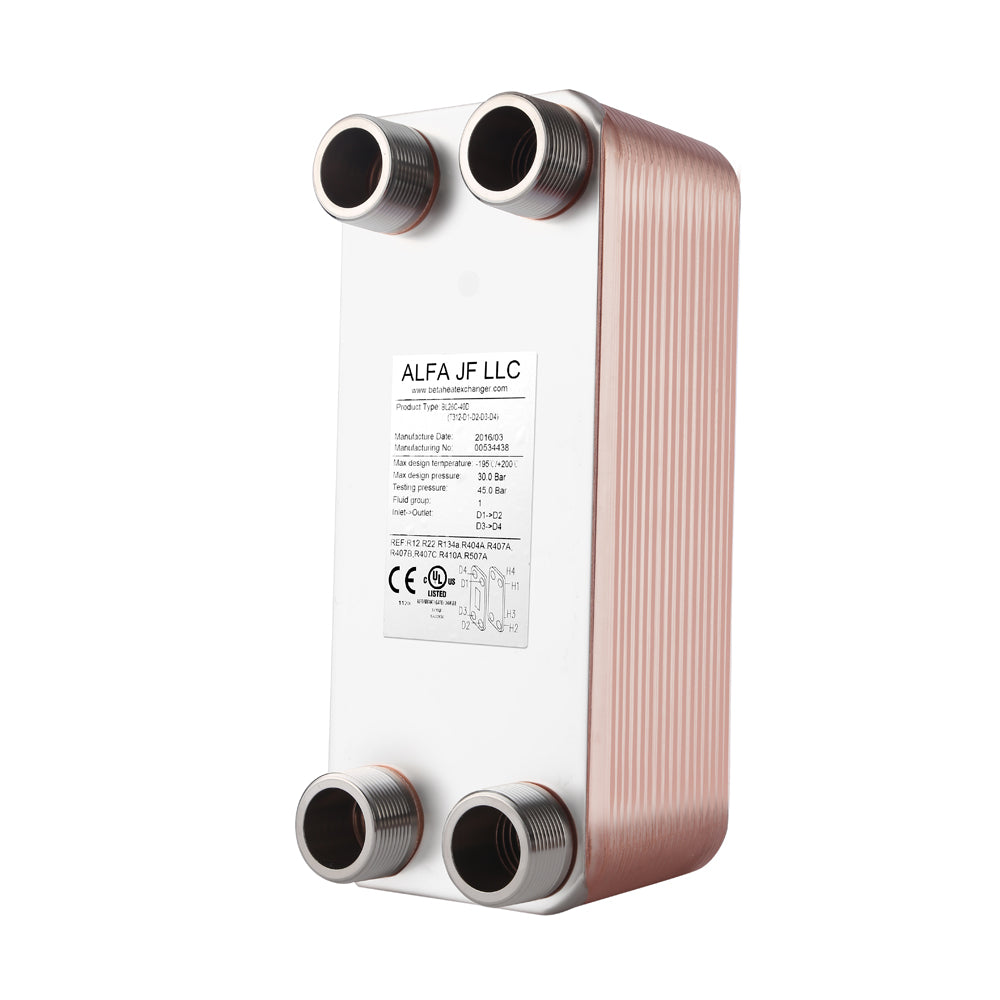
Plate oil coolers are a compact type of plate heat exchangers widely used in industrial, hydraulic, and lubrication systems due to their efficient heat transfer performance, compact size, and reliable operation. Compared with traditional cooling solutions, they provide stable oil temperature control while reducing installation space and maintenance requirements. Their plate heat exchanger design promotes efficient thermal transfer, helping protect hydraulic equipment, industrial machinery, and lubrication systems under varying operating conditions.
- High Heat Transfer Efficiency - Plate oil coolers use corrugated plate channels to create strong fluid turbulence, significantly improving heat transfer performance. This allows faster heat removal and helps maintain stable oil temperature under continuous operation.
- Compact & Space-Saving Design - The plate structure provides a large heat transfer surface within a small footprint. This compact design makes plate oil coolers ideal for installations where space is limited, such as hydraulic power units and industrial machinery.
- Low Maintenance Requirements - With fewer internal components and a simplified structure, plate oil coolers require minimal maintenance during long-term operation. This helps reduce downtime, maintenance costs, and overall system operating expenses.
- Suitable for High-Pressure Systems - Plate oil coolers are designed to withstand high operating pressures commonly found in hydraulic and industrial systems. Their durable construction ensures reliable performance and long service life in demanding environments.
Typical Applications of Oil Coolers
Plate oil coolers are widely used in hydraulic, HVAC, and marine systems where reliable temperature control is critical for maintaining system performance, efficiency, and equipment lifespan. Below are the most common application scenarios supported by plate oil coolers.


How Plate Oil Coolers Work
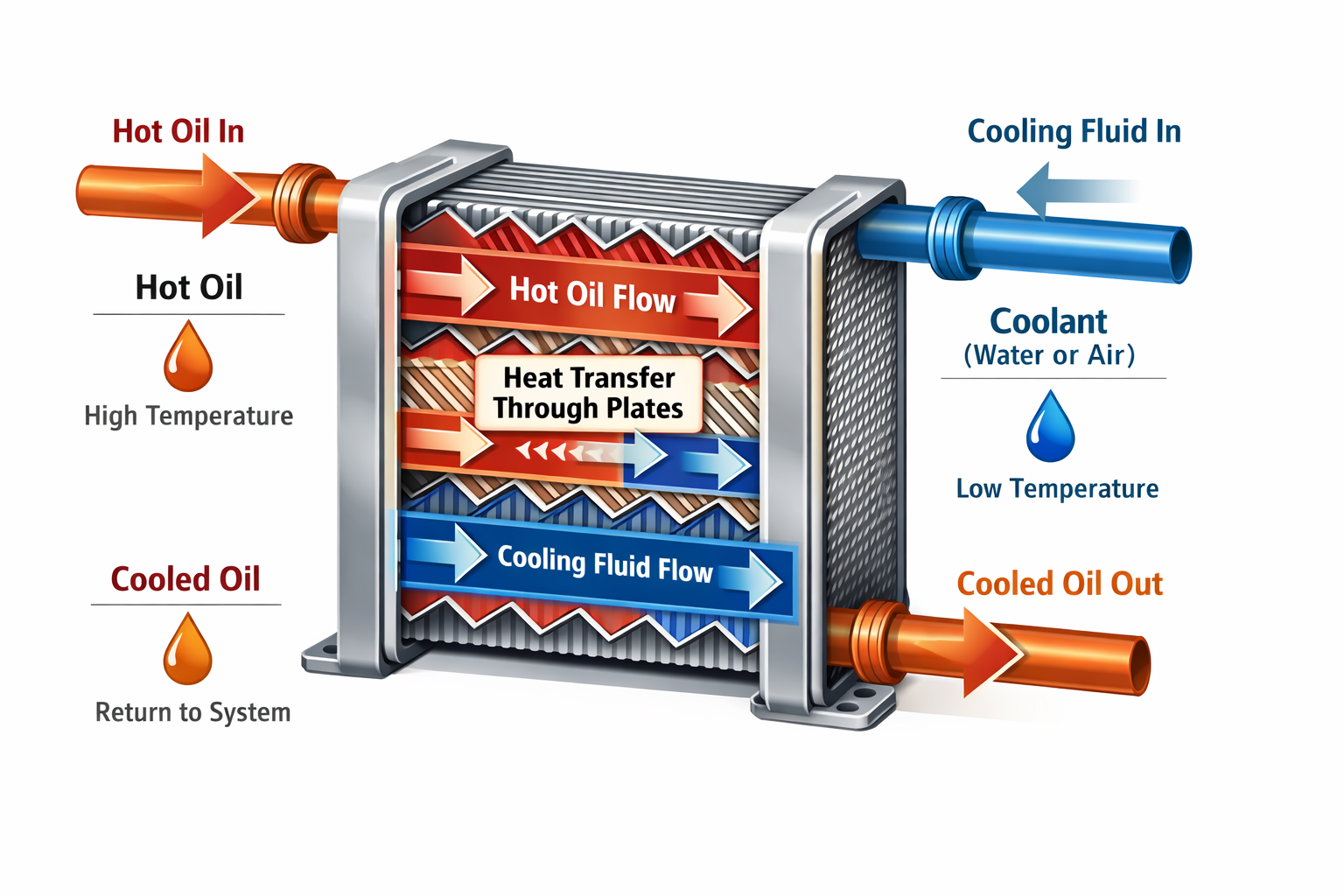
Plate oil coolers remove heat from hot oil by transferring it to a cooling medium, typically water or air, through a series of thin metal plates. The fluids flow in separate channels, allowing efficient heat exchange without mixing.
The corrugated plate design creates turbulence, which improves heat transfer efficiency and ensures stable oil temperature during continuous operation.
Basic working process:
- Hot oil flows into the cooler
- Cooling fluid circulates through adjacent channels
- Heat transfers across the plate surfaces
- Cooled oil returns to the system
How to Select the Right Plate Oil Cooler
- Required Cooling Capacity – Determine the heat load your system generates to ensure the cooler can maintain optimal oil temperature.
- Oil Type and Viscosity – Match the cooler to the specific oil type; higher viscosity oils may need larger flow channels.
- Flow Rate & Pressure Drop – Ensure the cooler can handle your system’s oil flow without causing excessive pressure drop.
- Installation Space – Consider physical dimensions and mounting constraints to fit the cooler into your system layout.
- Operating Temperature – Verify the cooler’s materials and design can withstand the maximum and minimum operating temperatures of your application.
FAQ
The correct size depends on your system’s heat load, oil flow rate, and operating temperature. In general, larger systems or high-temperature applications require a cooler with greater heat transfer capacity. Consulting system specifications or a thermal calculation is recommended for accurate sizing.
Maintenance frequency depends on oil quality, operating conditions, and contamination levels. Most industrial systems benefit from inspection and cleaning every 6–12 months to maintain optimal heat transfer efficiency and prevent blockage or pressure drop.
A plate oil cooler uses stacked metal plates to provide high heat transfer efficiency in a compact size, while a shell and tube cooler uses tubes inside a cylindrical shell. Plate coolers are typically more compact and efficient, whereas shell and tube designs are often preferred for very high-pressure or heavy-duty environments.