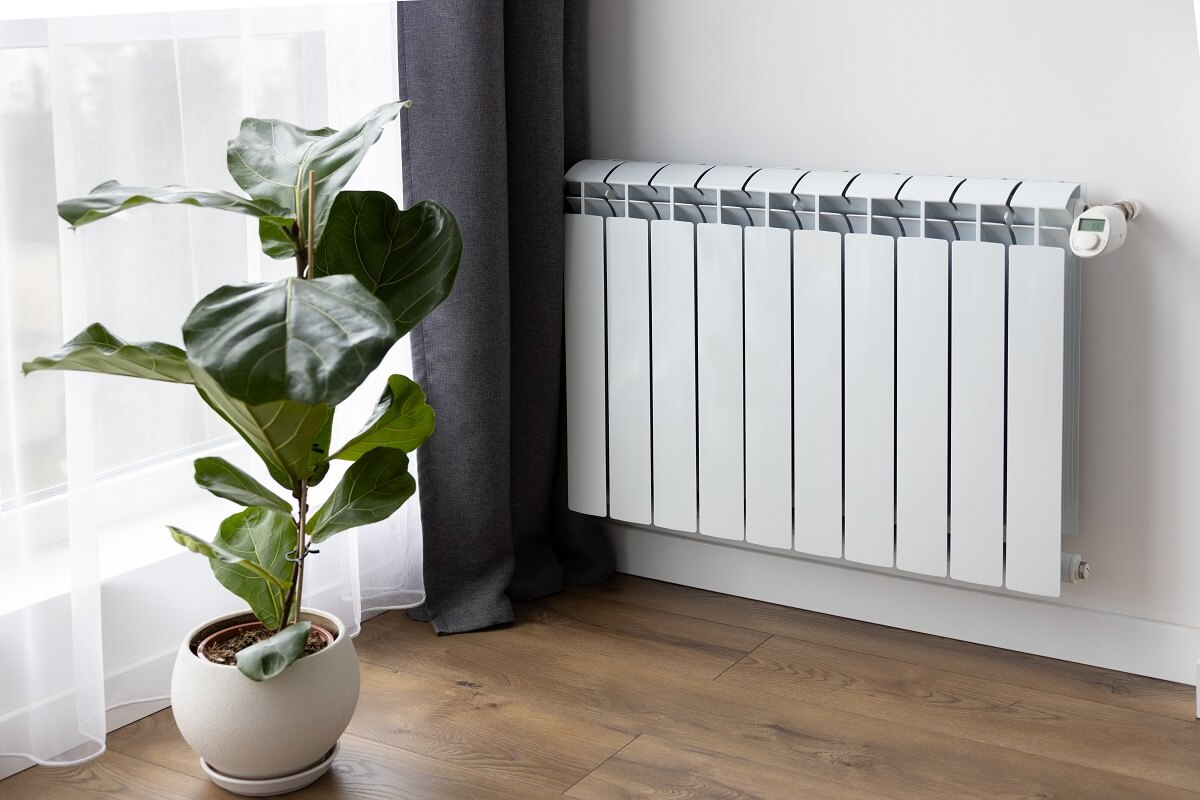
Aluminum and steel radiators differ in heat output, cost structure, and long-term performance.
From the article, you will learn:
- Key differences in heat transfer between aluminum and steel radiators
- How material choice affects installation and system compatibility
- Cost factors over purchase, operation, and lifespan
- Maintenance requirements for both radiator types
- Performance in modern and traditional heating systems
- Weight, durability, and corrosion resistance comparison
- How to select the best radiator for your specific application
- Energy efficiency differences in real operating conditions
Aluminum vs. steel radiators – core material differences explained
The comparison of aluminum vs. steel radiators begins with material behavior under heat load and water flow. Aluminum transfers heat faster due to its higher thermal conductivity, while steel retains heat longer once warmed. Aluminum radiators respond quickly to thermostat changes. This makes them suitable for systems that require dynamic temperature control, such as modern homes with programmable heating. Steel radiators, in contrast, heat up more slowly but maintain temperature stability over time. Weight also differs significantly. Aluminum units are lighter, which simplifies installation and reduces structural load on walls. Steel models are heavier and often require stronger mounting. Corrosion behavior must be considered. Aluminum reacts differently depending on the water chemistry, especially in mixed-metal systems. Steel radiators are more tolerant of varied water conditions but may require internal coatings to prevent rust over time. Understanding these core differences helps answer the broader question of which radiators are better, aluminum or steel, depending on system design and usage.
Heat output and responsiveness in daily use
Heat output depends on conductivity, surface area, and system temperature. In an aluminum radiator vs. steel radiator comparison, aluminum provides faster heat emission, which improves responsiveness in intermittent heating cycles.
Thermal conductivity and reaction time
Aluminum reaches operating temperature quickly. This reduces the delay between system activation and room heating. Steel takes longer to heat but cools more gradually once the system shuts off. This distinction matters in environments with frequent temperature adjustments. Offices, for example, benefit from rapid heating cycles, while residential systems with constant temperatures may favor slower heat release.
Heat retention vs. heat delivery speed
Steel radiators retain heat longer due to material density. This can stabilize room temperature, reducing fluctuations. Aluminum focuses on delivering heat quickly rather than storing it. When evaluating steel vs. aluminum radiator efficiency, it is important to distinguish between short-term responsiveness and long-term heat retention. Each performs differently depending on the control strategy.
Cost comparison of purchase and operation
Initial price differences between aluminum and steel radiators vary by design, size, and manufacturer. Aluminum radiators often have a higher upfront cost due to material and production methods. However, operational cost must also be considered. Faster heat transfer in aluminum can reduce energy consumption in systems that cycle frequently. Steel radiators may lead to longer heating periods, depending on system control.
Installation and logistics costs
Aluminum radiators reduce labor time due to lower weight and easier handling. This can lower installation costs, especially in multi-unit projects. Steel units may require additional support structures. Transport costs also differ. Lighter aluminum units are easier to ship and handle, which can be beneficial for large-scale installations.
Lifecycle cost considerations
Over time, maintenance and durability influence total cost. Steel radiators may require corrosion management, while aluminum systems require attention to water chemistry compatibility. When evaluating the best radiator material for heating, total lifecycle cost provides a more accurate comparison than initial price alone.
Durability, corrosion, and system compatibility
Material durability depends on environmental conditions and system design. Aluminum is resistant to surface corrosion but sensitive to certain chemical reactions within heating systems. Steel radiators are structurally robust but more prone to rust if internal protection is compromised. Closed-loop systems with treated water significantly reduce this risk. Compatibility with existing systems is critical. Mixed-metal systems require careful design to prevent galvanic corrosion. Aluminum radiators often need inhibitors or system isolation to maintain performance. These factors directly influence decisions in aluminum vs. steel radiator comparisons, especially in retrofit projects. At Alfa Heating, system compatibility is addressed through pre-validated configurations that reduce installation risks and performance issues.
Weight, installation, and design flexibility
Weight impacts both installation complexity and placement options. Aluminum radiators are easier to mount on various wall types, including lightweight structures. Steel radiators, while heavier, often come in more traditional panel designs. Aluminum offers modular configurations, allowing adjustments in size and output.
Structural considerations during installation
Wall strength must be evaluated before installing steel radiators. Reinforcement may be required in some cases. Aluminum units reduce this requirement. This difference is important in renovation projects where structural modifications are limited.
Design and sizing flexibility
Aluminum radiators allow more flexible sizing due to sectional construction. Steel radiators typically come in fixed sizes, which may limit customization. This affects both performance tuning and spatial planning within a building.
Choosing the best radiator material for your system
Selecting between aluminum and steel depends on system type, usage pattern, and installation conditions. There is no universal answer to which radiators are better, aluminum or steel, but clear criteria guide the decision. For fast-response systems with variable heating schedules, aluminum is often the better choice. In stable, continuous-heating environments, steel provides consistent output. System water quality, installation constraints, and long-term maintenance plans should also be evaluated. The comparison between an aluminum radiator and a steel radiator must include both technical and operational factors. When assessing steel vs. aluminum radiator efficiency, consider how the heating system operates in daily use rather than relying solely on theoretical performance.
FAQ
Aluminum radiators heat up faster due to higher thermal conductivity. They respond quickly to thermostat changes, making them suitable for systems with variable heating schedules and frequent adjustments.
Steel radiators are mechanically strong but prone to internal corrosion if not protected. Aluminum resists surface corrosion but requires proper water chemistry to avoid long-term damage.
Efficiency depends on system usage. Aluminum reduces energy use in systems with frequent on-off cycles, while steel performs well in constant heating environments.
Yes, aluminum radiators need controlled water chemistry and corrosion inhibitors in some systems. This prevents reactions that could reduce lifespan.
They often have higher upfront costs but can offset this through lower operational expenses, depending on system design and usage patterns.
Yes, but mixed-metal systems require careful design to prevent galvanic corrosion. Proper inhibitors and system separation may be necessary.



![Brass Barbed Tees 1/2"x1/2"x1/2" Lead Free PEX Crimp"T" Fitting [5pk, 10pk, 25pk]](http://alfaheating.com/cdn/shop/products/brass-barded-tee.jpg?v=1603079042&width=600)