Designing an efficient hydronic heating system requires precise planning and clear system logic.
From the article, you will learn:
- What defines a well-performing hydronic system
- How heat transfer works in water-based systems
- How to structure a balanced system layout
- Which components influence energy use the most
- How to size and zone a system correctly
- How to avoid common design errors
- How controls impact performance and stability
- What to consider before installation begins
Fundamentals of hydronic heating system design
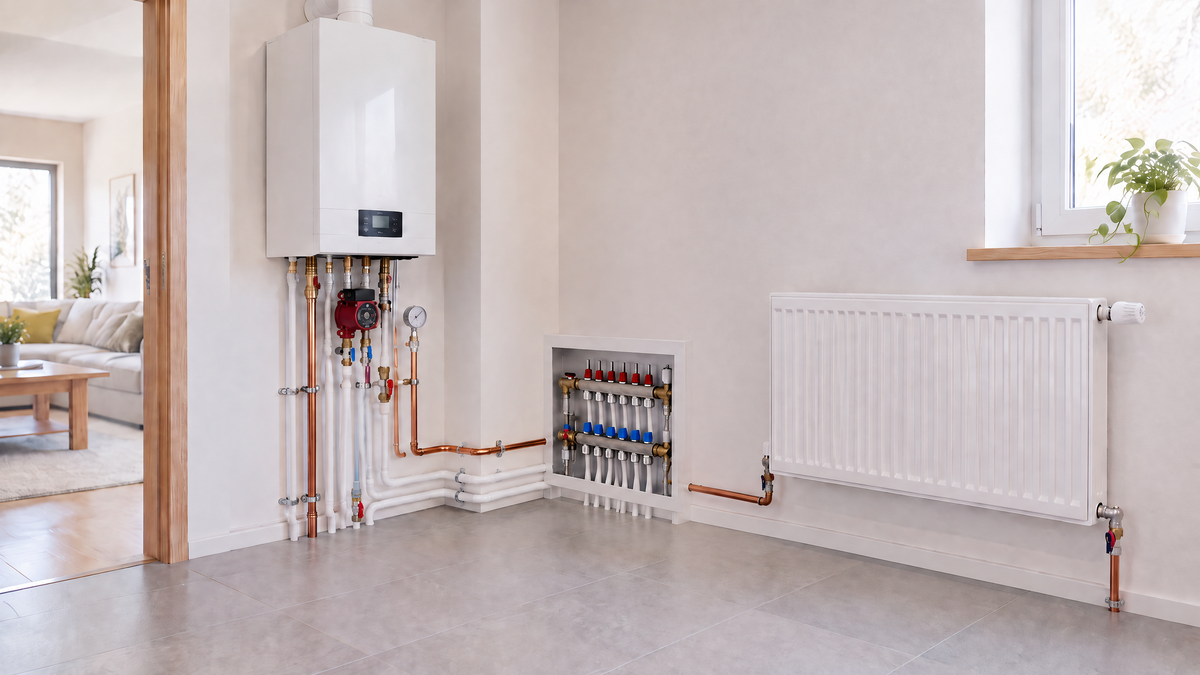
A hydronic heating system design defines how heat is generated, distributed, and controlled within a building using water as the transfer medium. The system includes a heat source, distribution network, emitters, and control components that must operate as a unified structure.
The first step is to determine the building’s heat load. This calculation determines the amount of energy required to maintain the indoor temperature under peak conditions. Without accurate load data, system sizing becomes guesswork, which leads to inefficiency and uneven heating.
Heat source selection follows load calculation. Boilers, heat pumps, or hybrid systems must match both output capacity and operating conditions. Water temperature requirements depend on the type of emitter, such as underfloor heating or radiators, and this directly impacts energy consumption.
Pipe sizing is another core element. Flow rate, pipe diameter, and pressure loss must be aligned. Undersized pipes increase resistance and reduce circulation efficiency, while oversized pipes raise installation costs without measurable benefit.
Control logic connects all components. Thermostats, mixing valves, and circulation pumps must respond to real demand rather than fixed schedules. This prevents overheating and reduces unnecessary energy use.
A second mention of hydronic heating system design is relevant when evaluating long-term operation. A system that performs well on paper must also maintain stability over time, which depends on correct balancing and commissioning.
How hydronic heating works in real systems
How hydronic heating works can be explained in a direct sequence: heat is generated, transferred to water, circulated through pipes, and released into indoor spaces via emitters.
Water acts as a stable heat carrier due to its high thermal capacity. Once heated, it travels through a closed-loop system. Circulation pumps maintain movement, ensuring consistent delivery across all zones.
Heat emission depends on surface area and temperature difference. Radiators release heat quickly, while underfloor systems distribute it gradually over a larger surface area. The choice affects comfort levels and response time.
Return water temperature is critical. Lower return temperatures improve system efficiency, especially in condensing boilers and heat pumps. This is why proper emitter sizing and flow rates matter.
Control systems regulate flow and temperature. Mixing valves adjust supply temperature, while thermostatic controls manage room-level demand. Without proper control, even a well-built system wastes energy.
Understanding how hydronic heating works also helps diagnose issues. Uneven heating, noise, or high-energy use often trace back to incorrect flow balancing or poor control configuration.
Planning an efficient hydronic heating system
An efficient hydronic heating system is defined by balanced heat distribution, controlled flow, and minimized energy loss. Efficiency depends on coordination between components, not individual performance.
System zoning is a key factor. Dividing the building into zones allows independent temperature control. Living areas, bedrooms, and utility spaces have different heating requirements and usage patterns.
Insulation directly impacts efficiency. Heat loss through walls, floors, and ceilings increases the system’s demand. Improving building insulation reduces required output and stabilizes indoor temperature.
Pump selection influences energy consumption. Variable-speed pumps adjust flow based on demand, reducing electricity use compared to fixed-speed models.
Water temperature strategy is equally important. Lower supply temperatures improve efficiency, especially when combined with large-surface-area emitters such as underfloor heating.
The second reference to an efficient hydronic heating system highlights maintenance. Air removal, pressure checks, and periodic balancing ensure long-term performance does not degrade.
Structuring a clear hydronic heating system layout
A hydronic heating system layout determines how all components connect and interact. It must ensure even distribution, stable pressure, and easy access for maintenance.
Primary-secondary piping is a common approach. It separates heat generation from distribution, allowing independent control of flow rates. This improves stability and simplifies troubleshooting.
Manifold systems are often used in underfloor heating. Each loop connects to a central manifold, enabling precise control of flow and temperature in each zone.
Pipe routing must minimize unnecessary bends and length. Every additional meter increases resistance and reduces efficiency. Direct routing improves system response time.
Expansion tanks and air separators are essential. They manage pressure changes and remove trapped air, which otherwise disrupts circulation.
The second use of the hydronic heating system layout applies during installation planning. Clear diagrams and labeling reduce errors and ensure that installers follow the intended configuration.
Key components and control strategies
Every hydronic system relies on coordinated components that regulate heat generation, distribution, and delivery.
Heat sources and distribution control
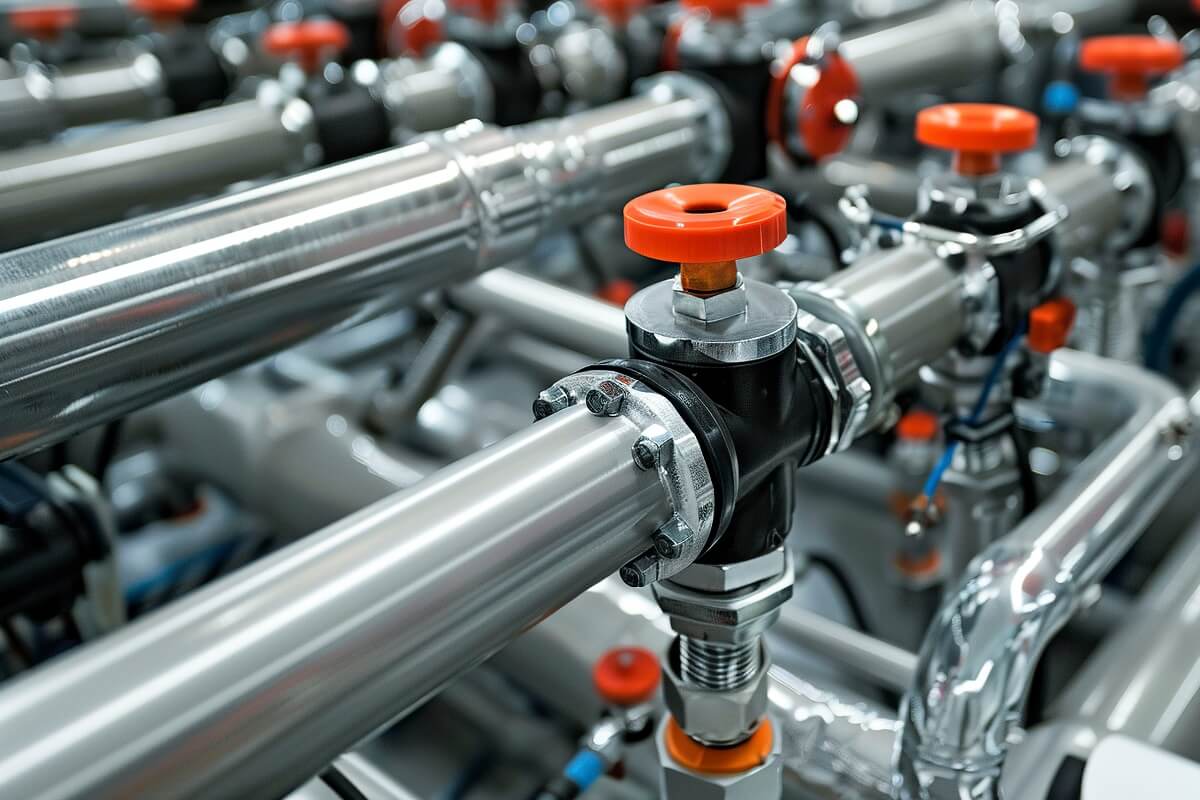
Boilers and heat pumps must match system demand and operating temperatures. Mixing valves regulate supply temperature, especially in systems combining different emitters. Distribution control focuses on flow management. Balancing valves ensure each circuit receives the correct flow rate. Without balancing, some areas overheat while others remain underheated.
Zoning and smart regulation
Zoning systems divide the building into controllable sections. Each zone uses a thermostat or sensor to adjust heating independently. Smart controls refine this process by adapting to occupancy patterns and external temperatures. This reduces unnecessary operations and stabilizes indoor conditions.
Monitoring and long-term operation
Sensors track temperature, pressure, and flow. Continuous monitoring allows early detection of inefficiencies or faults. At Alfa Heating, system validation processes ensure that all components function together as intended, reducing post-installation performance issues.
Step-by-step hydronic heating system guide
A hydronic heating system guide outlines the sequence required to design and implement a working system.
Start with the heat load calculation. This defines the system’s capacity and influences all subsequent decisions.
Select the heat source based on load and energy strategy. Consider fuel type, efficiency ratings, and operating temperature.
Design the distribution network. Choose pipe sizes, routing paths, and connection methods that match flow requirements.
Define zoning strategy. Identify areas that require independent control and assign appropriate components.
Install control systems. Include thermostats, valves, and sensors that regulate operation based on demand.
Commission the system. Balance flow rates, remove air, and verify performance under real conditions.
The second reference to a hydronic heating system guide applies during upgrades. Existing systems often require adjustments rather than full replacement, and a structured approach ensures compatibility.
FAQ
The most important step is accurate heat load calculation. This defines the required system capacity and prevents oversizing or undersizing. Incorrect sizing leads to unstable temperatures, higher energy use, and reduced system lifespan. Every design decision depends on this initial calculation.
Radiators provide faster heat response and are easier to install in existing buildings. Underfloor heating distributes heat evenly and works with lower water temperatures. The choice depends on building structure, insulation level, and desired comfort characteristics.
Yes, when properly designed and balanced, hydronic systems use less energy than forced-air systems. Lower operating temperatures and targeted zoning reduce unnecessary heating. Efficiency depends on correct sizing, insulation, and control strategy.
Maintenance should be performed annually. This includes checking pressure, removing air, inspecting pumps, and verifying control settings. Regular maintenance prevents performance decline and extends system lifespan.
Uneven heating is usually caused by poor flow balancing, air trapped in pipes, or incorrect pipe sizing. Each circuit must receive the correct flow rate. Proper commissioning resolves most of these issues.
Yes, upgrades often involve replacing pumps, adding zoning, or improving controls. In many cases, system performance improves without full replacement. A detailed evaluation identifies which components require adjustment.