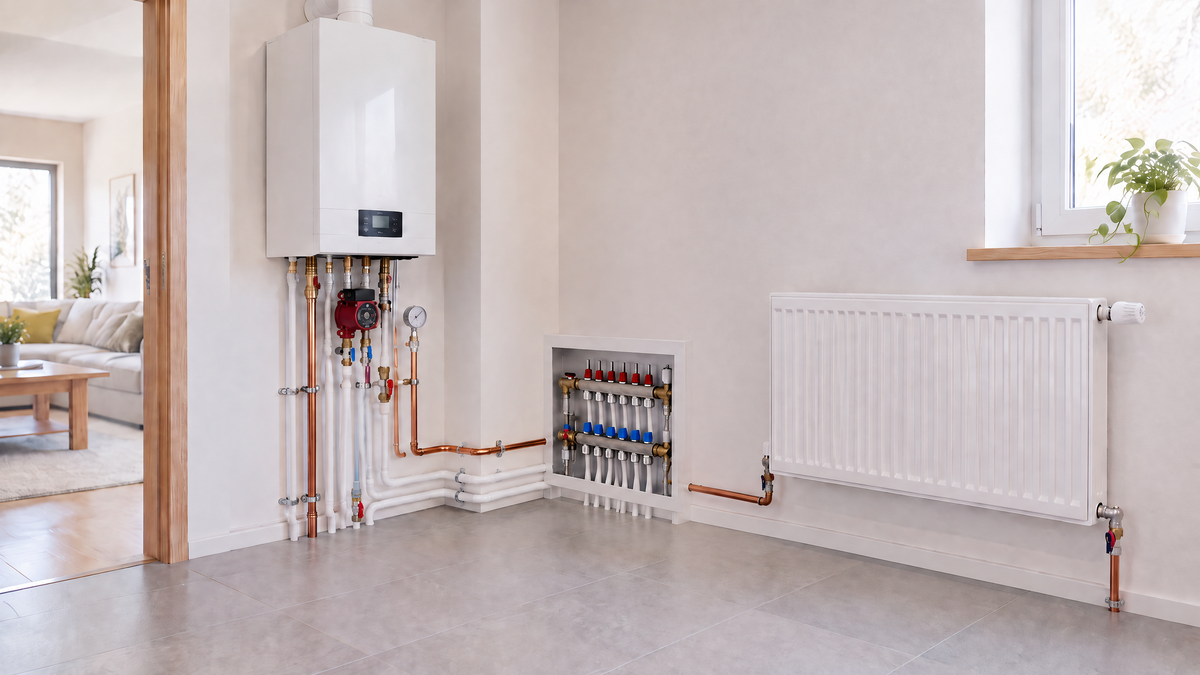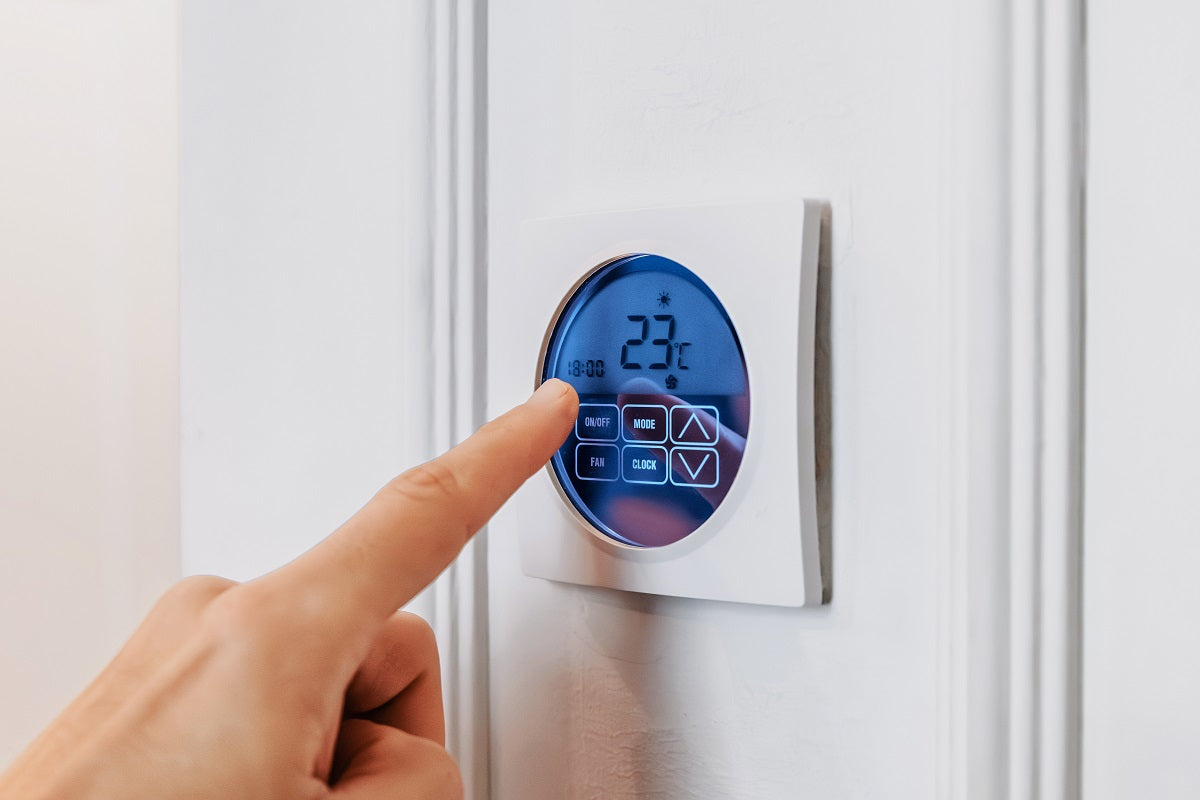
Smart heating controls lower costs by adjusting heat output to match actual usage patterns each day.
From the article, you will learn:
- What smart heating controls are and how they function
- How automation reduces unnecessary energy use
- How temperature scheduling impacts monthly bills
- Where the biggest savings typically occur
- How data and sensors improve heating accuracy
- What features define modern heating systems
- How to choose suitable controls for your property
- What installation and integration involve
- How long-term savings compare to traditional systems
What Smart Heating Controls Are and How They Work
Smart heating controls are digital systems that regulate heating based on real-time data, user behavior, and programmed schedules. Unlike manual thermostats, these systems adjust temperature automatically to match occupancy, weather conditions, and time of day. The core function is simple: reduce heat output when it is not needed and restore it before comfort is required. This removes constant manual adjustments and limits energy waste. A typical setup includes sensors, a central controller, and a mobile or web interface.
Core Components of a Smart Heating System
Every system includes three key elements:
- temperature sensors that detect room conditions
- a control unit that processes data
- a user interface for scheduling and monitoring
These components work together to maintain stable indoor conditions while avoiding unnecessary heating cycles.
Data-Driven Temperature Adjustments
Sensors track indoor temperature and sometimes humidity or occupancy. The system reacts by increasing or decreasing heating output in small increments. This approach prevents overheating, which is one of the main sources of energy waste in traditional systems.
The result is measurable efficiency without sacrificing comfort.
How Smart Thermostats Save Energy in Daily Use
To understand how smart thermostats save energy, it helps to look at how they adjust temperature based on real demand rather than fixed settings. Traditional systems often run longer than necessary, while smart systems reduce operation time. Daily savings come from three mechanisms: scheduling, occupancy detection, and adaptive learning. Scheduling ensures heating is active only when needed. Occupancy detection lowers heating in empty spaces. Adaptive learning adjusts patterns over time.
Scheduling and Behavioral Patterns
Users can define heating schedules aligned with their routines. For example, lower temperatures during work hours and higher levels before returning home. Over time, systems automatically refine these patterns.
Reducing Standby Energy Waste
Many heating systems consume energy even when maintaining an unnecessarily high temperature. Smart controls minimize this by allowing the temperature to drop during periods of inactivity. Even small reductions of 1–2°C can significantly lower consumption over time.
Smart Thermostat Heating Savings Explained with Real Examples
Smart thermostat heating savings typically range between 10% and 25%, depending on building insulation, system type, and usage habits. Savings occur because heating output aligns with actual demand rather than assumptions. In residential settings, the largest reductions often come from night setbacks and weekday scheduling. In commercial spaces, zoning and occupancy tracking produce the biggest gains.
Where Savings Are Most Noticeable
Energy reductions are most visible in:
- properties with inconsistent occupancy
- buildings previously using manual thermostats
- spaces with multiple heating zones
Long-Term Financial Impact
Over several heating seasons, reduced energy use translates into lower operating costs. The system also reduces wear on heating components, which can lower maintenance and replacement expenses.
Key Smart Heating System Benefits for Property Owners
Smart heating system benefits include precise temperature control, reduced energy waste, and improved system monitoring. These systems give users direct insight into energy use, which helps identify inefficiencies. One important advantage is zoning. Different rooms or areas can be heated independently, preventing energy loss in unused spaces. Another benefit is remote access, allowing users to adjust settings from anywhere.
Improved System Transparency
Users can view energy usage data in real time. This makes it easier to detect patterns such as excessive heating during unoccupied periods.
Integration with Modern HVAC Systems
Modern controls integrate with heat pumps, boilers, and hybrid systems. At Alfa Heating, system configurations are tested for compatibility to ensure stable performance across all components.
Choosing the Right Heating System Smart Controls for Your Needs
Heating system smart controls vary based on building size, system type, and user expectations. Selecting the correct setup requires understanding both technical requirements and usage patterns. Small residential properties may only need a programmable thermostat. Larger buildings often require multi-zone systems with centralized management.
Compatibility with Existing Systems
Before installation, it is necessary to confirm compatibility with the existing heating infrastructure. Not all systems support advanced controls without modifications.
Scalability and Future Expansion
Some systems allow expansion with additional sensors or zones. This is important for properties that may undergo layout changes or extensions.
Practical Installation and Use of Smart Heating Controls
Installing smart heating controls involves connecting sensors, configuring the control unit, and integrating with the heating system. Professional installation ensures correct calibration and stable operation. Once installed, users interact with the system through a mobile app or control panel. Initial setup includes defining schedules, temperature ranges, and preferences.
Maintenance and System Updates
Regular updates improve system accuracy and security. Maintenance requirements are minimal but include checking sensor performance and connectivity.
Everyday Operation
After setup, the system runs automatically. Users can adjust settings at any time, but most interactions become occasional rather than daily.
How Smart Thermostats Save Energy in Commercial Settings
The concept of how smart thermostats save energy extends strongly into commercial environments. Offices, retail spaces, and warehouses often experience variable occupancy, making automation essential. Heating can be reduced in unused zones while maintaining comfort in active areas. This targeted approach lowers overall consumption.
Zone-Based Heating Management
Large buildings benefit from dividing heating into zones. Each zone operates independently, preventing unnecessary heating across the entire space.
Centralized Monitoring
Facility managers can track energy usage across multiple zones from a single interface. This improves control over operational costs.
Extended Smart Heating System Benefits Over Time
The long-term smart heating system benefits go beyond energy savings. These systems contribute to better management of system lifespans and more predictable operating costs. By reducing excessive heating cycles, components experience less stress. This leads to fewer breakdowns and more consistent performance over time.
FAQ
Smart heating controls automatically adjust temperature based on schedules, sensors, and user behavior. Traditional thermostats require manual changes and often maintain constant temperatures regardless of occupancy. Smart systems reduce unnecessary heating by responding to actual conditions, leading to lower energy use and more consistent indoor comfort throughout the day.
Smart thermostat heating savings can often be observed within the first billing cycle. The system immediately reduces unnecessary heating periods, especially during nights and unoccupied hours. Over several months, patterns improve further as the system adapts to user behavior, increasing overall efficiency and delivering more stable reductions in energy consumption.
Smart systems can be installed in many older buildings, but compatibility depends on the existing heating infrastructure. Some setups may require additional components or upgrades. Once installed, smart controls help compensate for insulation inefficiencies by optimizing heating schedules and reducing unnecessary operation time.
Most systems use internet connectivity for remote access and updates, but basic temperature control can often function locally. Without internet access, users may lose remote features but still maintain scheduled heating. Full functionality, including monitoring and automation updates, requires a stable connection.
Yes, many systems support zoning, allowing different areas to be heated independently. This is particularly useful in larger homes or commercial properties. Zoning prevents energy waste in unused spaces and ensures each area maintains appropriate temperature levels based on actual usage.
Maintenance is minimal and usually includes checking sensor accuracy, ensuring stable connectivity, and installing software updates. Unlike traditional systems, smart controls do not require frequent manual adjustments. Regular monitoring through the system interface helps detect any irregularities early.