

Cold spots in central heating systems signal an imbalance, not random performance issues.
From the article, you will learn:
- What causes temperature differences between rooms
- How water flow affects radiator performance
- Why system balancing matters
- How insulation impacts heat distribution
- What trapped air does inside radiators
- How pipe layout influences heat delivery
- When controls and thermostats create uneven output
- How to identify system faults early
Why Temperature Differences Occur in Central Heating Systems
A central heating system distributes heat through water flow, and any imbalance in that flow leads directly to temperature variation between rooms. The issue behind “Why is one room colder than others?” usually comes down to how evenly heat energy is delivered across the system.
When hot water leaves the boiler, it follows the path of least resistance. Radiators closest to the heat source receive more flow, while those further away may receive less. This creates a pattern of uneven heating in the house, especially in multi-level or extended layouts.
Another factor is heat loss. Rooms with external walls, large windows, or poor insulation lose heat faster than interior spaces. Even if the radiator output is identical, the perceived temperature will differ.
System design also plays a role. Older installations often lack proper balancing valves or modern controls, which leads to persistent distribution issues.
Flow imbalance as a primary cause
Flow imbalance occurs when radiators are not calibrated to receive a proportional water supply. Without adjustment, some radiators overheat while others stay underpowered.
Heat loss differences between rooms
Rooms exposed to outdoor conditions require more heat input. If the system does not compensate, those areas remain colder despite normal operation.
How Radiator Performance Affects Room Temperature
Radiator efficiency determines how effectively heat transfers into a room. If radiators operate inconsistently, rooms will not reach the same temperature level.
The question “Why are some radiators colder than others?” often points to internal issues such as trapped air, sludge buildup, or restricted valves. These problems reduce heat output even when hot water is present in the system.
In cases where rooms are not heating evenly, it is important to check whether each radiator is receiving and releasing heat properly. A radiator that is warm at the bottom but cold at the top typically contains air. A radiator that is cold at the bottom may have sediment buildup.
Valve settings also influence performance. Thermostatic radiator valves (TRVs) regulate flow locally, and incorrect settings can disrupt balance across the system.
Air and sludge inside radiators
Air pockets block hot water circulation, while sludge reduces internal flow capacity. Both conditions limit heat transfer and create cold zones.
The Role of System Balancing in Heat Distribution
System balancing ensures that each radiator receives the correct amount of hot water relative to its size and location. Without balancing, the system cannot maintain a stable temperature across all rooms.
A common explanation for uneven temperatures in a heating system is the absence of proper balancing. This process involves adjusting lockshield valves to control flow rates through each radiator.
Balancing is not a one-time task. Changes in system configuration, such as adding new radiators or modifying pipework, can disrupt previous settings.
Correct balancing aligns heat delivery with room requirements. Larger or colder rooms receive more flow, while smaller rooms receive less.
Why balancing improves consistency
Balancing removes competition between radiators for hot water. Each unit operates within a defined flow range, which helps stabilize the overall temperature.
Pipe Layout and Distance from the Heat Source
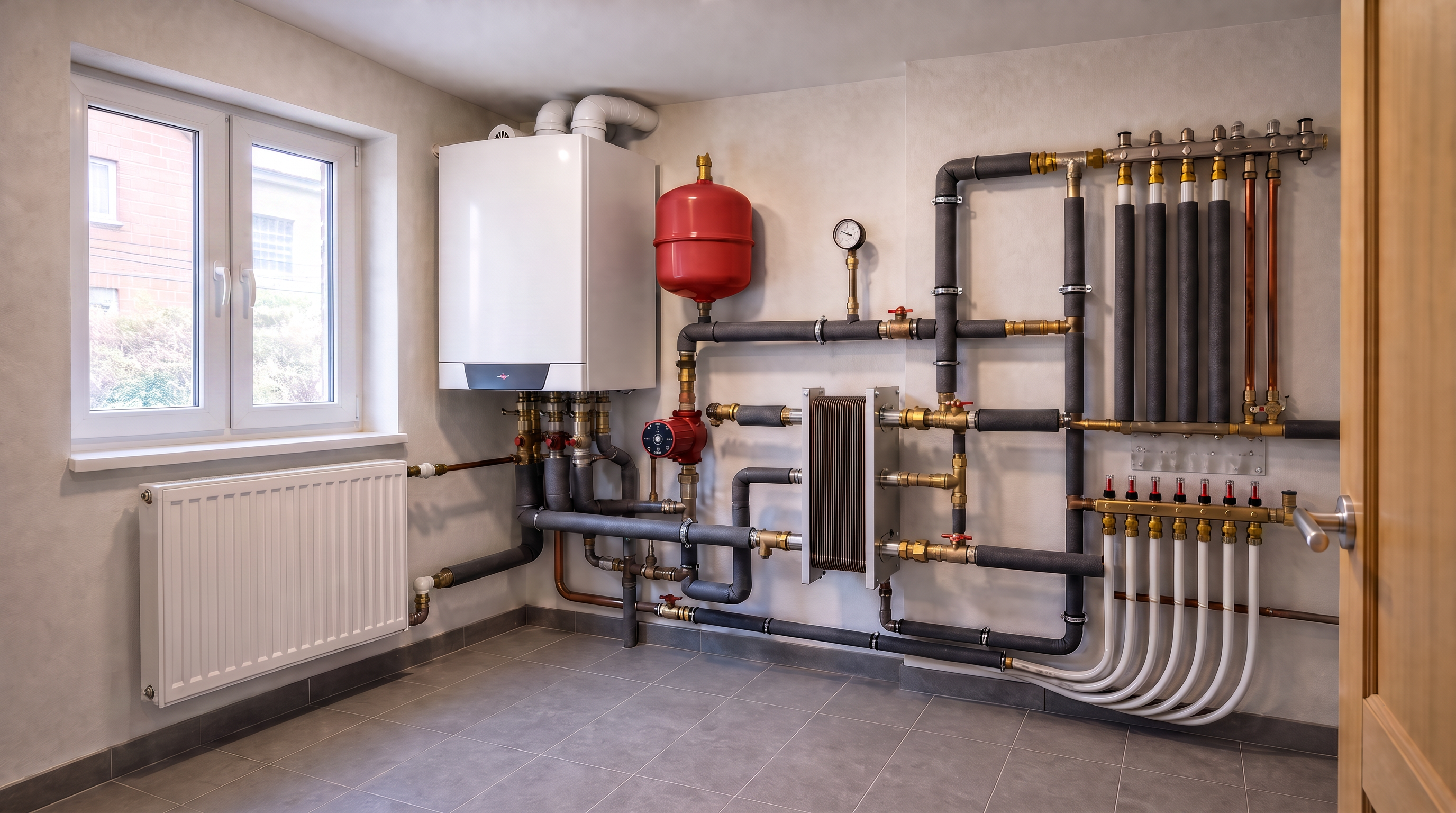
Pipe configuration directly influences how heat is distributed. Radiators located far from the boiler or at the end of pipe runs often receive less heat.
This explains many cases of uneven heating in the house, especially in properties with extended layouts or retrofitted systems.
Long pipe runs increase resistance, reducing the flow rate. If the system is not adjusted to compensate, distant radiators underperform.
Pipe diameter also matters. Narrow pipes restrict flow more than wider ones, affecting how quickly heat reaches different parts of the system.
Impact of system design on performance
A poorly planned layout leads to uneven distribution regardless of boiler output. Proper design ensures equal access to heated water across all zones.
Controls, Thermostats, and Zoning Issues
Heating controls determine when and how heat is delivered. Incorrect settings or outdated systems can create noticeable temperature differences.
If thermostats are placed in warmer rooms, the system may shut off before colder rooms reach the desired temperature. This often contributes to rooms not heating evenly.
Zoning systems divide a property into separate heating areas. When configured incorrectly, some zones may receive insufficient heating time or flow.
Smart controls can improve distribution, but only if they are correctly calibrated and integrated with the system.
When to Inspect or Upgrade Your Heating System
Persistent temperature differences indicate underlying system inefficiencies that require inspection. If adjustments such as bleeding radiators or balancing do not resolve the issue, deeper evaluation is necessary.
Recurring instances of one room being colder than others may signal aging components, pump inefficiency, or incorrect system sizing.
Similarly, repeated instances of some radiators being colder than others often point to internal buildup or a hydraulic imbalance.
At Alfa Heating, system-level evaluation focuses on identifying these root causes and aligning all components for consistent performance across the entire installation.
FAQ
This usually results from poor heat distribution, insufficient radiator output, or higher heat loss in that room. External walls, windows, or long pipe runs can all reduce heating efficiency.
Yes, trapped air prevents hot water from fully filling the radiator. This reduces heat output and creates cold spots, typically at the top of the unit.
If some radiators heat quickly while others remain lukewarm, the system likely needs balancing. Consistent differences between rooms are a clear indicator.
Longer pipe runs reduce water pressure and flow rate. Radiators farther from the boiler may receive less heat unless the system is adjusted.
Incorrectly set or faulty valves can restrict water flow. This leads to reduced heat output in specific rooms.
If temperature inconsistencies persist despite maintenance, it may indicate outdated components or inefficient system design that requires modernization.


![Lead-Free, Brass Barbed Couplings 1/2" [10pk, 25pk, 50pk] - Alfa Heating Supply](http://alfaheating.com/cdn/shop/products/01.jpg?v=1588213888&width=600)