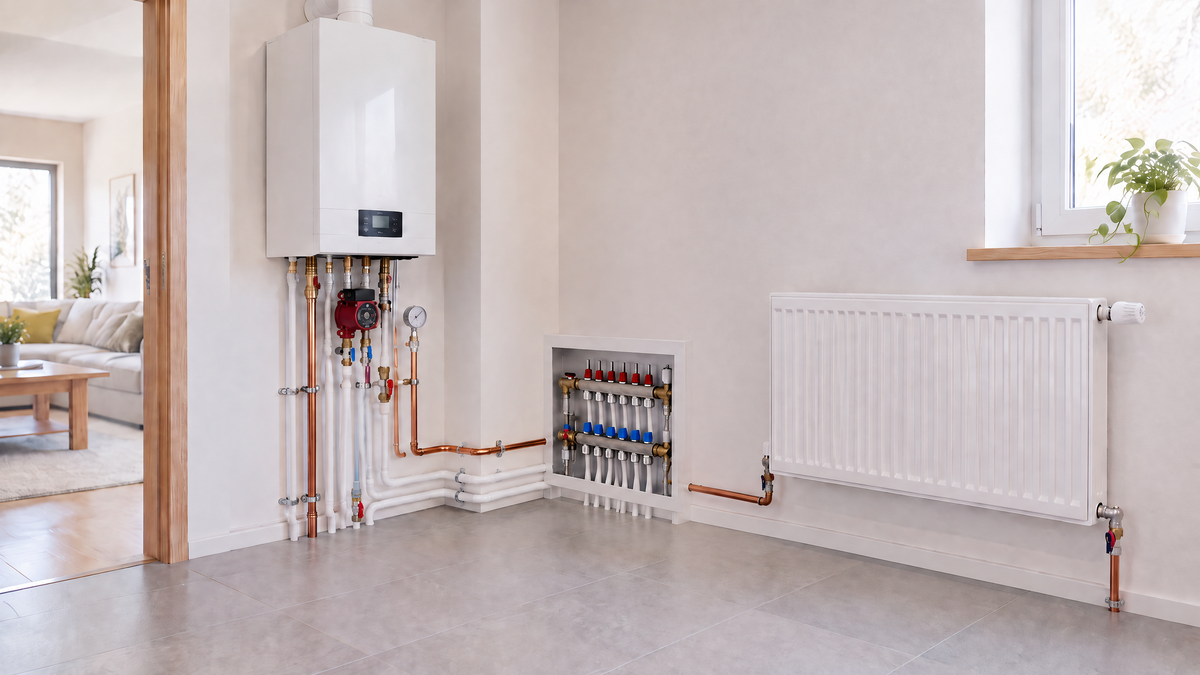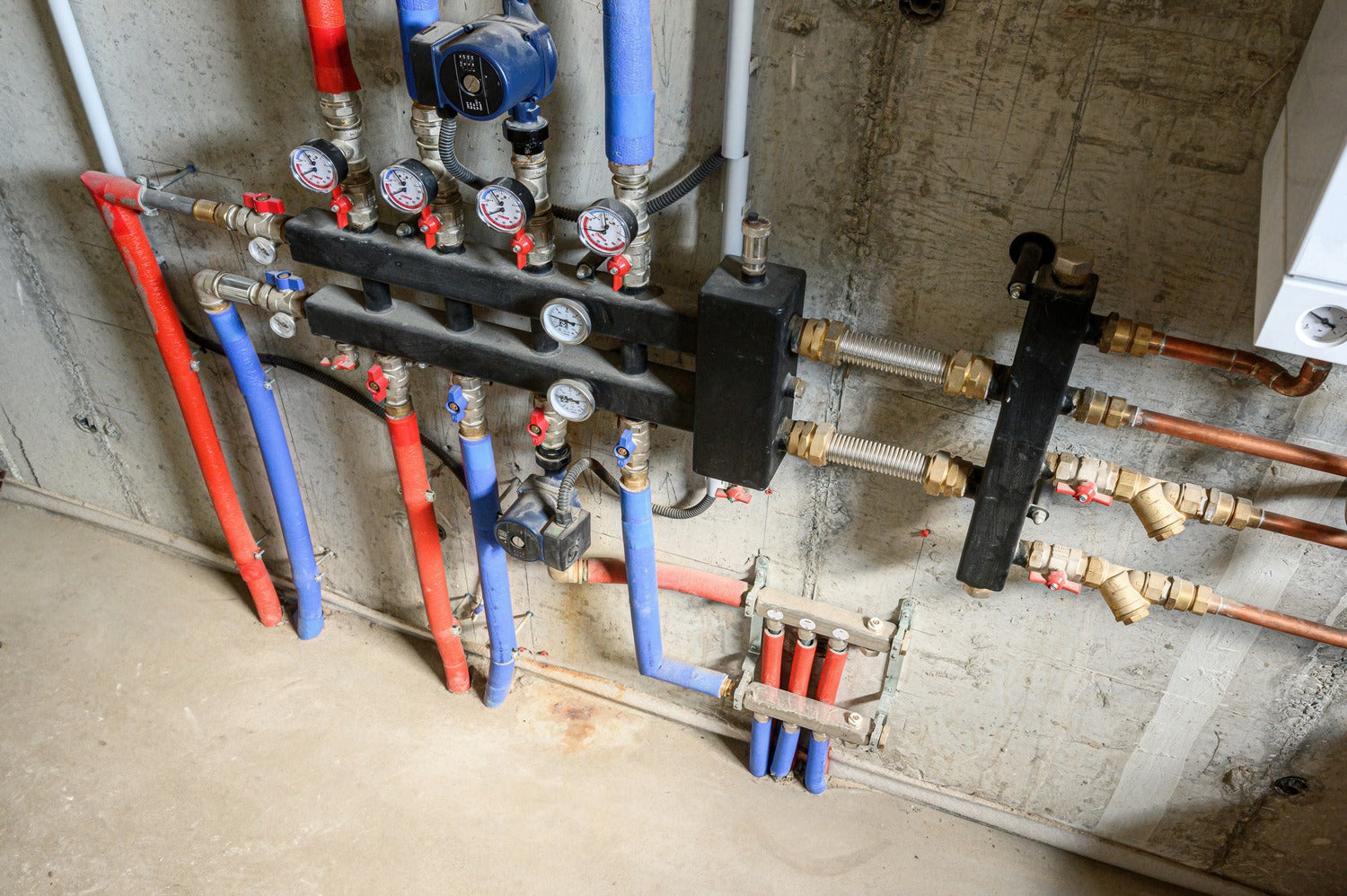
A noisy circulation pump often points to air, incorrect speed, wear, or restricted flow. Fast diagnosis helps prevent heat loss, uneven room temperatures, and avoidable damage across the system.
From the article, you will learn:
- Which pump sounds are normal, and which usually indicate a fault
- How trapped air changes flow and increases operating noise
- Why pump speed and system pressure affect sound levels
- Which installation errors can create vibration and humming
- How dirt, sludge, and limescale interfere with circulation
- What to check first before calling a technician
- Which warning signs suggest internal wear or motor damage
- When a repair is reasonable and when replacement is the better option
What pump noise usually means in a heating system
A circulation pump should not be completely silent, but the sound should remain low and stable. A light operating hum is often normal. Sharp rattling, gurgling, grinding, or repeated knocking usually means the pump is moving water under poor conditions or that one of its internal parts is wearing out. In many homes, the first useful step is to identify the exact sound pattern. A humming noise often points to vibration, motor load, or mounting issues. A bubbling or splashing sound usually indicates air in the pipework or inside the pump housing. Metallic scraping can suggest bearing wear or debris inside the unit.
When homeowners search for “why is my heating pump making noise,” the answer is rarely a single defect. The noise is often a symptom created by air pockets, restricted flow, incorrect speed settings, or poor hydraulic balance. A pump can also become louder if the system has not been properly bled after maintenance, refilling, or seasonal startup. In a residential heating circuit, sound changes should never be ignored because early correction is usually simpler and less expensive than waiting for a breakdown.
Air in the system is one of the most common causes
Air inside the heating circuit is one of the most frequent causes of circulation pump noise. When air enters the system, the pump no longer moves a smooth column of water. Instead, it pushes a mix of water and air bubbles, which can create gurgling, sputtering, or irregular vibration. This often happens after draining and refilling the system, after radiator bleeding that was not completed fully, or when small leaks allow air to enter slowly over time. Low system pressure can exacerbate the same issue by reducing circulation stability and increasing the risk of cavitation.
A noisy circulation pump heating system often shows other symptoms at the same time. Radiators may heat unevenly, upper floors may stay cooler, and the boiler may cycle more often than usual. If the pump starts making noise shortly after service work, trapped air should be one of the first things checked. Bleeding radiators can help, but the pump body and nearby sections of pipe may also need to be vented, depending on the system layout. If air returns repeatedly, the issue may not be bleeding alone. It may indicate pressure loss, a faulty automatic air vent, or a leak that needs inspection.
Incorrect speed, pressure imbalance, and restricted flow
A heating pump must match the system’s flow resistance. If the pump speed is too high, water can move too aggressively through valves, elbows, and narrow pipe sections. That creates humming, rushing, or whistling sounds and may be mistaken for a failing pump, even when the motor itself is still functional. This is one reason many people ask, “Why is my heating pump making noise after changing settings or replacing thermostatic radiator valves?” The sound is sometimes caused by hydraulic conditions rather than an electrical defect.
The phrase how to fix a noisy circulation pump often leads people straight to replacement, but replacement is not always the first answer. Start with operating conditions. Check system pressure, confirm that shutoff valves are fully open where required, and make sure strainers are not blocked. Sludge and limescale can reduce internal passage size and force the pump to work harder. In older systems, magnetite buildup can create both restriction and imbalance. A pump that is correctly sized but forced to push against blocked flow will often sound louder than normal. In both residential and light commercial installations, pressure stability and clean water quality are basic conditions for quiet operation.
Wear, poor mounting, and installation errors
Mechanical wear changes the sound profile of a circulation pump over time. Bearings, impellers, and motor components can degrade gradually, especially in systems with poor water quality or prolonged dry running. A worn bearing often produces a steady grinding or rough humming sound that remains even after air has been removed. An impeller damaged by debris may create intermittent scraping or vibration. In some cases, the pump is not defective at all, but its mounting transmits vibration into nearby brackets, floor structures, or wall surfaces, making a minor sound seem much larger inside the building.
Another group of the circulation pump noise causes comes from installation details. Pipe stress can transfer force into the pump body. Loose unions can amplify vibration. Incorrect pump orientation may affect lubrication or trapped air, depending on the model. Electrical supply issues can also contribute to abnormal motor noise. A system that was quiet before renovation work but becomes louder afterward may have a support, bracket, or connection problem rather than an internal pump failure. At ALFA Heating, we often stress that diagnosis should focus on the entire heating circuit because noise at the pump can originate from how the surrounding system was assembled, vented, or balanced.
Safe troubleshooting steps you can take first
A structured check helps determine how to fix noisy circulation pump problems without replacing parts too early. Always begin with safety. Switch off power to the heating system before touching the pump housing, electrical connections, or isolation valves. If the boiler has been running, wait until the surfaces cool down. Then listen carefully when the system restarts. Try to determine whether the noise begins immediately, only during periods of high demand, or only when certain heating zones open. The pattern helps narrow down the source.
Check pressure, valves, and radiator bleeding
Start with the system pressure shown on the boiler or the pressure gauge. If the reading is below the required range for the property, circulation can become unstable. Next, confirm that the relevant valves are open and that the thermostatic heads are not causing extreme restriction across multiple zones at once. Bleed radiators from the highest points first if trapped air is suspected. A noisy circulation pump heating system often improves after proper venting, especially when the noise sounds like bubbling or splashing.
Inspect the pump setting and look for vibration transfer
If the pump has adjustable speed or pressure modes, check whether it is running at a setting that is too aggressive for the system. Reducing the setting one step may lower noise when the flow demand is moderate. Also, inspect nearby brackets and pipe clips. Slight looseness can magnify a normal motor hum into a building-wide vibration. In this stage, the phrase “circulation pump noise” should be understood broadly. The problem may come from flow conditions, not only from the pump cartridge itself.
Check for blockage, sludge, and repeated air entry
If noise keeps returning after bleeding, look for signs of dirt or recurring air ingress. Dirty strainers, discolored hot water, or cold spots in radiators can indicate internal contamination. A repeated pressure drop suggests a leak or a venting fault. If the motor sounds rough and mechanical after these checks, internal wear becomes more likely. This is usually the point at which a qualified technician should inspect the pump, system cleanliness, and electrical condition before deciding whether to repair or replace.
When repair is enough and when replacement makes more sense
Not every loud pump needs to be replaced, but not every old pump is worth repairing. If the issue comes from air, pressure, speed setting, or local vibration, the correction may be relatively straightforward. If the motor bearings are worn, the impeller is damaged, or the pump has been running under poor water conditions for a long period, replacement is often more sensible than repeated service visits. A technician will usually compare the unit's age, spare-part availability, electrical condition, and current system demand before recommending the next step.
People searching for how to fix noisy circulation pump problems should also consider efficiency and long-term operating stability. Older fixed-speed pumps can consume more electricity and respond poorly to varying flow demand. Newer high-efficiency models may reduce both energy use and operating noise when correctly selected and installed. The best outcome depends on the diagnosis. If the sound is linked to repeated air entry, sludge, or imbalance, a new pump alone will not solve the underlying issue. If the unit is old and the noise is mechanical, replacement may remove the symptom and improve control at the same time. When the same problem returns after basic troubleshooting, professional inspection is the safest next step.
FAQ
Yes, a low and steady hum is normal during operation. Loud, irregular, or new sounds like rattling or grinding usually indicate a problem. A noticeable change in sound is more important than the noise itself.
Yes, air disrupts water flow, creating bubbling or splashing sounds. This often happens after refilling or maintenance. Proper bleeding usually reduces or removes the noise.
Low pressure can cause unstable circulation and increase noise. It may also allow air to remain in the system. Always check the pressure if noise appears with uneven heating.
Yes, bleeding is a basic first step. Air is a common cause of noise, and removing it may solve the issue without replacing the pump. Always check simple causes first.
Yes, buildup restricts flow and forces the pump to work harder. This can create humming or rough sounds. Cleaning the system may be required if contamination is present.
Call a technician if noise continues after bleeding and pressure checks, or if you hear grinding or metallic sounds. Professional inspection is needed for internal or electrical issues.
No, not always. If the cause is air, pressure, or settings, the pump may still work fine. Replacement is usually needed only when there is mechanical wear or damage.