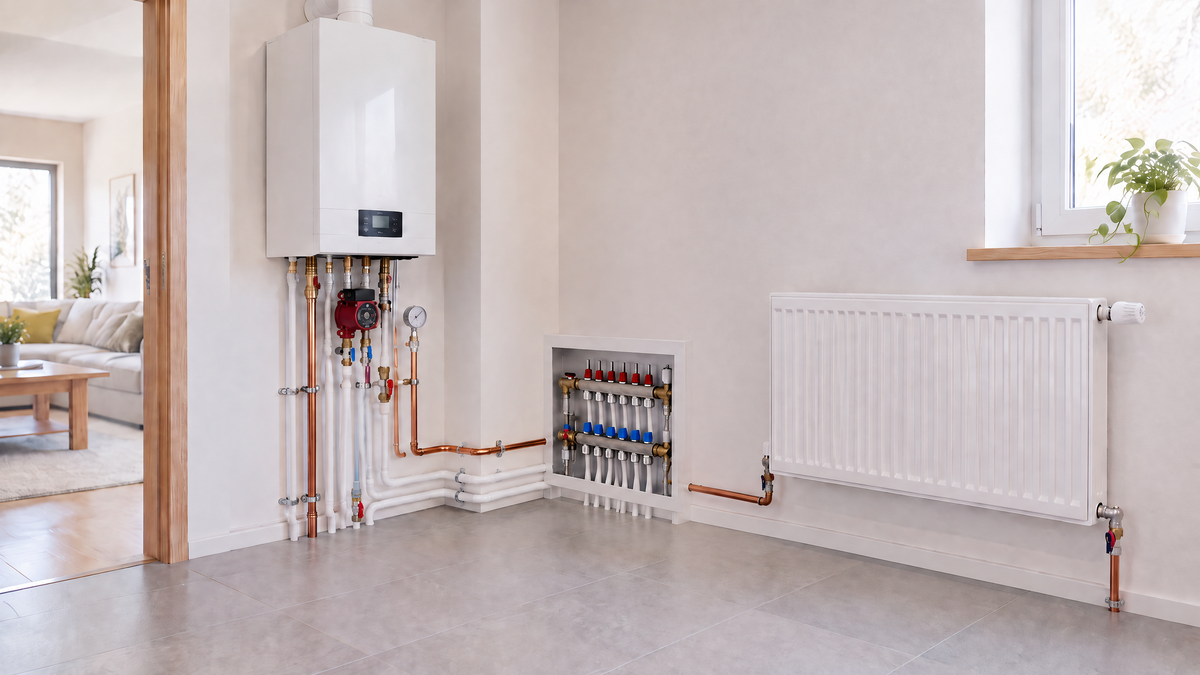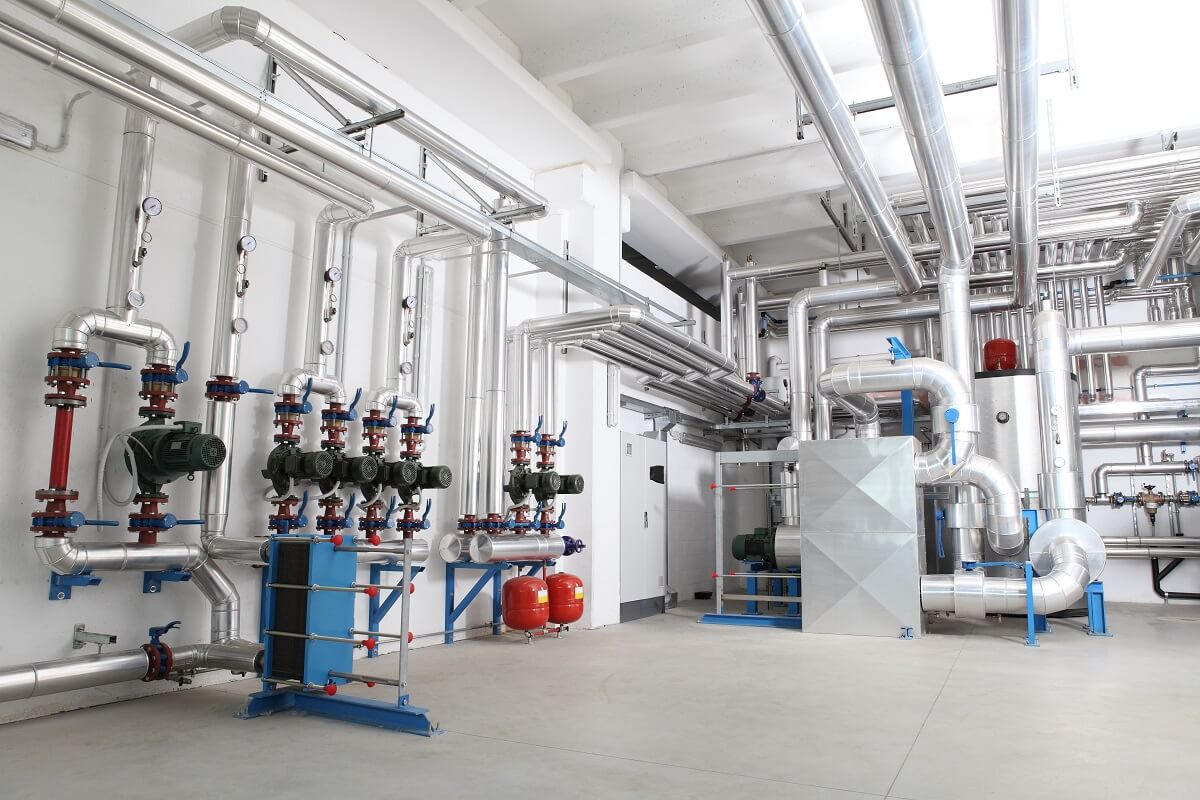
Low pressure in heating systems disrupts performance and may signal underlying faults early.
From the article, you will learn:
- What low pressure means in a heating system
- The most common technical causes
- How to recognize early warning signs
- How pressure affects system efficiency
- Step-by-step ways to restore pressure
- When professional inspection is required
- How to prevent recurring pressure drops
- Which components are most often involved
- What actions protect long-term system operation
What does low water pressure mean in a heating system
Low water pressure in the heating system occurs when internal pressure falls below the manufacturer’s recommended range, typically below 1 bar in residential systems. This level is not sufficient to circulate heated water effectively through radiators or underfloor loops. When low water pressure in the heating system occurs, heat distribution becomes uneven or stops entirely. Radiators may stay cold at the top or fail to heat up at all. The boiler may also shut down automatically as a safety measure. Pressure in a closed heating system is not static. It changes slightly during operation due to temperature variation, but it should remain within a stable working range. A continuous drop indicates water loss, trapped air, or mechanical failure. A stable pressure level ensures that water reaches all heating points. Without it, even a technically functional boiler cannot transfer heat properly. Understanding this condition early helps prevent component stress, especially in pumps and heat exchangers, which rely on balanced circulation.
Main heating system low-pressure causes explained
Heating system low-pressure causes usually fall into a few clearly identifiable categories: leaks, air accumulation, faulty components, or recent maintenance errors. The most common cause is water leakage. Even small leaks in valves, pipe joints, or radiators can gradually reduce pressure. These leaks are not always visible, especially in concealed pipework. Air trapped inside the system is another frequent issue. Air pockets block water movement and reduce effective pressure. This often occurs after refilling or maintenance work. A malfunctioning expansion vessel can also lead to pressure instability. If the internal membrane fails, the system cannot compensate for pressure changes during heating cycles. Incorrect filling after servicing is another overlooked factor. If the system is not refilled to the correct level, pressure will remain low from the start. Understanding the causes of low heating system pressure allows for faster diagnosis and prevents unnecessary part replacement.
Why is my heating system pressure low – key indicators
“Why is my heating system pressure low?” is a common concern when performance drops unexpectedly. The answer often lies in observable symptoms that point to specific faults. Cold radiators, especially at the top, usually indicate trapped air. Gurgling noises in pipes confirm this issue. In this case, bleeding radiators may restore balance. If the pressure drops repeatedly after refilling, a leak is likely the cause. Visible signs include damp spots, corrosion marks, or a decline in the pressure gauge reading over time. A sudden drop after heating cycles may suggest a failure of the expansion vessel. This component stabilizes pressure during temperature changes. Modern boilers display error codes when the pressure falls too low. These codes help identify whether the issue is mechanical or related to water volume. Understanding why my heating system pressure is low requires observing patterns, not just reacting to a single pressure reading.
How to fix low pressure in the heating system step by step
How to fix low pressure in the heating system depends on first identifying the root cause. The process should follow a structured approach to avoid repeated issues. Start by checking the pressure gauge. If it is below the recommended level, refill the system using the filling loop. Open valves slowly and monitor the pressure rise. Next, bleed all radiators to remove trapped air. After bleeding, pressure may drop again, requiring another refill. Inspect visible pipework and connections for leaks. Even minor drips can lead to recurring pressure loss. If pressure continues to fluctuate, check the expansion vessel. This may require professional inspection, especially if internal damage is suspected. Following these steps addresses most cases of how to fix low pressure in a heating system without replacing major components.
Boiler pressure too low what to do in urgent cases
Boiler pressure too low, what to do in urgent situations depends on the system response. If the boiler shuts down, immediate action is required to restore operation. First, confirm the pressure reading. If it is below 1 bar, refill the system gradually. Avoid rapid filling, as it may introduce more air. If the boiler does not restart after refilling, check for error codes or reset the unit according to the manufacturer’s instructions. Repeated shutdowns after pressure correction indicate deeper issues such as leaks or vessel failure. Do not ignore frequent pressure drops. Addressing low boiler pressure early prevents damage to internal boiler components and avoids costly repairs.
Preventing recurring pressure problems in heating systems
Preventing pressure loss requires regular inspection and correct system handling. Most recurring issues result from small, unresolved faults. Check pressure levels periodically, especially before heating seasons. Stable readings indicate system integrity. Bleed radiators after maintenance or refilling to remove air before it accumulates. Inspect visible joints and valves for early signs of leakage. Addressing minor issues early prevents system-wide pressure loss. At Alfa Heating, system configurations are verified as complete units rather than as separate components, reducing compatibility issues and the risk of pressure instability. Consistent monitoring and timely corrections eliminate most long-term pressure problems.
FAQ
A residential heating system typically operates at 1.0-1.5 bar when cold. During operation, pressure may rise slightly but should remain within the manufacturer-defined safe limits.
Low pressure itself is not dangerous, but it can cause the boiler to shut down or overwork certain components, leading to long-term damage if ignored.
Basic steps such as refilling and bleeding radiators can be done independently. Persistent pressure loss requires professional inspection.
Pressure should be checked monthly and before the heating season. Frequent checks help detect gradual pressure loss early.
Yes, releasing air reduces system pressure. After bleeding, the system usually needs to be refilled to the correct level.
This usually indicates a leak or a faulty expansion vessel. Repeated refilling without diagnosis can worsen the problem.