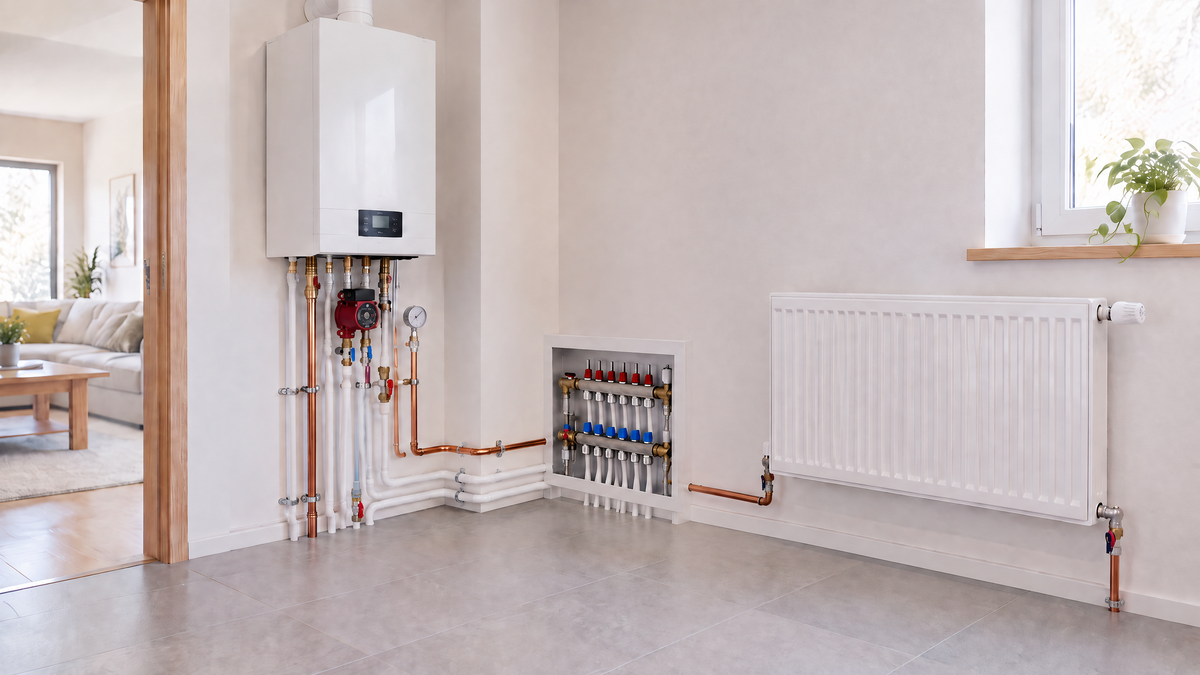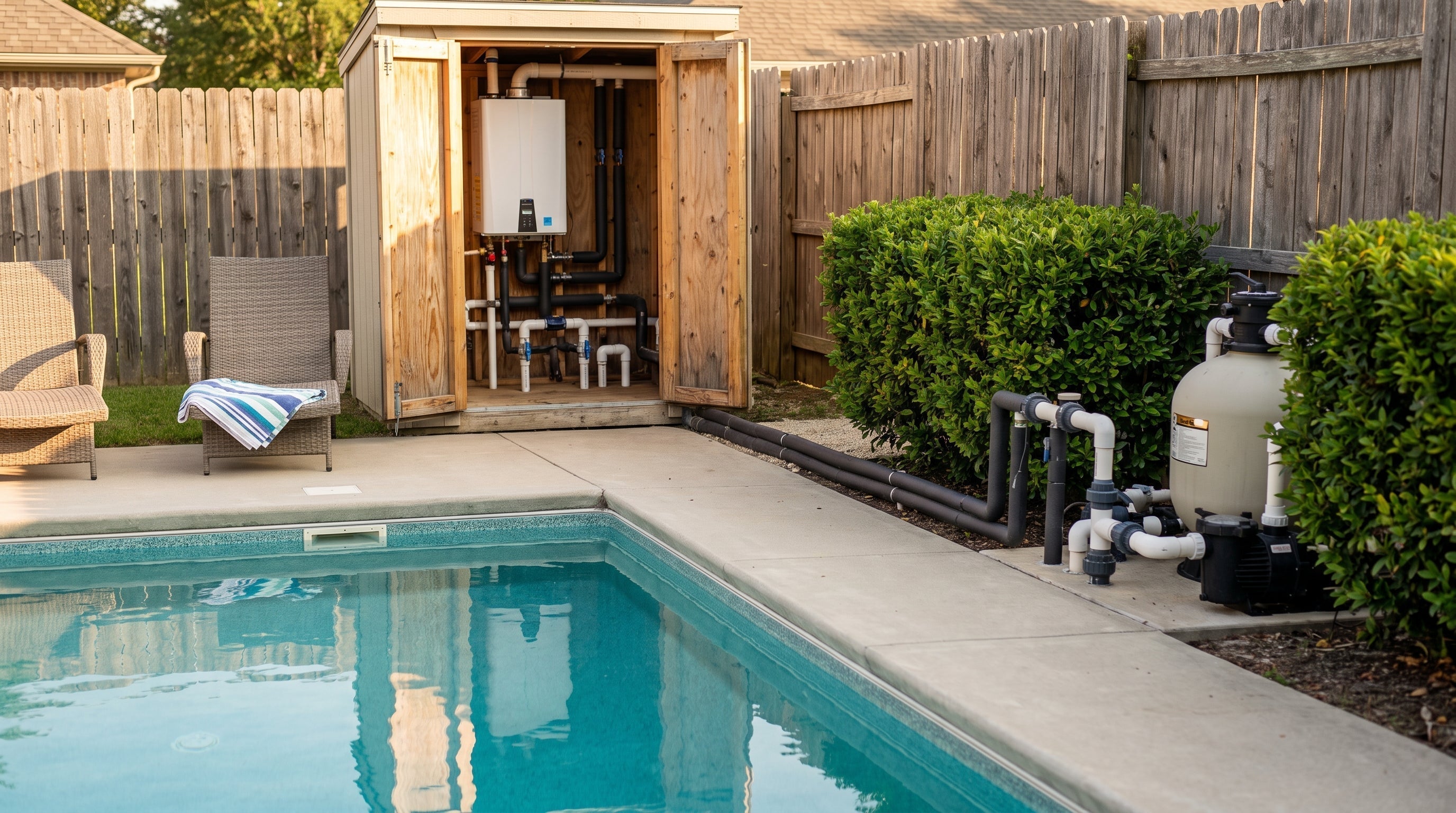
A swimming pool heating system requires an efficient way to transfer heat from a heating source to the pool water while protecting equipment from corrosion and chemical exposure.
For many residential, commercial, and industrial swimming pools, a boiler is one of the most reliable heating sources. However, boiler water and pool water should not be directly mixed because pool water often contains chlorine, salt, and other chemicals that can damage heating equipment.
A swimming pool boiler heat exchanger provides an effective solution by transferring heat between two separate water circuits. It allows a boiler, hydronic heating system, or other heat source to efficiently heat a swimming pool while maintaining system protection and long-term reliability.
This guide explains how a pool heat exchanger for boiler systems works, how to connect it correctly, how to select the right model, and what materials are best for different pool applications.
What Is a Swimming Pool Boiler Heat Exchanger?
A swimming pool boiler heat exchanger is a heat transfer device installed between a boiler heating system and a swimming pool circulation system.
Instead of sending boiler water directly into the pool, the heat exchanger transfers thermal energy through a heat transfer surface while keeping the two fluids separated.
The basic system consists of two independent circuits:
Primary Heating Circuit
Boiler → Hot Water Supply → Heat Exchanger → Boiler Return
Secondary Pool Circuit
Pool Pump → Heat Exchanger → Swimming Pool
The boiler heats clean water or treated heating fluid in a closed loop. A heat exchanger for pool heating systems then transfers this energy to the pool water without allowing the two fluids to mix, creating an efficient and reliable connection between the boiler circuit and the swimming pool.
This design provides:
- Better corrosion protection
- Longer equipment lifespan
- Easier maintenance
- Improved system reliability
How Does a Boiler Heat a Swimming Pool?
A boiler-based pool heating system works by using hot water from the boiler as the heat source.
The process follows these steps:
1. Boiler Generates Heat
The boiler heats water to a designed temperature, typically higher than the desired pool temperature.
Common heat sources include:
- Gas boilers
- Oil boilers
- Biomass boilers
- Electric boilers
- Hydronic heating systems
2. Hot Water Flows Through the Heat Exchanger
The heated water enters one side of the pool heat exchanger.
At the same time, cooler pool water flows through the opposite side.
The heat exchanger transfers energy from the hot boiler water to the pool water through stainless steel or titanium heat transfer surfaces.
3. Heated Pool Water Returns to the Pool
After absorbing heat, the pool water returns to the swimming pool.
The process continues until the pool reaches the desired temperature.
Why Use a Heat Exchanger Between a Boiler and Swimming Pool?
A dedicated boiler pool heat exchanger is recommended because boiler systems and swimming pool systems have very different water conditions.
1. Protect the Boiler From Pool Chemicals
Swimming pool water may contain:
- Chlorine
- Bromine
- Salt
- pH adjustment chemicals
These chemicals can cause corrosion inside boilers, pumps, and heating components.
A heat exchanger creates a barrier between the pool water and the boiler circuit.
This allows the boiler to operate with clean heating water while the pool maintains its required chemical treatment.
2. Improve System Reliability
Direct connection between a boiler and pool circulation system can create several problems:
- Corrosion
- Scale buildup
- Reduced efficiency
- Increased maintenance costs
A properly selected pool heat exchanger provides a more reliable heating solution for long-term operation.
3. Allow Different Heating Sources
A pool heat exchanger can connect swimming pools with various heating systems, including:
- Gas boilers
- Solar heating systems
- Heat pumps
- HVAC hydronic systems
- Waste heat recovery systems
This flexibility makes heat exchangers a common choice for:
- Residential pools
- Hotels
- Resorts
- Fitness centers
- Commercial aquatic facilities
Types of Heat Exchangers for Boiler Heated Swimming Pools
Different swimming pool applications require different heat exchanger designs.
The most common types are:
- Shell and tube heat exchangers
- Brazed plate heat exchangers
- Titanium pool heat exchangers
Shell and Tube Pool Heat Exchangers
Shell and tube heat exchangers are widely used for commercial and large swimming pool applications.
They are designed with tubes installed inside a shell, allowing one fluid to flow through the tubes while another fluid flows around the tubes.
Advantages include:
- High flow capacity
- Excellent durability
- Easy maintenance
- Suitable for large pools
Shell and tube heat exchangers are commonly used for:
- Commercial swimming pools
- Hotel pools
- Spa systems
- Aquatic centers
For large swimming pools requiring high BTU output, shell and tube models are often the preferred solution.
Brazed Plate Heat Exchangers
Brazed plate heat exchangers use multiple stainless steel plates to transfer heat between two fluids.
Advantages:
- Compact size
- High heat transfer efficiency
- Lower installation space requirements
They are commonly used for:
- Residential swimming pools
- Small heating systems
- Compact boiler installations
However, pool water chemistry should always be considered when selecting a plate heat exchanger because chlorine and salt exposure may affect material selection.
Titanium Pool Heat Exchangers for Saltwater Pools
For saltwater pools or highly corrosive environments, titanium heat exchangers are often the best choice.
Titanium provides excellent resistance against:
- Saltwater corrosion
- Chlorinated water
- Pool chemicals
Titanium pool heat exchangers are commonly recommended for:
- Saltwater swimming pools
- Marine environments
- High-chlorine commercial pools
When selecting a pool heat exchanger, water chemistry should always be evaluated before choosing the material.
How to Size a Pool Heat Exchanger for a Boiler System?
Selecting the correct size of a pool heat exchanger for boiler applications depends on several factors.
The main parameters include:
1. Pool Volume
Larger pools require higher heat output.
A small residential pool may require tens of thousands of BTU/hr, while commercial pools may require millions of BTU/hr.
2. Desired Pool Temperature
The required heating capacity depends on:
- Current water temperature
- Target temperature
- Heating time requirement
For example:
A pool that needs to increase from 70°F to 85°F requires significantly more heating capacity than maintaining an already warm pool.
3. Boiler Output Capacity
The heat exchanger should match the available boiler capacity.
A larger boiler does not always mean faster heating if the heat exchanger cannot transfer enough energy.
4. Flow Rate
Correct water flow is critical.
The heat exchanger performance depends on:
- Boiler water flow rate
- Pool water flow rate
- Temperature difference
5. Pool Operating Conditions
Other factors include:
- Indoor or outdoor installation
- Pool cover usage
- Climate conditions
- Operating hours
A professional heat exchanger selection should consider all system parameters together.
Swimming Pool Boiler Heat Exchanger Installation Diagram
A typical boiler and pool heat exchanger installation uses two separate circulation loops.

Counterflow Connection for Better Heat Transfer
Most heat exchangers achieve the highest efficiency when fluids flow in opposite directions.
Example:
Hot boiler water:
→ → →
Pool water:
← ← ←
This counterflow arrangement creates a higher temperature difference across the heat exchanger surface, improving heat transfer performance.
Common Applications of Pool Heat Exchangers With Boilers
Swimming pool boiler heat exchangers are used in many applications.
Residential Swimming Pools
Common for homeowners who already have:
- Gas boilers
- Hydronic heating systems
- Solar heating systems
Hotels and Resorts
Commercial facilities often require:
- High heating capacity
- Reliable operation
- Corrosion-resistant materials
Fitness Centers and Public Pools
Large pools benefit from:
- Continuous heating
- High flow capability
- Easy maintenance
Indoor Pools
Indoor swimming pools often require year-round temperature control and reliable heating systems.
Stainless Steel vs Titanium Pool Heat Exchanger: Which One Should You Choose?
Material selection depends mainly on pool water chemistry.
| Material | Recommended Application |
|---|---|
| 316 Stainless Steel | Freshwater pools and standard applications |
| Titanium | Saltwater pools and highly corrosive environments |
316L stainless steel offers:
- Good corrosion resistance
- Excellent durability
- Cost-effective performance
Titanium offers:
- Superior corrosion resistance
- Longer service life in aggressive water conditions
Before selecting a heat exchanger, always check:
- Chlorine concentration
- Salt concentration
- pH level
- Water treatment method
A properly selected swimming pool boiler heat exchanger plays an important role in achieving efficient, reliable, and long-lasting pool heating performance. By keeping the boiler circuit and pool water circuit separated, a heat exchanger helps protect your heating equipment while providing consistent heat transfer.
Whether you are designing a residential pool heating system, upgrading a commercial aquatic facility, or integrating a boiler with an existing hydronic system, selecting the right heat exchanger size and material is essential for optimal performance.
At Alfa Heating, we provide a wide range of shell and tube pool heat exchangers and titanium heat exchanger solutions designed for residential, commercial, and industrial swimming pool applications. Our team can help you select the right model based on your pool size, heating capacity, flow requirements, and water conditions.
Need help selecting a pool heat exchanger for your boiler system? Contact Alfa Heating today for professional recommendations and technical support.