
Why Choose Marine Heat Exchangers
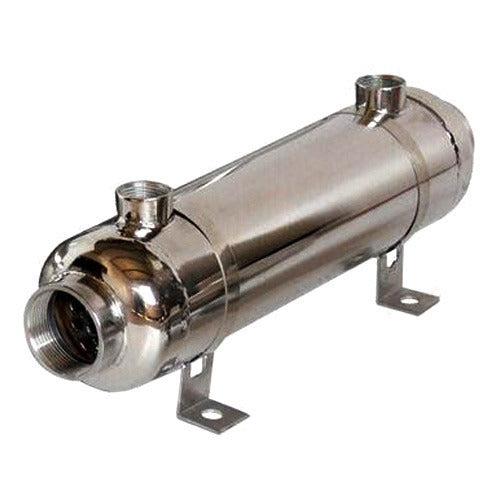
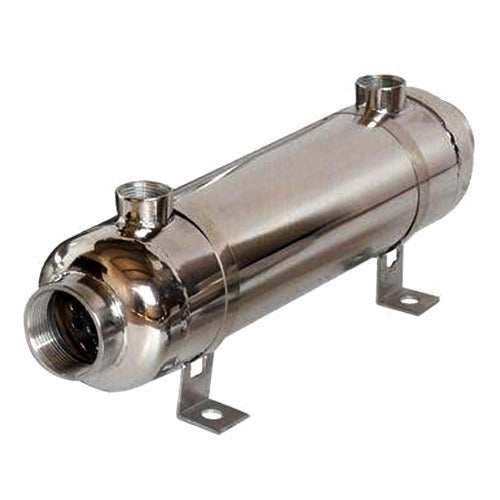
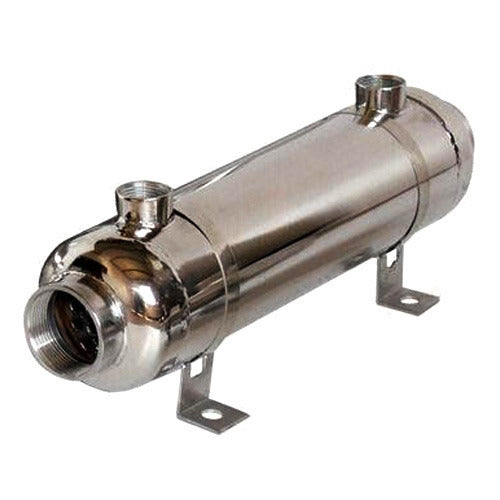
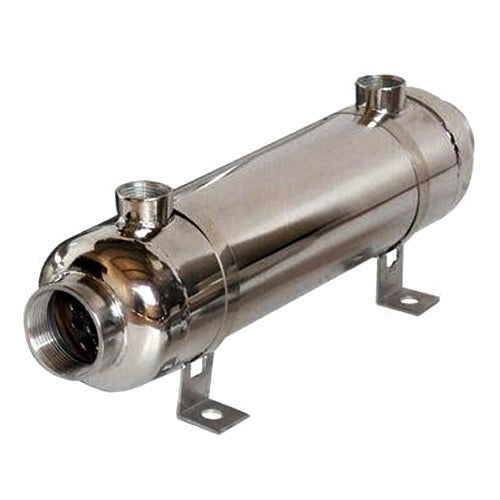
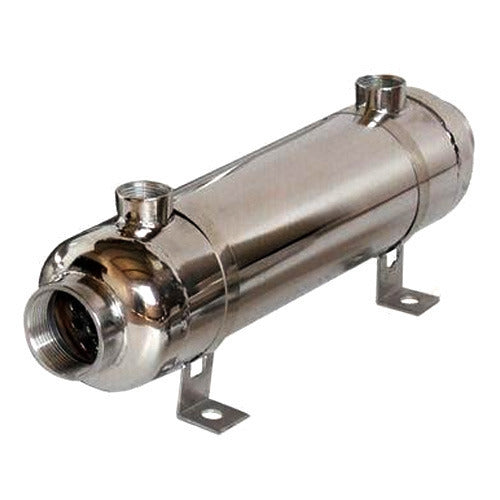
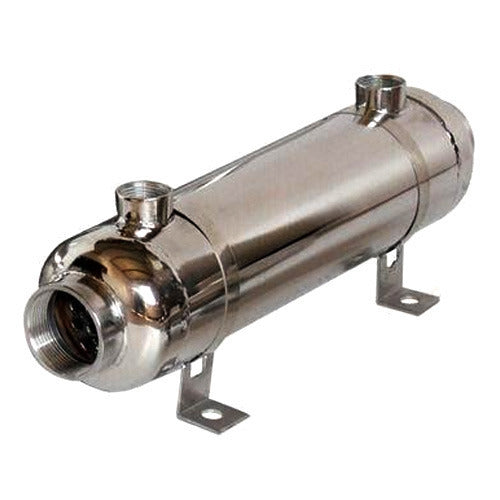
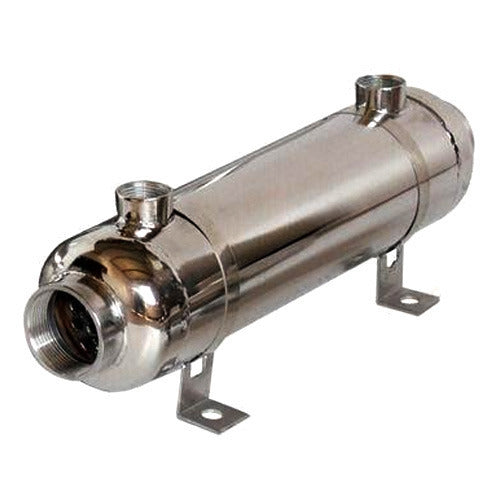
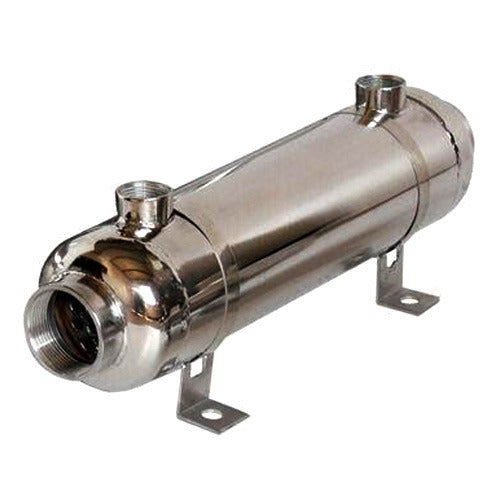
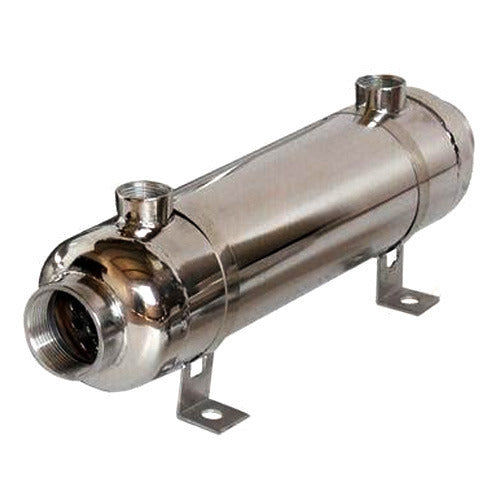
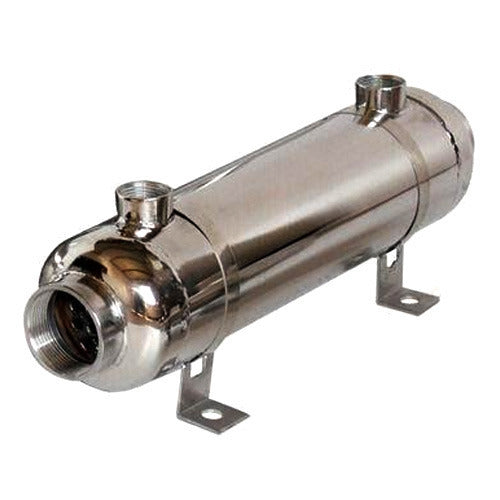
Marine heat exchangers are designed for boat engines, seawater cooling systems, and offshore thermal management applications where reliable heat transfer and corrosion resistance are critical.
Alfa Heating provides marine heat exchanger solutions including shell and tube heat exchangers, titanium heat exchangers, and marine oil coolers for engine cooling, hydraulic systems, generators, and onboard HVAC applications.
Designed for demanding marine environments, our heat exchangers support efficient cooling performance with materials such as stainless steel 316L and titanium for improved seawater corrosion resistance.They are commonly selected in marine environments because of the following characteristics:
- Compatibility with seawater and brackish water systems
- Resistance to corrosion when using materials such as titanium and stainless steel 316L
- Stable thermal transfer performance under variable load conditions
- Suitable for closed-loop and open-loop marine cooling systems
- Configurable for compact installation spaces in engine rooms and auxiliary systems
- Applicable to both heating and cooling circuits in marine thermal systems
Marine heat exchangers are typically used as part of seawater cooling loops, where heat from engines, hydraulic systems, or auxiliary machinery is transferred to seawater via a controlled heat exchange process.
Typical Applications of Marine Heat Exchangers
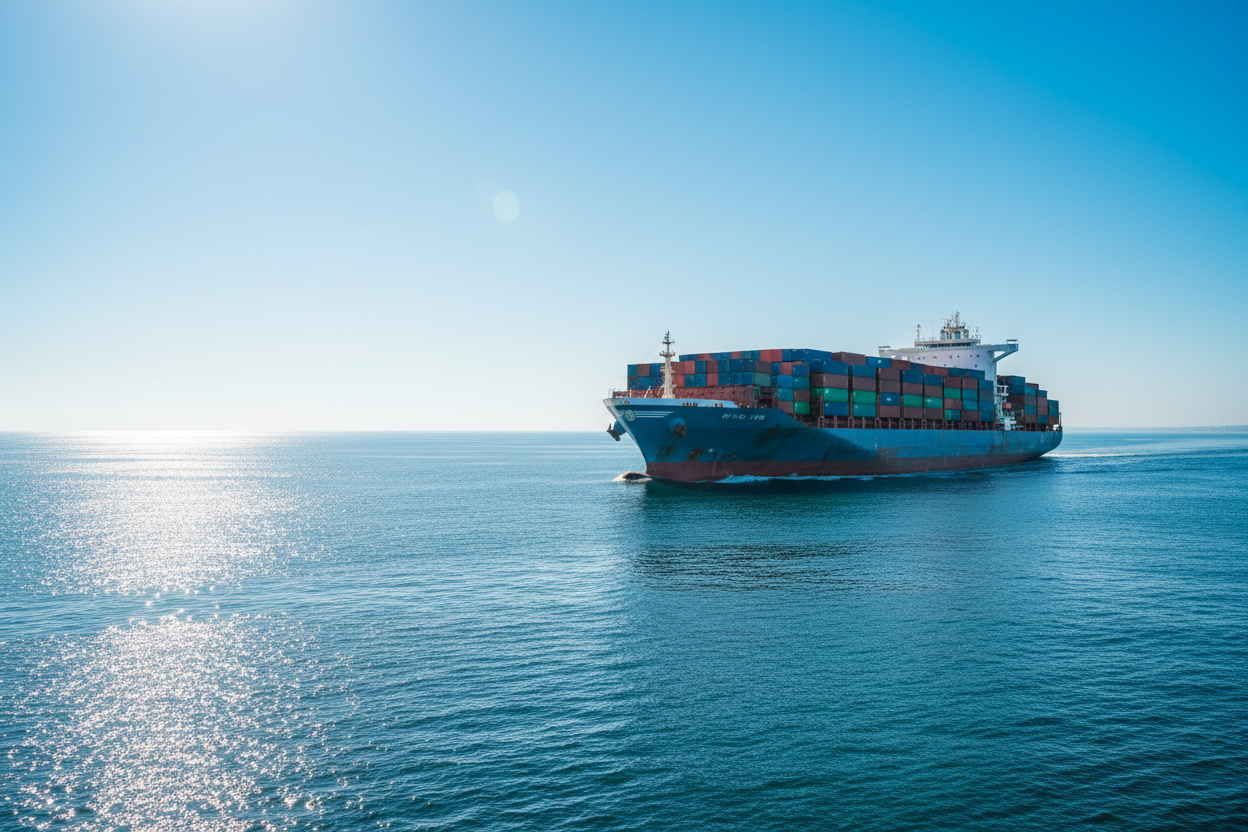
Marine heat exchangers are widely used in marine propulsion systems, seawater cooling circuits, generators, and offshore equipment. Their corrosion-resistant construction also makes them suitable for HVAC, industrial cooling, and other specialized heat transfer applications.


How Marine Heat Exchangers Work
Marine heat exchangers typically operate based on a shell-and-tube heat transfer principle.
The working process can be described as follows:
- Hot fluid from engine or equipment enters the heat exchanger
- Seawater or cooling fluid flows through a separate channel
- Heat is transferred through the tube wall without direct mixing of fluids
- Cooled fluid returns to the system loop
- Heated seawater is discharged or circulated depending on system design
This separation of media allows heat transfer while preventing contamination between seawater and internal working fluids.
Common configurations include:
- Shell and tube heat exchangers
- Plate heat exchangers for compact systems
- Titanium tube bundles for seawater resistance
Key Considerations When Selecting a Marine Heat Exchanger
Selection of a marine heat exchanger depends on system design requirements and operating conditions.
Proper evaluation of thermal demand, fluid characteristics, and installation conditions is required for stable long-term operation.
- Heat Load Requirement:Heat load should be determined based on flow rate, inlet and outlet temperature difference, and operating mode.
These parameters define the required thermal capacity and directly influence heat exchanger sizing. - Fluid Characteristics:Fluid type affects both corrosion risk and heat transfer performance in marine systems.
Seawater, glycol mixtures, oil-based fluids, and mineral-rich water each require different design considerations. - Material Selection:Material choice depends on exposure conditions and seawater corrosion resistance requirements.
SS316L is suitable for general seawater use, while titanium is used for higher salinity or long-term exposure. - Pressure and Temperature Limits:System operating pressure and temperature must match equipment design ratings.
Thermal cycling, maximum pressure, and continuous operating limits should all be verified.
FAQ
A marine heat exchanger is a device used in marine cooling systems to transfer heat between engine coolant and seawater without mixing the two fluids. It is widely used in marine engines, seawater cooling systems, and offshore equipment to maintain stable operating temperatures and prevent corrosion.
A marine heat exchanger works by circulating engine coolant through internal tubes while seawater flows on the shell side. Heat is transferred from the engine coolant to seawater, allowing efficient marine engine cooling and maintaining optimal performance in marine propulsion systems.
Selecting the right marine heat exchanger depends on engine power, cooling capacity, seawater conditions, and system flow rate. For marine engine applications, it is important to consider corrosion resistance materials such as stainless steel or titanium to ensure long service life and efficient seawater cooling performance.