
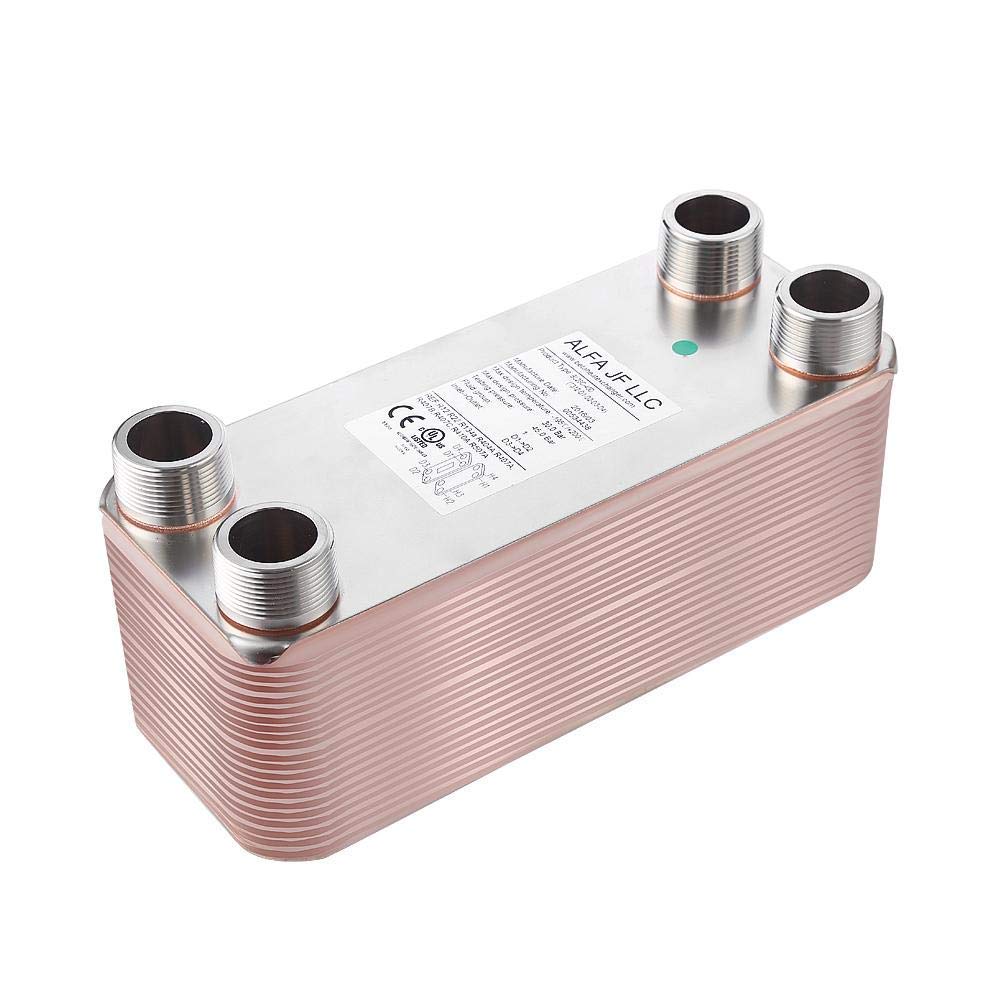
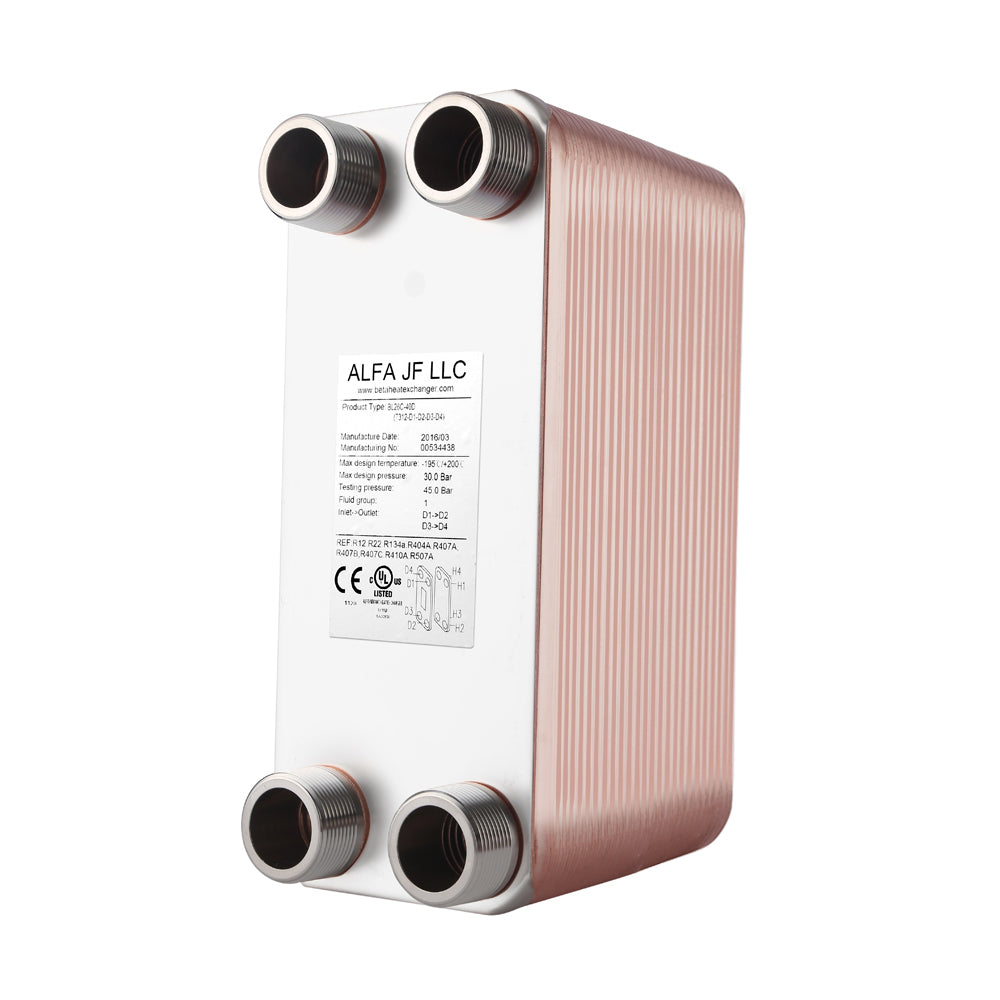
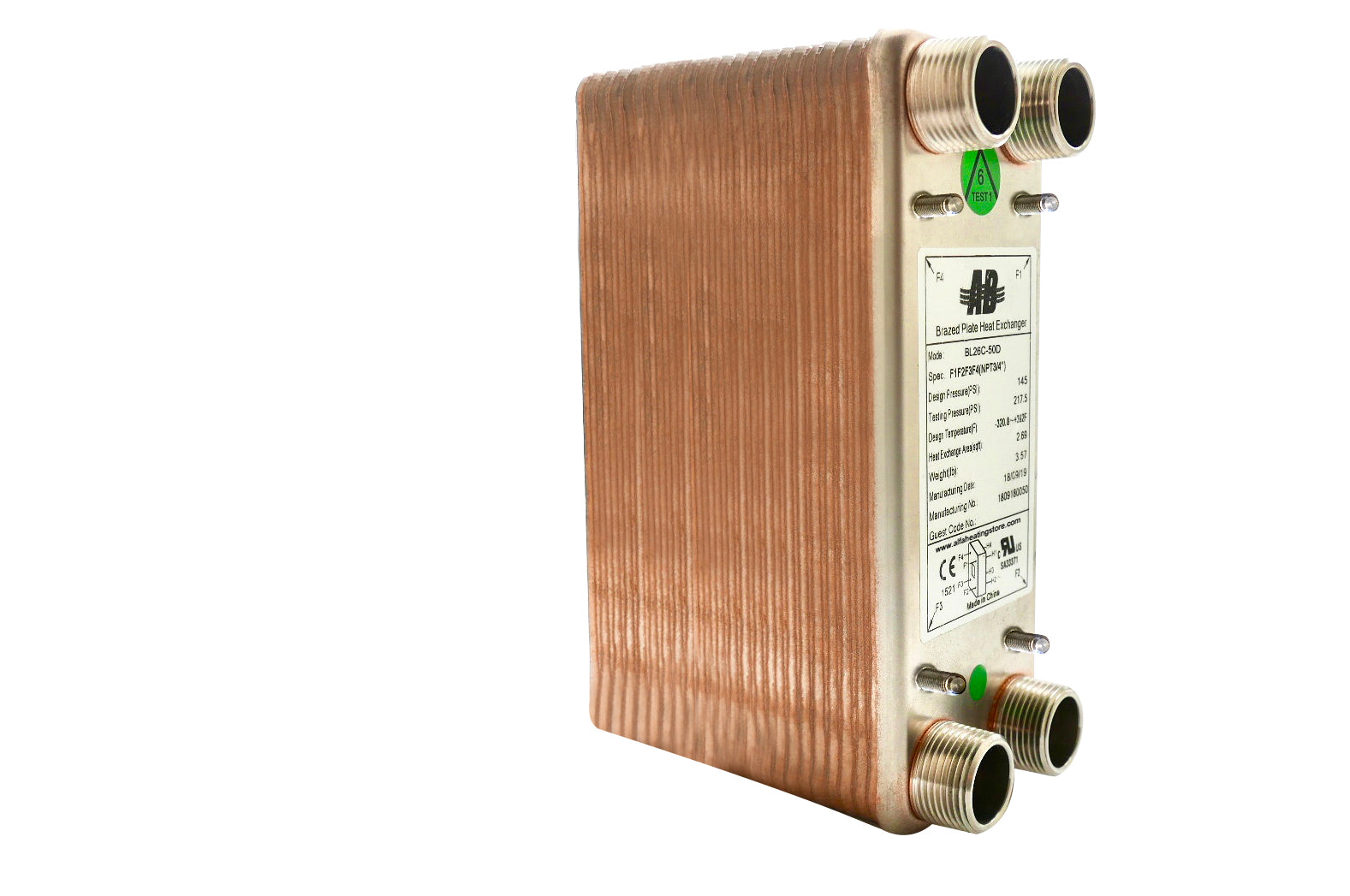
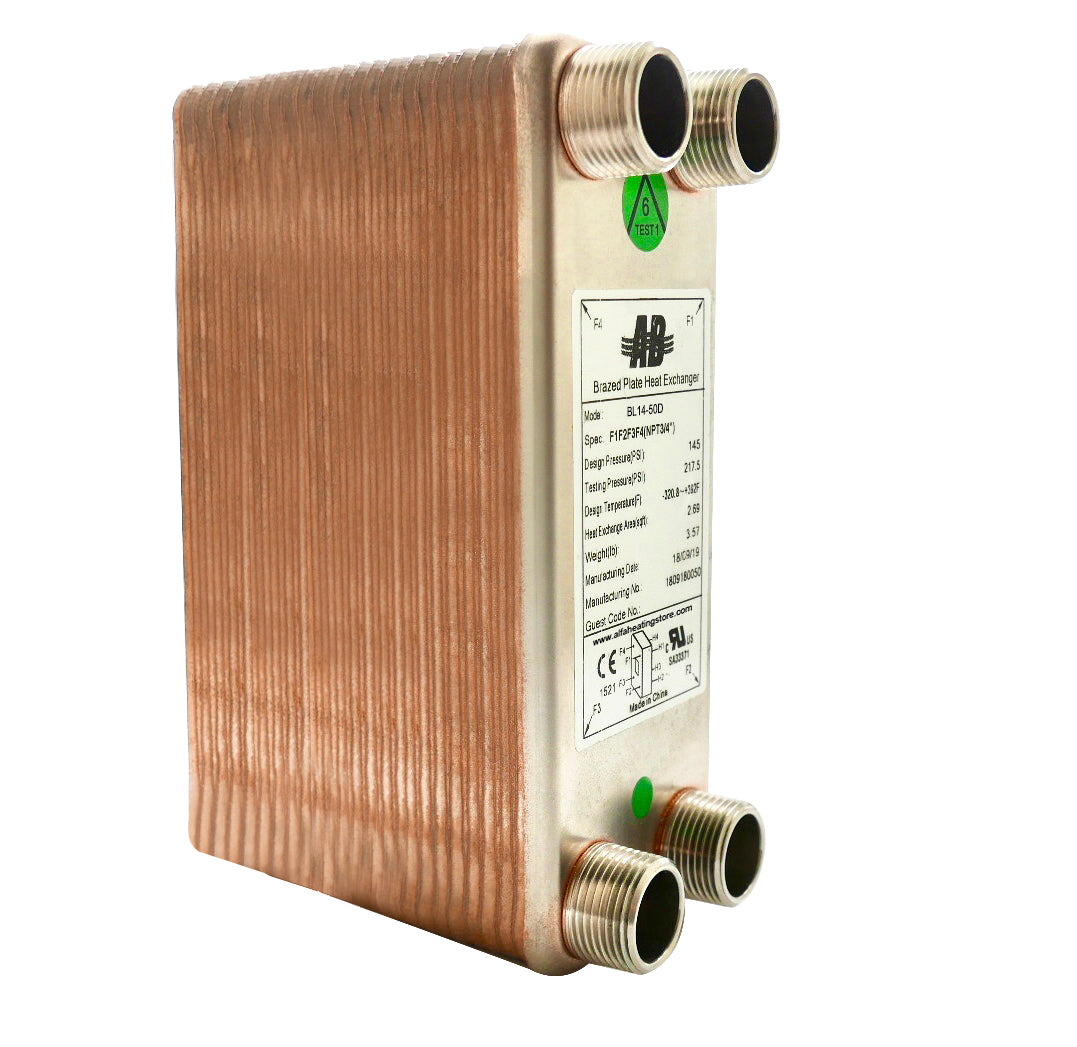
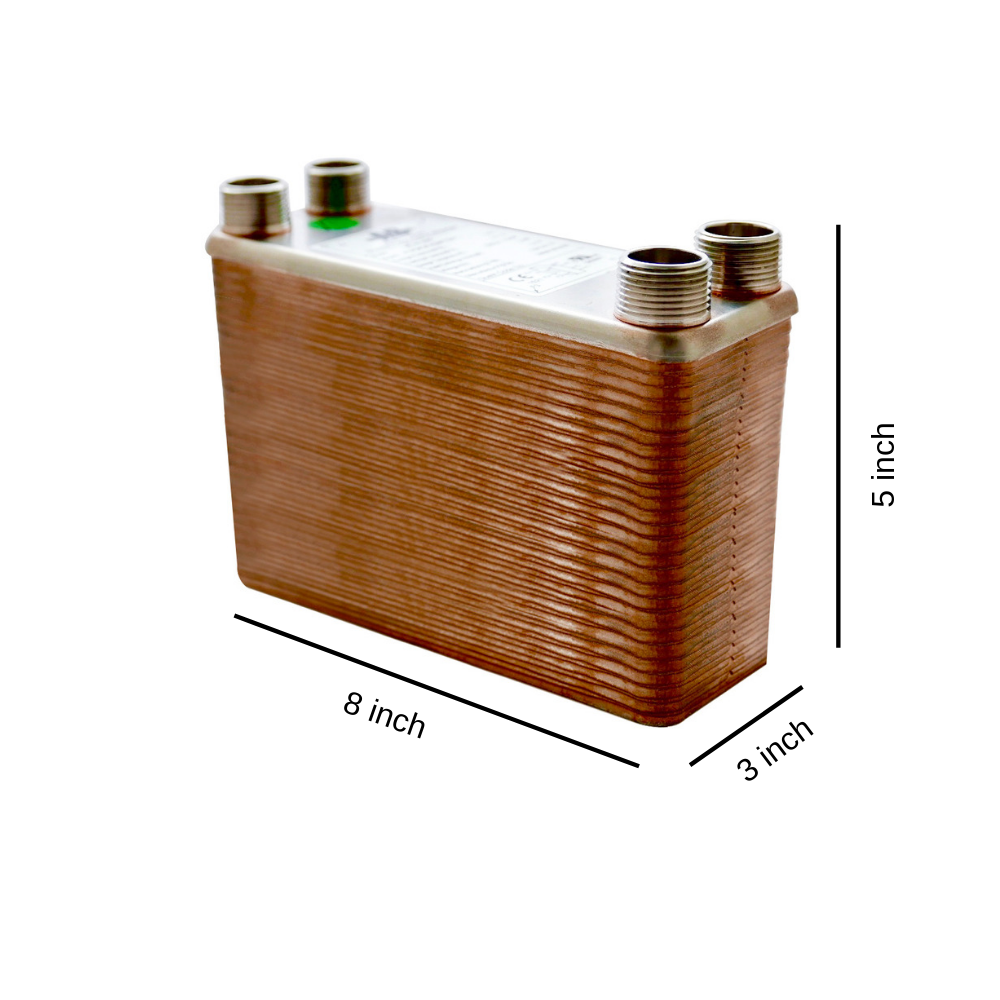
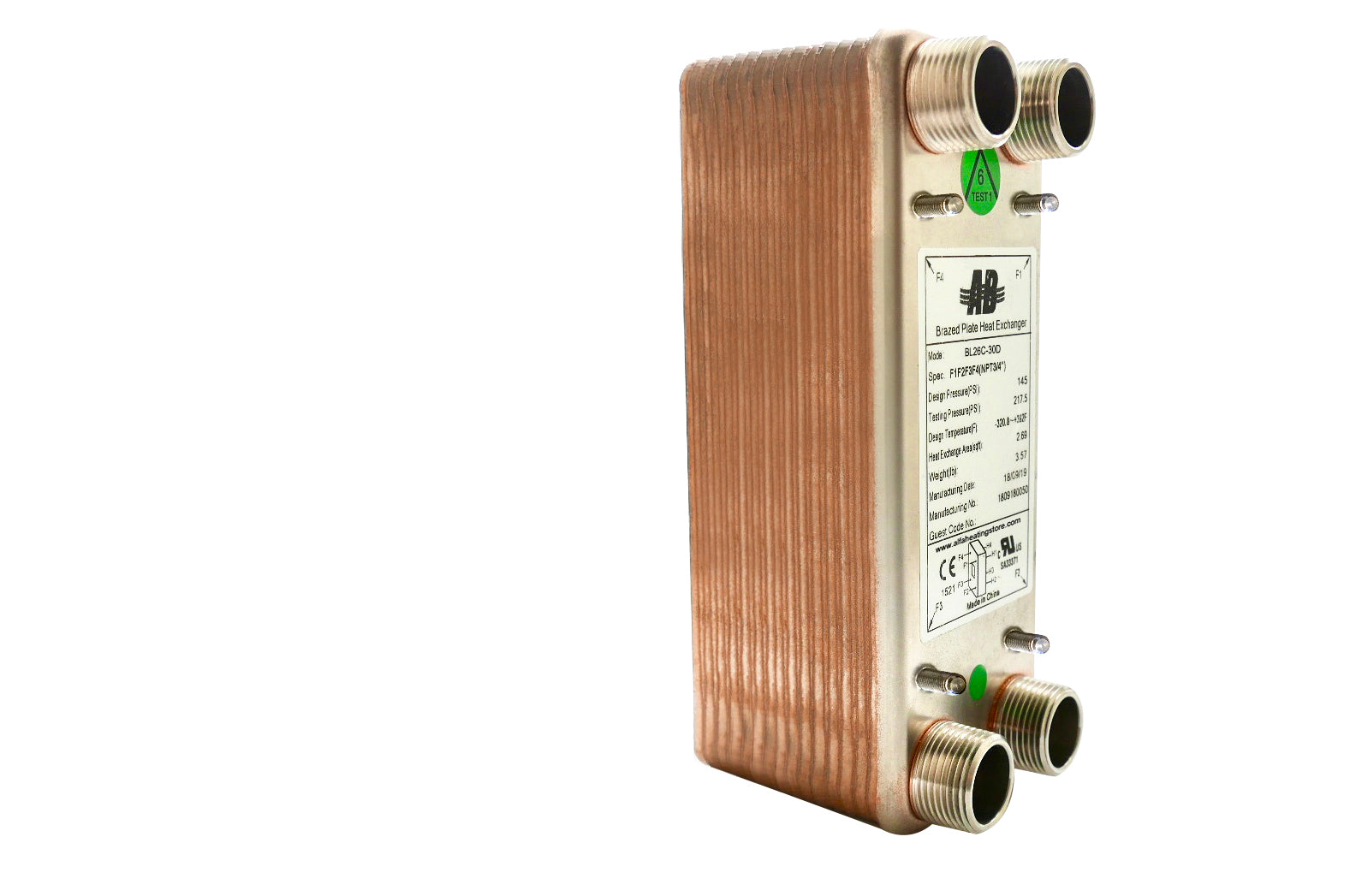
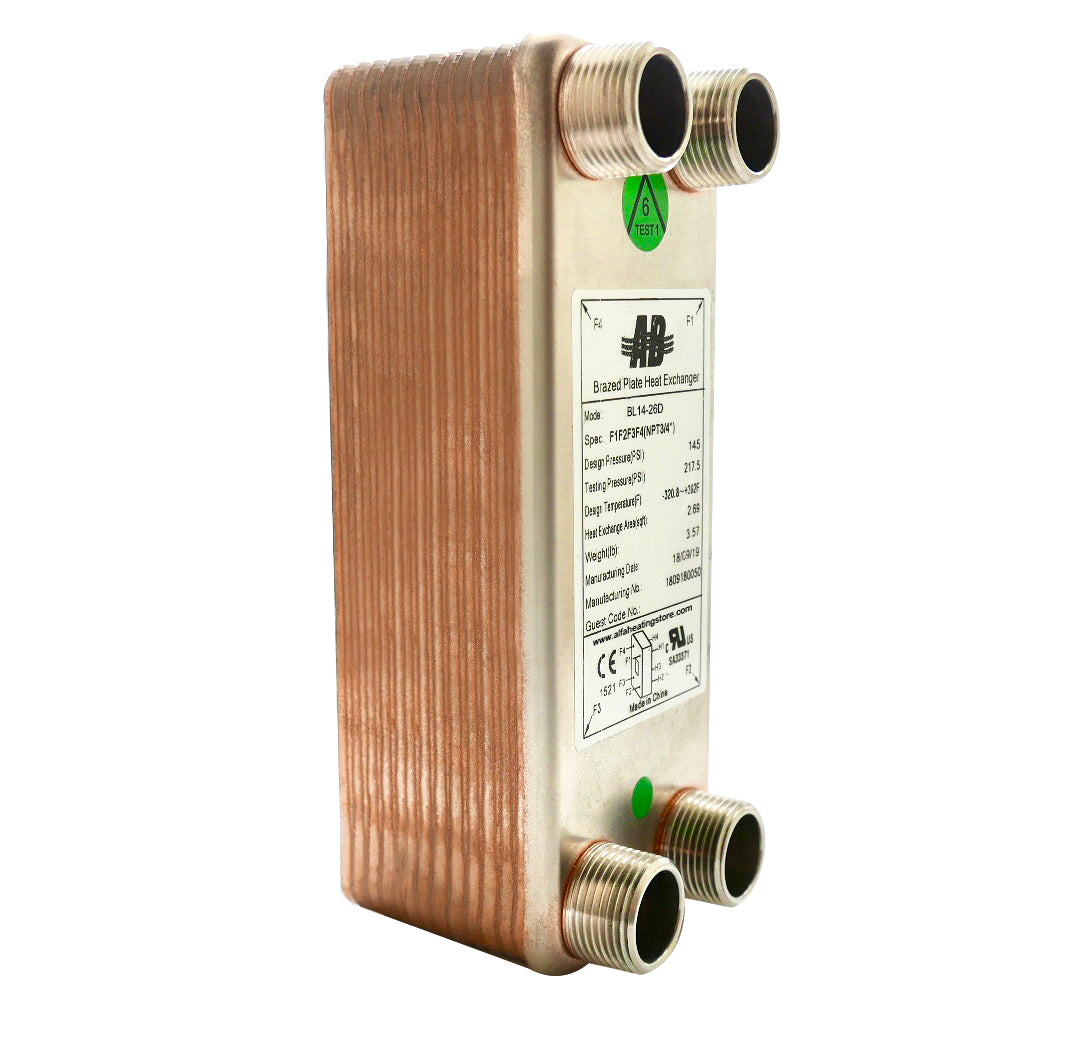
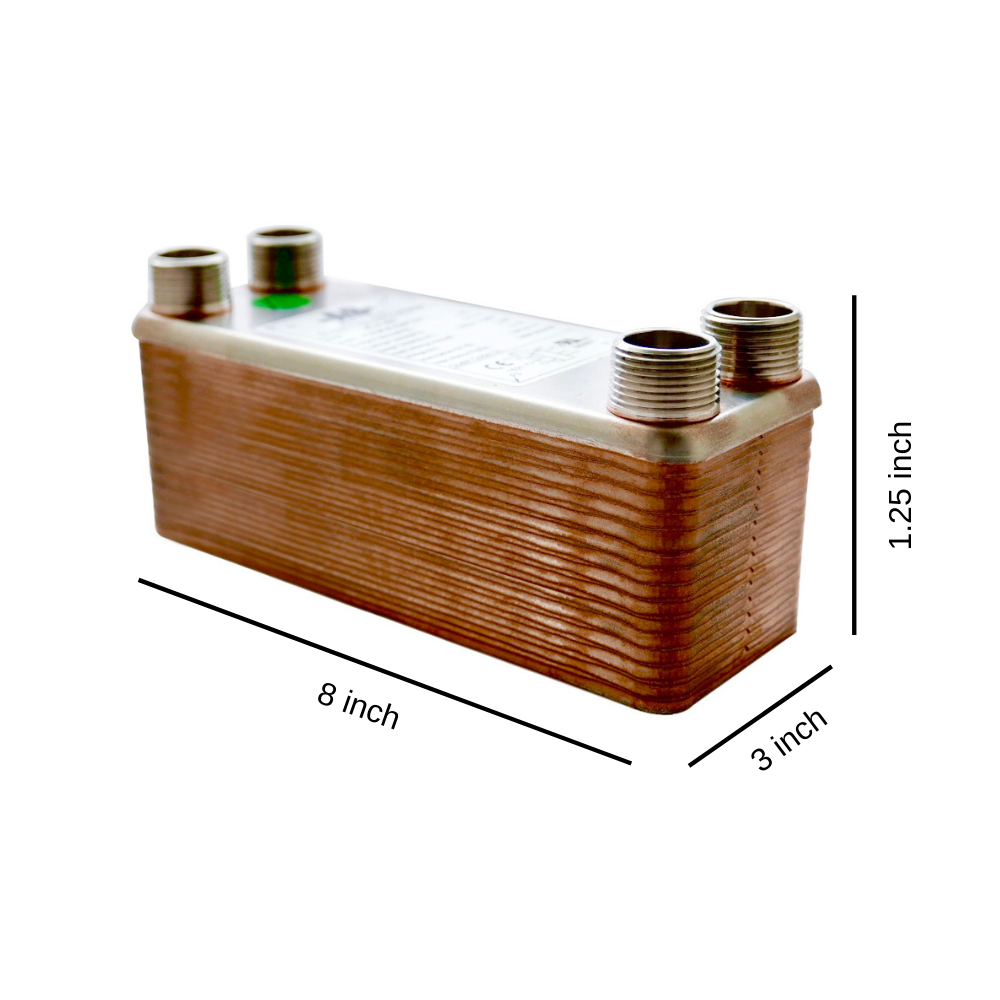
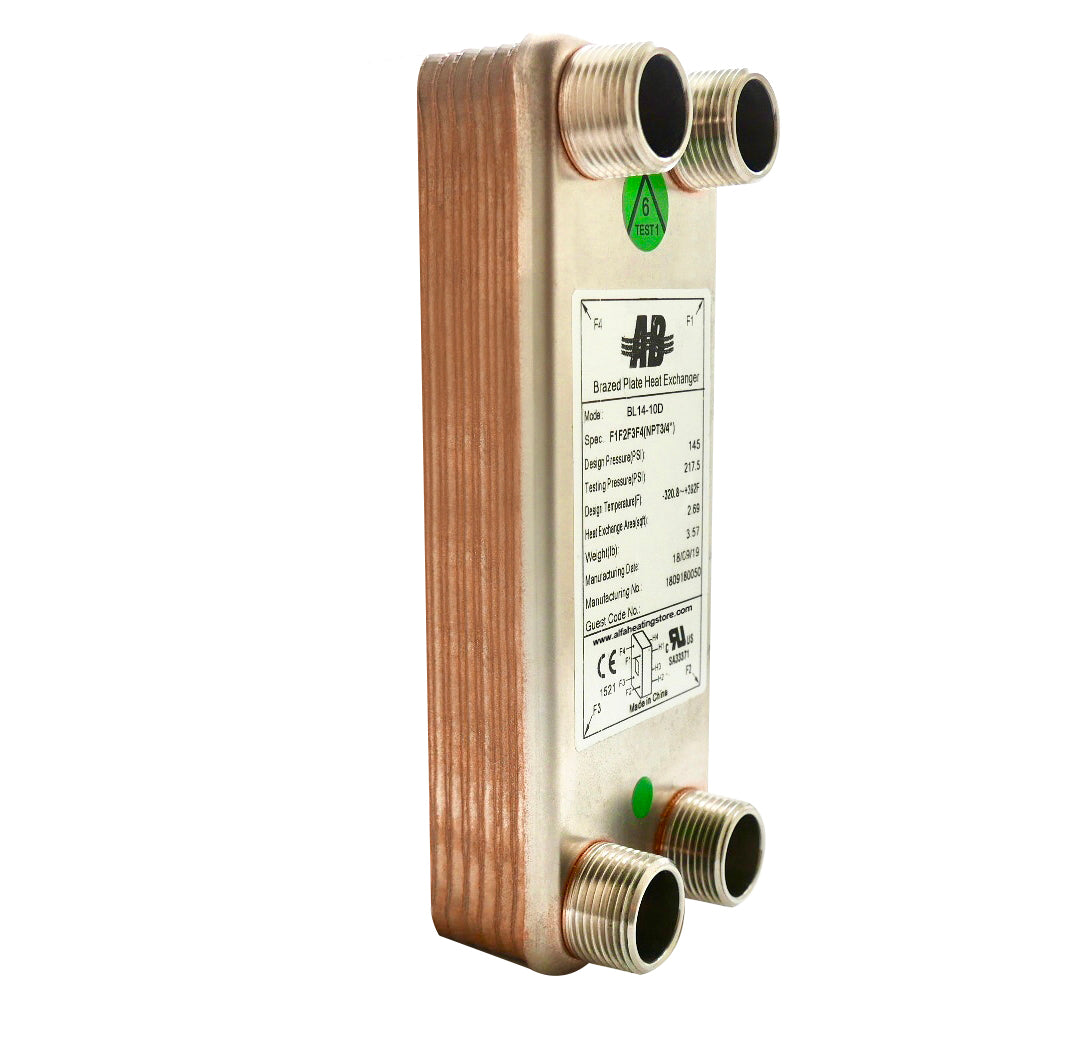
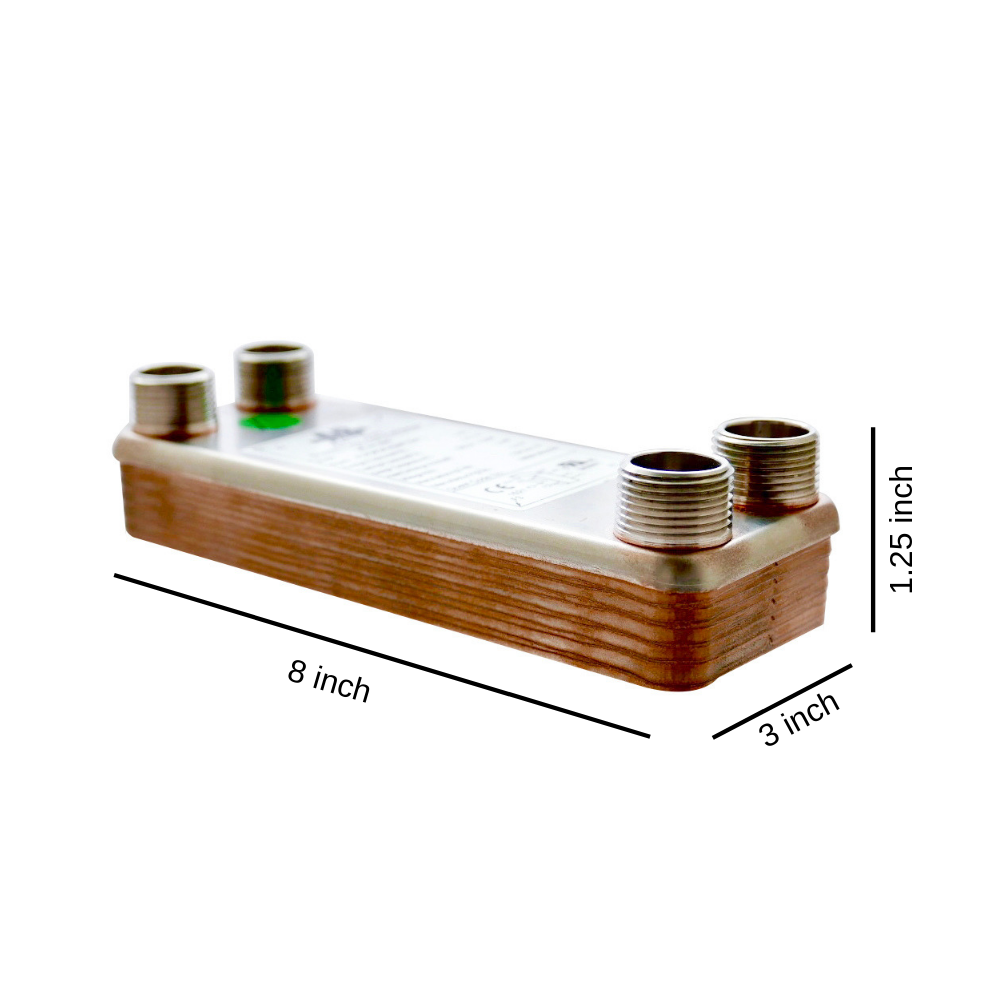
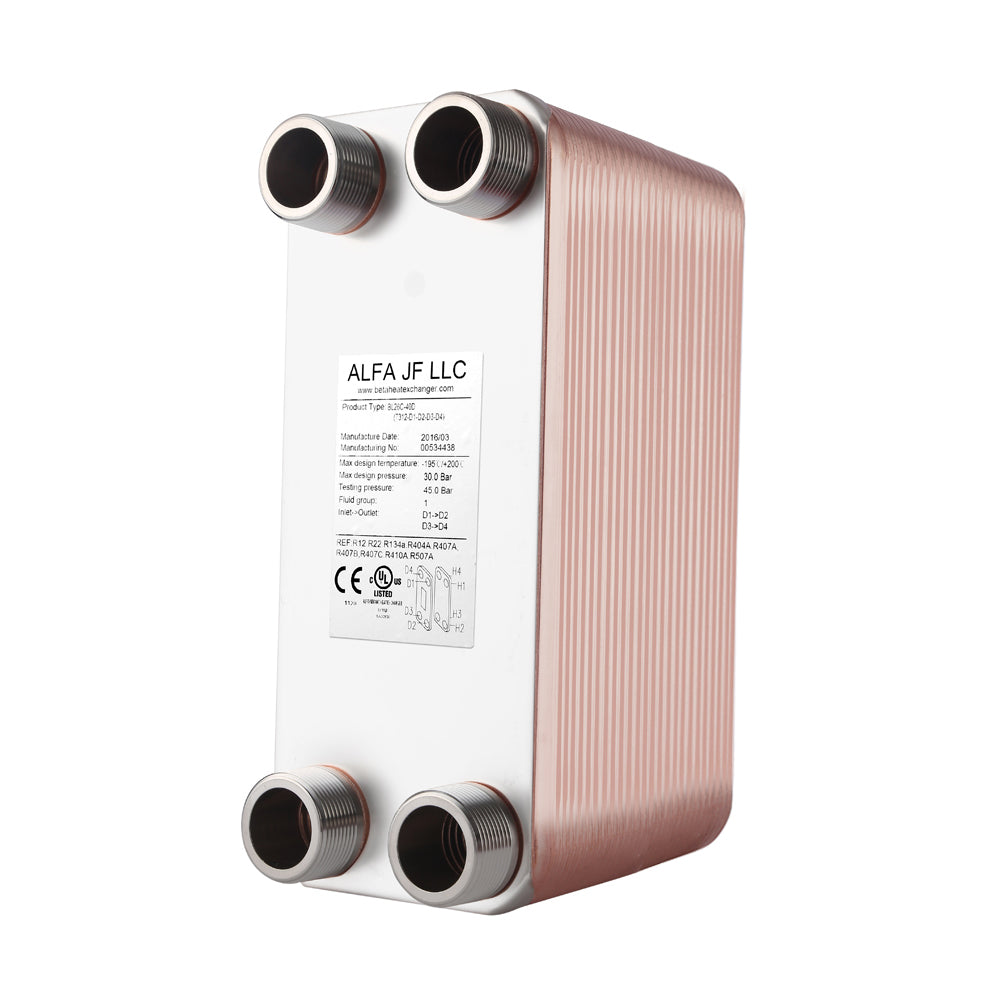
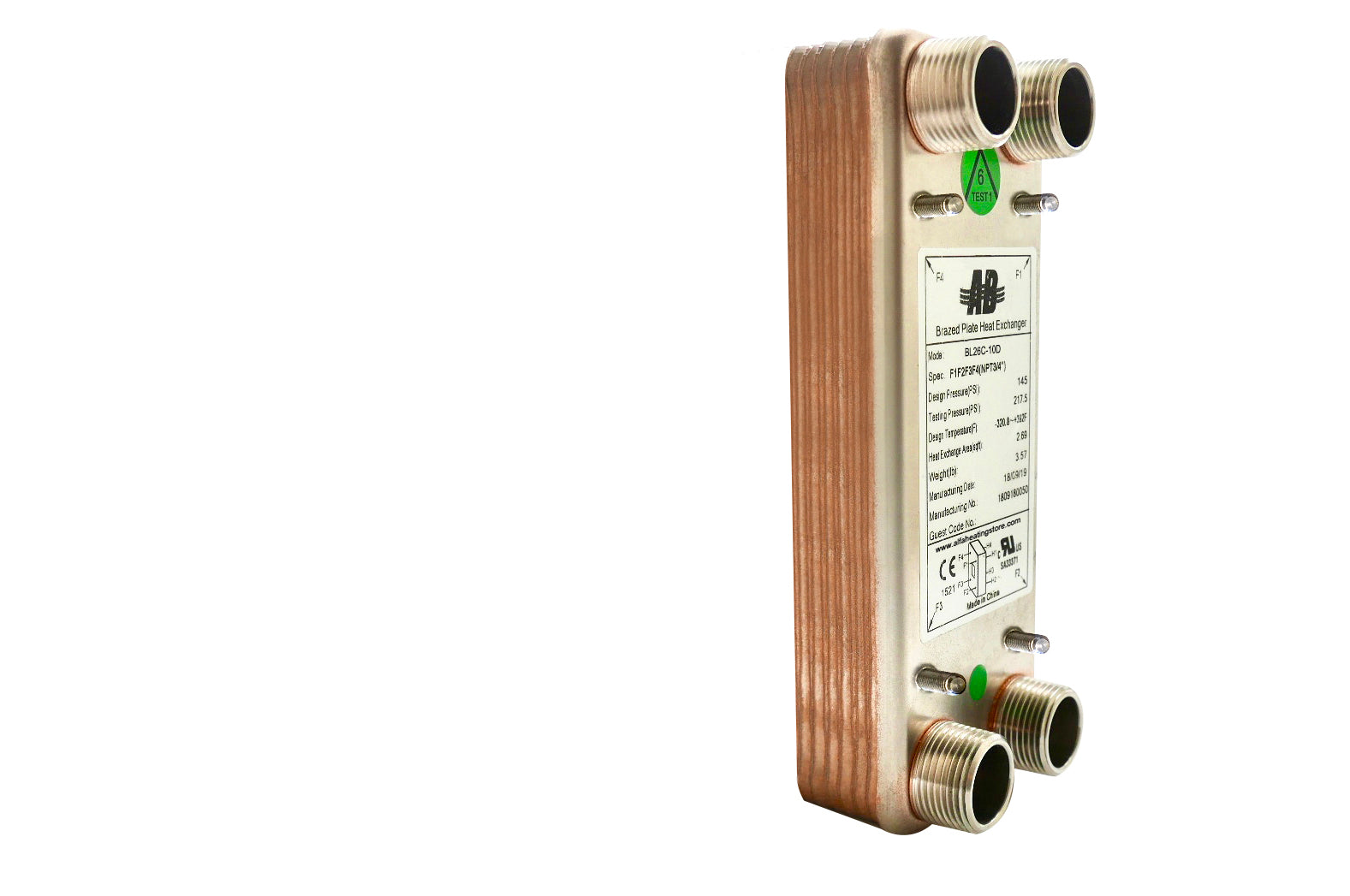
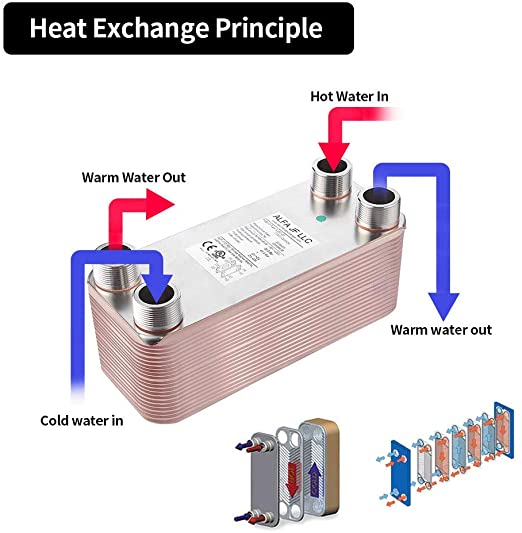
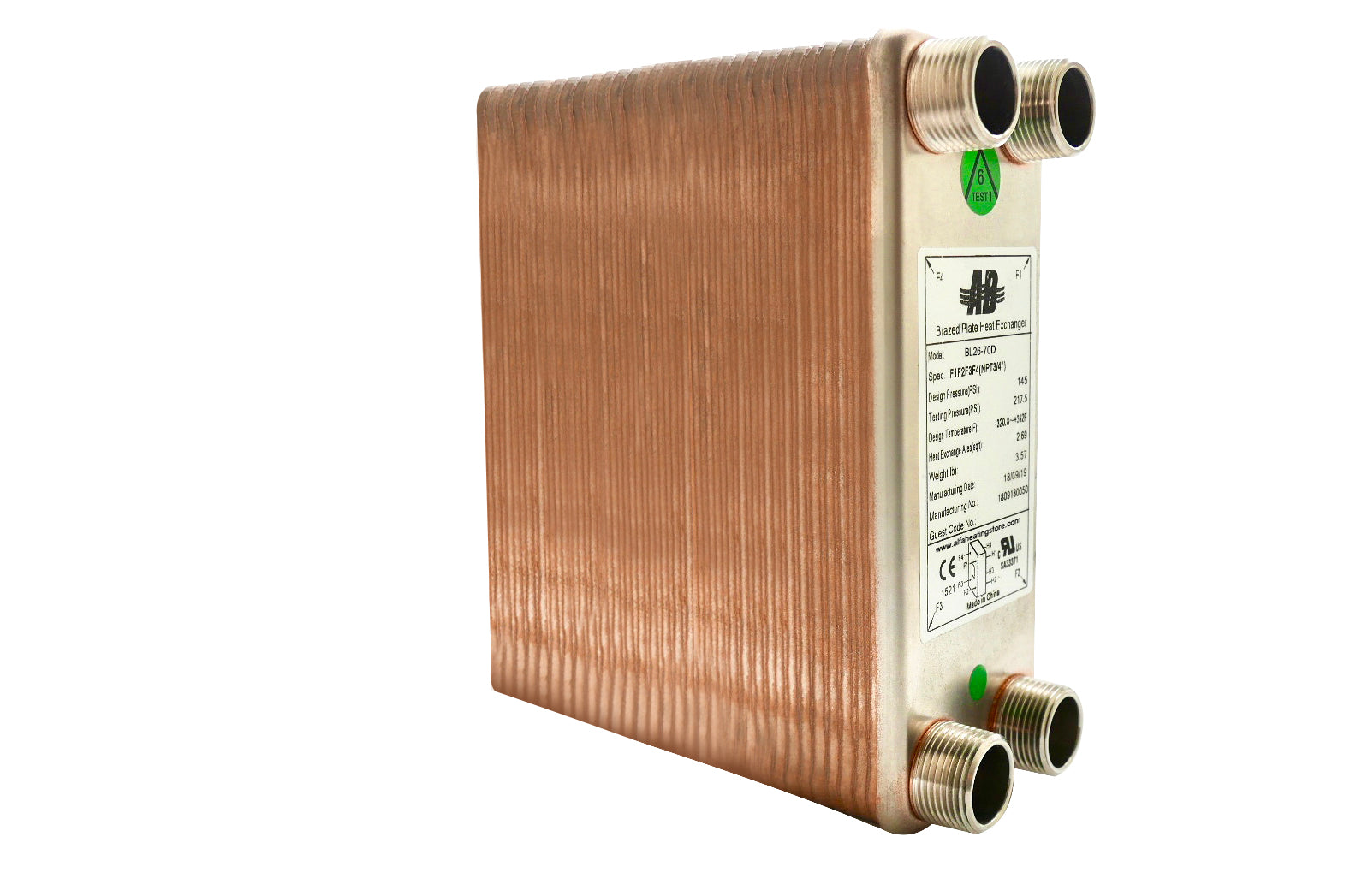
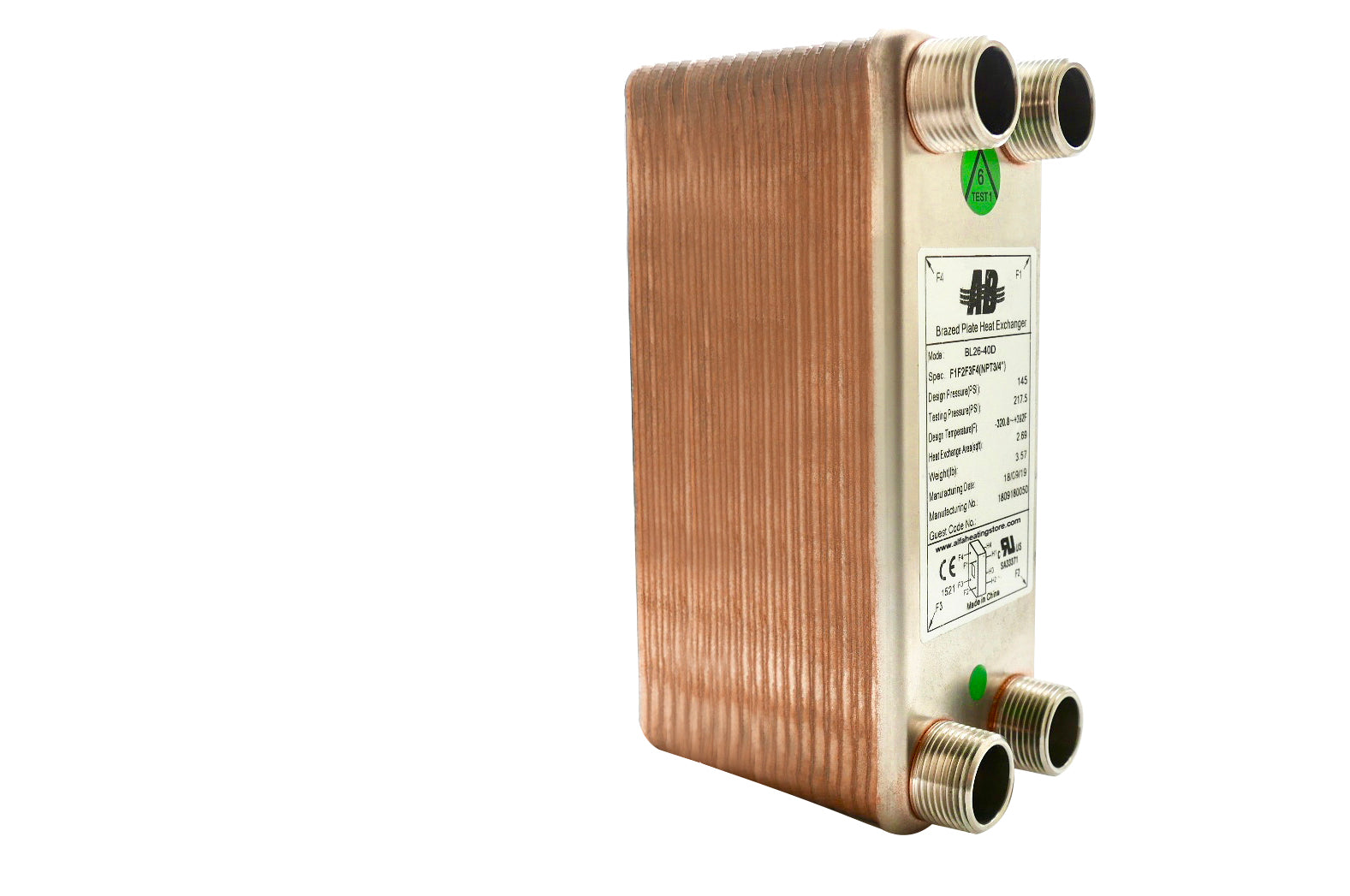
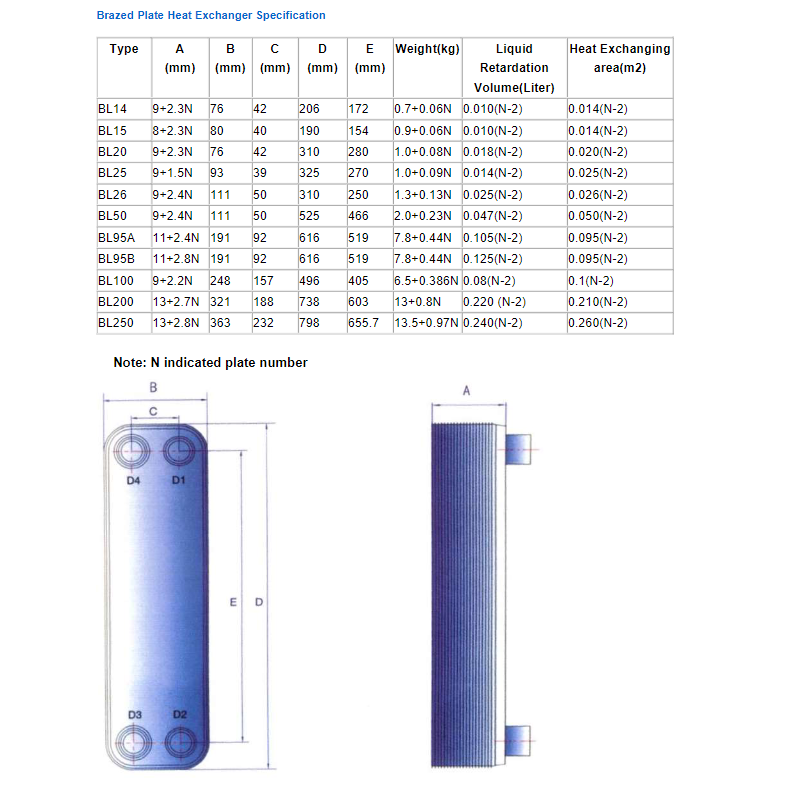
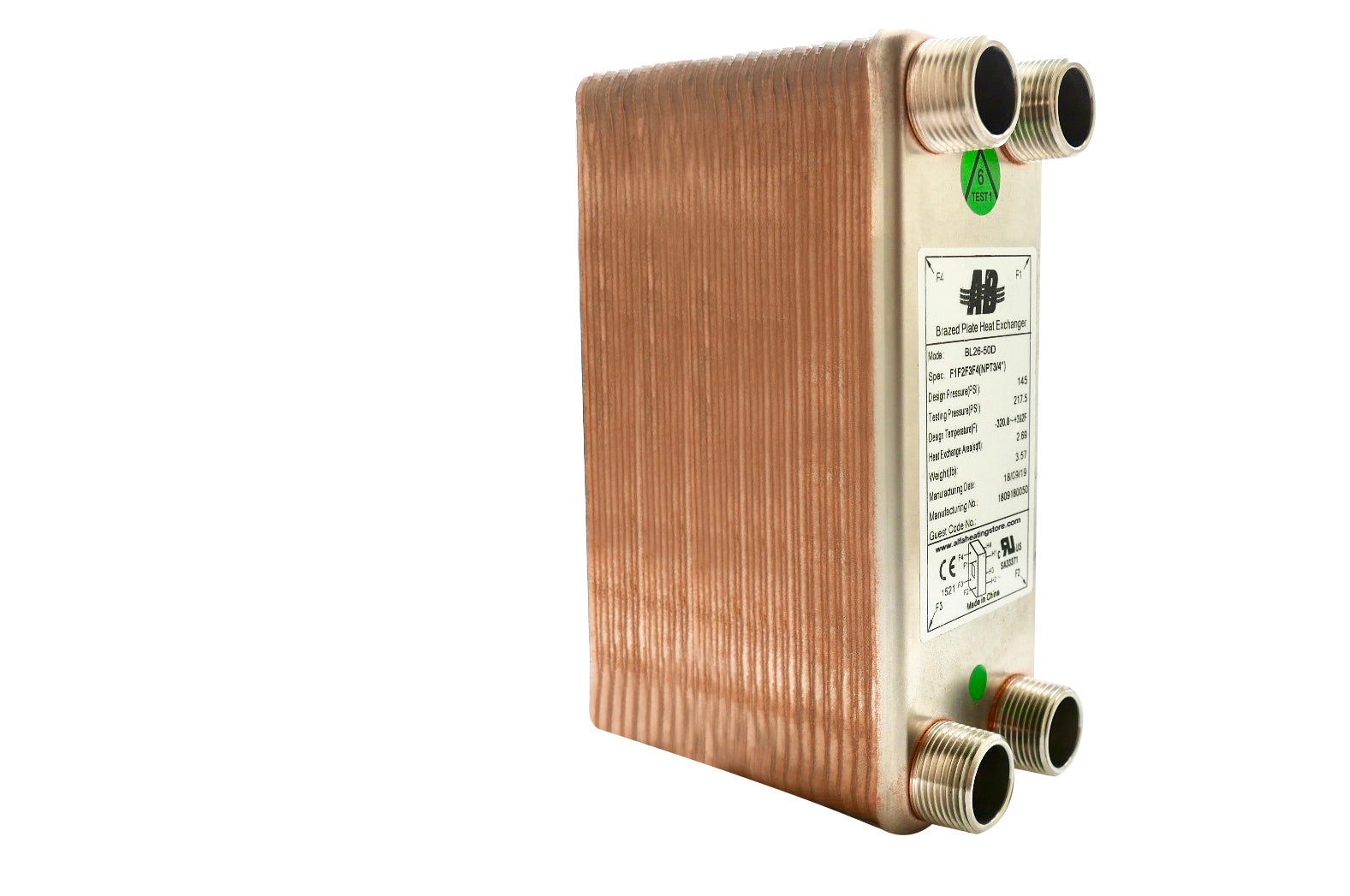
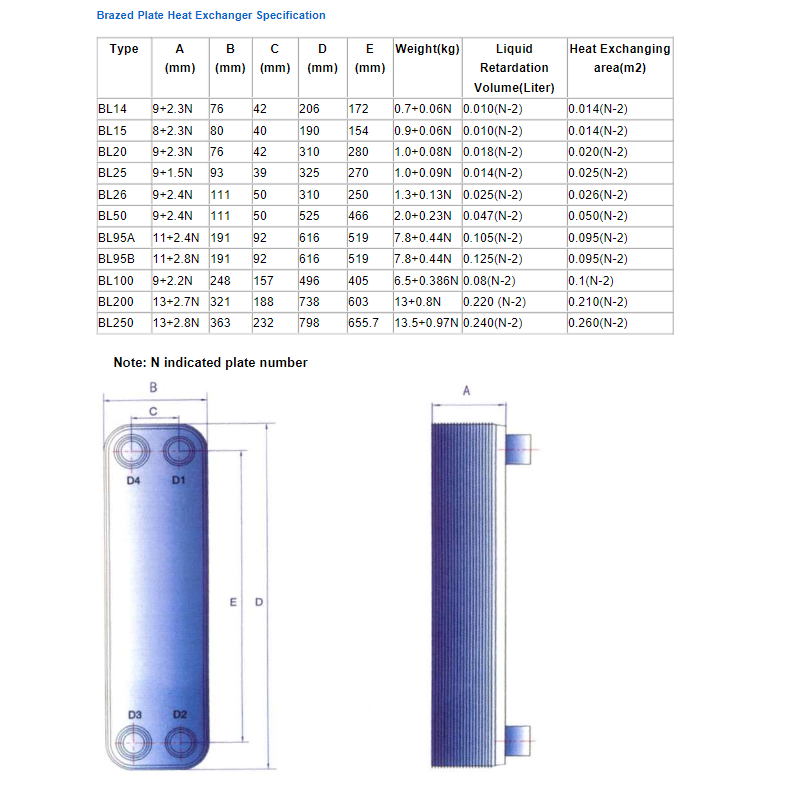
Plate heat exchangers were originally manufactured in the 1920s and are now widely employed in a variety of industries.
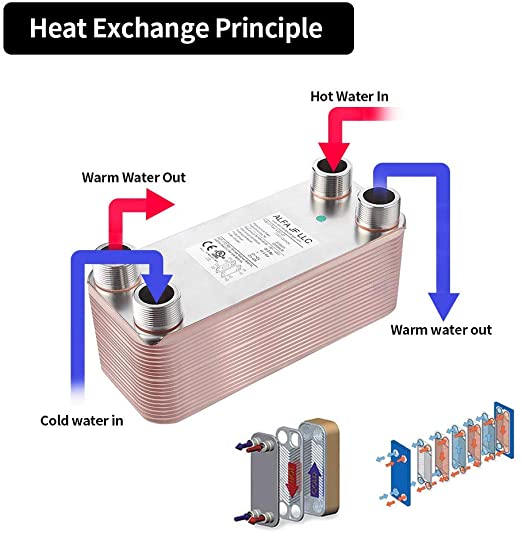
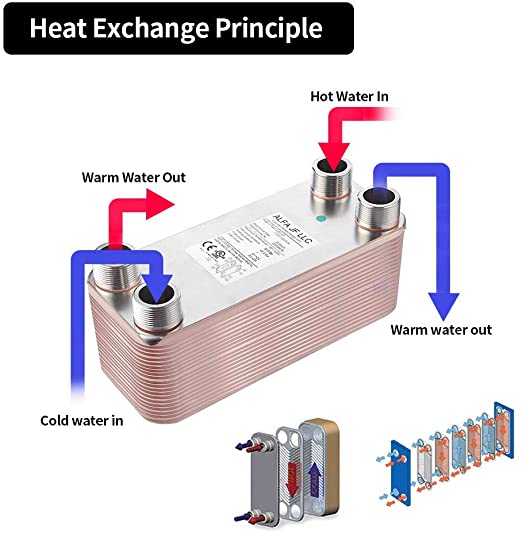
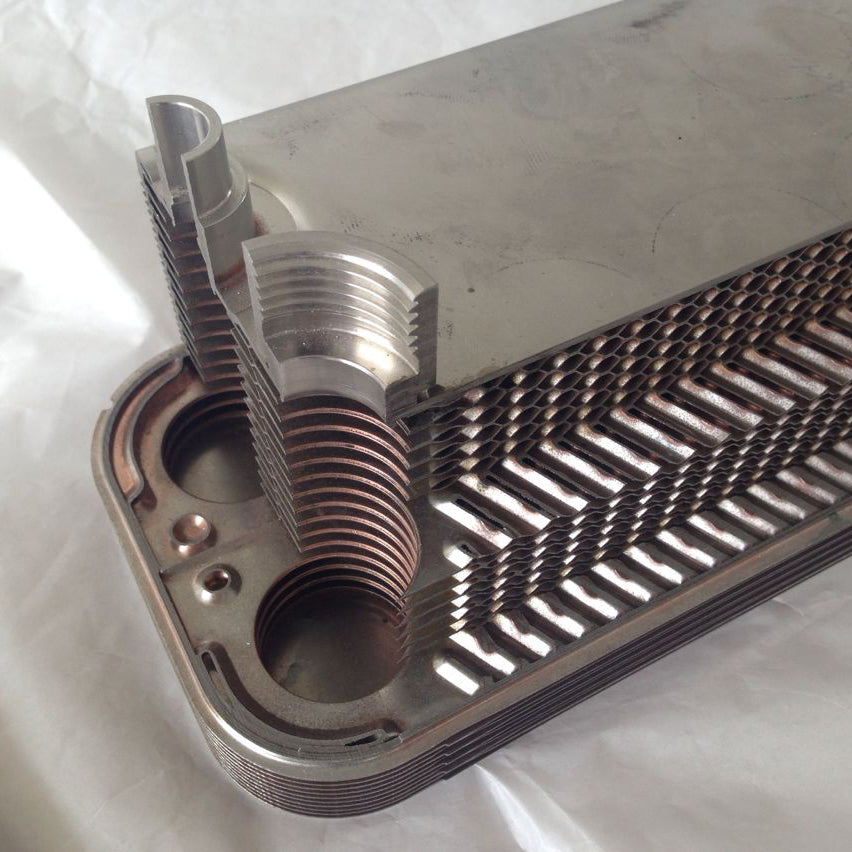
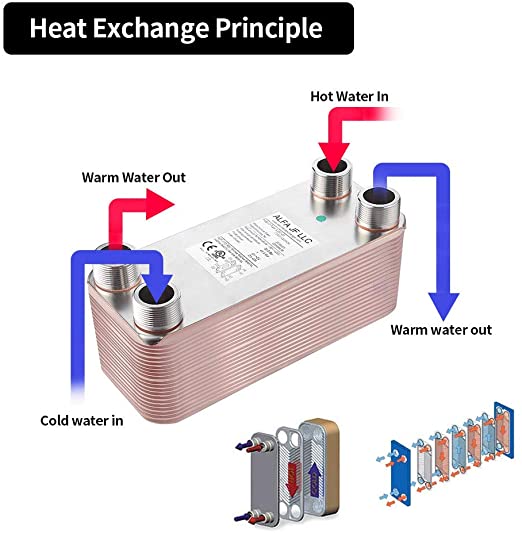
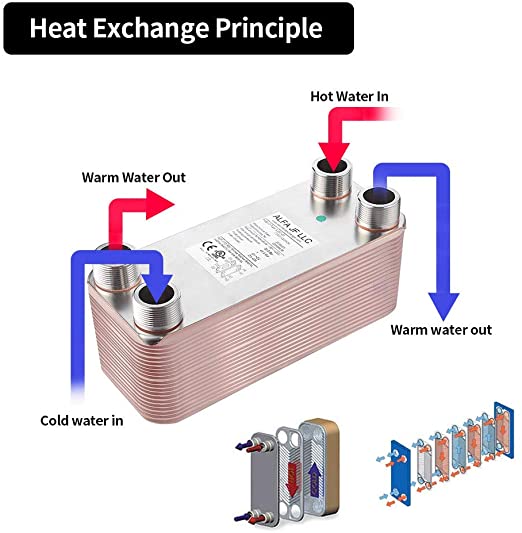
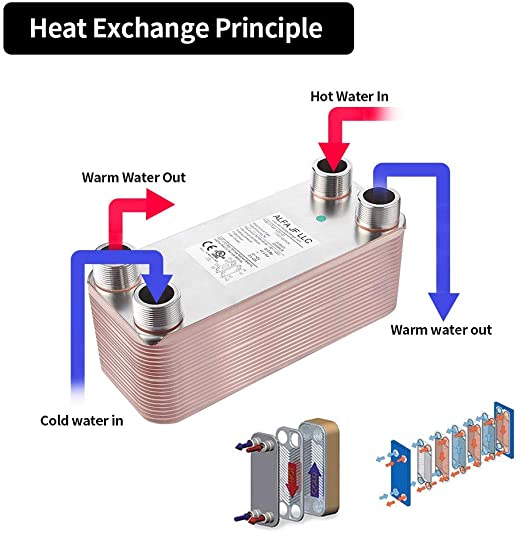
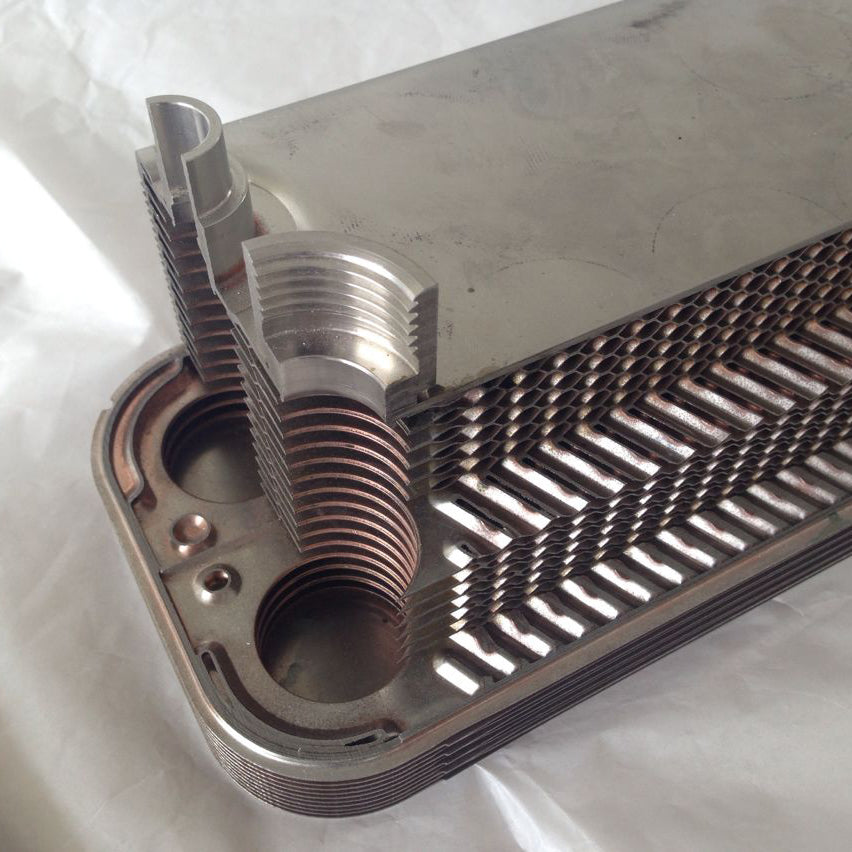
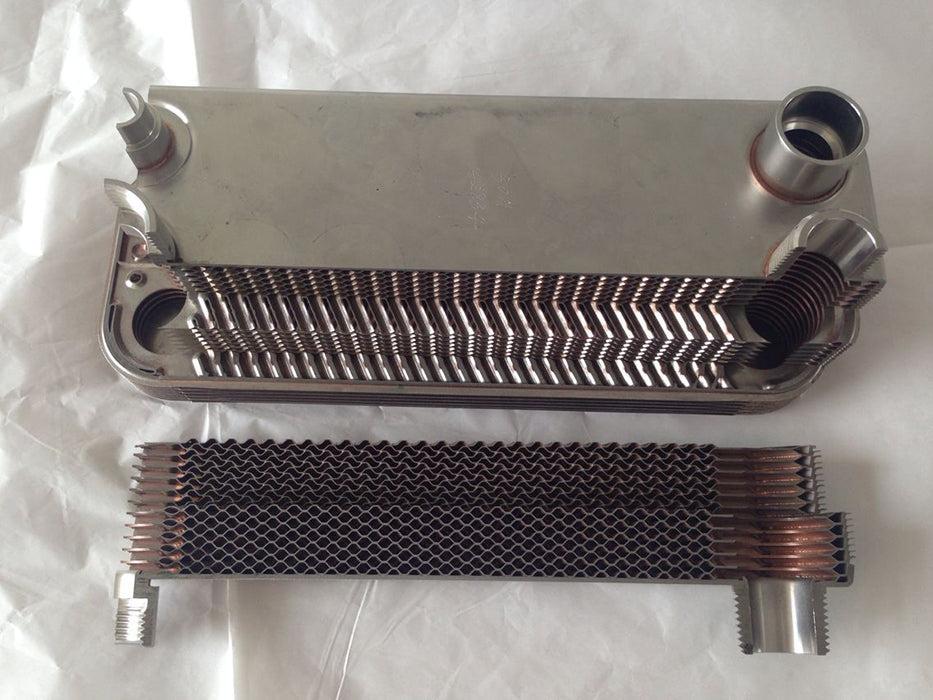
A plate exchanger is made up of several parallel plates that are stacked one on top of the other to generate a series of channels through which fluids can flow.
The channel in which the fluid flows is formed by the gap between two adjacent plates. The whole system and working of a plate heat exchanger are quite complex.
What is a Plate Heat Exchanger?
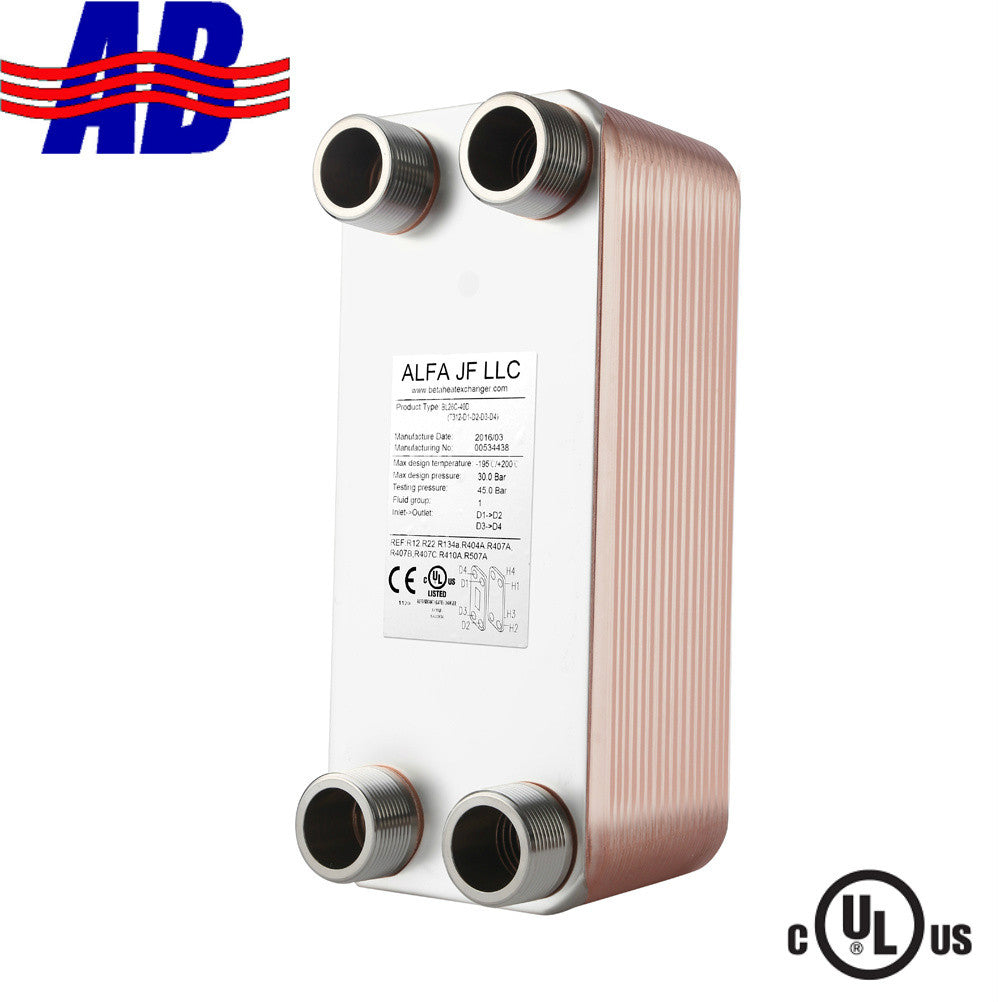
A plate heat exchanger transfers heat from one fluid to another through a series of metal plates. These plates in this exchanger are stacked on top of each other to form a series of channels through which fluid can flow. The plate heat exchanger was introduced by Richard Seligman in the 1920s.
The fundamental advantage of plate heat exchangers over traditional heat exchangers is that the fluid is dispersed across the plate, exposing the fluid to a wider surface area. This accelerates the rate of temperature change by increasing the heat transfer rate.
How it Works
The plate heat exchanger operates on the thermodynamic concept. Each plate in these exchangers has a restricted, hollow tubular casing.
The plates are positioned in such a way that tiny rectangular channels are formed, allowing heat to be exchanged via half-pieces. Between any of these twisted and restricted channels, the operational fluid flows.
To regulate fluid flow, the plates of this exchanger are encircled by gaskets. These gaskets are arranged such that just one type of liquid, such as water or oil, is distributed on one plate, while another fluid, such as lukewarm water, is distributed on the next plate.
Benefits of Choosing Plate Heat Exchangers from WiseWater Alfa Heating Company
Here are some of the advantages of purchasing plate heat exchangers from WiseWater Alfa Heating Company which make them one of the most viable options when it comes to heat exchangers –
- Efficiency - One of the most significant benefits of plate exchangers is the efficiency that comes with their small size. These types of heat exchangers are made up of multiple perforated plates attached to the equipment's frame, resulting in a design that makes use of the entire body in the heat transfer process. This pure surface design causes a lot of turbulence and wall shear stress, which results in a lot of heat transmission, making them very efficient.
- Flexibility - Another benefit of plate heat exchangers is that they can readily adapt to capacity variations, ensuring that the size and quantity of plates necessary for your application are never an issue. Plate heat exchangers can have additional plates added or removed to improve or reduce transfer capacity.
- Serviceability - Plate heat exchangers are considered easy to clean and maintain since their plates may be removed without totally unplugging the heat exchanger. When your plate exchanger requires maintenance, a professional only needs to remove the plate pack and clean it. If the plate has to be replaced, your device won't be down for long because its plates can always be switched out thanks to its improved design over other types, which allows for easier access.
How to Choose Plate Heat Exchangers:
Plate-and-frame heat exchangers come in a variety of configurations. A gasket plate-and-frame configuration is the most prevalent in the market.
A fully synthetic rubber gasket is inserted between the plates to produce fluid channels in a gasket plate-and-frame system. Due to the operating limits of the sealant, this design may be limited in terms of temperature, pressure, and fluid compatibility. If the design considerations for a process application allow for a gasket plate-and-frame layout, make sure the fluids that pass through the unit are suitable for the seals. The gasket plate-and-frame exchanger assembly has an easy-to-clean design, and the fouled plates are easy to replace.
An all-welded unit is a second alternative for a plate heat exchanger. This design does not have the temperature and pressure limits of a gasket design since it is not built with gaskets. Several process applications employ welded plate exchanger layouts.
The all-welded construction provides superior corrosion resistance in addition to increased operational design parameters. All-welded devices need more work to clean than gasket plate types. When properly maintained, they are not prone to fouling and can provide long-term serviceability. There's also no risk of leakage with the all-welded design, which might be a concern with the gasket designs for plate heat exchangers.
Heat loss in a system often stems from a single issue: too little surface area for heat transfer. A plate heat exchanger solves this by forcing fluids through narrow channels formed between stacked metal plates. As the liquids pass each other in alternating paths, heat moves quickly from one side to the other without mixing the fluids.
This structure creates strong turbulence inside the channels. Instead of flowing smoothly in wide pipes, the liquid is constantly redirected. That motion speeds up the rate of temperature change and reduces the time needed to reach target conditions. For heating systems, domestic hot water setups, and industrial processes, this leads to faster response and stable operation.
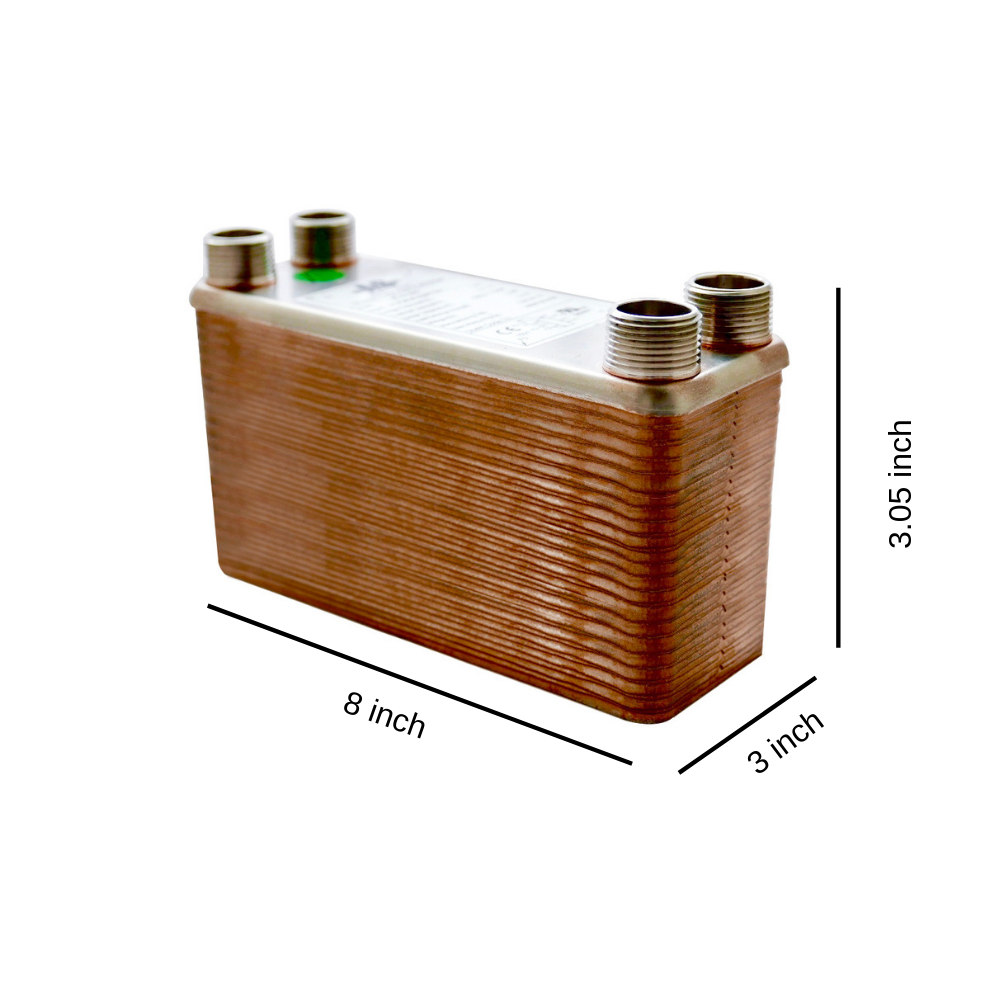
Size is another reason many installations rely on plate heat exchangers. Compared with shell-and-tube units of similar capacity, they take up less space and can be installed in tight mechanical rooms. This matters in residential boiler rooms, mechanical closets, and compact equipment skids.
Service also remains straightforward. In many configurations, plates can be separated and cleaned individually. This reduces downtime when scale or deposits appear inside the channels. Maintenance teams do not need to replace the entire unit when only selected plates require attention.
Another advantage is flexibility in capacity. Heat transfer output depends on the number of plates and the flow arrangement. Systems can be expanded by adding plates or selecting a larger frame size. That makes these exchangers suitable for installations that may grow over time or operate under changing load conditions.
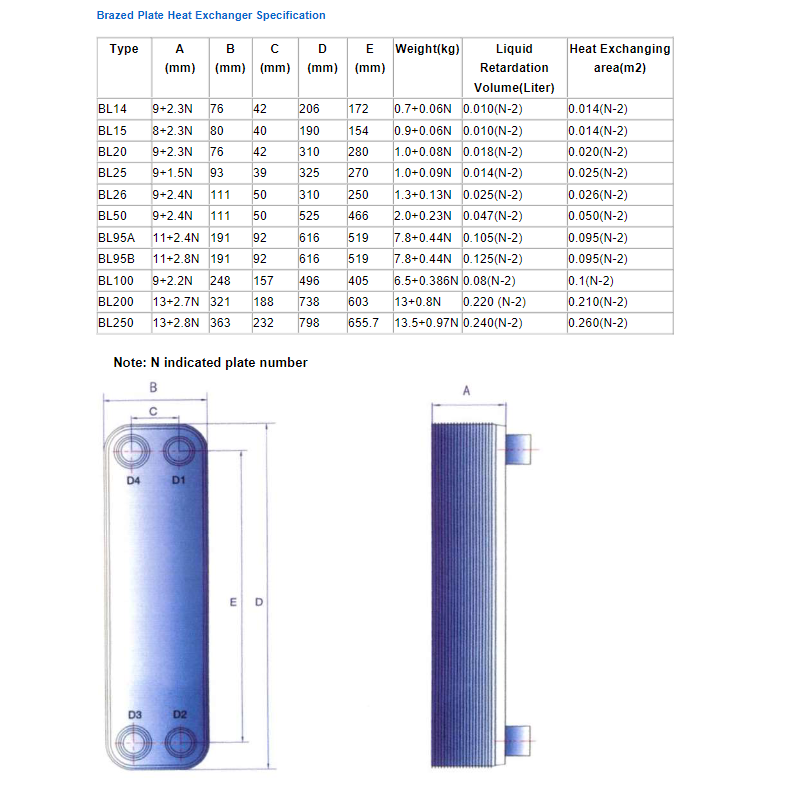
Many sizing problems start with one missing number: the actual heat load. Before choosing a plate heat exchanger, calculate the required BTU output based on flow rate, inlet temperatures, and desired temperature difference. Without these values, selecting plate count or connection size becomes guesswork.
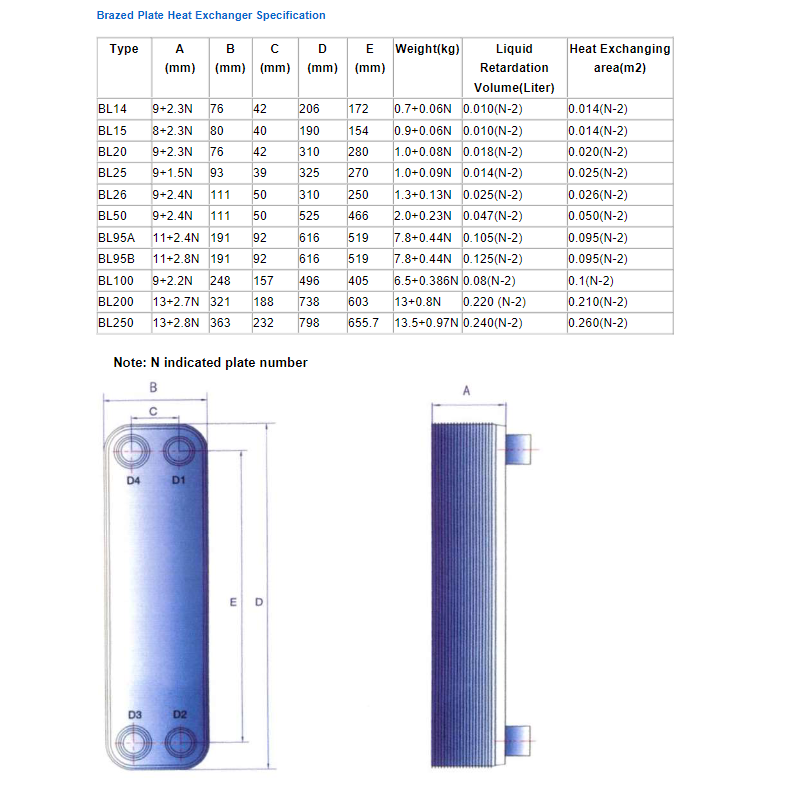
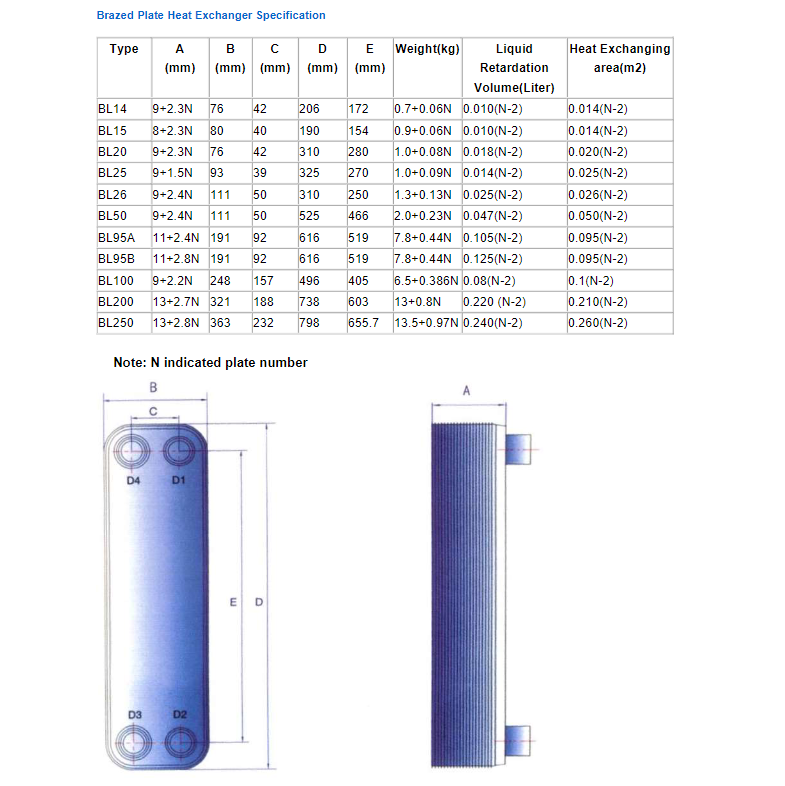
Capacity is closely tied to the number of plates. More plates mean greater surface area and higher heat transfer potential. However, increasing plate count also increases the pressure drop. Systems with limited pump capacity need careful balancing between output and flow resistance.
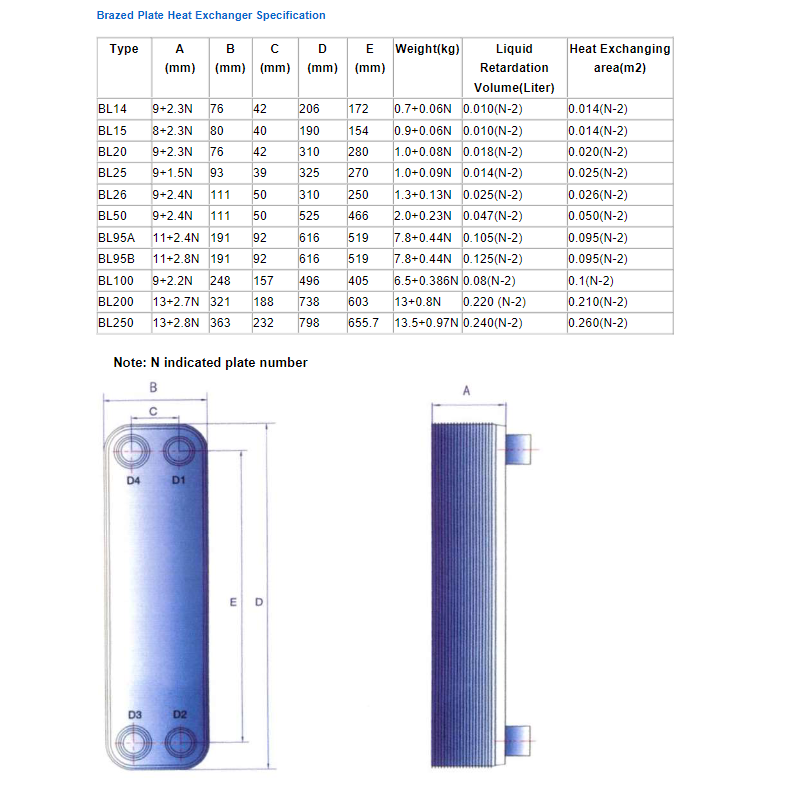
Connection size also plays a major role. A unit with smaller ports may restrict flow if the piping system is large in diameter. Matching the exchanger connections to pipe diameter prevents bottlenecks and helps maintain stable circulation.
Fluid type must also be considered. Water, glycol mixtures, and oil each behave differently during heat transfer. Viscous fluids require larger channels or more surface area to achieve the same output. Incompatibility with seals or materials can lead to leaks or corrosion.
When evaluating models, pay attention to these core selection points:
- Required heat load in BTU
- Flow rates on both circuits
- Temperature difference between the inlet and outlet
- Connection size and pipe layout
- Fluid composition and operating pressure
Proper sizing ensures stable performance without overspending on unnecessary plate capacity. A correctly matched plate heat exchanger maintains predictable temperature control and prevents flow restrictions in the system.
Two systems can require the same heat output yet need very different exchanger configurations. The difference usually comes from operating conditions. Temperature range, pressure level, and fluid characteristics strongly influence which plate heat exchanger type will work best.
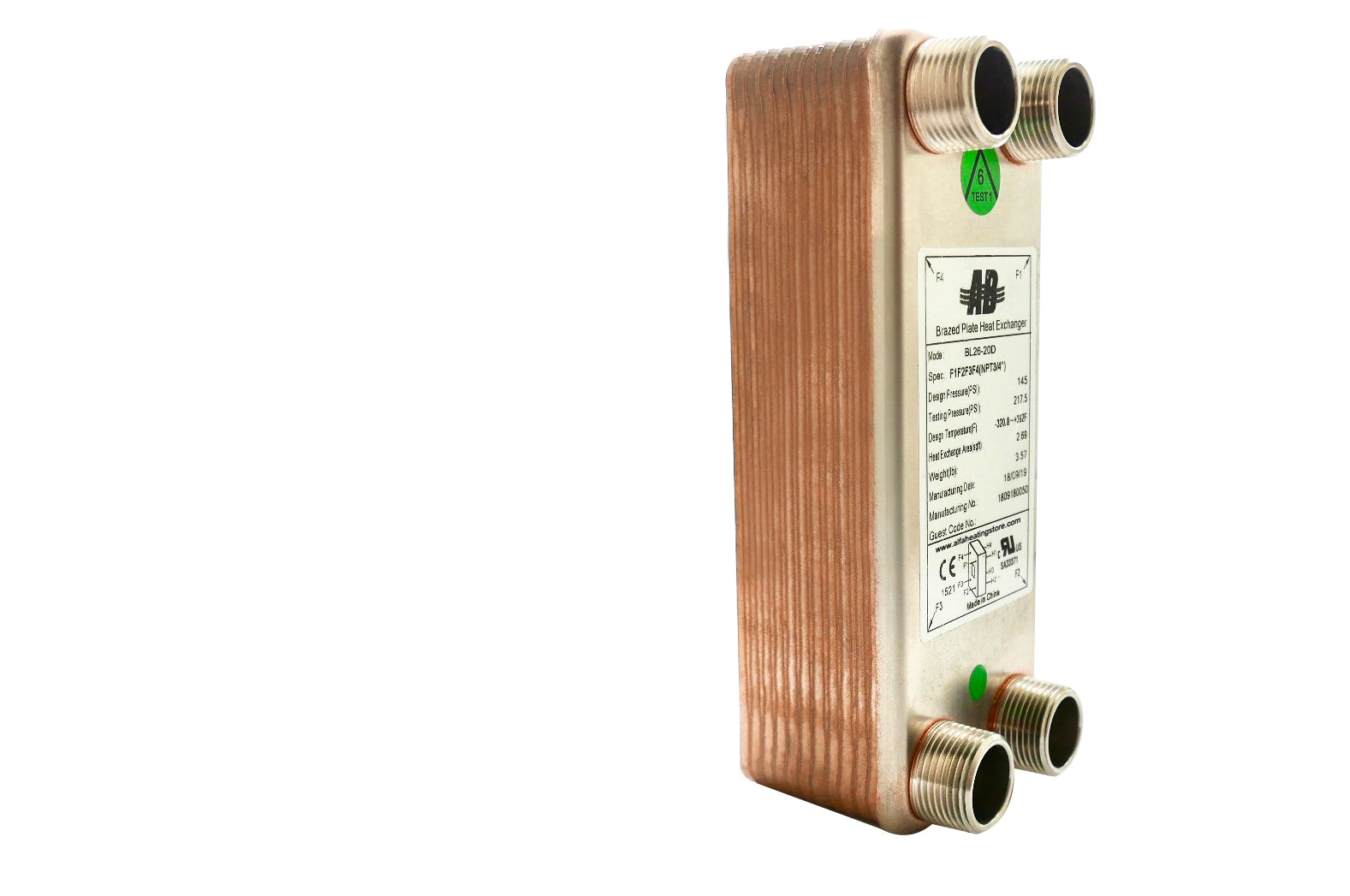
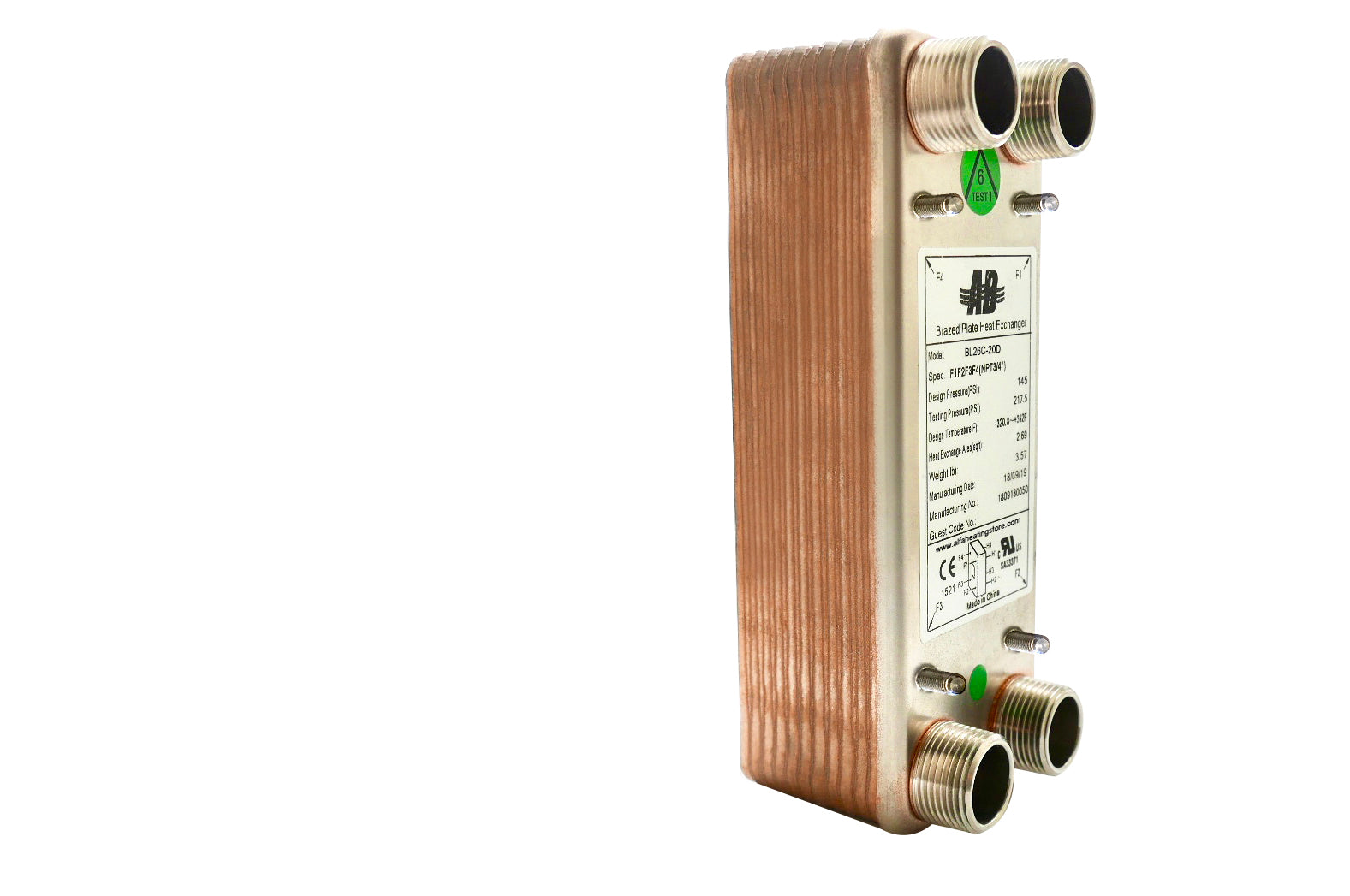
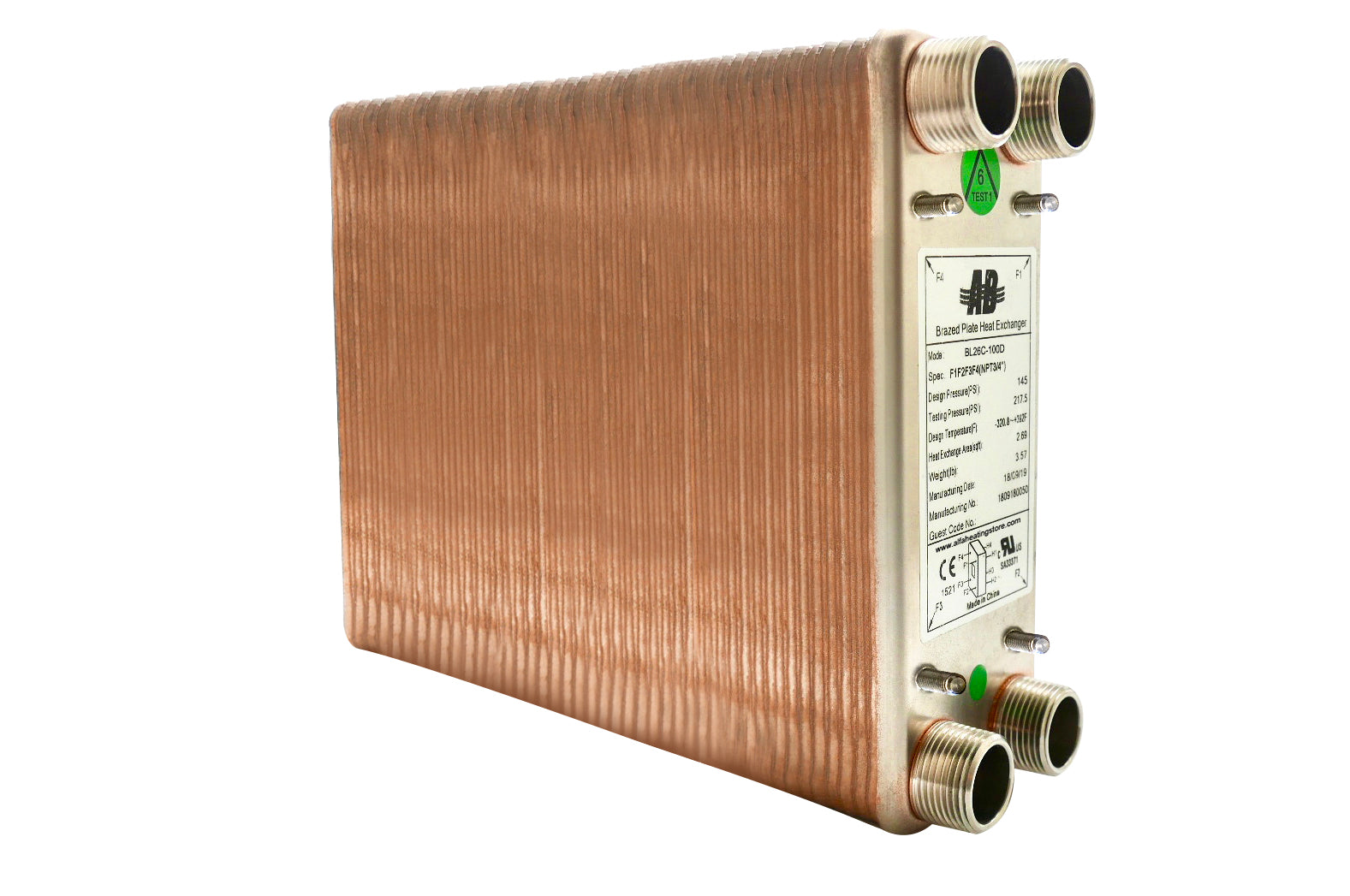
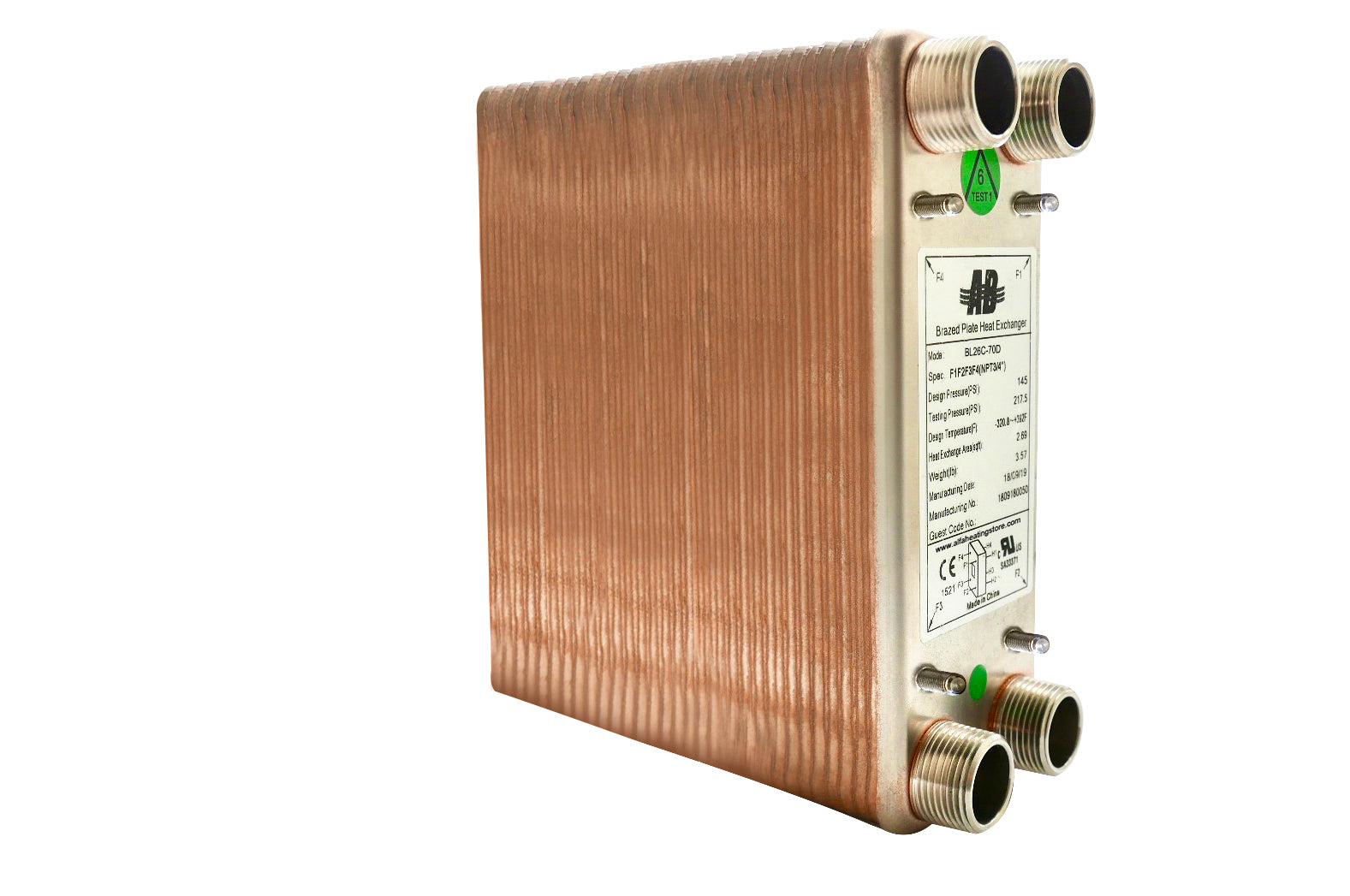
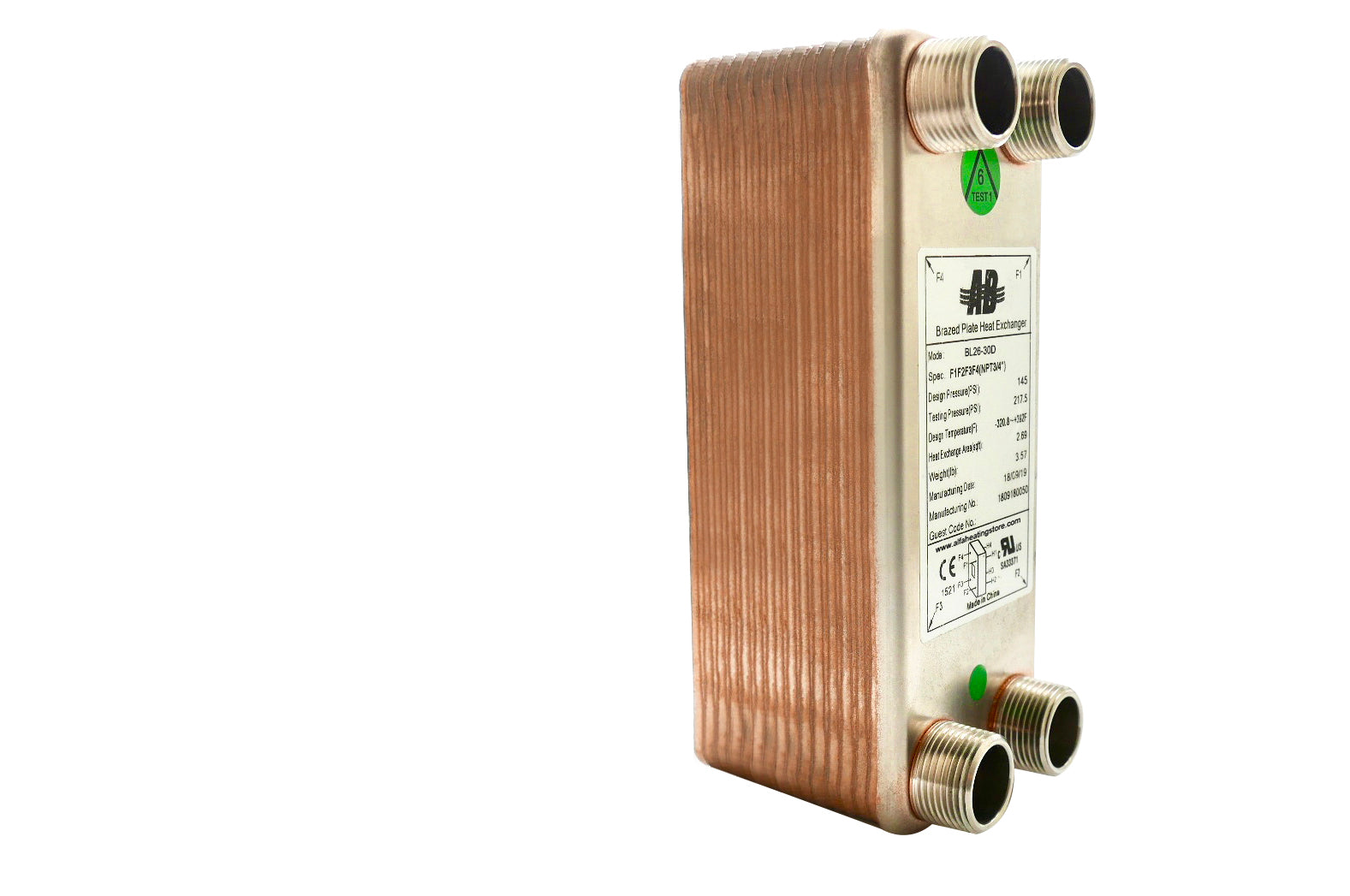
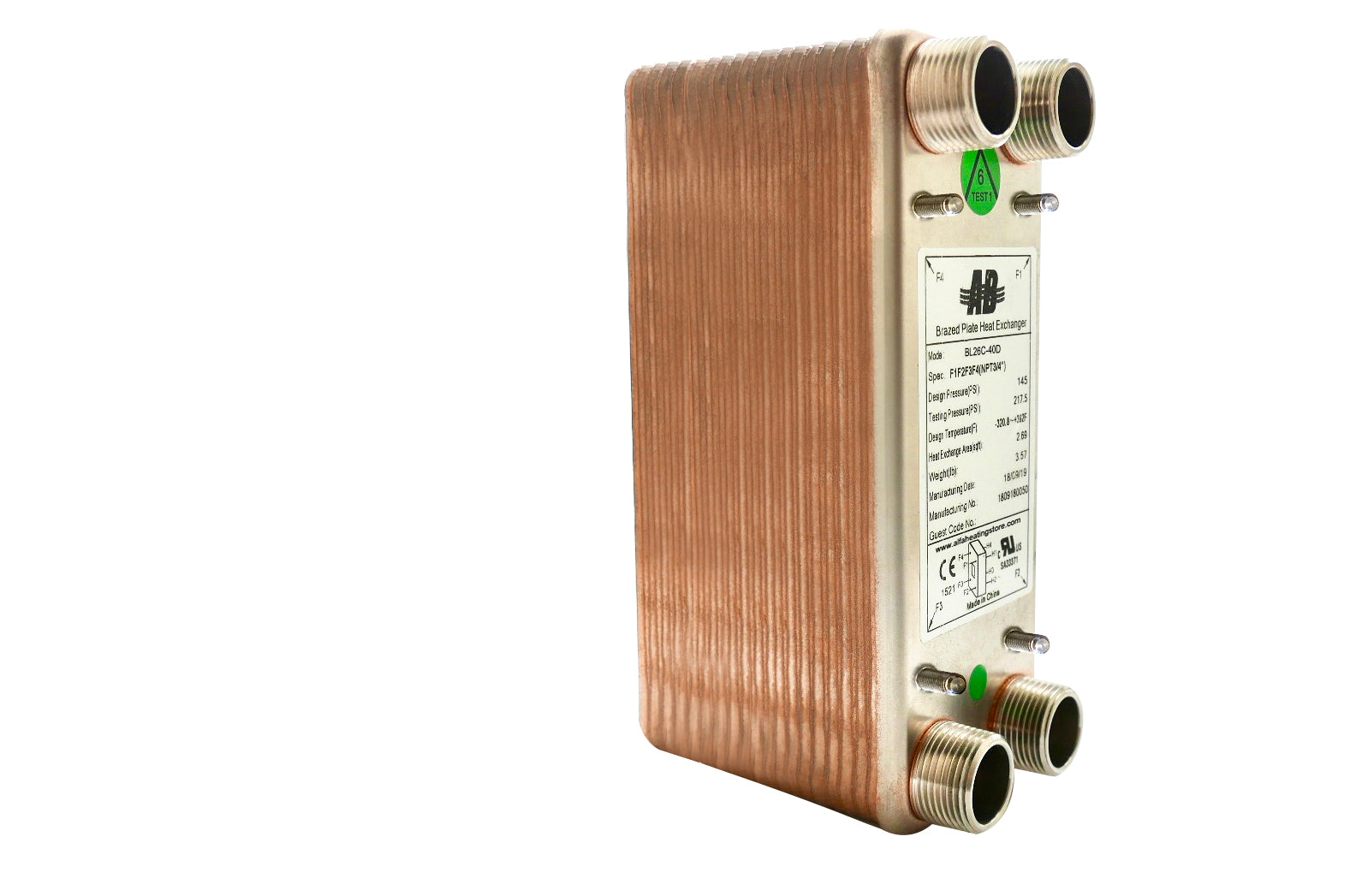
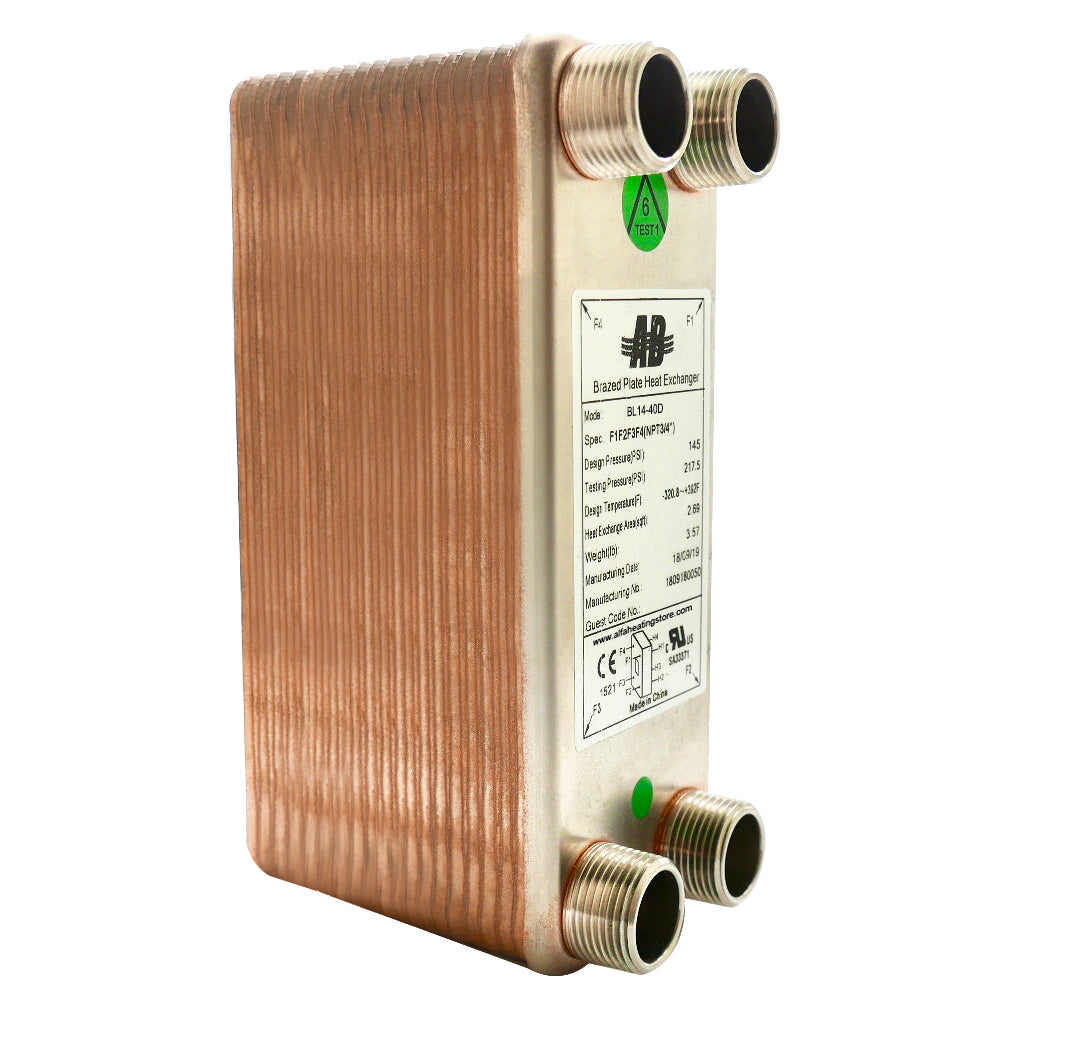
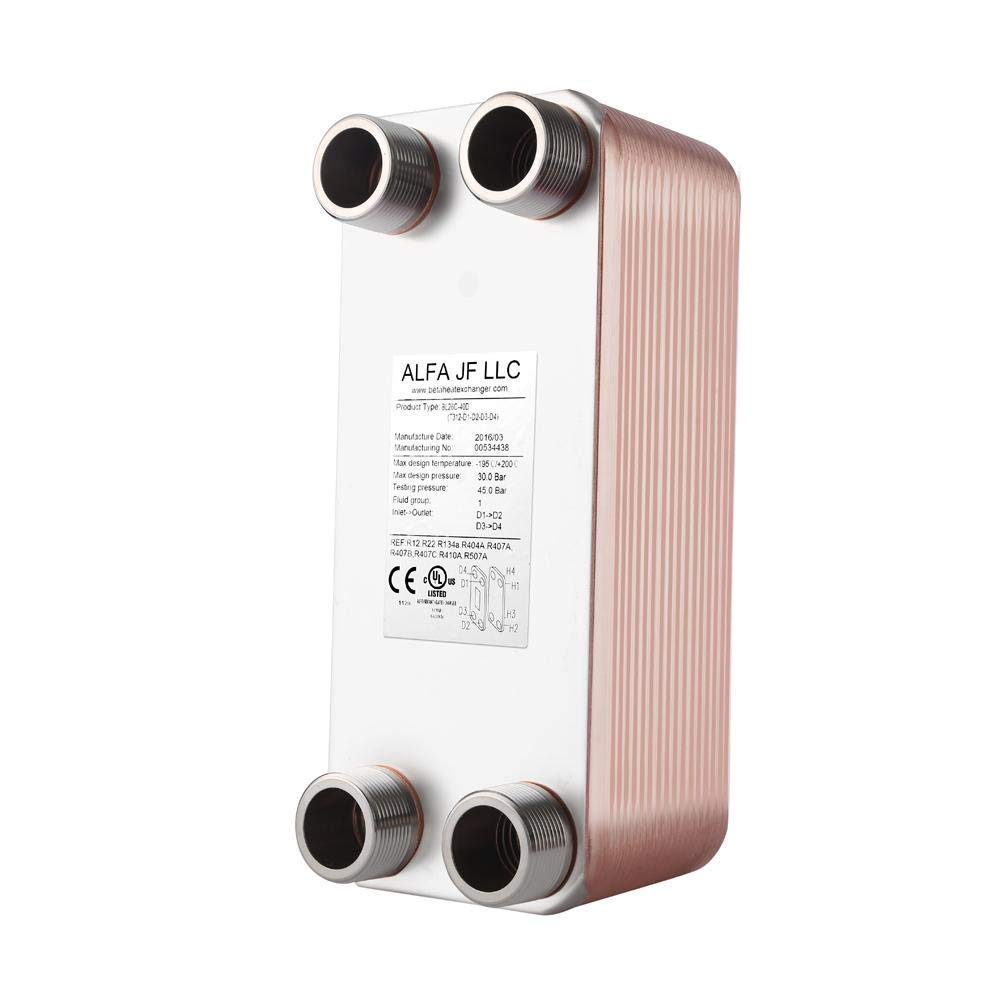
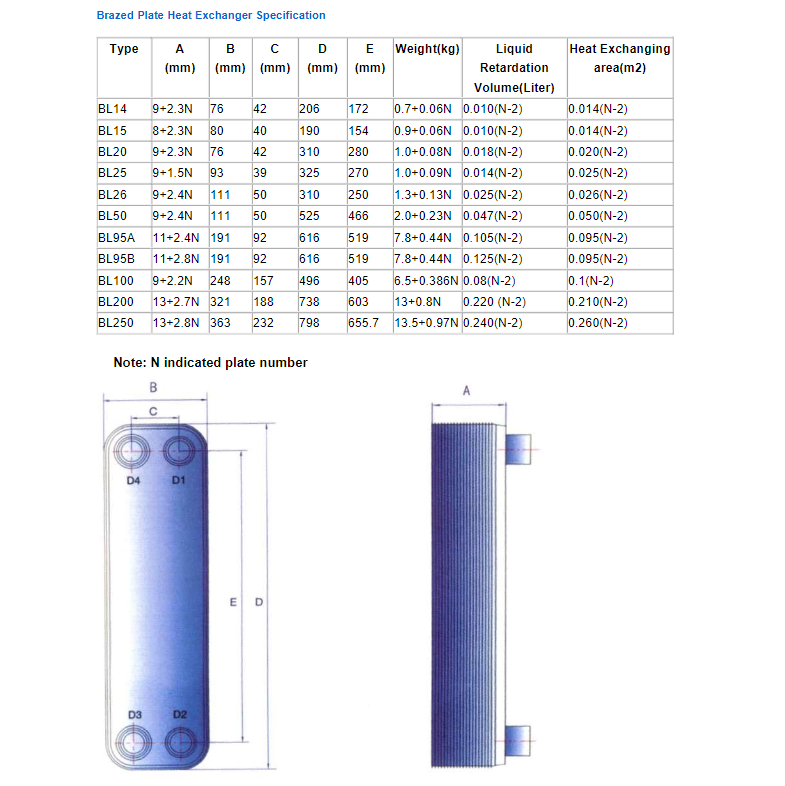
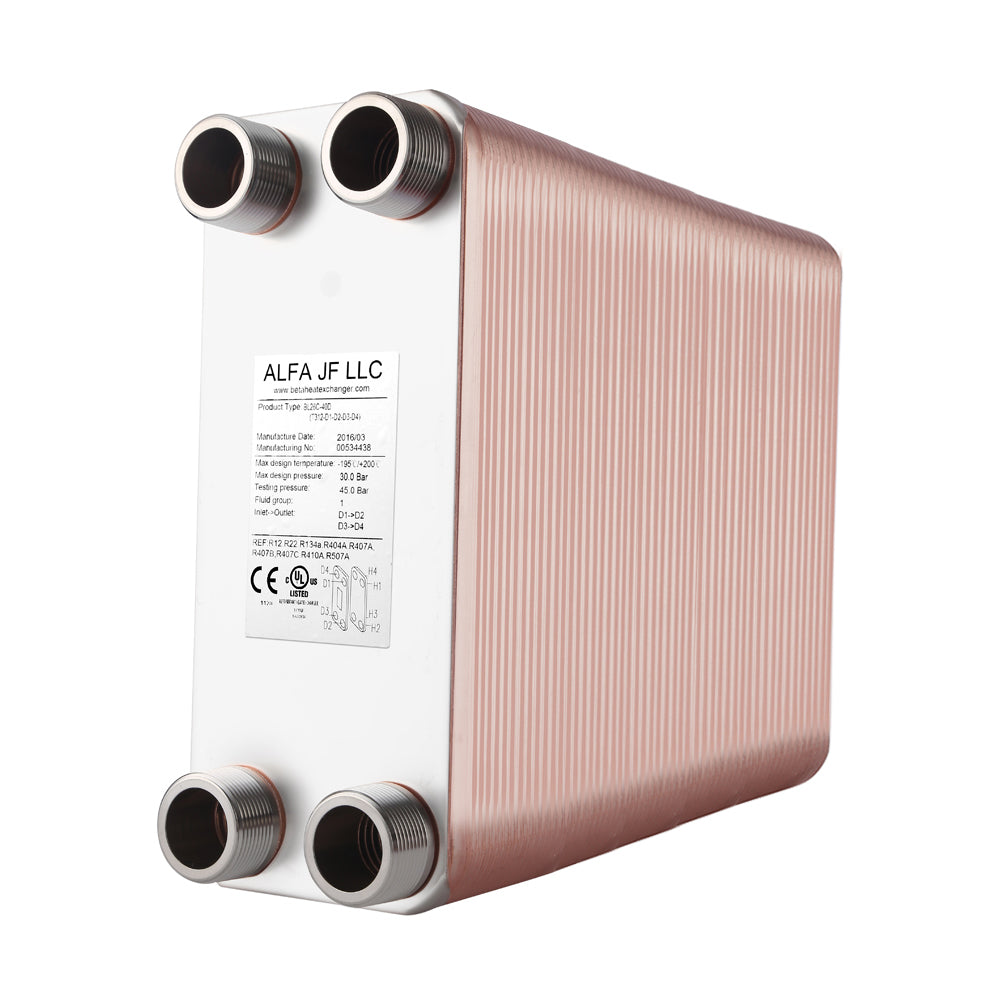
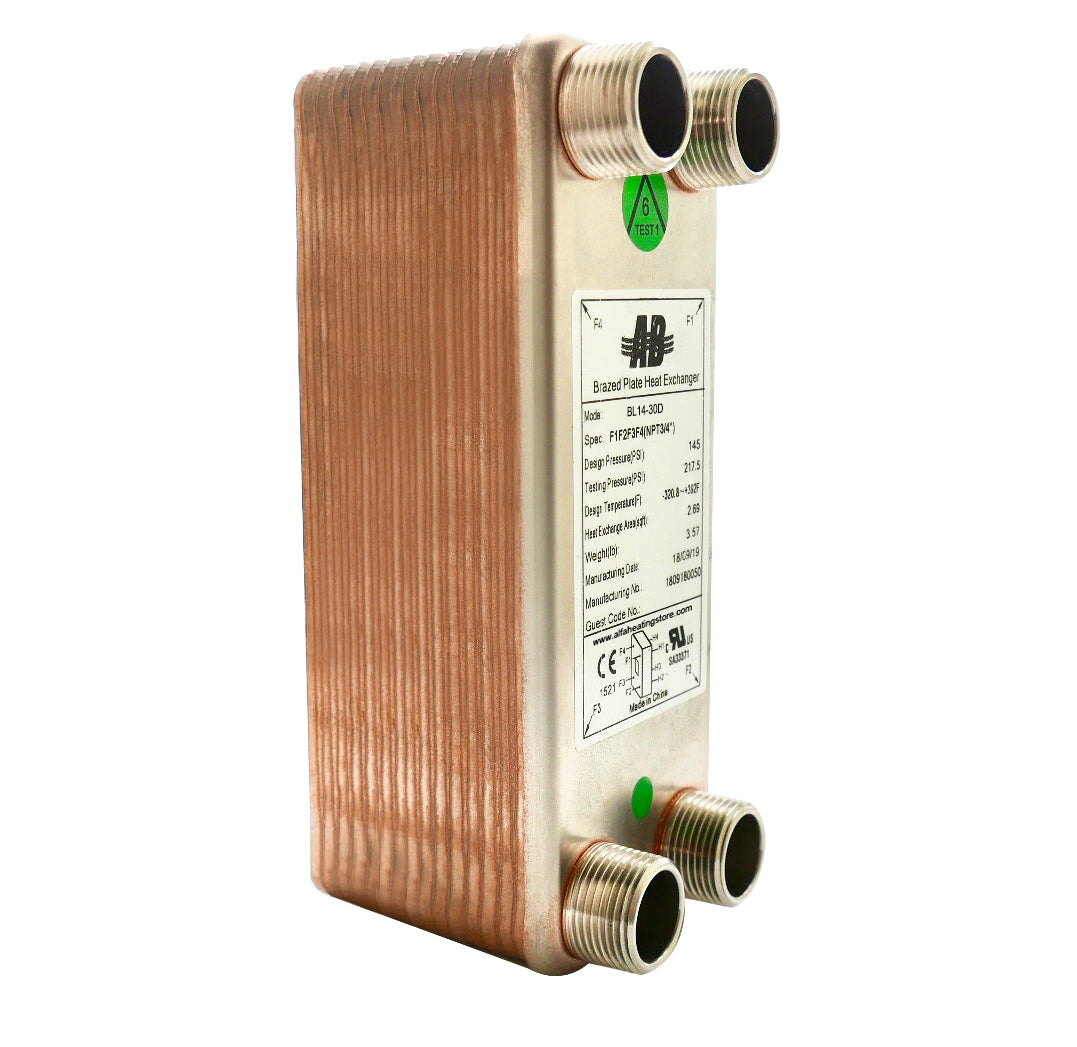
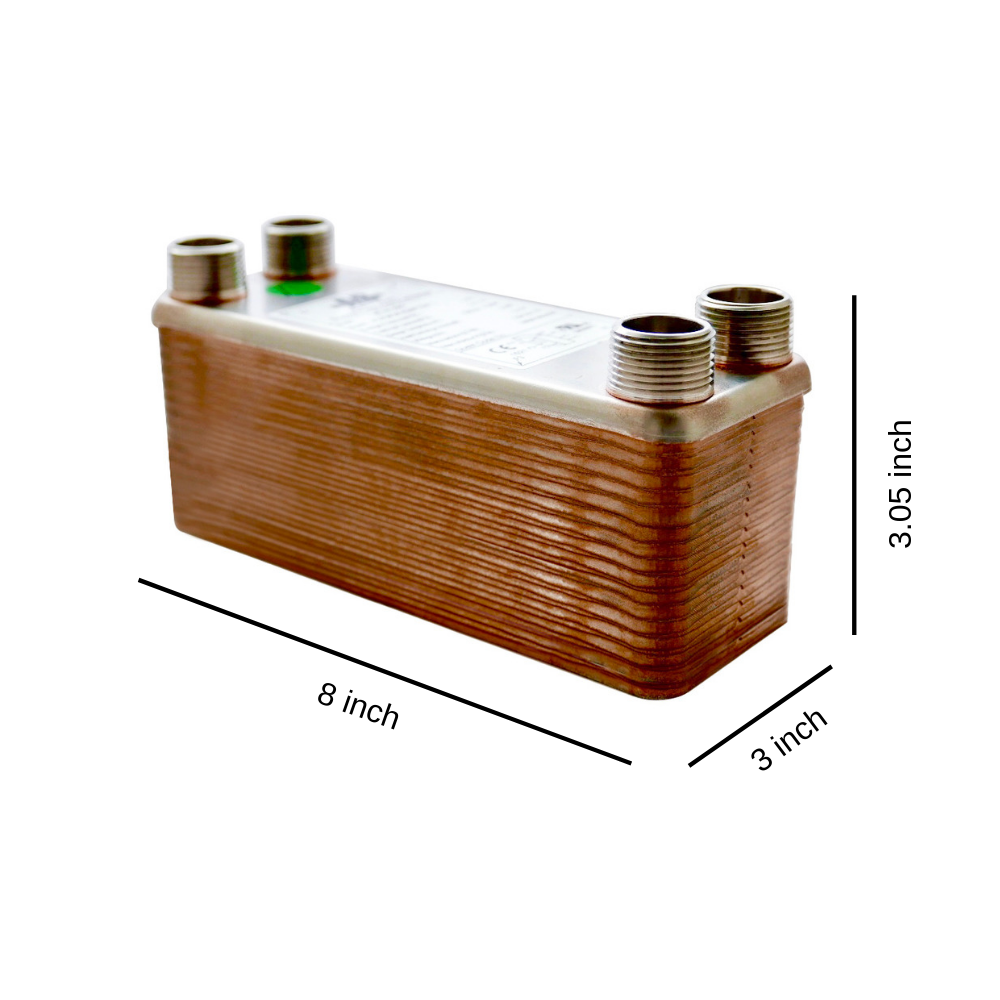
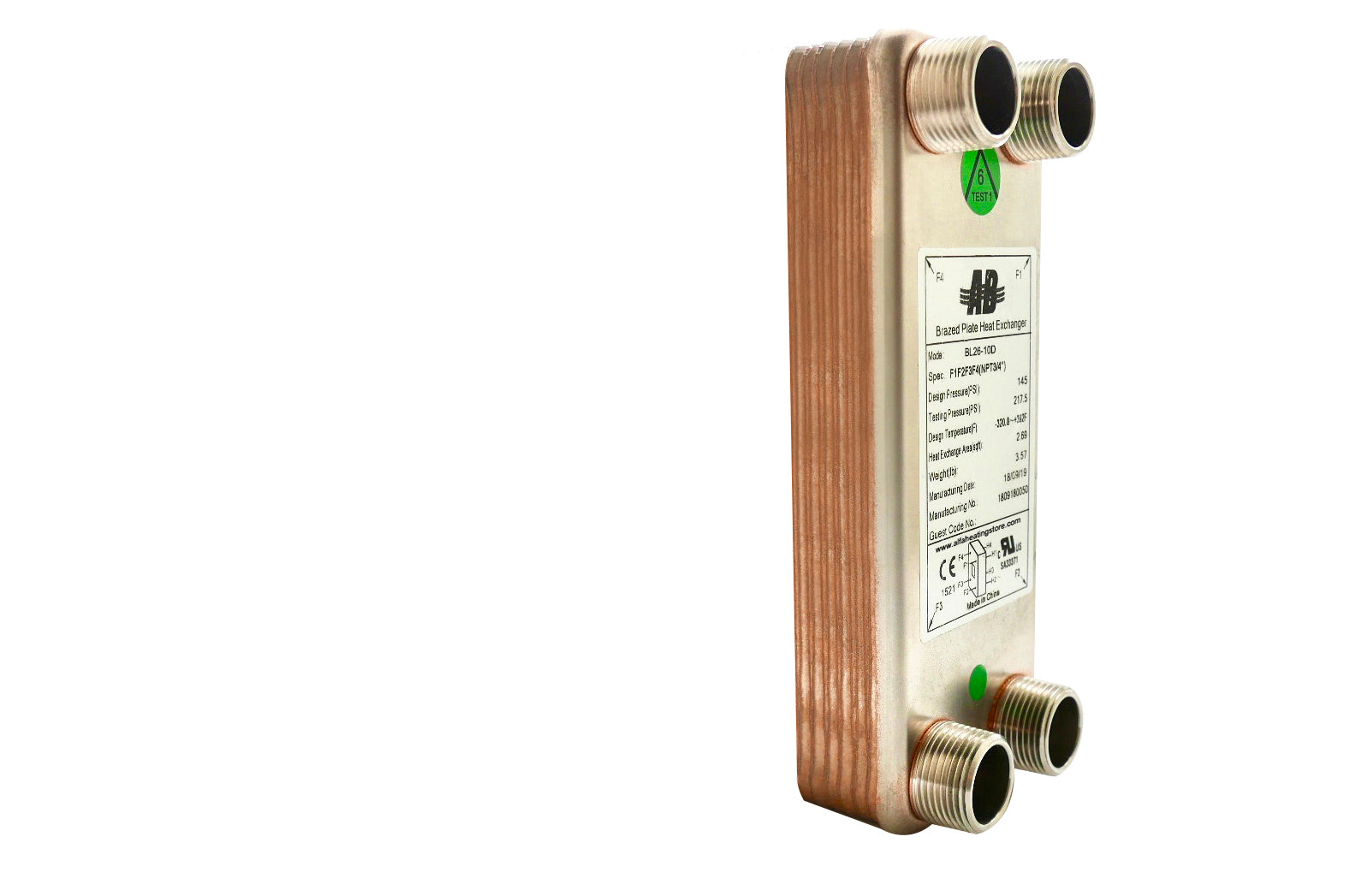
Construction type is one of the first decisions. Brazed models use copper joints between plates and do not require gaskets. These units handle higher pressure and operate in compact heating systems. Gasketed designs, on the other hand, allow plate removal for cleaning and capacity changes.
Operating temperature limits must match system requirements. Seal materials in gasketed exchangers restrict the maximum temperature. Brazed designs tolerate higher values but cannot be opened for internal servicing.
Fouling risk is another critical factor. Systems using untreated water, industrial fluids, or suspended particles may develop deposits inside narrow channels. In such cases, exchangers with removable plates simplify maintenance and reduce long-term service costs.
Installation conditions also influence selection. Consider:
- Available space for mounting and servicing access
- Orientation of pipe connections
- Pressure drop limits within the system
- Accessibility for future cleaning
Long-term reliability depends less on the exchanger itself and more on how well it fits the operating environment. Choosing a plate heat exchanger that matches pressure, temperature, and fluid conditions prevents premature wear and reduces maintenance frequency over the system’s lifespan.
Related Heat Exchangers
- Air to Water Heat Exchangers
- Water to Air Heat Exchangers
- Water to Water Heat Exchangers
- Plate Heat Exchangers
- Brazed Plate Heat Exchangers
- Brazed Plate Condenser
- Shell and Tube Heat Exchangers
- Side Arm Heat Exchangers
- Swimming Pool Heat Exchangers
- Pool Heat Exchangers
- Marine Heat Exchanger
- Electrical Heat Exchangers
Recently viewed
Designed with comfort and efficiency in mind, our collections offer reliable solutions for every thermal requirement. Our extensive range combines advanced technology with thoughtful design to create environments that feel warm, balanced, and inviting. Each product reflects a commitment to quality and performance, delivering lasting comfort for both residential and commercial spaces. Discover our collections and experience how Alfa Heating brings precision and reliability to modern thermal solutions.
Explore our diverse range of heat exchangers
At Alfa Heating, we offer a wide and carefully selected range of heat exchangers designed to suit both homes and businesses. Whether you’re looking to improve energy efficiency in a residential space or maintain reliable climate control in a commercial setting, our solutions are built to meet your needs. Each heat exchanger is engineered with precision and made from high-quality materials to deliver long-lasting performance in a variety of conditions. From compact, space-saving models to durable systems designed for demanding industrial use, our range makes it easy to find the right solution for your application.
Shop in our heat exchangers and HVAC equipment online store for a fast, reliable experience. Our platform is easy to navigate, with clear categories and informative product descriptions that help you choose with confidence. We focus on high‑quality equipment designed to improve energy efficiency and deliver comfortable indoor climates, backed by service that puts customer satisfaction first. Heat exchangers in particular are built to move thermal energy efficiently, which is why choosing the right unit matters for both performance and cost.
Top industrial and residential heat transfer products
Alfa Heating is dedicated to delivering superior quality when it comes to our industrial and residential heat transfer products. Our extensive catalog includes a range of cutting-edge solutions designed to efficiently regulate temperatures across various environments. Whether it's a bustling industrial setting requiring robust equipment or a cozy residential space needing dependable thermal control, our products stand out for their exceptional performance and reliability.
Each item in our selection undergoes rigorous testing to ensure it meets the highest standards of durability and efficiency, promising longevity and reduced energy consumption. Our products seamlessly integrate into your systems, maintaining ideal environmental conditions. We understand the critical role that precise temperature management plays in both industrial processes and home comfort, which is why our offerings deliver optimal performance day in and day out. By choosing Alfa Heating, you're investing in advanced technology with proven reliability.
Discover our complete heating and cooling product catalog
Explore the complete heating and cooling product catalog offered by Alfa Heating, where innovation meets variety to cater to diverse temperature control needs. Our catalog is a testament to our commitment to quality and versatility, featuring a broad range of products that serve both residential and commercial applications. From high-performance oil coolers to efficient condensers, durable valves, and precision-engineered fittings, our selection enhances your systems' effectiveness and reliability.
Every product is carefully designed and thoroughly tested to deliver reliable performance you can trust. Whether you’re planning a new installation or upgrading an existing system, our wide selection makes it easy to find a solution that fits your exact needs. From compact residential setups to large-scale industrial applications, our range covers it all. At Alfa Heating, we focus on practical, high-quality solutions that improve thermal efficiency and create comfortable environments you can rely on every day.
Shop to buy heat exchangers and heating supplies
At Alfa Heating, buying heat exchangers and heating supplies is straightforward and efficient. Our platform is designed to make the purchasing process simple, allowing you to find and order the products you need with confidence. We know that time matters when it comes to keeping heating systems running at their best, which is why our online store is clearly structured and easy to navigate. This way, you can quickly locate the right solutions without unnecessary delays.
Detailed product descriptions, specifications, and customer reviews are readily available, enabling informed decisions tailored to your requirements. Our streamlined checkout process enhances the convenience of shopping with Alfa Heating, allowing for swift and secure purchases. With a wide selection of top-quality products available at competitive prices, you can be confident in the value and reliability of your purchases. Whether you're a seasoned professional or a DIY enthusiast, our platform caters to all skill levels.
Best heat exchangers for HVAC and pool systems
Alfa Heating delivers high-performance heat exchangers designed for HVAC and pool systems. Our products are engineered to maximize thermal transfer efficiency, helping systems run reliably and efficiently. Whether you’re enhancing energy performance in a residential installation or selecting durable solutions for demanding commercial applications, Alfa Heating heat exchangers provide dependable results you can trust.
Built with precision and high-quality materials, these units are designed to perform reliably in a wide range of conditions. Many models are easy to integrate into existing systems, making upgrades simple and reducing downtime. With Alfa Heating, you can trust that every product meets industry standards and delivers dependable performance at great value. Choose our heat exchangers to maintain stable temperatures and enjoy a comfortable, well-controlled environment year-round.