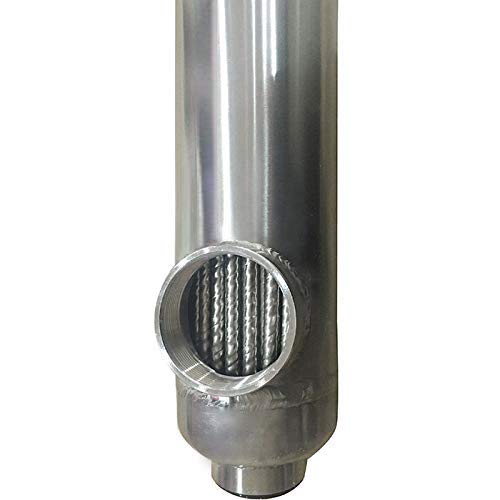
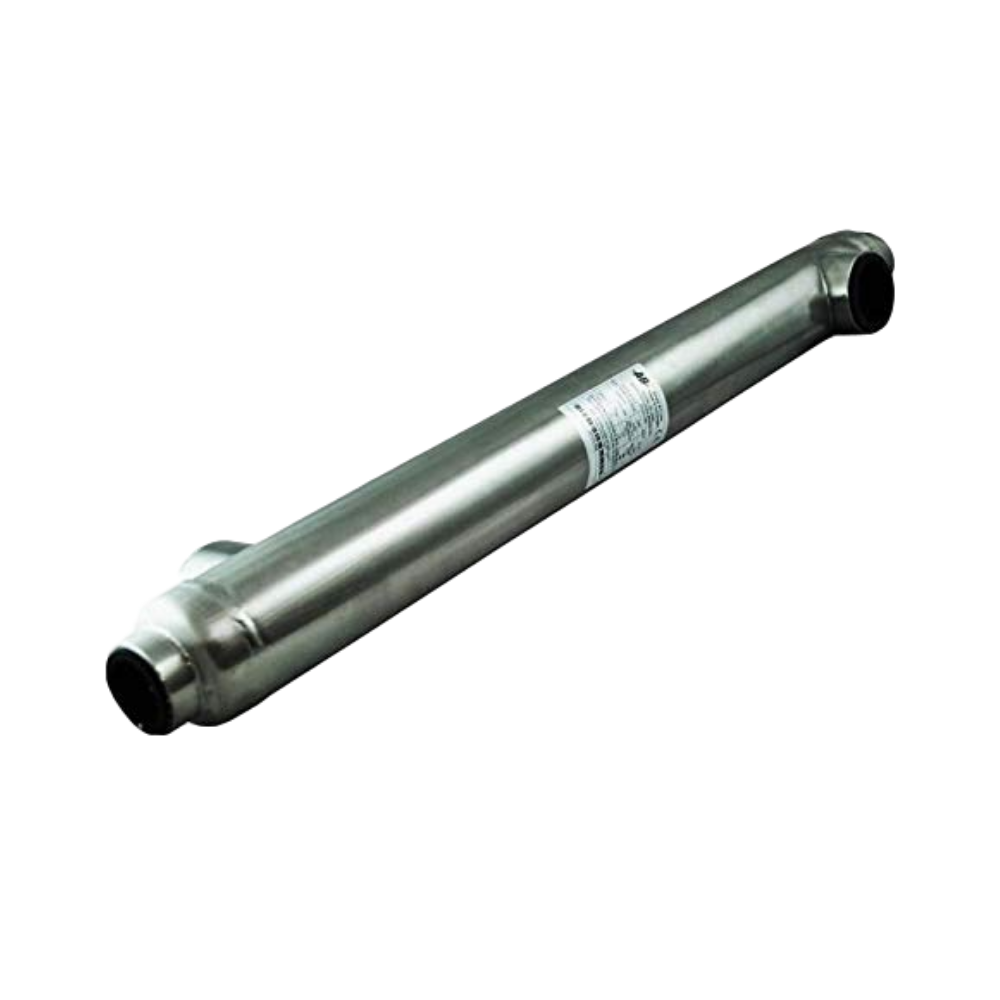
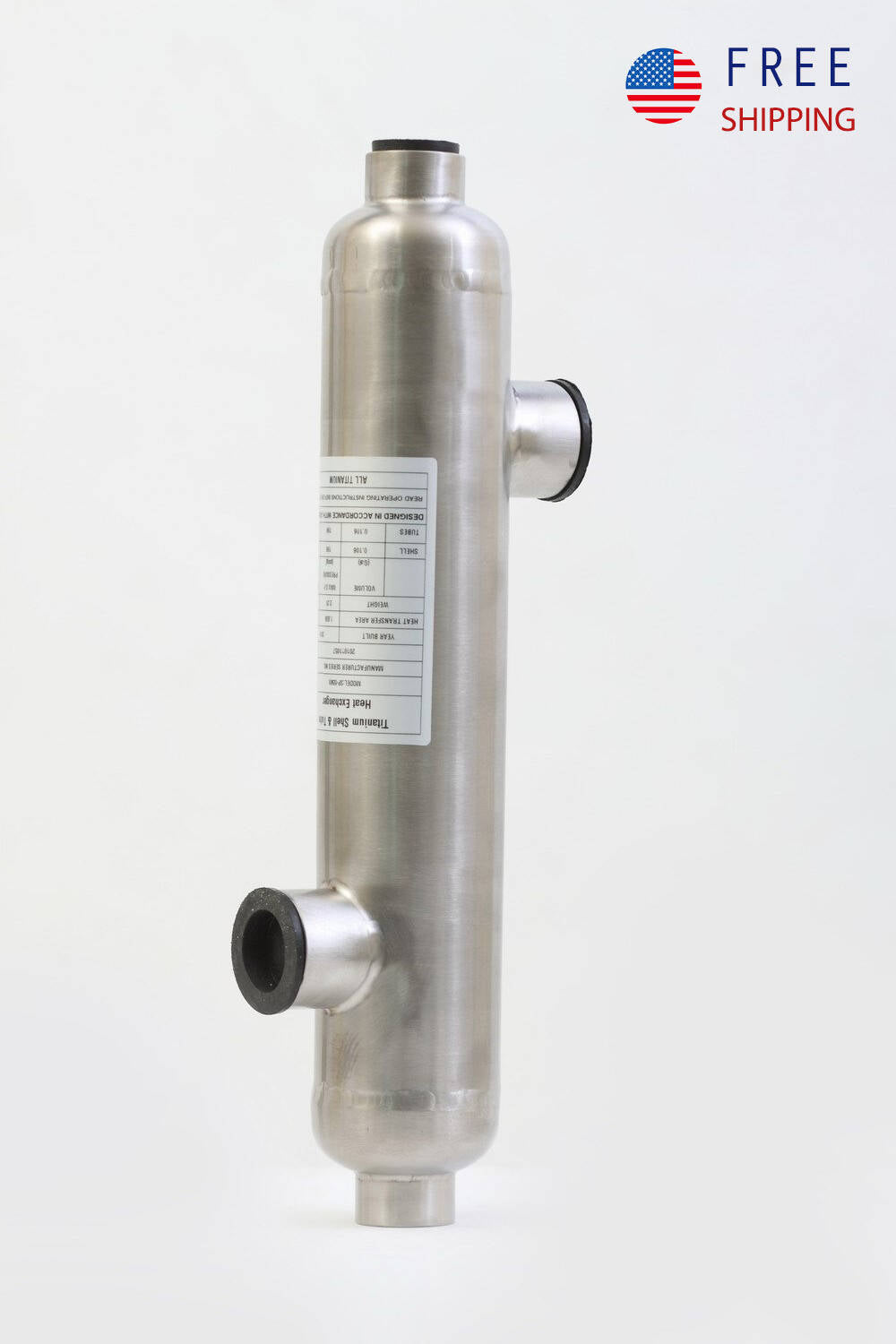
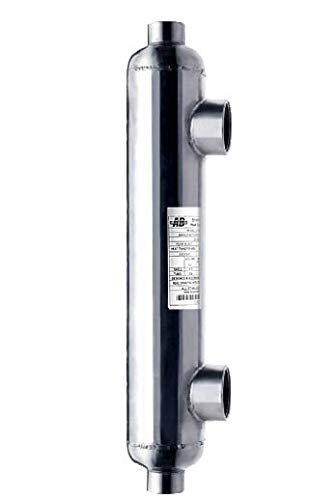
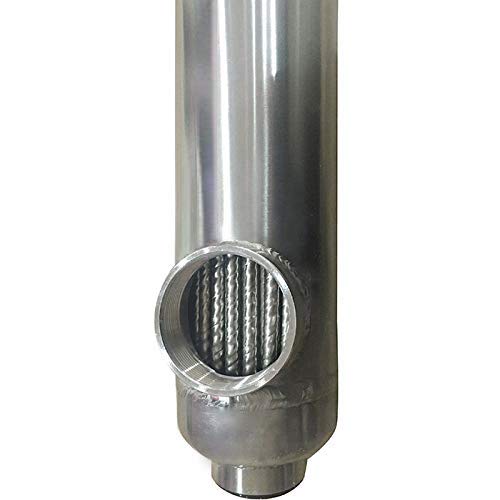
Why Choose Pool Heat Exchangers
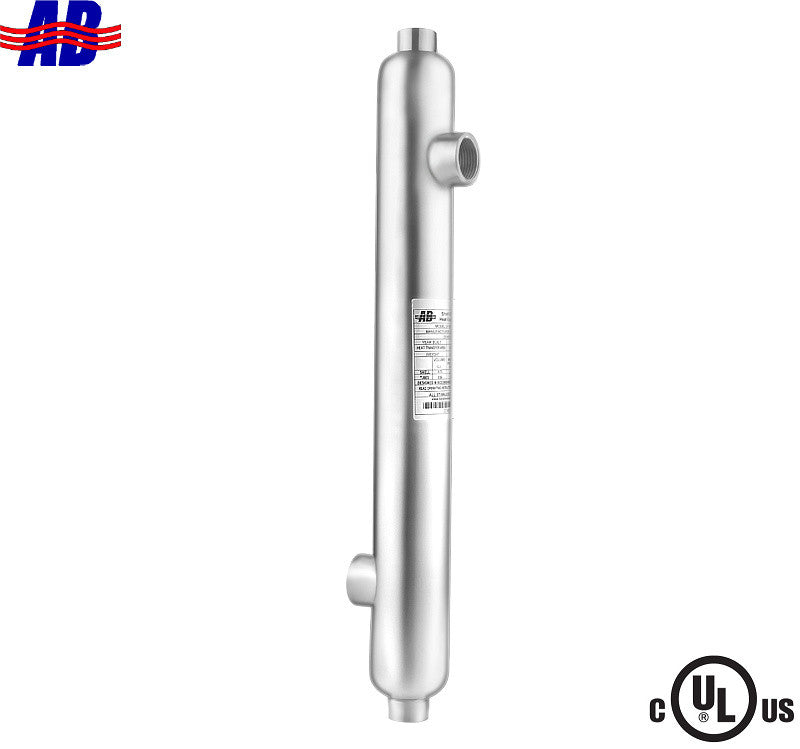
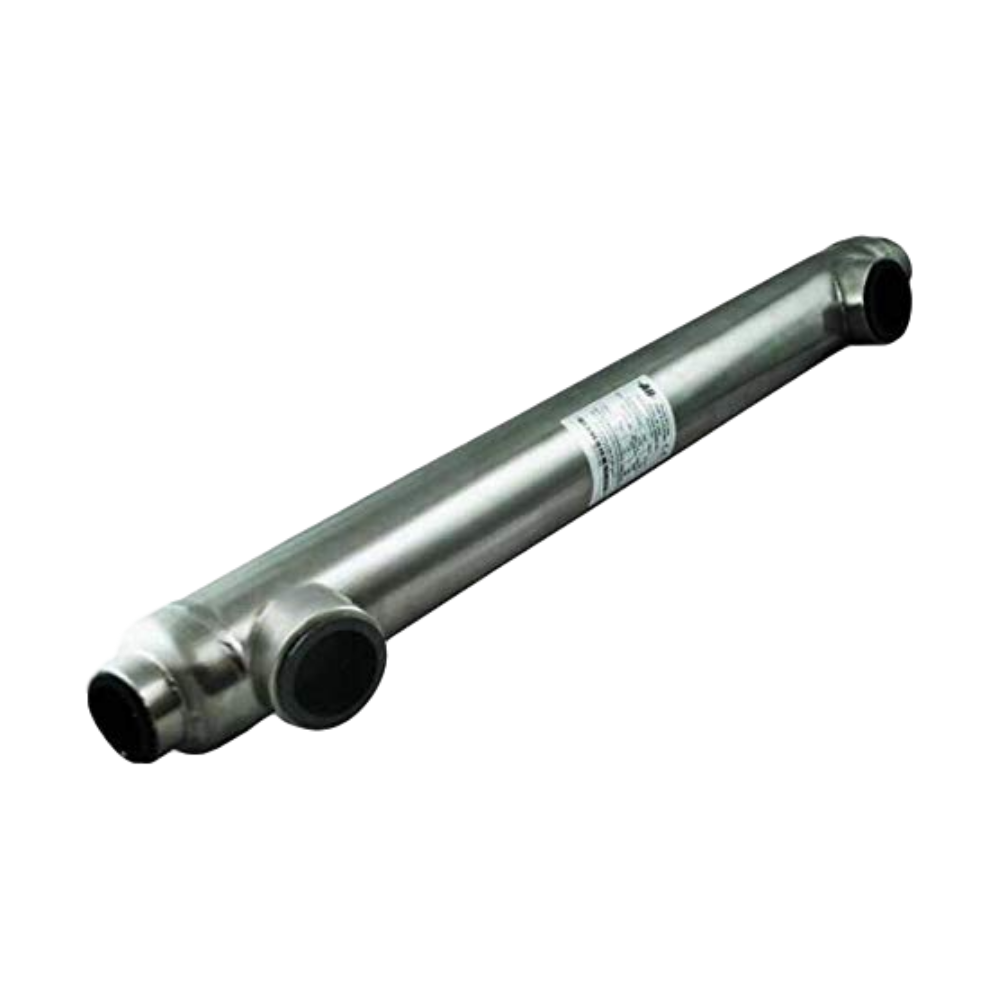
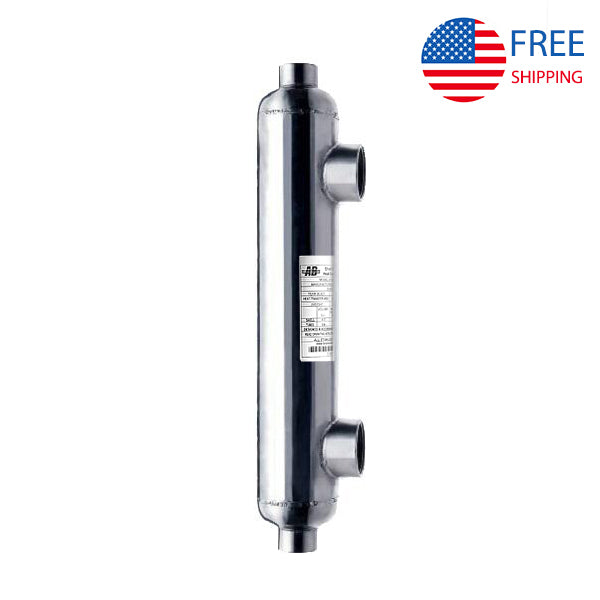
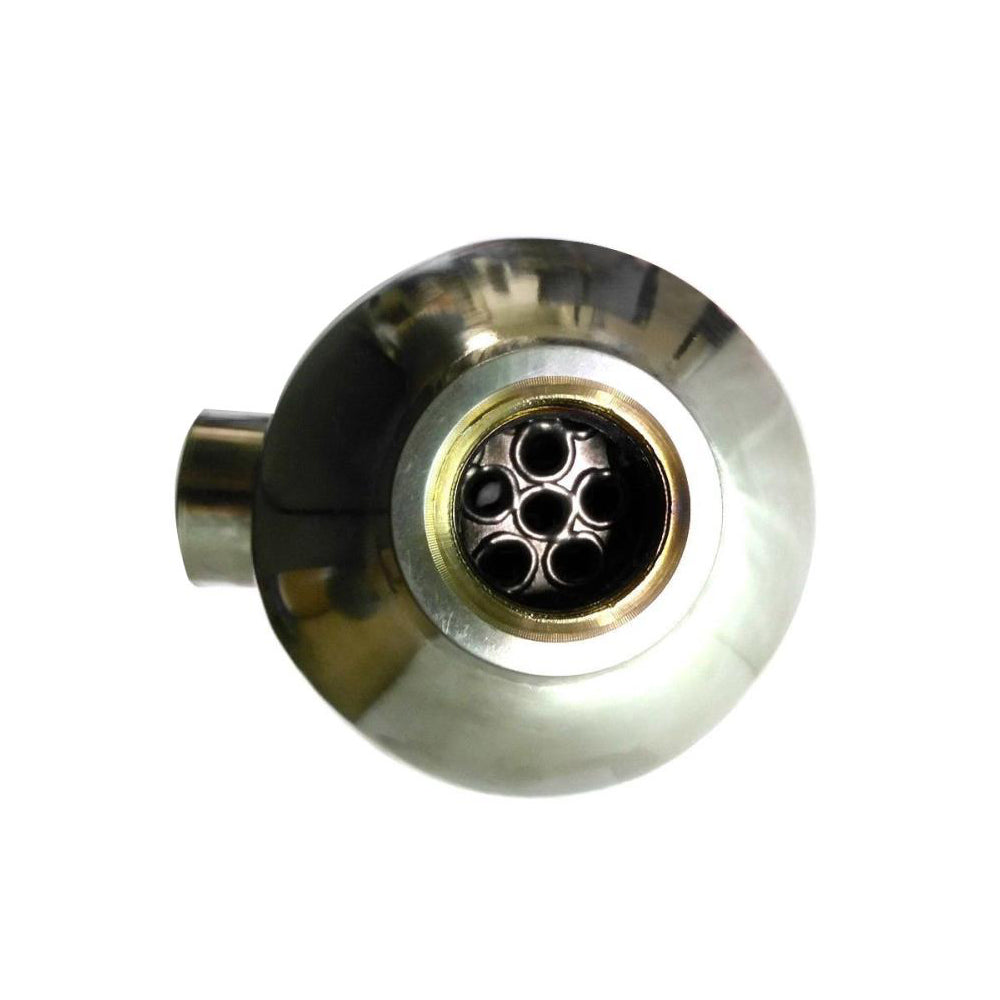
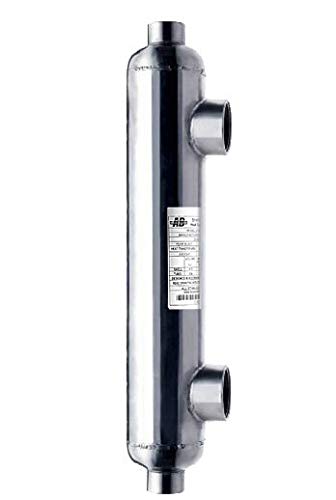
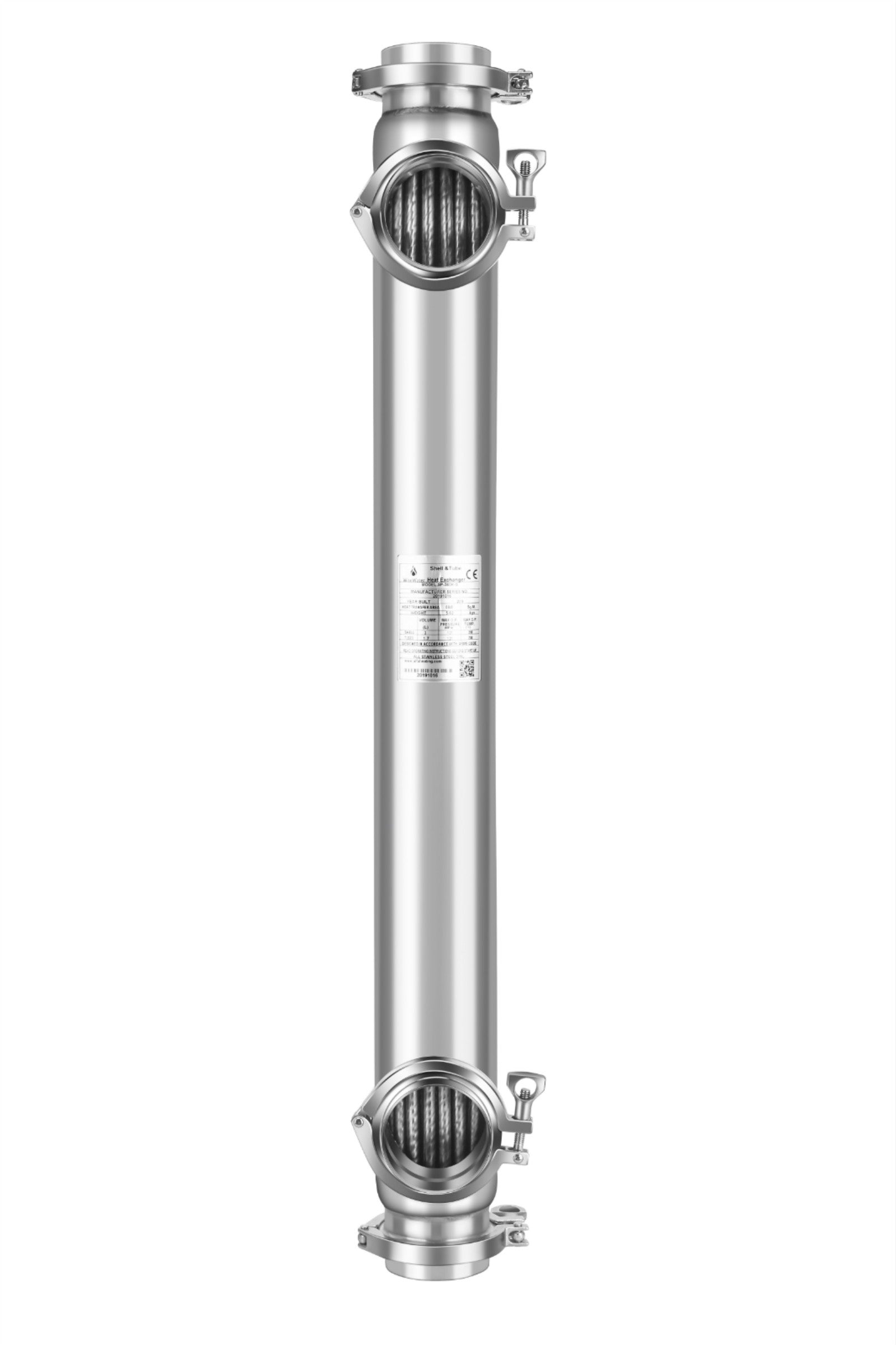
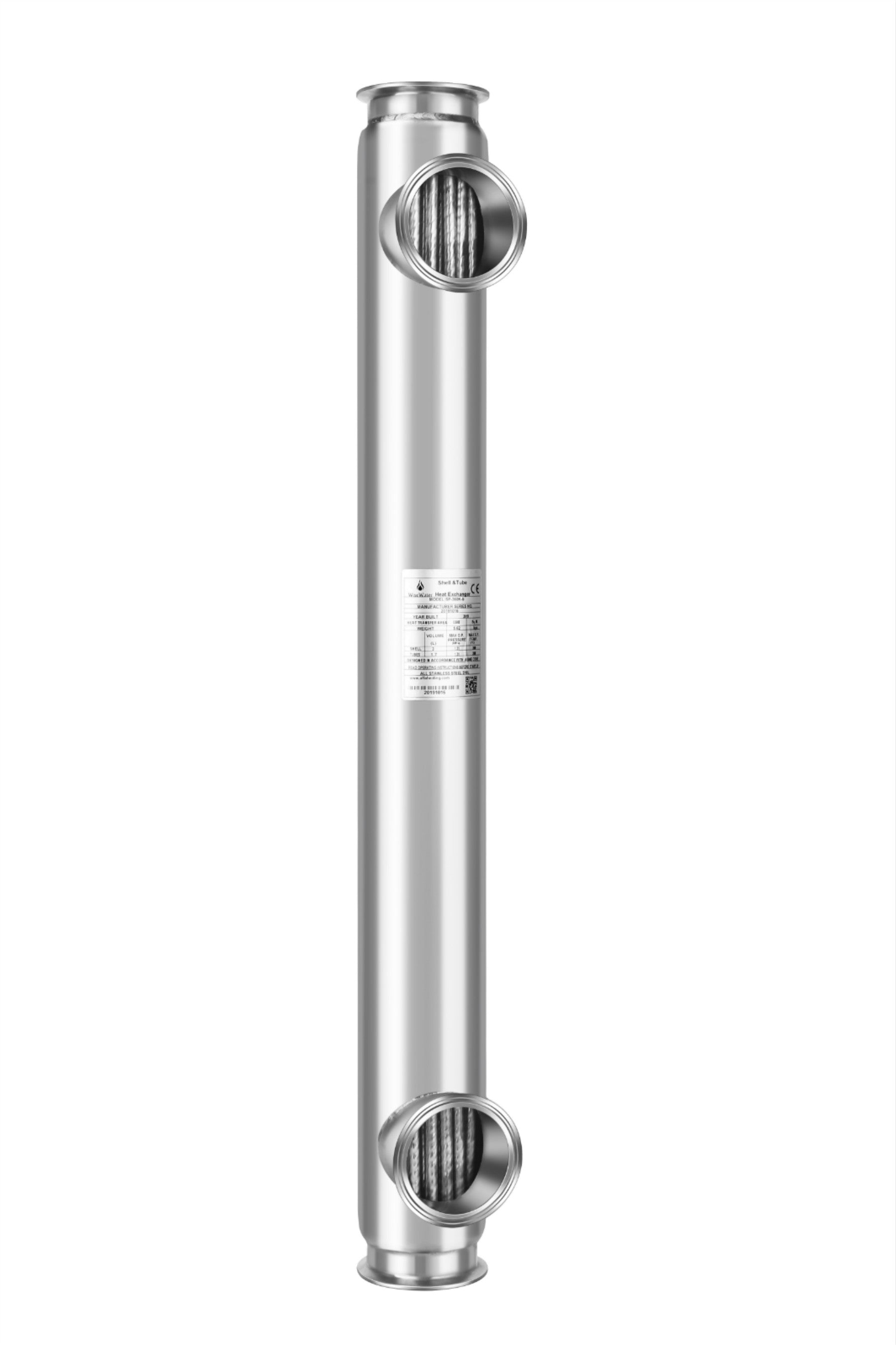
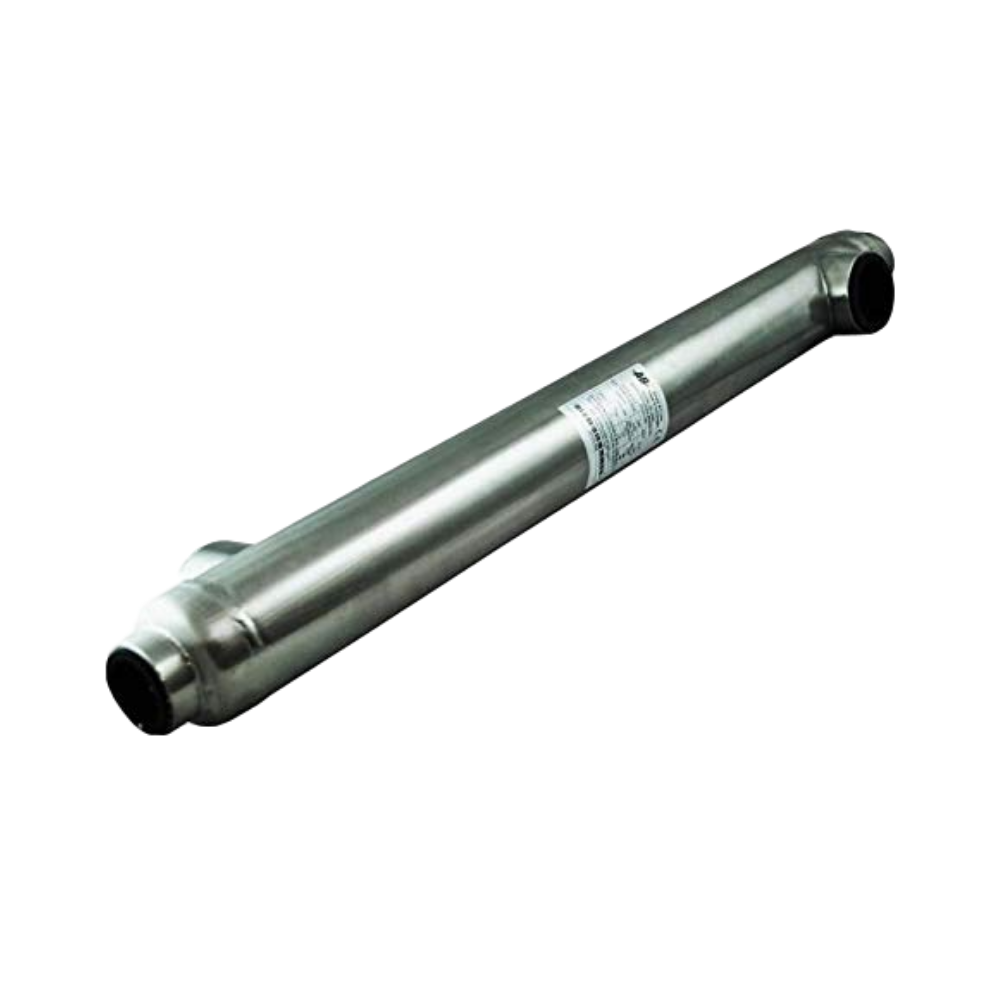
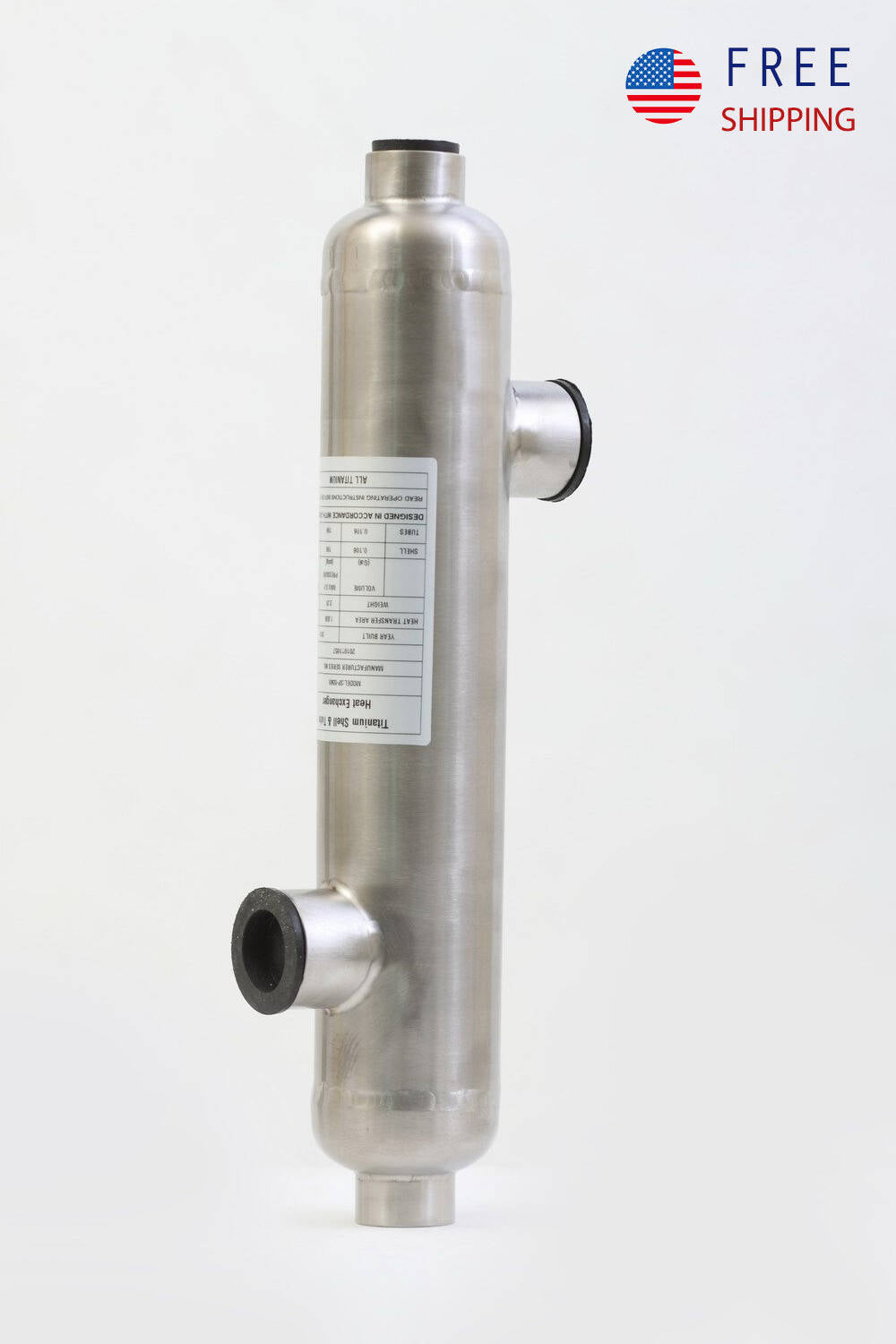
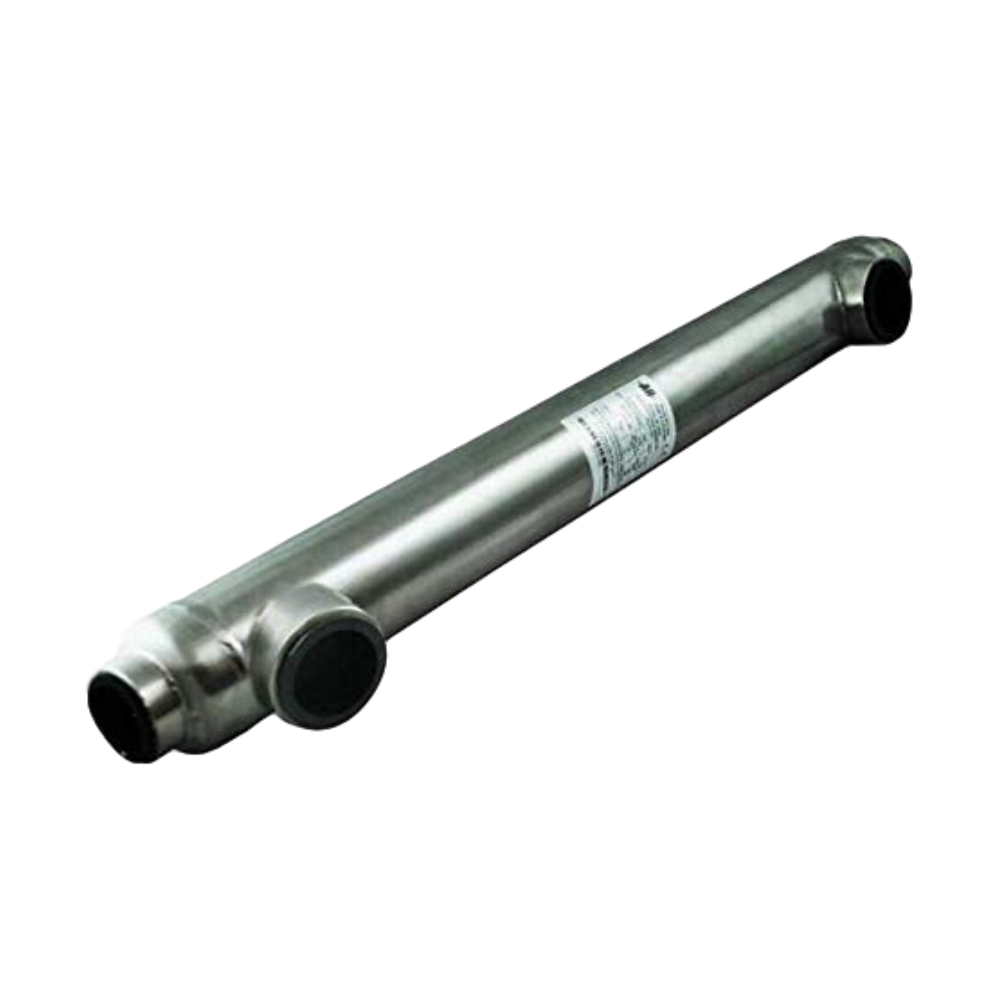
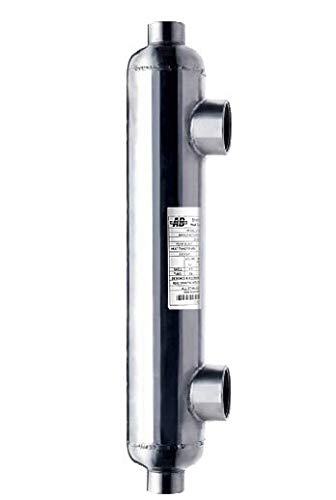
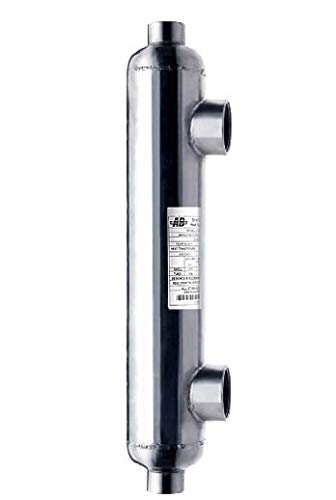
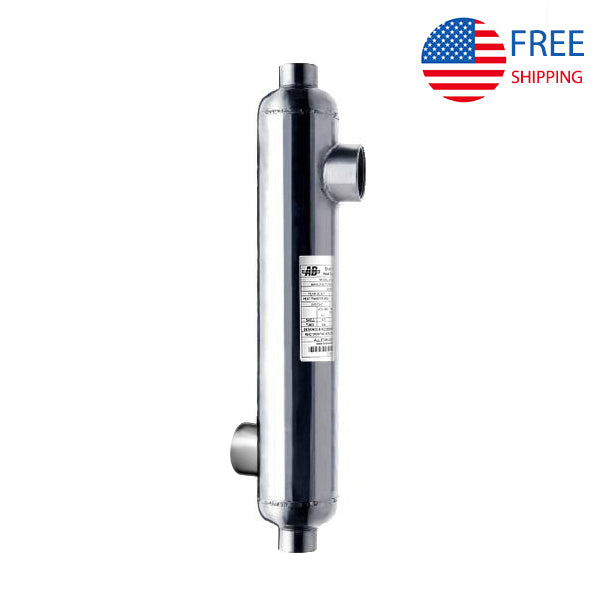
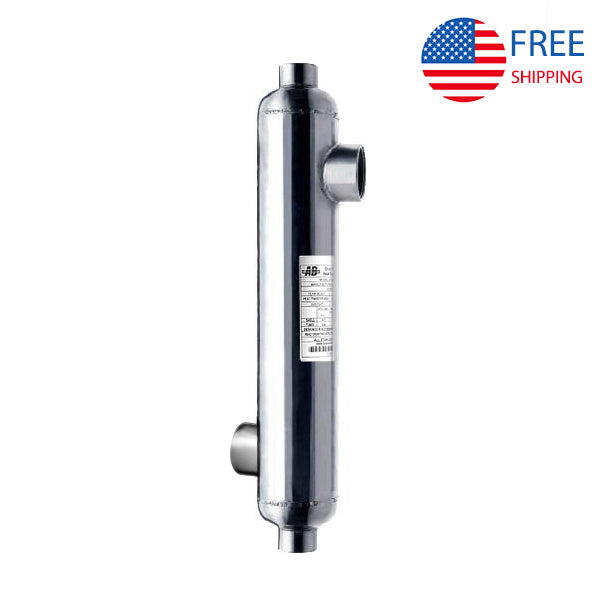
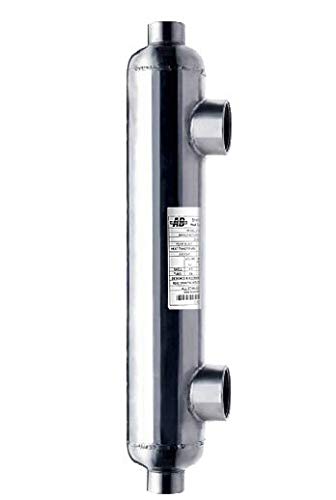
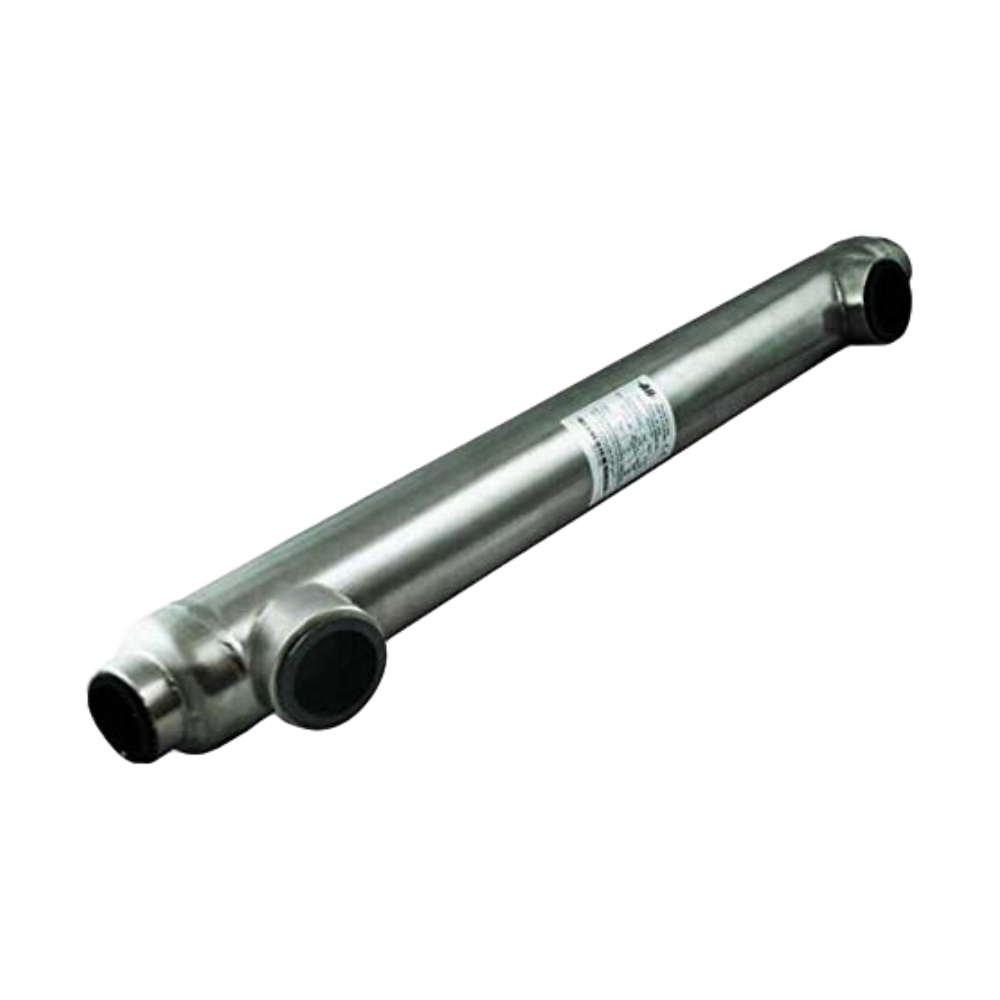
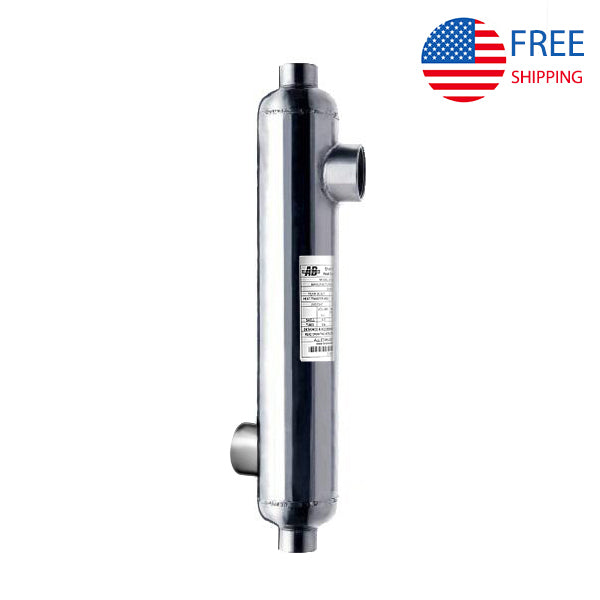
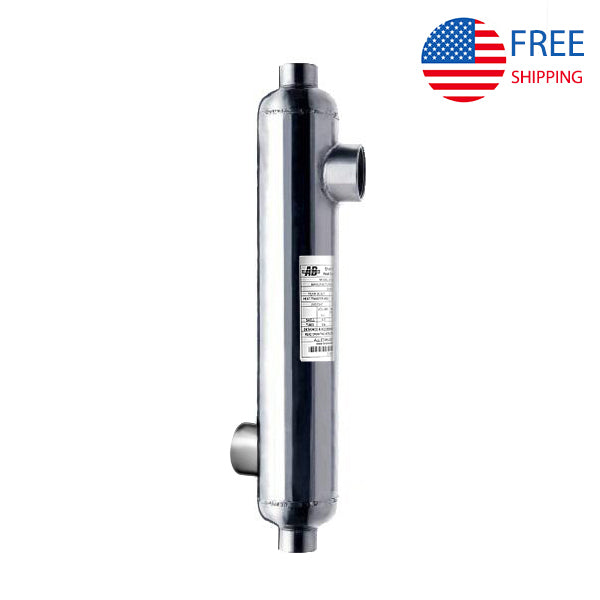
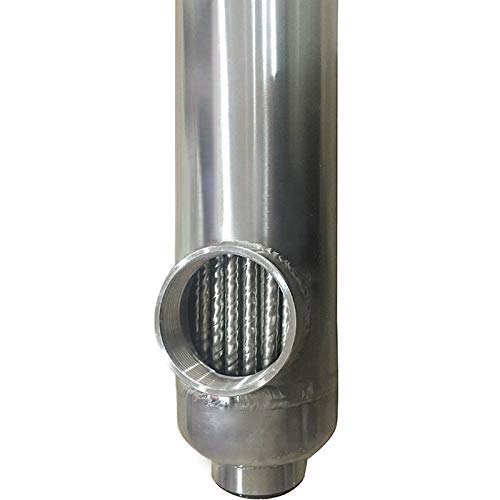
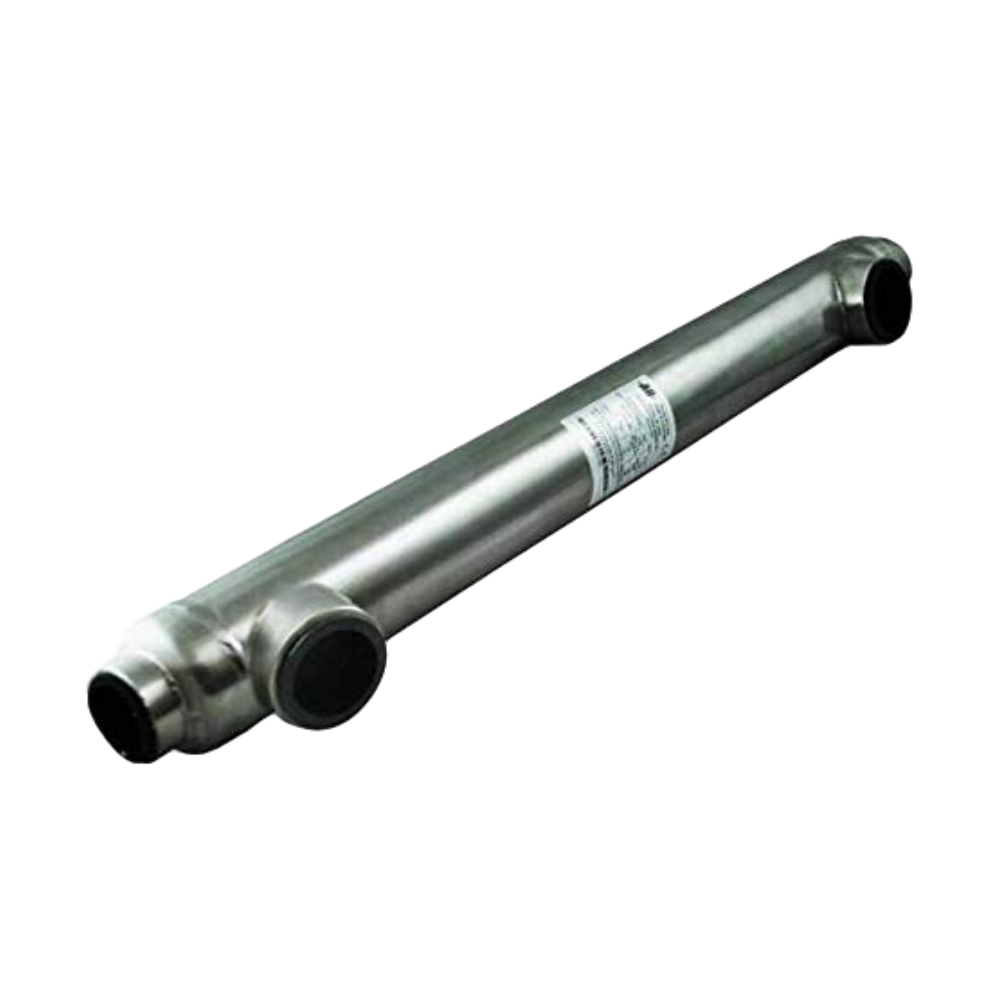
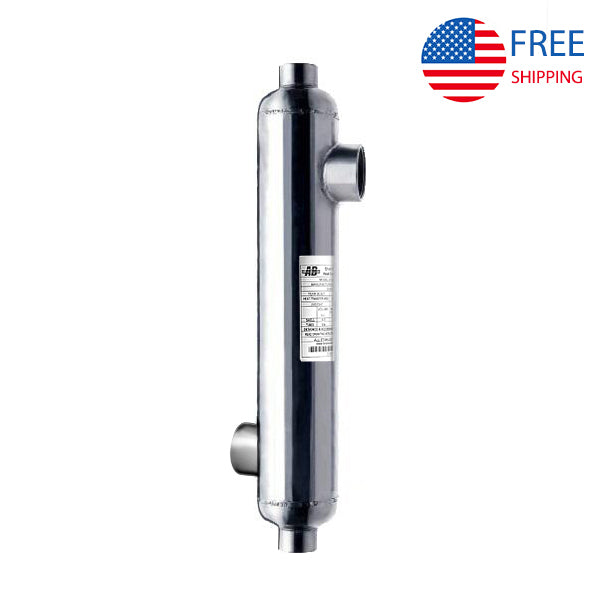
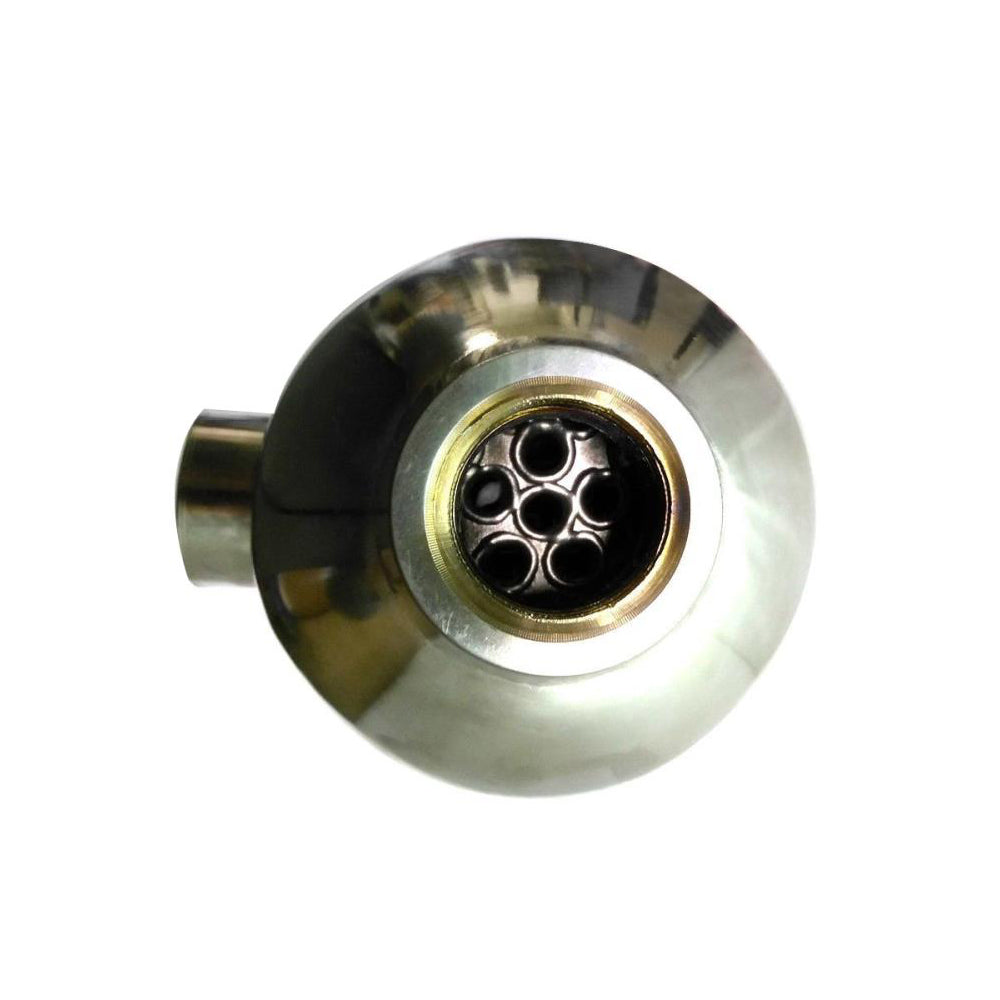
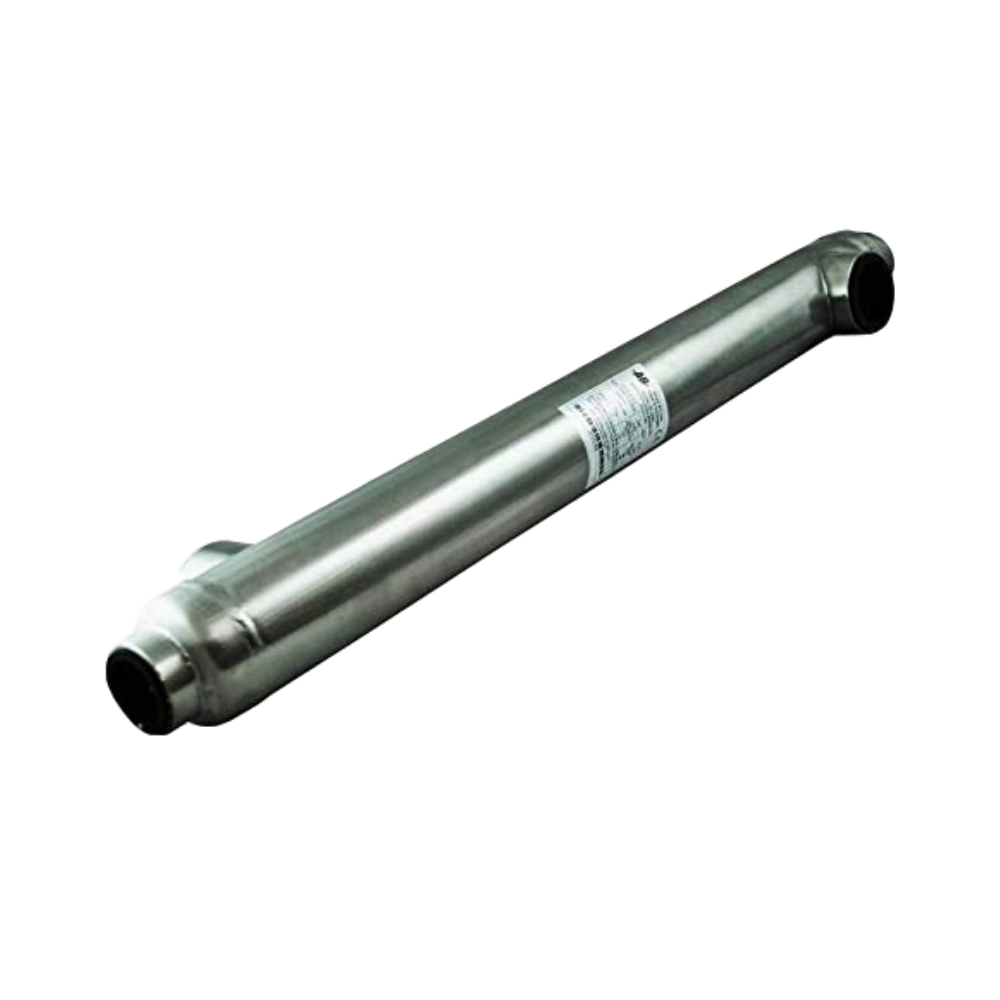
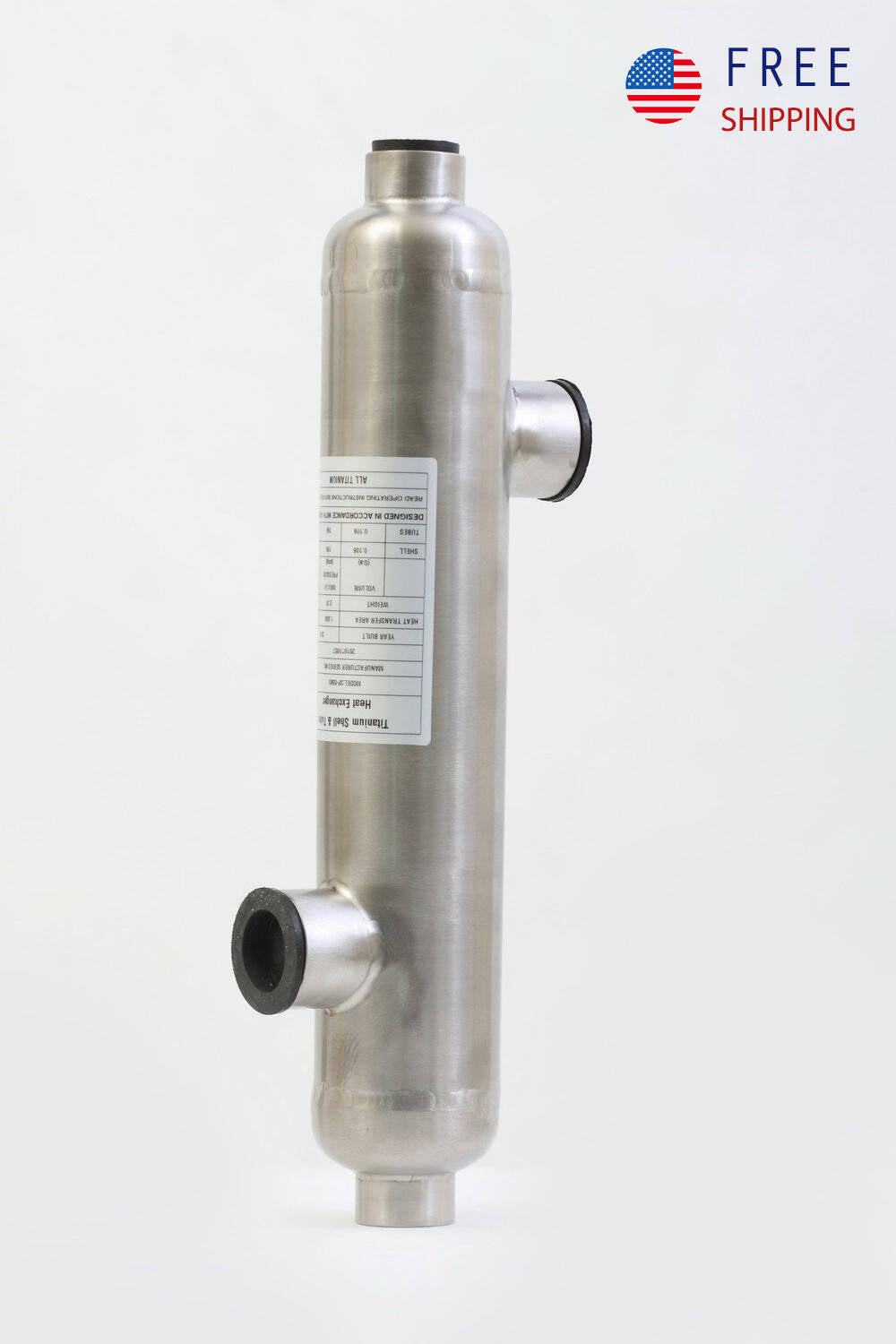
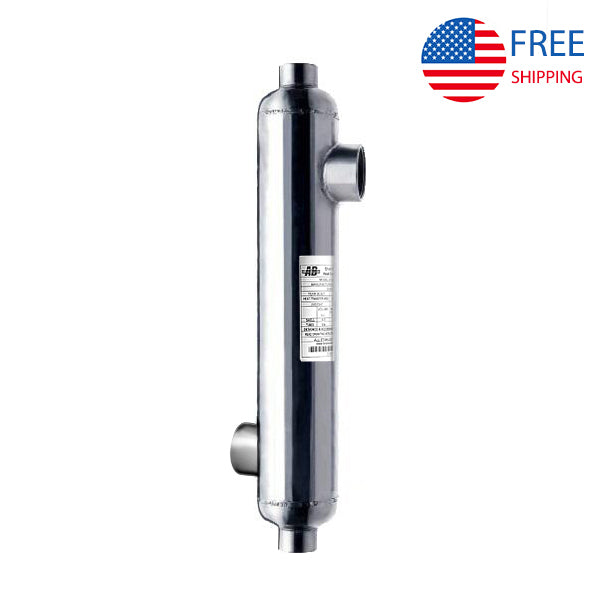
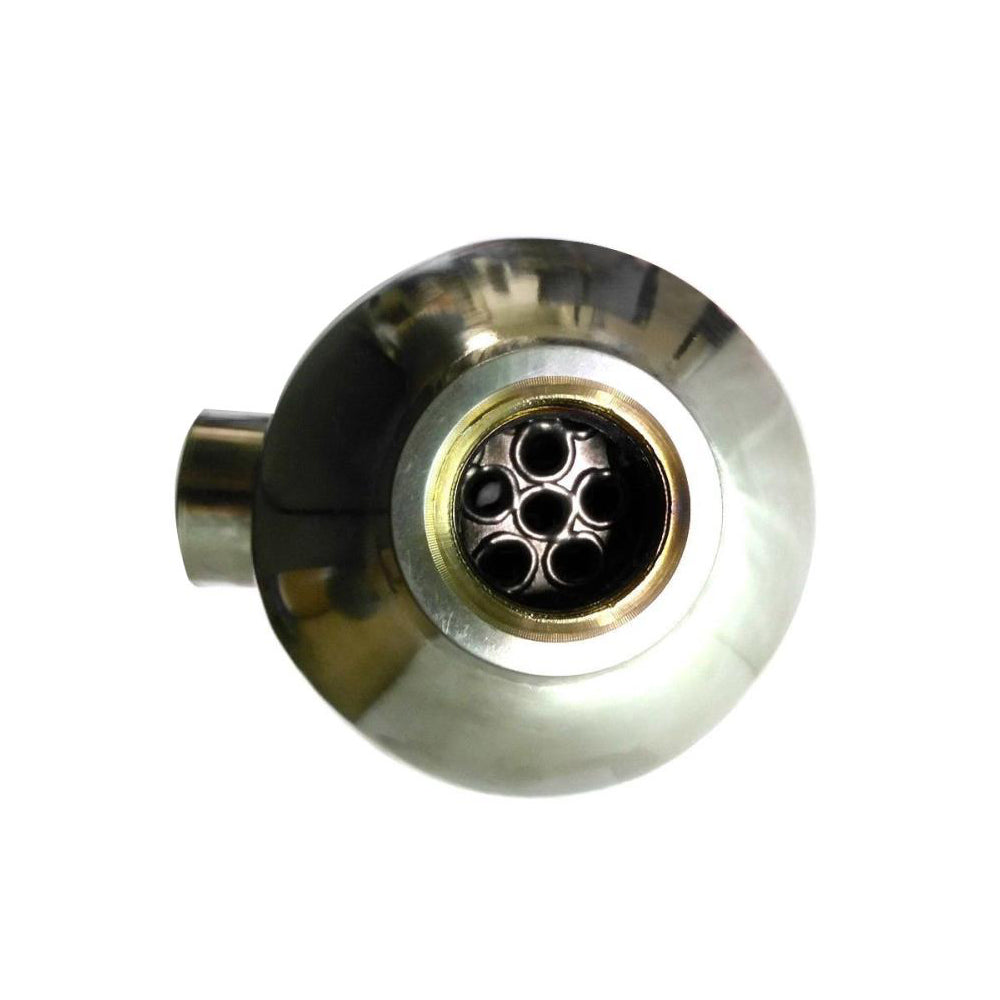
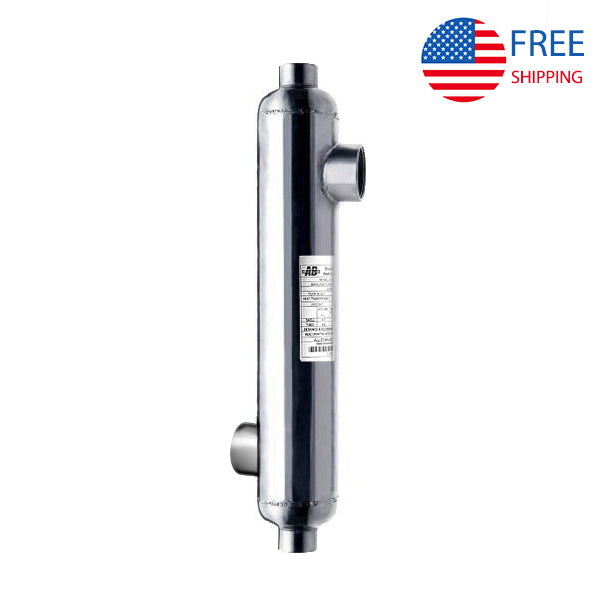
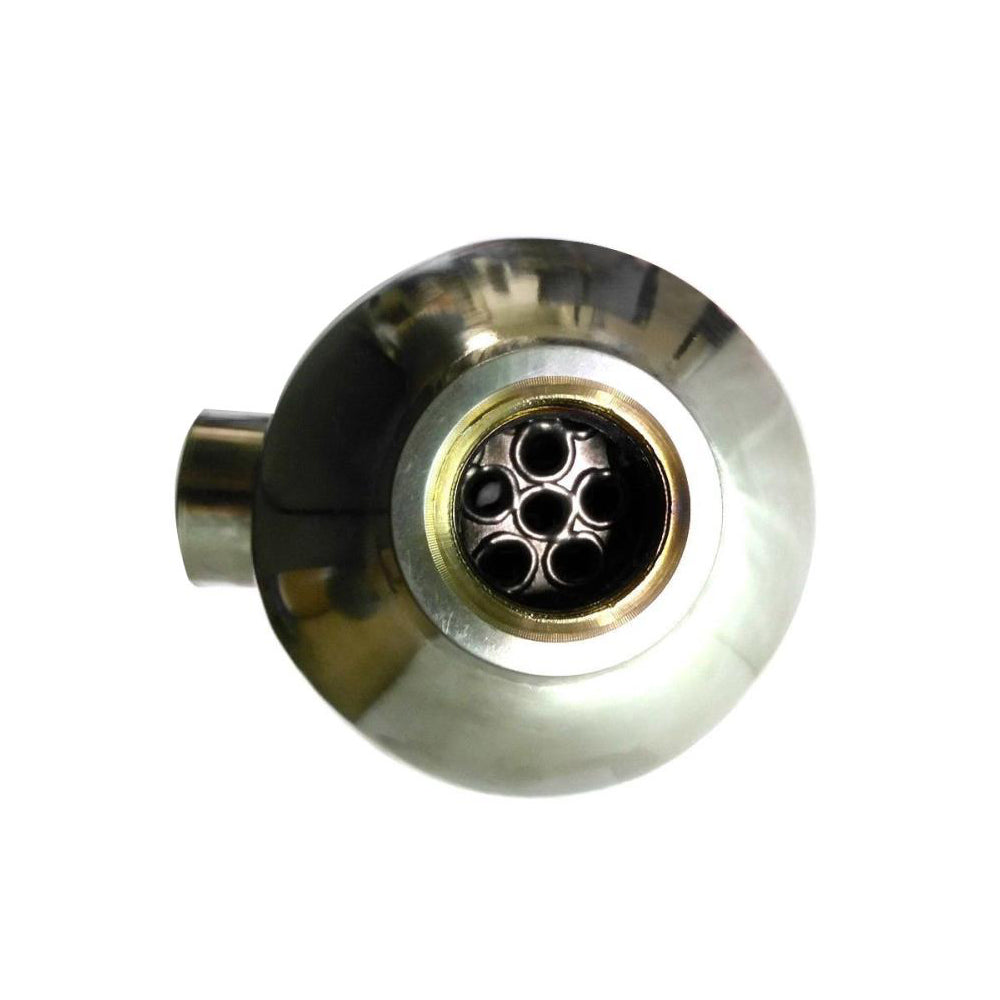
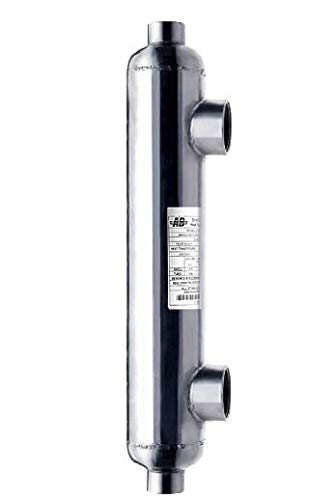
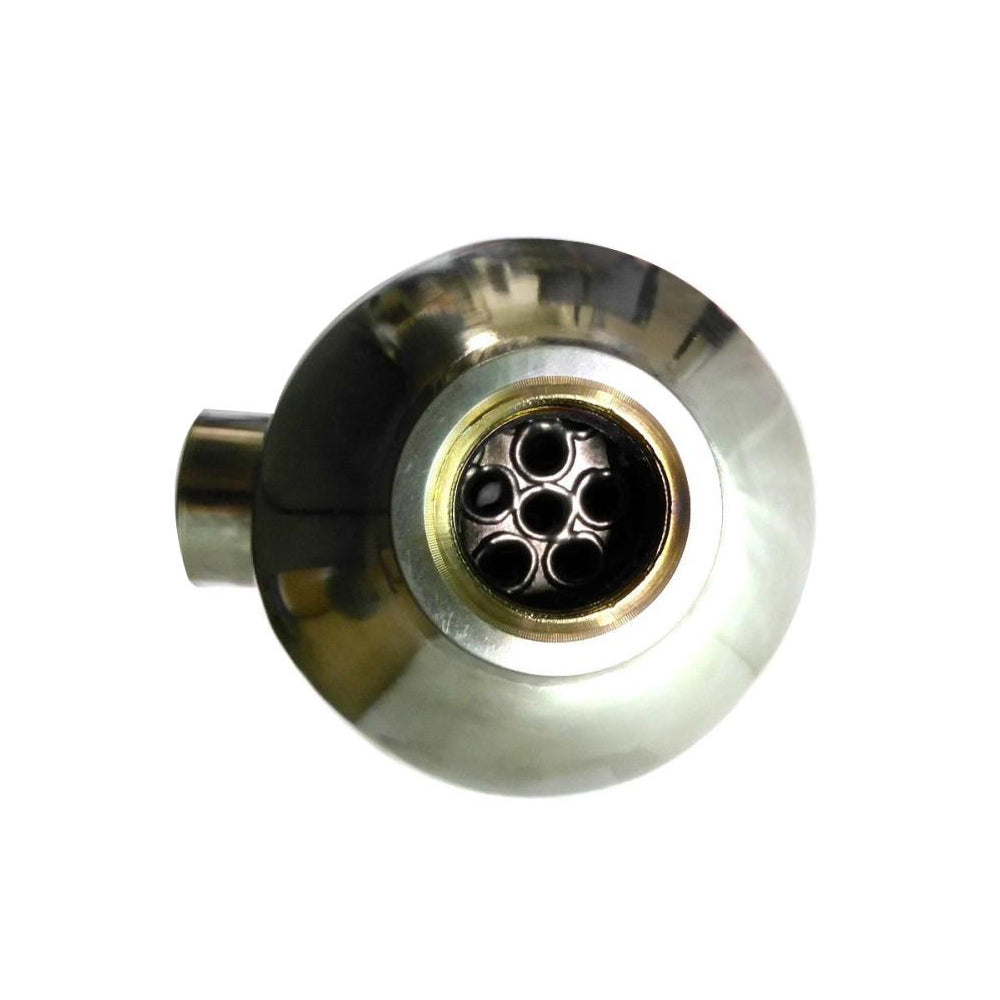
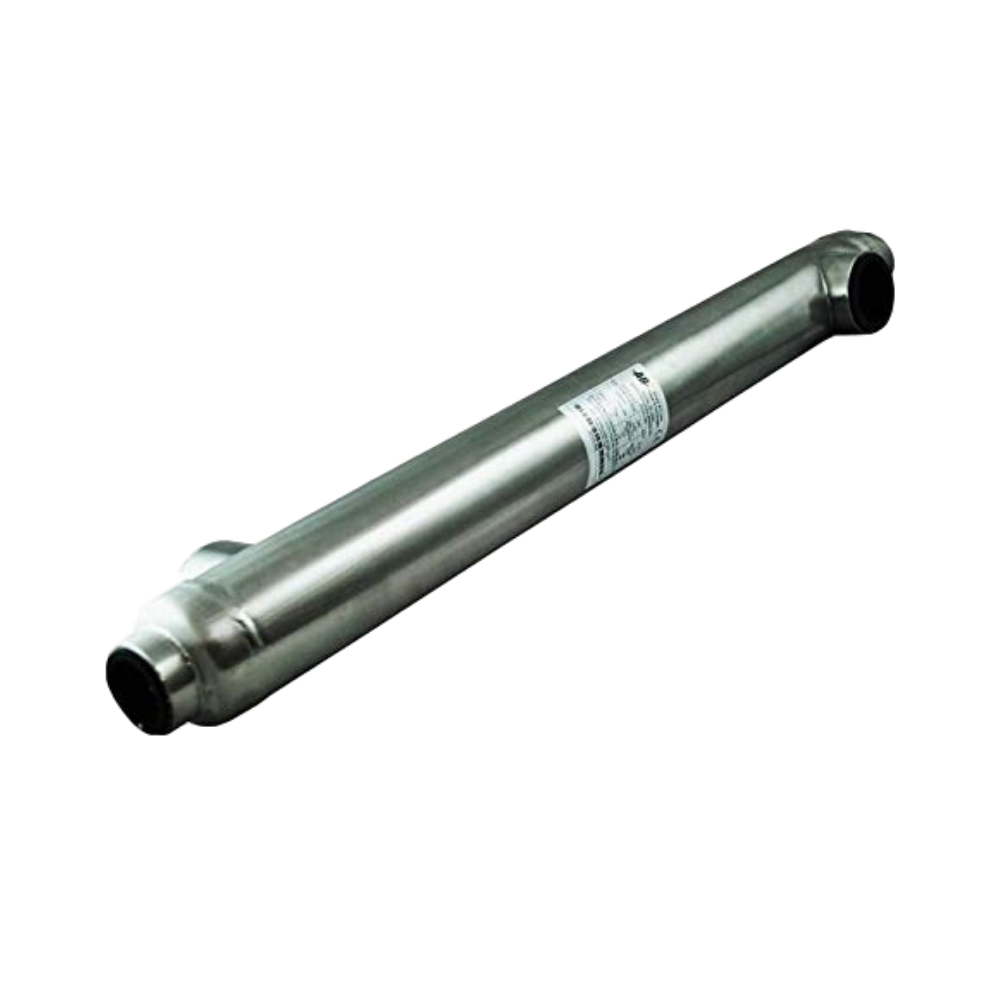
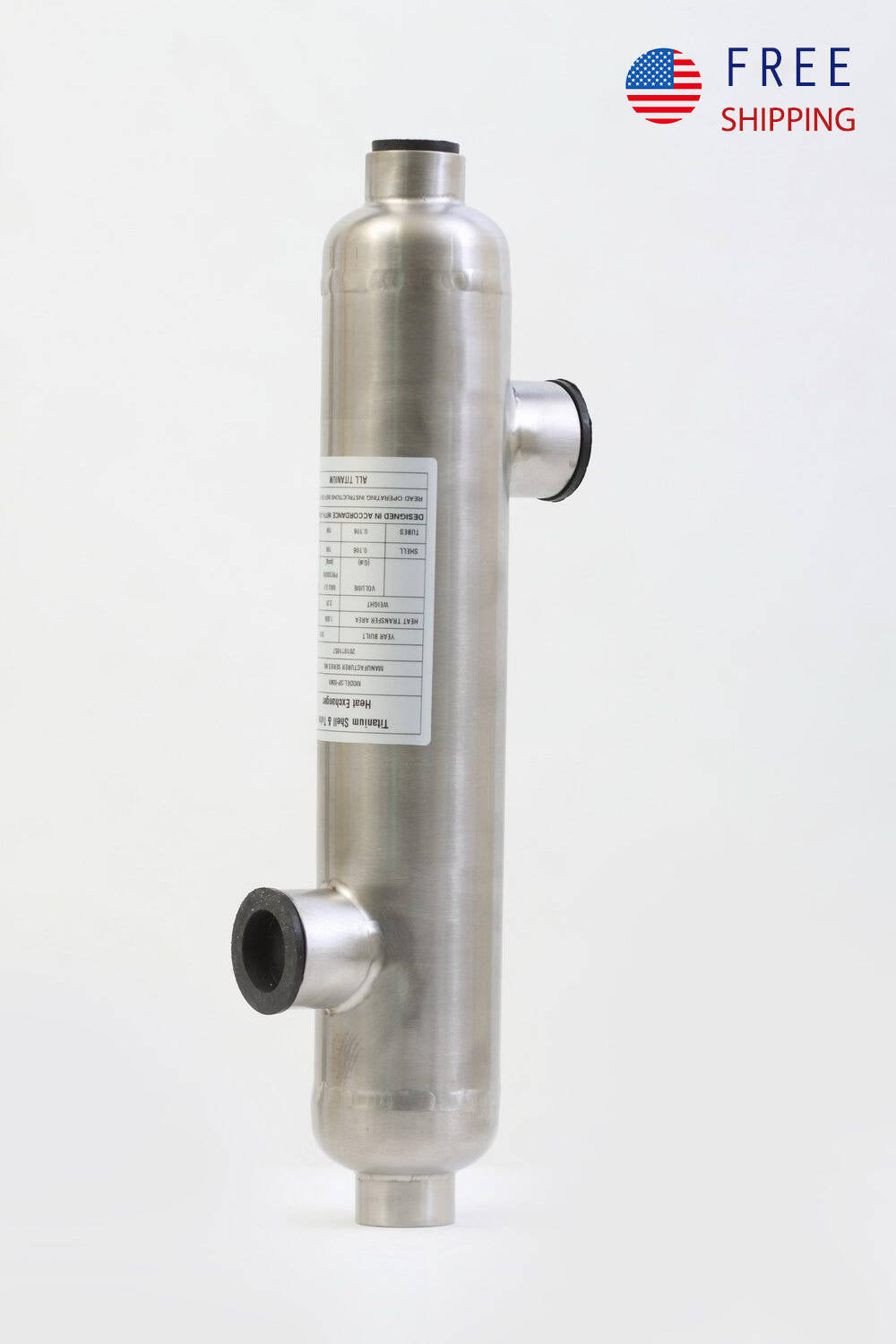
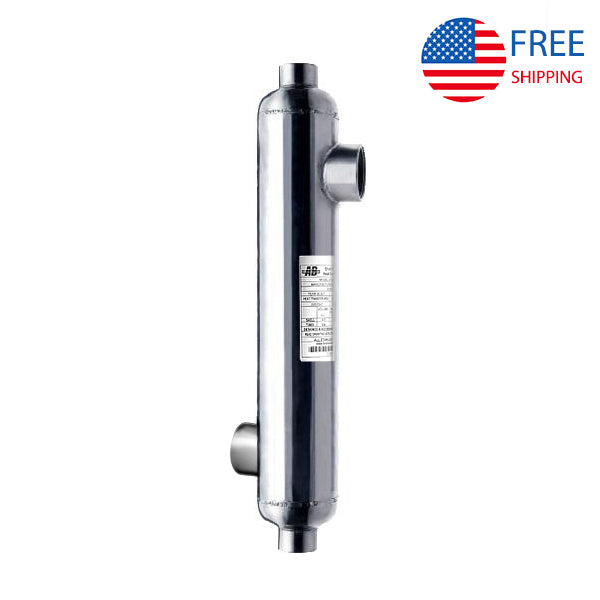
Pool heat exchangers are used in swimming pool heating systems to transfer thermal energy between two separated fluid circuits. The primary function is to maintain controlled water temperature while keeping the heating source isolated from pool water.
In typical installations, pool heat exchangers are selected for their ability to operate within closed-loop systems where heat is transferred indirectly. This configuration helps separate the primary heating medium (such as boiler water, solar loop, or heat pump circuit) from the pool circulation loop.
Common technical reasons for using pool heat exchangers include:
- Separation between primary heating system and pool water circuit
- Compatibility with different heat sources such as boilers or heat pumps
- Stable thermal transfer in continuous operation conditions
- Reduced direct exposure of heating equipment to chemically treated pool water
- Integration flexibility within existing hydronic systems
Pool heat exchangers are typically used as a component within a larger pool heating system rather than as a standalone heating unit.
Typical Applications of Pool Heat Exchangers
Pool heat exchangers are applied in water temperature control systems where heat transfer is required between independent circuits.


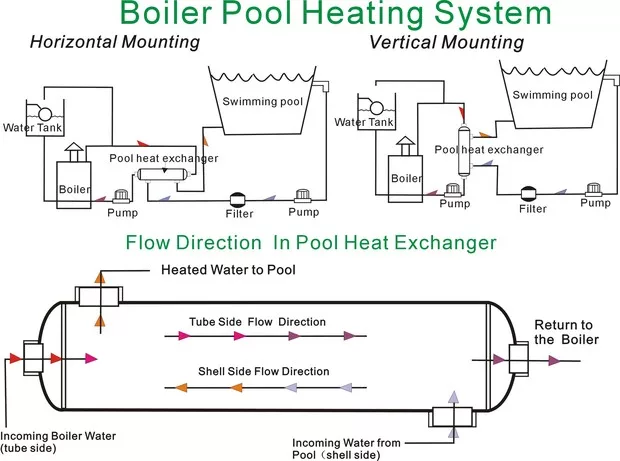
How Pool Heat Exchangers Work
Pool heat exchangers operate based on indirect heat transfer between two separated fluid streams.
The working principle can be described as follows:
- A primary heating circuit supplies heated fluid (for example boiler water, solar heated fluid, or heat pump output).
- A secondary circuit circulates pool water through the exchanger.
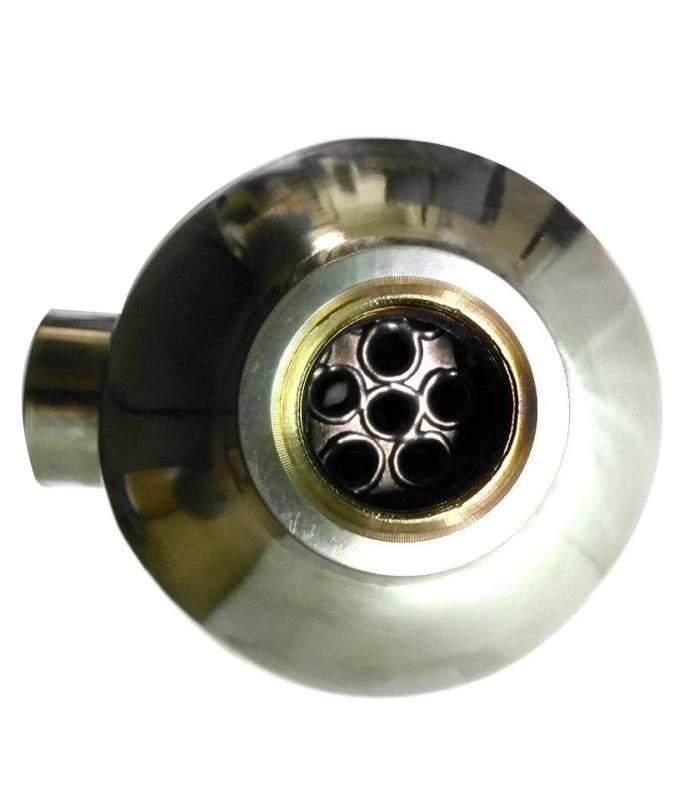
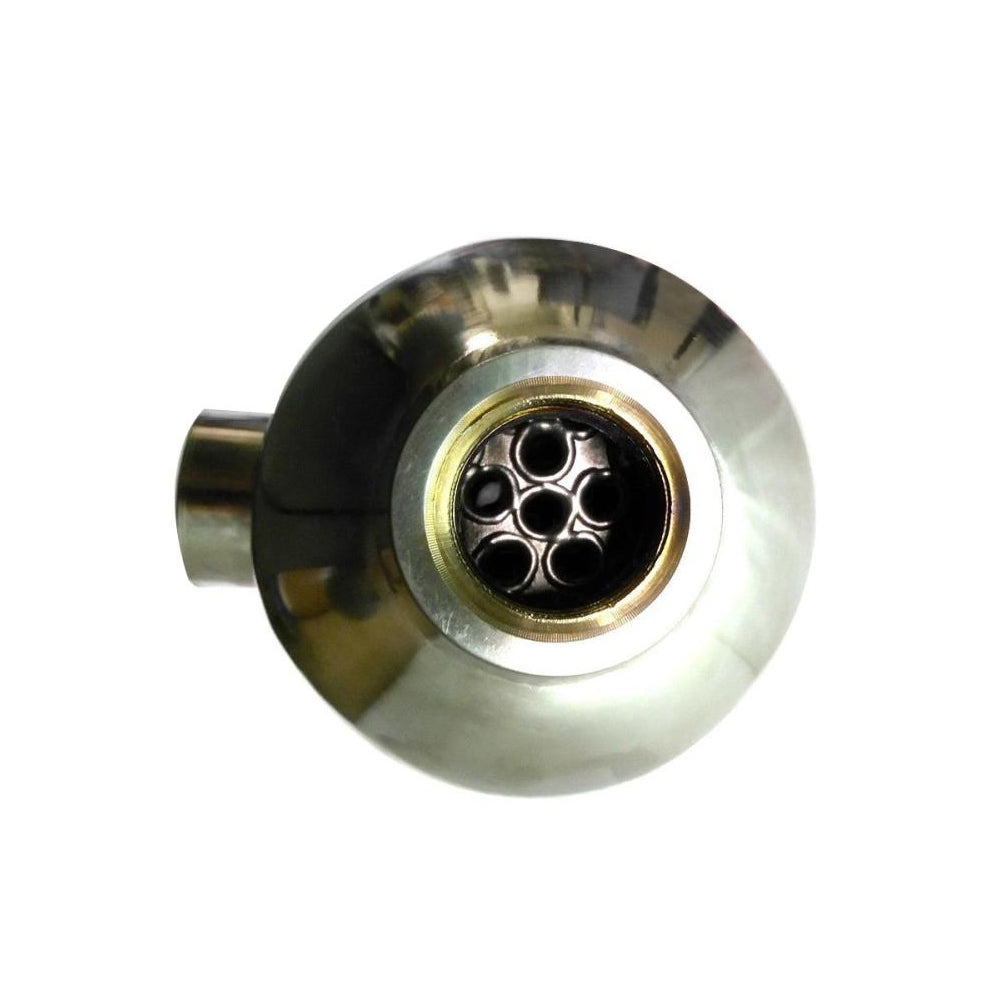
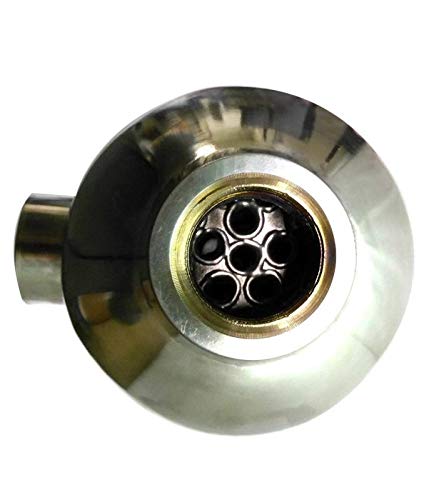
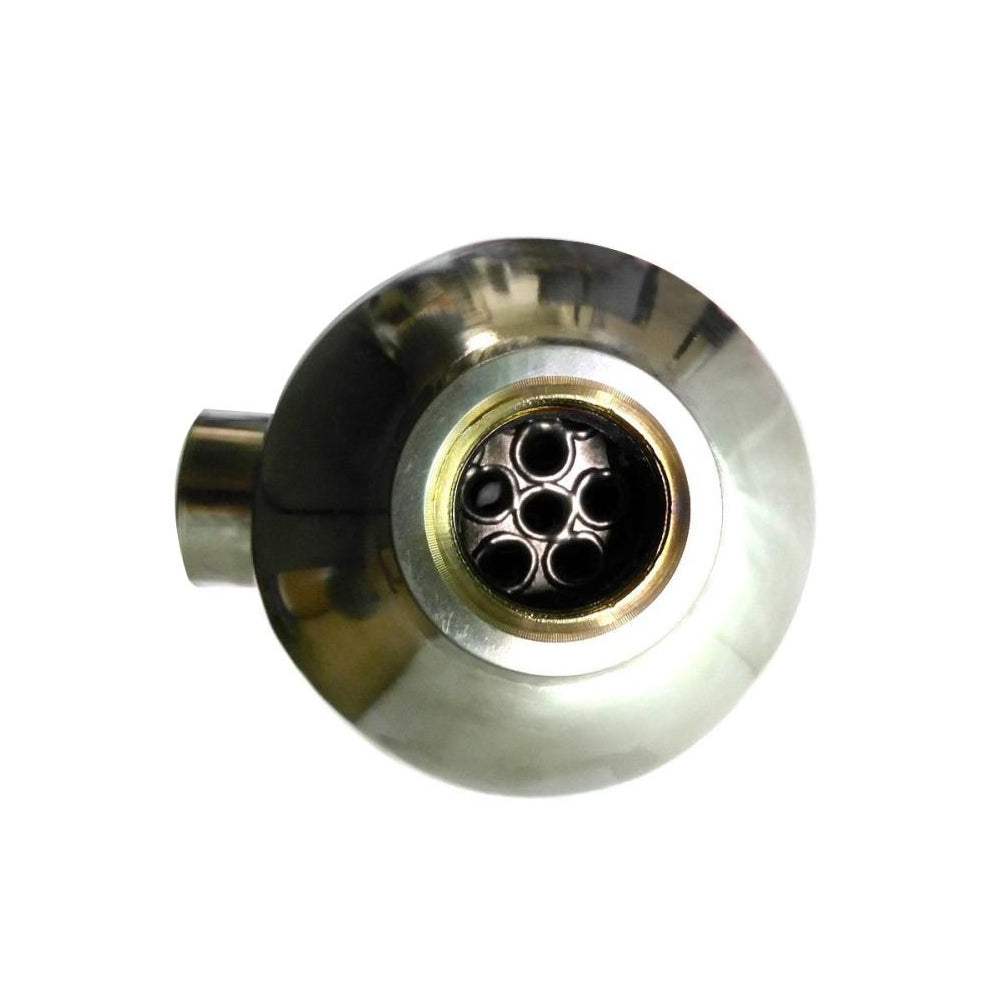
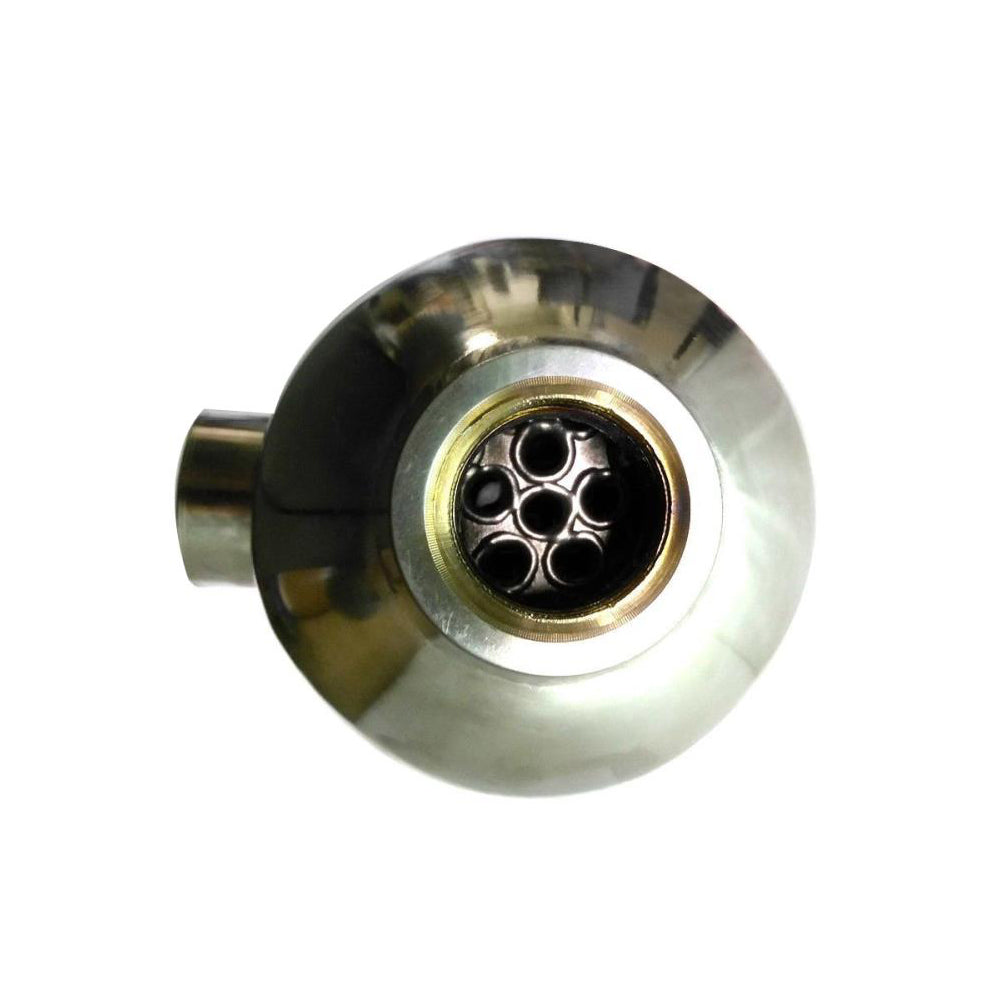
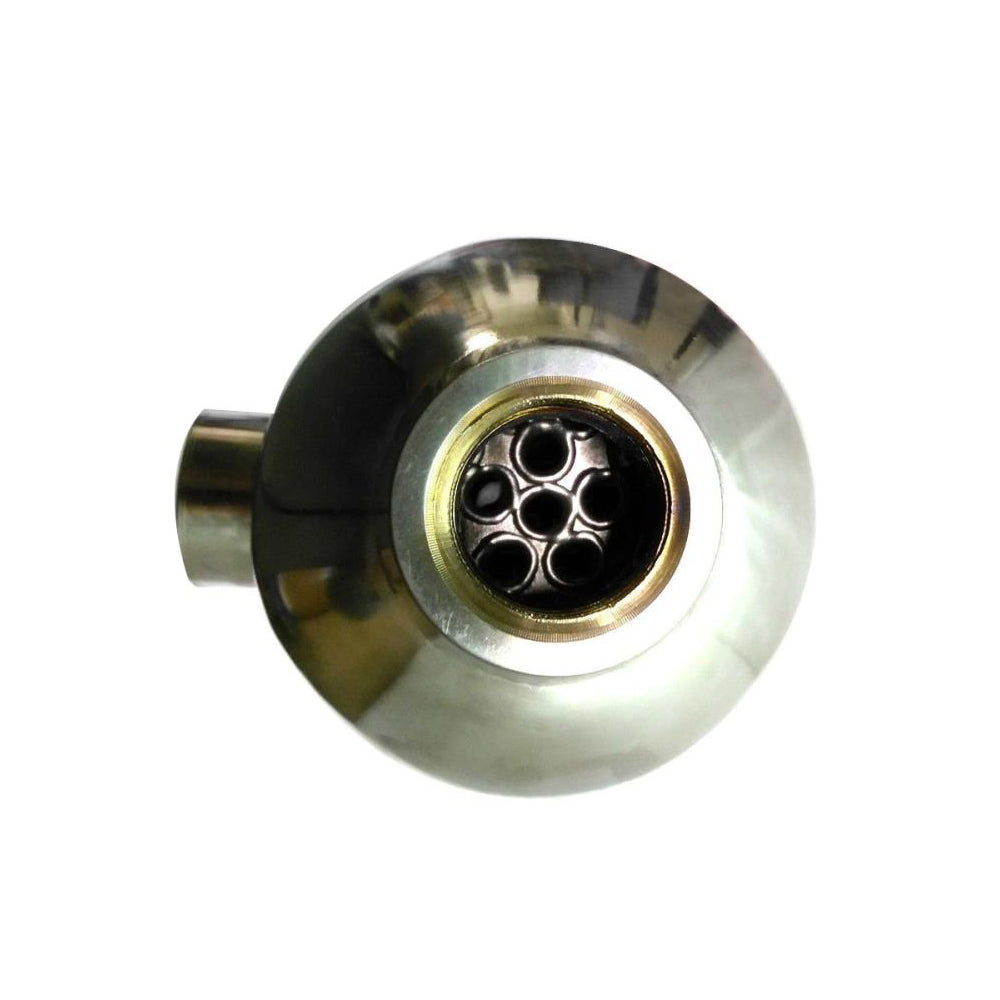
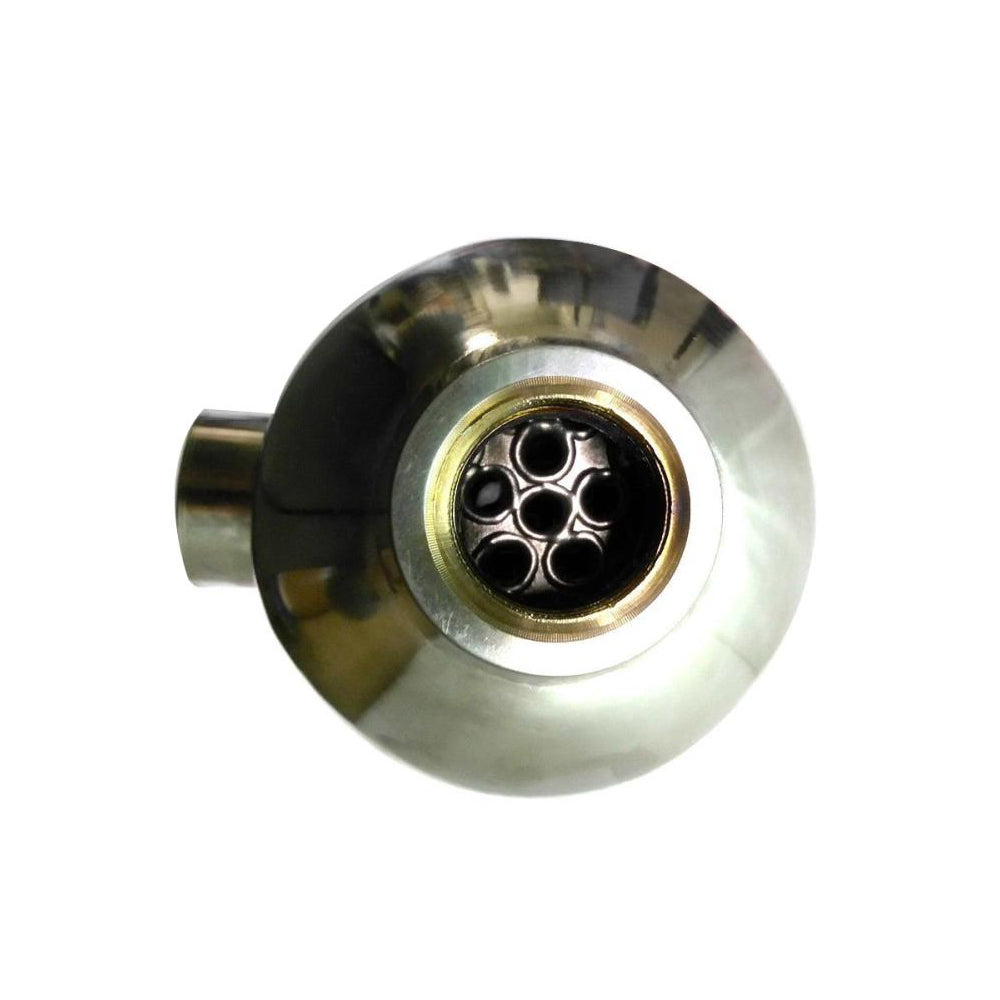
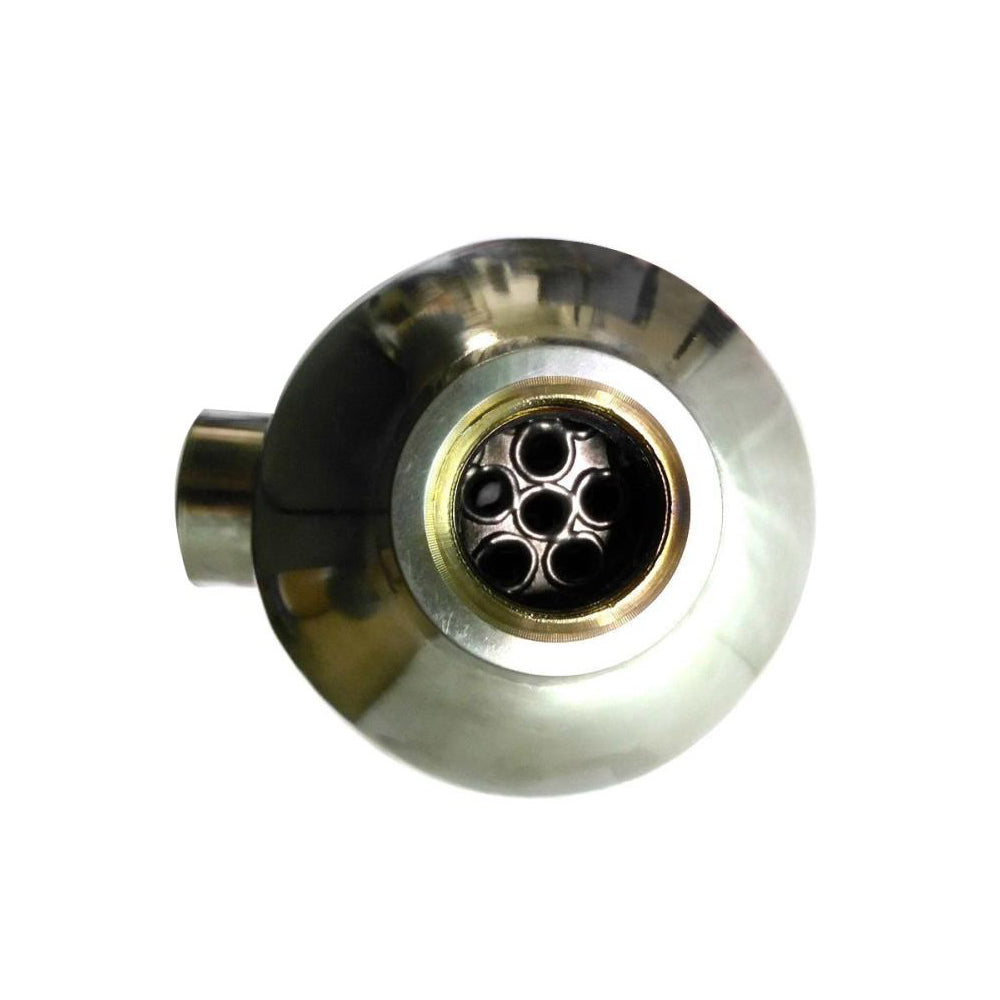
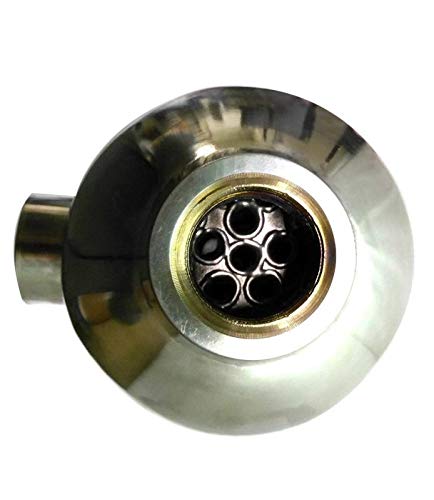
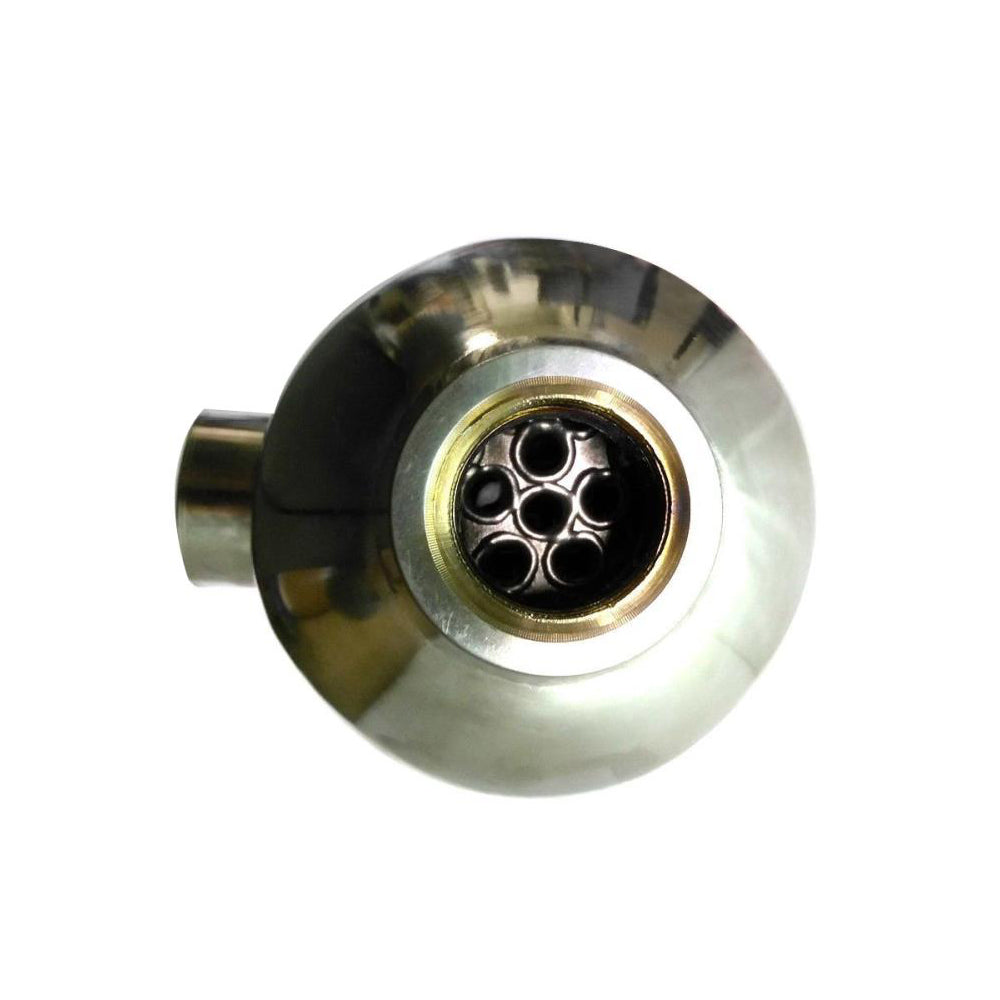
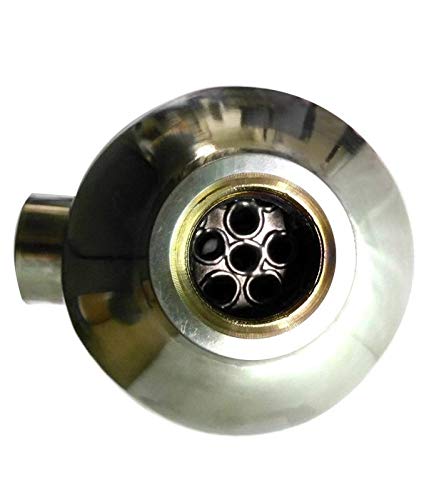
- Heat is transferred through a conductive surface (commonly stainless steel or titanium tubes).
- The two fluids remain physically separated, preventing mixing.
- Thermal energy is transferred until temperature equilibrium is reached within system parameters.
Q=UAΔTlmQ = U A \Delta T_{lm}Q=UAΔTlm
This relationship describes the heat transfer rate in a typical pool heat exchanger system, where performance depends on heat transfer coefficient, surface area, and temperature difference.
Key Considerations When Selecting a Pool Heat Exchanger
Selection of pool heat exchangers is generally based on system parameters rather than fixed product sizing.
Key technical factors include:
Thermal load requirement: The heating capacity should match pool volume, target temperature, and overall heat loss conditions to ensure system balance.
Flow rate compatibility: Primary and secondary circuit flow rates must align with the exchanger design to maintain stable and efficient heat transfer.
Material selection: Stainless steel (SS316L) is suitable for standard pool water conditions, while titanium is used in high-chlorine or chemically aggressive environments.
Water quality conditions: Chlorine level, salinity, and water hardness influence material selection and long-term maintenance requirements.
System integration and operating limits: Operating pressure, temperature range, connection type, and compatibility with boilers, heat pumps, or solar systems must be confirmed for proper installation and performance.