

For well-insulated homes and planned renovations, radiant floor heating can be worthwhile when comfort and even warmth matter more than rapid temperature changes. Electric cables and hydronic PEX loops deliver heat upward, creating warm, consistent floors without forced-air movement. This guide covers the benefits of underfloor heating, including quiet operation and potential energy savings, alongside slower response, installation complexity, repair access, flooring compatibility, and project costs. See how the main trade-offs affect your decision and when a radiant heating system makes practical sense.
In this article you will learn:
- how electric and hydronic systems distribute heat beneath the floor;
- what comfort benefits and practical trade-offs underfloor heating brings;
- when insulation, flooring and renovation plans justify the investment;
- how to compare response time, repair access and installation complexity.
How does radiant floor heating work?
Electric systems use cables or mats, while hydronic systems circulate warm water through PEX tubing. Radiant floor heating sends warmth upward from beneath the finished surface, heating people and objects instead of relying on moving hot air.
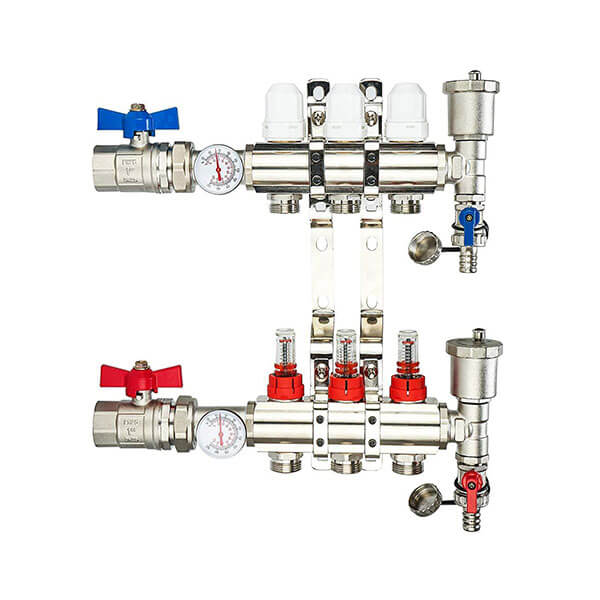
Electric layouts suit smaller zones such as bathrooms. Hydronic installations are intended for larger areas or whole-home use, with a manifold distributing water through separate loops. Compared with forced-air or baseboard units, this approach provides heat from the floor upward instead of localized blasts or airflow.
Comfort, efficiency and trade-offs at home
The main benefits of underfloor heating include even room temperatures, warm floors, and nearly silent operation. Without ducts pushing air through the room, the system may also reduce airborne dust circulation without making health claims.
Industry guidance suggests it can use 25-30% less energy than forced-air heating, but results depend on insulation, climate, controls, and energy source. The main compromises include slow temperature changes after setbacks, greater installation complexity, and repairs that may require opening the finished floor. A hydronic leak should be diagnosed professionally because access can be invasive.
When does the investment make practical sense?
Radiant floor heating is usually worthwhile in a well-insulated new build or major renovation, rather than beneath intact finished floors. Hydronic project estimates range from \$12-\$15 per square foot, while whole-house figures may fall between \$15,000 and \$50,000; a typical 2,000-square-foot home is sometimes estimated at \$10,000-\$25,000. These are context estimates, not universal quotes.
Value changes with insulation, floor buildup, fuel, labor, and system size. Tile and stone conduct heat well; confirm manufacturer limits for wood or vinyl. Insulation below the assembly limits downward losses. At Alfa Heating, we offer PEX-ready components for planned hydronic layouts.
Related pages:
This approach fits projects that can accommodate floor work. It is less compelling when rapid response, cooling integration, or minimal retrofit disruption matters most.
Is radiant floor heating worth the investment?
Radiant floor heating is most valuable when comfort, quiet operation, and even warmth matter more than fast temperature changes or simple installation. Electric systems suit smaller areas, while hydronic layouts can heat larger spaces efficiently, but performance depends on insulation, floor materials, controls, and the energy source.
The strongest case is a well-insulated new build or major renovation where floor access is already planned. Compare installation complexity, response time, repair access, and compatibility with your flooring before choosing a radiant heating system, then review suitable PEX components for a carefully designed hydronic installation.
Frequently asked questions
Radiant floor heating can serve as the main heat source in a cold climate home when insulation, heat output, and system design match the heating load.
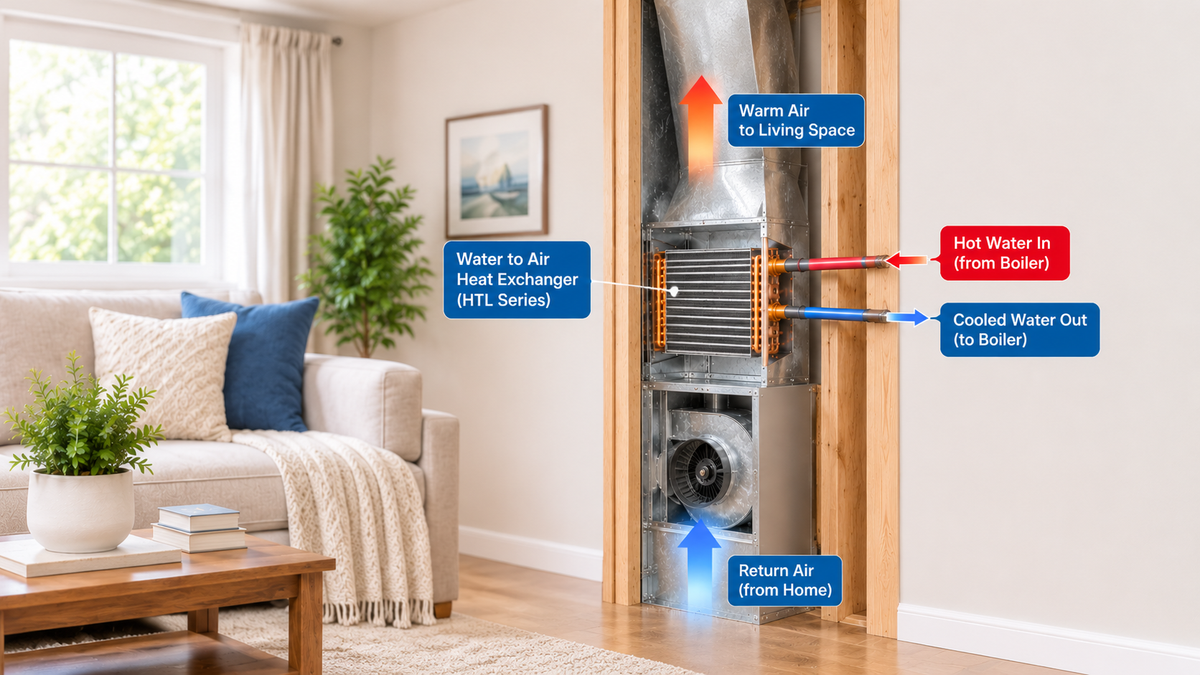
Hydronic radiant floor heating can connect to an existing boiler through a manifold. Separate HVAC equipment may continue providing cooling and ventilation.
PEX tubing can provide long service when installed correctly, while pumps and controls may require earlier replacement. Regular maintenance supports reliable operation.
Radiant floor heating can raise floor height, depending on the system and floor buildup. Check doors, thresholds, insulation, and finished flooring before installation.





Expert tip:
Before ordering a hydronic radiant heating system, check the flooring manufacturer’s temperature limit and request a room-by-room heat-loss design. In the design sheet, verify insulation below the tubing, manifold flow rates, and loop lengths. If the system cannot meet the room load within the floor limit, revise the layout before installation.