

A clear maintenance routine helps homeowners reduce the risk of breakdowns, improve energy efficiency, and catch wear before it leads to an expensive repair during the coldest part of the year.
From the article, you will learn:
- What should be checked once a year before the heating season
- Which homeowner tasks are safe to handle without opening sealed components
- When a professional inspection becomes necessary
- How filters, vents, and controls affect system output
- What warning signs point to airflow or combustion problems
- How maintenance helps reduce energy waste and uneven heating
- Which records to keep after every service visit
- How to prepare a heating system for winter operation
Why annual heating checks reduce breakdown risk
An annual review keeps a heating system safer, steadier, and less likely to fail when outdoor temperatures drop. A proper heating system maintenance checklist gives homeowners a practical way to check airflow, controls, visible pipework, and thermostat response before daily demand increases. Regular attention also helps identify issues such as blocked filters, minor leaks, delayed ignition, or poor circulation before those faults affect comfort. For most households, yearly service is not only about preventing breakdowns. It also helps protect operating efficiency and indoor air quality. When maintenance is skipped, the system often runs longer to deliver the same heat, which increases wear on parts and raises monthly utility costs.
What a homeowner can inspect safely
Homeowners can perform visible, basic checks without disassembling the unit or touching gas, electrical, or sealed-combustion components. Good home heating system maintenance starts with the thermostat, filter access point, exposed vents, radiator valves, and the area around the appliance. The first goal is to confirm that airflow is unobstructed and that the system starts, runs, and shuts off in a normal sequence. It is also wise to look for soot marks, corrosion, water staining, unusual noise, or repeated cycling. These signs do not confirm a major fault, but they do show that the system needs closer evaluation. Safe inspection means observing performance and condition, not opening parts that require licensed service.
Start with filters, vents, and thermostat accuracy
The first maintenance step should focus on parts that directly affect heat delivery through the home. Dirty filters restrict airflow, which can overwork the blower, reduce warm air supply, and increase energy consumption. Blocked supply or return vents create similar problems and may also cause rooms to heat unevenly. Thermostat accuracy matters because even a small calibration issue can make the system run too long or shut off too early. This is why central heating maintenance often begins with simple operating checks before any deeper diagnostic work. A clean filter, open vents, and a responsive thermostat create the conditions for stable heating output and make it easier to spot larger faults that require professional repair.
Signs that airflow is already restricted
Restricted airflow usually shows up before total system failure. Common signs include weak airflow from registers, hot and cold spots between rooms, rising energy bills without weather changes, and longer run times. In hydronic systems, the signs may include slow radiator heating, trapped air, or rooms that never fully warm up. One useful part of any heating system maintenance checklist is comparing current performance with last season’s normal operation. If the system sounds louder, heats more slowly, or cycles more often than before, the issue may be dirt buildup, a failing blower component, duct leakage, or circulation imbalance. Identifying the pattern early makes later repair more targeted and less disruptive.
Inspect the boiler, furnace, or heat source for visible wear
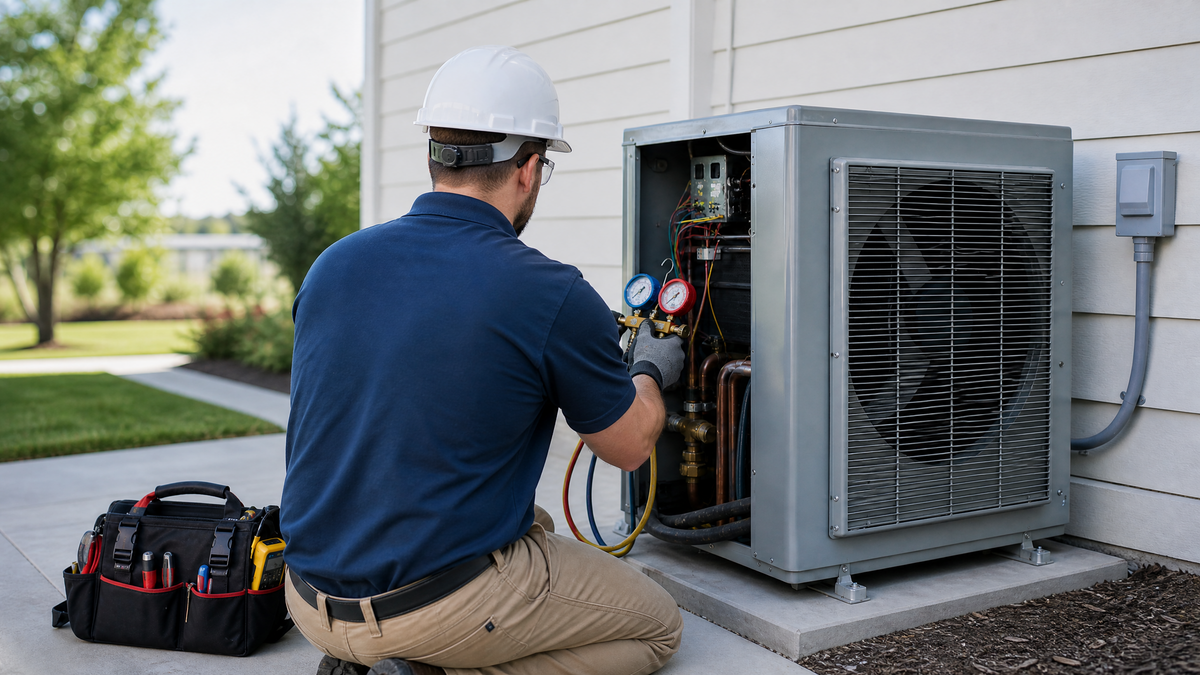
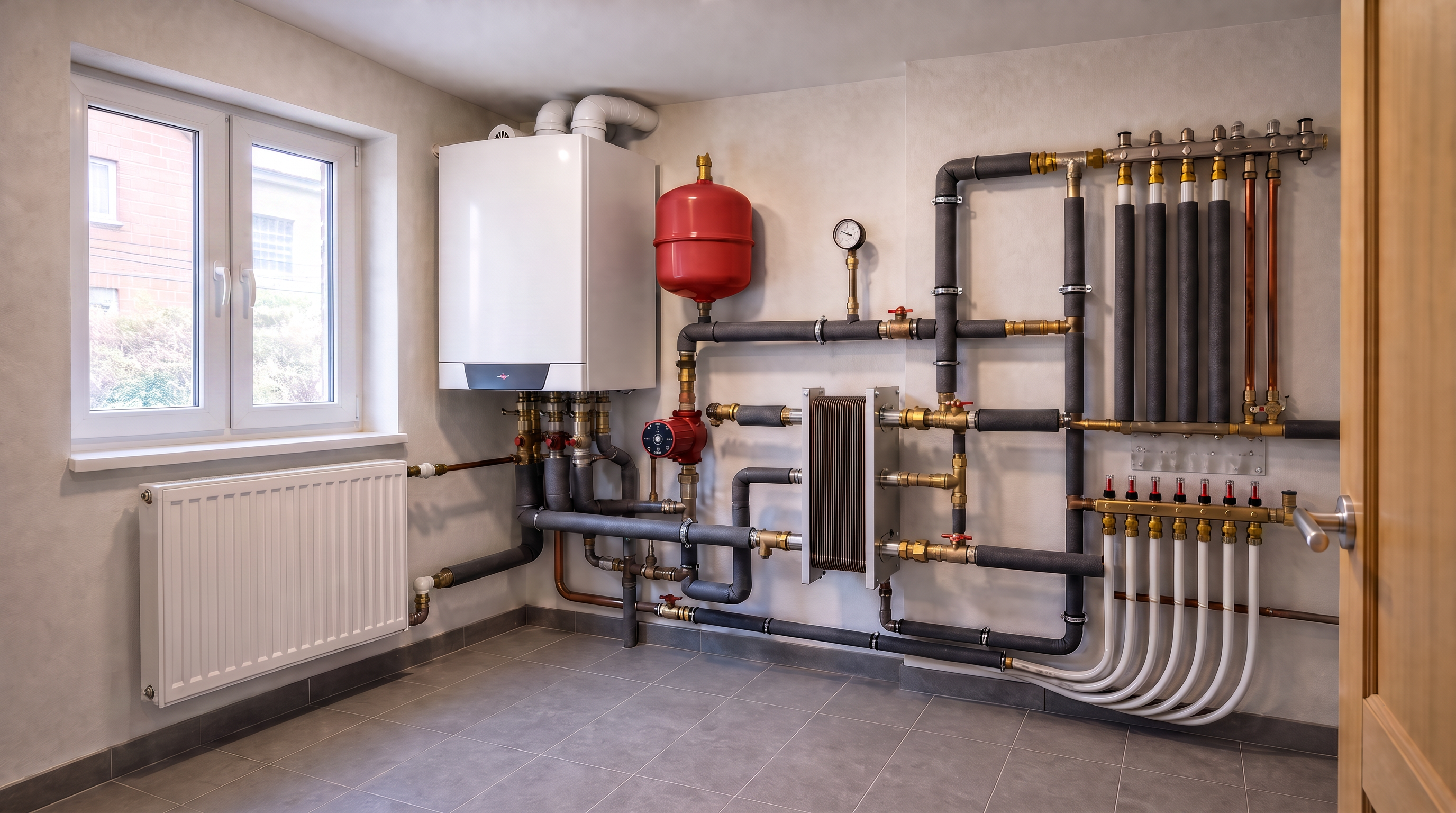
The heat source should be inspected for signs of age, contamination, or developing failure. On a furnace, visible rust, soot, scorch marks, or delayed burner ignition need prompt attention. On a boiler, mineral deposits, pressure issues, and damp connections may signal circulation or sealing problems. Homeowners should not remove covers unless the manufacturer clearly allows access for routine checks. Instead, focus on what can be seen and heard during the operation. This is where annual heating system service becomes important, because a trained technician can test combustion quality, electrical safety, pressure levels, and control response. One yearly visit often prevents small defects from becoming mid-season outages.
Warning signs that require professional service
Some warning signs call for immediate action rather than observation over time. These include the smell of gas, repeated system lockouts, water pooling near the unit, smoke staining, loud banging or grinding, and activation of the carbon monoxide alarm. Homeowners should also take poor flame quality seriously in systems where the burner flame is visible. Yellow, unstable, or irregular flames may indicate combustion issues that should be handled only by qualified personnel. Anyone asking how to maintain a central heating system equipment safely should treat combustion, pressure, and wiring problems as professional work, not weekend maintenance. A fast response is especially important before winter, when emergency appointments may be harder to schedule.
Keep circulation components and heat emitters in working order
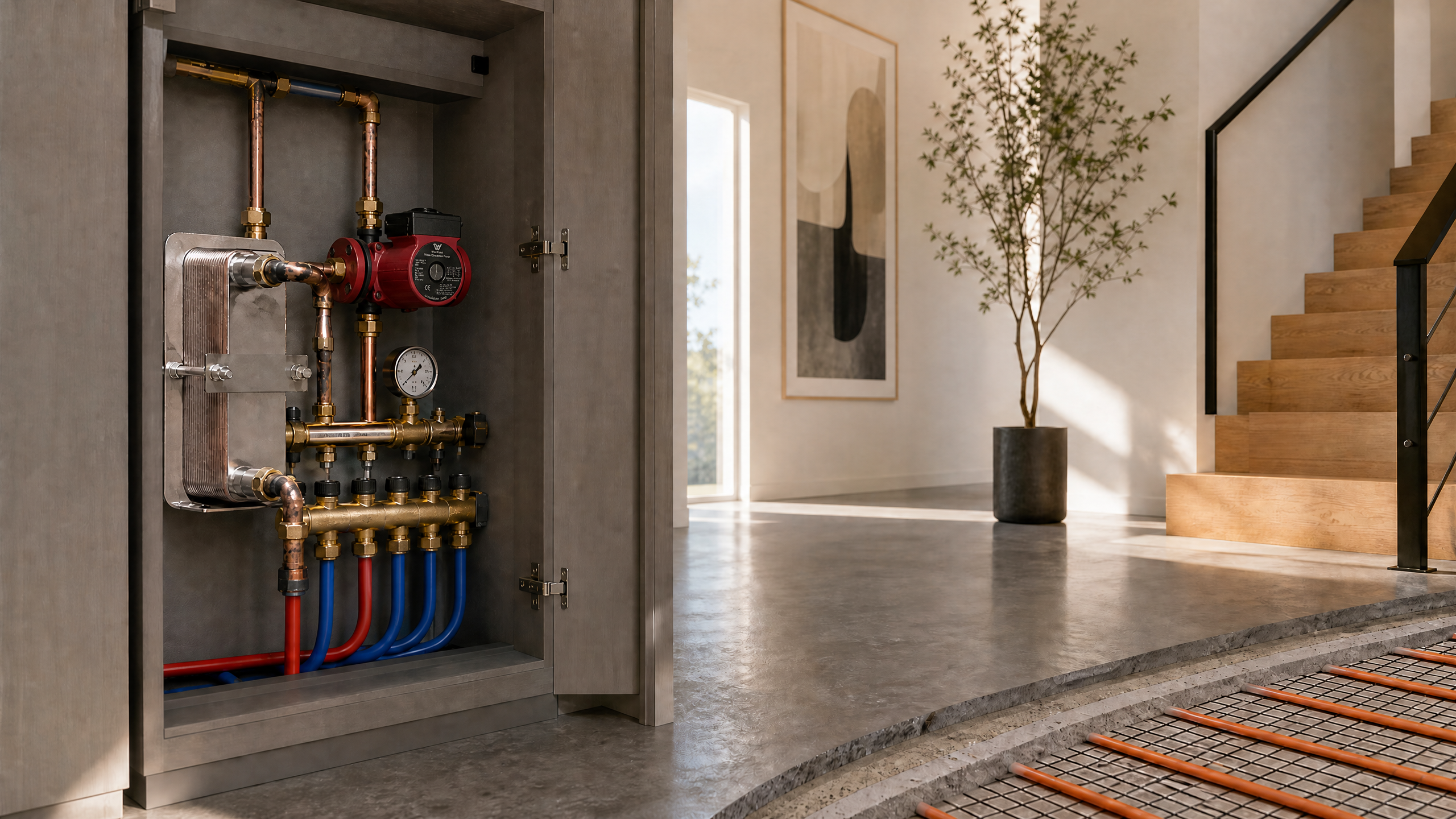
Heat production alone does not guarantee indoor comfort. The system also needs good circulation through ducts, radiators, baseboards, pumps, or fans. In forced-air systems, duct leaks or damaged insulation can waste heated air before it reaches living spaces. In water-based systems, stuck valves, air in the lines, or pump wear can reduce output on a room-by-room basis. Strong home heating system maintenance includes checking whether each area of the home receives heat within a normal time after startup. Homeowners can also confirm that furniture, rugs, and curtains are not blocking vents or radiators. These simple checks help reveal whether the problem is with the heat source itself or with how heat is being distributed.
Schedule service before peak season, not during a breakdown
The best time to arrange maintenance is before cold weather places full demand on the system. Booking in early autumn gives time to replace worn parts, correct control issues, and verify safe operation before the first hard freeze. Waiting until the system fails usually means higher stress, fewer appointment options, and longer periods without heat. Planned annual heating system service also provides homeowners with a written record of the work completed, parts replaced, and recommendations for future repairs. Since 2008, ALFA Heating has focused on HVAC and heat-exchange solutions that prioritize clear system evaluation and long-term operational value. A scheduled visit should confirm both the current condition and any risks likely to appear in the next season.
Keep records and build a repeatable yearly routine
Maintenance is more effective when it is documented. Keep copies of service invoices, filter replacement dates, warranty terms, and notes about noise, performance changes, or room-by-room heating issues. These records help technicians identify patterns and reduce guesswork during future visits. They also help homeowners decide whether a repair cycle is becoming too frequent for an aging unit. Strong central heating maintenance depends on consistency, not one-off action taken only after a problem appears. Anyone searching for how to maintain a central heating system equipment over the long term should treat yearly review, recordkeeping, and early repairs as one connected routine. The second half of effective central heating maintenance is acting on findings before winter exposes weak points.
FAQ
Most residential systems should be checked once a year before the heating season begins. Annual service helps confirm safe operation, cleaner airflow, and normal control function. Older systems or high-use homes may also require additional inspections if performance changes are observed during winter.
No. Homeowners can replace filters, clear vents, test the thermostat’s response, and watch for visible leaks or unusual noises. Work involving gas supply, sealed-combustion parts, electrical components, or pressure settings should be handled by a qualified technician with the appropriate credentials.
Skipped maintenance can lead to dirt buildup, reduced airflow, uneven heating, higher energy use, and faster wear on moving parts. It also increases the chance that small faults will go unnoticed until the system is under heavy seasonal demand, at which point it is more likely to fail.
Yes. A dirty filter can restrict airflow enough to reduce heating output and strain the blower. In some systems, poor airflow can also affect temperature control and cause longer run times. Checking the filter regularly is one of the simplest ways to protect system operation.
Common signs include longer heating cycles, louder startup noise, rooms that stay cold, repeated resets, rising utility costs, visible rust, or water near the equipment. Any gas smell, smoke staining, or carbon monoxide alarm activation should be treated as urgent and checked immediately.
Yes. Clean filters, open vents, accurate controls, and properly operating burners or pumps help the system produce and deliver heat with less waste. Maintenance does not guarantee a specific reduction in utility use, but it usually improves operating conditions that affect energy use.
Yes. Radiators should be free of trapped air and obstructions, while vents should stay open and unblocked by furniture or textiles. These checks help heat move through the home as intended and make it easier to determine whether a deeper circulation issue or an equipment problem exists.
Keep the service date, technician notes, replaced parts, warranty information, filter sizes, and any recommendations for follow-up work. Good records speed future diagnoses and help homeowners track whether repairs are isolated events or part of a growing pattern of system decline.



![Lead-Free, Brass Barbed Ball Valves 1/2" [5pk, 10pk, 25pk] - Alfa Heating Supply](http://alfaheating.com/cdn/shop/products/DSC_0008.jpg?v=1588213886&width=600)