
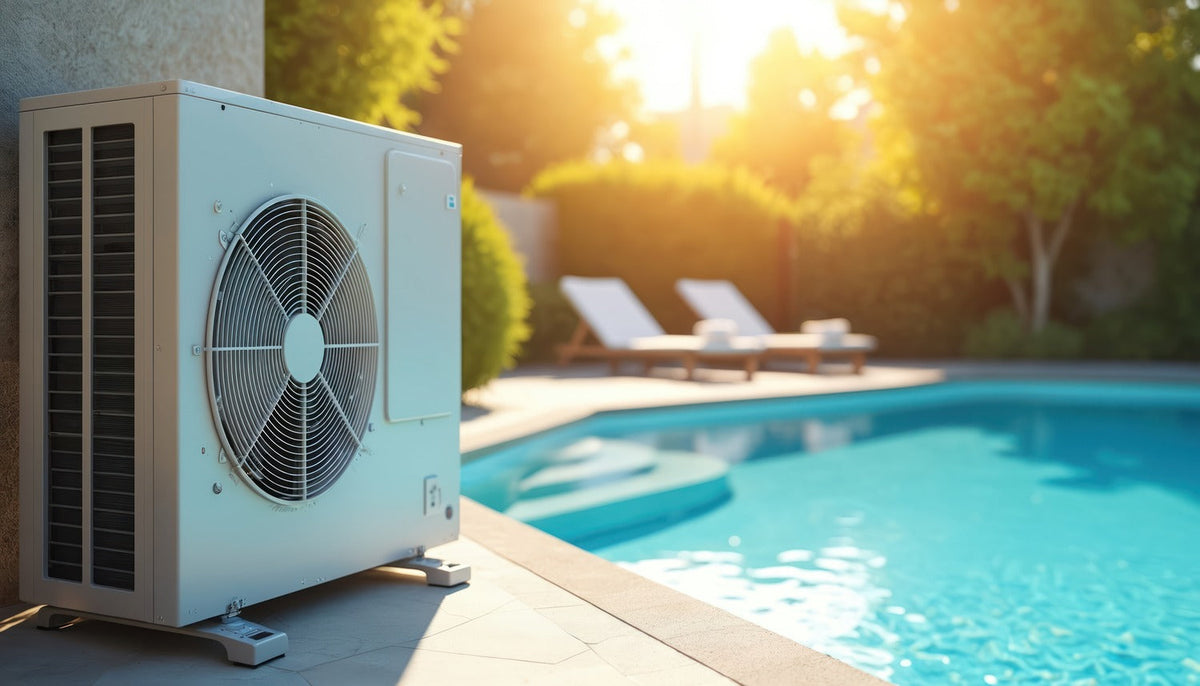
Choosing swimming pool heating solutions depends on your climate, pool usage, desired warm-up speed, and available heat source. Heat pumps and solar systems can reduce energy demand, while gas and electric heaters provide faster or simpler heating. A pool heat exchanger is useful when an existing boiler, HVAC, solar, or heat-pump system can warm the water through separate circuits. Covers, efficient circulation, and timed scheduling further limit heat loss and energy demand. Below, we compare the main options and explain how to match equipment to real-world pool conditions.
In this article you will learn:
- how to match pool heating systems to climate and usage;
- when a pool heat exchanger can use an existing heat source;
- how covers and circulation improve energy-efficient pool heating;
- which factors to compare when selecting a pool heating system.
Swimming pool heating solutions for every use case
No single option suits every pool. Heat pumps and solar systems minimise energy use, while gas suits fast, on-demand heating and spas. The right choice depends on climate, season length, daily or occasional use, warm-up speed, and any existing heat source.
- Air-source heat pump - steady, efficient heating in mild conditions
- Gas pool heater - rapid recovery when heat is needed quickly
- Solar pool heating system - low running energy when sunshine is reliable
- Electric resistance heater - simple but usually costly for frequent use
- Hybrid arrangement - solar support with a dependable backup source
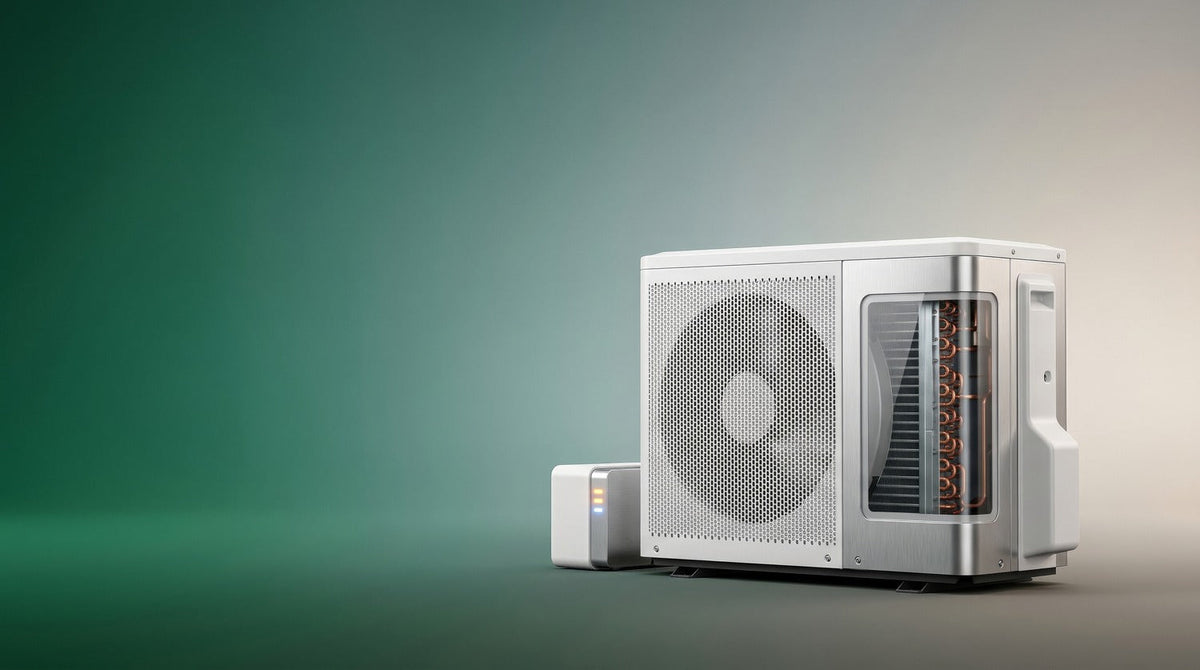
A heat pump can deliver roughly 4 to 5 kW of heat from 1 kW of electricity, giving a COP of 4-5. Solar mats depend on sunshine, whereas a heat pump is more consistent across changing weather. Actual running costs still vary with tariffs, heat loss, climate, and operating hours.
When a pool heat exchanger is the right choice?
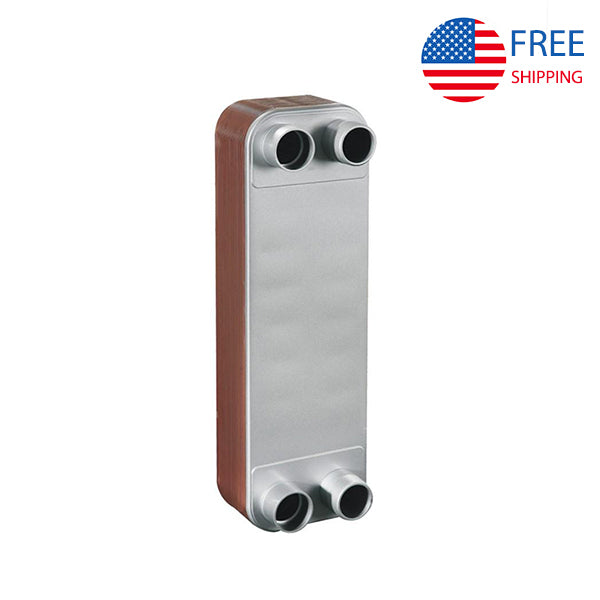
A pool heat exchanger is practical when the pool should use heat already produced by a boiler, HVAC system, district connection, solar-thermal loop, or heat pump. It transfers energy into the water instead of generating heat electrically.
Hot primary water passes through one side, while cooler pool water flows through the other. Heat crosses the exchanger wall, and warmed water returns to the pool. Separate circuits protect the main heating equipment from chlorinated or saltwater conditions.
Shell-and-tube and plate heat exchanger formats suit different layouts. Selection should reflect pool volume, required heat-up duty, primary temperatures, and water chemistry. Verify material suitability before installation, especially for treated or saltwater pools. Titanium tubing is used in some heat-pump exchangers, but each installation requires its own compatibility check.
Energy-efficient pool heating beyond the heater
The lowest-cost improvement is to reduce heat loss before asking the heater to run longer. A solar bubble cover, wind protection, and sensible temperature settings lower demand; pool water is commonly kept around 28-30 °C, adjusted for users and conditions.
Timed scheduling can align heating and circulation with pool use and available solar gain. Efficient pumps and correct circulation also improve heat delivery without wasting electricity. Covers, controls, and pump efficiency can reduce energy use substantially compared with traditional resistance heating, but savings are never guaranteed.
Hybrid operation can combine solar input with a heat pump or another backup source as weather changes. In Alfa Heating, we offer pool heat-exchanger options for integrated installations, helping match the equipment to the available heat source.
Related pages:
Choosing a pool heating system for real-world conditions
Swimming pool heating solutions work best when matched to climate, usage, heat-up expectations, and the available energy source. Heat pumps and solar systems can reduce running demand, while gas or electric units provide faster or simpler heating; a pool heat exchanger is especially suitable when existing boiler, HVAC, solar, or heat-pump energy can be transferred through separate circuits.
Start by limiting heat loss with a cover, efficient circulation, wind protection, and timed scheduling. Compare energy efficiency, water chemistry, capacity, and backup needs before choosing equipment, then review Alfa Heating options to plan a system suited to your pool.
Frequently asked questions
Gas usually costs more to run than heat pumps or solar systems. Actual expenses depend on energy tariffs, weather, heat loss, and operating hours.
Heat pumps are generally among the most energy-efficient pool heaters. Compare COP, output, controls, and performance under your local climate.
Solar mats usually have lower running costs when sunlight is reliable. Heat pumps provide more consistent heating but use electricity during operation.
Mild, sunny climates suit solar systems and heat pumps well. Colder regions may need a heat pump with backup heating for reliable performance.


Expert tip:
Before choosing a pool heat exchanger, record pool volume, target water temperature, primary-side temperature, flow rate, and chlorine or salt conditions. Compare them with the product datasheet: the required heat duty, flow range, and materials should all match. Do not size the exchanger from pool volume alone.