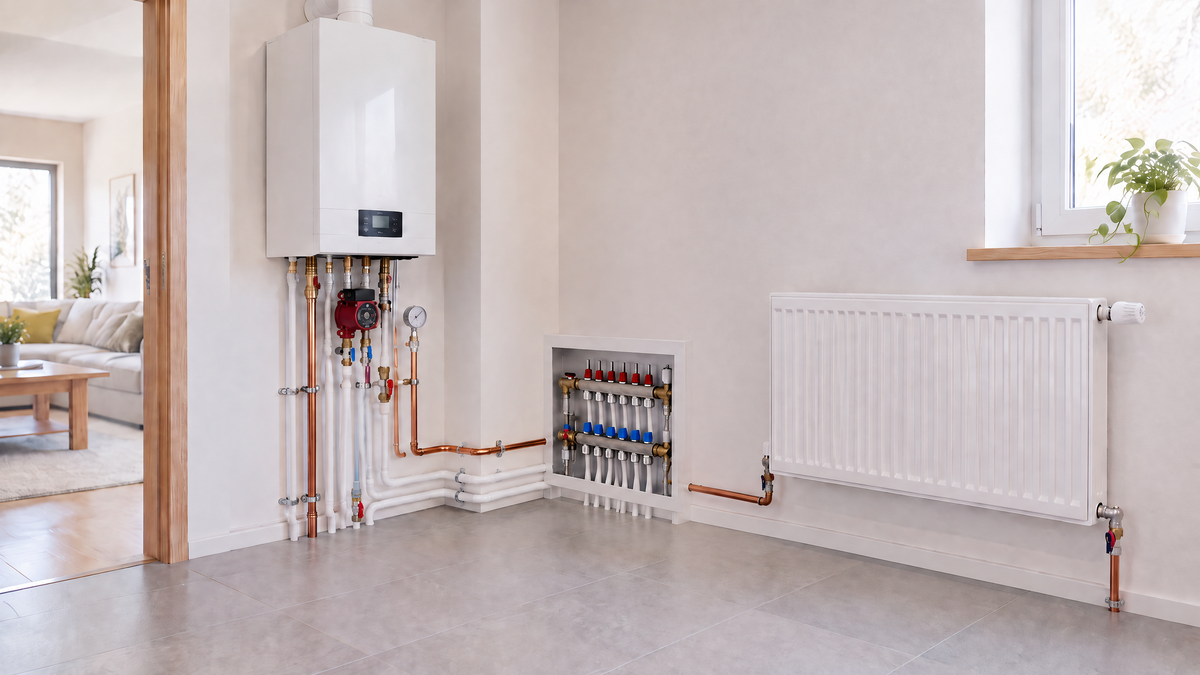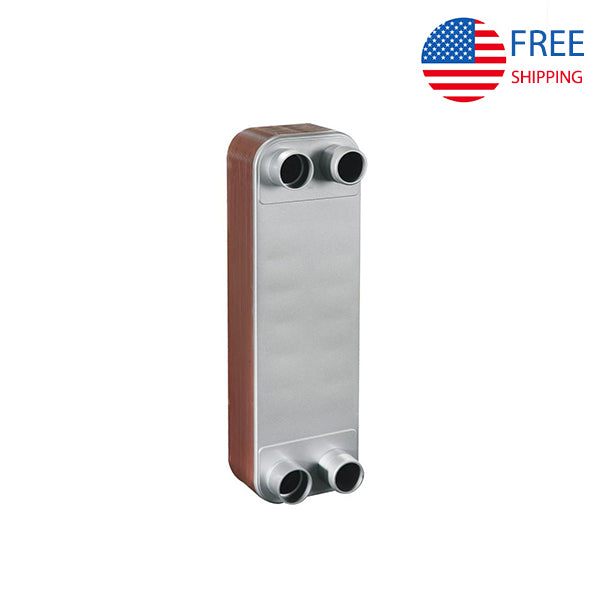
A well-designed swimming pool heating system requires more than just choosing a powerful heat source. The heat exchanger plays a critical role in transferring heat efficiently while protecting the heating equipment from direct exposure to pool water.
Different pool applications require different heat exchanger solutions. A residential backyard pool, a commercial swimming facility, and a saltwater pool may all have different requirements for:
- Heating source compatibility
- Heat transfer capacity
- Material selection
- Water chemistry
- Installation environment
Choosing the right swimming pool heat exchanger helps improve system efficiency, reduce maintenance requirements, and extend equipment service life.
This guide explains how to select the right heat exchanger based on different swimming pool heating applications.
Why Does a Swimming Pool Heating System Need a Heat Exchanger?
A pool heat exchanger transfers heat between two separate fluid circuits without mixing the fluids.
In a typical pool heating system:
Heating Source → Heat Exchanger → Swimming Pool
The heat exchanger separates:
Primary Heating Loop
Including:
- Gas boilers
- Heat pumps
- Solar heating systems
- Biomass boilers
- Other external heat sources
Pool Water Loop
Including:
- Chlorinated pool water
- Saltwater
- Spa water
This separation prevents pool chemicals from entering the heating equipment and allows different heating technologies to work with swimming pools.
A heat exchanger for swimming pool systems is commonly used when the heating source is not designed for direct connection with chemically treated pool water.
For a complete overview of pool heating applications, visit our Swimming Pool Heating System Application Solution.
How to Select a Pool Heat Exchanger Based on Heating Source?
The first step in choosing a pool heat exchanger is understanding the heating source.
Different heating systems operate under different temperature ranges and flow conditions, which affects heat exchanger selection.
Boiler-Based Swimming Pool Heating Systems
Boilers are commonly used for:
- Indoor swimming pools
- Commercial pools
- Large residential pools
- Year-round pool heating
A boiler can provide a high-temperature water source, but the boiler loop should normally remain separated from pool water.
A pool heater heat exchanger creates a safe connection between the boiler system and the pool circulation system.
Benefits include:
- Protecting the boiler from chlorine and chemicals
- Improving system reliability
- Simplifying maintenance
- Supporting higher heating capacity requirements
Boiler Heating System Solution
Heat Pump Swimming Pool Heating Systems
Heat pumps are widely used in residential swimming pool heating systems because they provide efficient heating with lower energy consumption.
Compared with boilers, heat pumps usually operate with lower temperature differences.
When selecting a heat exchanger for a heat pump system, consider:
- Water flow rate
- Temperature difference
- Heat transfer efficiency
- Pressure drop
A properly selected heat exchanger helps maximize the performance of the heat pump system.
Solar Pool Heating Systems
Solar heating systems use renewable energy from solar collectors to heat pool water.
A heat exchanger allows solar thermal systems to transfer heat efficiently while keeping the solar loop separate from pool water.
Advantages include:
- Reduced energy consumption
- Environmentally friendly operation
- Flexible system integration
Solar pool heating applications often require corrosion-resistant materials depending on the fluid conditions. Solar Pool Heating Solution
Choosing a Pool Heat Exchanger Based on Installation Environment
Besides the heating source, the installation environment also affects heat exchanger selection.
Different pool environments create different operating challenges.
Residential Swimming Pool Heating Systems
Residential pools typically require:
- Reliable daily operation
- Compact installation
- Easy maintenance
- Cost-effective heating solutions
Common residential applications include:
- Backyard swimming pools
- Private pools
- Home spas
For residential applications, stainless steel pool heat exchangers are commonly used when water chemistry is well controlled.
Commercial Swimming Pool Heating Systems
Commercial pools usually have higher heating demands because they operate for longer periods and serve more users.
Examples include:
- Hotels
- Fitness centers
- Public swimming pools
- Aquatic facilities
Commercial applications require consideration of:
- Continuous operation
- Higher heat transfer capacity
- Long service life
- Corrosion resistance
For these applications, titanium or high-grade stainless steel heat exchangers may be selected depending on water conditions.
Explore: Commercial Pool Heating Solution
Saltwater Swimming Pool Heating Systems
Saltwater pools create a more demanding corrosion environment compared with standard freshwater pools.
Salt concentration can accelerate corrosion of unsuitable materials, especially in long-term operation.
A titanium pool heat exchanger is often recommended for saltwater pool applications because titanium provides excellent resistance to chloride corrosion.
Titanium heat exchangers are suitable for:
- Saltwater pools
- Coastal applications
- Commercial aquatic facilities
- Pools with aggressive water chemistry
Saltwater Pool Installation Environment Solution
How to Choose Between Titanium and Stainless Steel Heat Exchangers?
Material selection is one of the most important decisions when selecting a swimming pool heat exchanger.
| Application | Recommended Material |
|---|---|
| Freshwater residential pool | SS316L Stainless Steel |
| Standard chlorinated pool | SS316L Stainless Steel |
| Saltwater pool | Titanium |
| Commercial pool | Titanium or SS316L |
| Spa applications | Titanium or SS316L |
Titanium Pool Heat Exchanger
Titanium is recommended for demanding pool applications because of its excellent corrosion resistance.
Advantages:
- Excellent chloride resistance
- Suitable for saltwater pools
- Long service life
- Reliable performance under harsh conditions
For customers searching for a titanium pool heat exchanger, titanium models are usually the preferred solution for saltwater and commercial applications.
Stainless Steel Pool Heat Exchanger
SS316L stainless steel provides a reliable and economical solution for many standard pool applications.
Advantages:
- Good corrosion resistance
- Cost-effective
- Efficient heat transfer
- Suitable for freshwater pools
How to Select the Right Pool Heat Exchanger Model?
After identifying the application, several technical parameters should be considered.
Heat Transfer Capacity
The heat exchanger capacity should match the pool heating requirements.
Important factors include:
- Pool size
- Desired temperature
- Heating time
- Heat source capacity
For detailed calculation guidance, see our: Pool Heat Exchanger Sizing Guide
Flow Rate
The heat exchanger must match both:
- Pool circulation flow rate
- Heating source flow rate
Incorrect flow conditions may reduce efficiency or increase pressure drop.
Connection Size
Connection size should match the existing piping system.
Common connection sizes include:
- 1 inch
- 1.5 inch
- 2 inch
- Larger customized connections
Proper connection matching simplifies installation and improves system performance.
Common Swimming Pool Heating System Configurations
Configuration 1: Boiler + Heat Exchanger + Pool
Application:
- Indoor pools
- Commercial pools
- Large residential pools
System: Boiler → Heat Exchanger → Pool
Configuration 2: Heat Pump + Heat Exchanger + Pool
Application:
- Residential pools
- Energy-efficient heating systems
System: Heat Pump → Heat Exchanger → Pool
Configuration 3: Solar Heating + Heat Exchanger + Pool
Application:
- Renewable energy pool heating
System: Solar Collector → Heat Exchanger → Pool
Recommended Pool Heat Exchanger Solutions from Alfa Heating
Alfa Heating provides swimming pool heat exchanger solutions for residential, commercial, and specialized pool applications.
Our solutions include:
Shell and Tube Pool Heat Exchangers
Suitable for:
- Boiler pool heating systems
- Large swimming pools
- High flow applications
Titanium Pool Heat Exchangers
Recommended for:
- Saltwater pools
- Commercial pools
- Corrosive environments
Custom Heat Transfer Solutions
Our team can help select the correct solution based on:
- Heating source
- Pool type
- Flow requirements
- Operating conditions
Selecting the right heat exchanger is essential for creating an efficient and reliable swimming pool heating system.
The best solution depends on:
- Heating source
- Installation environment
- Pool water chemistry
- Required heating capacity
Residential freshwater pools may use stainless steel heat exchangers for cost-effective performance, while saltwater and commercial pools often benefit from titanium heat exchangers due to their superior corrosion resistance.
By matching the heat exchanger to the specific application, pool owners, contractors, and engineers can achieve better efficiency, lower maintenance costs, and longer equipment life.
Need help selecting the right pool heat exchanger for your project? Contact Alfa Heating for professional recommendations.
FAQ
No. In most swimming pool heating systems, the boiler should not be connected directly to pool water. A pool heat exchanger provides separation between the boiler water loop and the pool water loop, preventing chlorine, salt, and other pool chemicals from entering the heating equipment. This helps improve system reliability and extend equipment service life.
A titanium pool heat exchanger is generally the best choice for saltwater swimming pool applications. Titanium provides excellent resistance to chloride corrosion and offers reliable long-term performance in demanding environments. It is commonly recommended for saltwater pools, coastal installations, commercial pools, and applications with aggressive water chemistry.
The correct heat exchanger depends on several factors, including the heating source, pool size, water flow rate, pool water chemistry, installation environment, and required heat transfer capacity. Boiler systems, heat pump systems, and saltwater pools may require different heat exchanger designs and materials to achieve reliable performance.
Yes. A heat exchanger can be used with a heat pump swimming pool heating system when the model is selected according to the heat pump output, water flow rate, temperature difference, and pressure drop requirements. A properly selected heat exchanger helps maintain efficient heat transfer and reliable pool heating performance.
The service life of a swimming pool heat exchanger depends on material selection, pool water chemistry, operating conditions, and maintenance. Titanium heat exchangers typically provide excellent durability in saltwater and corrosive environments, while SS316L stainless steel models can provide reliable performance in freshwater pools with proper water management.