If your heating system is running but your space still feels underheated, the problem is often not the boiler or furnace itself—but the water to air heat exchanger setup, sizing, or airflow configuration.
In hydronic heating systems, the heat exchanger is the core component responsible for transferring thermal energy from hot water into forced air. When it is not correctly matched to the system, performance issues can appear even if all other equipment is working properly.
This guide explains the most common real-world problems users face with water to air heat exchangers, how to diagnose them, and how to fix them effectively.
Common Signs Your Water to Air Heat Exchanger Is Undersized
One of the most frequent issues in HVAC and hydronic heating systems is an undersized heat exchanger.
Many users assume “bigger boiler = more heat,” but in reality, heat transfer is limited by the coil surface area and airflow interaction.
Typical symptoms include:
-
Air coming from vents is warm but never hot
-
Space takes too long to reach target temperature
-
System runs continuously without cycling off
-
Boiler temperature remains high but room temperature stays low
-
Heat output drops significantly in colder weather
Why this happens:
A small water to air heat exchanger does not provide enough fin surface area for efficient thermal transfer. Even if water temperature is high, the limited coil size restricts energy exchange.
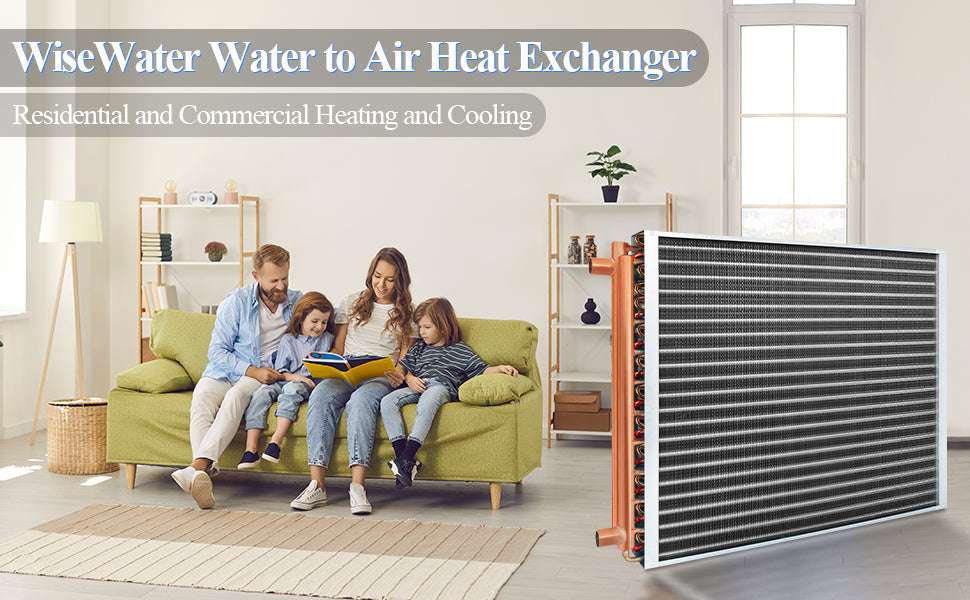
In small spaces or low-demand systems, a properly selected small to medium water to air heat exchanger can still deliver efficient heating performance without oversizing the system.
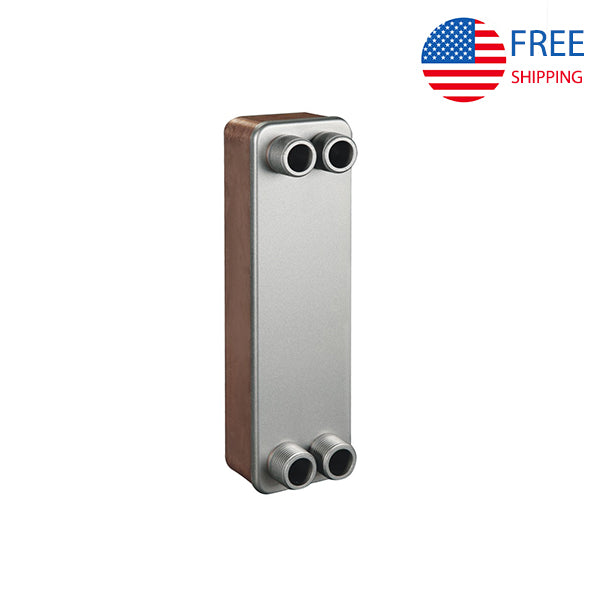
Water to Air Heat Exchanger 10x10 1" Copper Ports
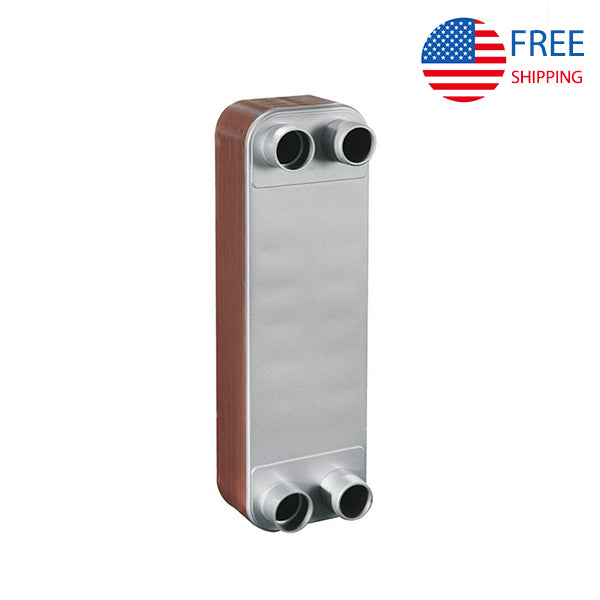
Air to Water Heat Exchanger 12x12 1" Copper Ports
Air to Water Heat Exchanger 12x15 1" Copper Ports
Practical solution:
Upgrading to a properly sized unit significantly improves performance. In many cases, increasing coil face area or adding additional rows of tubing immediately improves temperature rise and system efficiency.
Incorrect Airflow Is One of the Most Overlooked Problems
Airflow (measured in CFM) is just as important as coil size in system performance.
Even a correctly sized heat exchanger will underperform if airflow is not properly balanced.
Common airflow problems include:
-
Blower fan too weak for coil resistance
-
Duct system restricting airflow
-
Air velocity too high through coil
-
Insufficient static pressure capability
-
Poor duct design or sharp bends
What happens when airflow is incorrect:
If airflow is too high, air passes through the coil too quickly and does not absorb enough heat.
If airflow is too low, heat transfer efficiency drops because insufficient air volume is being heated.
Key engineering principle:
A water to air heat exchanger must balance:
-
Heat transfer surface area
-
Air velocity
-
Water flow rate
-
Static pressure capability
Without this balance, even premium systems will not perform correctly.
How Water Temperature Directly Impacts Heating Output
Water temperature is one of the most critical factors in hydronic heating performance.
Many systems operate at different temperature ranges depending on the heat source:
-
Outdoor wood boilers
-
Gas or electric boilers
-
Hydronic radiant systems
-
Mixed heating systems
Common real-world issues:
-
Systems running at 120°F–150°F struggle in winter
-
Users expecting high output from low-temperature sources
-
Heat loss during long pipe runs
-
Temperature drop under load
Why this matters:
Heat transfer efficiency is directly related to temperature differential. Lower water temperatures mean less available thermal energy.
Solution:
If your system operates at lower water temperatures, you may need:
-
Larger surface area water to air heat exchanger
-
Higher fin density coil
-
Multi-row configuration
-
Improved airflow balance
In low-temperature systems, coil sizing becomes significantly more important.
Choosing the Right Water to Air Heat Exchanger Size
Proper sizing is the most important factor for system success.
Incorrect sizing is the root cause of most performance complaints.
Key sizing factors include:
-
Square footage of the heated space
-
Insulation level of the building
-
Water supply temperature
-
Blower airflow capacity (CFM)
-
Desired temperature rise (ΔT)
-
Climate conditions
Application-based sizing examples:
Garage or small workshop
-
Moderate airflow requirements
-
Medium-sized coil typically sufficient
Large workshop or commercial space
-
Higher BTU demand
-
Larger coil or multi-coil system recommended
Greenhouse systems
-
Continuous heat demand
-
Stable low-temperature performance required
Outdoor wood furnace systems
-
Variable water temperature
-
Oversized coil often required for peak efficiency
Important rule:
When in doubt, it is safer to select a slightly larger water to air heat exchanger than an undersized one. Undersizing is the most common cause of poor performance.
Installation Mistakes That Reduce Performance
Even a correctly selected heat exchanger can perform poorly if installation is not optimized.
Common installation mistakes:
-
Coil installed too far from blower
-
Poor sealing around coil frame
-
Air bypassing the coil edges
-
Incorrect orientation of water inlet/outlet
-
Lack of proper filtration system
-
Dirty or clogged fins reducing airflow
Result of poor installation:
-
Reduced heat output
-
Increased energy consumption
-
Uneven heating distribution
-
Higher system wear over time
Best practice:
Ensure that all air is forced through the coil surface and cannot bypass the heat exchange zone.
When You Should Replace Your Water to Air Heat Exchanger
Over time, even well-designed systems degrade in performance.
Replacement may be necessary if you observe:
-
Noticeable drop in heating efficiency
-
Corrosion on copper tubing or aluminum fins
-
Physical damage or leaks
-
Excessive dust buildup that cannot be cleaned
-
Increased airflow resistance
-
System no longer meets heating demand
Why replacement improves performance:
Modern water to air heat exchangers often have:
-
Improved fin geometry
-
Better thermal conductivity materials
-
Higher efficiency design
-
More optimized airflow resistance
Upgrading can significantly increase heat output without changing your boiler or furnace.
In most heating systems, performance issues are not caused by the boiler or furnace—but by mismatched or incorrectly sized water to air heat exchangers.
Key factors such as airflow, water temperature, coil size, and installation quality all work together to determine system efficiency.
A properly engineered setup can dramatically improve comfort, reduce energy waste, and stabilize indoor temperature.
FAQ
The correct size depends on square footage, insulation level, airflow (CFM), and water temperature. Small spaces such as garages or compact workshops may require smaller units, while larger buildings or high-demand systems typically need larger capacity water to air heat exchangers for proper heat output.
Common causes include undersized coils, low water temperature, incorrect airflow (CFM imbalance), dirty fins, or system design issues. In many cases, performance problems are related to mismatch between coil size and system requirements rather than the boiler itself.
Yes, but low-temperature systems require larger heat exchange surface area to maintain efficiency. Systems such as outdoor wood boilers or low-temp hydronic setups often perform better with larger capacity water to air heat exchangers to compensate for reduced thermal energy.
Small units are designed for compact spaces with lower heating demand, while large units are intended for higher BTU requirements, larger airflow systems, and colder climates. Choosing the correct size ensures proper heat transfer efficiency and system balance.
Yes, upgrading to a larger water to air heat exchanger is often an effective way to improve heating performance. Replacement is recommended if you notice weak heat output, uneven heating, or reduced efficiency over time due to aging or undersized equipment.