A high pressure drop often points to fouling, blockage, or flow imbalance. Read on to identify the cause, compare symptoms, and choose the right corrective action.
From the article you will learn:
- what a rising pressure drop means for exchanger performance
- how deposits and blocked passages affect flow resistance
- why pump mismatch and incorrect flow settings increase hydraulic load
- how fluid viscosity and temperature changes influence pressure behavior
- which operating signals point to maldistribution and internal restriction
- how to distinguish temporary process changes from a lasting problem
- which maintenance actions help restore stable operation and flow balance
- why gasket condition and channel geometry matter in compact units
- how trend monitoring supports earlier detection of repeat pressure issues
- when exchanger sizing becomes part of the pressure loss problem
Why pressure drop in a heat exchanger gets too high
The pressure drop in a heat exchanger gets too high when the fluid meets more resistance than the unit was designed to handle. The flow path becomes harder to pass through, so circulation weakens and thermal stability falls with it. A heat exchanger pressure drop is normal up to a point, because turbulence supports heat transfer. The problem starts when resistance rises beyond the expected range.
Most cases develop from small internal changes rather than one major failure. Deposits on heat transfer surfaces, narrowed passages, and operating conditions outside the design point all add friction. A high pressure drop heat exchanger condition can also appear when valves, pumps, or control settings no longer match the system curve. The result is the same: more energy is spent moving fluid through the unit.
- fouling from dirt, sludge, oil, or biological residue
- scale buildup from hard water or dissolved minerals
- clogged or partially blocked channels inside the exchanger
- flow rate above the unit’s design range
- higher fluid viscosity caused by temperature or product changes
- valve restriction or pump mismatch elsewhere in the circuit
The core explanation stays simple. More internal resistance creates a larger pressure difference between inlet and outlet. That is the direct reason the measured drop rises. Once the flow path narrows, roughens, or receives more volume than it can pass efficiently, the exchanger responds with higher hydraulic losses.
How to identify flow restrictions and performance losses
Flow restrictions become visible in operating data before they become obvious during shutdown. The first sign is usually unstable thermal performance. Outlet temperatures drift, the unit takes longer to reach target conditions, and heating or cooling becomes less even across production cycles. These changes often appear together with rising differential pressure.
Several operating symptoms point to developing heat exchanger flow problems. Pump strain is a practical warning sign, especially when motor load rises or the pump works farther from its best efficiency point. Noise matters too. Whistling, vibration, or intermittent hydraulic sounds can point to restricted passages or uneven flow distribution.
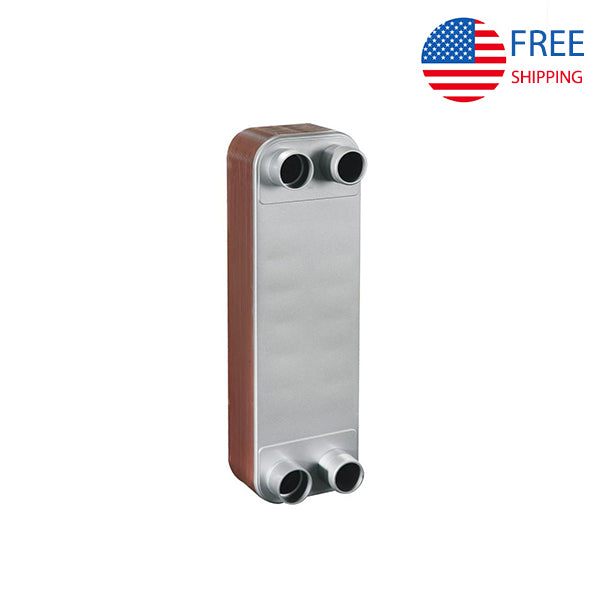
Compact exchangers often reveal these issues faster. The pressure drop in plate heat exchanger designs can rise quickly when narrow channels collect deposits and lose open area. That effect makes maldistribution easier to spot, but it also makes the unit more sensitive to small fouling layers. A slow rise usually points to buildup, while a sudden jump points to a blockage, valve issue, or configuration change.
- compare inlet and outlet pressure readings with historical values
- check whether outlet temperature is stable at the expected load
- look for uneven heating or cooling across batches or operating periods
- listen for pump noise, cavitation-like sounds, or vibration changes
- verify whether flow rate has fallen despite unchanged pump settings
- review recent fluid, temperature, or maintenance changes that may affect distribution
How to reduce pressure loss and restore stable operation
Reducing resistance starts with identifying the source of the restriction. If deposits have narrowed the flow path, cleaning or chemical descaling often restores open area and improves circulation. If solids are trapped inside the channels, backflushing can remove loose debris before a full teardown is needed. Worn or displaced gaskets also deserve inspection, because they can disturb channel alignment and create bypassing.
Operating conditions matter as well. If flow rate is higher than the exchanger can handle efficiently, lowering it toward the design range can reduce friction and stabilize pressure behavior. Fluid properties deserve equal attention. A colder or thicker process stream creates more drag, especially in narrow passages, so temperature, viscosity, and composition need to match the original assumptions.
In some cases, the issue is not maintenance but sizing. If the exchanger is undersized for the required duty, or if the plate pattern creates excessive velocity, the unit can operate near its hydraulic limit even when clean. Recurring heat exchanger pressure loss then reflects a design mismatch. Reviewing exchanger sizing, allowable pressure drop, and real operating load helps separate temporary fouling from a structural constraint.
Long-term stability comes from repair plus monitoring. Trend data shows whether the same restriction is returning after cleaning, whether pressure rises faster during certain seasons, or whether process changes are shifting the unit away from its design point. That makes earlier intervention possible and reduces unplanned shutdowns.
- deposit buildup - clean or descale the exchanger surfaces
- loose solids or debris - backflush the affected circuit
- gasket wear or misalignment - inspect, reseat, or replace gaskets
- excessive flow rate - adjust pump output or valve position
- unexpected fluid viscosity - verify temperature and product properties
- repeated high differential pressure - review exchanger sizing and channel selection